

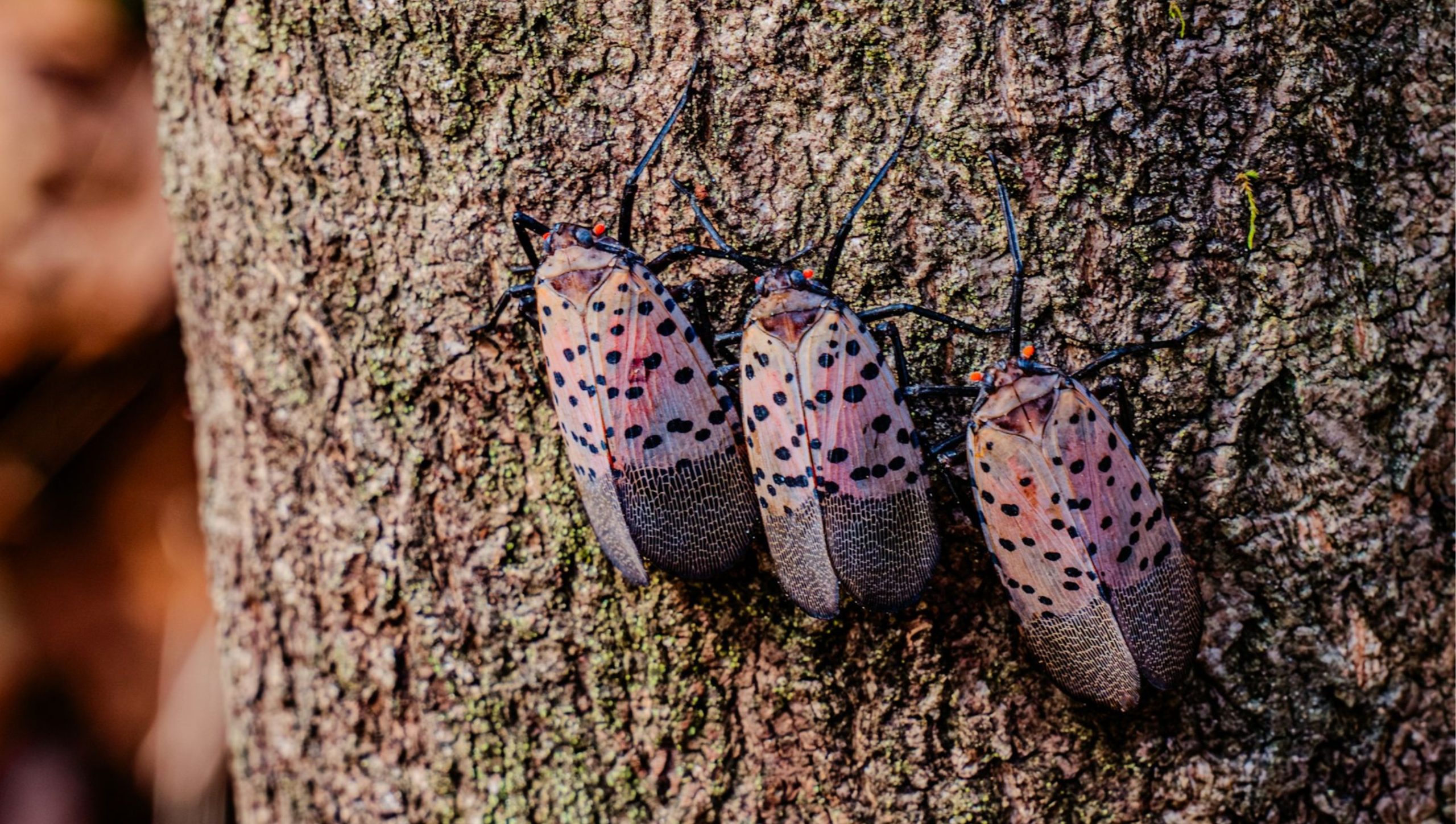
Spotted lanternfly infestations usually begin with clues that look ordinary, not with a clear insect on the trunk. County and state guidance repeats the same warning: the early signs often show up as residue, texture, and wet bark on fences, patio furniture, siding, and shade trees, but they get brushed off as weather, sap, or grime. The insect changes form through the season, lays eggs on common outdoor surfaces, and leaves patterns that only make sense when they are seen together. That is why late summer buildup turns a quiet yard into a sticky, crowded mess.
Mud Like Egg Patches on Outdoor Surfaces
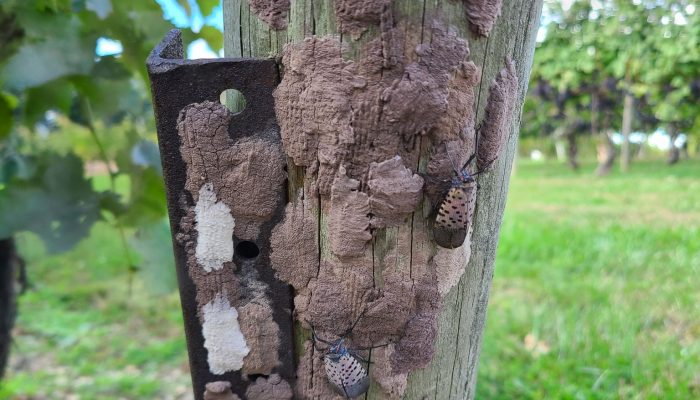
The sign officials mention most often is an egg mass that does not look like eggs at all from a few feet away. Fresh masses appear gray and putty-like, then dry into a dull patch that resembles cracked mud, so they blend into bark, brick, stone, painted wood, and even weathered metal.
That is why yards get cleaned and stay at risk. USDA and state agencies note that these masses are about 1 inch long, hold 30 to 50 eggs, and can remain visible through fall, winter, and spring on outdoor surfaces that are easy to walk past without a second look during routine chores, weekend cleanup, or leaf raking, porch checks and cleanup rounds.
High Egg Masses Above Eye Level
Even when homeowners know to watch for egg masses, the search usually stays at eye level or lower. New Jersey officials warn that most egg masses found on trees are much higher, often 10 feet up or more, so a trunk can look clear near the base while the upper bark still holds several patches.
That height problem is one reason infestations linger unnoticed. A quick ground scan catches the obvious marks, but the hidden masses stay above routine yard work and keep the next hatch cycle in place until warm weather brings movement back to the property and nearby host plants, fences, sheds, and the upper side of outdoor structures.
Seed Like Rows After Hatching
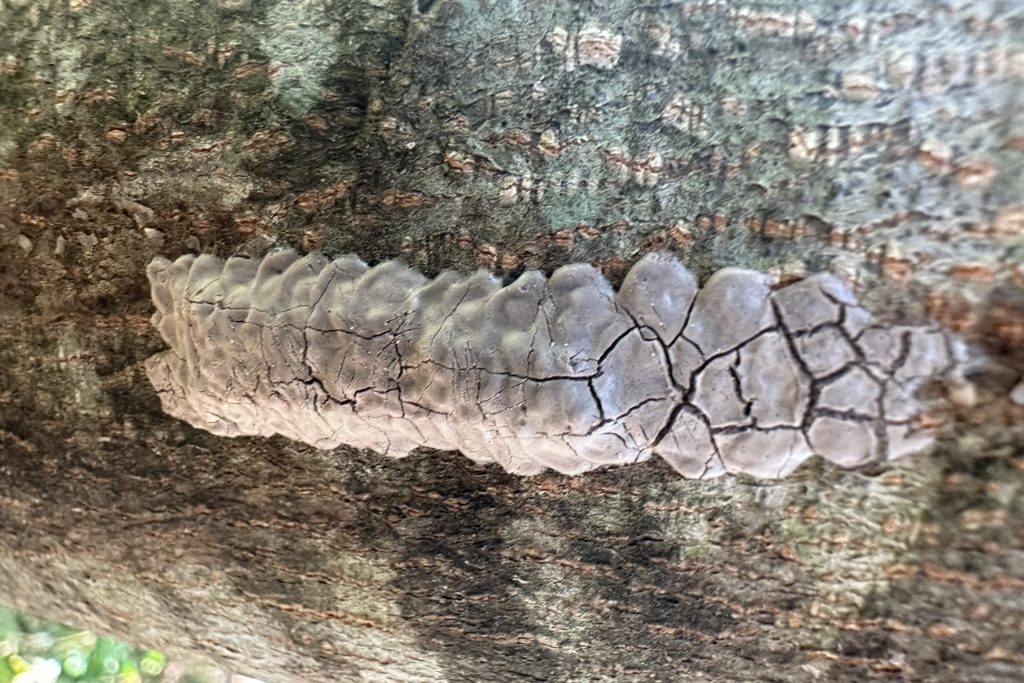
Hatched egg masses are another clue people miss because they no longer look fresh or gray. Once the waxy coating wears away, the surface can look brown, scaly, or seed-like, which makes it easy to mistake for rough bark, peeling paint, old caulk, or weathered residue on sheds and posts.
Officials flag this sign because it shows the insect was already present, even if no nymphs are visible at that moment. On a busy property, those emptied rows get ignored as old surface damage, but they are a clear record of hatching activity that happened nearby and may still be active in the same yard and around nearby host plants today.
Black and White Nymphs in Spring
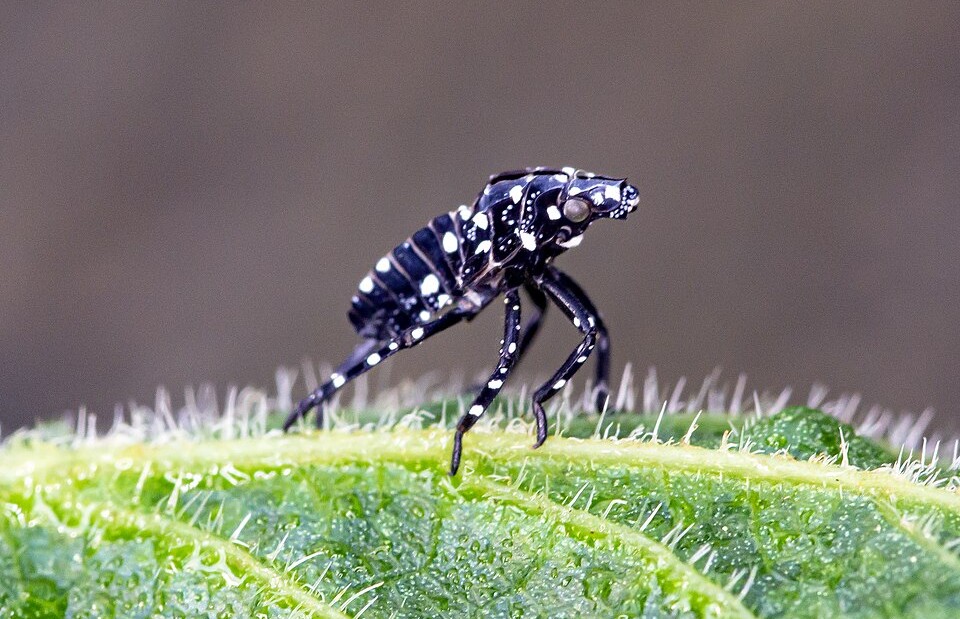
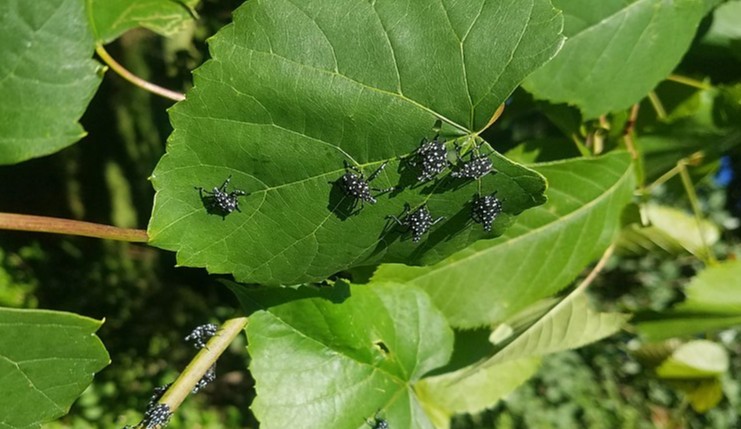
Spring often brings the next missed sign because the young stage does not match the adult image most people remember. Early nymphs are small, wingless, black, and covered with white spots, and they move fast enough that a brief look can make them seem like ordinary yard insects or harmless plant bugs.
That misread is common during routine garden work. Officials describe black nymphs as an early seasonal clue, and they can show up on many host plants while feeding on stems and branches, long before the more familiar red nymphs and adults gather in larger numbers on trunks and vines, then spread across a block in midsummer.
Red Nymphs Before Adults Peak
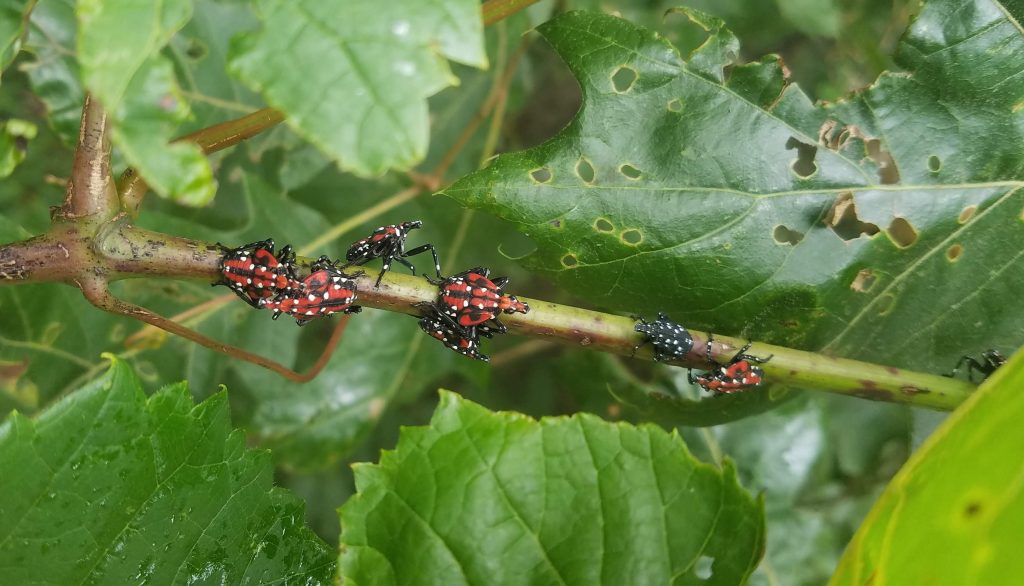
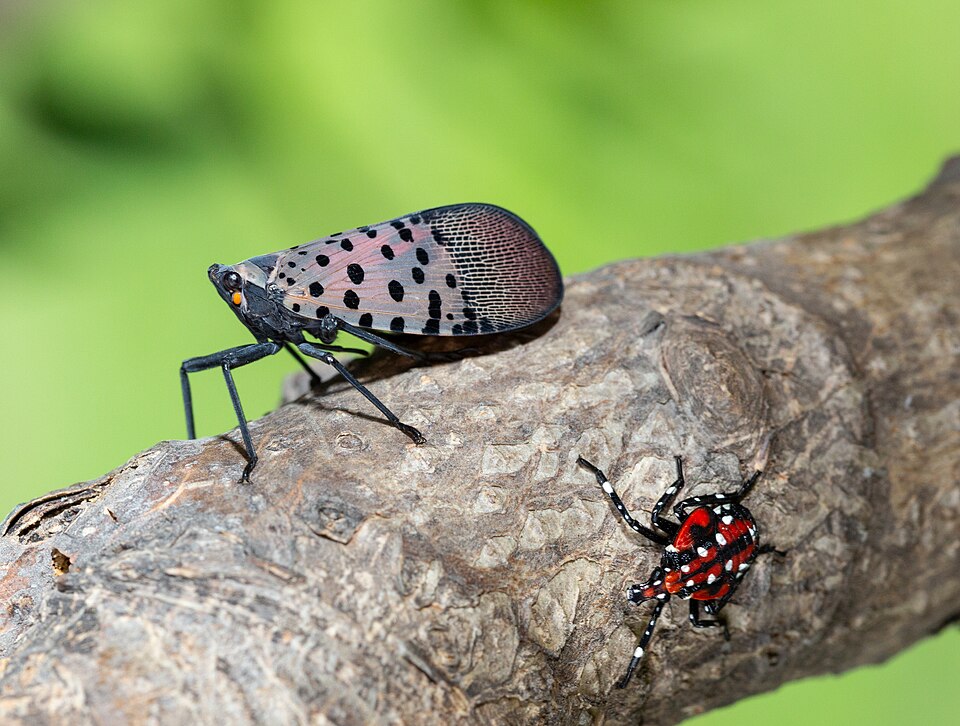
By midsummer, the nymphs change again, and this is where many sightings still get dismissed. The later nymph stage turns bright red with black markings and white spots, which looks striking but still gets mistaken for another insect when the adult lanternfly is the only form people recognize from local warnings.
Officials treat that red stage as a key warning, not a side detail. It signals the population is maturing on the property, still feeding actively, and moving closer to the adult period when clustering, honeydew buildup, and heavier nuisance activity often become much easier to notice across yards and driveways.
Sticky Honeydew on Patios and Cars
A sticky shine on railings, cars, patio furniture, or play equipment is often the first clue a homeowner actually touches. USDA and state guidance explains that spotted lanternflies excrete a sugary liquid called honeydew, and it can leave a glossy, tacky film on surfaces below infested plants, decks, and walkways.
The pattern matters more than one messy spot. When the residue keeps returning under the same tree or vine after cleaning, officials treat it as a strong sign of active feeding overhead, sometimes high in the canopy where adults and nymphs stay out of easy view during the day, especially in dense summer growth.
Black Sooty Mold and Extra Insect Traffic
Black residue under a tree is easy to write off as grime after rain or humid weather, but officials keep calling it out for a reason. Honeydew buildup encourages black sooty mold, and that growth can spread across leaves, understory plants, decks, furniture, siding, and other surfaces below feeding sites.
The extra insect traffic around that mess is another clue. USDA and state alerts note that honeydew can attract ants, bees, wasps, and other insects, so a tree with sticky surfaces, black coating, and unusual swarming activity often points to lanternflies feeding somewhere above the line of sight, even before adults are obvious.
Weeping Bark, Sour Odor, and Clustering
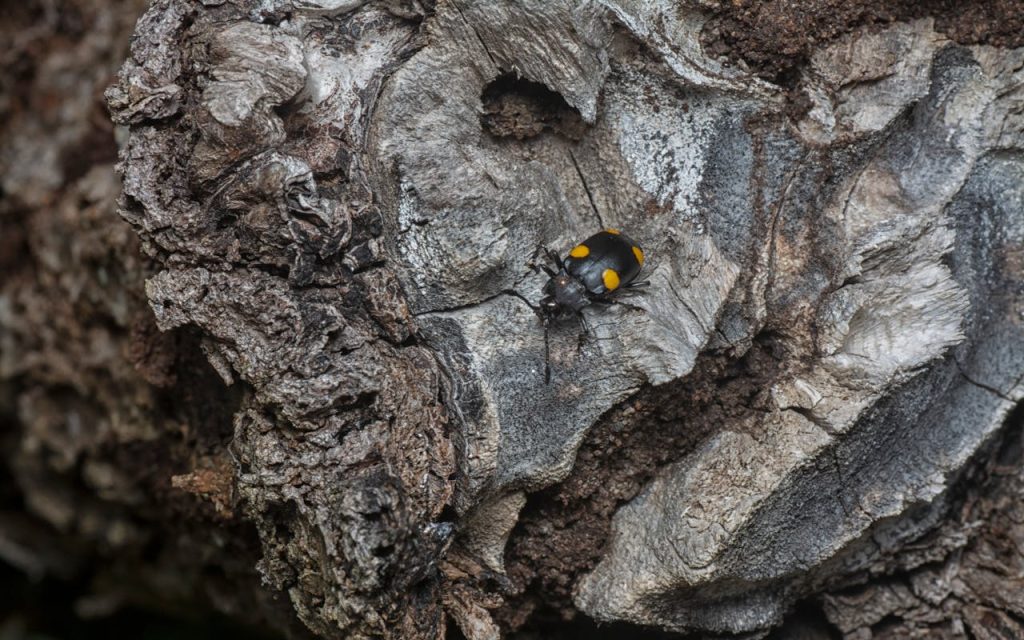
Wet streaks on bark can look like ordinary sap flow, yet officials list weeping trunks as a lanternfly warning sign. New York and Pennsylvania guidance notes sap oozing from small wounds, and the residue around heavy feeding can develop a fermented, vinegar-like odor as honeydew breaks down over time.
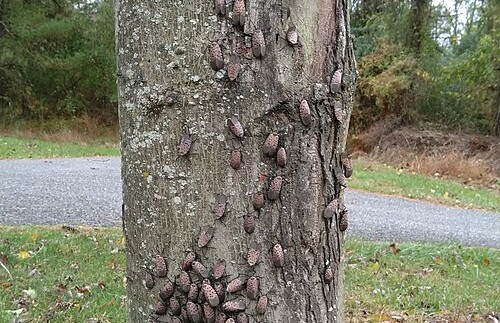
Location can sharpen the clue. USDA highlights tree-of-heaven as a favorite host, and both nymphs and adults may cluster in large numbers near the base or up in the canopy, so repeated wet bark, sour odor, and crowding on that tree is a pattern worth taking seriously early, before numbers swell and nearby residue spreads.
Across porches, driveways, and backyard trees, the earliest lanternfly clues usually appear as changes in texture, residue, and smell before the insects become obvious. When those patterns are noticed early, local reporting and control efforts have a better chance to start before the season gets much harder to manage.