

Each spring and summer, a small animal alone on the ground can feel like an emergency. But for many wild species, parents stay out of sight on purpose, returning only when the area is quiet. A quick pickup can interrupt feeding schedules, raise stress, and move a young animal away from the exact place its parent expects to find it. Well-meant care at home often adds the wrong food, the wrong heat, and the wrong handling, all while wildlife centers juggle limited space. When a situation truly is urgent, one calm phone call to a licensed rehabilitator or local wildlife office can guide the next move without guesswork.
The Fawn Alone in the Grass
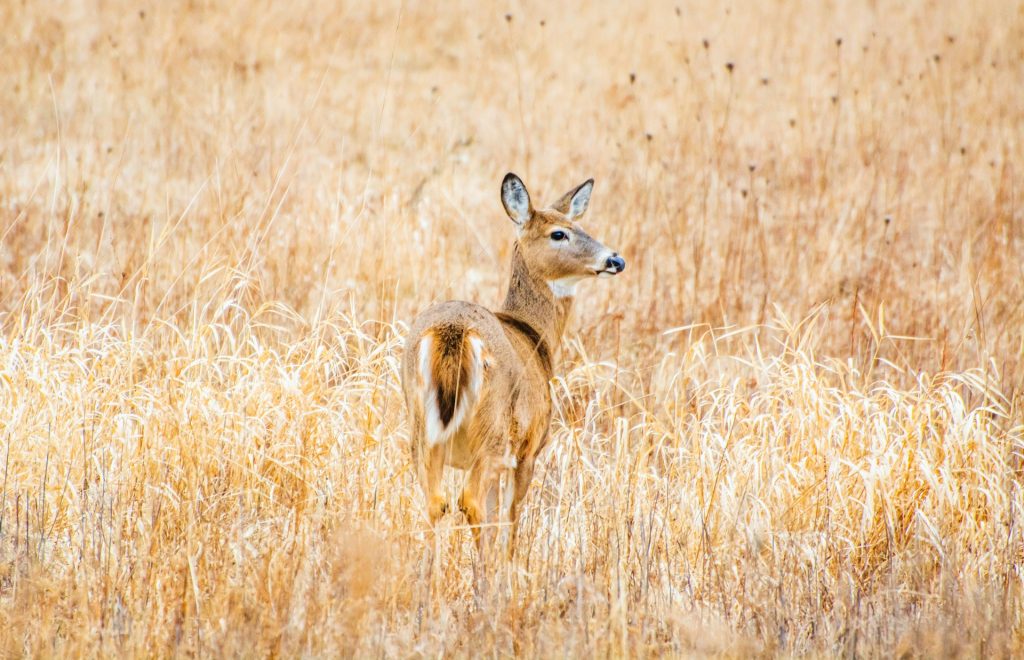
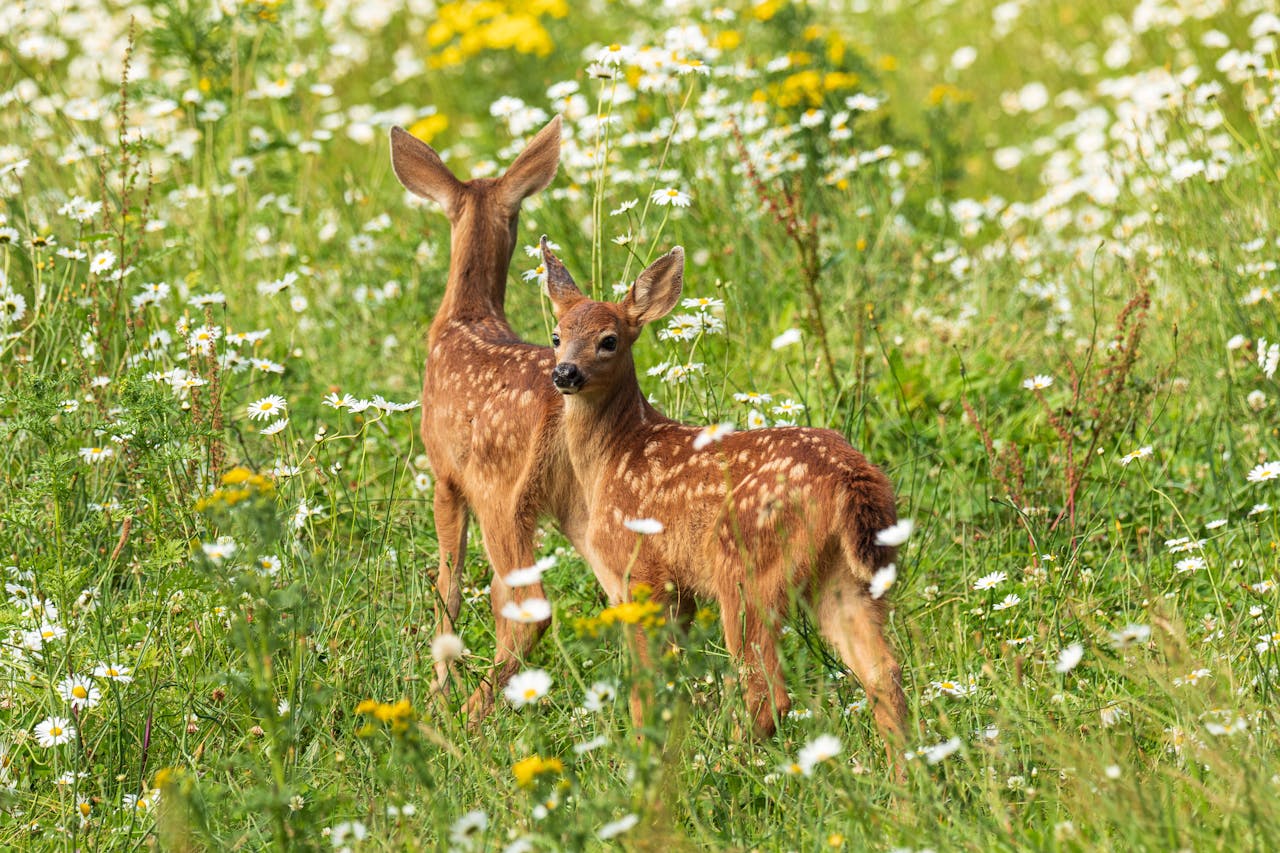
White-tailed deer fawns often spend hours alone in tall grass. The doe feeds away from the hiding spot, then returns only a few times a day to nurse, keeping attention off the fawn. The fawn’s stillness and low scent are part of the plan.
Taking a fawn home, even briefly, can break that pattern and leave the doe searching in the wrong place. Bottle feeding is risky because the wrong milk and handling can upset digestion. If the fawn seems injured, is in a road, or has been handled by a pet, keeping people back and calling a licensed rehabilitator is the safest move. If moved, putting it back where it was found can help reunite it.
The Fledgling on the Sidewalk
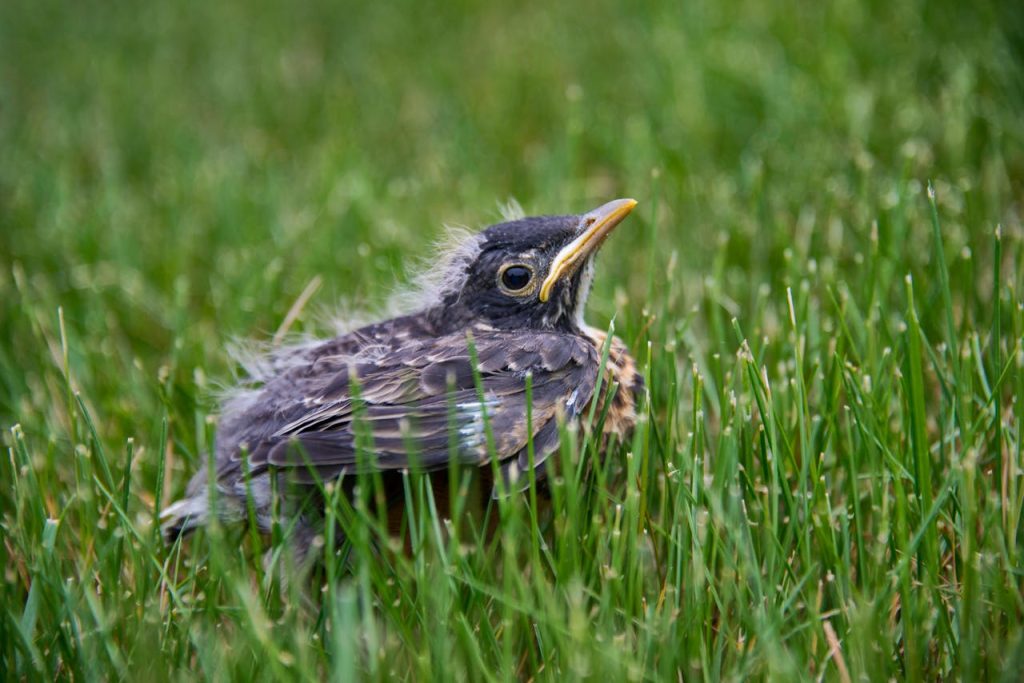
Many songbirds leave the nest before they can truly fly. These fledglings hop, flutter, and hide in shrubs while parents watch from nearby branches and deliver insects. The parents often wait until the sidewalk clears before approaching.
Scooping one up because it sits on the ground can separate it from active care, and home diets like bread or milk can dehydrate a young bird fast. If the bird is fully feathered and alert, moving it a few feet into a bush and keeping pets inside usually solves the problem. If it is bare-skinned, injured, or trapped in a high-traffic spot, a licensed rehabilitator can give species-specific guidance.
The Rabbit Nest in the Lawn
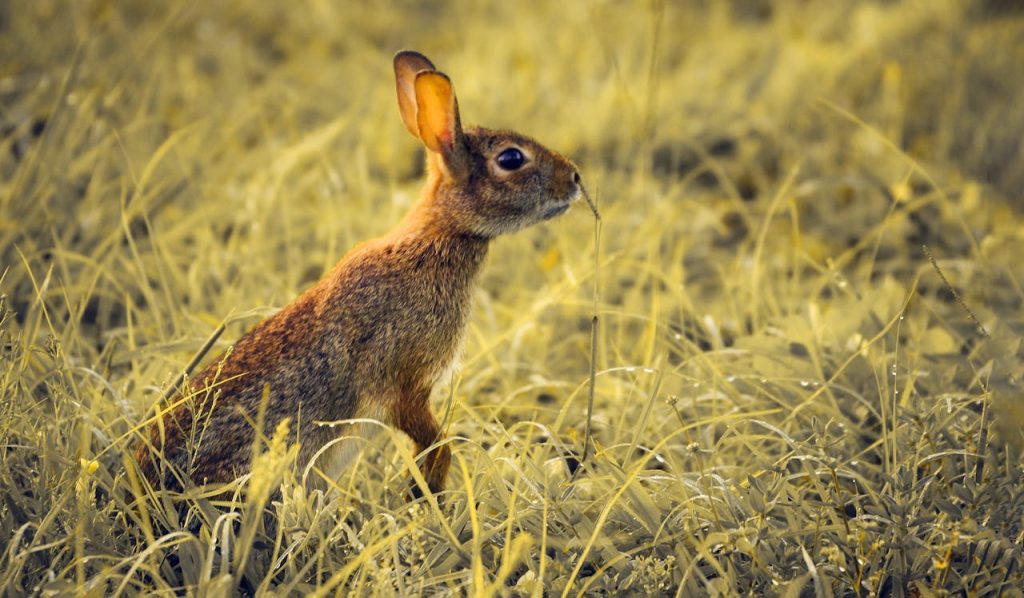
Cottontail rabbits raise young in shallow, grass-lined nests that look like a random patch of lawn. The mother usually visits at dawn and dusk, staying away during the day so predators do not notice the spot. The kits are meant to stay tucked in and quiet.
Opening the nest, relocating kits, or warming them indoors can chill them and interrupt feeding. It can also leave human scent and trampled grass that makes the nest easier to find. If mowing is the issue, a simple marker and a temporary barrier for pets can protect the area. Only when a kit is injured or the mother is clearly gone should a licensed rehabilitator step in.
The Seal Pup Resting on the Beach
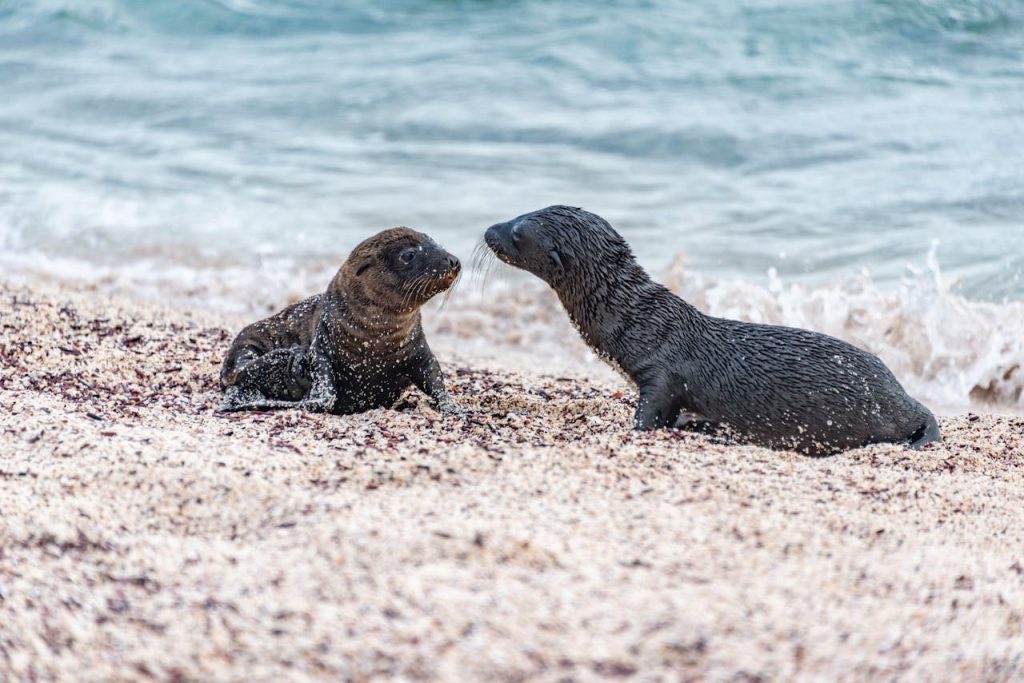
On many U.S. beaches, seal pups are seen resting alone while their mothers forage offshore. The quiet, wide-eyed pause can look like abandonment, but it is often normal rest between feedings.
Approaching for photos, trying to touch, or attempting to push a pup toward the water can cause heavy stress and keep the adult from hauling out to nurse. Marine mammals are protected, and trained responders know when help is needed. Crowds also attract dogs, which can escalate the situation quickly. The best help is space and a call to a local marine mammal stranding network if the pup seems injured, entangled, or repeatedly harassed.
The Young Owl or Hawk on a Low Branch
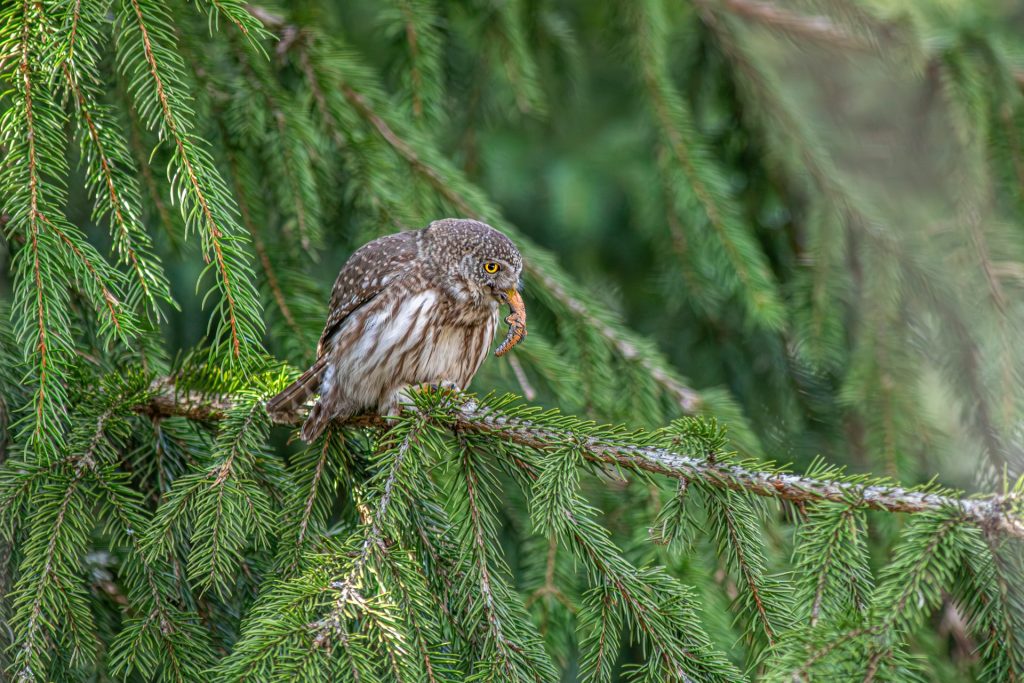
Young owls and hawks often leave the nest before flight is polished. They become branchers, climbing onto low limbs or even the ground while parents stay close, guarding and bringing food. Short time on the ground can be normal.
A well-meant grab can turn a normal stage into a setback because raptors can imprint on people and miss vital lessons in hunting and caution. If the bird looks alert and uninjured, placing it on a nearby branch and stepping back usually lets the adults resume care. If there is clear injury, a recent pet encounter, or the bird cannot stand, a licensed rehabilitator should handle it right away, safely.
The Fox Kit or Coyote Pup Near a Den
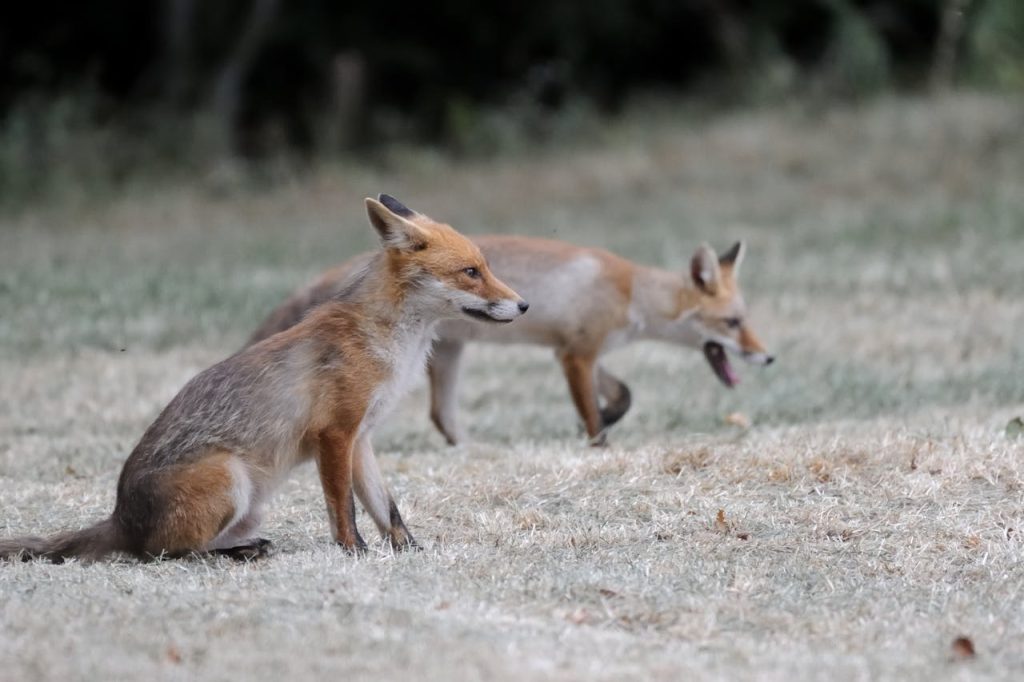
Fox kits and coyote pups are often left alone while adults hunt. Dens can be closer to homes than expected, tucked under sheds, brush piles, or culverts, with parents returning when the area is calm.
Picking up a pup, offering food, or letting children handle it can trigger a den move that scatters the family. It also teaches the young that humans equal snacks, which often leads to trouble later. Many states regulate native wildlife care, so professionals are the right call. If a pup seems injured or trapped in a yard with dogs, bring pets inside and contact a licensed rehabilitator or local wildlife office for guidance.
The Turtle Hatchling Headed the Wrong Way
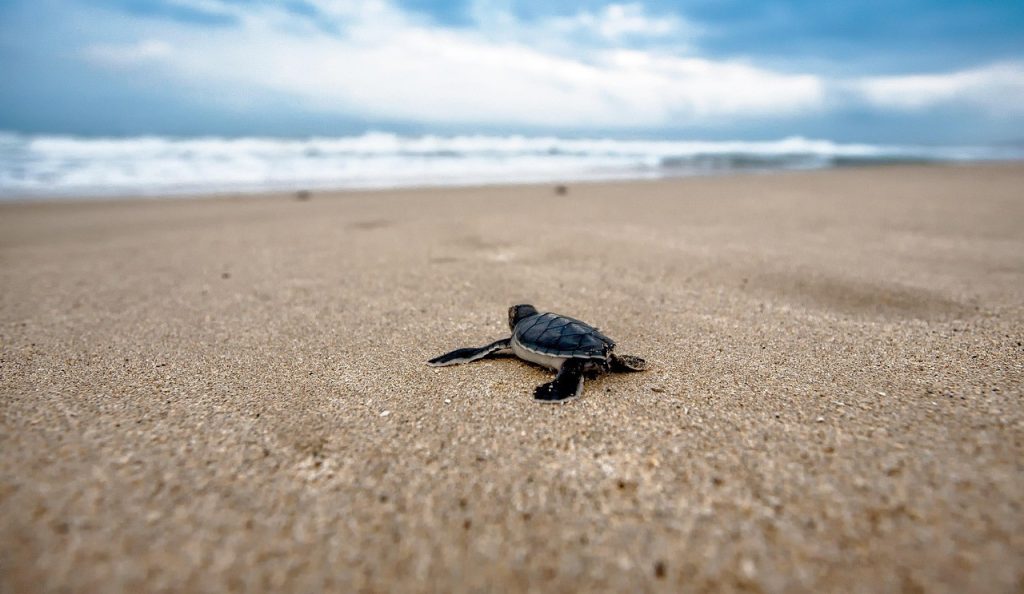
Turtle hatchlings can look helpless as they scramble across sand, a trail, or a driveway, but that awkward dash builds strength and helps them orient to the landscape. In many places, artificial lights can pull them off course.
Carrying hatchlings to water, releasing them at the wrong spot, or taking long photo sessions can disrupt that hardwired navigation. The safest help is brief and minimal: if a turtle is in a road, move it in the direction it was already traveling and let it continue. Then give it space. For nests, marking the area and contacting local wildlife staff is usually safer than trying to relocate eggs at home.
The Ducklings in a Parking Lot March
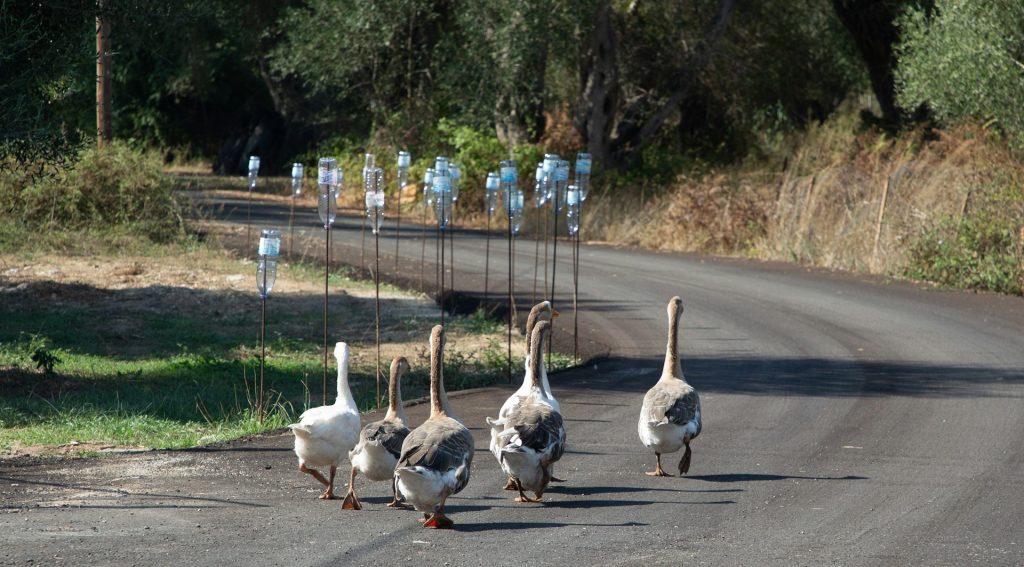
Ducklings and goslings can travel far from a nest, following a parent across sidewalks and parking lots on the way to water. It can look chaotic, but the family stays connected through calls and close spacing.
Scooping up the babies and dropping them at the nearest pond can strand them without an adult, on banks they cannot climb, or in unsafe habitat. When a family is trapped behind fencing or in a pool, help coordinated through local animal control or a wildlife rehabilitator can reunite them. More often, slowing cars, keeping dogs back, and letting the group pass is the simplest fix. A quick grab can split the group.
Compassion is a good instinct, but wildlife care often looks like absence. Many parents return only when the scene is quiet, and a young animal’s best chance is usually staying where that parent expects it to be. A calm pause, a cleared space, and a phone call to a licensed rehabilitator can turn worry into the right kind of help, without creating new problems for the animal or the people trying to assist.