

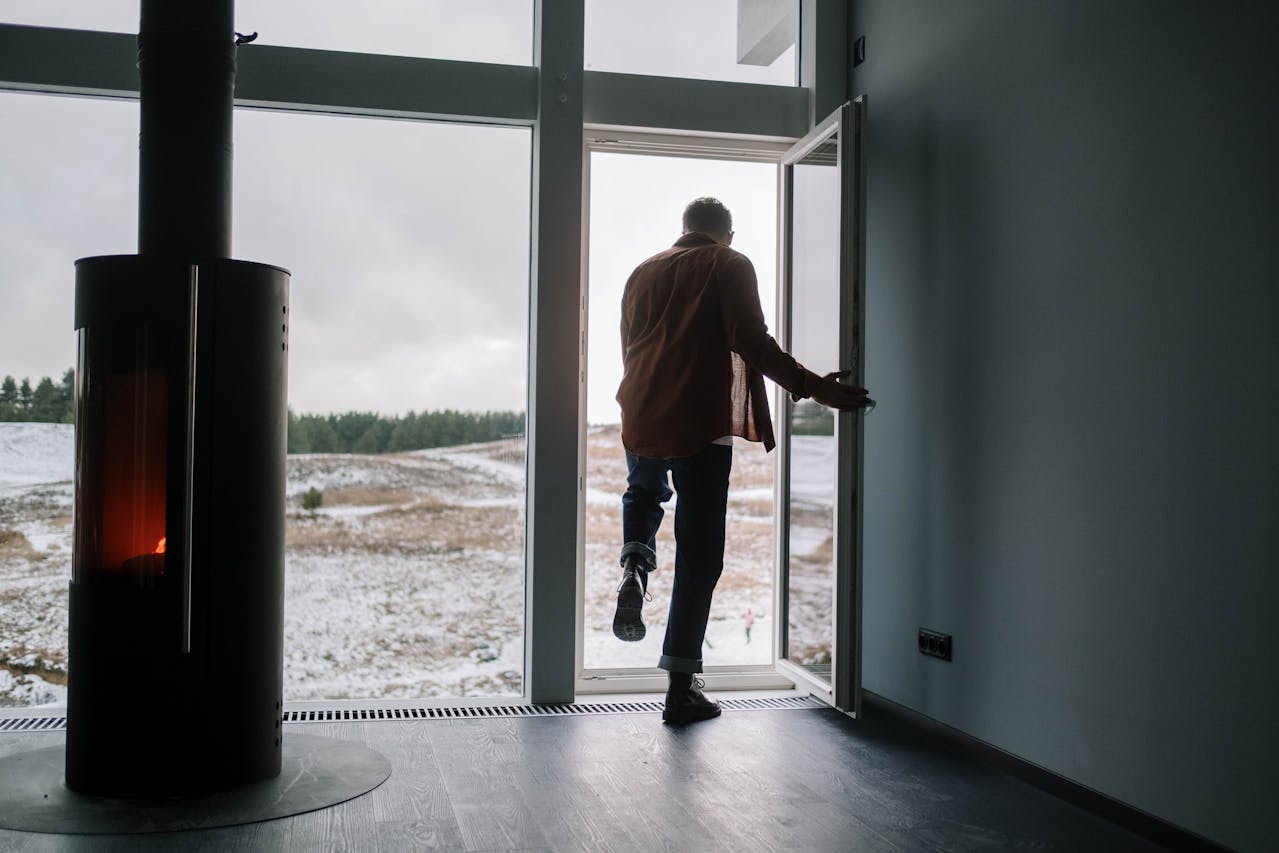
Texas houses rarely fail from one dramatic flaw during a freeze. Trouble usually starts in ordinary places that seemed harmless in warm weather: a hose bib near the fence, a garage wall with a thin pipe run, a water heater in a drafty corner, or a meter box nobody has opened in years. Then temperatures fall, pressure shifts inside older lines, and a minor oversight becomes cleanup.
Cold snaps in Texas now carry memory. Winter Storm Uri showed how quickly household plumbing issues can scale into outages, displacement, and major repair bills. Awareness rose, yet many homes still repeat the same weak points every season.
Outdoor Hose Bibs Left Exposed
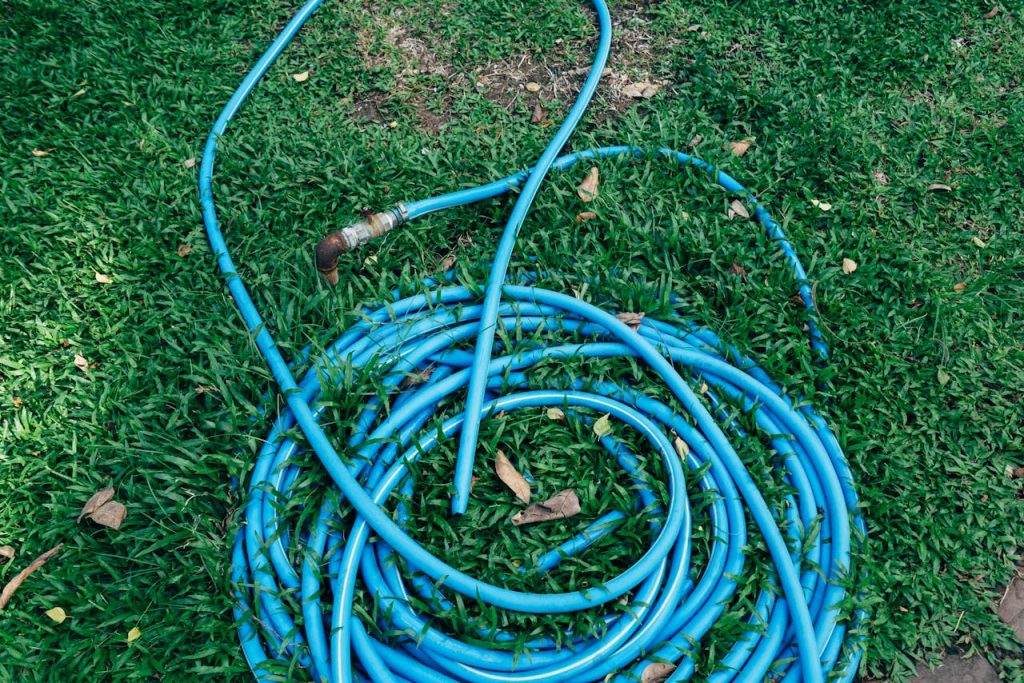
Exterior hose bibs keep showing up as the first failure point because they sit in wind and often stay connected to hoses that trap water in the line. Texas A&M AgriLife lists outdoor hose bibs among the most freeze-prone components, especially when temperatures push toward 20°F or lower and stay there.
Austin Water gives the practical sequence that prevents trouble: shut off outdoor faucets, disconnect hoses, and insulate the faucet body before freezing weather arrives. That order sounds simple, but it is what reduces pressure buildup and helps avoid the leak that appears after thaw, not during the freeze itself. Year after year.
Attic, Crawl-Space, And Exterior-Wall Pipe Runs
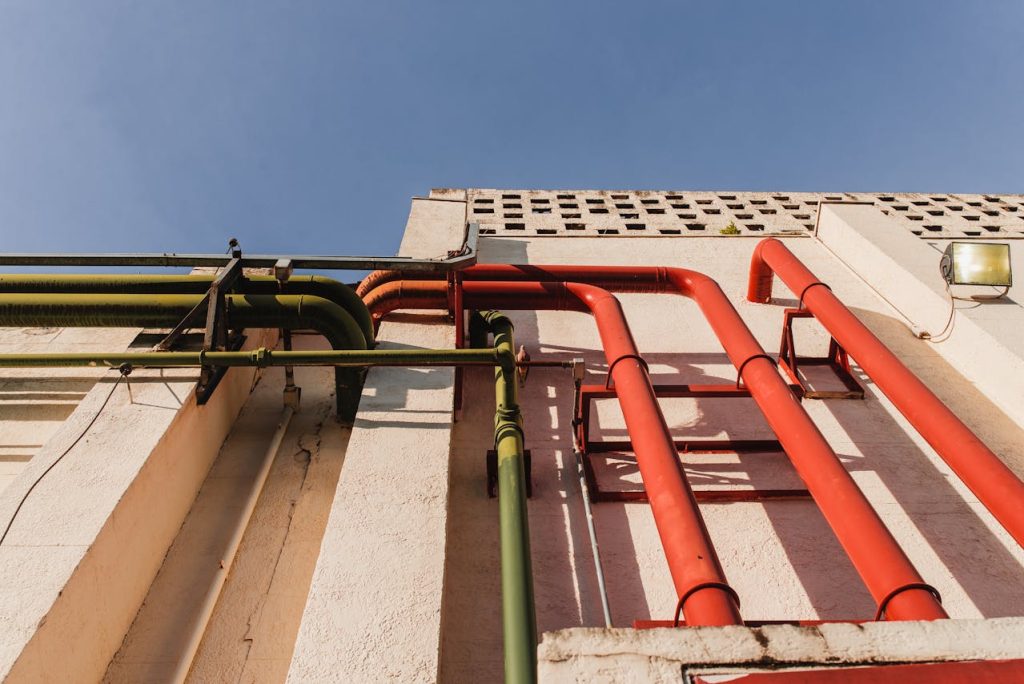
Pipes in attics, crawl spaces, garages, and exterior wall cavities remain a recurring weak spot because many Texas houses were built for long heat, not prolonged hard freezes. AgriLife warns that uninsulated or underinsulated attic and crawl-space runs in warmer regions are frequent freeze locations, especially in exposed corners.
Utilities keep repeating the same steps because they work: seal cold-air leaks, close garage doors, and insulate exposed pipe in drafty zones. SAWS also notes that cracks can appear after temperatures rebound, so vulnerable runs need post-thaw inspection even when water pressure seems to return to normal.
Irrigation And Backflow Assemblies
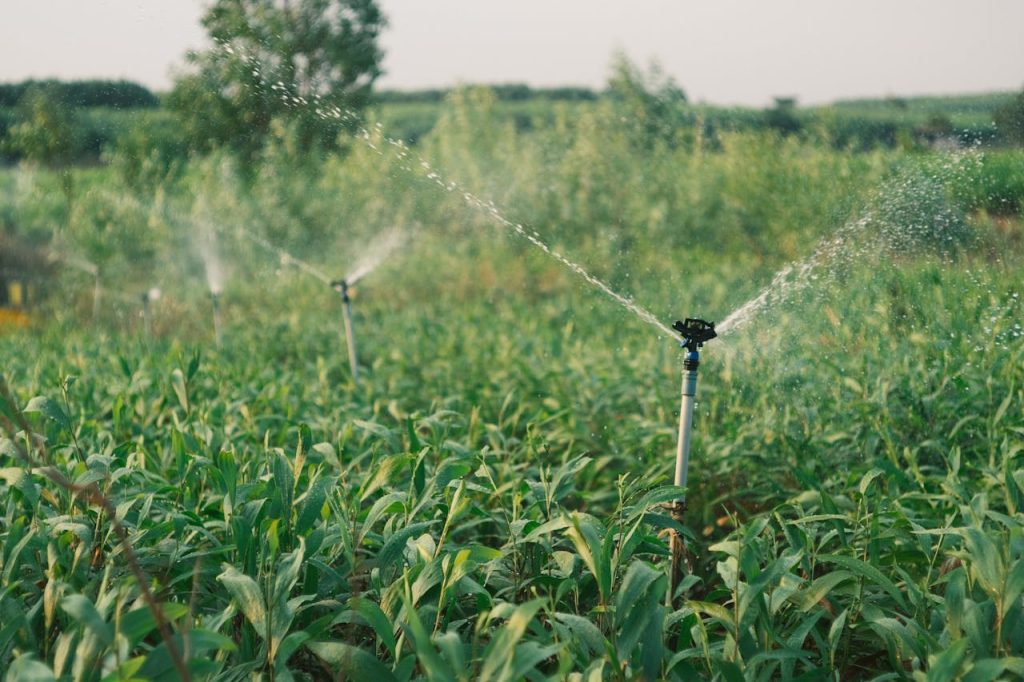
Irrigation systems fail quietly and then become expensive. A controller can be off while water still sits in above-ground components, backflow devices, and exposed PVC joints. Texas A&M irrigation guidance explains that freeze expansion can crack valves, fittings, and lines, and adds that many Texas systems are not built for northern blowout methods.
The reliable fix is procedural: isolate irrigation supply near the meter or backflow assembly, insulate exposed PVC, and drain above-ground parts before hard cold arrives. Austin Water reinforces the same step for automatic sprinklers, often forgotten until puddling appears after thaw.
Hard-To-Reach Main Shutoff Valves
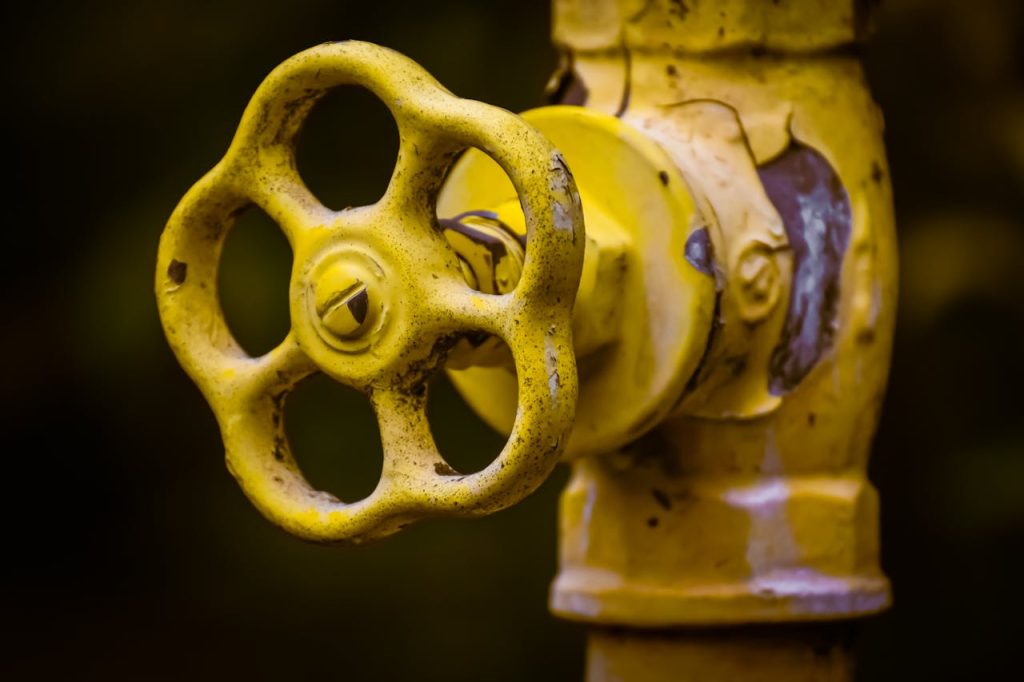
Main shutoff access is less visible than insulation, but it determines whether a small crack stays small. During cold snaps, many households discover too late that nobody knows valve location, the box is buried, or the handle is stuck. Austin Water places shutoff location near the top of its freeze-prep guidance for that reason.
SAWS echoes the same operational reality: fast meter shutoff limits structural loss once leaks begin. Homes without a practiced shutoff routine usually lose more drywall, flooring, and cabinetry simply because water keeps running longer than needed before anyone can isolate the flow. It saves days.
Away-From-Home Thermostat And Water Settings
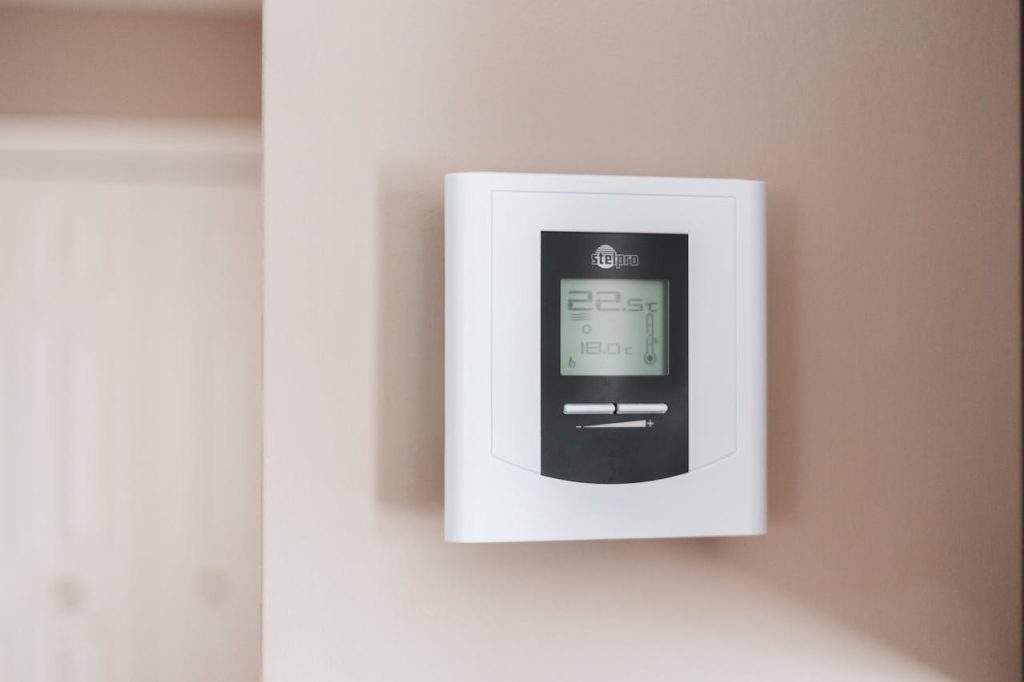
Vacant-home settings are another repeated weak spot. Thermostats are dropped too low, cabinet doors stay closed, and indoor heat never reaches vulnerable wall runs. Austin Water advises residents leaving town in freezing weather to keep thermostats at 65°F or higher and to shut off water at the meter.
Local guidance also shows that dripping is conditional, not automatic. Austin says drip only if needed after other protections are in place, then follow utility direction during extended outages. Homes that treat freeze prep as a generic routine, instead of city-specific operations, are often the ones caught off guard. In practice.
Garage Plumbing And Laundry Feed Lines
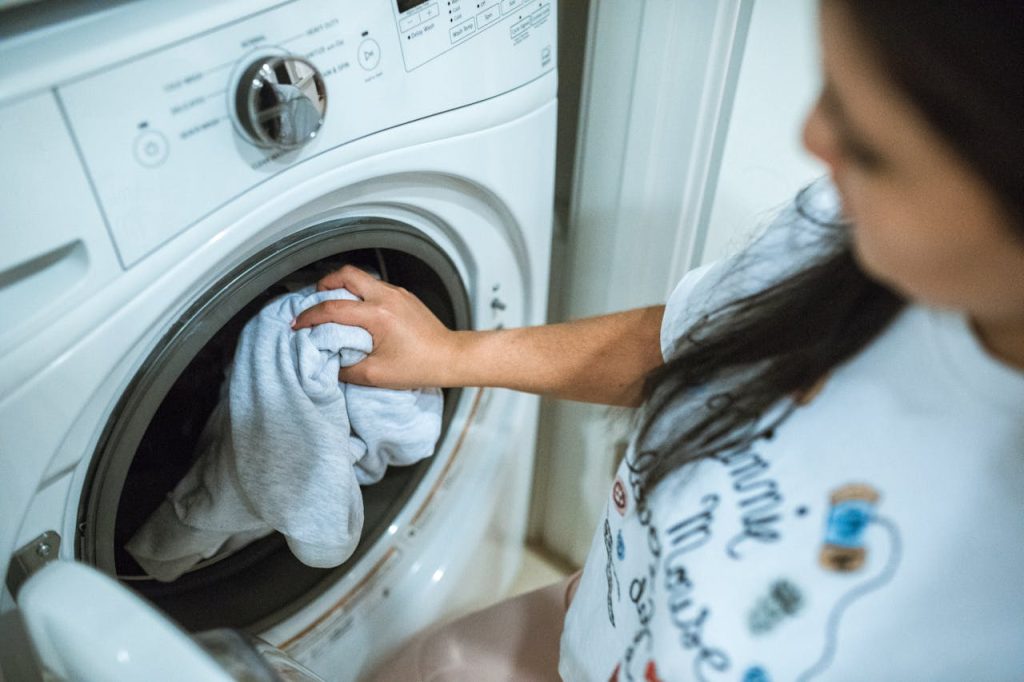
Garage plumbing and laundry hookups near garages fail often because that zone behaves like a temperature buffer, not true conditioned interior. Cold air moves under doors, insulation varies by wall section, and supply lines sit near exterior surfaces. Austin Water advises weatherizing unheated areas and keeping garage doors closed each winter.
SAWS adds that homes without adequate heat during a freeze report more frozen-pipe issues. The pattern is straightforward: when garage zones stay colder than living spaces for long stretches, thin pipe sections and connector points absorb stress first, then leak when pressure stabilizes.
Water Heaters In Drafty Service Zones
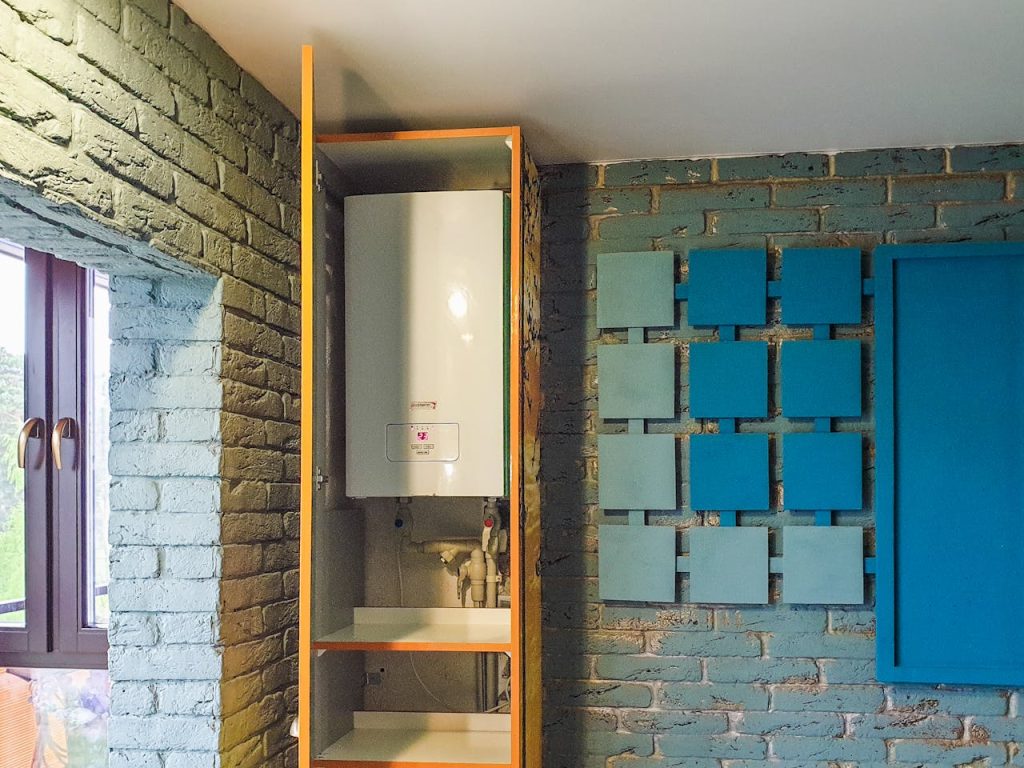
Water heaters and connected supply lines form another weak node because units are often installed in garages, exterior-wall closets, or semi-exposed service areas. Austin Water recommends insulating pipes in drafty locations and following manufacturer winterization guidance for water heaters before cold conditions begin.
When damage starts here, losses spread quickly through hot-water branches across the house. The vulnerable point is usually not just the tank or unit body, but short exposed runs feeding in and out. Missing insulation on those short segments can be enough to trigger leaks during thaw and repressurization.
Uneven Indoor Heating During Long Freezes
Heating reliability becomes a weak spot when maintenance slips. Frozen-pipe risk rises when indoor temperatures fall unevenly across rooms, especially with clogged filters, closed vents in key areas, or deferred service. SAWS guidance links frozen household pipes to periods when homes were not adequately heated during freeze conditions.
After Uri, the state raised reliability expectations beyond private homes. Texas law now requires weatherization standards for critical power infrastructure, with penalties for noncompliance. Even with grid reforms, house-level heating continuity still decides whether interior plumbing stays intact.