

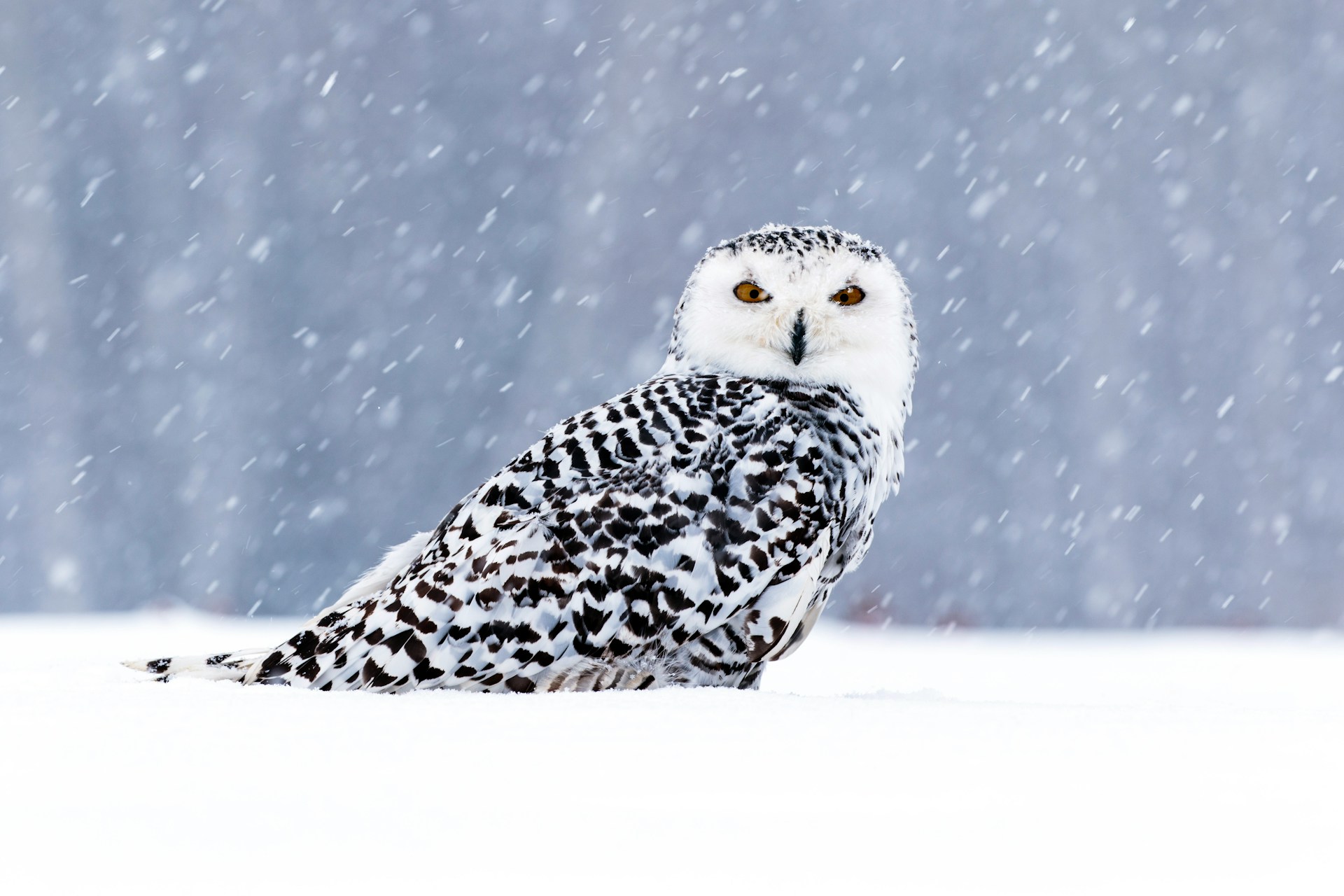
Some birds seem built to stop time. A white owl on a winter field, a peafowl flashing color at dusk, or a cliff bird returning from rough water can feel like proof that the world still holds grandeur. That reaction is human, and it is old. The overlooked part is that majesty often depends on narrow margins: intact nesting sites, steady prey, and enough distance to stay calm. Add warming seas, shrinking grasslands, and the lure of keeping wild birds as pets, and beauty starts to look less like a gift and more like a responsibility. The birds below are known for looks, but each carries a downside that is simple to ignore.
Snowy Owl
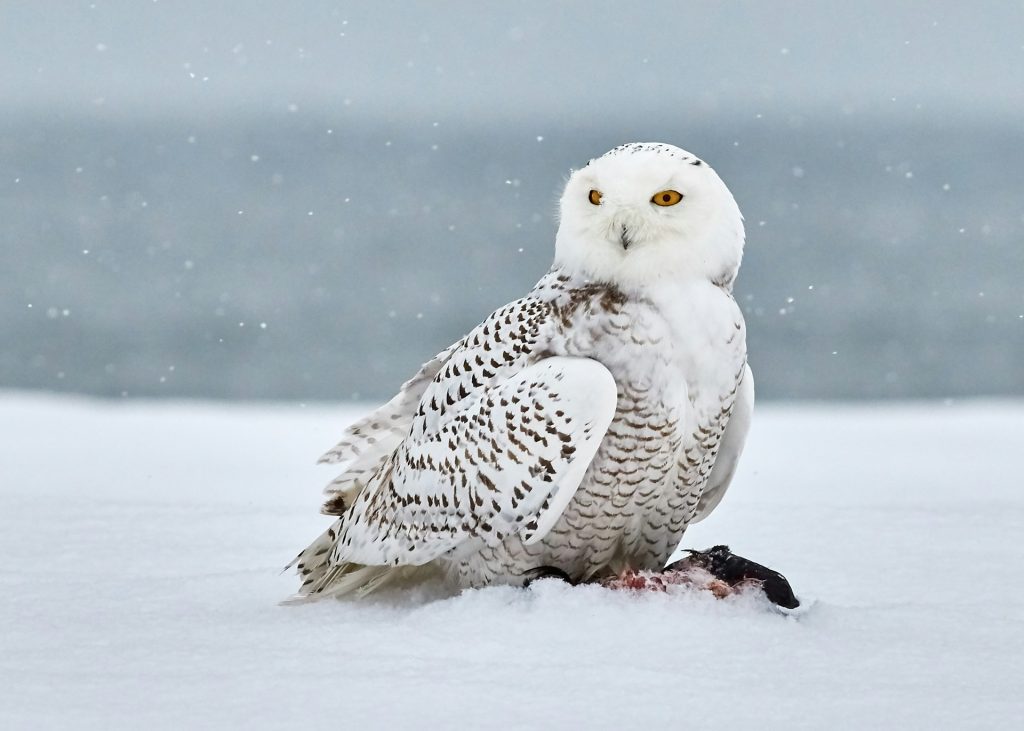
When a snowy owl appears far south of the Arctic, cameras arrive fast. White plumage and a level stare can turn a fence post into a neighborhood landmark.
The downside is pressure. Snowy owls are protected migratory birds, and close approaches, drones, or baiting can trigger repeated flights that spend scarce winter calories. The species also rides boom-and-bust cycles tied to lemmings, so an irruption year is not a sign of abundance.
A respectful buffer keeps the moment wild. Distance reduces stress, and it lowers the chance the owl is pushed onto roads, wires, or other hazards it did not choose for shelter that day.
Indian Peafowl
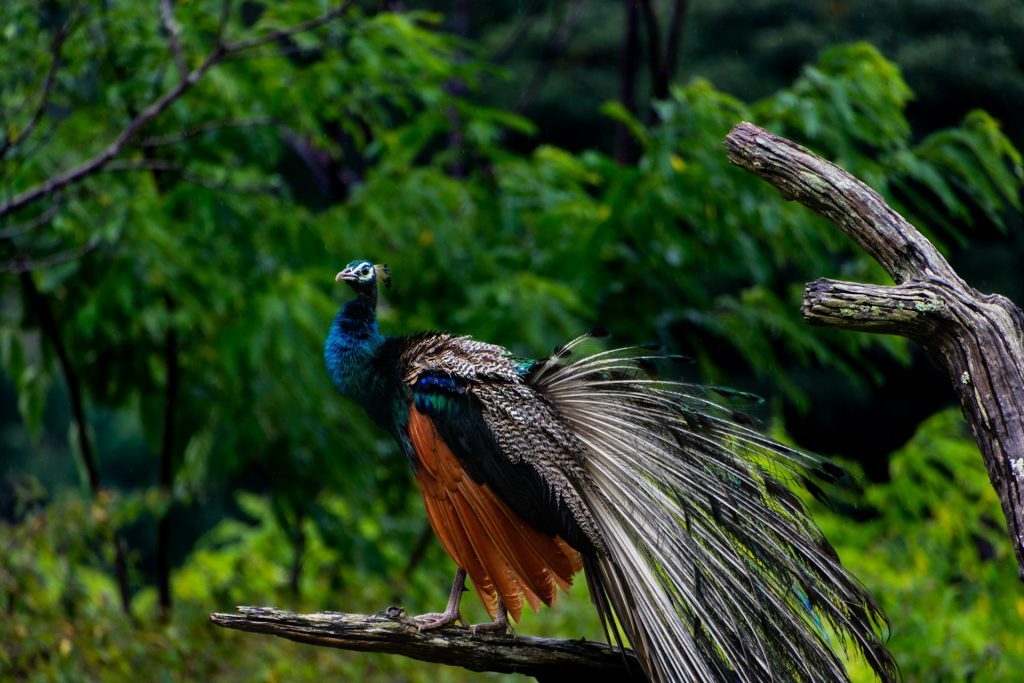
A peafowl in full display looks like living fireworks, all iridescent blues and jeweled eyespots. In villages and city edges, that beauty can feel like a familiar blessing.
The ignored downside is conflict. Males call loudly at dawn and dusk, and groups forage in fields and gardens, stripping tender shoots and pecking ripening crops. Easy food keeps peafowl near homes, raising risks from traffic, dogs, and farm chemicals.
Tension builds fast. Complaints can lead to harsh deterrents, even where the bird is celebrated. The spectacle lasts when wild habitat and natural forage still anchor daily life over seasons. For both sides.
Harpy Eagle
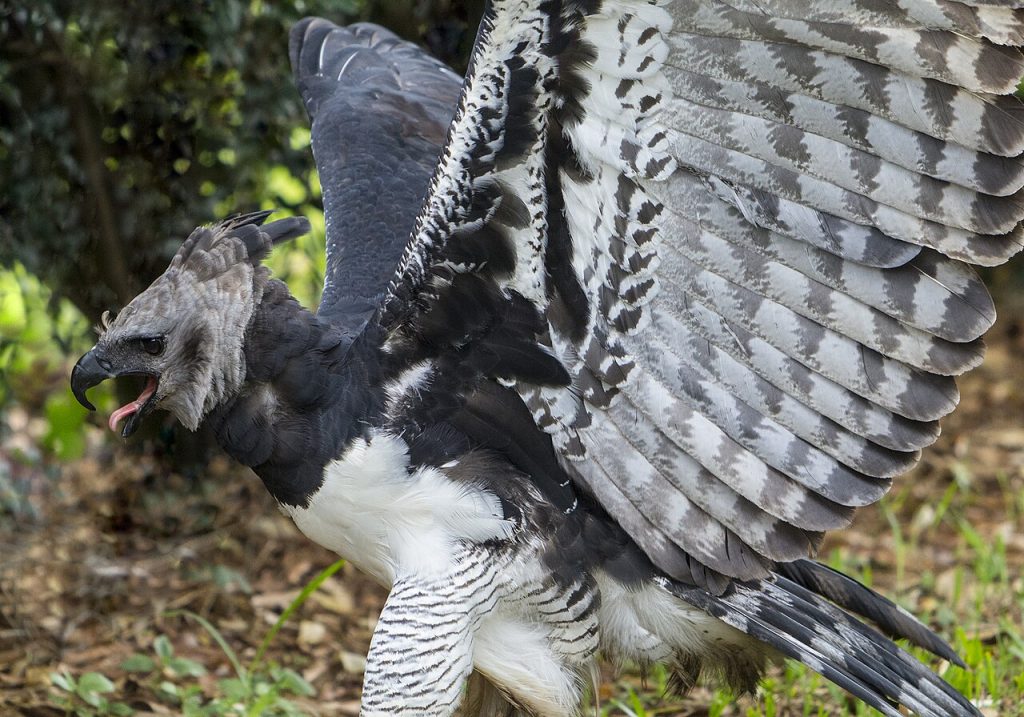
The harpy eagle carries the weight of rainforest legend, with a crown of feathers and talons built for powerful prey. A silhouette high in a kapok tree can feel like a glimpse into an older world.
The downside people miss is scale. Harpies raise chicks slowly, often producing a surviving young only every few years, and each pair needs vast intact forest to keep prey close. Roads, logging, and patchwork clearing fragment nesting territory long before the last tree falls.
When harpies drift near ranches, rumor can outrun reality. Fearful responses, plus the loss of old nest trees, can erase a local population in a single generation.
Atlantic Puffin
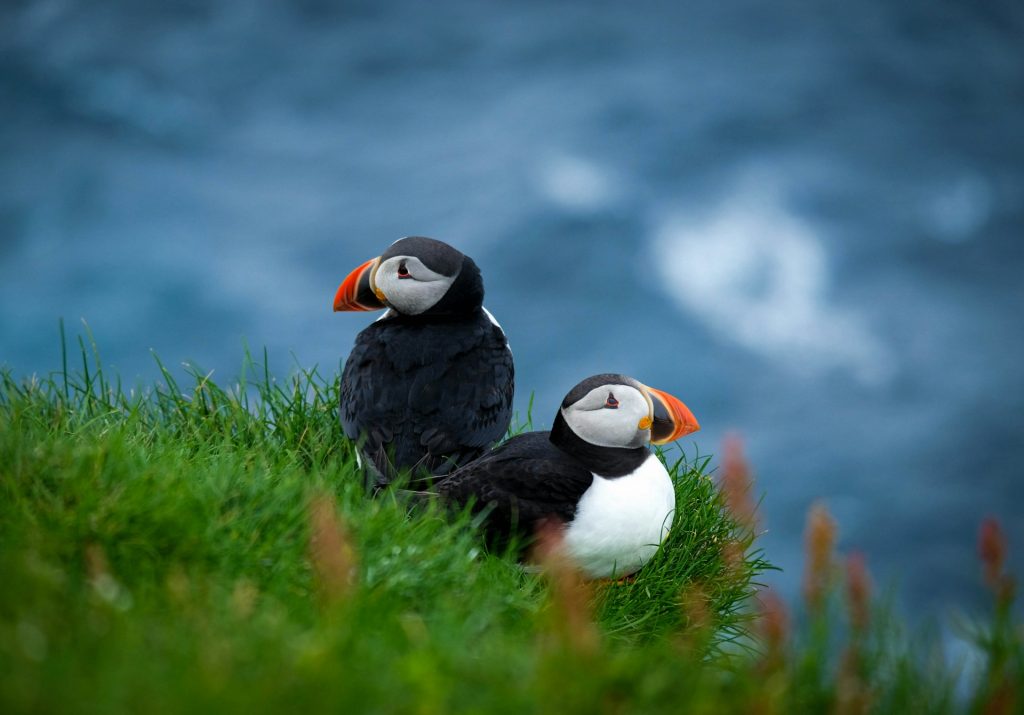
Atlantic puffins look like tiny sea-clowns in formalwear, with bright bills and busy feet on cliff ledges. Their charm is so strong that whole boat tours revolve around a few summer colonies.
The downside is fragility. Puffins rely on small schooling fish, and warming seas can shift prey away from nesting islands, leaving adults to fly farther for less food. Poor prey years ripple through breeding success, even when the cliffs look crowded.
Human pressure can pile on. Crowding on trails, off-leash dogs, and careless photography add stress at burrows, where repeated flushes expose eggs or chicks and waste energy needed at sea.
African Grey Parrot
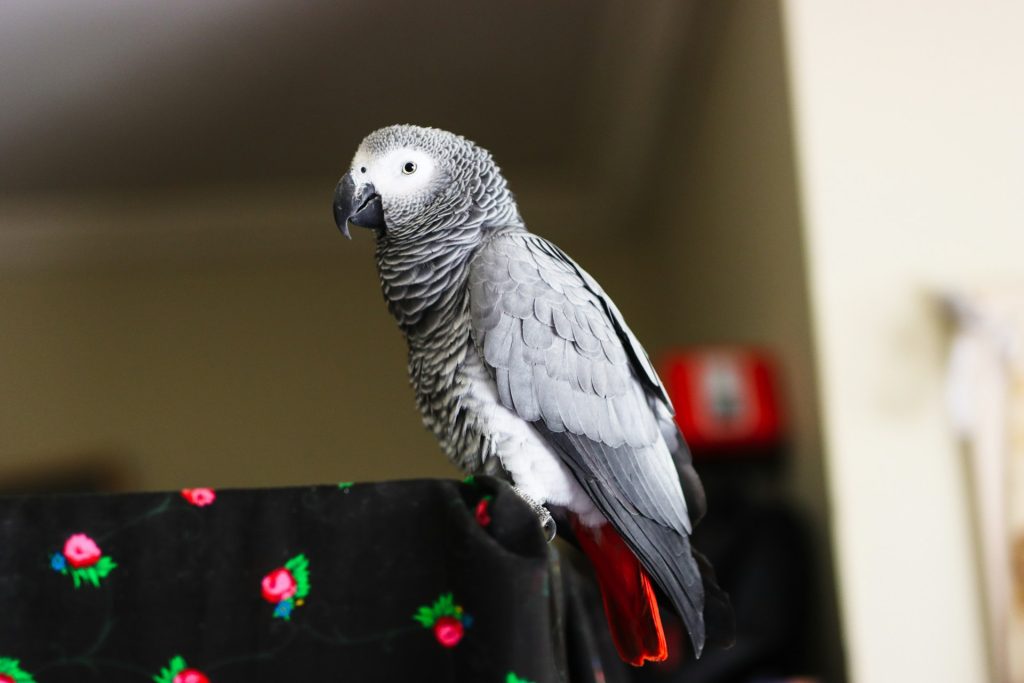
An African grey parrot can look regal without trying, all ash feathers, red tail, and a gaze that seems to evaluate the room. Known for mimicry, the deeper marvel is its problem-solving and social intelligence.
The ignored downside is what that intelligence demands. As companions, greys need steady mental work, routines, and space to climb and fly, or stress behaviors can follow. Their long lives also mean decades of commitment, not a passing phase.
In the wild, trapping for the pet trade has driven steep declines, and rules tightened as a result. Admiration lands best when it does not fuel extraction in its home range.
Eurasian Hoopoe
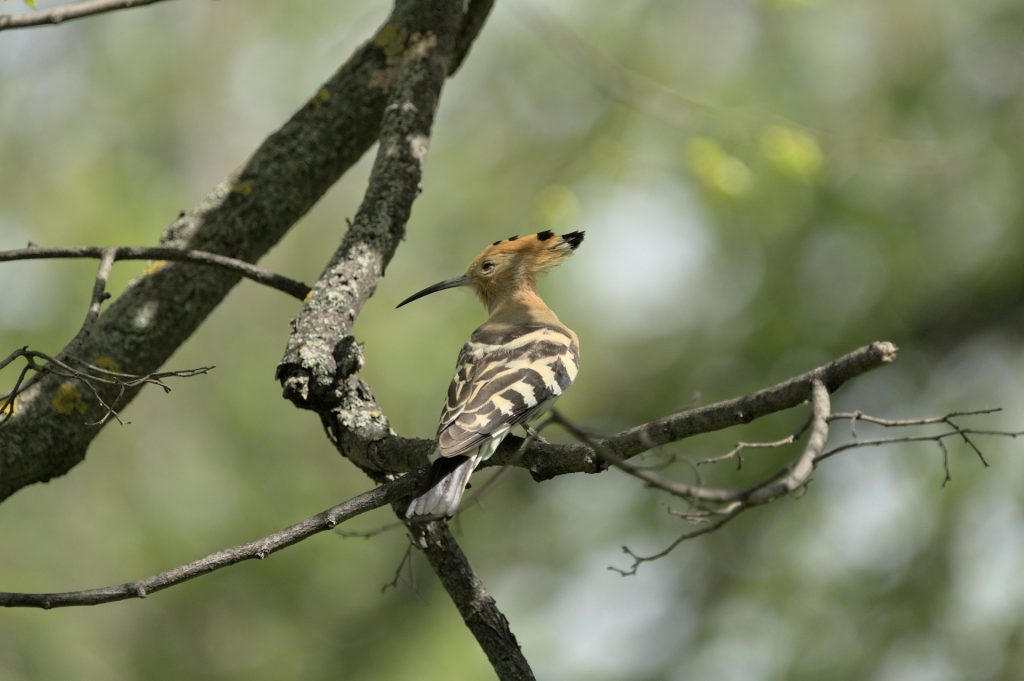
The Eurasian hoopoe arrives like a small parade float, with a cinnamon crest that opens and closes on cue. Striped wings flash in low flight, then it drops to the ground to probe for insects.
The downside is how easily modern landscapes erase its needs. Hoopoes rely on abundant invertebrates and on cavities in old trees, earthen banks, or stonework for nesting, so pesticide-heavy yards and tidy land management remove both food and shelter at once.
Farm intensification and rapid building can push hoopoes to the margins. The bird’s bold look hides a simple truth: it thrives where living slightly messy habitat is allowed to remain.
Razorbill
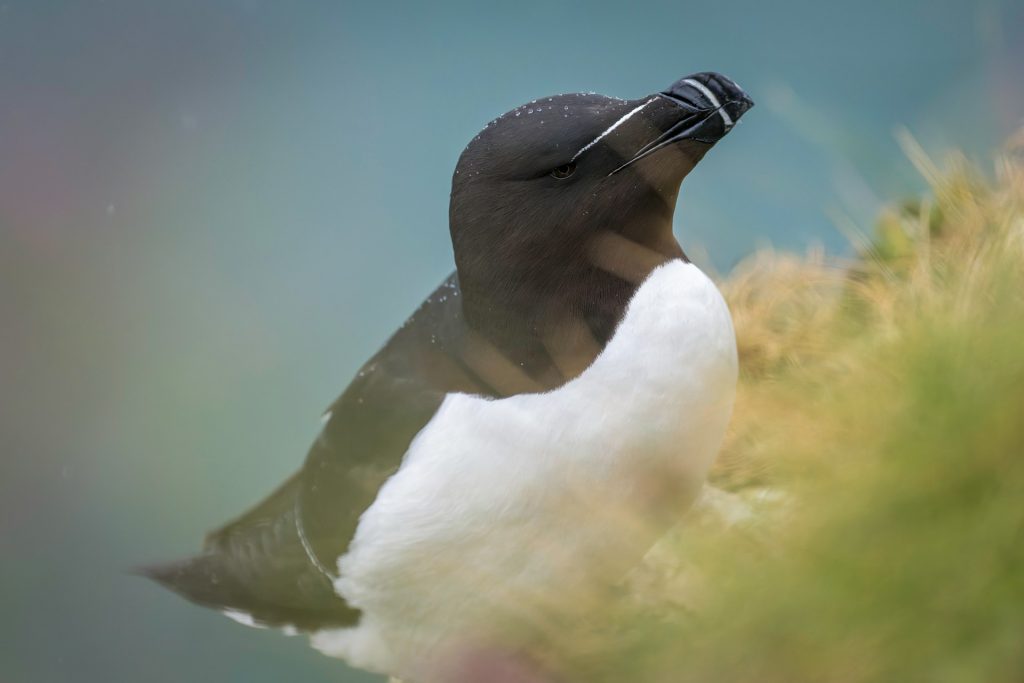
Razorbills look like minimalist art made feathered: black coat, white shirt, and a blunt bill built for diving. On the water they cut forward with quiet purpose, then vanish under the surface in a clean arc.
The downside is that sleek life happens in busy seas. Razorbills face risks from fishing bycatch, oil pollution, contaminants that build up through the food web, and shifting prey as ocean conditions change. A bad season can echo across a cliff colony.
Nesting sites add another constraint. Colonies depend on tight ledges and crevices, so repeated flushing from close approaches can expose eggs and invite gulls into the gap.
Secretarybird
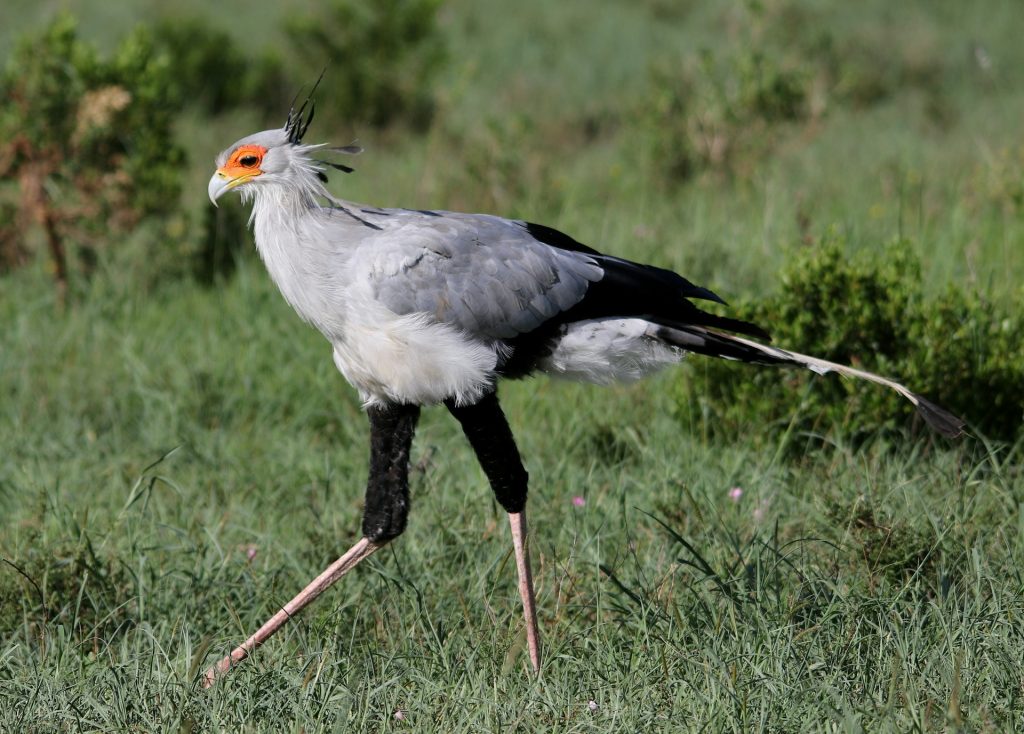
A secretarybird walks the savanna like a diplomat, crest feathers trailing behind a pale face. Its hunting is theater: measured steps, then a sudden stomp that pins fast prey.
The downside is that this elegance needs open country. When grasslands are converted, overgrazed, or thickened, secretarybirds lose room to spot prey and place ground nests. Power-line collisions and poisoned baits add strain, and the species is listed as Endangered.
Recovery is slow. The birds live at low densities and need wide, stable territory, so fragmentation can erase that silhouette, season by season. Even protected areas can grow brushy for them.