

A backyard can feel private until a wild neighbor decides the fence line is a boundary worth defending. Most animals slip away when footsteps show up, but a few pause, posture, and hold space, especially in spring nesting weeks, during heat, and at dusk. They may be guarding young under a deck, protecting a food source near the trash cans, or simply refusing to be boxed in by fences and patios. Stillness gets misread as calm, when it is often a warning and a request for room. The best outcomes come from distance, slow movements, and pets kept close while the animal finds its own exit. A short detour beats a tense standoff.
Canada Goose

Canada geese look relaxed on a lawn, yet nesting pairs can treat a yard like a guarded shoreline from March through June. When one holds ground, it often lowers its head, hisses, and steps forward in a straight line, using wide wings as a moving barrier.
Problems start when people try to pass between the bird and a nest near water, a pool, or a drainage swale. Space and a calm detour work better than noise. Short grass, spilled seed, and handouts keep geese confident, while taller plantings and closed-off edges help them drift elsewhere. Keep dogs leashed; a fast rush can trigger a defensive lunge even after clear warning cues.
Raccoon

A raccoon seen in daylight often is not being bold; it may be stressed, hungry, or pushed out of a den. If it is cornered in a garage, under a porch, or near kits, it can freeze, bare teeth, and growl instead of retreating.
That standstill is usually fear, not confidence, so the safest move is to open an escape route and stop closing distance. After it leaves, lids should lock, bowls should come inside, and entry gaps should be sealed. Removing easy food is what breaks the pattern, because a raccoon that keeps winning the same route stops hurrying away. Handling is risky for both sides, so wildlife help is better if it is trapped.
Striped Skunk

Skunks prefer quiet exits, but they do not like being rushed, especially near a den under a shed or steps. A skunk that stands its ground usually gives a clear sequence: foot stomps, tail lifting, and a slow pivot that aims its warning.
Sprays happen when someone tries to herd it off a porch or a curious dog charges in. Backing away and giving a wide lane to waddle off is the clean solution. Later, brush piles and low gaps can be cleared, and steady lighting can reduce surprise meetings. Most skunks move on once the yard stops feeling like safe cover. Slow steps and patience matter, because cornering turns a warning into a mess.
Deer With Fawns

Deer look gentle, which is why a backyard standoff can surprise people who expect an instant retreat. In late spring and early summer, a doe guarding a hidden fawn may hold ground, pin ears, stamp, and kick with quick force.
The risk rises when a dog noses into tall grass, shrubs, or low brush where fawns stay still. Creating distance and bringing pets in ends most situations. If a deer refuses to move, the yard should open a quiet exit lane, not a tight corner between fences. Given time, most does guide fawns back into cover and the tension fades. In fall, bucks may also hold ground near landscaping when food is close.
Coyote

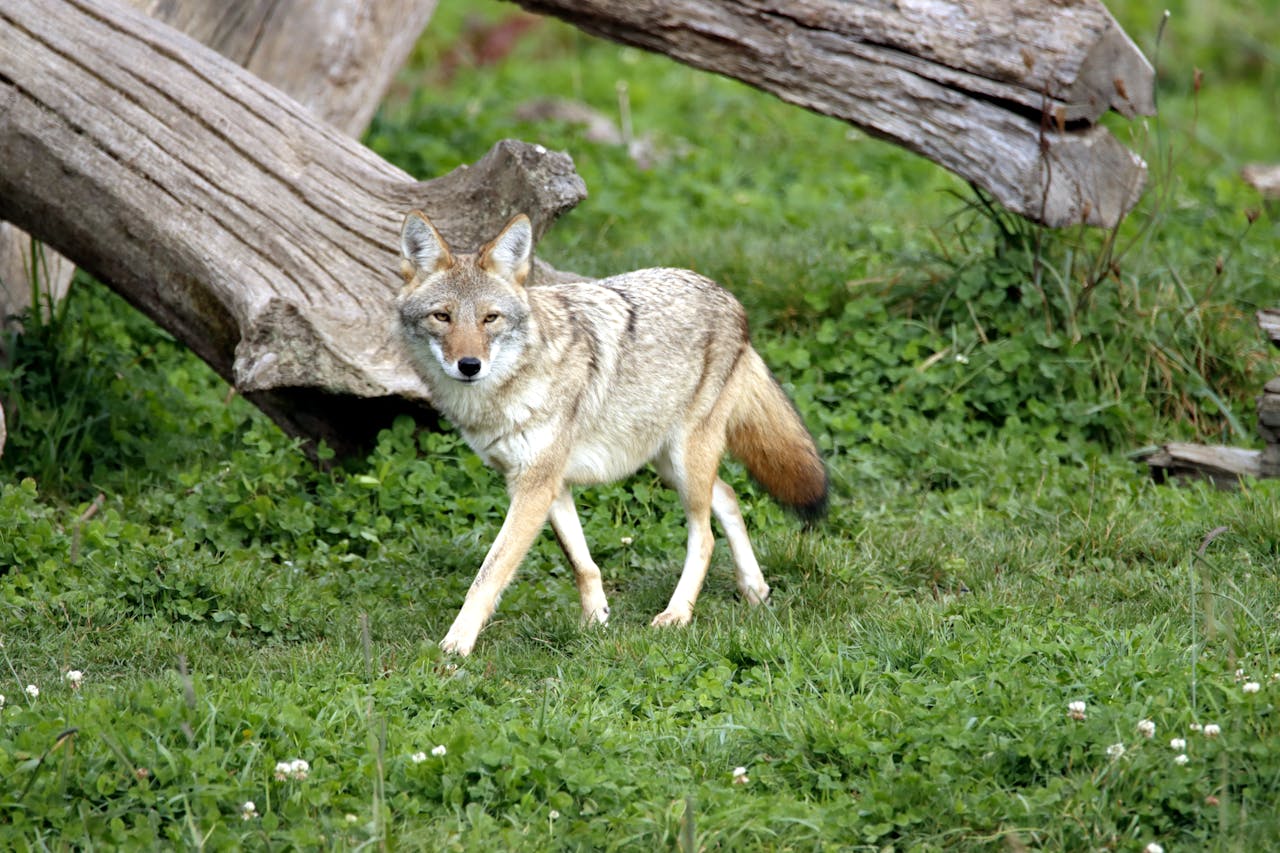
Coyotes usually keep distance, but a confident one in a neighborhood can hold a driveway at dawn as if it owns the route. During spring denning season, adults may linger to watch, pace, and test boundaries rather than slipping off.
Calm firmness works better than panic. Pets should come inside, fallen fruit should be picked up, and outdoor food should disappear. If a coyote lingers, consistent hazing from a safe distance can restore wariness, especially when neighbors do it the same way. A yard stops being interesting when it stops paying out. Running can trigger pursuit instincts, so steady distance helps end the moment.
Snapping Turtle

A snapping turtle crossing a yard looks slow until it feels crowded, and then it turns into pure defense. In late spring and early summer, females may travel far from water to nest, and a blocked turtle may hiss and lunge.
Injuries happen when hands go near the head or when someone tries to lift the turtle by the tail. Space and patience usually solve it, while pets should be kept back from the moving shell. If help is needed, local wildlife staff can guide it safely, or a long, flat tool can steer from behind. Once the path opens, most turtles continue without lingering. They often appear near ponds and canals after warm rains.
Black Bear

In places where black bears live, a backyard visit is usually about calories, not conflict, but the bear may not hurry off. If surprised at close range, guarding a food source, or shadowed by cubs, it can huff, swat, or take a few stiff steps forward.
The safest outcome comes from space and denial. People should go indoors, dogs should stay contained, and the bear should have a clear route that is not blocked by fences. Trash, birdseed, fallen fruit, and greasy grills are the common magnets, and removing them matters more than noise. When easy meals disappear, most bears stop checking the same yard. Distance prevents repeat visits.
Wild Turkeys

Wild turkeys can seem comic in a yard until a dominant tom decides it has nothing to fear, especially in spring. In neighborhoods where birds have been tolerated or fed, a tom may puff up, drag wings, and advance, treating the space like a stage.
The bigger problem is habit, not injury. Breaking the pattern means removing food, covering reflective surfaces that trigger posturing, and keeping distance without squaring off. Pets should not be allowed to rush in, because that escalates the bird’s focus. With consistent pressure and fewer rewards, most turkeys return to normal foraging and stop testing people. Morning hours are common.
Rattlesnake

A rattlesnake in a garden bed is not looking for a confrontation; it is trying to stay unseen in cool shade near rock, mulch, or tall grass. When surprised at close range on warm evenings, it may coil, hold position, and warn with the rattle instead of fleeing.
Incidents tend to follow curiosity and crowding. A safe response is to freeze, step back slowly, bring pets inside, and keep children away while the snake chooses an exit. Over time, trimming dense ground cover and sealing gaps under steps reduces hiding spots near doors. If it lingers in a high-traffic area, local wildlife control can relocate it safely. Heat ups sightings.
Backyard standoffs are usually a simple message delivered in animal language: space matters right now. A little restraint, a cleaner yard, and a habit of giving wide lanes keep the outdoors feeling shared instead of contested.