

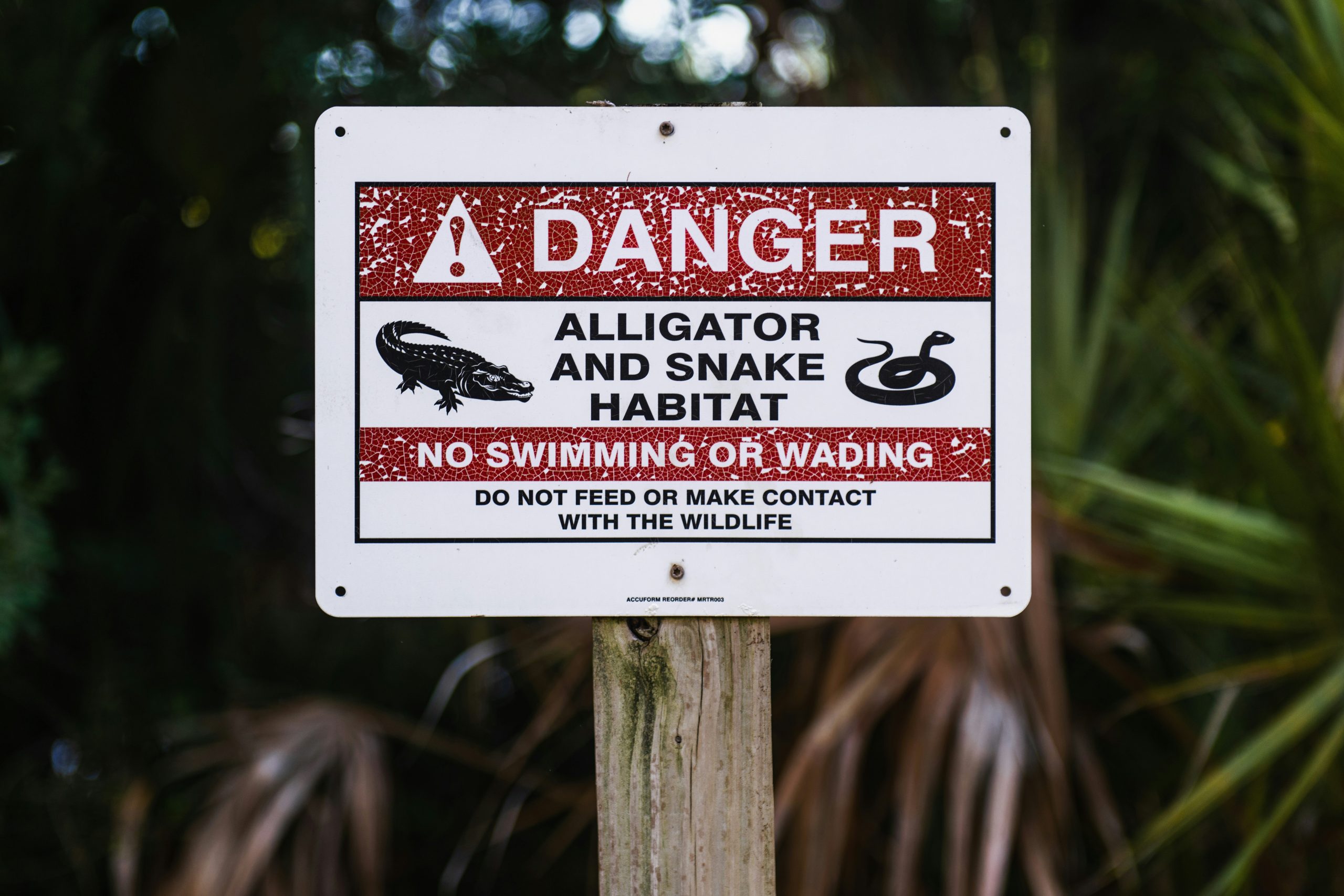
A Florida backyard can feel ordinary until a porch light catches an unfamiliar pattern moving through the grass. When a 9-foot boa constrictor turned up in an Indian River County yard in late Jan. 2026, it was more than a startling rescue call. It was a reminder that Florida’s warm climate and busy pet trade can turn one escaped animal into a bigger problem over time. Wildlife managers return to the same theme: early reports and fast removals matter, because once a nonnative reptile settles in, it can be hard to unwind the damage.
A Yard Surprise on Florida’s Treasure Coast
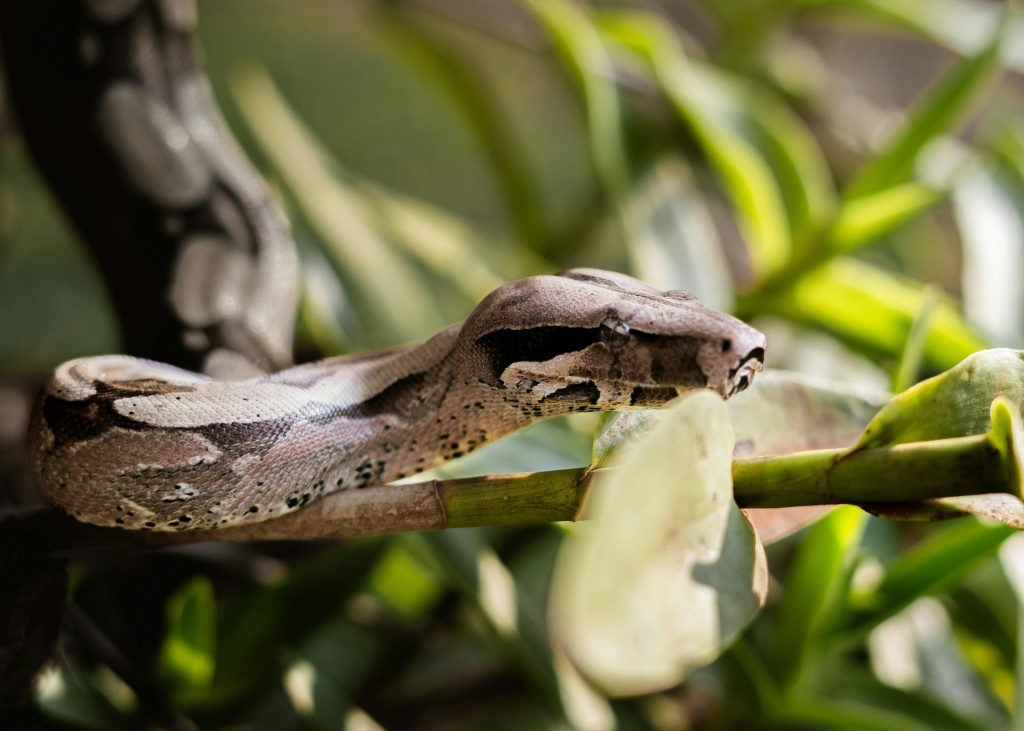
A resident in Indian River County spotted a heavy-bodied snake sliding through the yard and called for help, and a sheriff’s deputy arrived to safely wrangle a 9-foot boa constrictor. The sheriff’s office said the snake was nonnative and moved it to Animal Control, a quick, calm response that keeps one backyard surprise from turning into repeat sightings around sheds, pool equipment, and landscaping beds. Local officials shared the capture to underline a simple point: in a warm state with hidden cover and plenty of prey, waiting to see if a big snake moves on can mean losing track of it for good.
Boa Constrictors Are Not Native to Florida
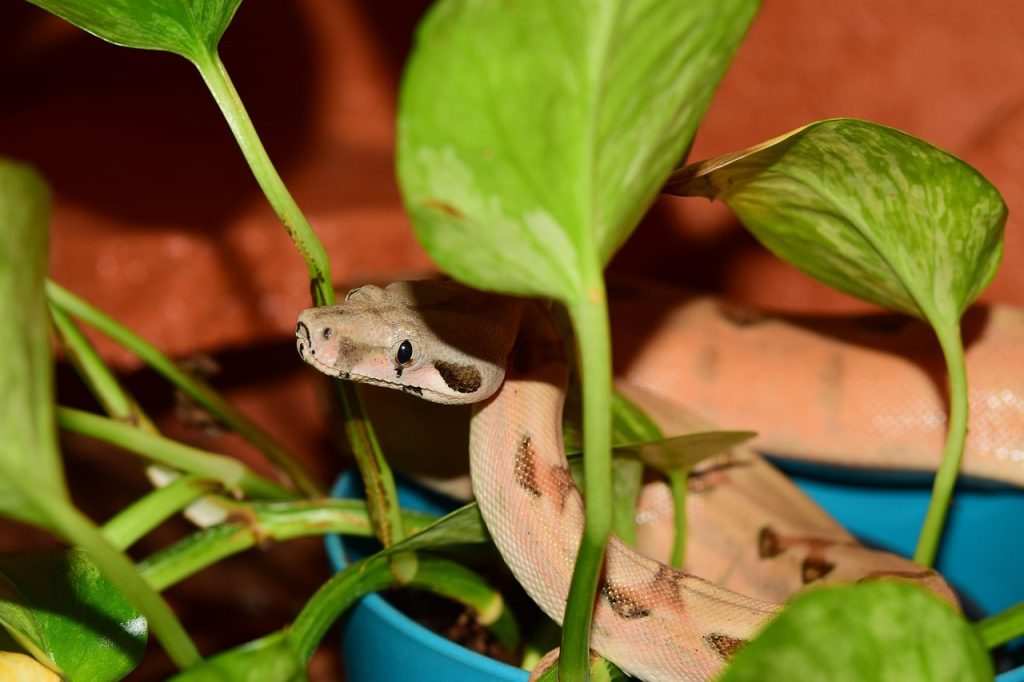
Boa constrictors originate in the Americas outside Florida, and the Florida Museum of Natural History lists them as nonnative snakes introduced to numerous parts of the state since perhaps the 1970s. The museum also notes that established breeding is documented only in and around the Charles Deering Estate area in Miami-Dade County, a narrow foothold that can widen when pets escape, storms damage cages, or animals are released. That is why a single yard find is treated as a warning flare: removing scattered individuals is manageable, but a reproducing population can quietly spread along green corridors and become stubborn to eliminate.
How Big Snakes End Up in Neighborhoods
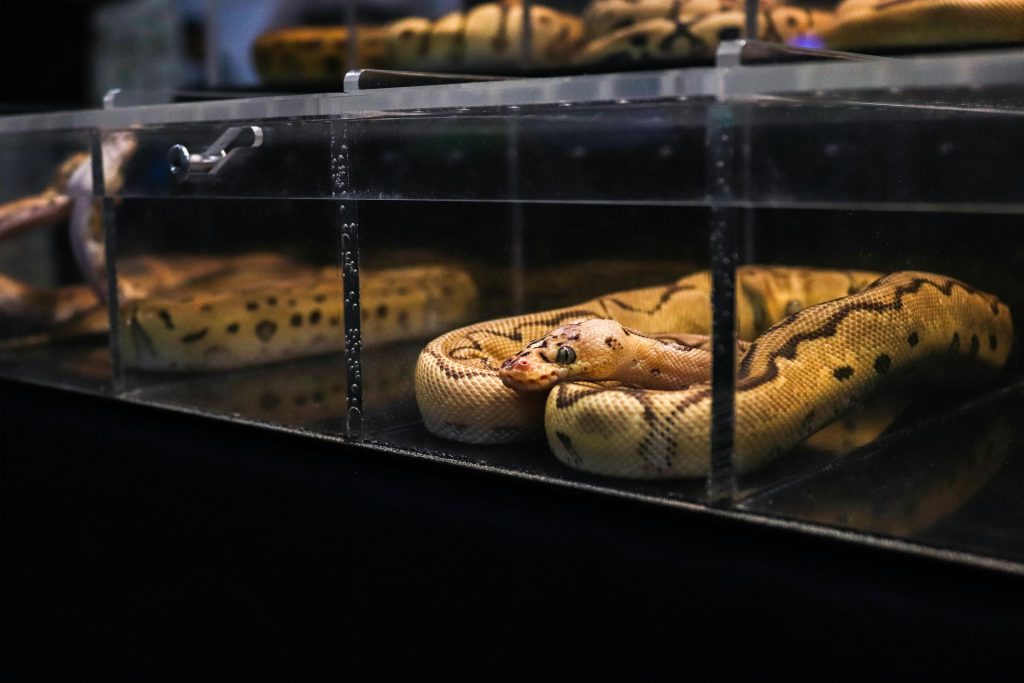
Most surprise constrictor encounters trace back to human pathways: escaped pets, intentional releases, or animals displaced by storms and then funneled through canals, drainage ditches, and vacant lots. FWC highlights surrender and rehoming options for exotic pets, aiming to reduce the moment when an oversized animal becomes someone else’s problem in the wild, where it can hunt freely and avoid people. Once loose, a large snake can travel quietly at night, settle near rodents, backyard chickens, or marsh edges, and stay hidden under decks, AC pads, and mulch piles, sometimes for weeks, until it crosses a porch or driveway.
Florida Gives Nonnatives Room to Stick
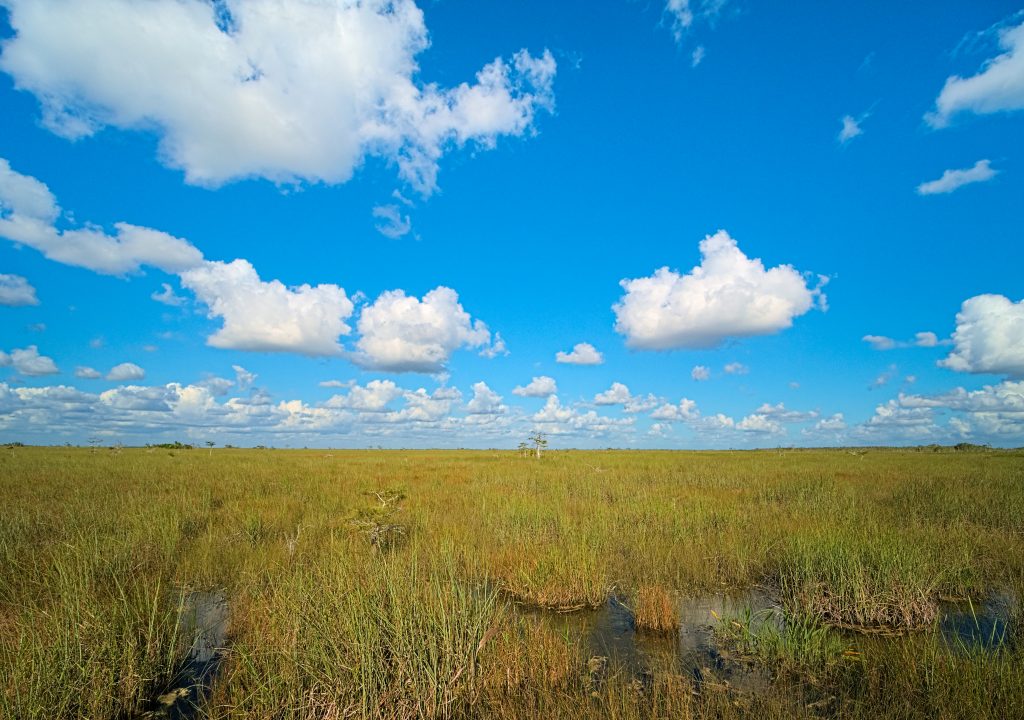
Florida’s warmth, water, and year-round cover give many nonnative reptiles a soft landing, and that pattern is already visible with invasive Burmese pythons established across the Greater Everglades. FWC describes Burmese pythons as an invasive, nonvenomous constrictor that threatens native wildlife, a lesson that scales to other large reptiles that hunt and hide in similar habitats, from tree islands to canal banks. When winters rarely force a hard reset, small introductions can persist long enough to breed, spread, and become background risk near new housing, golf courses, boat ramps, and easy prey around bird feeders.
A Breeding Foothold Has Been Documented
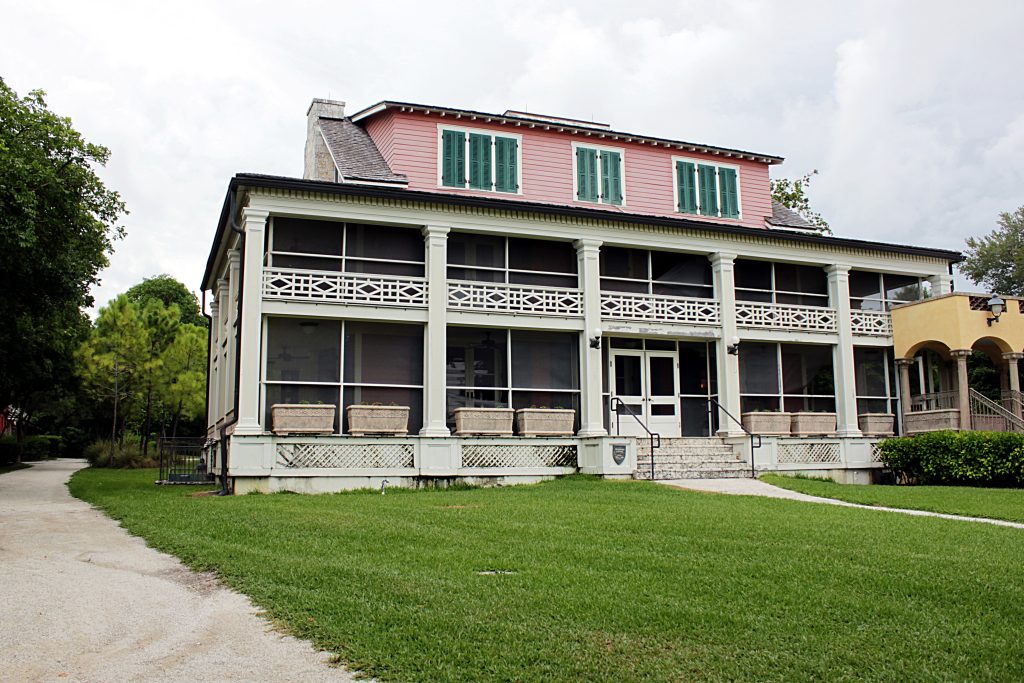
Florida Museum of Natural History reports that boa constrictors are known to be established and breeding only in and around the Charles Deering Estate in Miami, even though introductions have occurred elsewhere. That localized foothold matters because it shows how quickly a population can persist when habitat, food, and shelter line up, especially near fragmented green space, ornamental plantings, and waterways that act like travel lanes. Wildlife agencies watch for clusters of reports, repeated removals, shed skins, and juvenile animals in the same area, because that combination can signal reproduction rather than a single escaped pet.
Why Invasive Constrictors Worry Biologists
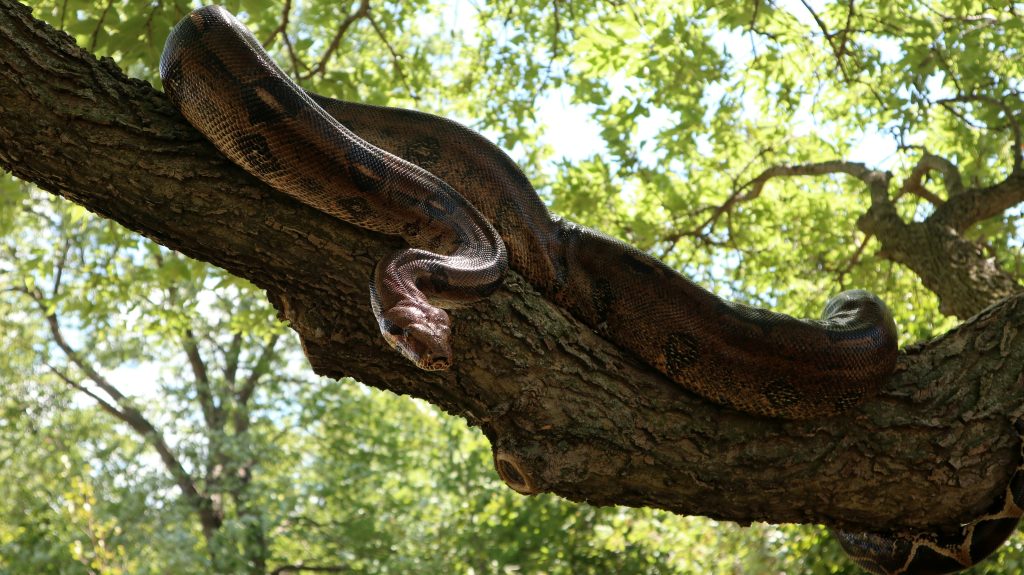
Large constrictors are generalist predators, and USGS links invasive Burmese pythons to severe declines in several mammal populations in Everglades National Park, including steep drops in raccoons and opossums. The concern is not only individual prey losses, but the way sustained predation can thin mid-sized mammals that influence scavenging, seed dispersal, and nesting success across wetlands and pinelands. Once that balance shifts, recovery can take years even when removals improve, because reproduction, hidden animals, and fresh releases keep pressure on the same food web, and the ripple effects spread outward.
Reporting Is the Fastest Form of Control
FWC asks the public to report nonnative animals and treats all nonnative snakes as high-priority sightings, alongside monitor lizards and tegus that also threaten native species. The Invasive Species Hotline at 888-Ive-Got1, plus online and app-based tools, are built for quick photos and locations, helping responders verify species, map patterns, and decide whether removal teams should be dispatched. The hotline is staffed during business hours and uses voicemail after hours, keeping reports flowing, and early calls reduce risky backyard handling that can turn a simple situation into bites, escapes, and chaos for everyone nearby.
What Happens After a Capture
After removal, officials focus on secure transport, accurate identification, and preventing release back into the wild, especially for species covered under Florida’s nonnative reptile rules. FWC’s regulations for prohibited snakes and lizards restrict possession to permitted purposes such as research, educational exhibition, or control and eradication work, and the rules include caging standards meant to prevent escapes. On the ground, that framework supports a simple goal: contain the animal, document the incident, log the location for trend tracking, and reduce the odds of a repeat appearance in the same neighborhood.
Prevention Lives in Boring Details
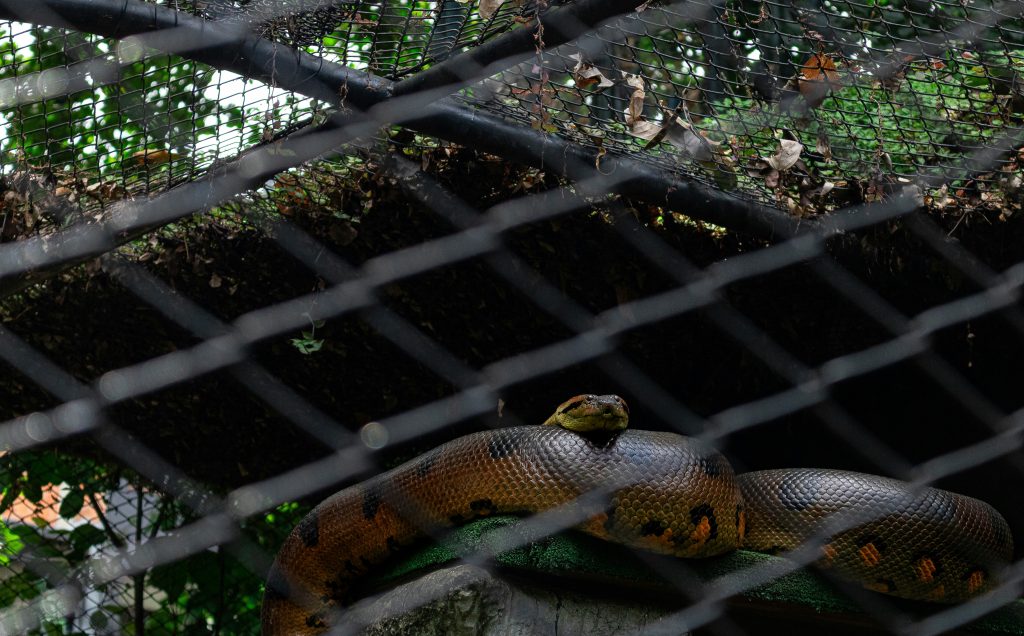
Florida’s invasion story often starts with ordinary choices: sturdy enclosures, locked latches, realistic long-term planning, and a refusal to treat big reptiles like disposable pets when care becomes difficult. FWC notes that surrendered exotic pets can be placed with pre-approved adopters, a practical off-ramp that keeps animals out of canals and roadside brush where survival odds can be high and detection can be low. Those unglamorous habits do the most work, because they prevent escapes and releases before an agency has to chase consequences across neighborhoods, parks, preserves, and wildlife management areas year after year, quietly.