

Some garden harvests do more than sweeten breakfast. Fruit plants can bring soluble fiber, the kind that gels in water and helps slow digestion, into everyday meals, and they turn patios and backyards into small orchards at the same time. From quick strawberries to patient tree crops, these picks balance realistic home-growing habits with notable soluble fiber. Nutrition guidance often lands near 25 g of total fiber for women and 38 g for men, and soluble fiber is often highlighted for cholesterol support. Jam, quick bakes, and freezer bags keep that harvest in rotation all year.
Apricot Tree
Apricot trees reward gardeners who plan for spring quirks: early blossoms can be pushed forward by warm spells, then tested by a late frost, so a sunny spot with good air drainage matters. Four fresh apricots deliver about 1.8 g of soluble fiber, a quiet boost that fits jam, drying, or a tart snack. Many cultivars are rated for USDA Zones 4–9 and benefit from careful pruning and fruit thinning, plus a frost cloth on bloom nights to protect the fruit set. Well-drained soil and an open canopy keep problems down, and thinning prevents branches from bending under a heavy crop load.
Dwarf Orange Tree
Dwarf orange trees turn a sunny porch into a winter-bright corner, especially when grown in a large container that can move outdoors after frost and rest inside near a south-facing window when cold returns. One small orange provides about 1.8 g of soluble fiber, much of it pectin, and glossy leaves keep the plant ornamental between harvests. Citrus asks for at least six hours of direct sun, quick-draining mix, watering only after the top layer dries, and regular feeding during active growth, with light pruning to keep the canopy compact. Indoors, hand pollination helps set fruit.
Dwarf Mango Tree
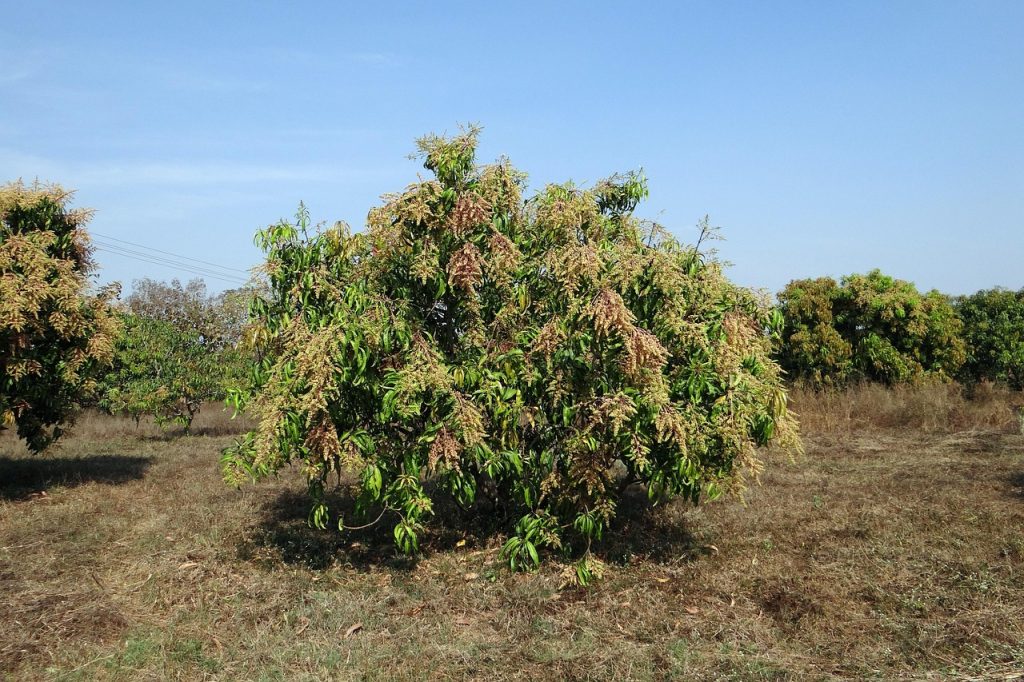
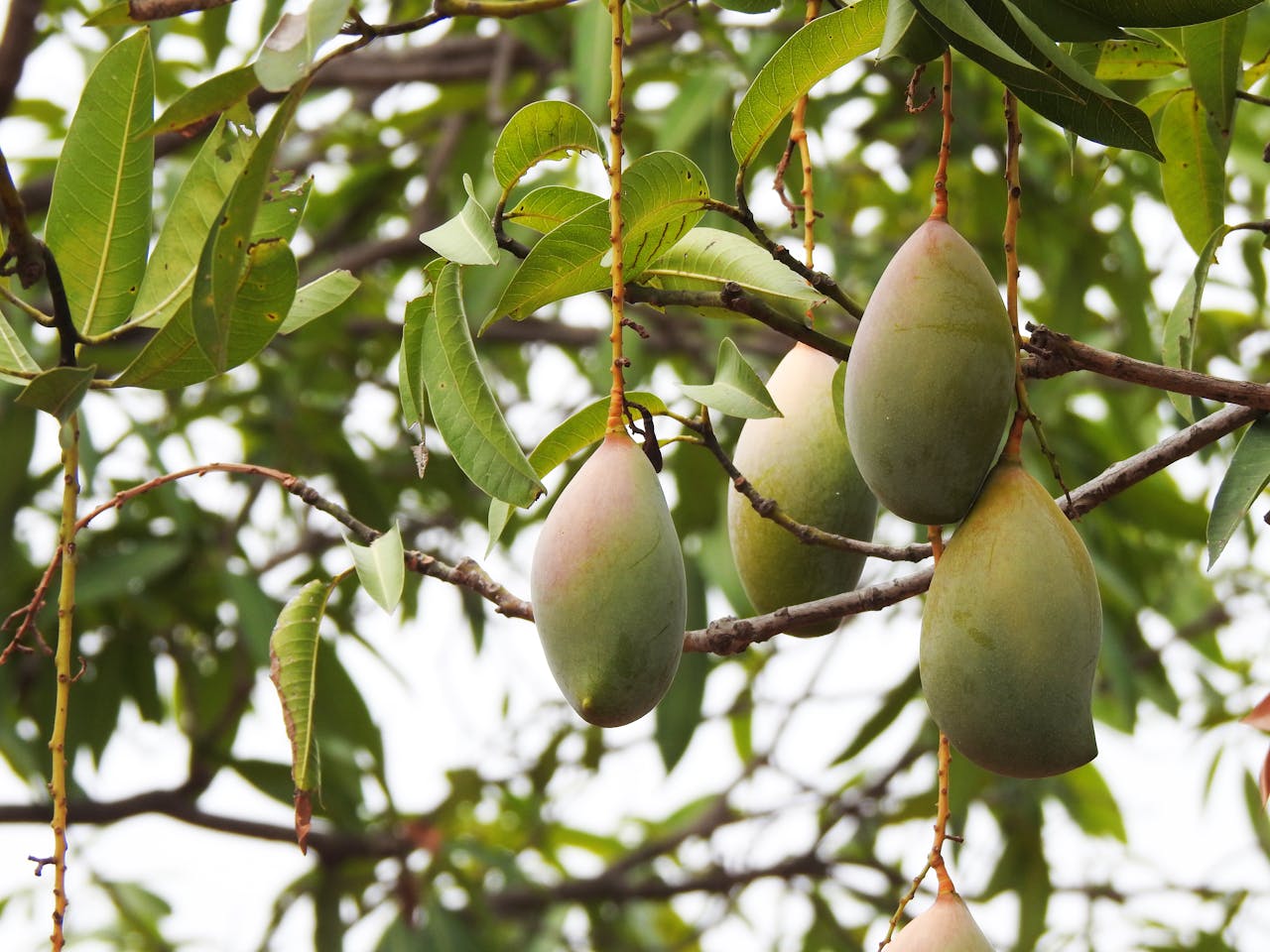
A mango tree is the long game of the patio garden, but dwarf varieties keep it realistic in a roomy pot with sharp drainage, warmth, and eight hours of sun when possible. Half a mango carries about 1.7–1.8 g of soluble fiber, and that gentle sweetness fits chutneys, salsas, and clean slices. Container mangoes are best started in spring in a pot around 20 inches wide with drainage holes, stepped up every year or two, and watered only after the soil dries slightly; pruning keeps growth compact, and airflow helps limit fungal issues. Cold protection matters when nights dip low.
Fig Tree
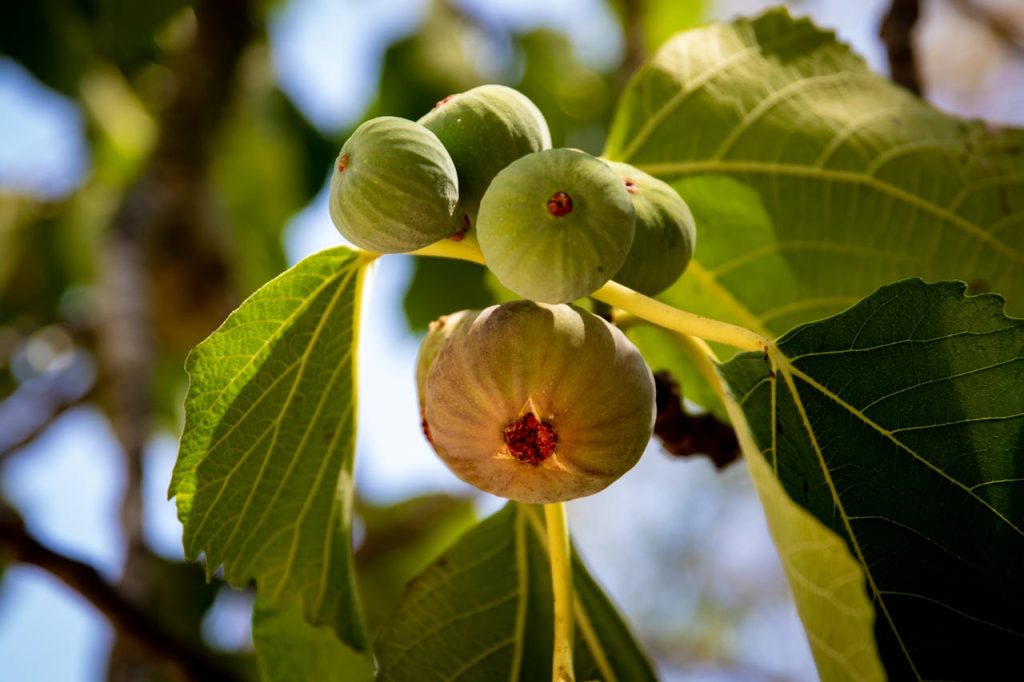
Fig trees thrive on constraint, which is why containers and tight yards suit them so well, keeping roots in check and growth easy to shape. A quarter cup of dried figs contains about 1.4 g of soluble fiber, and fresh figs can be dried on low heat to stretch the harvest without losing their rich depth. Figs like heat, full sun, and fast-draining soil; steady moisture during fruit swell prevents split skins, and root restriction in pots can encourage fruiting. In cooler regions, winter shelter protects tender tips, and many types resprout after cold dieback to fruit in summer.
Strawberries
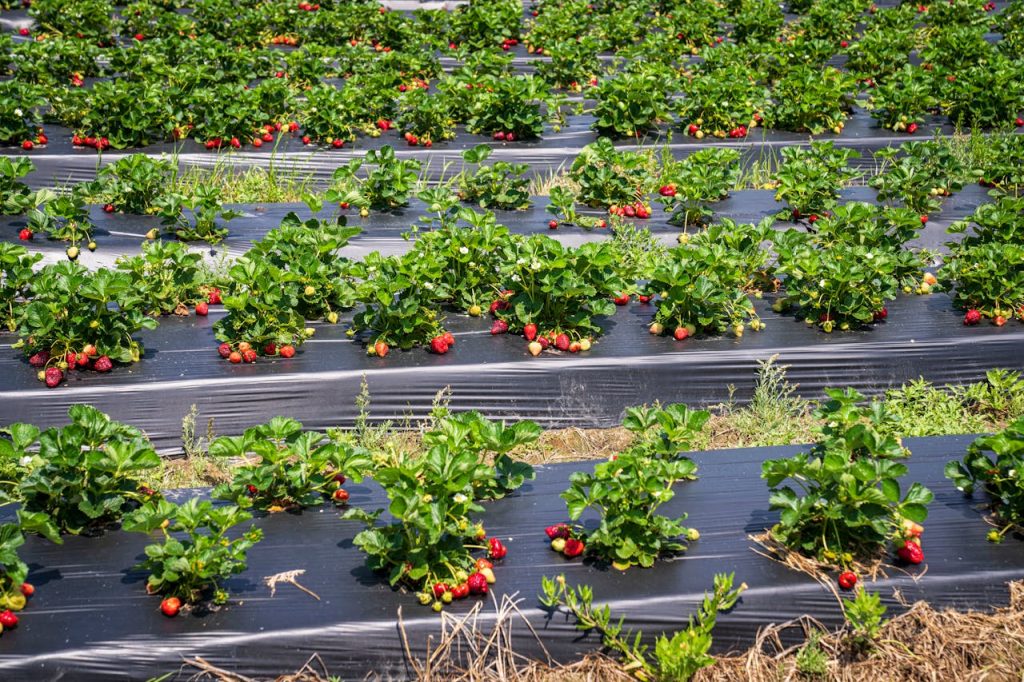
Strawberries are the quick win: plants in a raised bed, pot, or hanging basket can fruit within months and keep going with regular picking. One cup of strawberries offers about 1.1 g of soluble fiber, and the blossoms pull in pollinators early in the season. Strawberries prefer full sun, rich soil, and steady moisture; straw mulch helps keep berries clean and can reduce fruit rots, wider spacing improves airflow, and simple slug control saves ripe fruit. Runners can be rooted for the next patch, and clipping tired leaves after harvest helps crowns rebound before winter arrives.
Grapefruit Tree
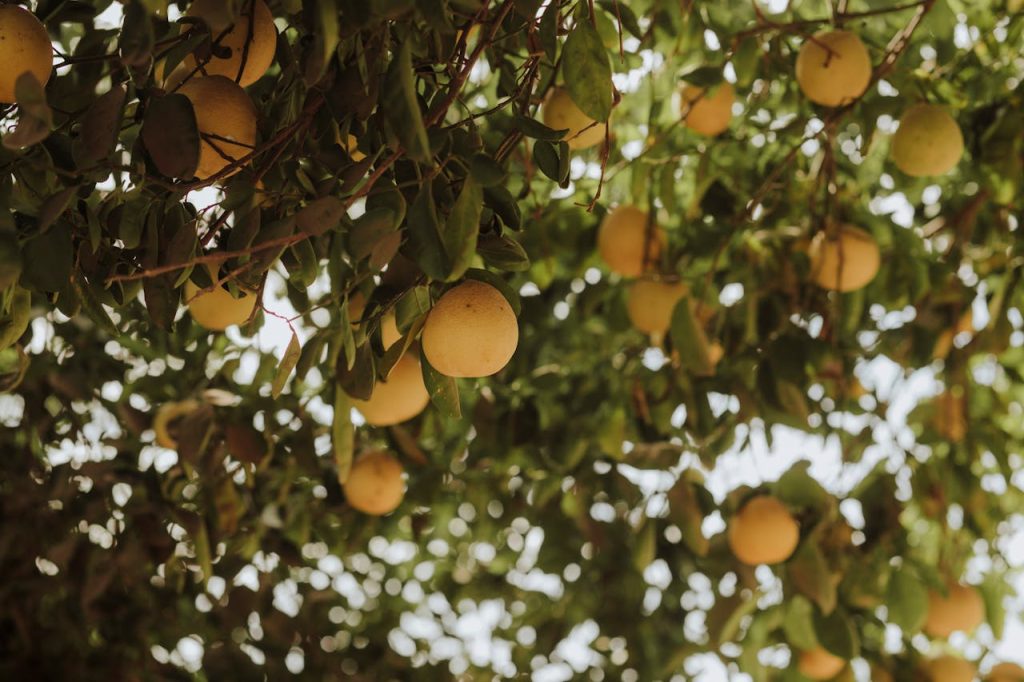
Grapefruit brings a bold, bittersweet edge that feels made for winter breakfasts, and the tree can be low-fuss once established in warm regions. Half a grapefruit provides about 1.1 g of soluble fiber, with pectin concentrated in the membranes between segments. Grapefruit trees do best with at least eight hours of sun and sandy, well-drained soil, ripening roughly from Oct. through Jan.; young trees need regular watering early on, then settle into a steadier rhythm. In cooler areas, smaller cultivars can thrive in containers that move under cover before freezes with good drainage.
Pear Tree
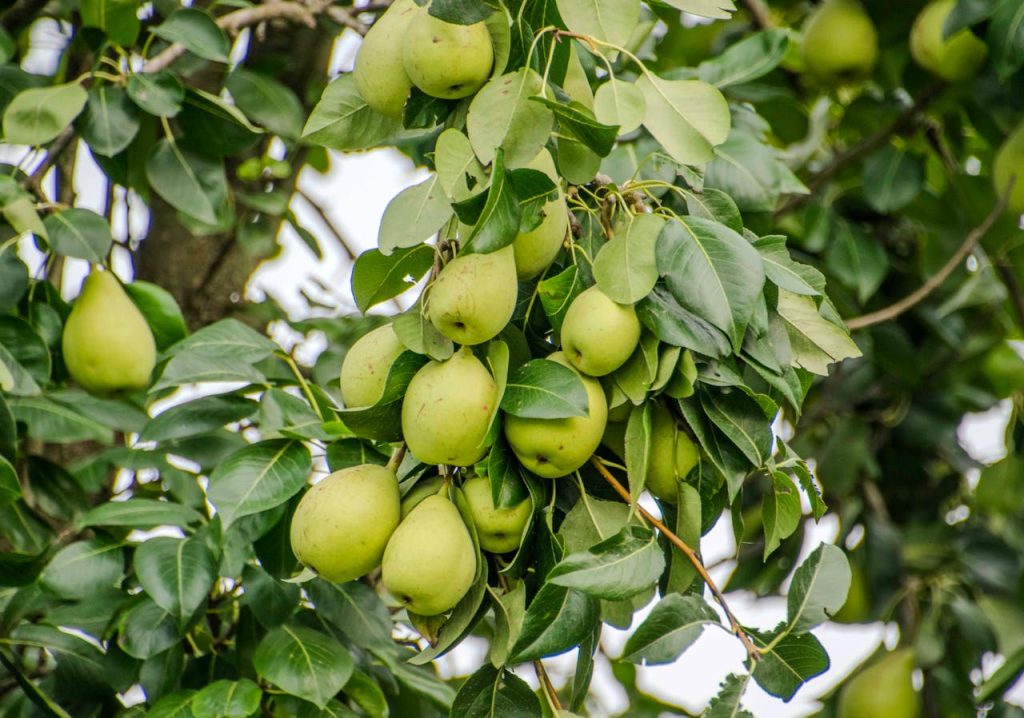
Pears are a quiet powerhouse in the backyard, offering spring blossoms, summer shade, and fruit that stores well into the cool months when picked at the right time. Half a pear with the skin carries about 1.1 g of soluble fiber, and the gentle flavor suits fresh slices, baking, or slow poaching. Many varieties need winter chill to flower and often set better with a compatible pollinator nearby, but pears also train neatly as espaliers along a fence, turning narrow gardens into a productive wall of fruit with minimal footprint. Pruning for light and airflow helps keep fruit clean.
Plum Tree
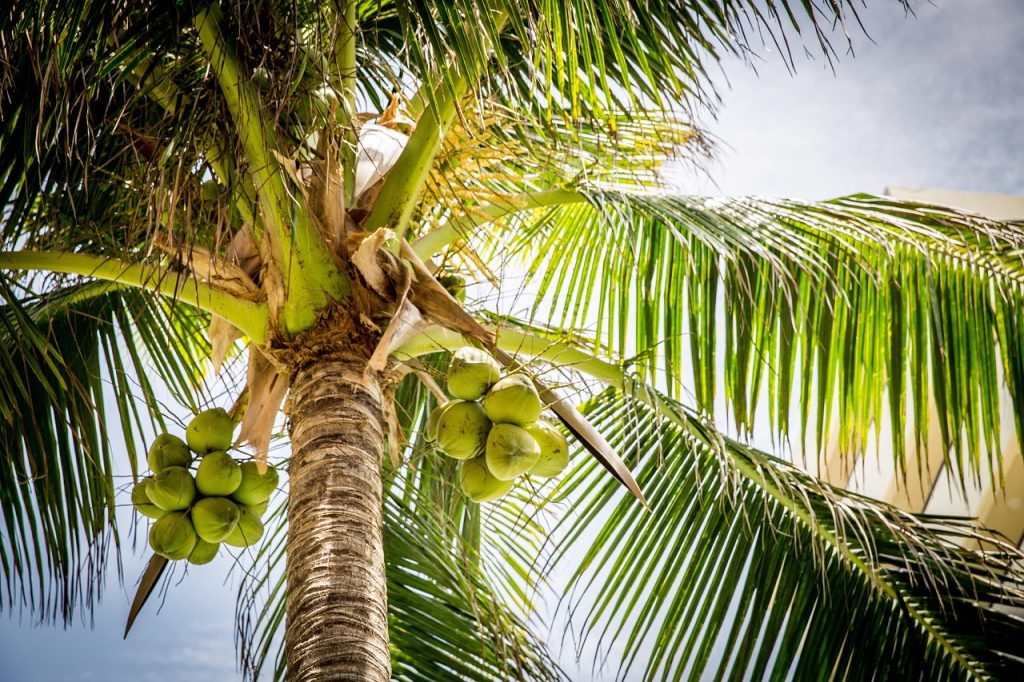
Plums bring generous color and reliable crops to home gardens, and many types handle pruning well, which makes them friendly for small spaces and containers. Two red plums provide about 1.1 g of soluble fiber, and the fruit’s sweet-tart balance holds up in jams, tarts, and quick freezer preserves. Plum trees like full sun and well-drained soil, but they often bloom early, so a sheltered site helps protect flowers; some varieties set better with a pollinator nearby. Good airflow, summer thinning, and prompt cleanup of fallen fruit can reduce rot pressure when humid weather lingers.
Apple Tree
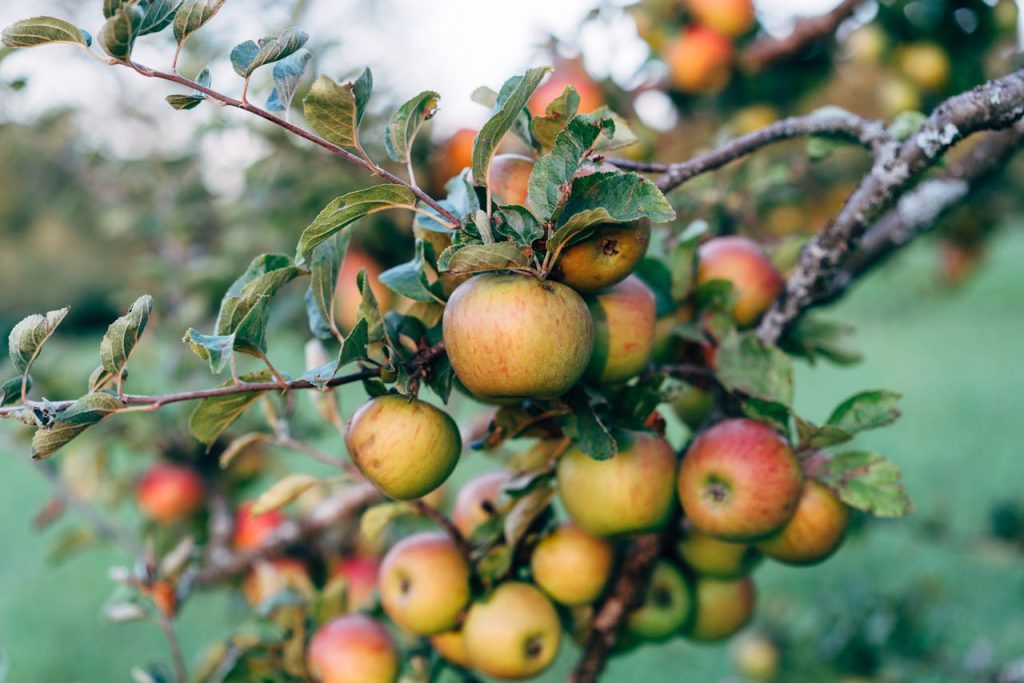
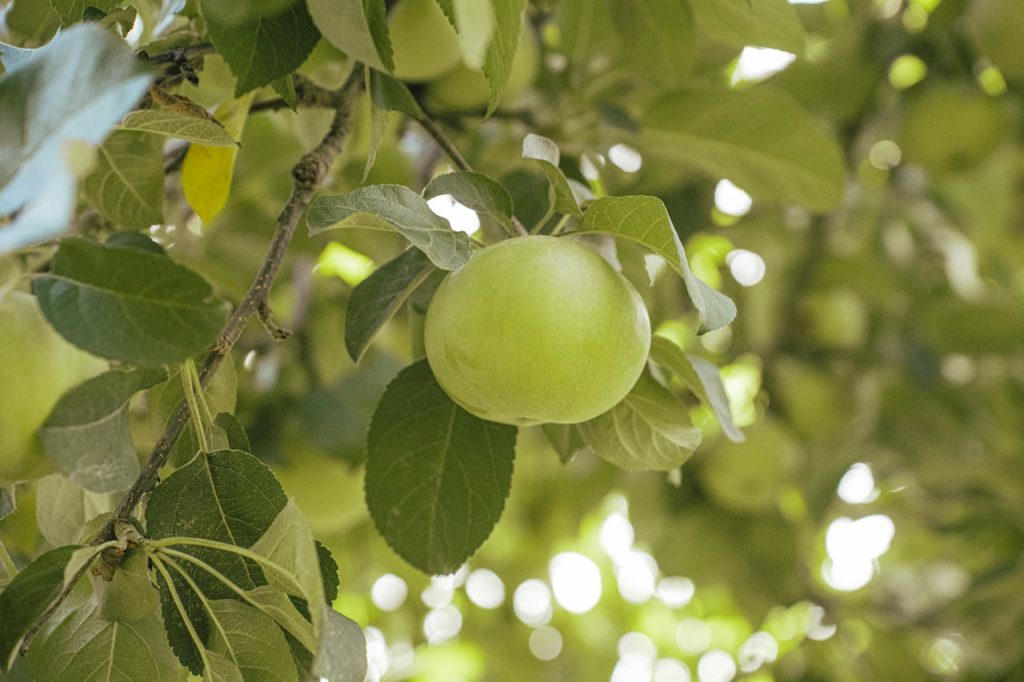
Apples are the classic home-orchard project, and dwarf rootstocks make them manageable even in yards, where branches can be trained flat along a fence to save space. One apple with the skin provides about 1.0 g of soluble fiber, much of it pectin, and the fruit stores well in a cool pantry. It also turns into sauce, dried rings, and pie filling. Apple trees need at least eight hours of sun and usually require two different varieties for good pollination; dwarf trees can begin bearing in two to three years, and pruning plus thinning improves airflow, color, and branch strength.
A garden patch and a few well-chosen trees can quietly reshape the pantry and the pace of a season. Strawberries bring speed, figs bring sweetness, and apples bring that steady, dependable kind of abundance. With sun, pruning, and small bits of seasonal protection, fruit becomes both a harvest and a habit, returning when it is needed most.