

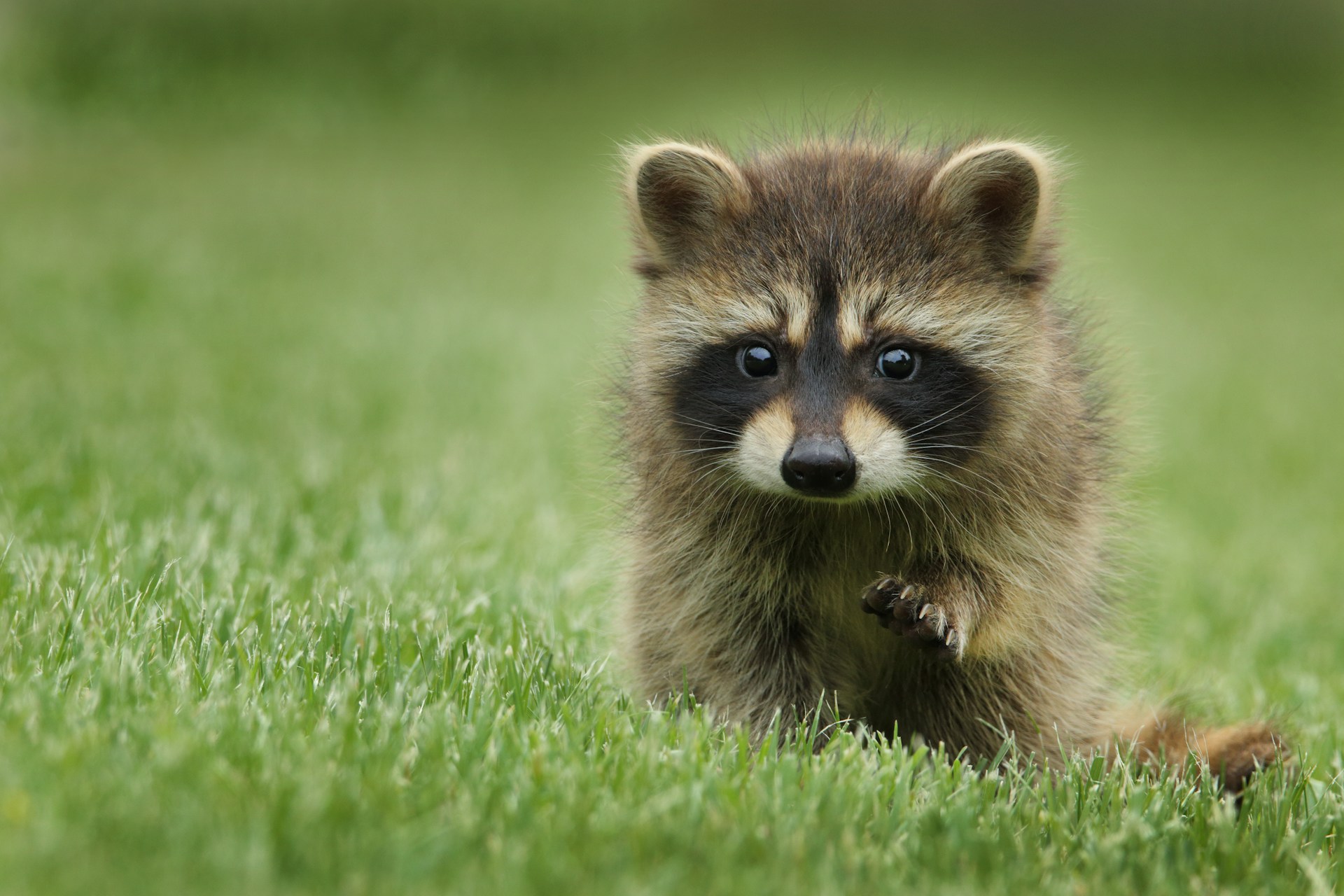
Soft fur, bright eyes, and calm body language can trick cautious hikers into relaxing too soon. Many animals that seem gentle rely on speed, venom, or mass to defend space, food, or young. Trouble often starts with a photo taken too close, a snack offered by hand, or wildlife treated like a pet. Some injuries happen in seconds: a hoof strike, a quick lunge, a hidden spine, or a small bite that needs care. Warning signs are subtle, and crowds make them easy to miss. Nesting and babies raise the odds. The safest encounter is the one that never pressures an animal. A calm pause and space protect people and animals alike.
White-Tailed Deer
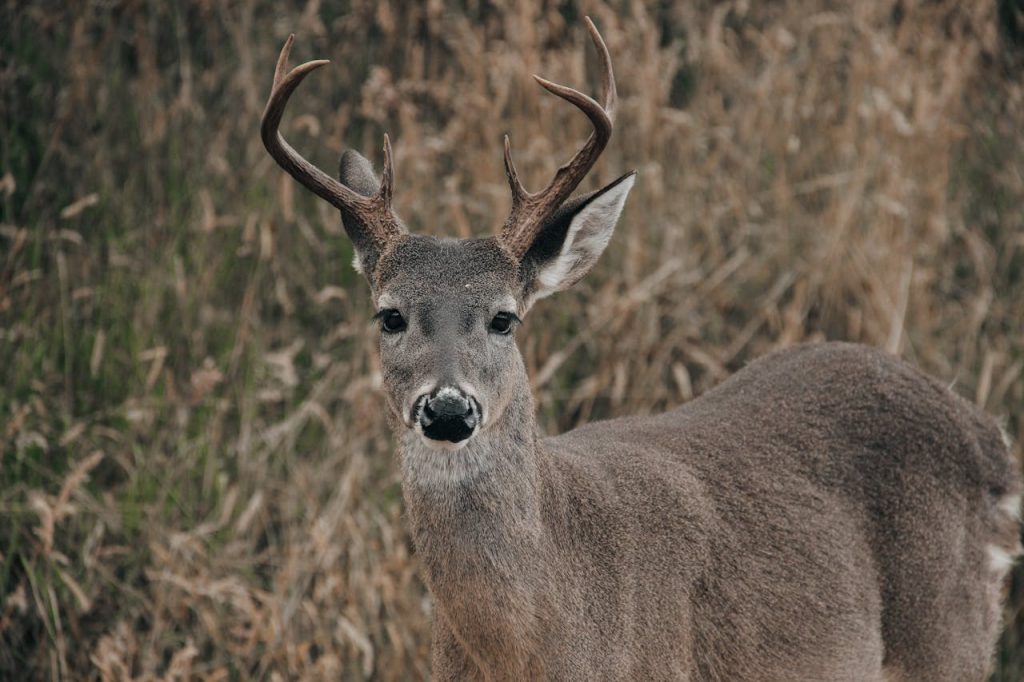
White-tailed deer look gentle in a yard, yet a startled doe or a buck in rut can go from stillness to impact in a heartbeat. Hooves land with blunt force, and antlers can turn a short rush into a dangerous sweep, especially on narrow trails, in suburban parks, or near road shoulders at dawn and dusk when surprise is common.
Risk rises when feeding teaches deer to close distance, or when fawns are nearby in spring and adults feel cornered. Pinned ears, stomping, and a hard stare are signals to slow down, step back behind a tree, fence, or car, and let the animal choose the exit without pressure. Dogs should stay leashed.
Moose
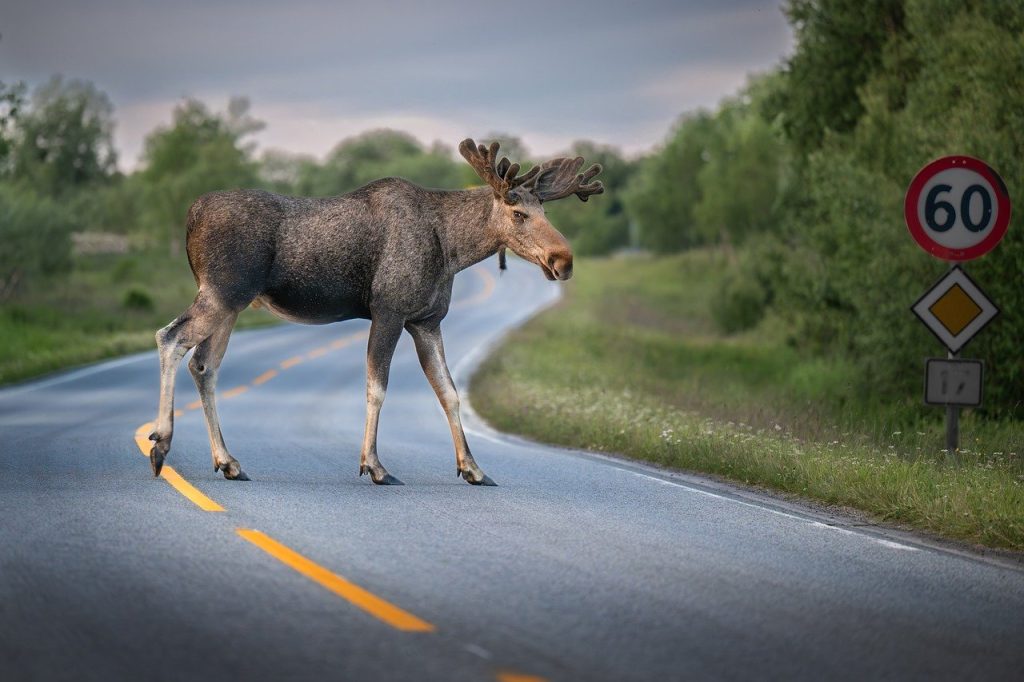
A moose can look like an oversized grazer until it decides the space is no longer shared. Many adults weigh over 1,000 pounds. Despite the calm chew, moose can sprint around 35 mph, and a kick or stomp can cause serious injury when people crowd a trail edge or roadside pullout.
Charges are more likely with calves nearby, during the fall rut, or when dogs trigger pursuit, especially in deep snow. Raised shoulder hair, ears pinned back, lip licking, and repeated stomps can come before a rush. Back away behind cover, stay quiet, and wait for the animal to leave. A wide detour is safer than trying to slip past. Even if it looks calm.
Bison
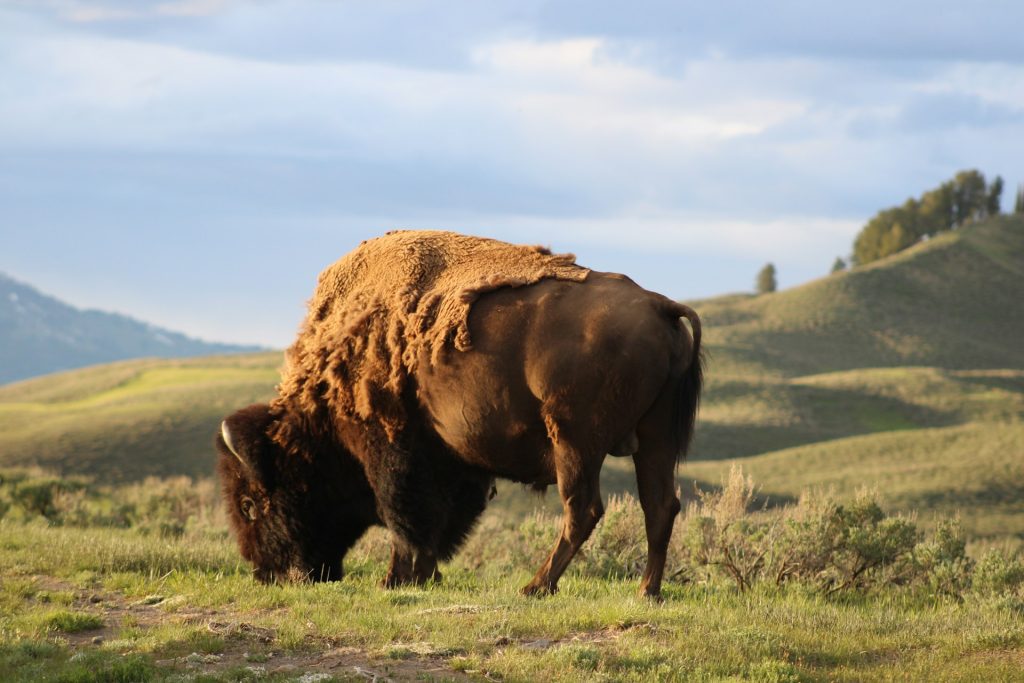
Bison read as gentle from a distance, with shaggy coats and slow steps, yet they react fast when space shrinks. Many adults weigh 1,000 to 2,000 pounds, so even a short bump can drop someone. They can run near 35 mph, pivot fast, and use horns to lift and toss, which is why close approaches in parks go wrong.
Conflict often starts at pullouts where crowds creep forward for photos or when calves are nearby in late spring. Tail flicks, head swings, snorts, and pawing are signals that the comfort zone is already gone. Keeping distance and avoiding any attempt to pass between animals protects the herd and the people watching.
Canada Geese
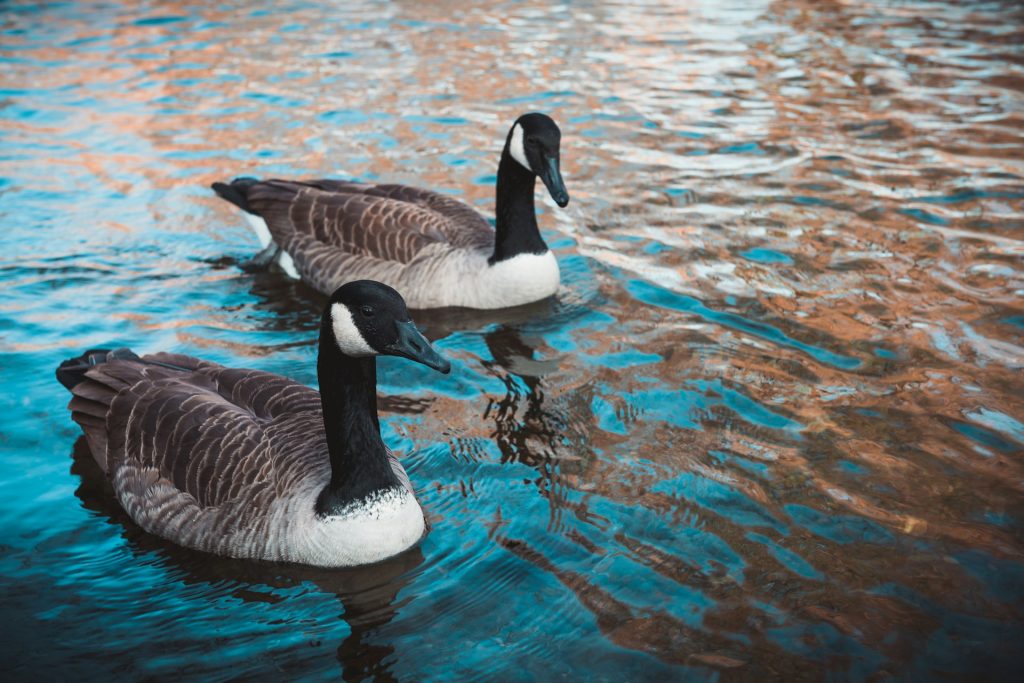
Canada geese seem almost decorative as they graze lawns and drift across city ponds, but nesting season can flip the mood fast. A protective adult may hiss, lower its head, and charge, and repeated wing strikes can bruise skin or knock someone off balance near water or pavement.
Nests often sit close to doors, sidewalks, and dock ramps, so people stumble into the buffer zone without noticing. Feeding also trains bolder behavior that carries into spring. Slow steps, a wide arc around the family group, and letting the birds set the pace usually ends the standoff without drama. Arm waving can escalate the chase. Keep pets close.
Raccoons
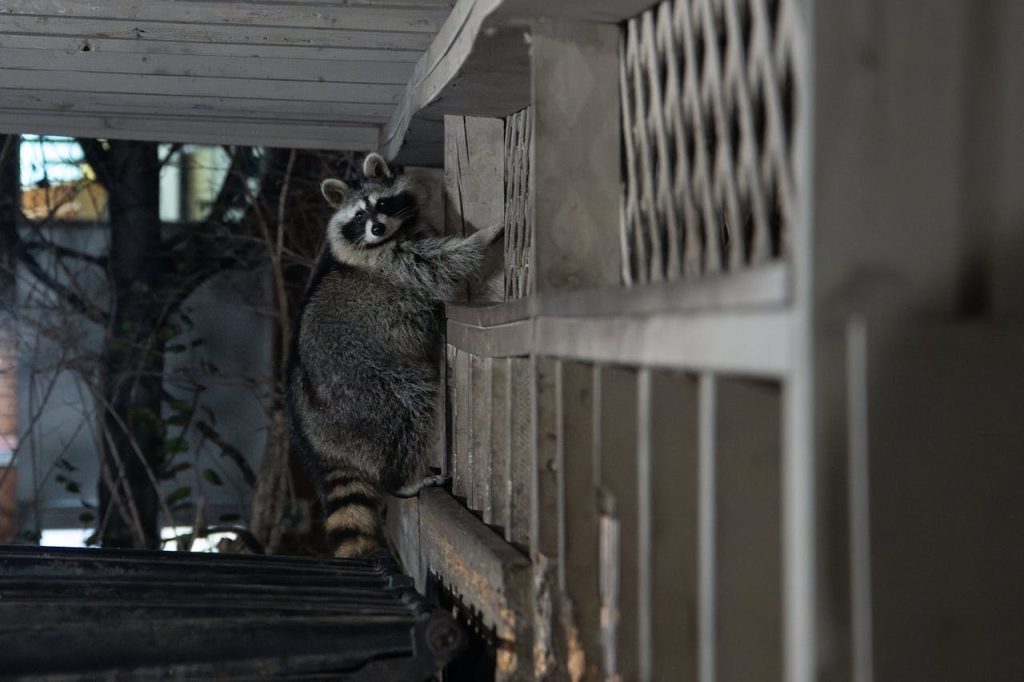
Raccoons look like curious night visitors, and a calm stare can be mistaken for friendliness, especially around trash cans and patios. Up close, teeth and claws are quick, and bites matter because raccoons are a common rabies carrier in parts of the United States.
Even without a bite, droppings can carry roundworm eggs that become risky when dried and stirred into dust. Daytime wandering, stumbling, or unusual tameness can signal illness and should be treated cautiously. Secured trash, no hand feeding, and calling local wildlife professionals for conflicts keeps the situation safer and calmer. Outdoor pet food is a strong invite.
Squirrels
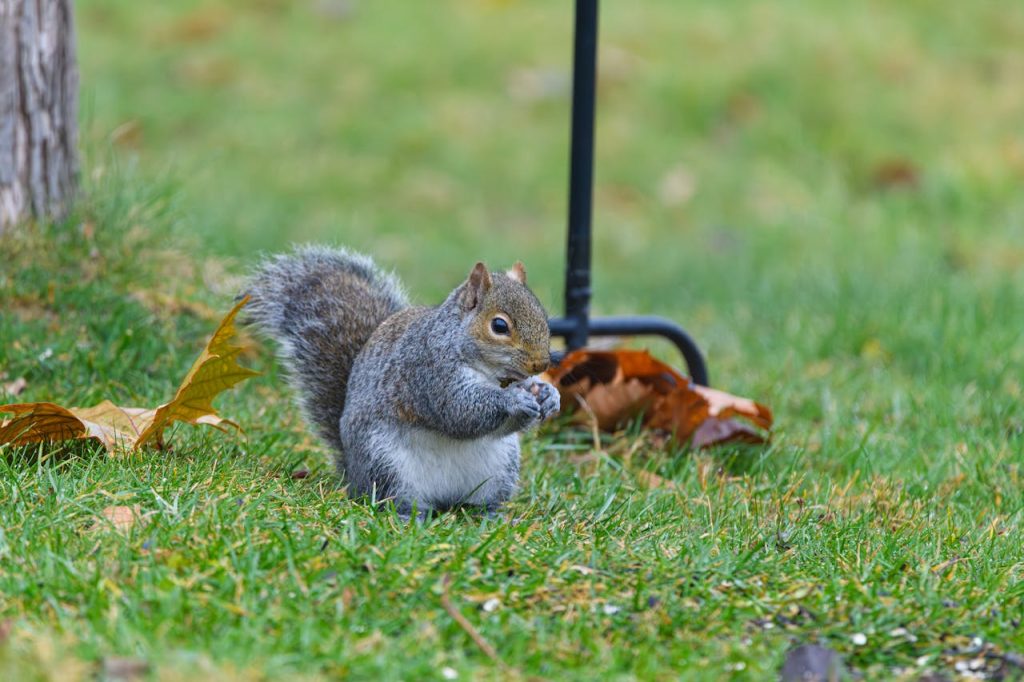
Squirrels are park regulars, so boldness can read as charm, but hand feeding teaches fast teeth to associate people with snacks. A bite is often reflexive, and small punctures can swell or get infected, especially on fingers and knuckles. Chasing or grabbing one can also end with a stumble on steps or roots.
Rabies in squirrels is rare, yet scratches can still need care, and cornered animals in garages or attics may lash out in panic. They also host fleas and ticks, which adds another reason to avoid contact. Food should stay sealed, and indoor intrusions are best handled with gloves and help from wildlife control, not bare hands.
Slow Loris
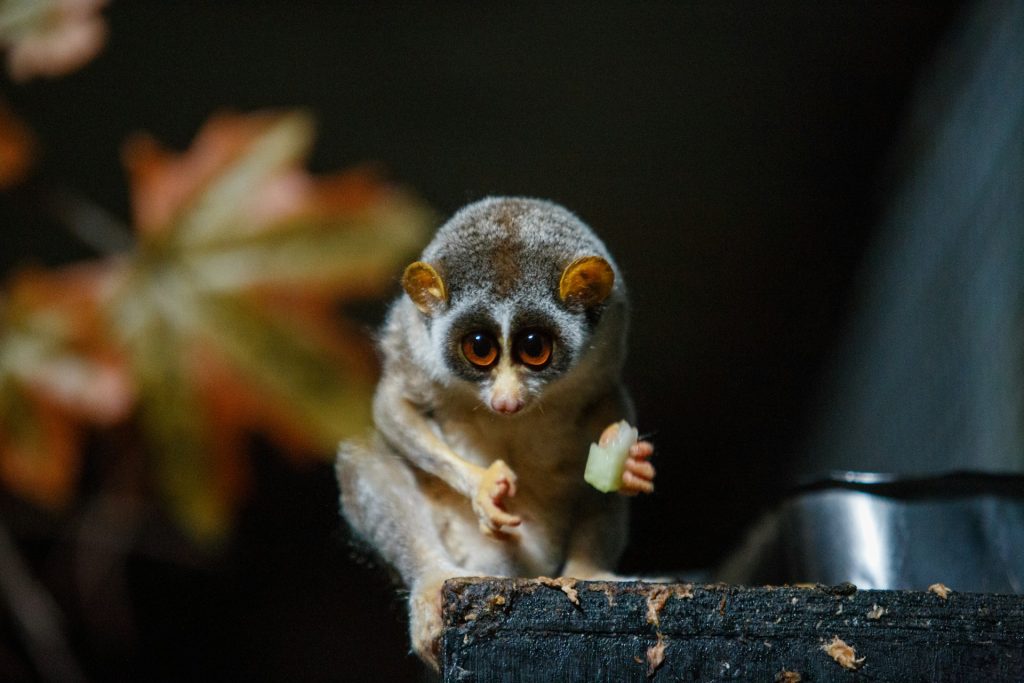
A slow loris looks like a plush toy with a gentle grip and wide eyes, which is why it gets treated like a photo prop in some places. The calm posture hides a chemical defense: glands near the elbow produce a toxin that mixes with saliva, and a defensive bite can cause intense pain, swelling, and, in rare cases, a dangerous allergic reaction.
The raised-arms pose is part of that defense, not a greeting, and handling increases stress for the animal and risk for people. Ethical wildlife tourism skips petting and pays for sanctuaries and guided night walks that keep lorises wild and out of harm. Their toothcomb can clamp down quickly.
Blue-Ringed Octopus
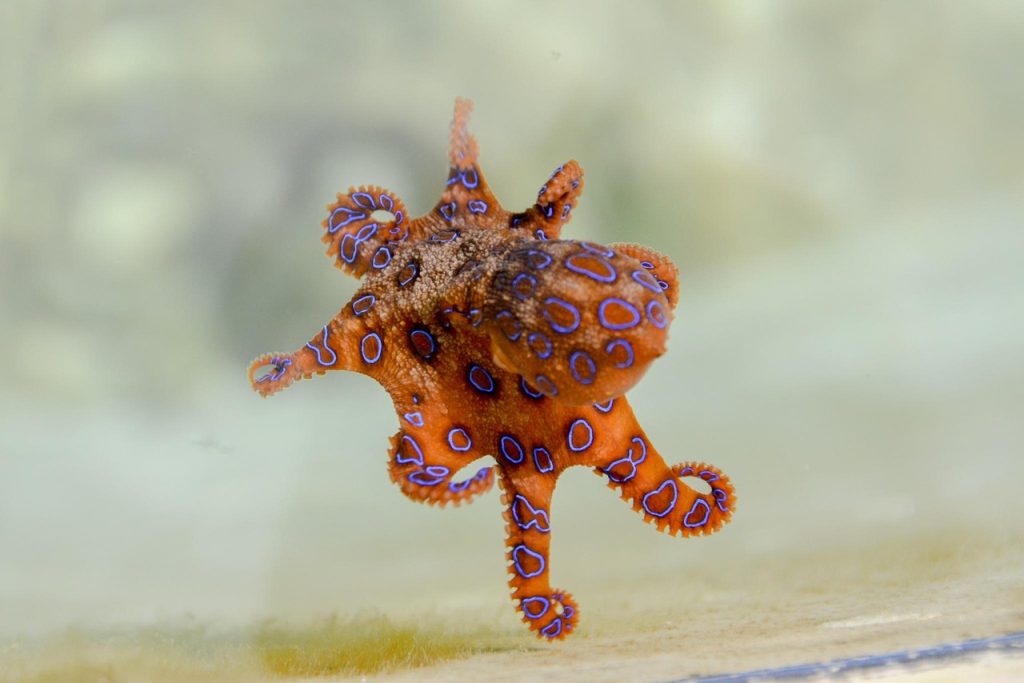
The blue-ringed octopus is tiny, bright, and easy to mistake for a harmless tide-pool find, often tucked under rocks or inside shells. When the rings flash electric blue, it is a warning signal: a bite can deliver tetrodotoxin, a powerful neurotoxin linked to numbness, weakness, and breathing failure within minutes.
The puncture may look minor, which delays help, and most incidents trace back to handling for photos or curiosity. Hands-off tide pooling and careful rock turning with tools, not fingers, reduces risk. After any suspected bite, emergency care and breathing support can be lifesaving while the toxin clears.
Cone Snail
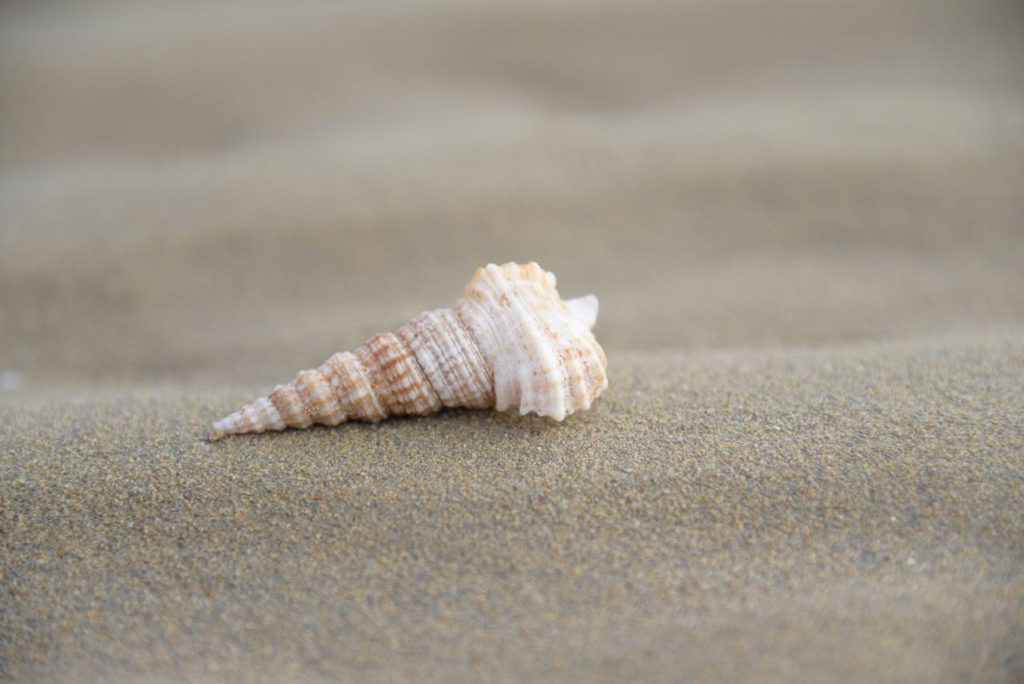
Cone snails are famous for patterned shells that invite collecting, yet a living animal may still be inside, ready to defend itself. Some species hunt fish with a spring-loaded, harpoon-like tooth and carry venom; a sting can bring severe pain, numbness, weakness, and, in rare cases, dangerous paralysis.
Warm reefs and sandy shallows are common habitat, and many stings happen when a cone snail is picked up, flipped over, or slipped into a pocket. Empty-looking shells are not proof of safety. Leaving shells in place and using gloves and tools for any necessary handling lowers the chance of a surprise sting. Respect the tiny size.
Wildlife is not trying to be cruel; it is trying to stay safe. Space, calm body language, and leaving food alone let animals keep their dignity and people keep their afternoon. The most memorable sightings are the ones that end with everyone walking away unchanged.