

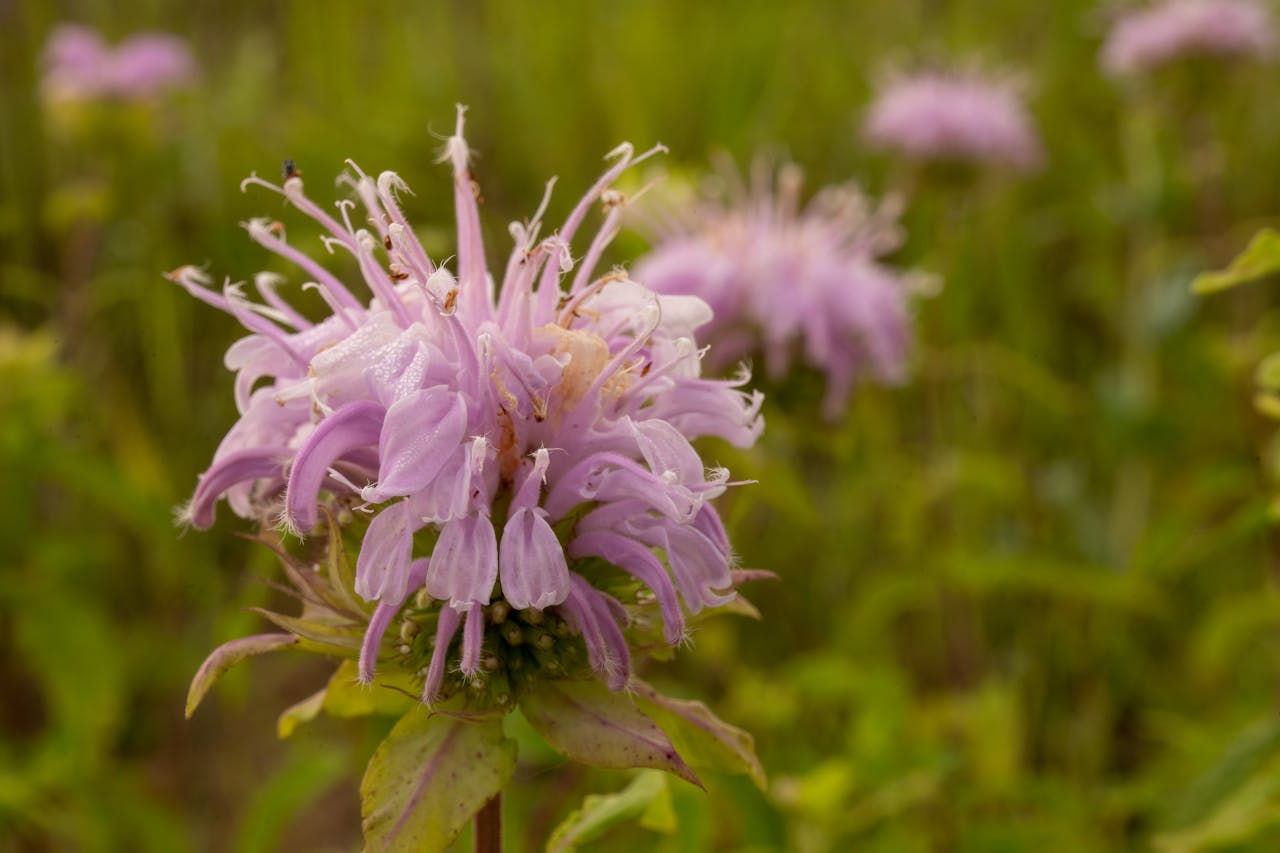
By late June, lawns fade and borders start to look tired, but native wildflowers often keep their color. Shaped by local sun, lean soils, and long dry spells, they stay lively when pampered plants sulk. Deep roots chase moisture, narrow leaves waste less water, and tough stems shrug off glare. Many handle reflected heat near driveways and stone paths without constant watering. They also keep ecosystems humming, offering nectar and seed when heat thins the buffet. Even in hard light, these blooms hold a steady confidence that makes summer feel possible again.
Black-Eyed Susan
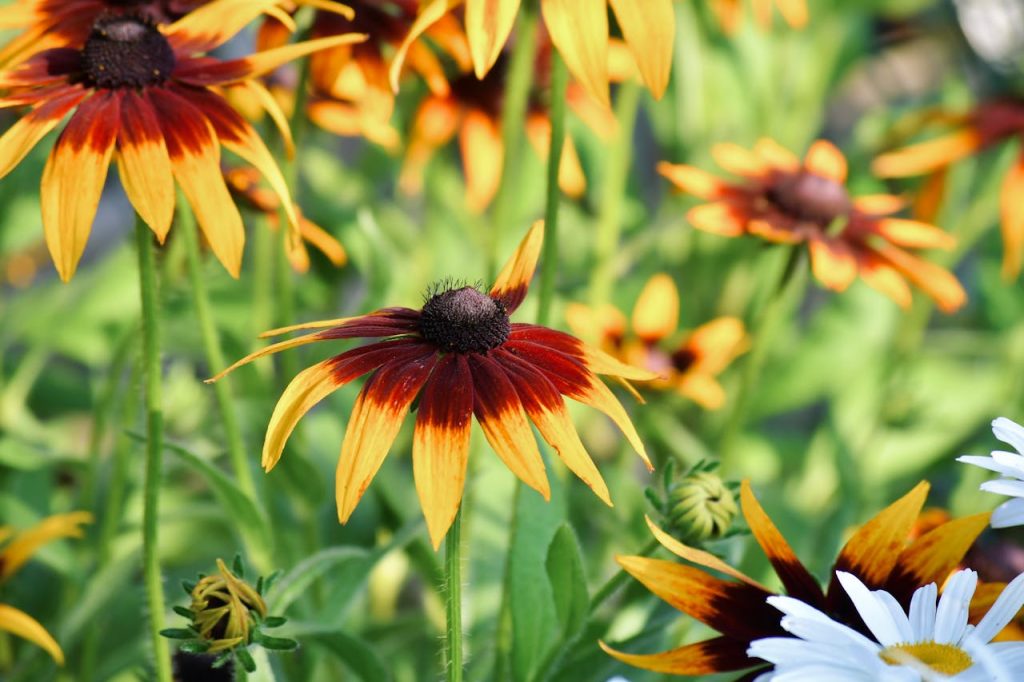
Black-eyed Susan carries warm, yellow daisies on wiry stems that stay upright in punishing sun. Native across much of North America, it keeps blooming in midsummer when many borders flatten and pale.
Rough, slightly hairy leaves slow moisture loss, and the plant tolerates lean soil without fuss. Bees work the dark centers all morning, and butterflies drift in for quick drinks during the hottest afternoons. In meadows, curb strips, and gravelly beds, the flowers read bright from far away and make easy, long-lasting cuts. Later, the seedheads dry into tidy cones that finches pick clean as summer fades, a small pantry on a stem.
Purple Coneflower
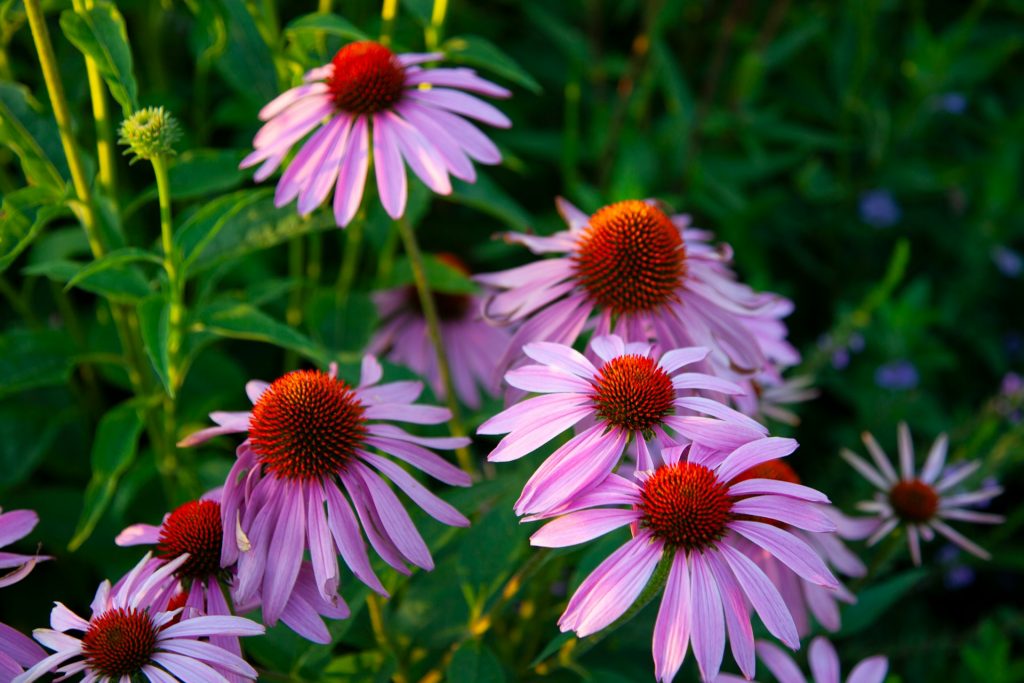
Purple coneflower holds rosy-purple rays around a bristly dome, like a pin cushion built for bees. Native to the central and eastern United States, it rides out heat by sending roots deep and wasting little water.
Even in July drought, the flowers keep coming, and the seed-rich cones mature into winter food for goldfinches. Leaves stay surprisingly fresh in average garden soil, and the plant rarely flops if it gets full sun. Each bloom ages gracefully, shifting from bright to dusky without looking spent, so beds keep their shape. Pollinators circle it for hours, turning a tired yard into a busy, living place well past peak season.
Blanketflower
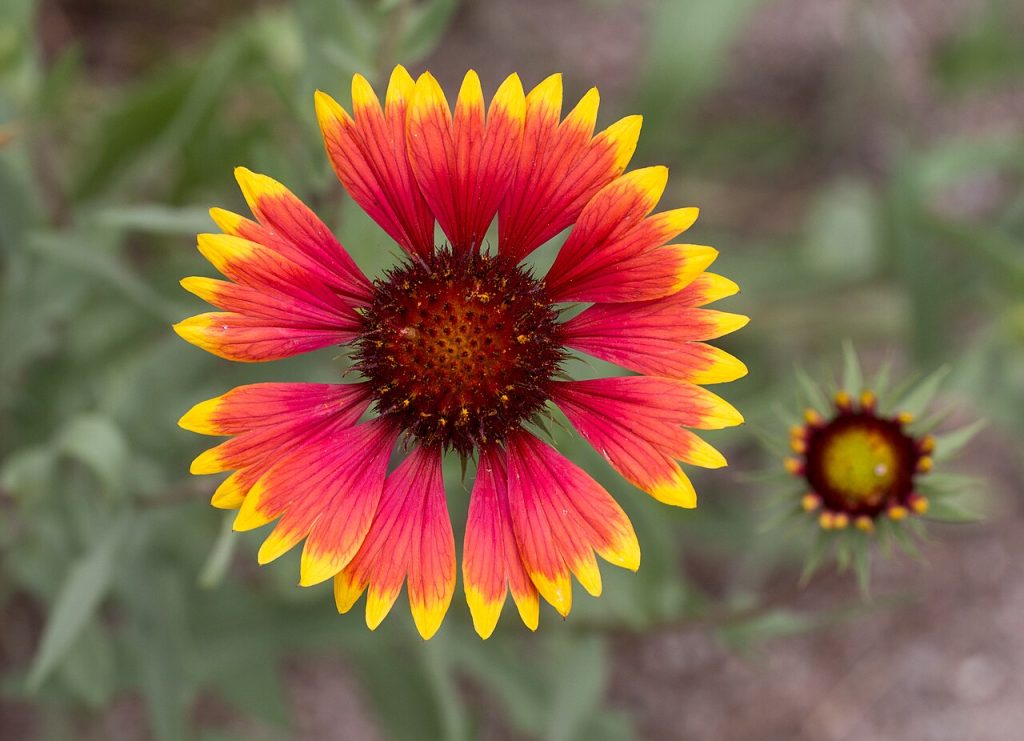
Blanketflower flashes red-and-gold petals that look sunlit even at noon, when the air turns sharp. Native across large parts of North America, it thrives in sandy or rocky ground where water drains fast.
Heat does not stop it; it simply keeps making new blooms from early summer into fall, often with no extra care. Silvery, narrow leaves cut down moisture loss, and the plant stays compact instead of sprawling into neighbors. Roadside toughness shows up in gardens, too, especially where reflected heat bounces off gravel and stone. Given a little space, it can reseed lightly, returning each year with the same bold, ember-colored glow.
Butterfly Weed
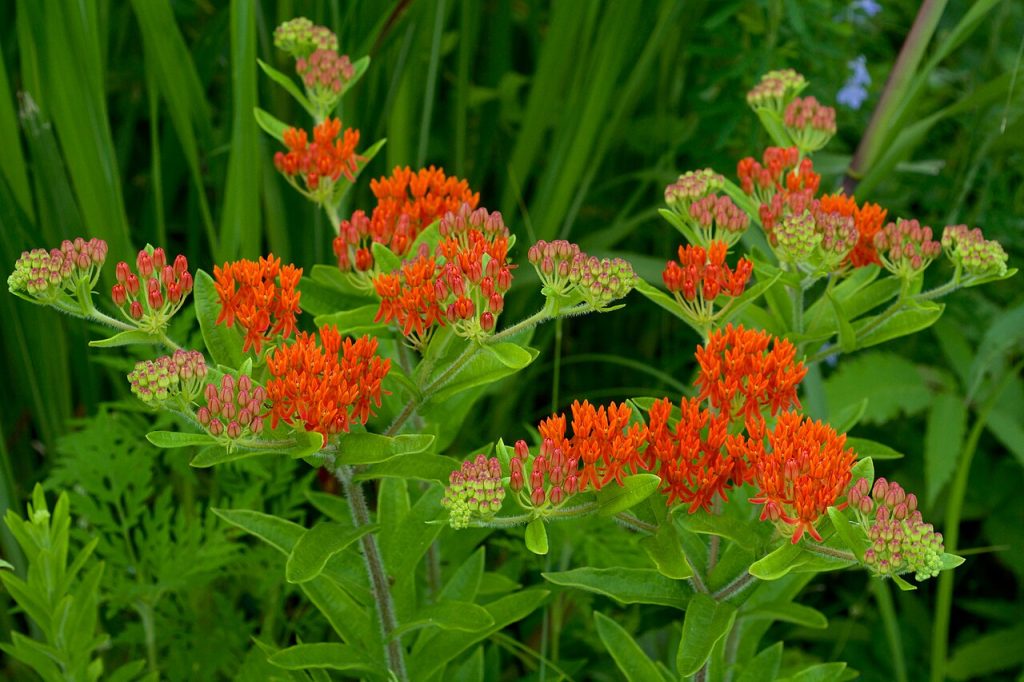
Butterfly weed lights up with orange blooms that read like small flames above clean, narrow leaves. A native milkweed of eastern and central North America, it stays composed in heat and drought once established.
A deep taproot helps it find moisture, which is why it dislikes being moved after settling in. Unlike swamp milkweed, it prefers dry, well-drained soil and full sun, making it a strong pick for hot beds. Monarchs and other butterflies crowd the flowers all summer, and the foliage supports caterpillars. After flowering, slender pods split to release silky seeds that drift on late-summer breezes, adding quiet drama.
Plains Coreopsis
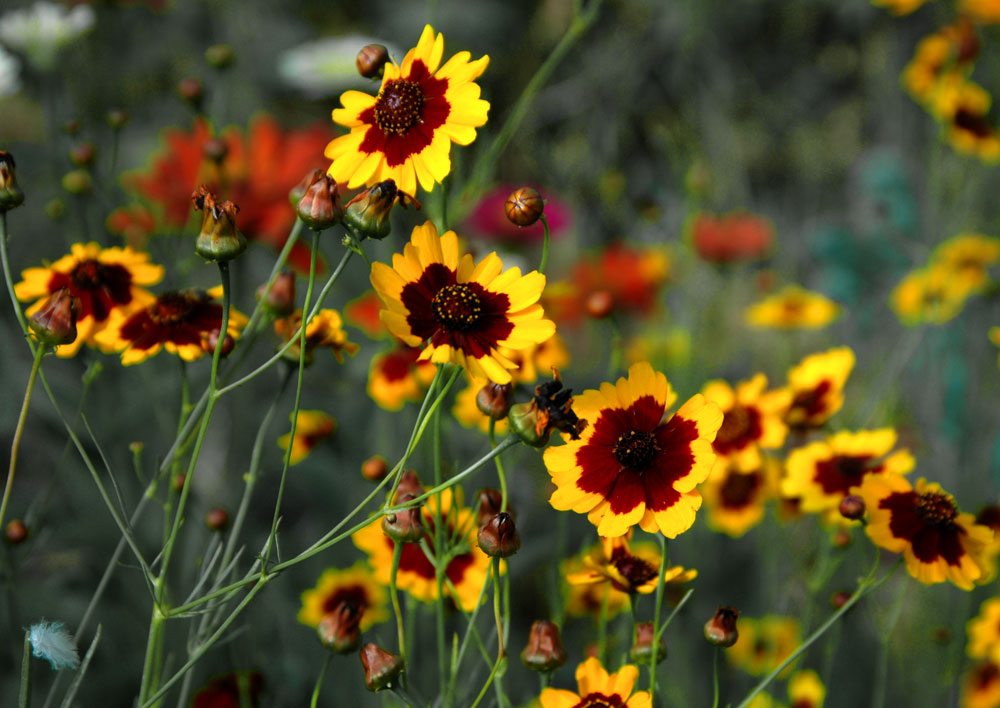
Plains coreopsis tosses up sunny yellow blooms with a red-brown halo, a simple pattern that pops in heat haze. Native to much of the United States, it grows fast, flowers early, and keeps going through hot spells.
Fine, airy foliage lets wind move through, reducing stress on blistering days and helping stems stay clean. It tolerates poor soil and light neglect, which makes it useful along fences, sidewalks, and newly planted beds. Bees skim the open flowers, and small butterflies pause briefly before moving on. As blooms fade, new buds keep arriving, and the plant often reseeds in a gentle way that fills gaps naturally.
California Poppy
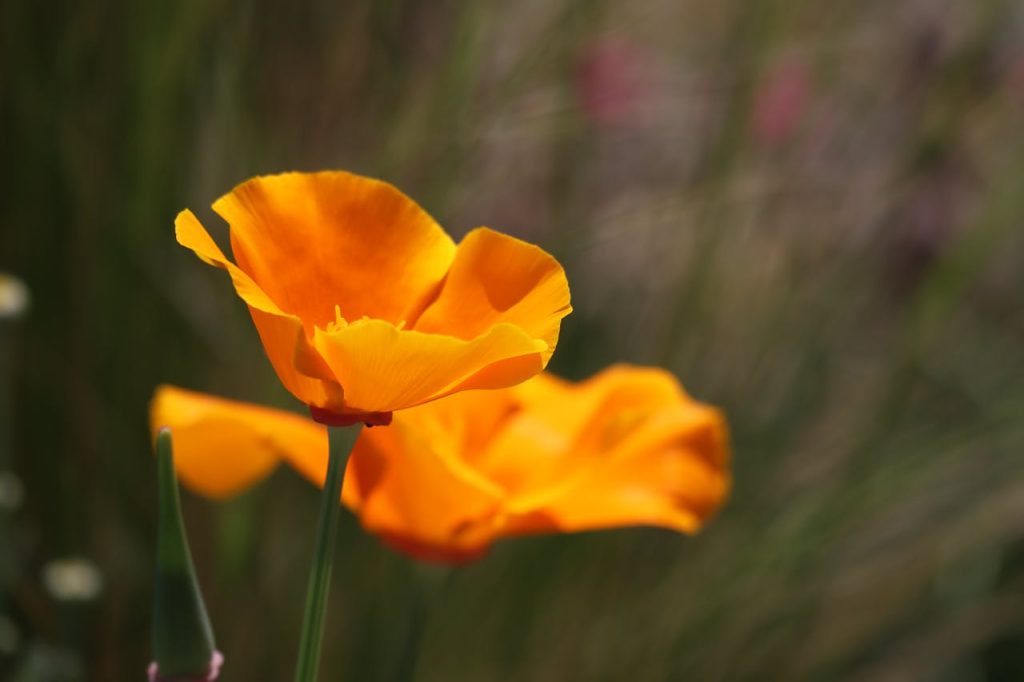
California poppy opens silky cups of orange and gold that seem to glow from within when sun hits them. Native to the western United States, it thrives in dry summers, especially in gritty soil and open exposure.
On hot slopes and roadside edges, it holds ground with a fine root network and asks for very little. When heat intensifies, the plant can pause, then rebound quickly after a rare summer shower. Bees dive into the cups early in the day, dusting themselves with pollen before the petals close at night. It often reseeds where conditions suit it, returning in bright drifts that feel effortless, not fussy even in thin soil.
Wild Bergamot
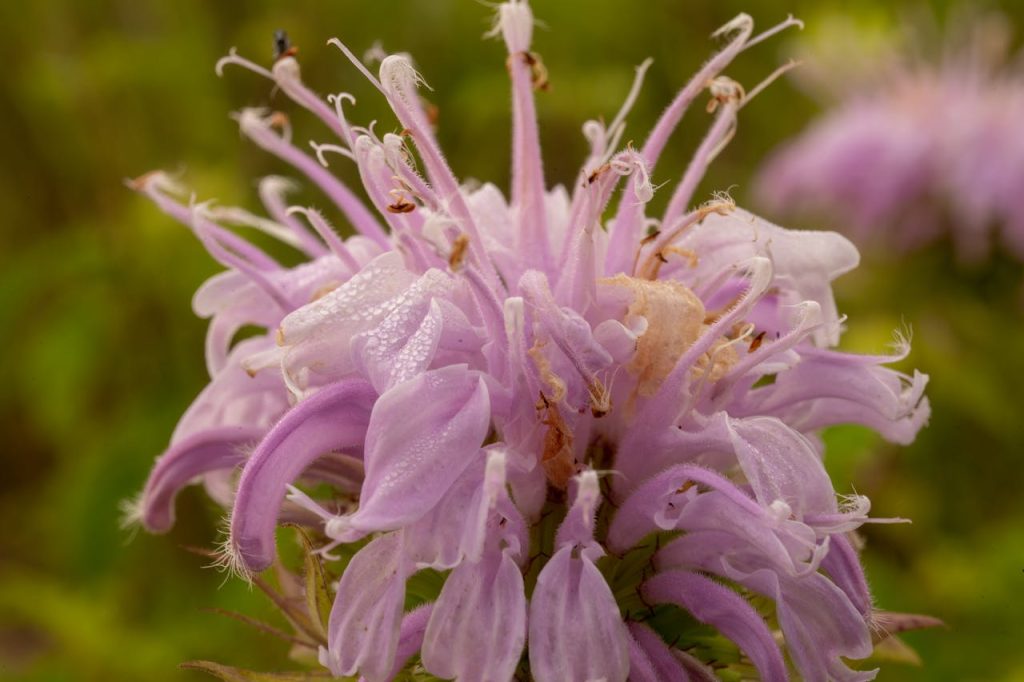
Wild bergamot, also called bee balm, carries tufted lavender blooms that look like fireworks above gray-green leaves. Native across much of North America, it tolerates summer heat and keeps flowering when humidity turns heavy.
The foliage smells faintly minty, and the plant forms sturdy clumps without rich soil or daily watering. Bees, hummingbirds, and butterflies crowd the shaggy blossoms, especially in late afternoon when other nectar fades. Open spacing helps the leaves stay cleaner, and dried seedheads linger as texture after petals drop. It pairs well with coneflowers and grasses, keeping hot-season beds from looking flat.
Blue Flax
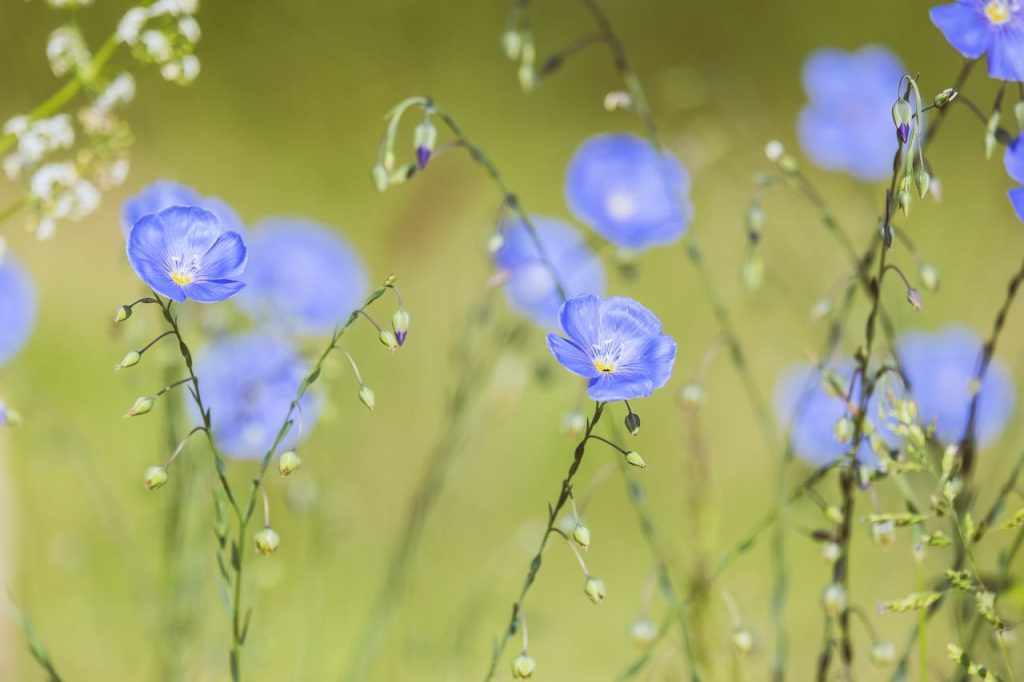
Blue flax floats sky-blue flowers on slender stems, giving hot gardens a cool, breezy note. Native to western North America, it thrives in full sun and well-drained soil, especially where summers run dry.
Each bloom lasts a day, but the plant makes so many buds that color seems constant for weeks. It settles into rocky ground, gravel mulch, and open slopes where richer perennials struggle. Fine leaves reduce water loss, and the airy form stays elegant rather than bulky as temperatures climb. Small bees visit the open flowers in the morning, and the plant can reseed modestly, returning as a familiar thread through the hot stretch.
Purple Prairie Clover
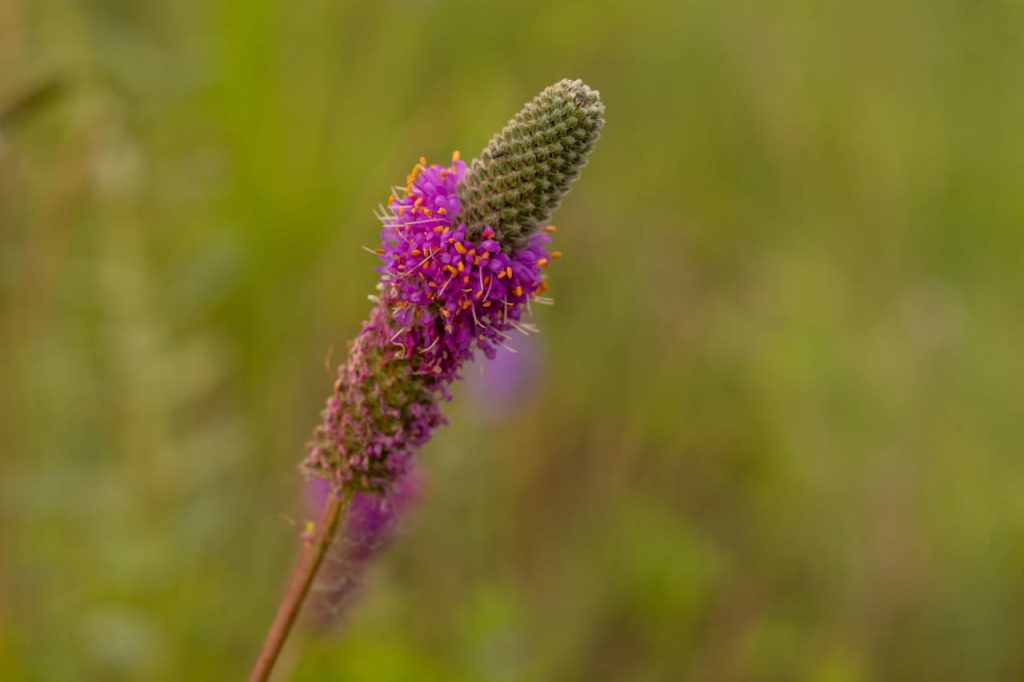
Purple prairie clover sends up wand-like spikes dotted with tiny magenta florets that open in tidy rings. Native to the Great Plains and beyond, it is built for baking sun, wind, and long stretches of dry ground.
Deep roots help it hang on through heat waves, and that same structure makes it useful on slopes and sandy sites. As a legume, it can add nitrogen to soil over time, quietly improving the neighborhood for other natives. Bees pack the flower spikes, and the plant’s fine foliage stays crisp when broader leaves wilt. With grasses, coneflowers, and blanketflower, it brings a grounded, prairie balance that still feels graceful.