

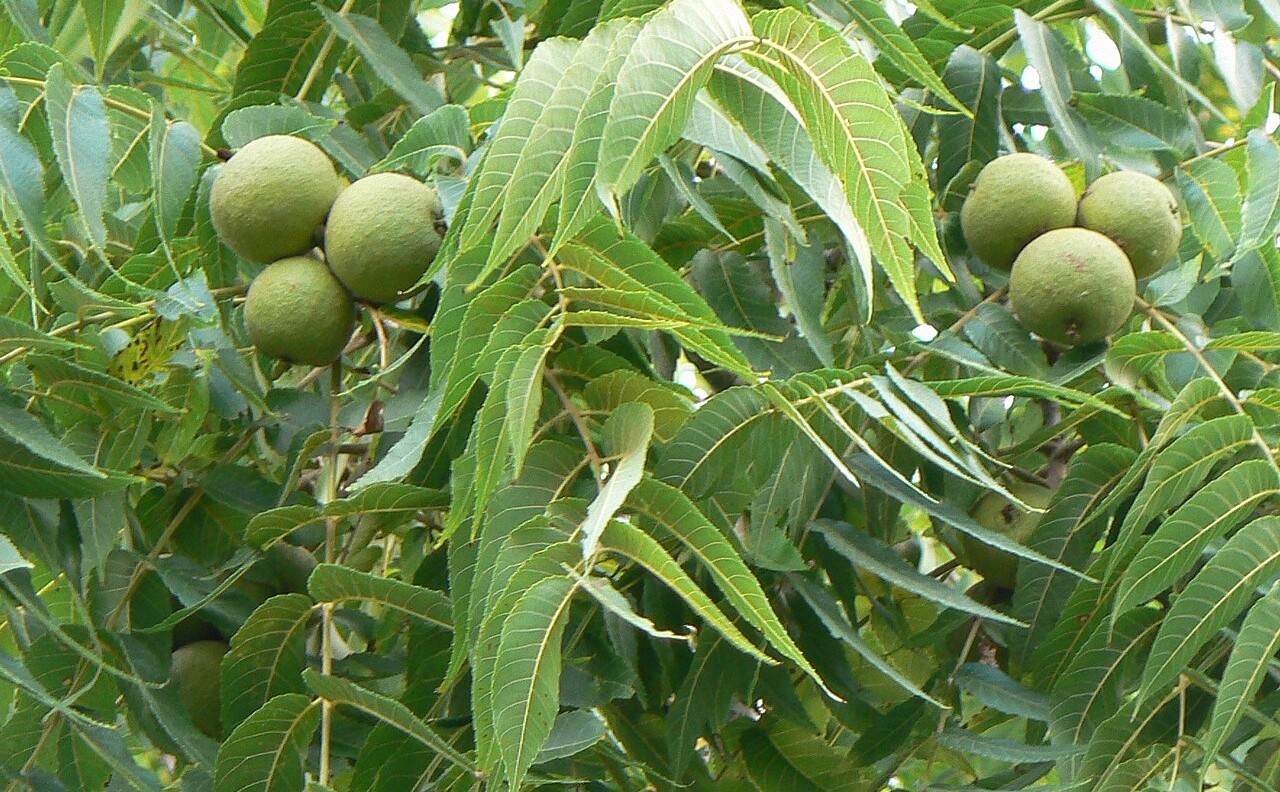
Black walnut trees bring deep shade, wildlife, and a yard scattered with husks. They also release juglone, a natural chemical that can disrupt nearby plant roots. Susceptible plants may yellow, stall, or wilt when planted inside the walnut’s root zone, often 50 to 80 feet from the trunk, with the highest pressure under the canopy. Because drainage, soil microbes, and root contact change the outcome, some plantings coast for years, then fail. Choosing tolerant stand-ins keeps the garden steady. Juglone concentrates in buds, hulls, and roots, so cleanup matters, and raised beds with barriers can protect nearby beds.
Tomatoes
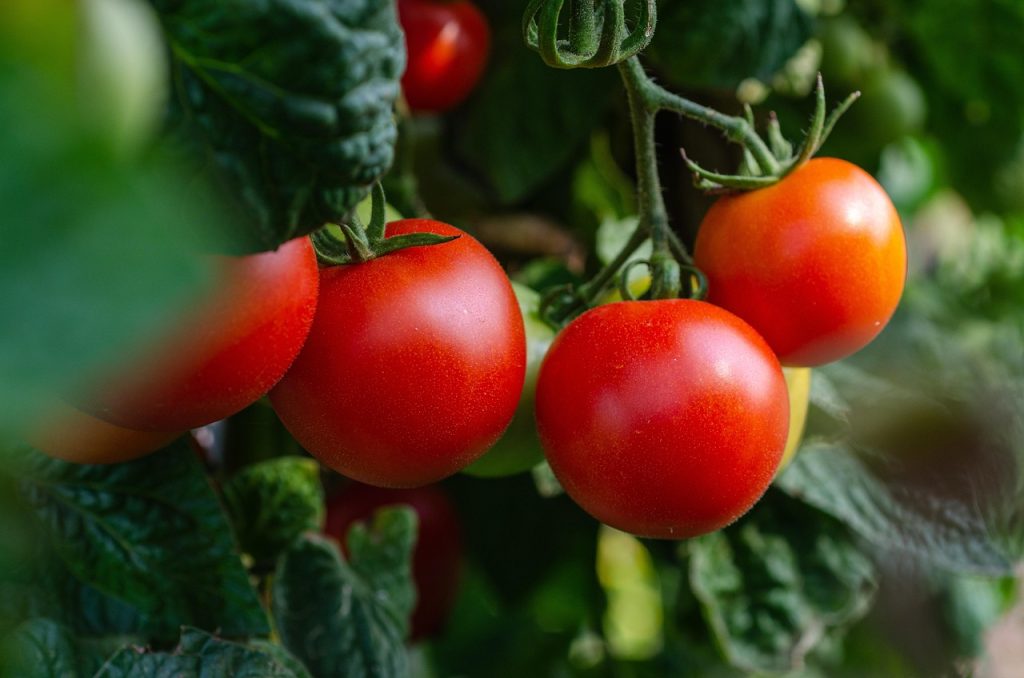
Tomatoes are one of the clearest juglone-sensitive crops. A transplant can look fine for a few days, then turn pale, twist new leaves, and wilt as the roots run into walnut influence, and stems may darken inside. Warm weather often speeds the slide. The effect is strongest under the canopy, but roots can reach well past it, so a bed that feels separate can still be connected underground.
For a dependable summer harvest nearby, snap beans, sweet corn, beets, carrots, onions, melons, and squash are commonly observed as tolerant. Tomatoes do best in containers or in a lined raised bed, with hulls and leaves cleaned out after storms.
Peppers
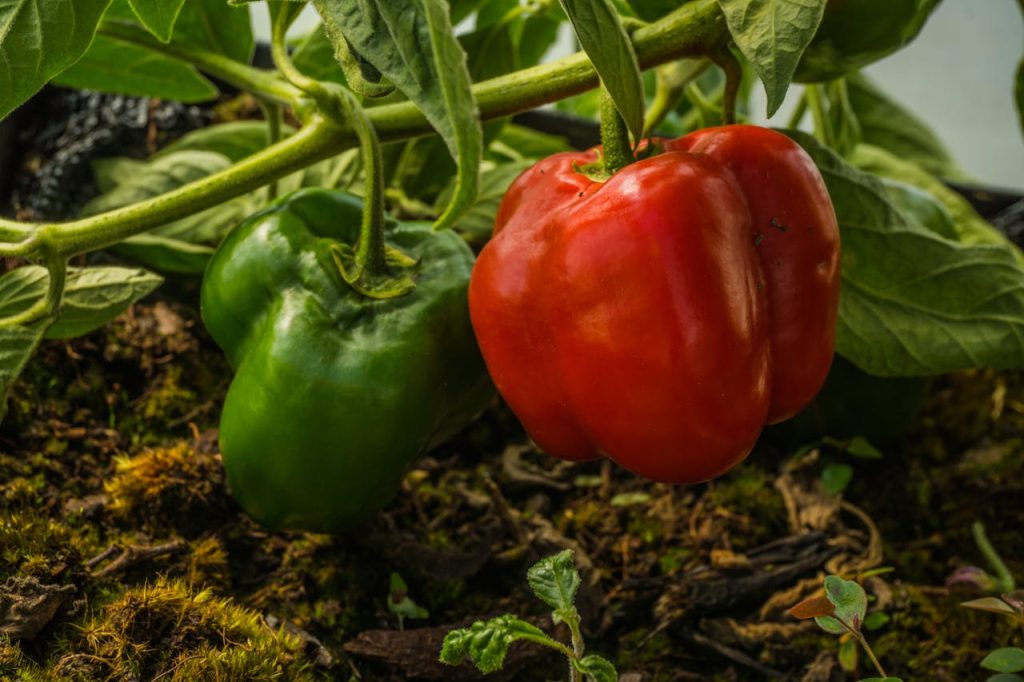
Peppers can struggle near black walnut even with good sun and water, because juglone interferes with how roots use oxygen. Growth stalls, leaves yellow, and the plant may droop in a way that looks like drought but does not bounce back. The frustrating part is timing: a pepper can set flowers, then fade once feeder roots wander into the walnut’s active zone.
Instead, build the summer bed around snap beans, corn, beets, carrots, onions, or squash, which are often noted as tolerant. For color between crops, juglone-tolerant perennials like bee balm, astilbe, daylilies, and many hostas keep the space full without drama, too.
Potatoes
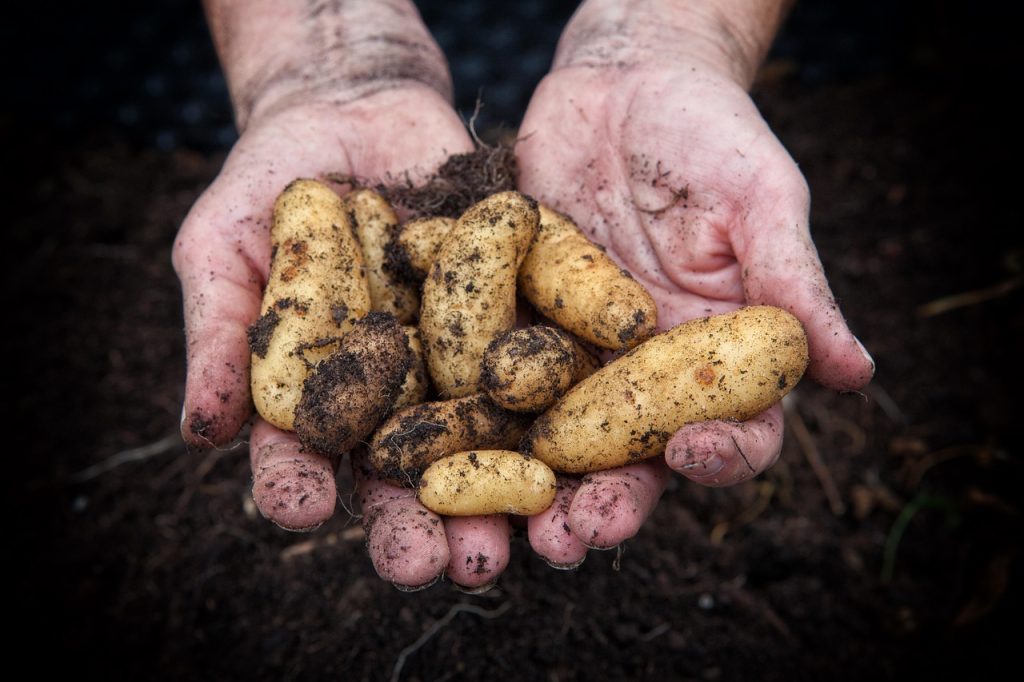
Potatoes are especially risky because they develop right where walnut roots and decaying hulls concentrate juglone. Foliage may start with a dull green, then yellow and droop, and the decline can move quickly once the root system crosses paths with walnut roots. Even careful watering will not correct it, because the stress is not a moisture problem.
A safer edible patch near walnuts leans on tolerant staples like beets, carrots, onions, corn, melons, snap beans, and squash. If potatoes are a must, containers or beds placed well beyond the walnut’s root reach, plus strict leaf and hull cleanup, usually save the season.
Eggplant
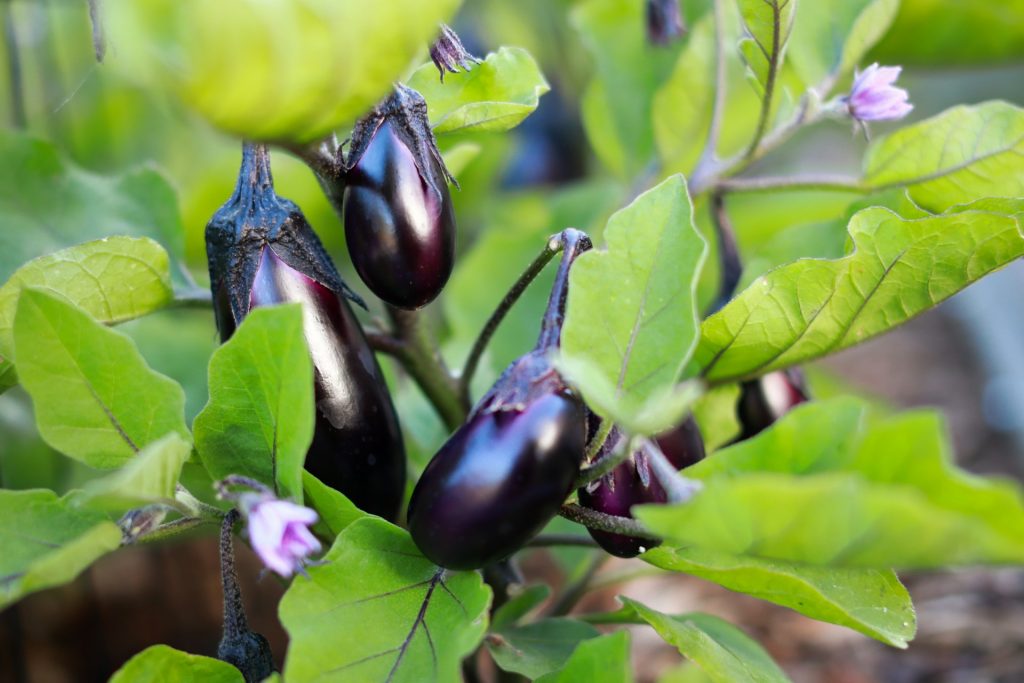
Eggplant belongs to the same nightshade group as tomatoes and peppers, so it often reacts to juglone in the same unforgiving way, even in rich soil. Plants may stay small, leaves can bronze or curl, and a sudden, whole-plant wilt can show up soon after transplanting into the walnut’s root zone. Because symptoms resemble common wilts, the cause is easy to miss.
For reliable summer volume in that bed, swap to squash or melons for big leaves and quick growth, and use corn or snap beans to keep yields coming. Tolerant fillers like daylilies or astilbe can frame the edges and still look fresh when eggplant refuses to cooperate.
Apple Trees
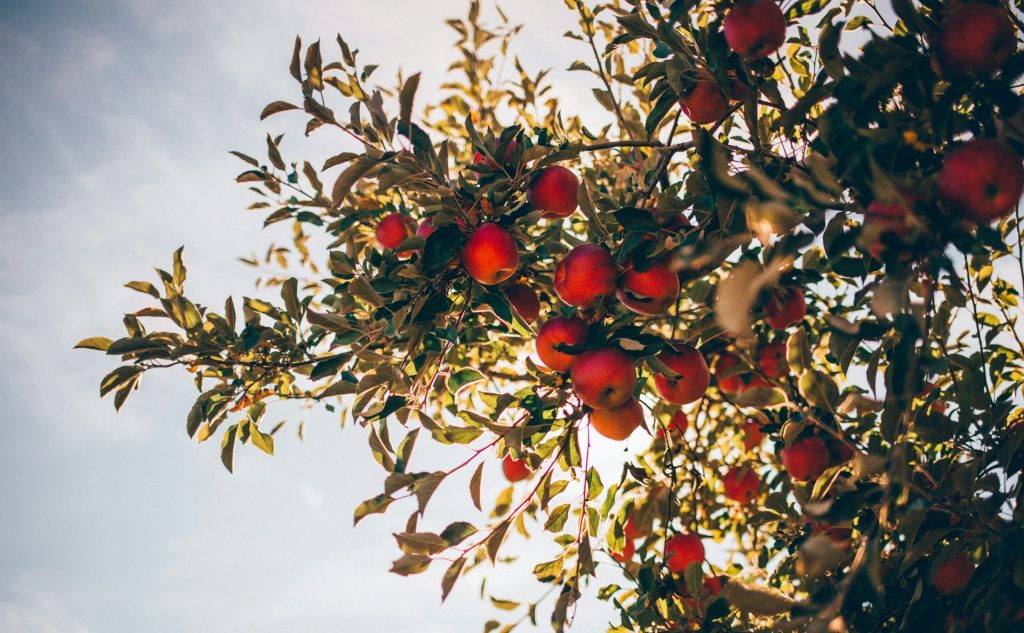
Apple trees are often listed among fruits that grow poorly near black walnut, and the pattern can be slow and confusing. New shoots may be weak, leaves can yellow, and branches show dieback that gets blamed on pests or winter injury. Since walnut roots spread wide, trouble can appear even beyond the drip line, and juglone can linger in soil for years as old walnut roots decay.
For a backyard orchard in a walnut zone, cherries are commonly observed as more tolerant, and black raspberries can provide fruit without deep, competing roots. Pawpaw or persimmon also fit the woodland feel and tend to handle the site better than apples.
Blueberries
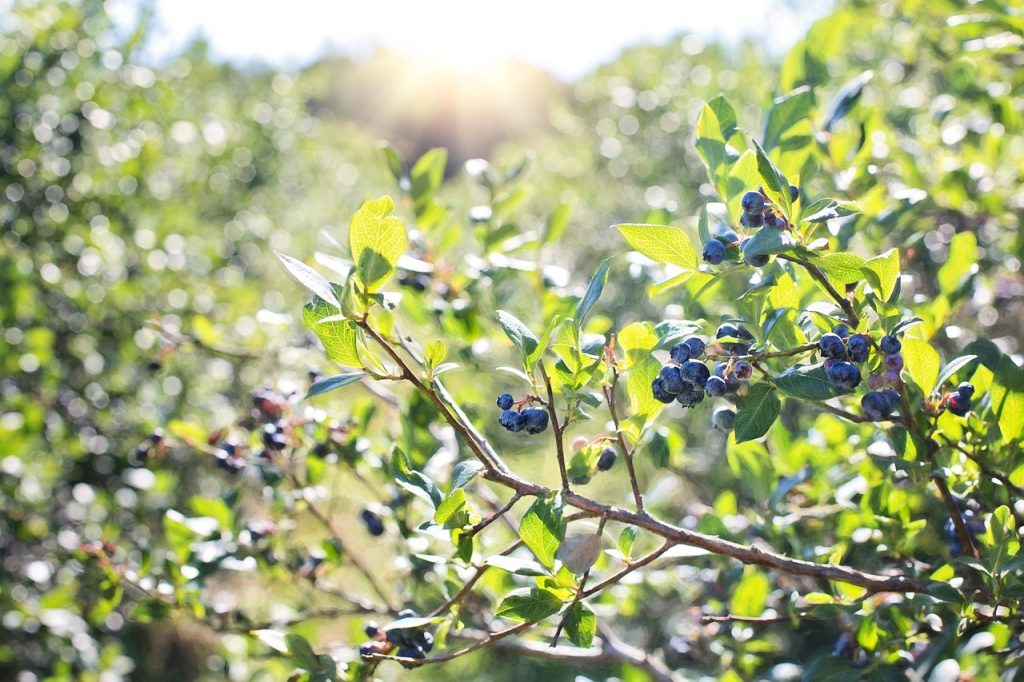
Blueberries can be a double headache near black walnut: they like specific soil conditions, and they also show up on juglone-sensitive lists. The decline may look like nutrient trouble, with pale leaves, weak canes, and poor fruit set, even when soil acidity has been adjusted. Fallen hulls and leaves keep renewing juglone near the surface after rain.
If a berry patch needs to live near the walnut, black raspberries are often noted as a better fit, and cherries can bring reliable fruit higher up, away from the soil stress. For structure around the bed, forsythia or arborvitae can handle the neighborhood and still look intentional.
Lilacs
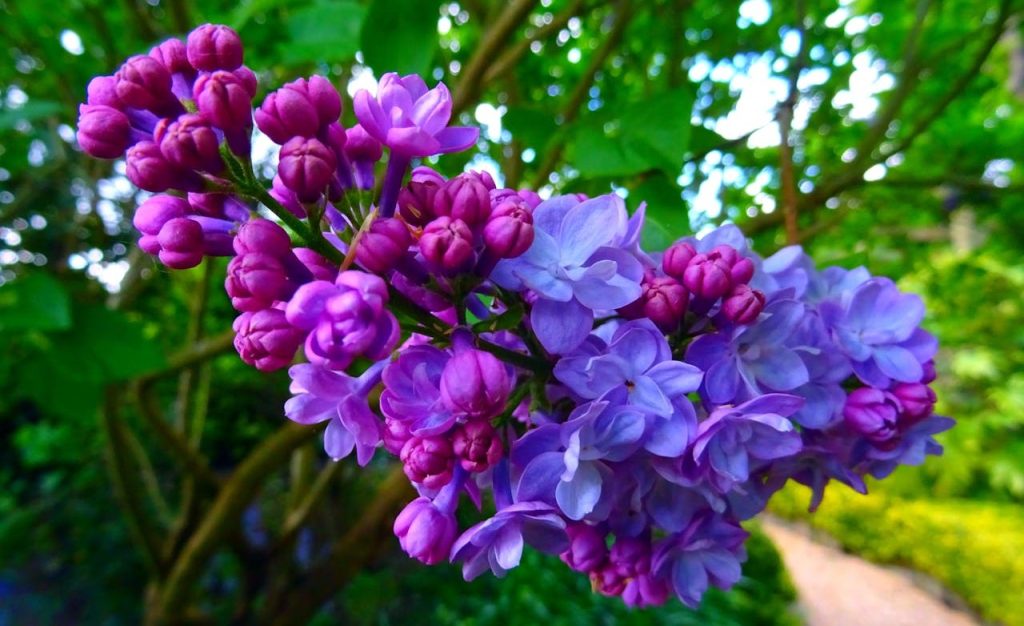
Lilacs can look like they should thrive in a sunny yard, yet black walnut often turns them thin and reluctant. Growth may stall, leaves can yellow, and flower clusters become smaller and less frequent as roots encounter juglone. Because lilacs are tough in many settings, the slow decline near a walnut gets written off as age or poor pruning.
For the same spring punch without the struggle, forsythia is commonly observed as tolerant and blooms early even in mixed light. Rose of sharon adds late-season flowers, and a nearby redbud can bring a soft canopy of color while handling walnut conditions with far fewer surprises.
Peonies
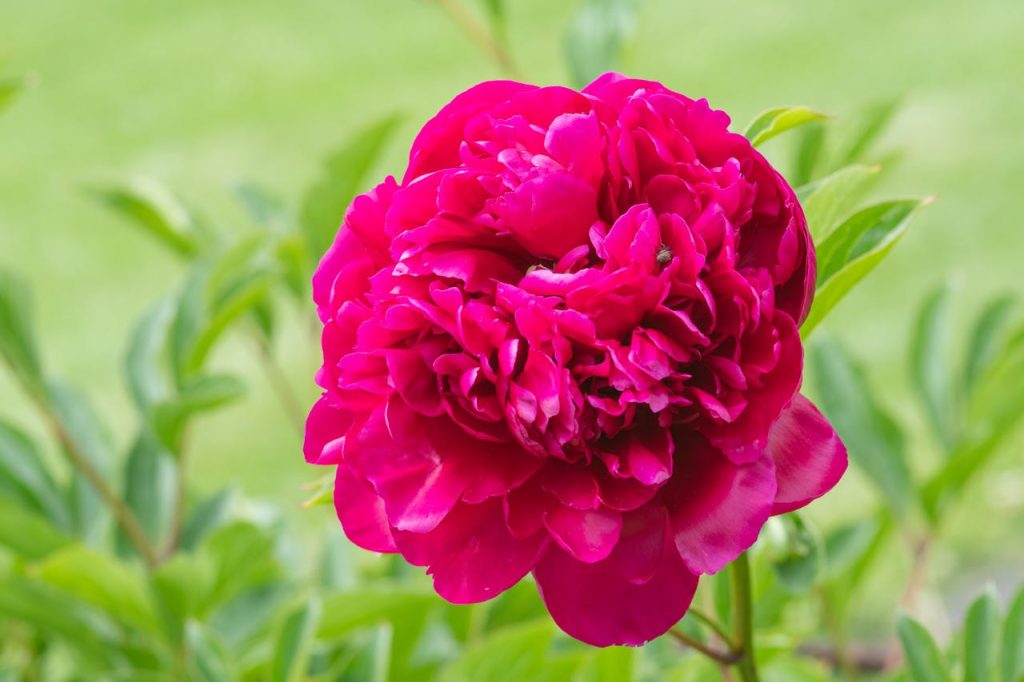
Peonies are the kind of perennial that can live for decades, so juglone problems feel personal. Plants may push short stems, buds can stall, and foliage may yellow or wilt in midspring, even when the bed has been amended and fed. Symptoms can mimic disease. Some peonies hold on near a young walnut, then falter as the tree expands and root contact increases.
A better long-term swap is a mix of juglone-tolerant perennials that still look lush in a vase: daylilies for bold summer color, astilbe for feathery bloom in shade, and bee balm for pollinator energy. Many hostas also thrive under walnut canopy and keep the border full.
Azaleas and Rhododendrons
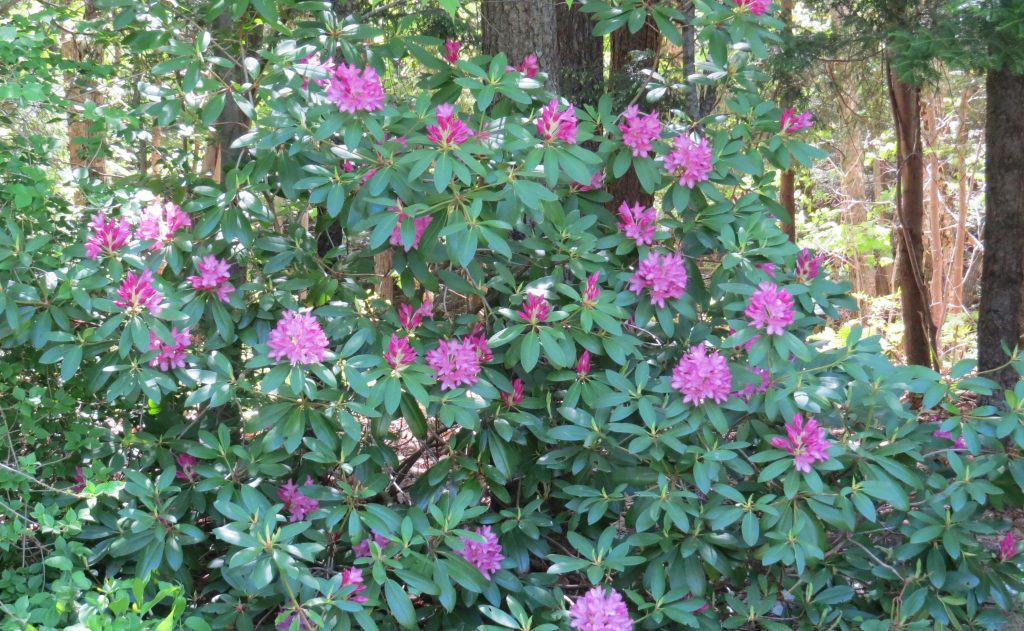
Azaleas and rhododendrons seem made for dappled woodland light, but black walnut can quietly undo them. Leaves may pale, new growth stays short, and branches can wilt after warm spells, especially under the canopy where juglone and root competition stack. Because these shrubs dislike disturbed roots, relocating them later is rarely a clean fix.
In a walnut zone, evergreen structure is steadier from arborvitae or many junipers, both widely noted as tolerant. For a low, finished look, pachysandra can cover soil, and clematis on a trellis adds flowers without demanding the same root space. Virginia creeper also works as quick cover.
Black walnut brings a particular kind of order to a yard: what cooperates thrives, and what resists keeps struggling. When sensitive plants are replaced with proven stand-ins, the space stops feeling cursed and starts feeling intentional. Cleanup of hulls and leaves, plus raised beds where vegetables matter, can turn the walnut’s shade into usable garden real estate. The tree keeps its beauty, and the plantings finally keep their promise.