


Rabies scares people because it feels random, but the risk follows patterns. Many mistakes start with labeling a bite as shallow, or assuming a calm animal means safety. Rabies can incubate quietly for weeks to months, which makes delay feel tempting.
Prevention is not mysterious. Fast wound washing, a same day risk assessment, and timely postexposure prophylaxis can stop infection after exposure. The calm plan is simple: clean the wound, document the animal and location, and let clinicians and public health guide the next steps. That approach matters after dog bites, cat scratches, and bat encounters indoors.
Not Only Dogs Carry Rabies

Rabies is often framed as a dog problem, yet the main sources differ by region. In parts of North America, bats and several wild carnivores drive most detected infections, while free roaming dogs remain a major source of human exposure in many countries. Cats also matter because scratches get brushed off. Monkeys can be involved in tourist areas.
After any bite or scratch from a mammal, the safest move is a same day risk check. Species, local circulation, and vaccination history shape the decision to observe, test, or start prophylaxis. Capturing photos from a distance and noting the location helps clinicians act fast.
A Tiny Scratch Can Still Count
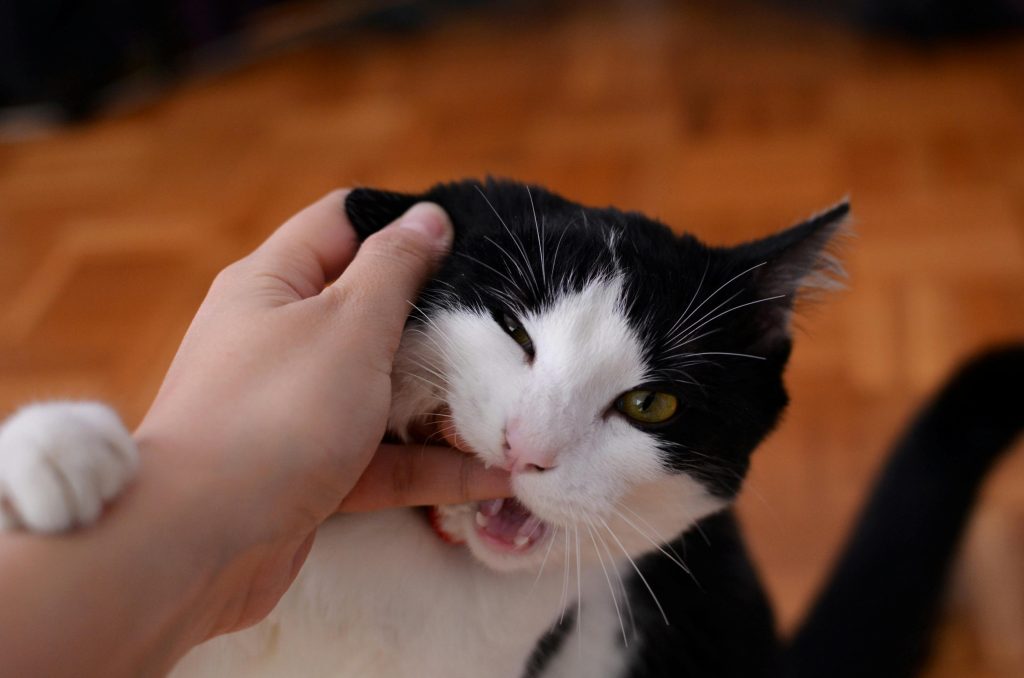
People picture a dramatic bite, but rabies spreads when saliva reaches broken skin or mucous membranes. A tiny puncture, a scratch contaminated with saliva, or a lick on cracked skin can count. Bat bites can be hard to see, which is why indoor bat encounters are treated as potential exposure.
Immediate cleaning is the first move, even before a clinic visit. Soap and running water, worked into the wound for 15 minutes when possible, lowers risk. Avoid tight bandages, powders, or caustic chemicals that trap debris. Then record the animal, time, and location for medical review. Those details speed the decision on prophylaxis.
Healthy Looking Animals Can Still Expose

Rabies does not announce itself early. Virus can be present in saliva near the start of illness, before obvious behavior changes. That is why a calm dog at a bus stop is not proof of safety, and unusual friendliness is not a reliable clue either.
When a healthy dog, cat, or ferret can be confined, guidance often uses a 10 day observation window with veterinary and public health oversight. If the animal stays healthy through that period, it is considered unlikely to have been infectious at the time of the bite, which can spare extra shots. Illness during observation changes the plan fast.
Waiting for Symptoms Is the Wrong Test

A dangerous myth says to watch the wound and wait for symptoms. In people, rabies can incubate for weeks or months, and early signs can resemble a routine viral illness. Once symptoms begin, rabies is nearly always fatal, so waiting is not a safe experiment.
Postexposure prophylaxis works because it is given before the virus reaches the nervous system. Incubation is often around 2 to 3 months but can range from about one week to one year, so speed matters even when the bite felt minor. Decisions are built from the animal, the injury, and local risk. A same day call often saves days of doubt.
Wound Washing Is Real Treatment

Wound care is not just hygiene, it is the first medical step. Flushing with soap and water helps remove virus from the site, and many guidelines add an iodine based antiseptic if available. Fifteen minutes of washing is often advised when possible, because speed and friction matter most early.
After cleaning, light coverage is fine, but tight wraps can trap grime. Stitches, if needed, are usually decided after medical review, and deeper punctures may need irrigation by a clinician. Tetanus status and antibiotics are separate decisions, but rabies prevention should not wait on them. A photo helps documentation.
Vaccine Alone Is Not Always Enough
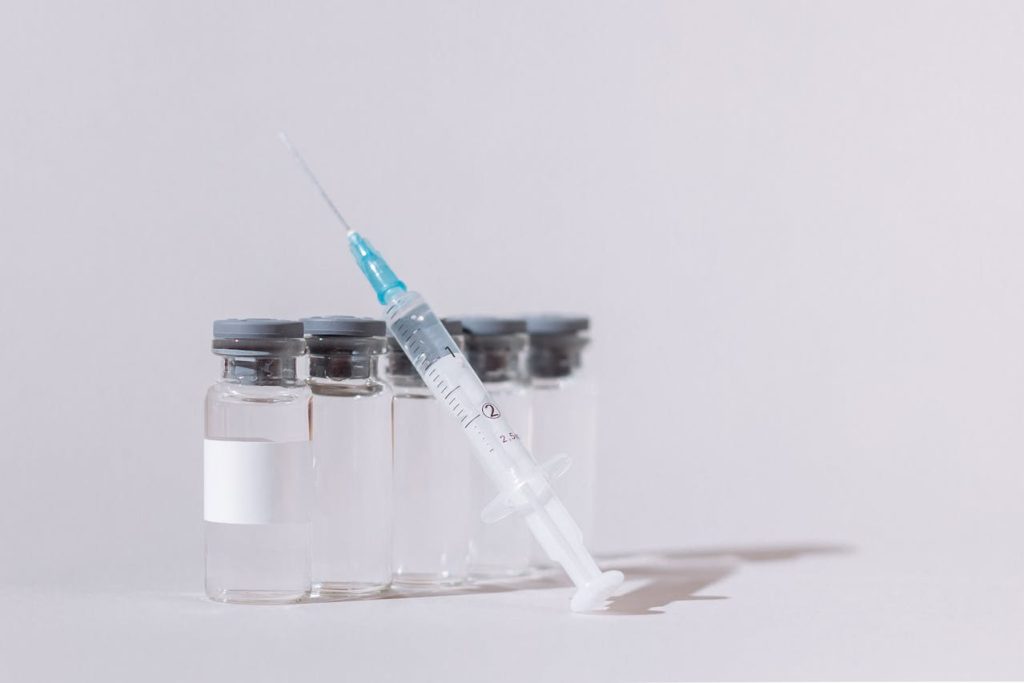
Another misunderstanding is that the vaccine series always covers everything. For people not previously vaccinated, higher risk exposures often require human rabies immune globulin in addition to vaccine, because early antibodies matter at the wound site. It is given once, ideally at the first visit.
Immune globulin is infiltrated around the wound when possible, with any remainder given in a muscle away from the vaccine. Vaccine and immune globulin are not mixed in the same syringe. People previously vaccinated usually need vaccine boosters without immune globulin, which is why history matters. Records help.
The Shots Are Not in the Stomach
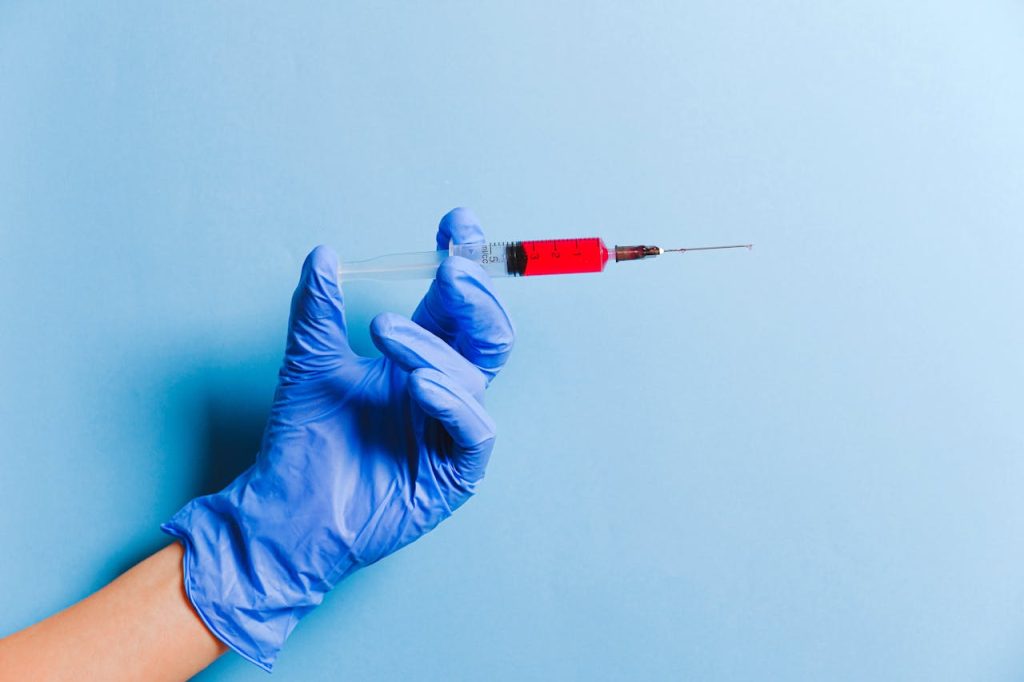
Old stories linger about painful stomach injections, which keeps people from seeking care. Modern rabies vaccines are given in the deltoid, or in the thigh for small children, and not in the buttock. The shots are generally well tolerated, and the schedule is short.
For most immunocompetent people who have not been vaccinated before, doses are scheduled on days 0, 3, 7, and 14. Some immune disorders require an added dose on day 28. If an appointment is missed, clinicians typically resume the series rather than start over, so quick contact helps. Clinics can coordinate doses across cities. Flexibility helps.
Catching the Animal Is Not the First Priority

Panic can push risky choices, like trying to catch a bat barehanded or chasing a stray dog through traffic. Exposure assessment is more useful than a chaotic capture attempt. The priority is safety, wound care, and getting the event evaluated quickly. Keeping children and pets away prevents repeat contact.
If a bat is found indoors, safe collection for testing is sometimes possible with local guidance, and animal control can help. If the animal cannot be found, prophylaxis is often started based on the exposure story and local rabies patterns. Documenting the scene, the animal’s behavior, and any contact helps remove doubt.
Bites Need Reporting, Not Home Remedies

Home remedies waste time, and time is the currency in rabies prevention. Alcohol, powders, herbs, and tight wraps do not replace proper washing and clinical care. The best early action is boring and practical, so it gets skipped.
The sequence is simple: wash the wound well, document the animal and location, and seek medical evaluation the same day. Providers coordinate with public health on observation, testing, or prophylaxis, which removes guesswork. Reporting also protects neighbors, because repeat bites often happen before the first one is addressed. Face and hand bites are higher risk and are treated urgently. Action matters.