

A beautiful young tree can feel like a promise. Then the years pass, the roots rise, the branches split, the fruit stains the walk, or seedlings begin surfacing where no one invited them. What looked graceful in a nursery row starts tugging at the house, the driveway, the mower, the gutter line, and the weekend.
The most regretted plantings are rarely the ugliest ones. They are the trees that ask for too much space, too much cleanup, or too much forgiveness. Better choices still offer shade, spring bloom, or fall color, but they settle into a yard with less friction, fewer surprises, and a lot more staying power.
Bradford Pear
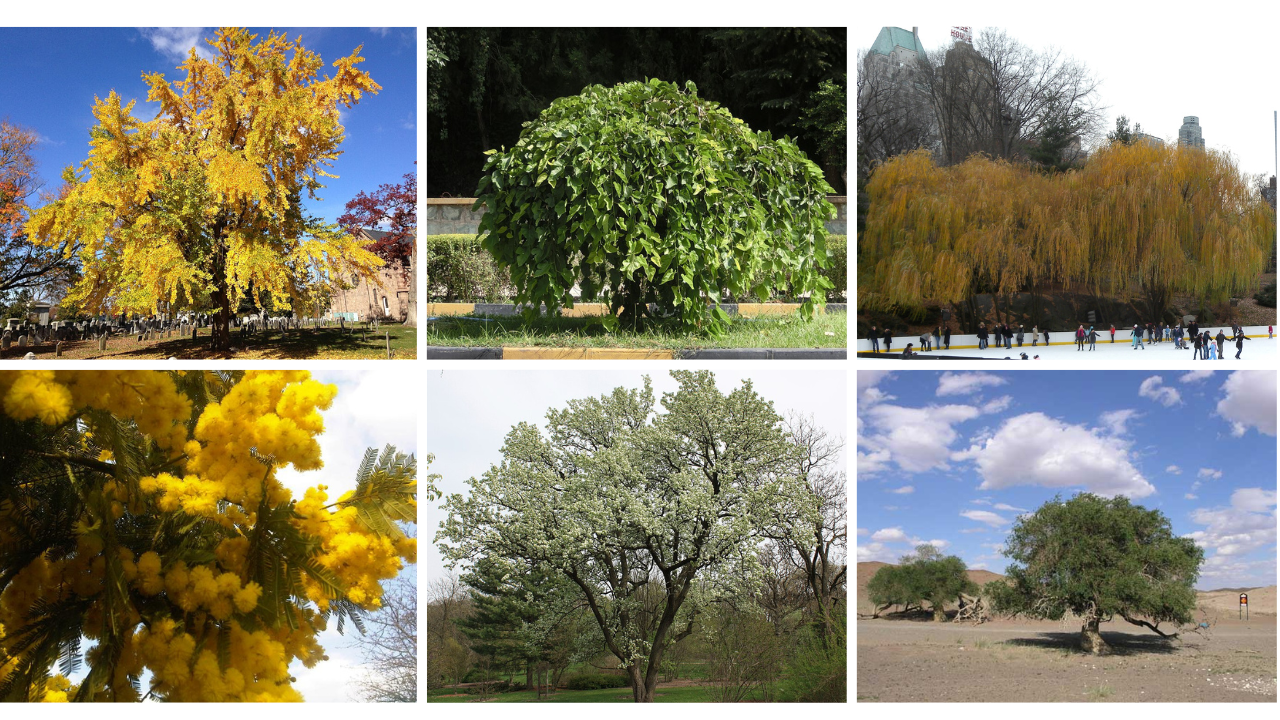
Bradford pear still sells on spring looks alone, but the charm fades fast. Extension guidance flags its weak branch structure, storm breakage, invasive spread into fields and woodland edges after birds move the fruit, and the bloom’s unpleasant smell. A tree that begins as a tidy white cloud can end as a cracked canopy and a thorny nuisance beyond the fence line.
A better swap is serviceberry or eastern redbud. Both keep the small-tree scale homeowners like, and both bring real seasonal beauty. They deliver bloom without the split-prone framework or the runaway seedlings that turned callery pear into such a headache.
Norway Maple
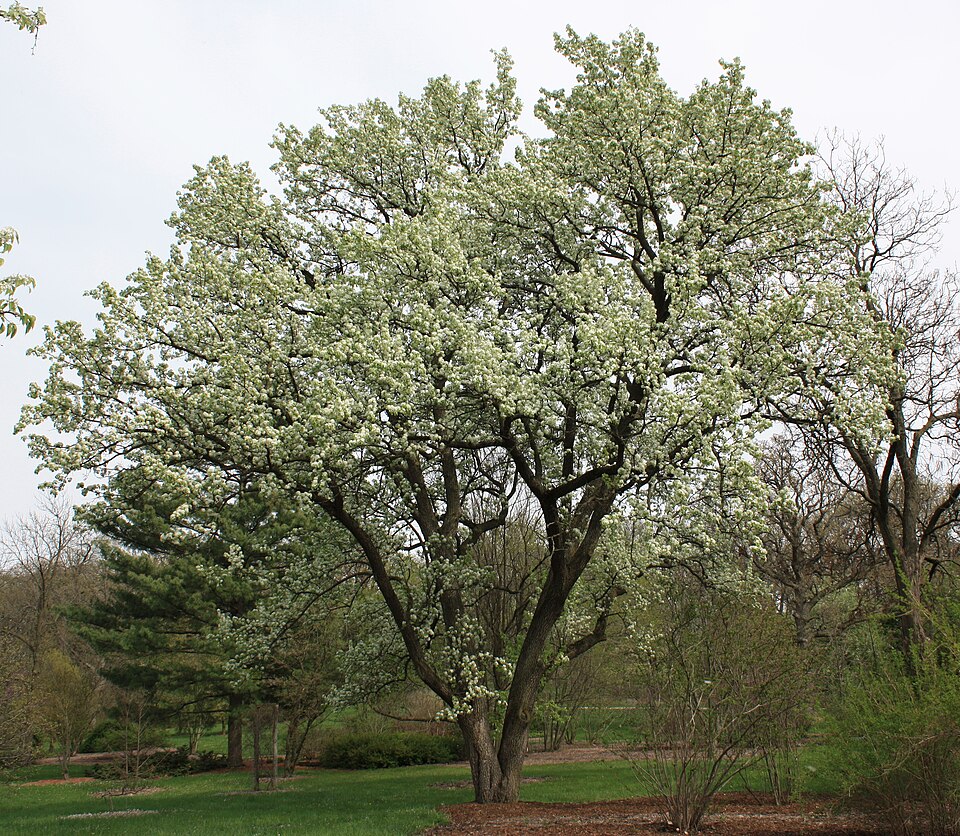
Norway maple earns early points for dense shade and survival in tough spots, which is why many older blocks are full of it. The trouble is that the same dense canopy and shallow, competitive roots can smother grass, crowd out understory growth, and leave the ground below looking tired for much of the year.
A more yard-friendly choice is red maple or river birch, depending on soil and moisture. Red maple offers broad seasonal color and a familiar shape, while river birch handles difficult sites with a lighter touch beneath the canopy. Both avoid the invasive reputation and heavy shade that make Norway maple wear out its welcome.
Silver Maple
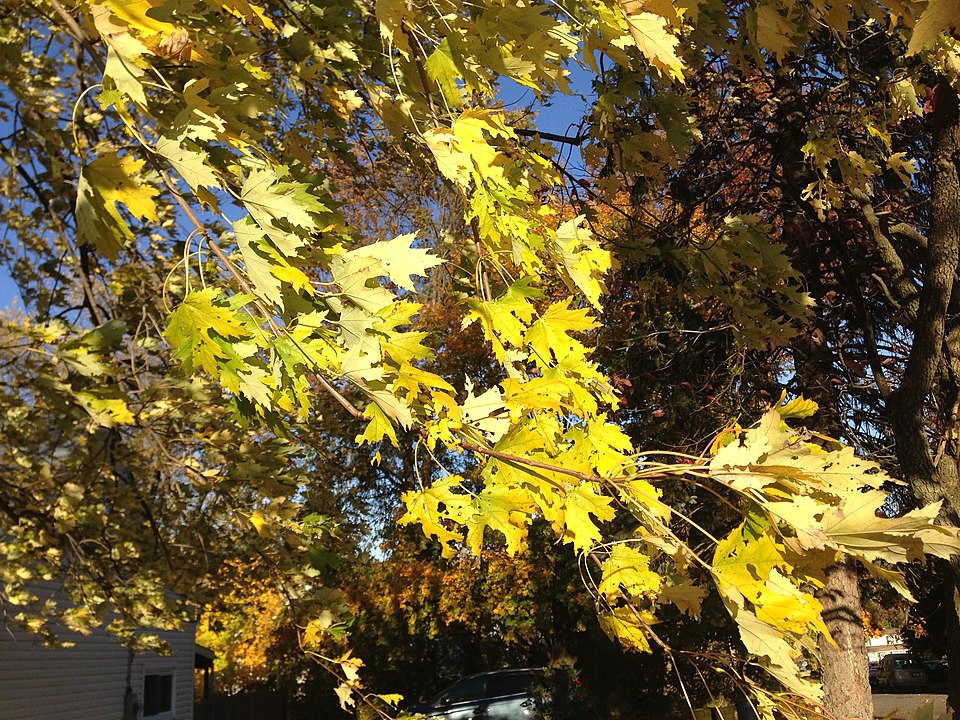
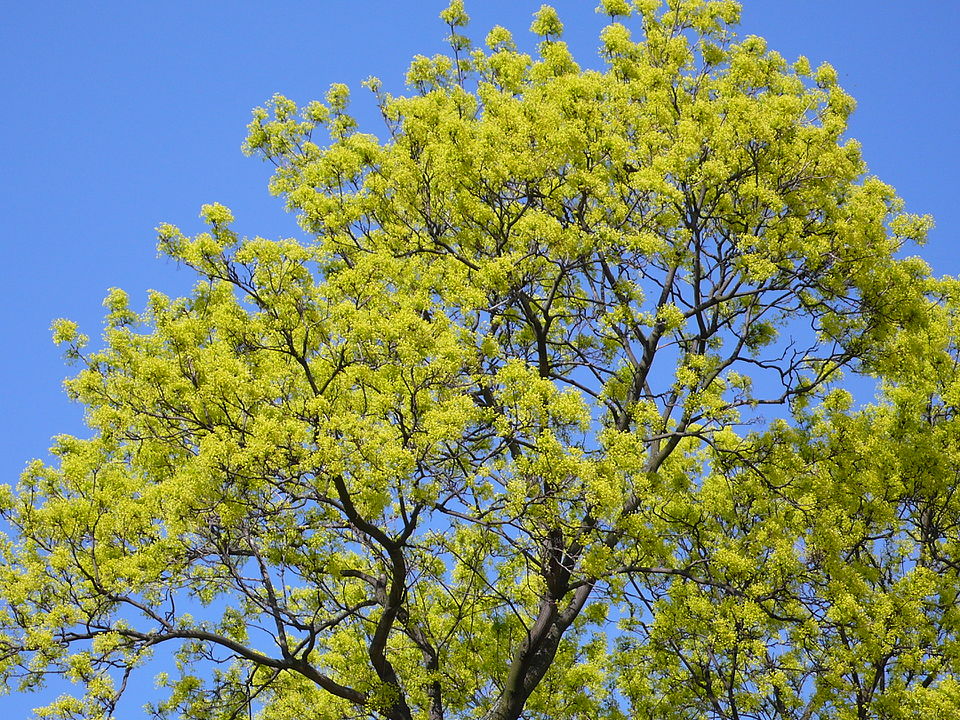
Silver maple grows fast, and that speed is often what sells it. It also explains the regret. Extension sources describe weak wood, storm damage, aggressive roots, and a tendency to lift pavement or chase moisture into sewer lines. In a park, it can make sense. In an average yard, it becomes a demanding giant.
A stronger alternative is Freeman maple, a hybrid that keeps the quicker growth people like but improves on structure, root behavior, and fall color. For homeowners chasing shade without the constant worry of brittle limbs and surface roots, it usually lands in the sweet spot between fast satisfaction and long-term livability.
Tree-of-Heaven
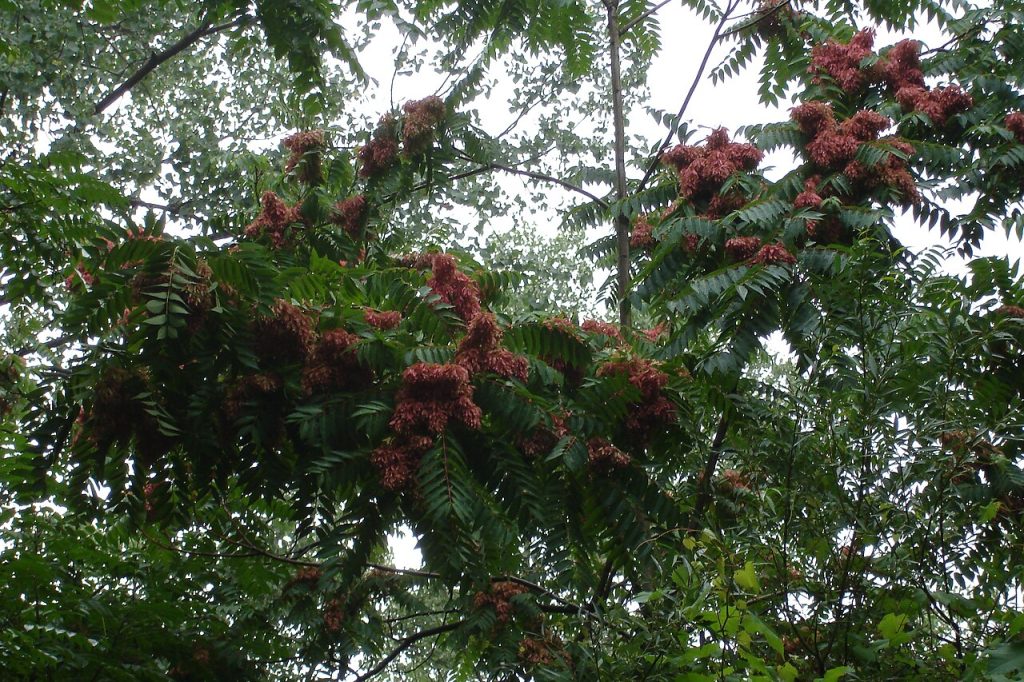
Tree-of-heaven has a name that sounds harmless, almost grand. In practice, it is one of the most aggravating yard invaders around. Established trees spread by seed and aggressive root suckers, and even cutting can trigger more shoots. What starts as one volunteer can become a colony that keeps pressing back after removal.
A better direction is a native small tree such as eastern redbud or serviceberry. They offer spring color, cleaner habits, and far less drama below ground. Where tree-of-heaven turns one planting mistake into an ongoing control project, those alternatives fit into a landscape instead of trying to overtake it.
Mimosa
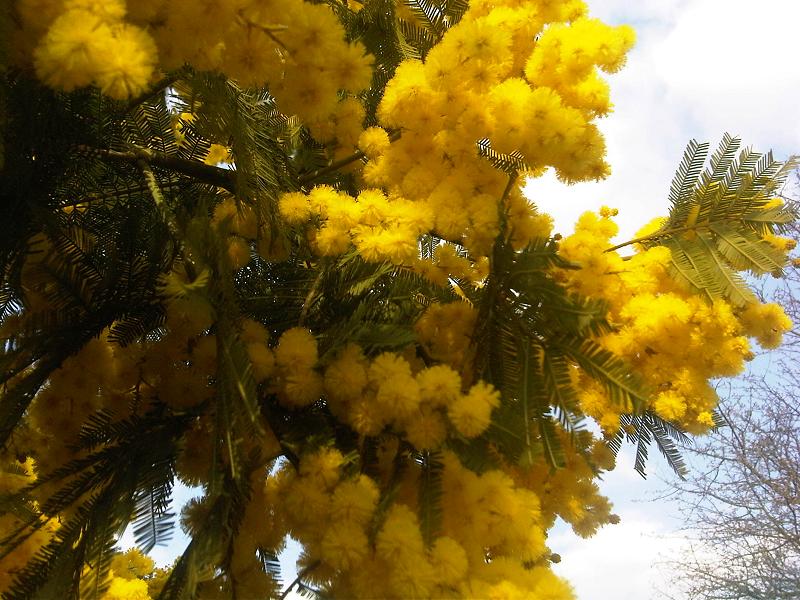
Mimosa wins people over with ferny leaves and pink powder-puff flowers, especially in the heat of summer when many trees look ordinary. The regret comes later. Extension guidance notes that it escapes cultivation, spreads along streams and disturbed ground, and can form dense stands. In many regions, it behaves less like a keepsake tree and more like a future removal job.
Native sumacs make a steadier choice. They still bring texture, color, and seasonal interest, but without the same tendency to wander into nearby open ground. In a yard meant to age gracefully, that difference matters more than one flashy season of bloom.
Siberian Elm
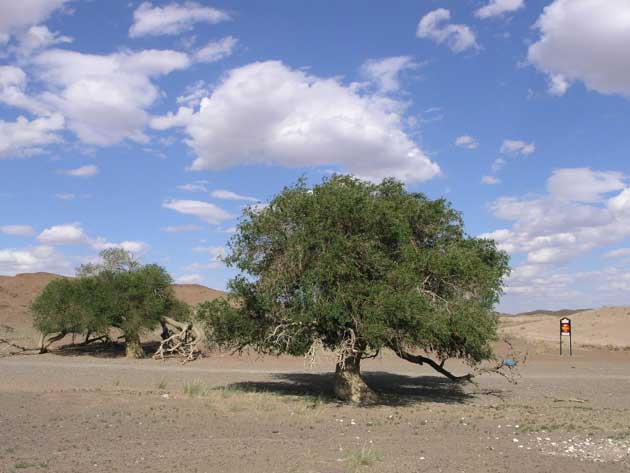
Siberian elm has been planted for toughness, windbreaks, and fast cover, but it often ages badly in residential spaces. It seeds freely, colonizes open areas, and can reshape places that were never meant to become elm thickets. Older specimens have brittle growth and a rough look that makes a yard feel neglected instead of settled.
Hackberry or disease-resistant American elm usually gives a cleaner result. Both offer shade-tree presence without the same invasive spread concerns, and hackberry is often praised as a practical replacement for troublesome elm-like trees. The overall effect is calmer, sturdier, and easier to live with.
Weeping Willow
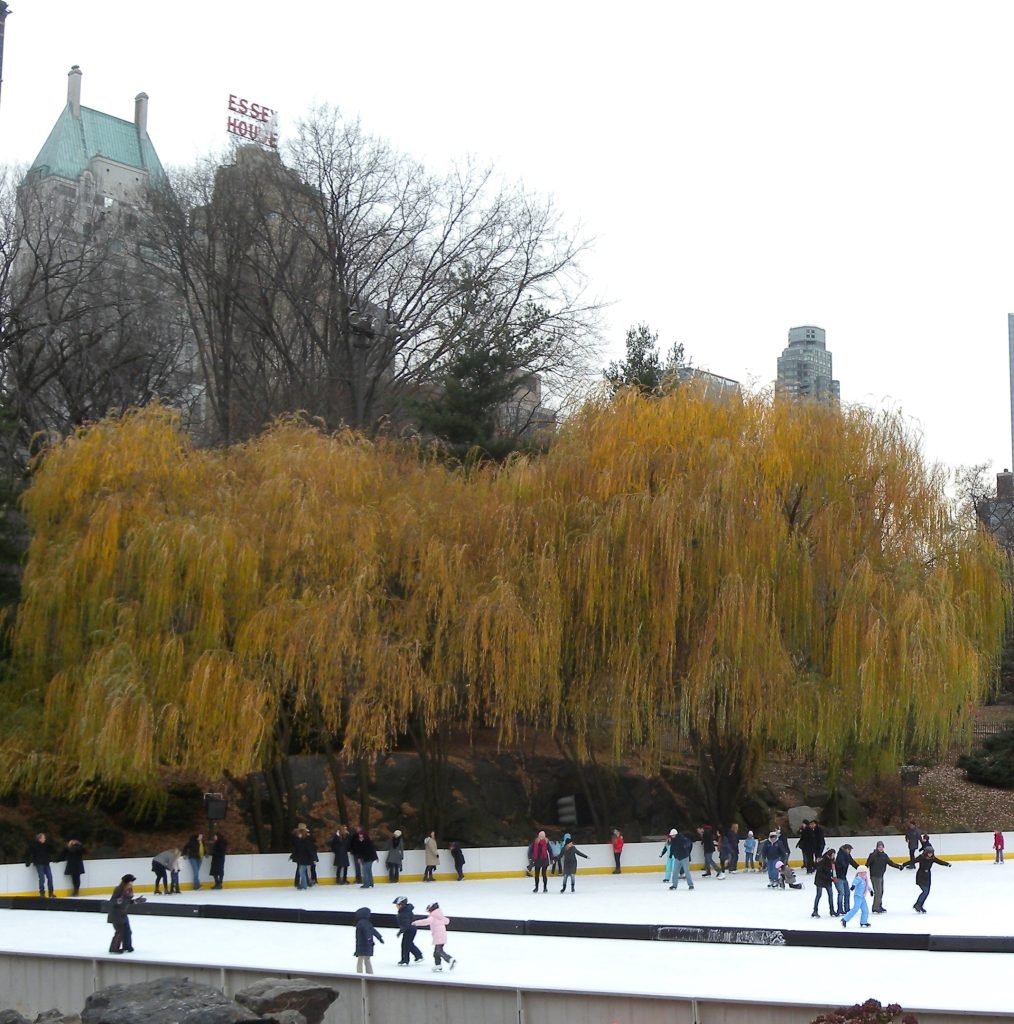
Weeping willow has a cinematic kind of beauty, but it asks for exactly the right setting. Its roots are aggressive, and extension advice warns against placing it near sewer lines, septic fields, or other buried utilities. Add brittle wood and a relatively short life, and the romance can turn expensive with surprising speed.
For damp spots, river birch or bald cypress is usually the smarter move. Both handle moisture well, both bring strong visual character, and bald cypress stands up to difficult urban conditions with less pruning drama. The mood stays lush and graceful, but the long-term maintenance picture looks far better.
White Mulberry
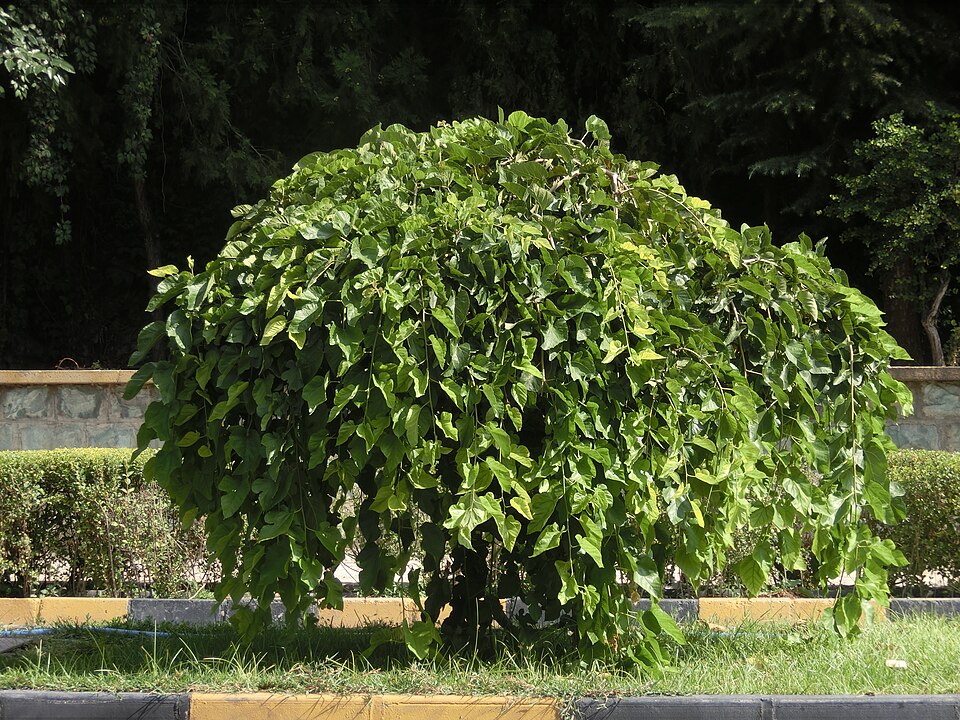
White mulberry can look useful on paper: quick growth, edible fruit, hardy nature. The trouble is that birds spread it widely, the fallen berries can stain hard surfaces, and agencies warn that it hybridizes with native red mulberry, weakening local populations. What feels productive in one corner of a yard can become messy over time.
Native red mulberry is the better answer where conditions suit it. Extension sources note its value for wildlife, shade, and summer fruit, but without the same nonnative baggage. It still needs room and thoughtful placement, yet it belongs to the landscape in a way white mulberry often does not.
Female Ginkgo
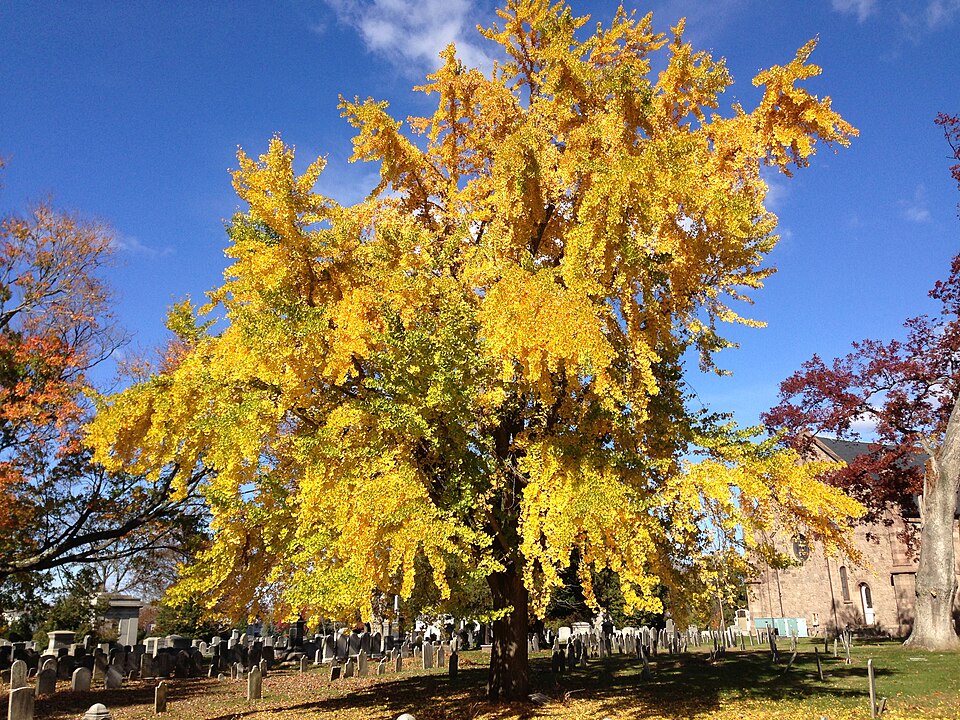
Ginkgo is a superb urban tree in many respects, which is why an unlabeled seedling can be such a frustrating gamble. Female trees produce fleshy seeds with a famously foul smell, and the mess tends to become unforgettable once the tree matures. That regret arrives late, after years of patient growth and no easy way to undo the choice.
The safer move is simple: plant a named male cultivar. It keeps the clean structure, drought tolerance, and golden fall color that make ginkgo so beloved, while sidestepping the fruit problem entirely. Few tree swaps are this straightforward, and few save more annoyance for so little compromise.