

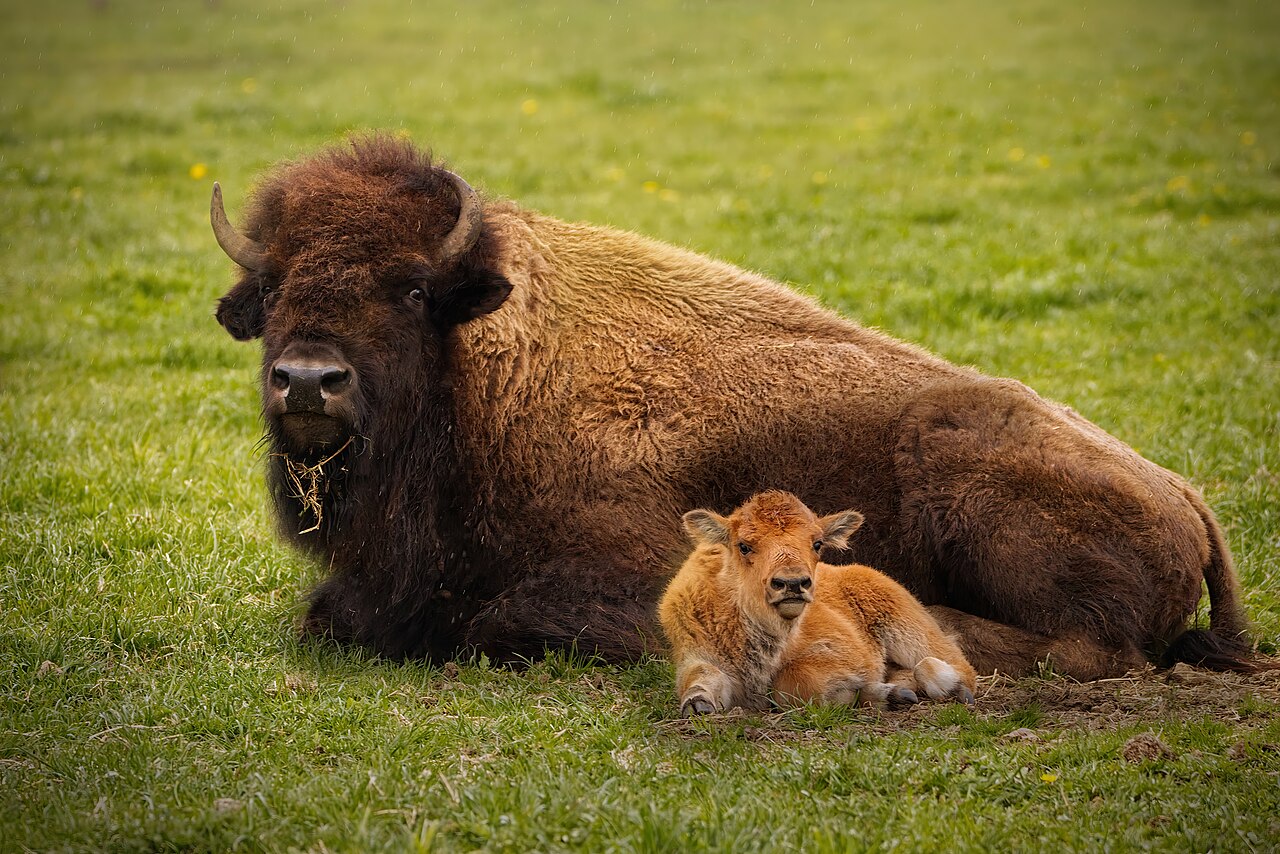
Across North American grasslands, bison move like weather: slow to watch, powerful in effect. Their grazing, trampling, dung, and wallowing can rebuild nutrient loops, diversify vegetation, and spark resilience that many prairies lost after large-herd declines. Yet the same forces can strain nearby patches, especially where herds are confined, stream edges stay unfenced, or habitat fragments are small. The ecological story is not simple praise or blame. It is a story of scale, timing, density, and how living systems respond when a keystone grazer returns across connected ground and changing rainfall patterns each year.
Dung And Urine Accelerate Nutrient Cycling

Bison do more than clip grass. As forage passes through the rumen, nutrients return in more available forms, and microbial nitrogen activity can rise. Konza research in tallgrass prairie reported higher nitrification and denitrification potential in grazed soils, with bison plots showing faster nitrogen turnover signals than ungrazed ground.
That pulse can speed regrowth after grazing and support productivity through variable rainfall. But when herds linger in a few resting zones, fertility becomes patchy. Some spots receive repeated nutrient loads while nearby habitat gets less benefit and drifts toward uneven plant structure.
Hooves Improve Seed Contact Yet Can Stress Wet Ground

Hoof action can help when pressure is moderate. Disturbance breaks surface crusts, presses seed into soil, and creates germination microsites in prairies shaped by fire and grazing. Long-term reintroduction studies also link bison presence with durable gains in native richness, suggesting disturbance can support recovery when movement remains broad.
The same mechanism can stress wet margins. Repeated traffic at crossings or water edges can compact soil, simplify bank contours, and reduce infiltration where rebound is slow. Upland patches may improve while nearby moist habitat carries the cost of concentrated hoof use.
Selective Grazing Builds Plant Diversity Mosaics

Bison rarely graze every patch evenly. They create a moving mix of cropped lawns, recovering mid-height zones, and taller refuges, which can reduce grass dominance and open room for more native forbs. A 29-year tallgrass record showed bison reintroduction driving large, drought-resilient richness gains that outpaced ungrazed and cattle-managed comparisons.
Those gains depend on room to move. In smaller, fragmented, or tightly fenced pastures, repeated focus on favored patches can thin cover too often. Bare ground expands locally, and adjacent habitat that depends on steadier vegetation can face recurring structural stress.
Wallows Create Microhabitats While Disturbing Active Nests

Wallows may look like rough pits, yet they function as microhabitat makers. They expose bare ground, alter runoff patterns, and increase fine-scale variation in heat and plant cover. Recent pollinator research in shortgrass sagebrush steppe found wallows can provide nesting resources, with notable use by wasp groups in restored prairie contexts.
Active wallowing can still stress other ground users. The same study reports that repeated disturbance may destroy or deter nesting for some taxa in active wallows. Benefits and costs can appear side by side, shaped by wallow intensity, season, and the time each patch gets to recover.
Fire-Grazing Mosaics Lift Biodiversity But Can Pulse Streams

When bison movement meets patchy fire, prairies often recover the shifting pattern many native species evolved with. Uneven post-burn grazing raises structural heterogeneity and can lift biodiversity across plants and small animals. That variability is why many managers use fire-grazing interactions over uniform treatment.
Nearby streams may register temporary strain. Watershed studies found patch-burn grazing can increase nutrients and ecosystem metabolism during active periods, with larger channel changes in unfenced reaches. Several water-quality signals recovered after grazing paused, though recovery differed across sites.
Riparian Corridors Can Recover, But Hotspots Still Need Care
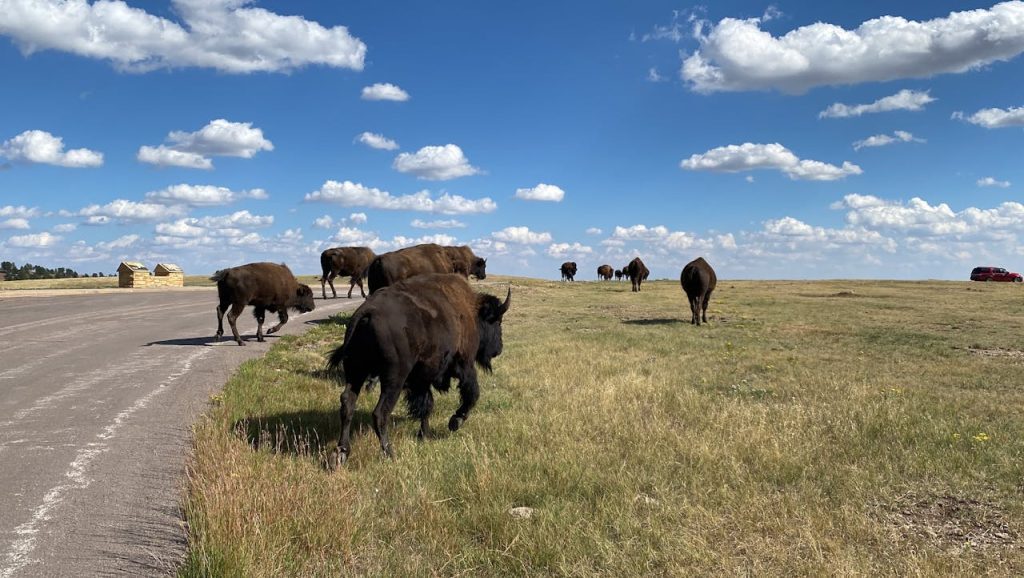
Riparian corridors hold outsized biodiversity and respond quickly to disturbance, so caution around bison access is reasonable. A northern Great Plains comparison found year-round bison grazing at studied stocking rates did not degrade riparian vegetation relative to seasonal cattle use, and some metrics, including native diversity, improved.
Risk remains at access points. Streambanks and wet edges can shift when repeated traffic funnels through limited entry zones, especially in dry years when green forage contracts toward water. Nearby habitat stress is driven less by species label and more by density, distribution, and timing.
Seed Transport Rebuilds Flora And Can Move Exotics Too
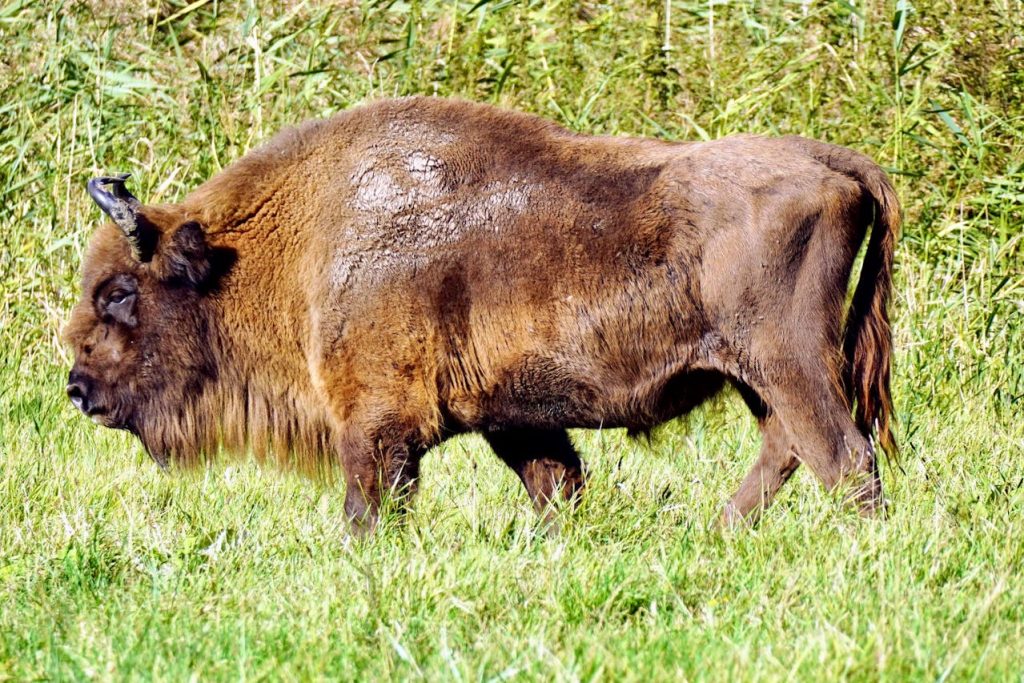
Bison are powerful seed couriers. Research in Oklahoma tallgrass prairie documented high abundance and diversity of seeds in both hair and dung, confirming external and internal dispersal pathways. That movement helps reconnect fragmented flora and restore dispersal processes that faded when large herds disappeared.
Dispersal, however, does not sort by conservation value. Studies of introduced bison have documented transport of non-native plants, showing that the same mobility aiding native recovery can also move exotics into nearby habitat. Monitoring source patches and travel corridors is part of responsible restoration.
Bird Communities Gain Variety While Some Nesters Lose Ground

Bison-driven habitat change can raise bird diversity where landscape context supports it. In mixed-grass Montana, riparian networks within bison pastures showed vegetation shifts linked to higher bird diversity and greater cervid occupancy, indicating that restored grazing can rebuild habitat complexity for multiple taxa.
Not every bird responds positively. An 18-year Nebraska study reported strong Bobolink declines in bison-reintroduced, high-density fragments, while adjacent non-bison areas stayed comparatively stable. Outcomes hinge on landscape size, refuge availability, and how tightly grazing pressure is concentrated.
Scale Decides Whether Soil Benefits Spread Or Bottleneck
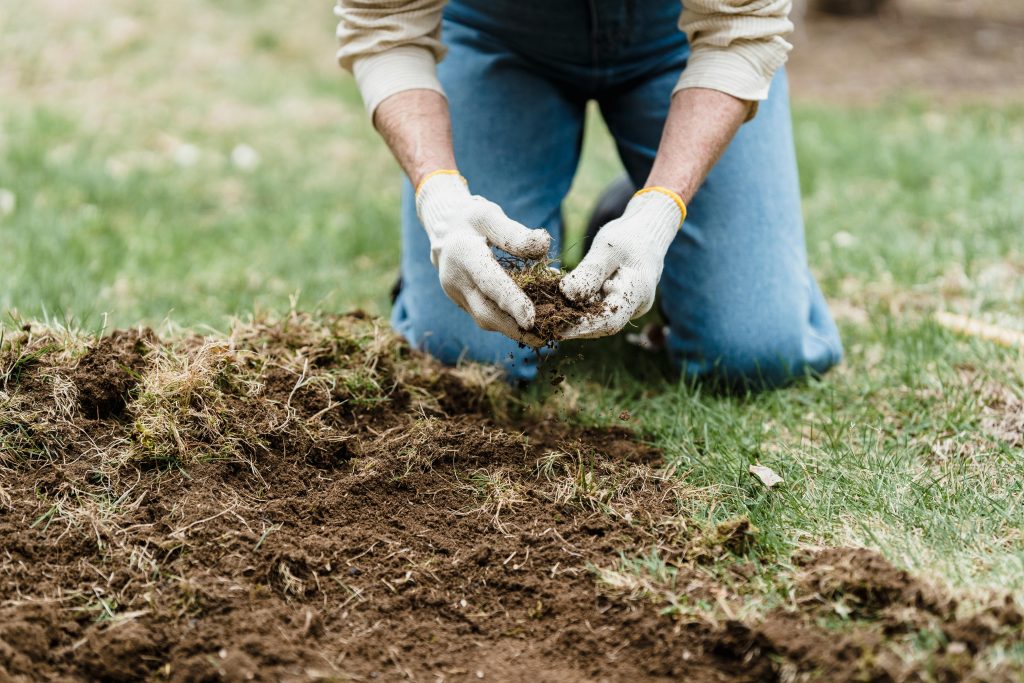
Across studies, scale keeps surfacing as the deciding factor. Large connected ranges let bison distribute grazing, nutrients, and disturbance in ways that strengthen long-term plant-soil feedbacks. Small bounded parcels can trap those same forces into repeated pressure points, boosting some soils while stressing neighboring habitat.
Effective stewardship is adaptive. Matching herd size to forage and rainfall, protecting sensitive edges, rotating pressure, and tracking indicators can keep gains broad. Bison can regenerate soil function and biodiversity, but nearby habitats need equal planning if those gains are meant to last.