

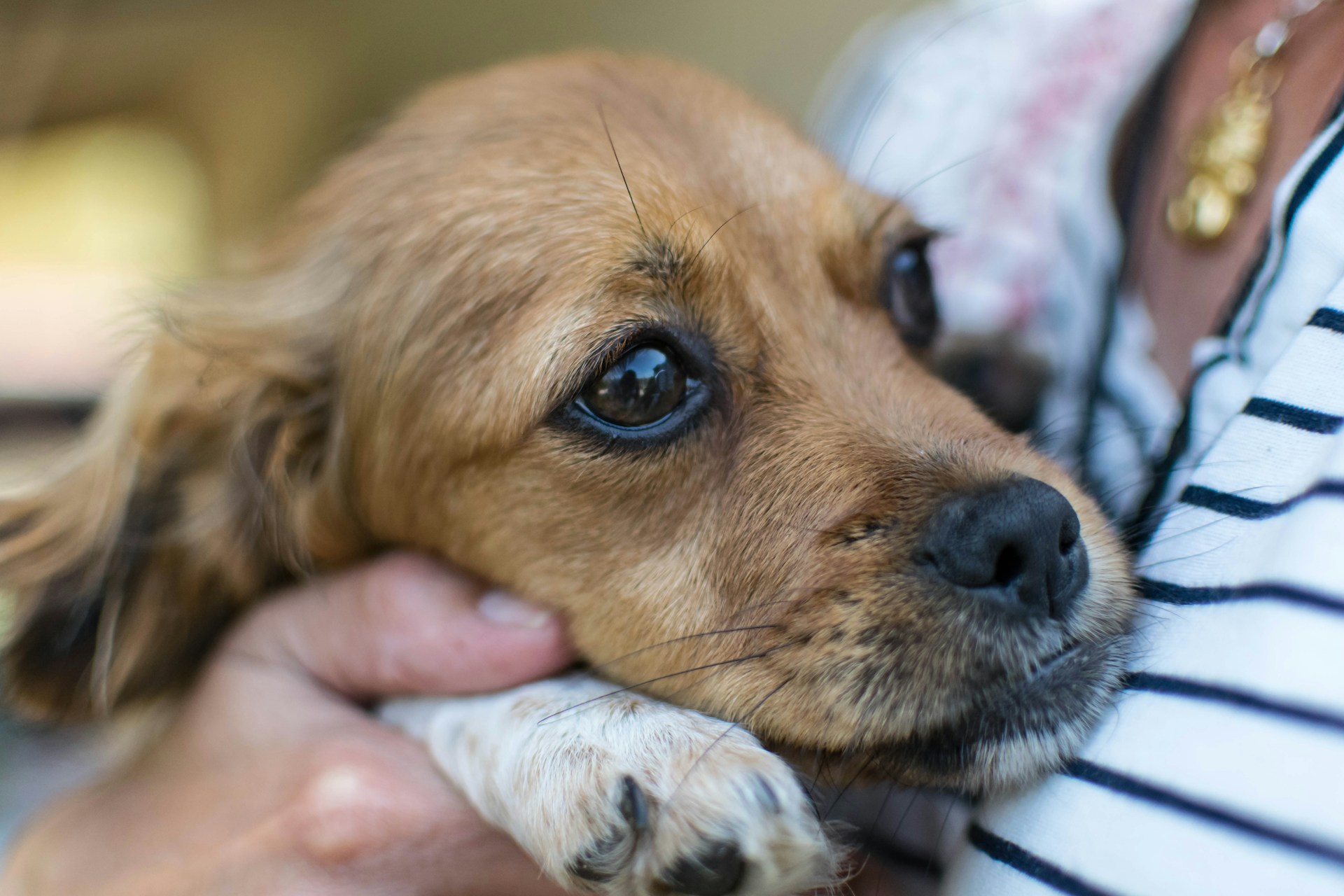
The first low rumble often changes an entire house. A dog who seemed sleepy at lunch may begin pacing by late afternoon, while a cat who usually claims the windowsill slips behind the bed before rain even starts. Storm-phobic pets are not being dramatic. They are reading noise, pressure, vibration, and flashing light as a real threat, and many grow more distressed with each untreated season. What helps most is a calm plan built early, repeated gently, and shaped around the way each animal already tries to feel safe. In storm season, choices made before the sky breaks often matter more than anything attempted in panic.
Read the Forecast, Not Just the Boom
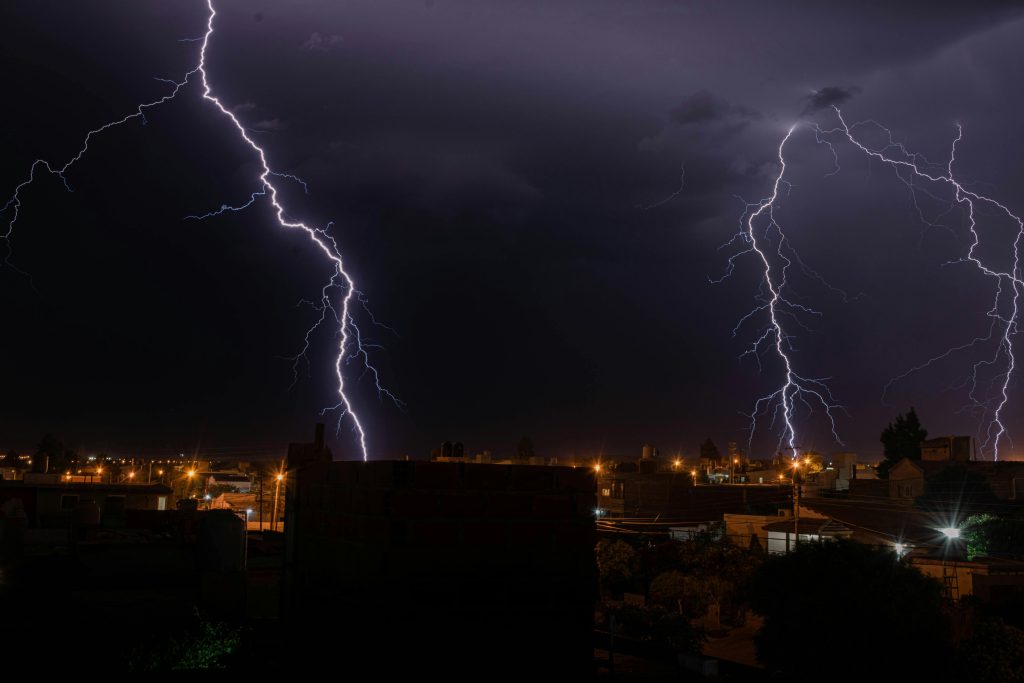
Many storm-sensitive pets unravel before the loudest part arrives. Wind shifts, darkening rooms, distant vibration, and the feel of a weather front can all become warning signs, which is why some dogs pace or cling before the first crack lands. Families often think the fear came out of nowhere when the animal has already been bracing for it.
That early window matters. Closing blinds, guiding a pet toward a known safe area, starting white noise, and giving any veterinarian-prescribed medication before panic sets in usually works better than scrambling after the storm is already in the room. That head start can change the evening.
Build a Real Indoor Refuge
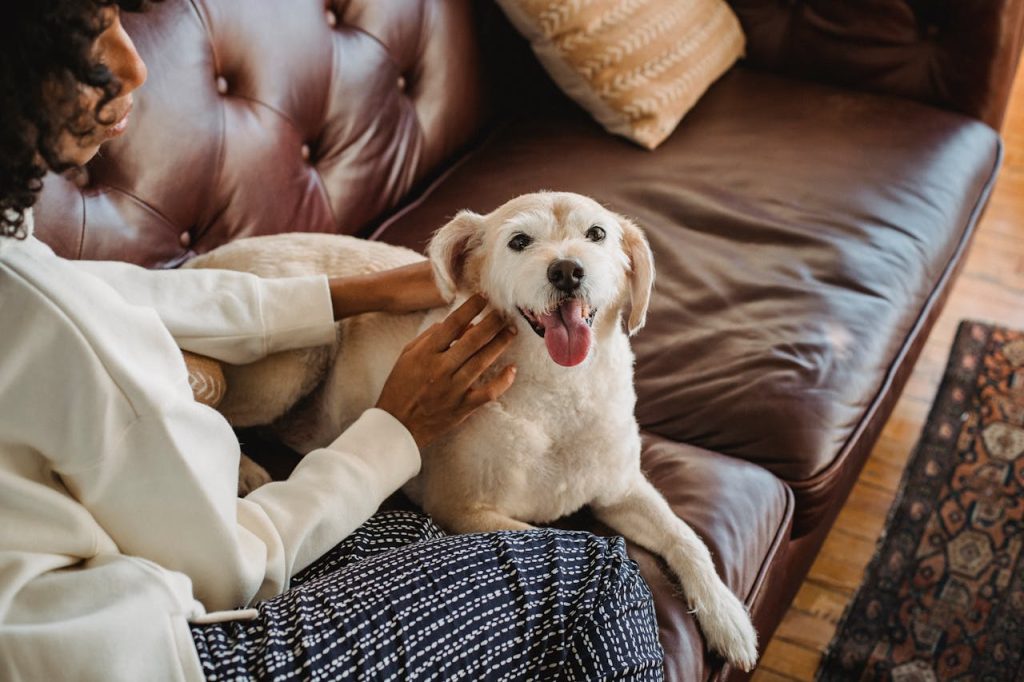
A refuge works best when it feels chosen, not imposed. For many dogs, that means an interior bathroom, closet, or basement corner with bedding, water, and a favorite chew or stuffed toy. For many cats, it means access to a dark cubby, covered bed, or open closet shelf where the body can fold small and unseen without being cornered.
The goal is not to make a pet face the storm more bravely. It is to lower the sensory load and give panic somewhere softer to land. A good refuge is prepared on calm days first, so the space already smells familiar and carries the memory of rest rather than emergency. That familiarity is comfort.
Muffle the Weather Outside
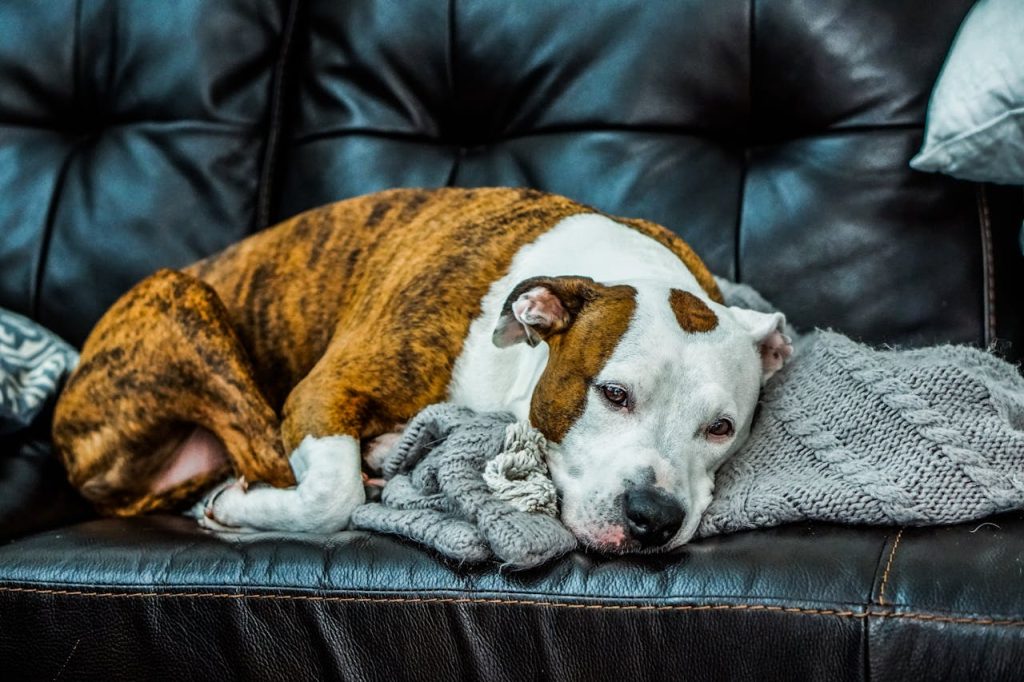
Noise is only part of the problem. Many pets react to lightning flashes, window rattle, and the strange charged feeling that comes with a storm, so calm often begins with changing the room. Closed curtains, drawn blinds, steady lamps, white noise, a fan, or low music can take the edge off the sensory spikes that keep the body on alert.
None of those tricks cures a phobia on its own, but together they can make the environment feel less chaotic. That matters because frightened pets do better when the world gets smaller, duller, and more predictable instead of brighter, louder, and full of sudden change. Small changes buy relief.
Let the Pet Choose Contact

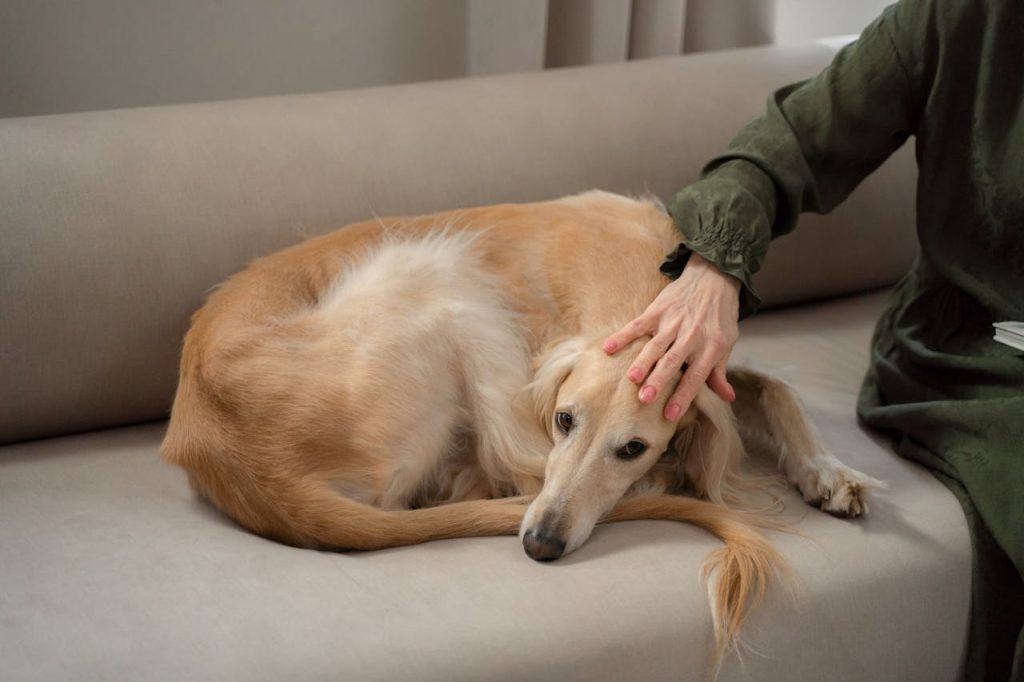
Not every frightened pet wants the same kind of comfort. One dog may press against a leg and settle with slow strokes on the chest, while another paces and only calms if no one crowds the body. Cats often prefer distance, quiet, and the freedom to vanish into a known hiding place, then reappear when the worst has passed.
The useful rule is simple: follow the animal, not the fantasy. Gentle comfort is fine when a pet seeks it, and quiet presence can matter just as much when a pet wants space. Calm support helps best when it does not trap, chase, restrain, or interrupt the pet’s own coping pattern. That respect steadies both sides.
Use Food When Fear Is Still Low Enough
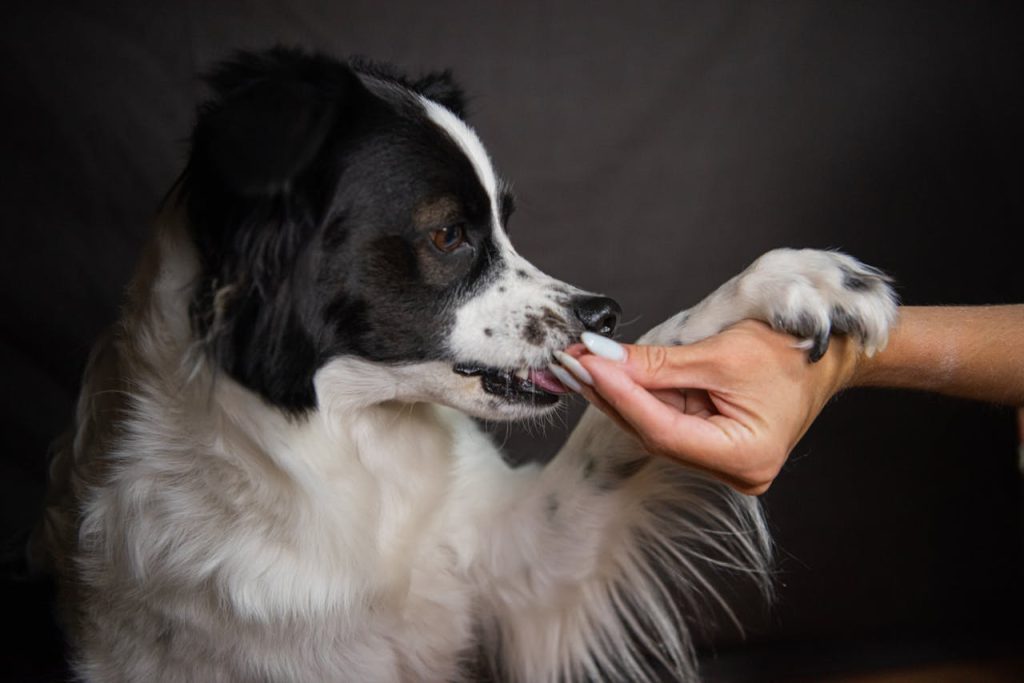
Food works best before terror takes over. If a pet can still lick, chew, or sniff, a stuffed toy, lick mat, treat scatter, or long-lasting chew can redirect attention and start building a better emotional link to storm cues. For cats, a favorite puree or a few tossed treats near a hideout can sometimes keep the body from tipping higher.
The key is reading appetite honestly. Once a pet is panting hard, trembling, or trying to escape, food may stop mattering, and that is useful information rather than failure. At that point, management and veterinary help often matter more than any snack. That limit matters more than optimism.
Practice Calm on Clear Days
Storm work rarely starts during a storm. The most effective long game is gentle practice when the sky is ordinary: walking into the safe room for treats, settling on a mat, hearing low recorded thunder, then pairing that sound with food or play before fear appears. That slow buildup is how desensitization and counterconditioning become useful.
It also explains why progress can look modest at first. A pet does not need to love thunder to improve. The real win is teaching the nervous system that storm cues can arrive at low intensity, stay manageable, and pass without the body racing straight to alarm. That is how calm is built.
Trial Calming Tools Before Storm Season
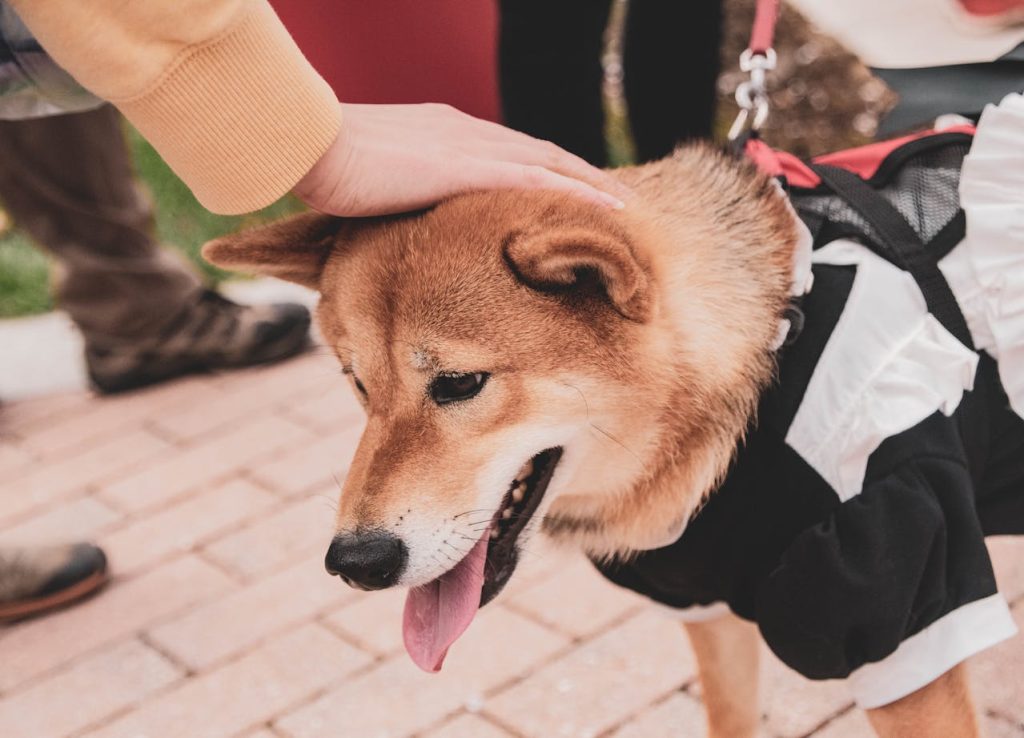
Pressure wraps, pheromone products, and similar aids can help some pets, but they are not magic and they are not universal. A wrap that soothes one dog may annoy another. What matters most is testing these tools on quiet days, long before dark clouds make every sensation feel bigger.
That trial run reveals something crucial: whether the aid actually lowers tension or simply adds another strange thing to endure. Storm time should feel familiar wherever possible, so new gear, new smells, and new routines are best sorted out when the nervous system is still soft enough to learn. That little preview can prevent confusion later.
Secure Exits Before Panic Finds Them
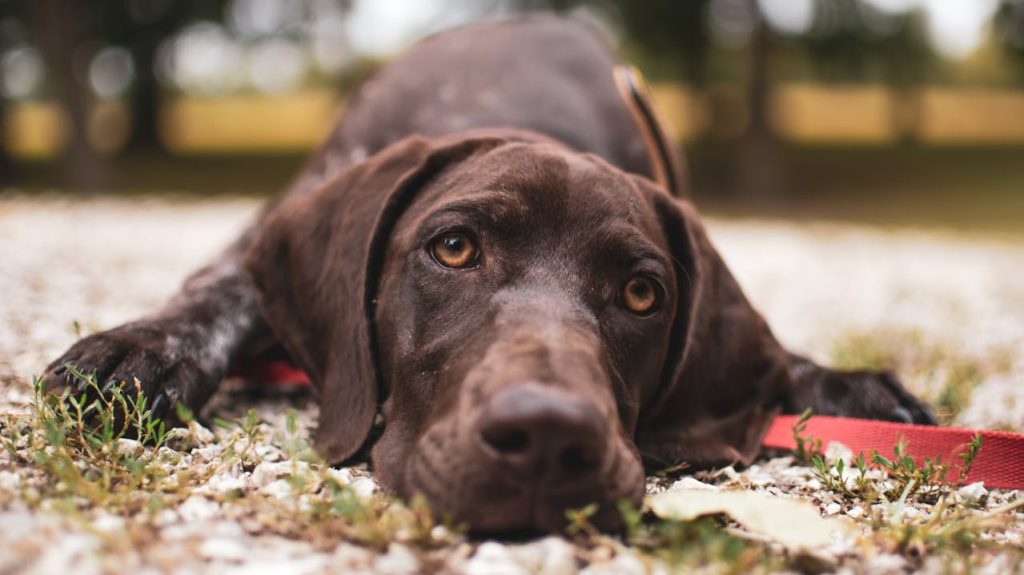
Storm fear is not only emotional. It can turn physical fast, especially in pets who scratch doors, push screens, or bolt when a latch clicks at the wrong moment. Closed windows, checked fences, secure carriers, and a leash for necessary outdoor breaks can prevent a frightening night from becoming a missing-pet emergency with almost no warning.
Identification matters here too. Updated tags and current microchip details are not dramatic add-ons; they are quiet insurance for the worst ten minutes of a season. The calmer plan is always the one that assumes fear can move faster than reason. That detail has saved many anxious nights.
Call the Vet Before Fear Hardens
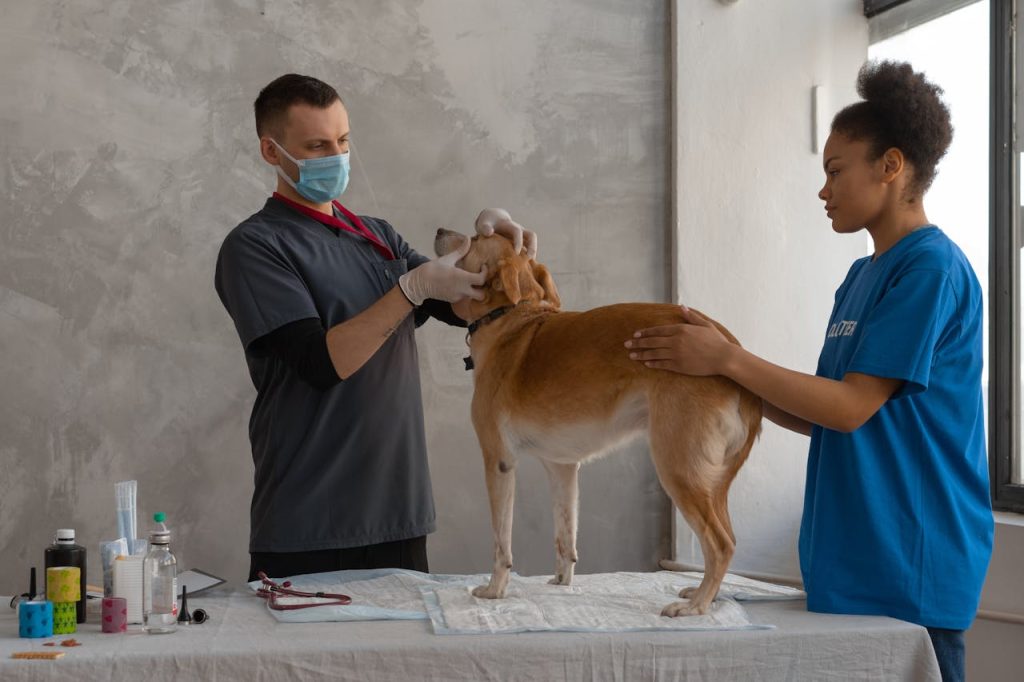
Noise aversion often grows if it is left alone, and storm fear can become one of those problems families quietly accommodate for years while the pet suffers through every season. That is why veterinary help matters early, not only after a dog breaks a door frame or a cat stops eating. Severe fear deserves care.
A veterinarian can help rule out pain or medical issues, build a behavior plan, and decide whether medication should be part of the answer. In tougher cases, referral to a veterinary behaviorist can change the outlook by treating panic as a welfare issue rather than a personality quirk. Early help is often the gentlest help.
Forcing a Front-Row View Backfires
Some people still try to cure fear by making a pet stay close to the storm, the window, or the sound until the animal supposedly gets used to it. In behavior work, that approach is called flooding, and veterinary guidance warns that it often makes fear worse. A pet may go still, but stillness is not the same as calm.
What looks like tolerance can actually be shutdown or exhaustion. Real progress comes from small exposures a pet can handle, not from trapping the body in the full force of what it finds unbearable. Storm panic does not need toughness. It needs relief and workable distance. Less intensity, not more, is the point.
Dragging Them Out of Hiding Backfires
A pet under a bed, behind a toilet, or deep inside a closet may look lonely, but hiding is often the animal’s best coping tool. Pulling a cat from a cubby to be held, or coaxing a dog away from the one corner that feels protective, can strip away control. Fear rarely shrinks when choice disappears, and panic can flare in seconds.
That does not mean isolation is the goal. If the hiding place is physically safe, leaving the pet there while sitting nearby or placing a treat within reach usually respects the nervous system better than insisting on cuddling or company the animal did not request. Hidden does not always mean worse.
Saving New Tricks for the Worst Moment Backfires
Storm season is a poor time for first introductions. A brand-new wrap, diffuser, crate cover, supplement, or recorded thunder track can all add novelty at the exact moment a frightened pet has the least capacity to process anything unfamiliar. Even gentle tools can feel suspicious when they appear only in the middle of rain.
That is why good behavior plans lean on rehearsal. New products should be tested on ordinary days, with enough time to stop if the pet stiffens, freezes, or avoids the setup. Comfort works best when it feels known, boring, and easy to understand. That timing mistake can sour even a promising tool.
Punishing Panic Backfires Fast
Scolding, mocking, or treating storm behavior like disobedience can deepen the problem in a hurry. A pet that is trembling, drooling, clawing, or vocalizing during thunder is not plotting bad manners. The body is already in alarm. Adding correction on top of that only teaches that storms now predict both fear and conflict.
Even frustration that never becomes outright punishment can leak into the room. Quick movements, tense voices, and angry cleanup may sharpen distress. Calm management is not permissive. It is the fastest route back to safety when the nervous system has already blown past reason. Fear listens to tone as well.
Unplanned Sedation Can Backfire Too
When a pet is desperate, families sometimes reach for anything that promises instant calm. That is risky. Human sleep aids, over-the-counter sedatives, or borrowed medication can be unsafe, and some older veterinary drugs may leave an animal immobilized without easing fear. A quiet body is not always peaceful.
The safer route is a veterinary plan made before storm season peaks. That gives time to choose the right option and avoid confusing heavy sedation with real relief. Fear deserves treatment that protects welfare, not just something that makes panic look smaller from across the room. That distinction matters more than it seems.