

Nature runs on physics, chemistry, and a little evolutionary stubbornness. Some animals carry abilities that sound like folklore, the kind repeated with a grin and an eye roll. Then lab work, field notes, and slow-motion footage step in and refuse to let the story stay unbelievable.
These powers are not miracles. They are tiny structures, charged cells, tuned senses, and survival math, refined across generations. Once the mechanism becomes visible, the wonder does not shrink. It sharpens. What remains is pure awe, backed by measurements. Each example has a real job in the wild, deciding who finds food, mates, or shelter.
Mantis Shrimp Sees a Color World Humans Cannot
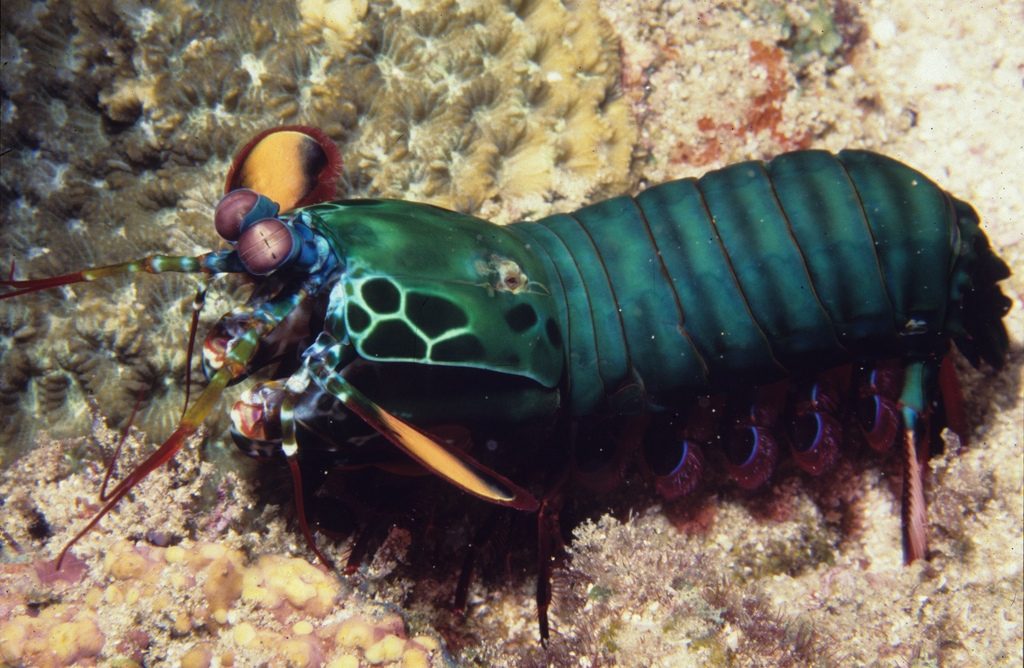
Inside reef crevices, mantis shrimp carry eyes built like compact science labs. Their retinas include a specialized midband packed with distinct photoreceptors, so some species sample 12 or more color channels instead of the human three. Many also read polarized light, information most people never consciously perceive.
That sensory surplus helps sort signals in bright, messy water, where glare can erase contrast. Patterns on shells and fins become clearer, and reflections turn into readable cues. What sounds like a tall tale is measurable optics, evolved to make faster decisions in a crowded reef. With fewer mistakes.
Cuttlefish Paint Themselves With Living Pixels
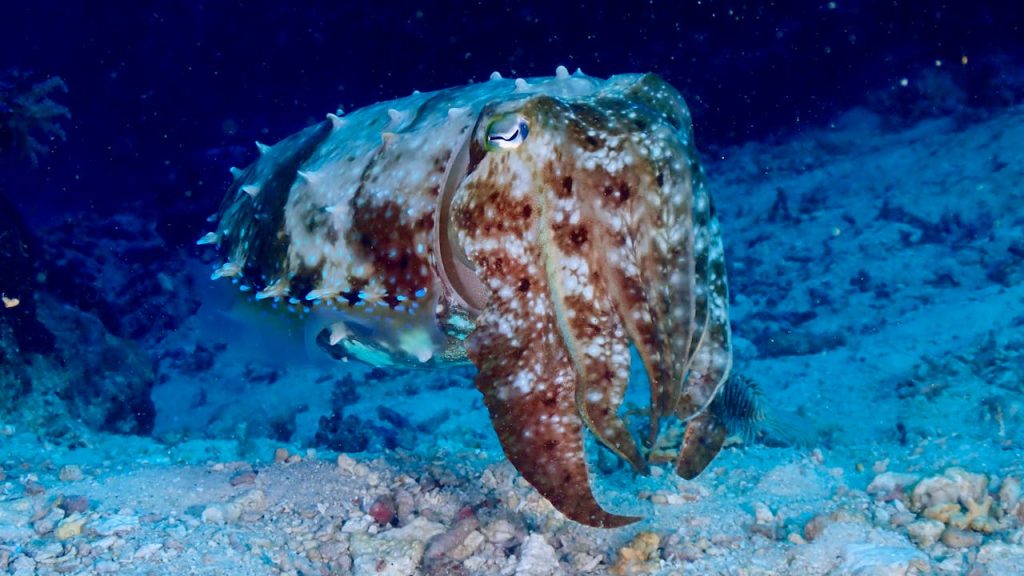
Cuttlefish can switch outfits in the time it takes for a heartbeat. Skin cells called chromatophores expand and contract to reveal pigments, while layers beneath reflect light through iridophores and leucophores. The effect looks like animated pixels sliding across the body.
It is not only color. Muscles can raise small bumps, letting texture imitate sand, rock, or coral. The brain runs the show with direct neural control, blending signals from eyes that detect contrast and pattern. Camouflage becomes a fast language of survival and stealth. Some displays double as social signals, flashing warnings or courtship cues in plain sight.
Axolotls Rebuild Lost Parts With Calm Precision
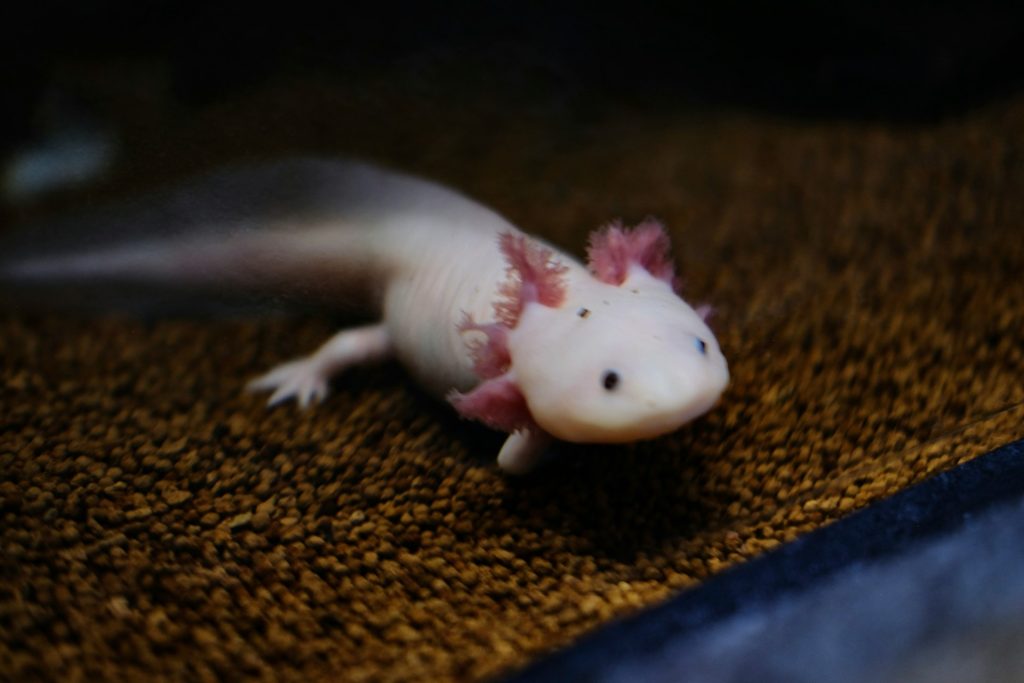
Axolotls do something mammals only dream about: they regrow complex body parts. After an injury, cells near the wound shift into a flexible state and form a blastema, a living construction zone that can rebuild bone, muscle, nerves, and skin.
Instead of scarring over and quitting, the tissue keeps talking. Chemical signals guide growth, nerves provide cues, and the new limb forms in the right shape and scale. Scientists study axolotls to learn why regeneration stays orderly, and how immune responses can support healing rather than block it. They even regrow parts of spinal cord and heart, giving researchers practical clues.
Geckos Stick To Glass Without Glue
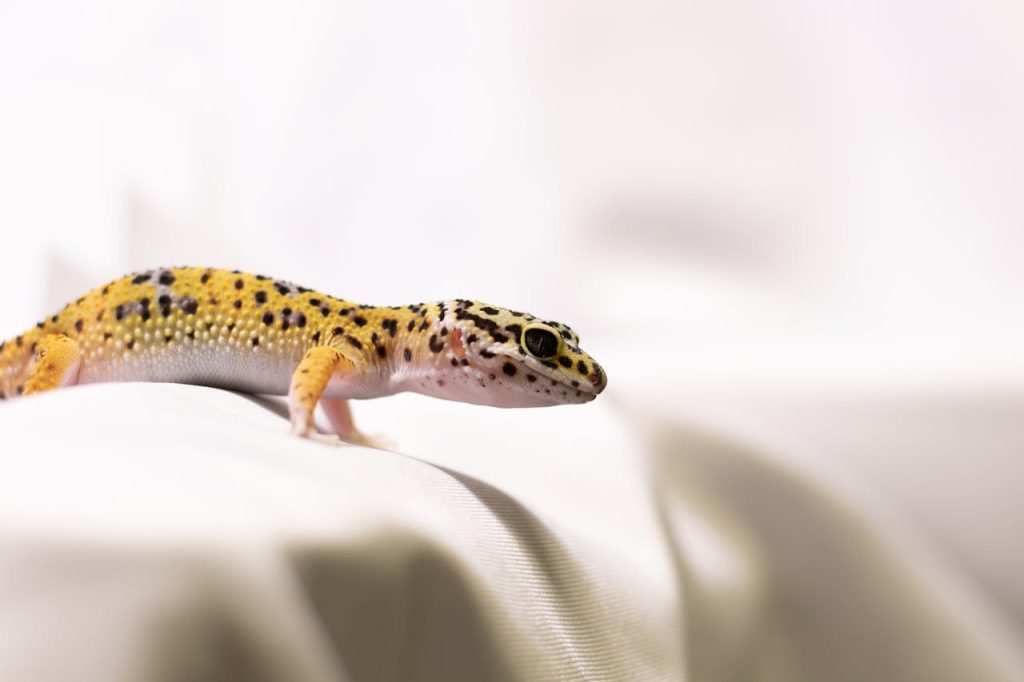
Geckos can sprint up smooth walls because their toes are covered in millions of microscopic hairs called setae. Each seta splits into even smaller tips, creating huge contact area. At that scale, weak van der Waals forces add up into reliable grip.
The magic is reversible. A slight change in toe angle switches adhesion on or off, so the foot releases cleanly with each step. The system works in dry air, needs no sticky residue, and even self-cleans as dust shifts away from the fine structures. Engineers copy the idea to build reusable tapes. In experiments, a single toe can support the animal, yet release stays effortless.
Wood Frogs Survive Winter By Letting Themselves Freeze
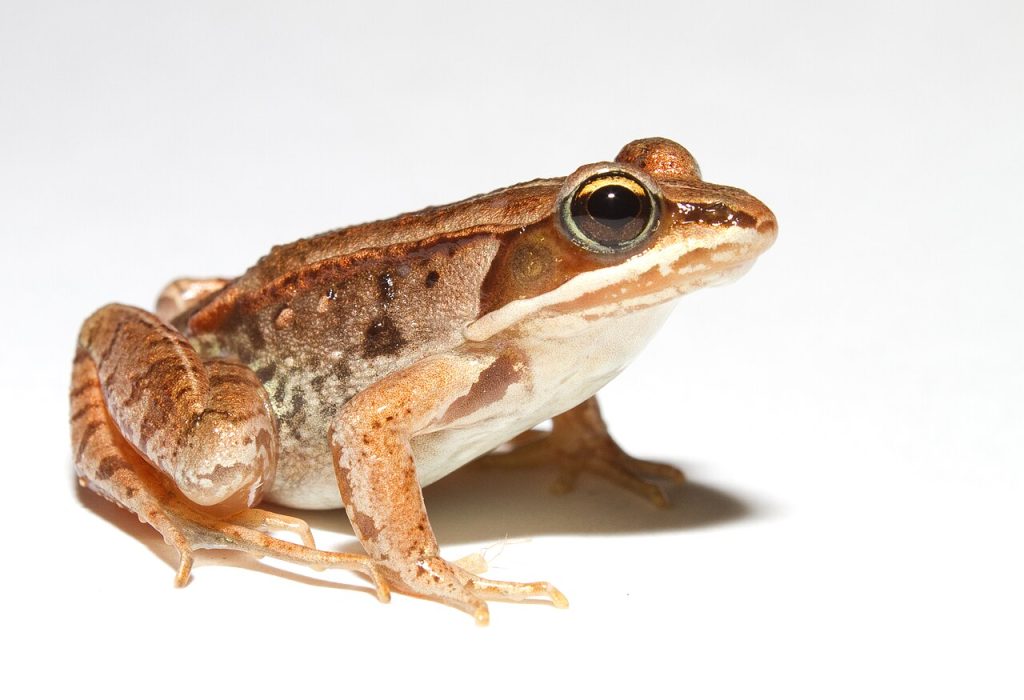
In northern forests, wood frogs can endure winter by tolerating internal ice. As temperatures drop, ice forms first outside the cells, and the frog floods tissues with glucose that acts like a natural antifreeze, protecting membranes and proteins from damage.
During the coldest stretch, breathing stops and the heartbeat can pause, yet the body avoids catastrophic injury. When spring warmth returns, organs restart and the frog hops away as if nothing happened. Biologists study the process to understand how cells handle freezing stress without rupturing. The liver quickly dumps stored sugar into the blood as ice begins to form.
Archerfish Use Water Jets Like A Precision Tool
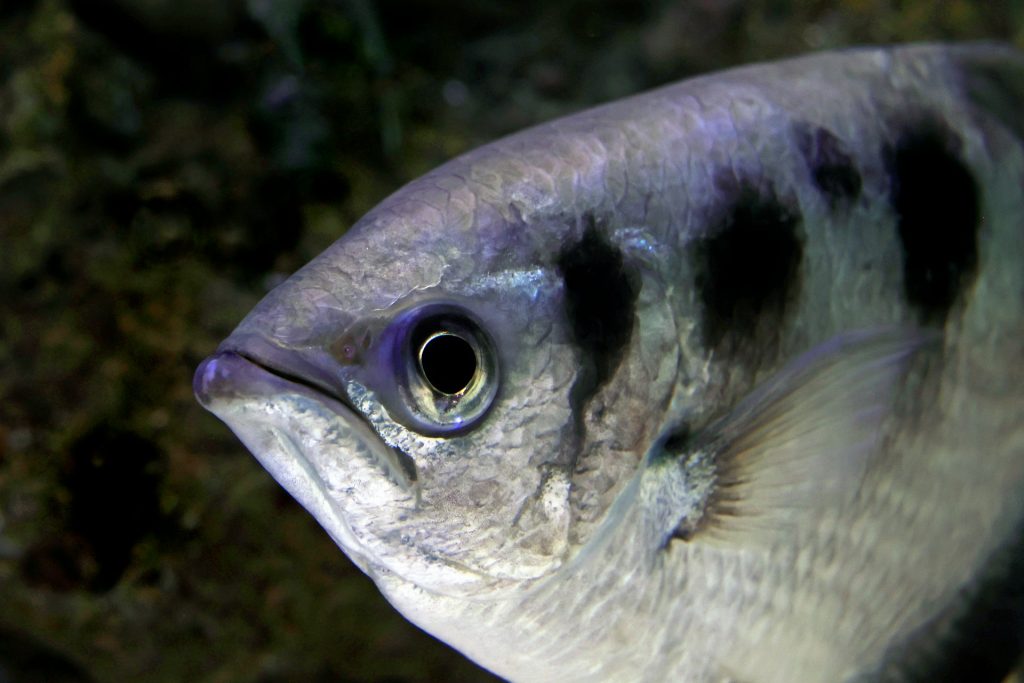
Archerfish hunt above the surface without leaving the water. By shaping the mouth and snapping the gill covers, they fire a tight jet that can knock insects off branches. The stream is not random spray; it holds together long enough to hit a target with surprising accuracy.
Even stranger, archerfish learn. They adjust aim for distance, compensate for the refraction that bends light at the air-water boundary, and improve with practice. Experiments show individuals can recognize patterns and refine shots over time. Physics explains the jet, but behavior explains the skill. Some time the jet so it gathers into a big drop at impact.
Pistol Shrimp Snap Creates A Bubble That Acts Like A Blast
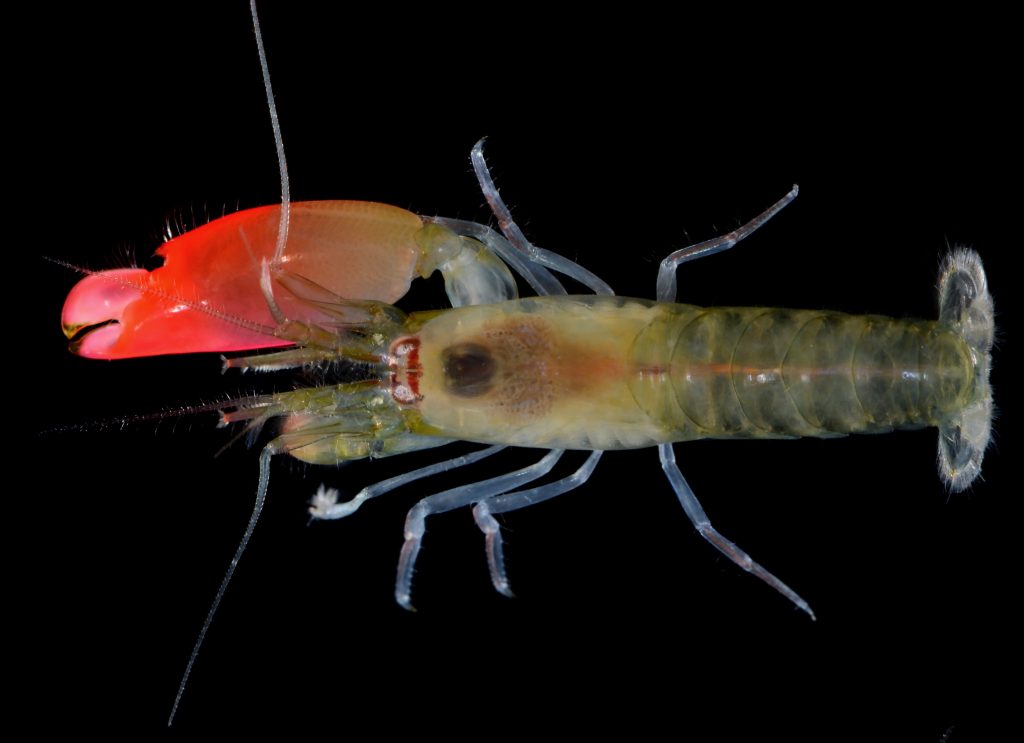
Pistol shrimp carry an oversized claw that closes so fast it changes the water around it. The snap launches a jet that forms a cavitation bubble, a temporary pocket of vapor. When the bubble collapses, it releases a sharp sound and a brief flash of light.
The effect is pure fluid dynamics, not an exotic organ. Measurements show the collapse can create intense local pressure and heat for an instant, like a tiny thunderclap underwater. The shrimp uses the shock to startle small prey and to communicate in crowded burrows. It is physics, weaponized by evolution. Reef hydrophones often capture their crackling chorus after dark.
Platypus Hunts With Electricity, Not Sight
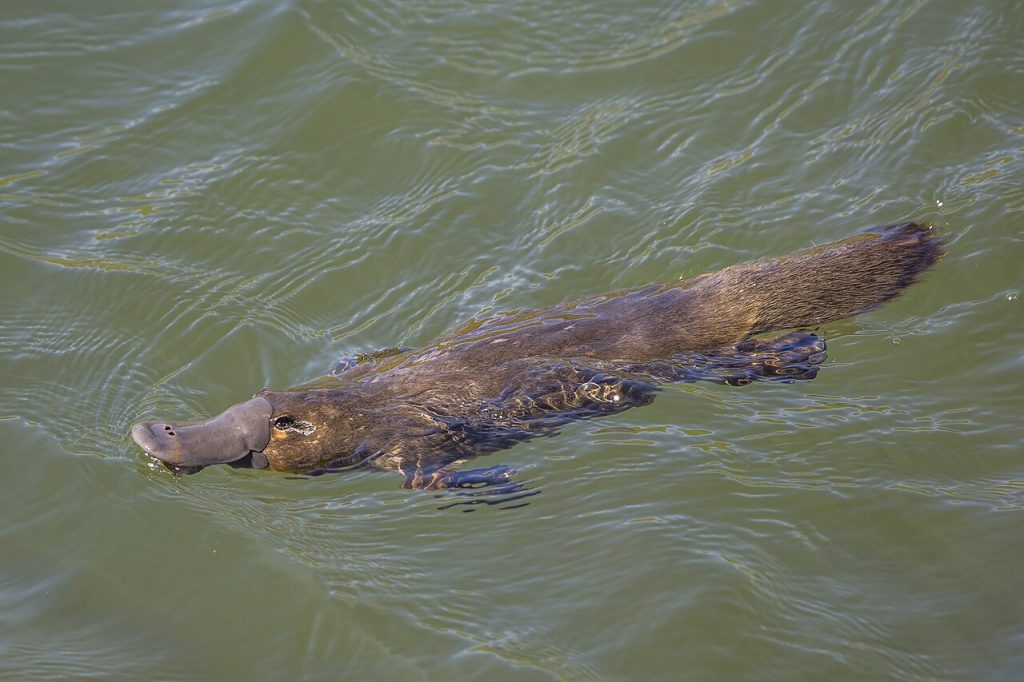
A platypus looks like a playful collage, yet the bill is serious equipment. Underwater, eyes and ears close, and the animal relies on electroreceptors in the skin to detect tiny electric fields produced by muscle contractions. Touch sensors add timing, helping pinpoint a moving snack in muddy streams.
The sense is so tuned that it can map direction and distance from faint signals alone. Males also carry ankle spurs connected to venom glands, used in seasonal competition rather than hunting. The platypus is a reminder that mammals can evolve stranger tools than claws or fangs. Few mammals sense electricity, so bill stands apart.
Sharks Track Hidden Life By Reading Electric Fields
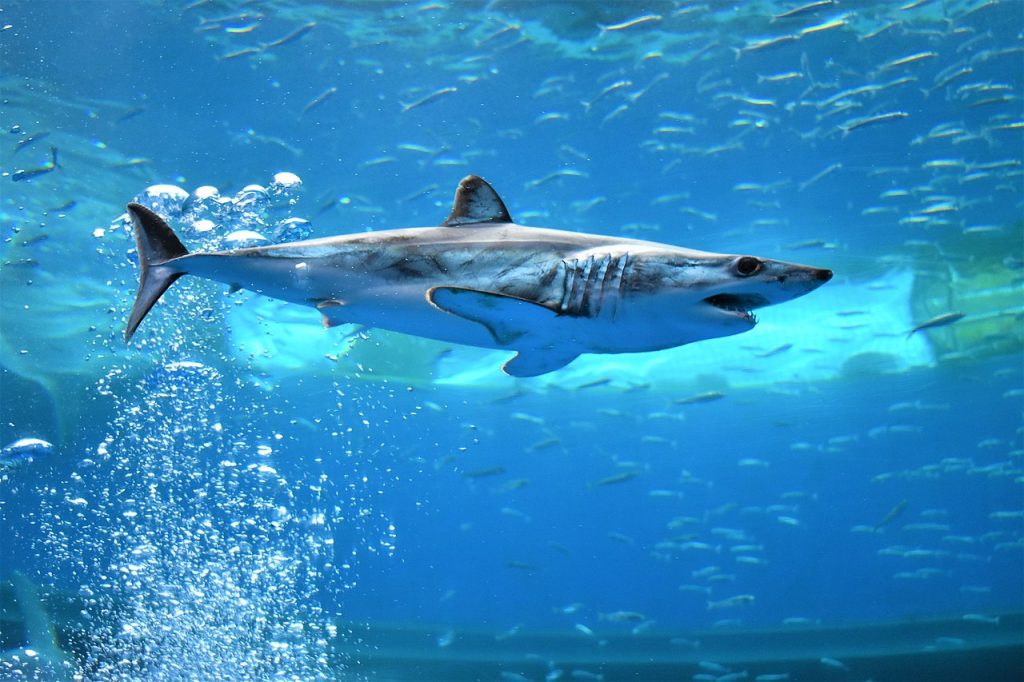
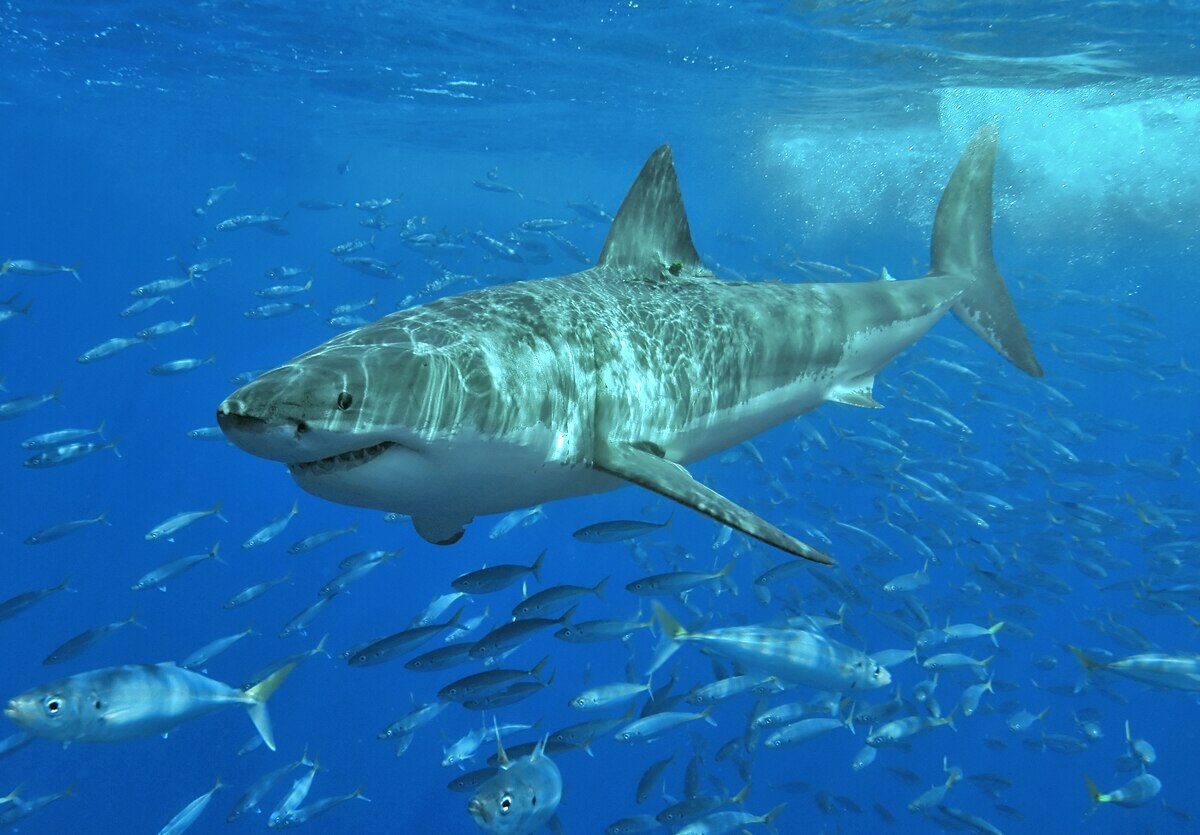
Many sharks hunt with a sense that feels like science fiction. Tiny jelly-filled pores on the snout, called the ampullae of Lorenzini, detect weak electric fields given off by living muscle and nerve activity. Even a fish buried under sand can leave a faint electrical signature.
This ability works in darkness and cloudy water, where vision fails. It pairs with smell and hearing, narrowing a search into a final, precise turn. Some studies suggest these sensors may also help with navigation by picking up cues linked to Earth’s magnetic field. The ocean becomes a map written in currents. Sensitivity is extreme in lab tests.