

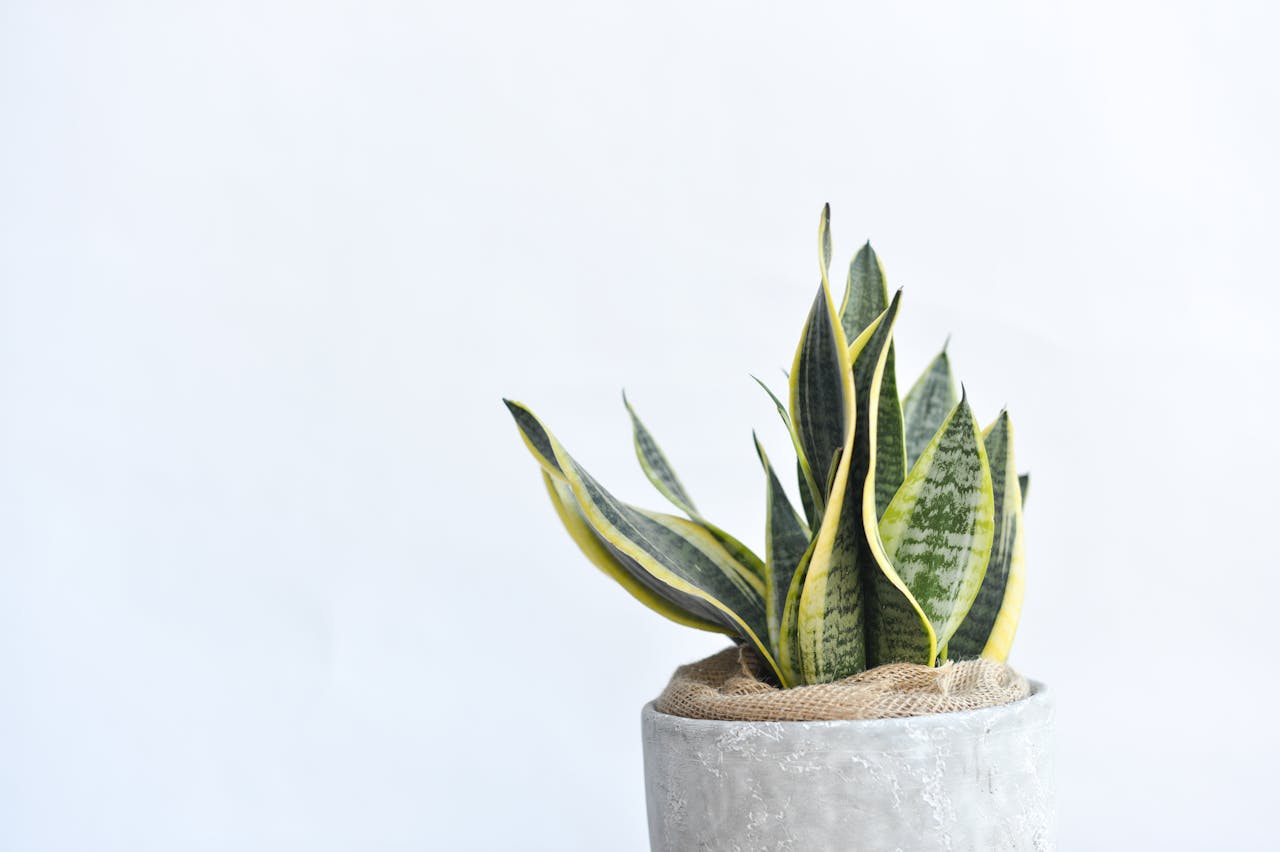
Snake plants earn a reputation for shrugging off neglect, which is why watering mistakes can stick around unnoticed. A pot may look fine while roots stay too wet, or the mix can dry so hard that water runs through without soaking in.
The steady rule is simple: test the soil about 2 inches down, then water deeply only when that layer feels dry, until water exits the drainage holes and the saucer is emptied. Many homes hover near a 14-day cadence, often less in winter, but light, pot size, humidity, and soil blend shift the gap. When the timing is off, leaves offer clear clues long before the plant looks dramatic.
Two Inches Down Still Feels Damp
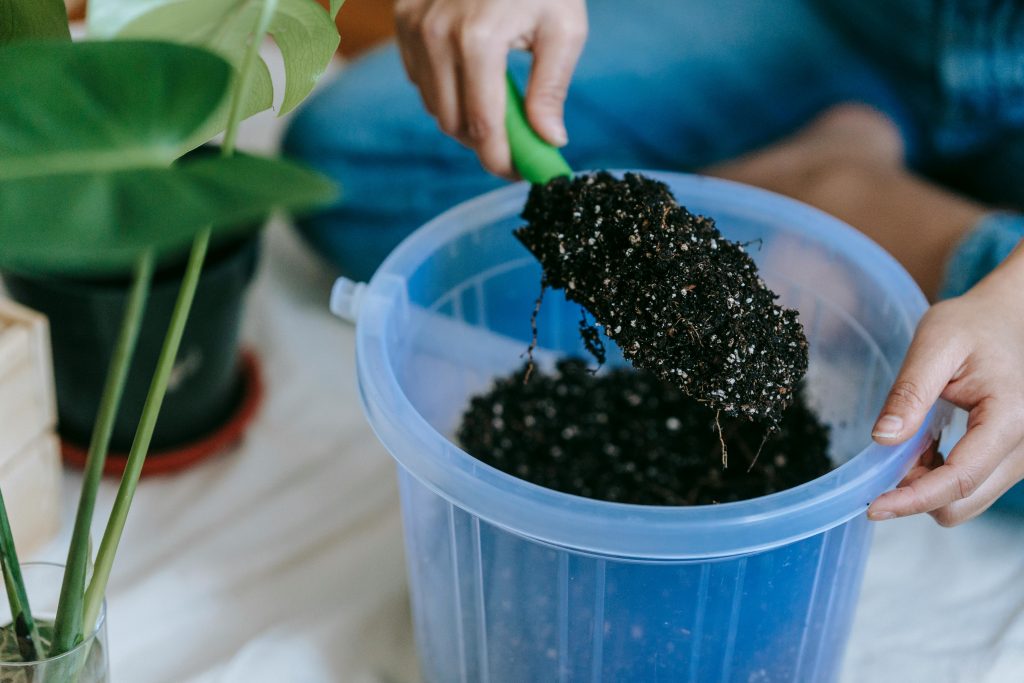
Dry crust on top can mislead with snake plants. If the mix still feels damp about 2 inches down, another watering keeps the root zone wet and short on air, even if the leaves look unchanged.
Because the plant is drought-tolerant, it can coast on stored moisture for weeks, especially in low light or cooler winter rooms. In that setup, damp soil is more risky than a short delay.
The fix is calm and repeatable: recheck after a few days, then water once, thoroughly, only when that two-inch layer turns dry, letting water flow out the bottom and clearing the saucer. That wet-to-dry swing keeps roots steady and leaves firm.
Water Keeps Pooling in the Saucer
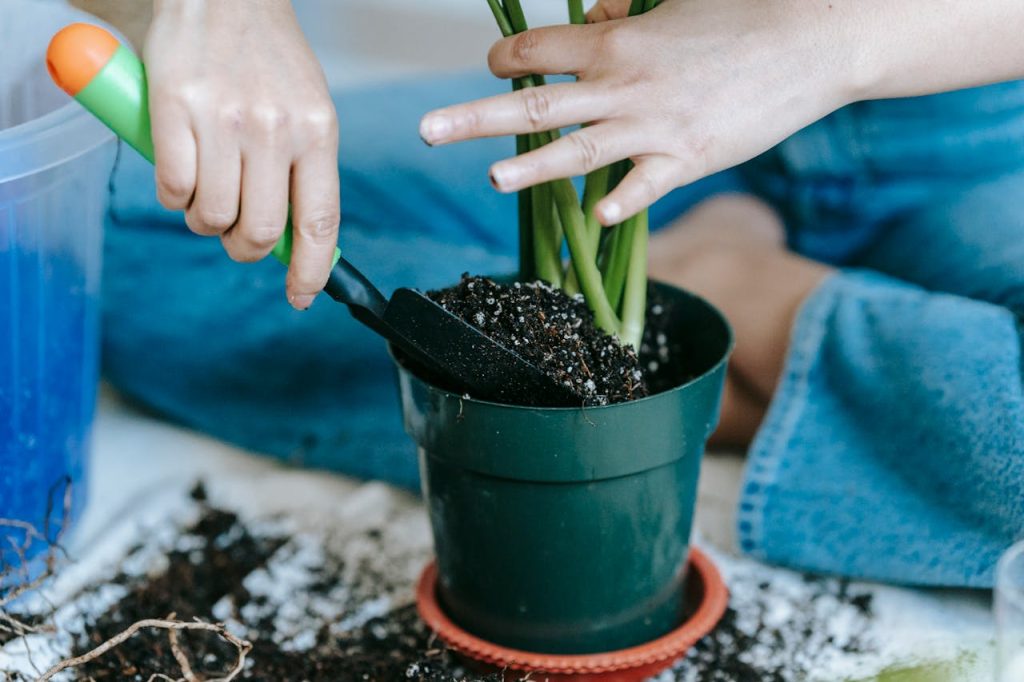
Runoff sitting in a saucer is not harmless. When a pot lingers in pooled water, the lower soil stays saturated and roots lose the breathing room they need to stay strong.
This pattern often starts with weak drainage: one tiny hole, no hole at all, or a decorative pot that traps the nursery pot in a damp pocket. A musty smell, algae film, or soft leaf bases can show up next.
A clean reset helps fast. Use a pot with real drainage holes, water around the base until water exits the bottom, then discard what collects underneath. The plant gets a deep drink, but the soil can dry on its own schedule. That gap is where recovery happens.
A Fixed Schedule Never Matches the Room
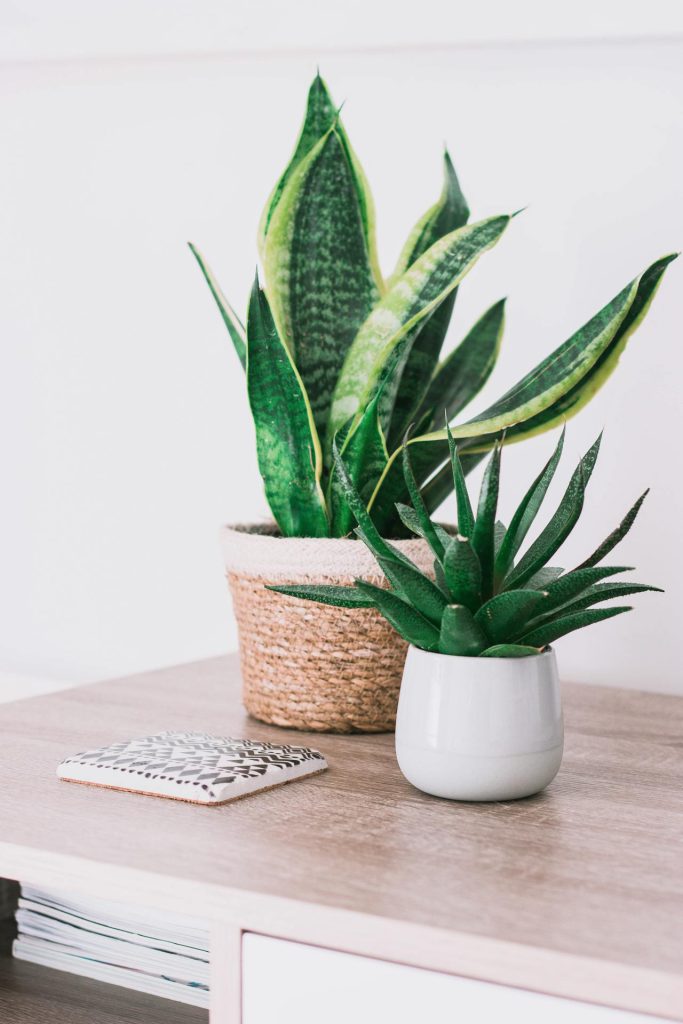
A fixed schedule can create trouble because snake plants respond to conditions, not dates. Bright windows, warm rooms, and drier air pull moisture faster, while dim corners and winter slowdowns keep soil damp longer.
In many homes, watering lands around every 14 days, and often less in winter, but that number shifts with humidity, pot size, and the mix. A peat-heavy blend holds water longer than a gritty cactus-style soil.
The reliable habit is one check: finger into the soil about 2 inches down, then wait or water based on feel. Deep watering, drainage, and an emptied saucer keep the rhythm honest. Leaves stay upright, not tense.
Small Sips Replace One Real Drink
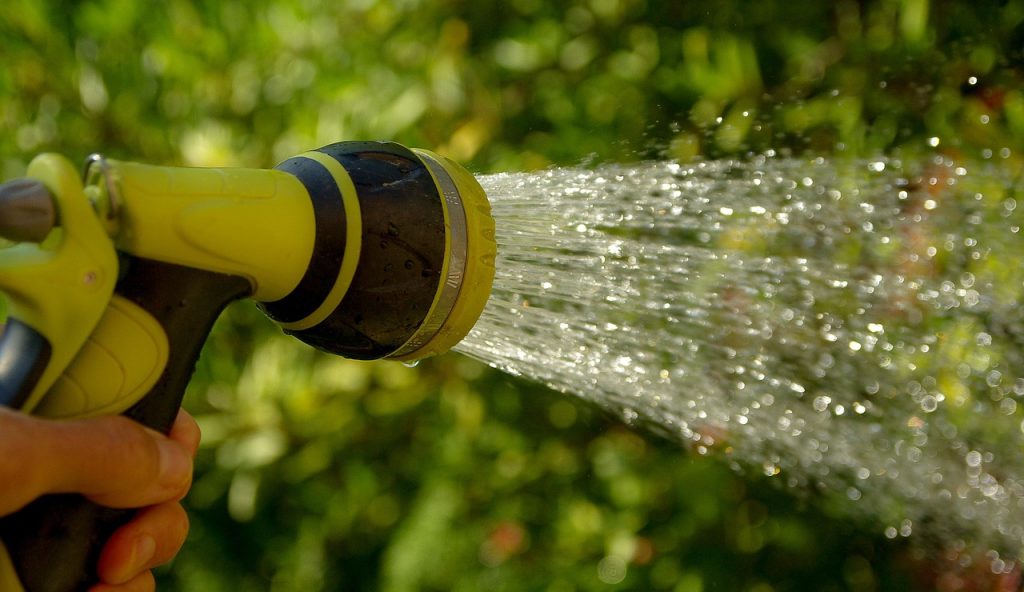
Frequent small splashes feel careful, but they often wet only the top layer and leave deeper roots dry. The surface dries fast, the plant gets another sip, and the pot never gets a clear wet-to-dry cycle.
Snake plants do better with fewer, fuller waterings. When it is time, water around the base and across the soil until water drains out of the bottom, then clear the saucer so the pot is not sitting in runoff.
After that, let the mix do its job. Waiting until the top 2 inches feel dry gives roots both moisture and oxygen, and it makes the next decision obvious instead of stressful. That steadiness keeps leaf tips from browning.
Water Runs Straight Through the Pot
When the potting mix gets extremely dry, it can turn water-repellent. After long neglect, the surface may go crusty and the pot feels oddly light, yet a normal pour still rushes out of the drainage holes.
Bottom-watering solves that mismatch. The pot, without any outer cachepot, can sit in a sink or tub with a couple inches of water so moisture wicks up through the holes and slowly rehydrates the mix.
After about 30 minutes, or when the top feels moist, the pot can return to its saucer and drain. This deep drink lasts longer and avoids messy overflow on wood or shelves. Afterward, the two-inch test sets the next watering.
Brown, Crispy Tips Keep Appearing
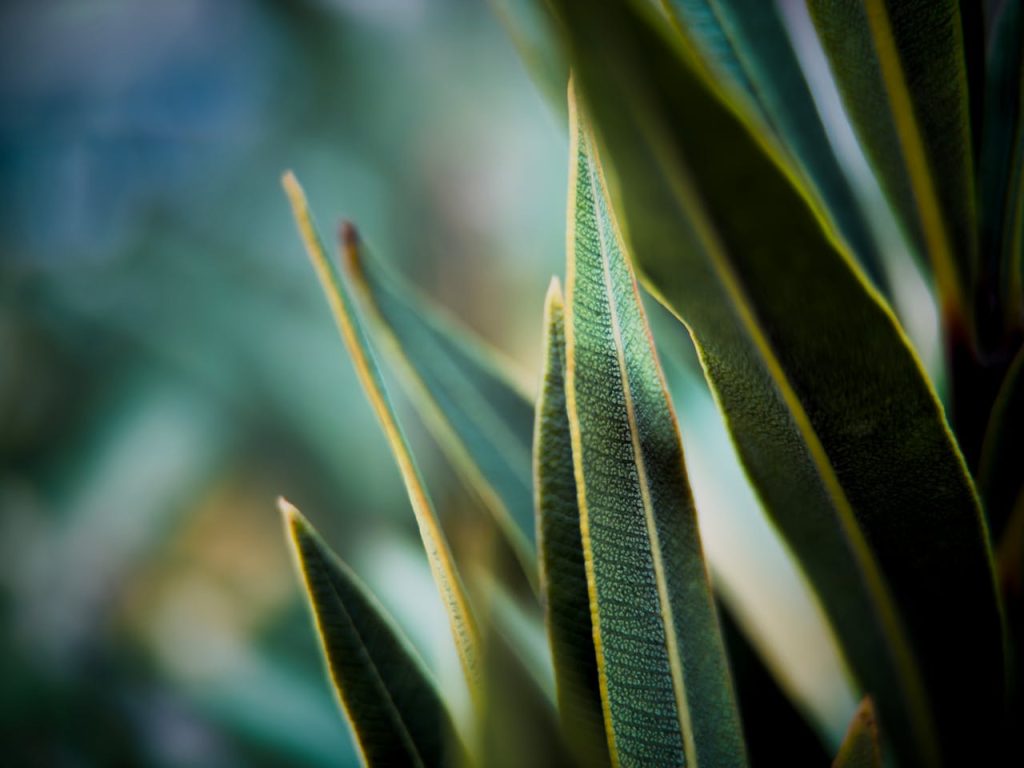
Brown, crisp tips usually point to drought stress, not age. A snake plant can stay upright and green while it quietly rations moisture, and the ends show the shortage first.
The remedy is not frequent spritzing. Once the top 2 inches feel dry, give a long drink until water drains from the bottom, then empty the saucer. If the soil has turned water-repellent, a 30-minute bottom soak rehydrates it.
Those browned tips will not return to green, but new growth can stay clean when watering follows the dry-check rule and the pot is allowed to dry between drinks. Some owners trim the edge for looks, but the color change is permanent.
The Pot Dries Fast Because It Is Rootbound
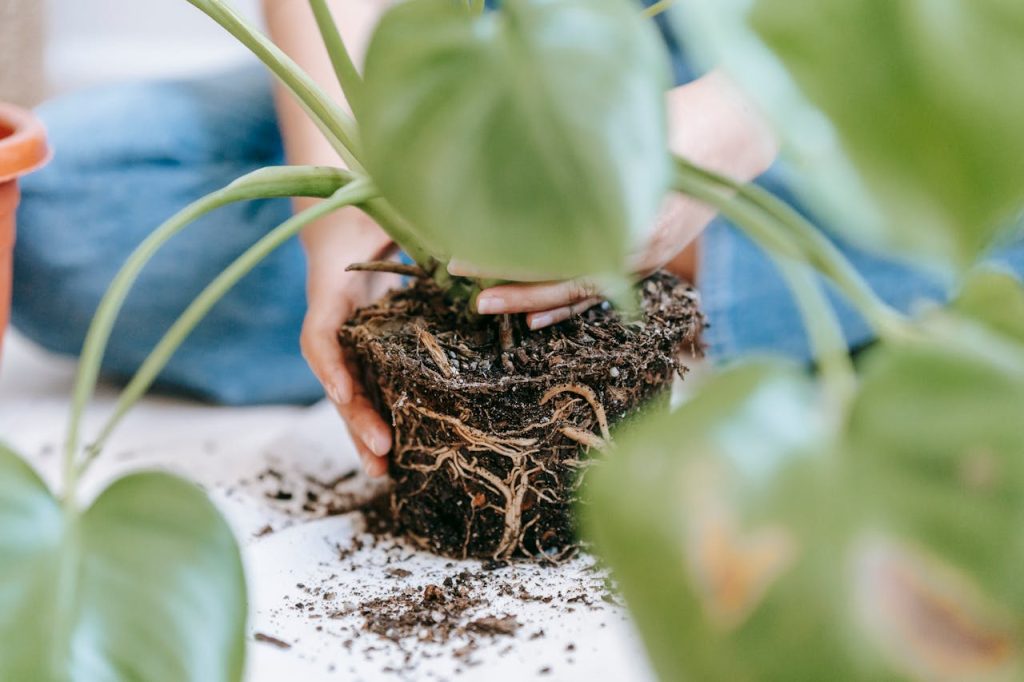
A snake plant that seems to need water constantly may be sending a different message. Large plants in small pots often become rootbound, leaving little soil to hold moisture, so the mix dries quickly and the calendar feels useless.
Soil blend matters, too. A gritty cactus-style mix drains fast, while a standard potting mix with more organic material holds water longer. Light also changes the pace; brighter rooms mean faster use.
The steady move is still the two-inch check, but repotting into fresh, well-draining soil can restore a calmer rhythm. With more soil holding moisture, deep watering lasts longer and guesswork fades.
Snake plants reward restraint. A quick soil check, a deep watering that drains cleanly, and a dry pause in between usually beat any strict schedule. With that rhythm, leaves stay firm, color stays true, and small mistakes get corrected before they become long problems.