

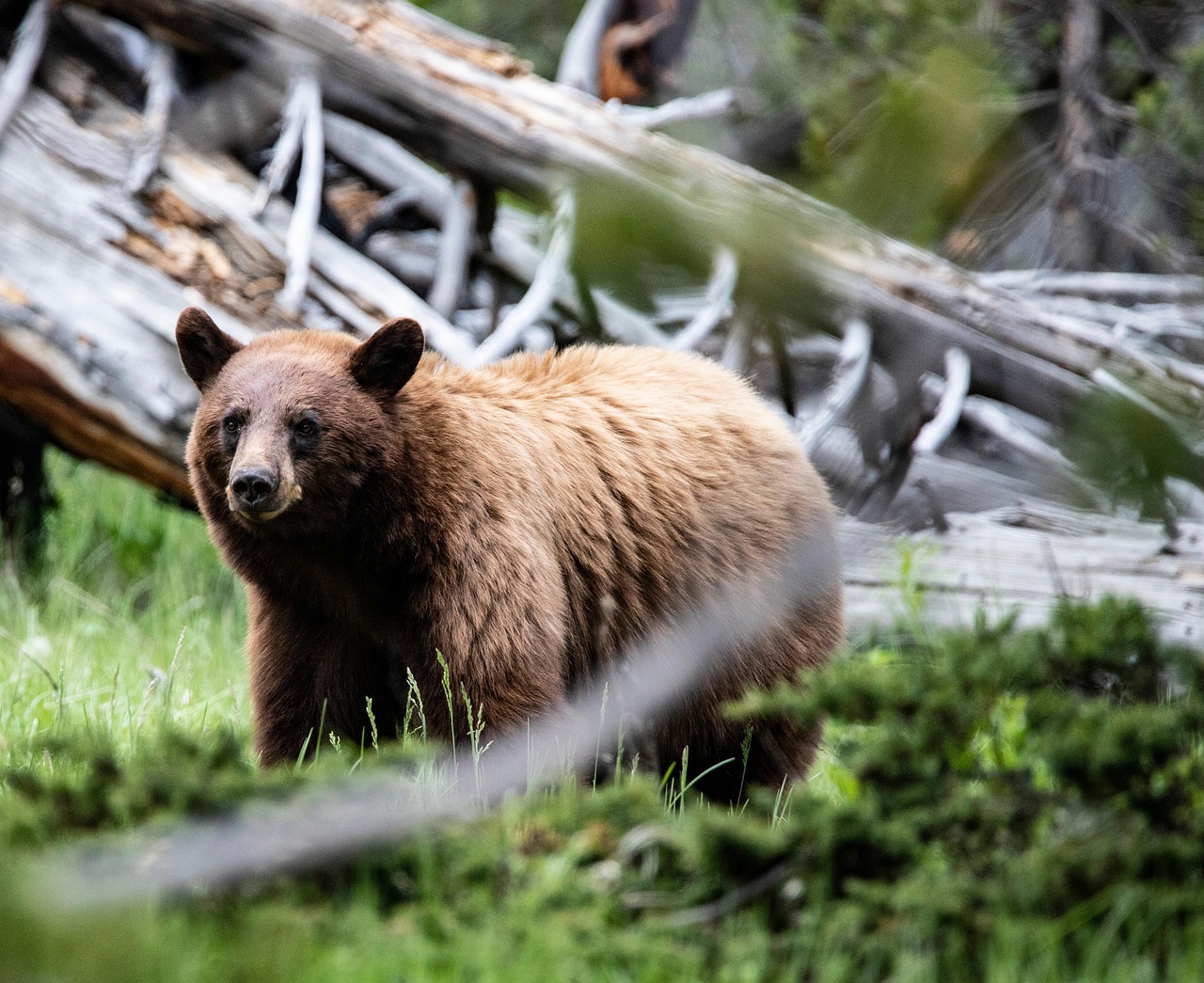
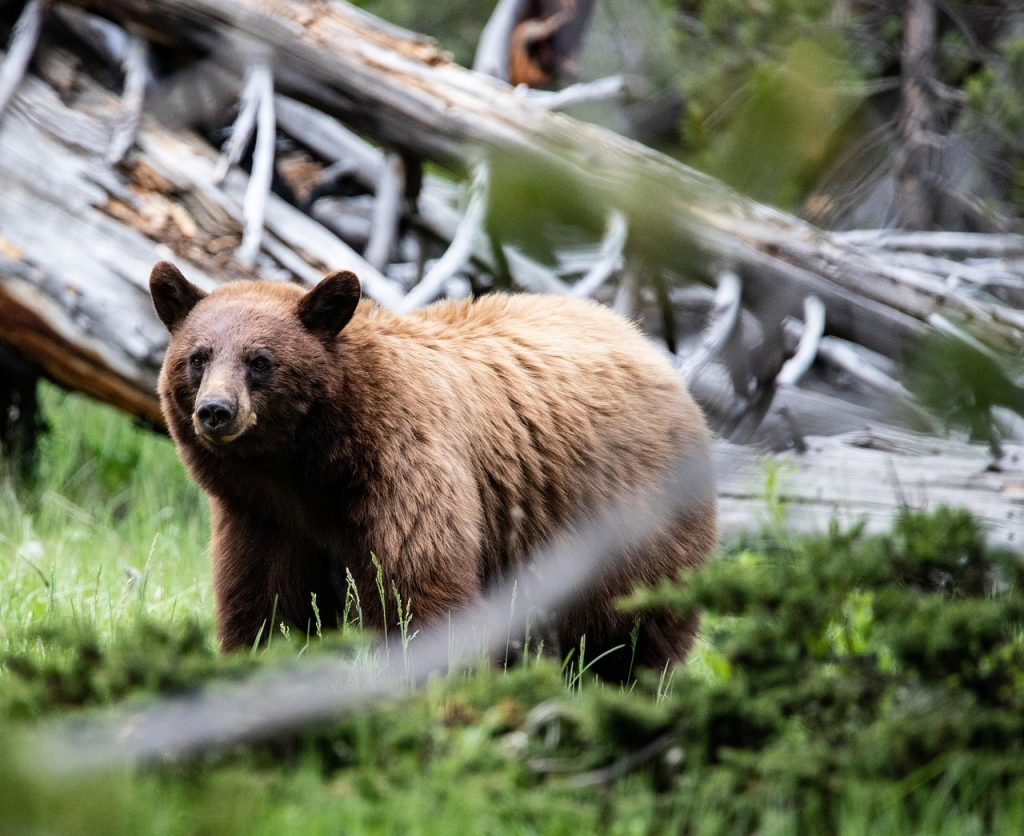
In Yellowstone, the biggest grizzly is not just a rumor told at trailheads. It is a number recorded during research handling, measured on a scale, and tied to a place and season. The National Park Service lists the heaviest known adult male in the Greater Yellowstone Ecosystem at 715 lb, a weight that sits near the ceiling for interior grizzlies. In Oct. 2023, biologists weighed another massive male at 712 lb, a near match that reminded everyone how rare true giants are.
Grizzly 566 And A Near-Record Weigh-In
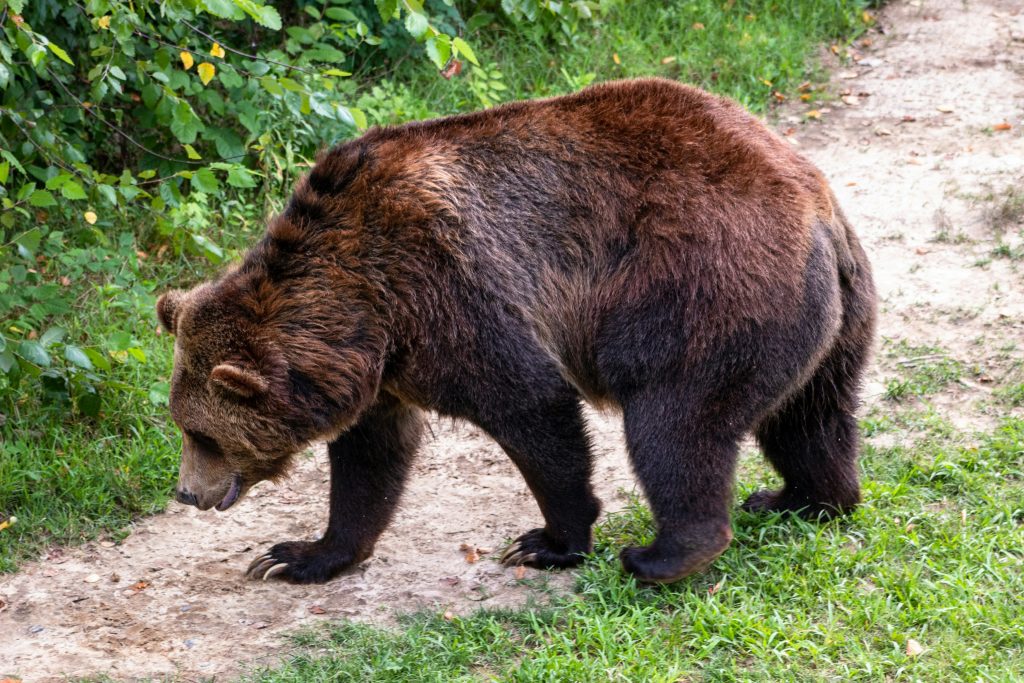
In Oct. 2023, Yellowstone biologists trapped Grizzly 566 during routine monitoring and watched the scale climb to 712 lb, with about 41% body fat, an almost unreal condition heading into den season after a productive summer near the park’s core. Interagency Grizzly Bear Study Team leader Frank van Manen told WyoFile that animals of that size are rare, and that the only heavier Yellowstone-region bear on record was the 715 lb male from 1977. The detail that sticks is how ordinary the moment looked on paper: a quiet capture, a startling number, and a bear released back into timber as the measurement joined decades of data used to compare seasons.
Hyperphagia Turns Fall Into A Feeding Frenzy
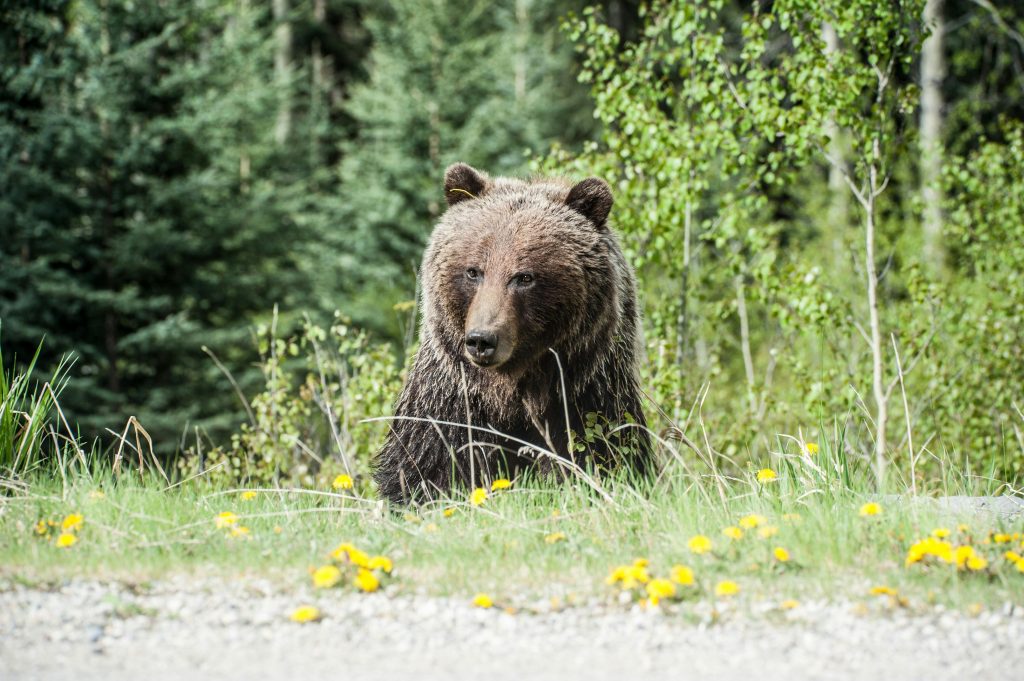
Grizzlies build the bulk that people remember in late summer and fall, when hyperphagia takes over and eating becomes an all-day priority rather than a background activity. Yellowstone’s grizzly facts note normal daily needs of roughly 5,000 to 8,000 calories in May through Sept., but during hyperphagia that demand can jump to about 20,000, a surge that favors bears who know where calories concentrate as daylight shortens and weather turns. That extra fat is not vanity, it is survival, because the same NPS facts note bears can lose about 15% to 30% of body weight during hibernation, and only a well-fed bear can afford the loss before dens close.
Size Peaks Late For Adult Males
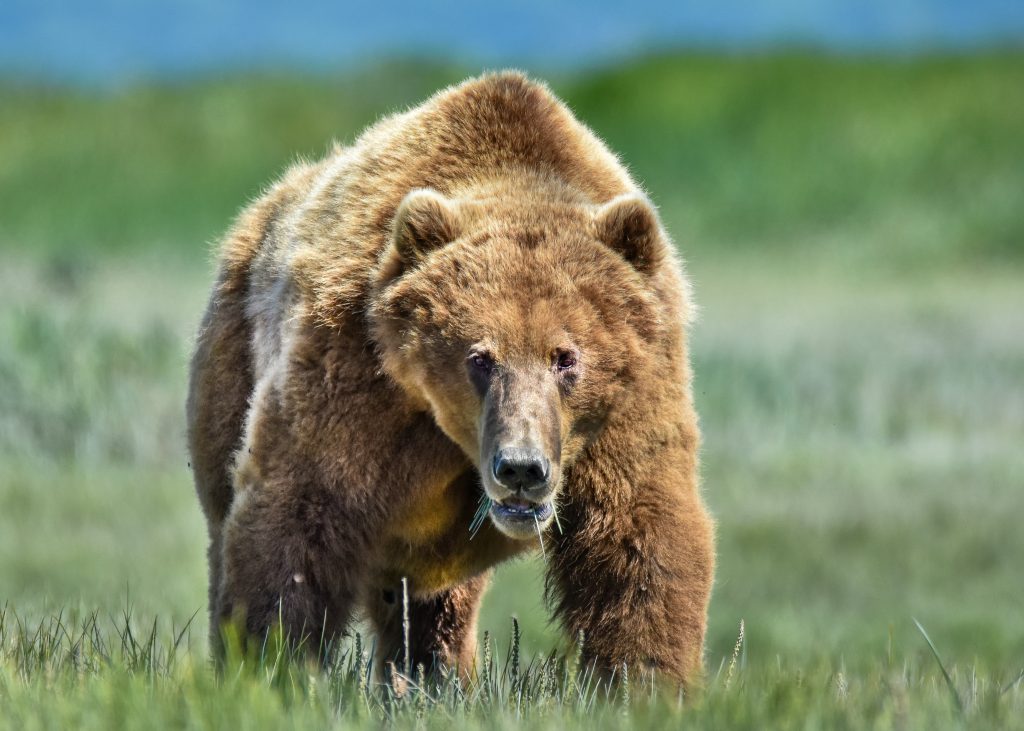
A young boar can look huge and still be unfinished, because male grizzlies often do not reach peak body size until about age 14, after years of learning seasonal food routes and winning space to feed undisturbed. WyoFile’s account of Grizzly 566 traces that arc in numbers: 232 lb at age 3 in 2007, about 393 lb in 2010, and then 712 lb when handled again in 2023 at age 19. That slow climb is a reminder that Yellowstone’s giants are built through winters survived, risks avoided, and spring seasons endured, when males can burn reserves while roaming widely, and the strongest bears claim carcasses, insects, and prime feeding edges early.
A Diet Wide Enough To Feed A Beast
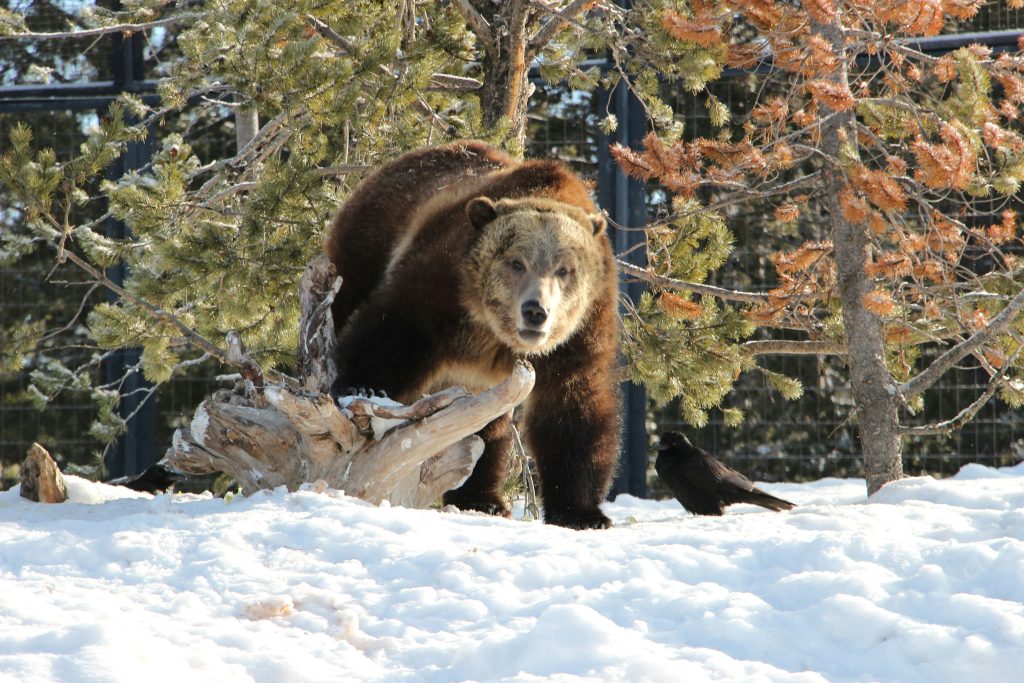
Yellowstone’s grizzlies are interior bears, so they do not have salmon runs to push weights into coastal extremes, yet the best males still get massive by staying flexible and opportunistic. WyoFile noted that grizzlies in the region eat across hundreds of species and food types, and that 2023 offered plentiful foraging, a strong recipe for exceptional body condition in fall. Roots, grasses, insects, pine nuts, and carcasses do not sound glamorous, but stitched together across a season, and repeated year after year, they can create the steady surplus that turns an adult male into a true heavyweight, where small timing advantages add up fast.
What It Takes To Weigh A Wild Grizzly
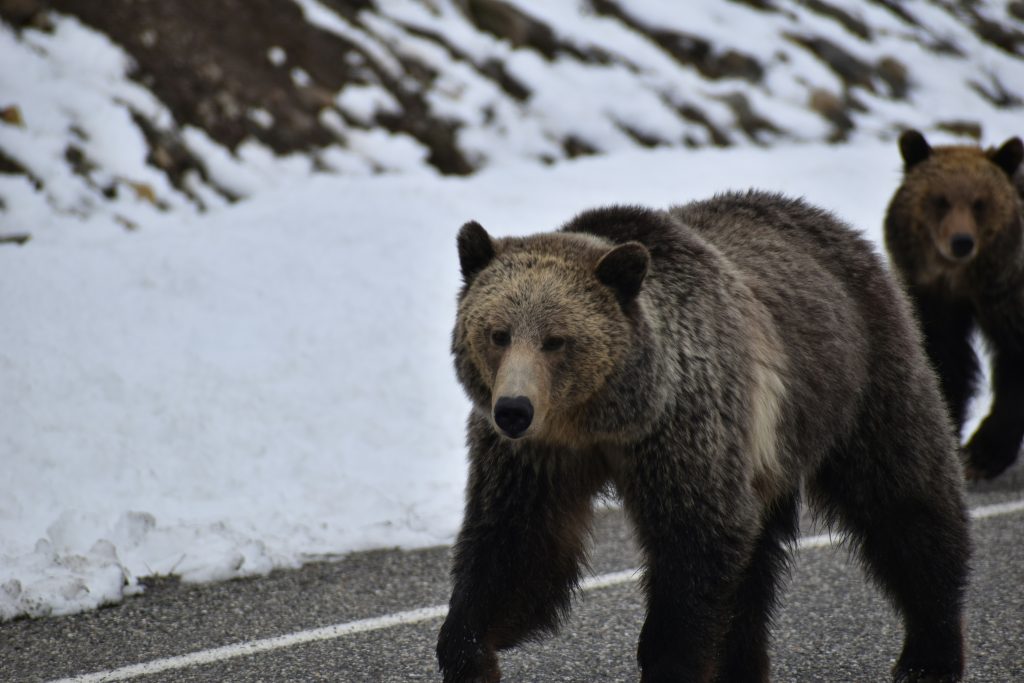
A record weight is earned in the least dramatic way: a bear is safely immobilized by trained teams, data is collected, and the animal is weighed on a scale as part of monitoring work, not as a spectacle for visitors. That is why the 715 lb benchmark and the 712 lb near miss matter, because they come from the same careful process rather than eyeballing a bear in tall grass or judging by paw prints in mud. Photos can exaggerate with angle, wet fur, or a raised posture, but a scale forces honesty, and the full record often includes sex, age, body fat, and location, so the number informs long-term trends and management choices across decades.
The Record Says As Much About Habitat As Muscle
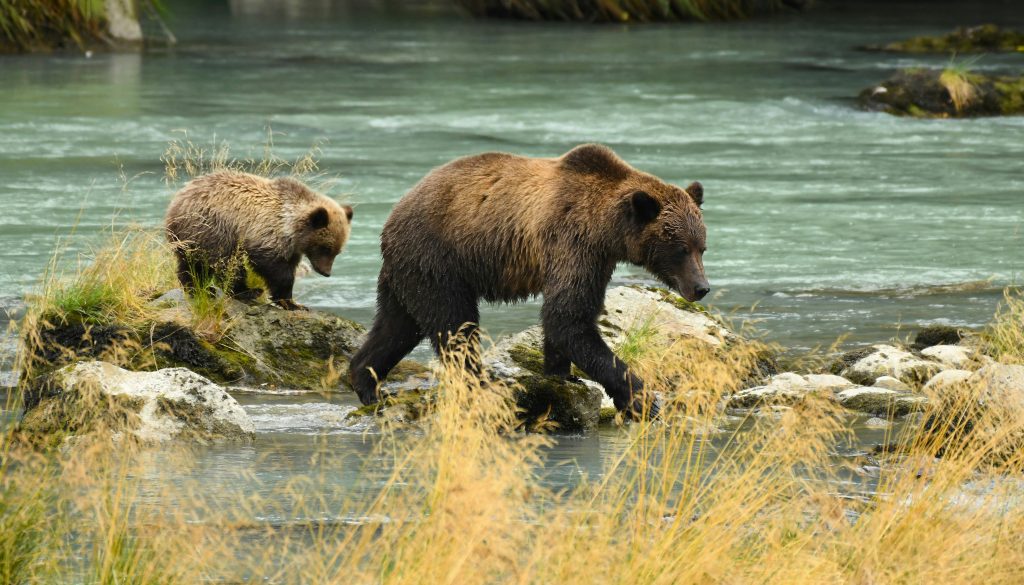
A 700-plus-pound bear is not just an individual achievement, it is also a habitat signal, because size requires space, food pulses, and enough security to feed without constant conflict. Yellowstone’s bear ecology notes male home ranges can span about 800 to 2,000 square miles, and that wide wandering is how bears follow seasonal foods from valleys to high country and back again. Yellowstone’s grizzly facts list human causes as 85% of grizzly mortality in the ecosystem and note typical lifespans of 20 to 30 years, so a giant that reaches old age hints at both good foraging and rare luck around roads, hunters, and boundaries, even as key foods shift.
The Optical Illusion Of True Scale
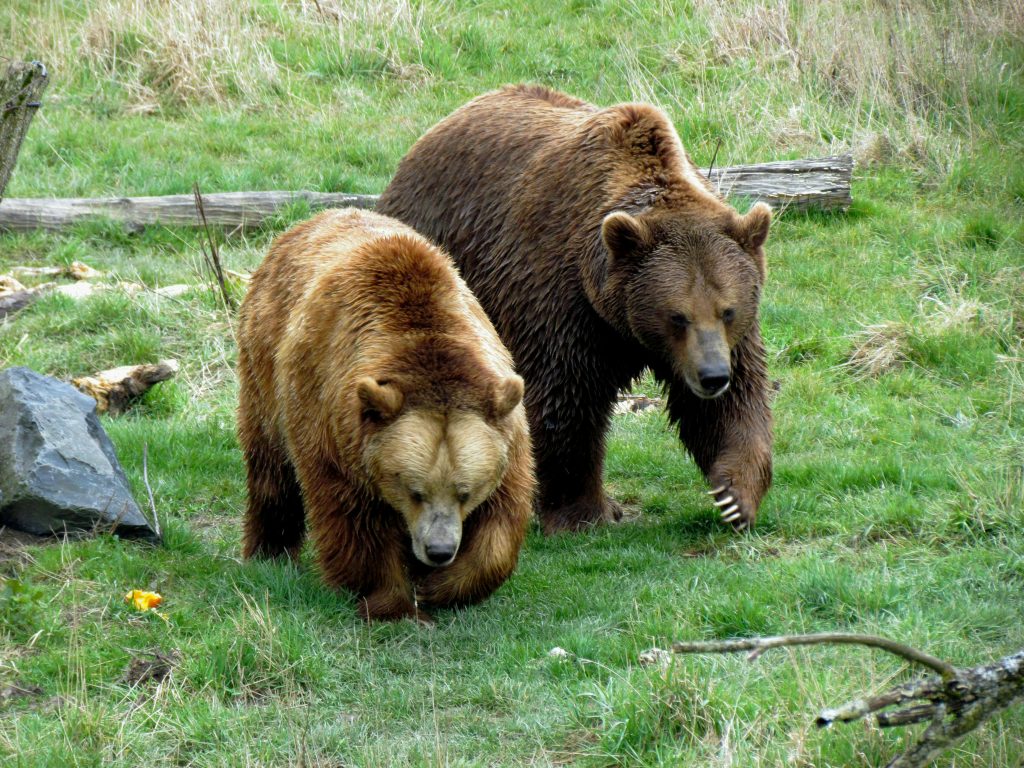
Most people misjudge grizzly size until one steps into open light, because height is only part of the story and mass hides in shoulders, hump, and heavy forequarters. NPS notes adults stand about 3.5 feet at the shoulder and that males commonly weigh 200 to 700 lb, numbers that make a verified 700-plus bear feel unreal when it moves with quiet ease across a meadow. On hind legs, the silhouette can look towering, and when the bear pivots, claws averaging 1.8 inches, with the longest reaching 5.9 inches, a muscular hump, and a plantigrade stride hint at strength built for digging and dominance, backed by an ability to run up to 40 mph.
Why Yellowstone’s Biggest Is Not The World’s Biggest
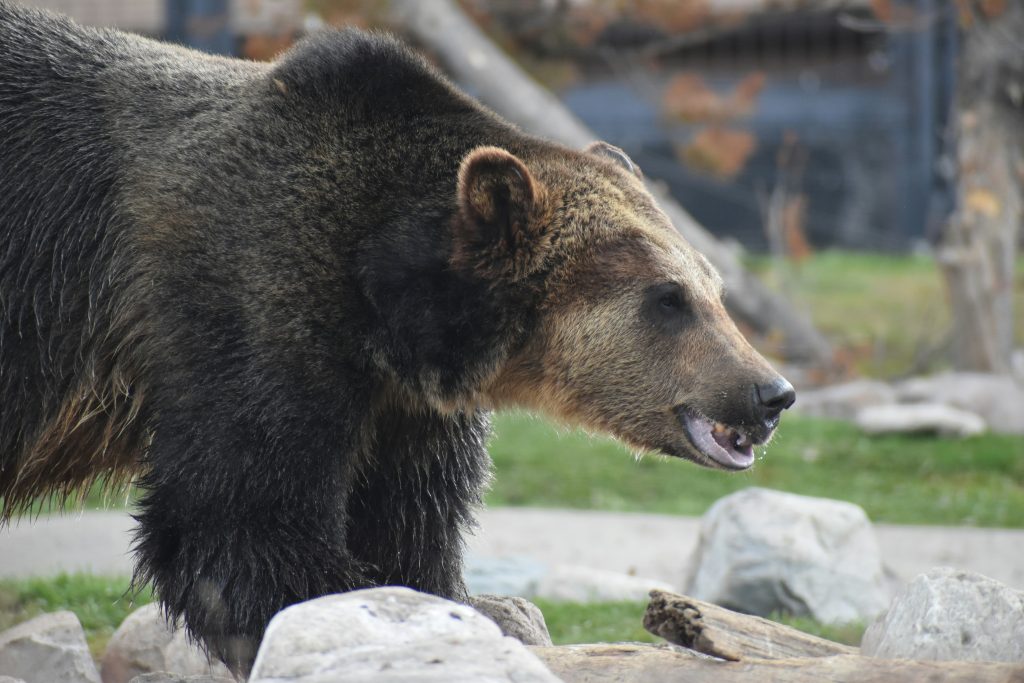
Every summer brings claims of 1,000-pound Yellowstone grizzlies, but the credible local record is lower, and the National Park Service places the heaviest known adult male in the Greater Yellowstone Ecosystem at 715 lb. Coastal brown bears can be heavier because salmon and marine foods pack richer calories, while Yellowstone’s interior menu asks for more miles and more time to reach peak condition, often in a shorter growing season. That difference does not shrink Yellowstone’s giants; it sharpens their story, because a 715 lb record built without ocean calories is proof of how efficient a bear can become in a demanding, landlocked ecosystem.