

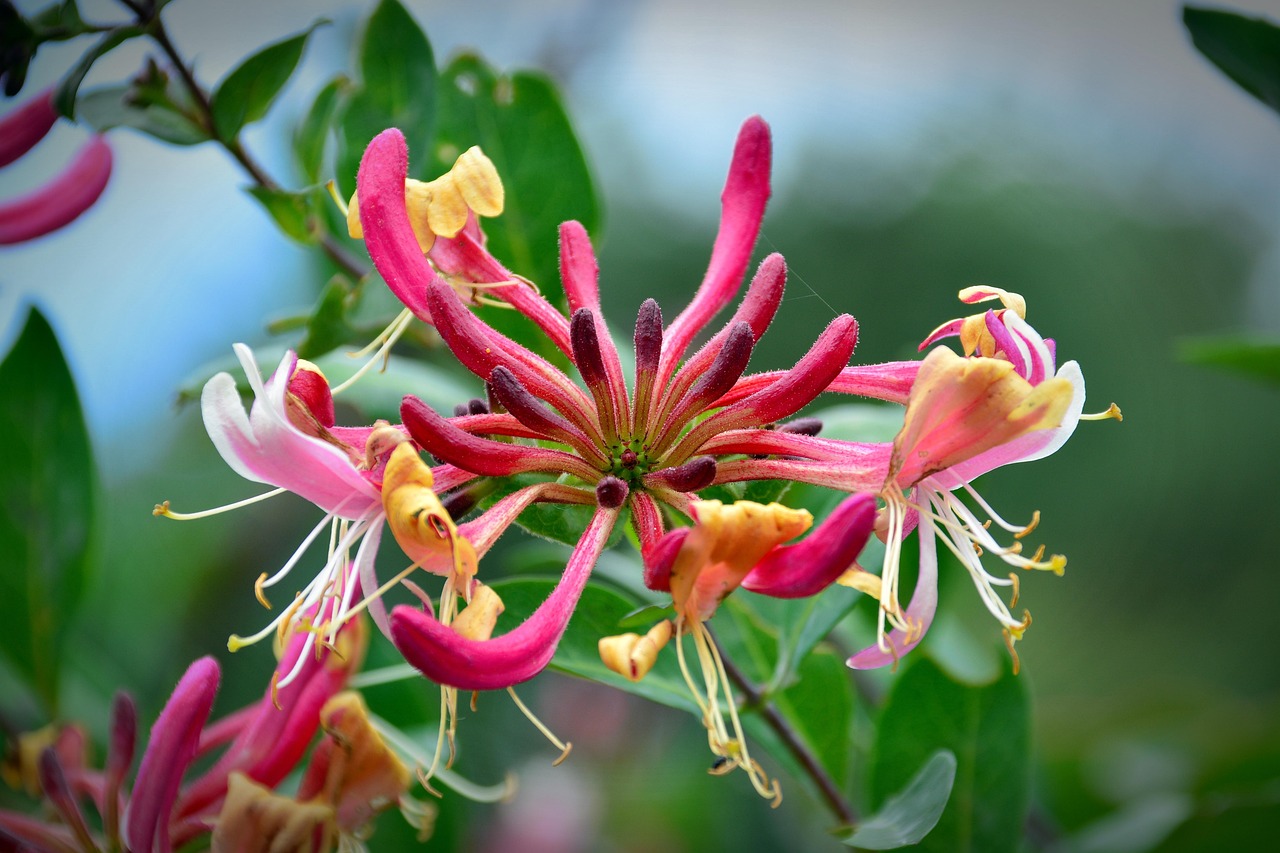
Fragrant vines can make a yard feel cinematic, turning a plain fence into a wall of perfume and bloom. Here’s the catch: many of the most romantic climbers are also the most determined, spreading by runners, seed, or sheer woody force. Garden educators often see the same story, a beautiful plant added for scent that later smothers shrubs, slips into neighboring lots, or escapes into nearby woods. These eight stunners can still be grown in the right place, but they reward restraint, pruning, and local invasive checks from the start.
Japanese Honeysuckle (Lonicera japonica)
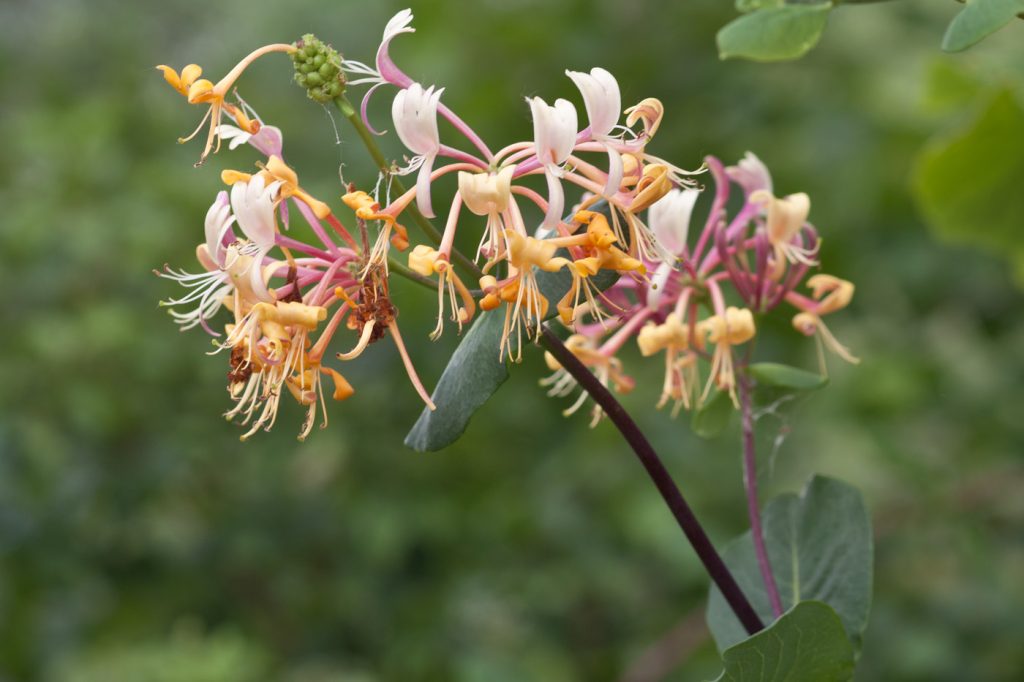
Japanese honeysuckle smells like warm honey on a summer evening, then quietly slips past fences and into nearby thickets once birds spread its berries. Federal and regional invasive-plant references describe it as a vigorous twining vine that can blanket ground layers and climb into shrubs and saplings, cutting light to native wildflowers, especially along woodland edges and roadsides. Keeping it in bounds usually takes a hard annual cutback, pulling rooted runners, training it to a contained trellis, and bagging seed-bearing stems for trash, with quick spring patrols, or swapping to native honeysuckles that behave better.
Chinese And Japanese Wisteria (Wisteria sinensis, W. floribunda)
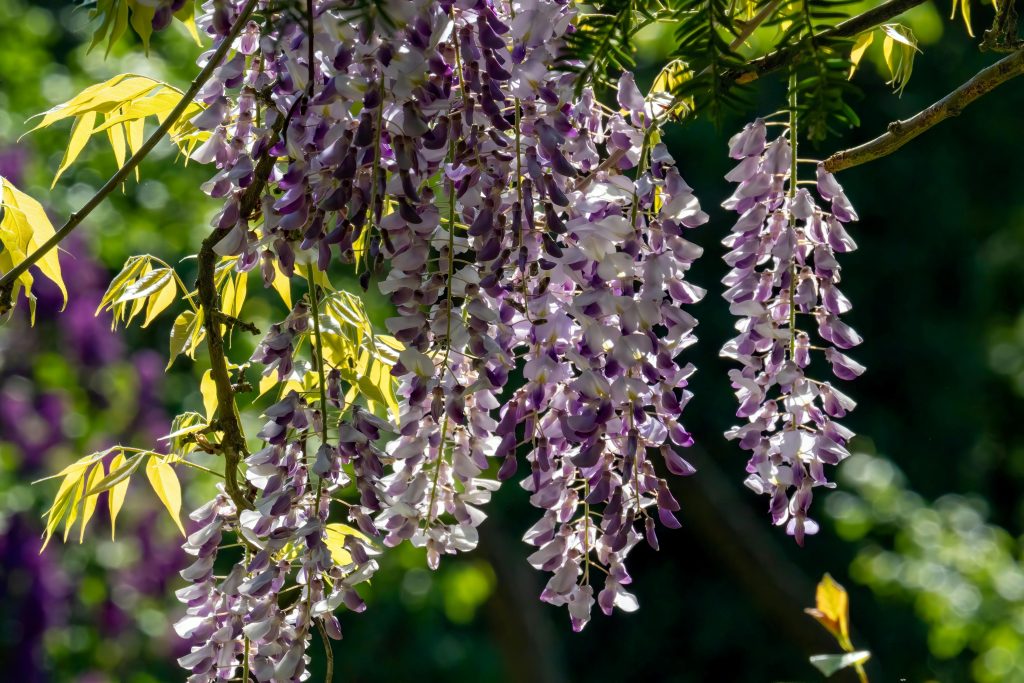
Wisteria’s perfume can stop a walkway in its tracks, but the Asian species often grows with a kind of strength that surprises new gardeners. University extension and invasive-plant guides warn that Chinese and Japanese wisteria can escape into natural areas, twine tightly around trunks, and even girdle trees as stems thicken, sometimes rooting where stems touch soil. Smarter planting means choosing American wisteria, pruning in summer and winter, cutting seedpods before they drop, and keeping vines on a stout support away from trees, because one missed season can turn a romantic arbor into a heavy wood tangle.
Sweet Autumn Clematis (Clematis terniflora)
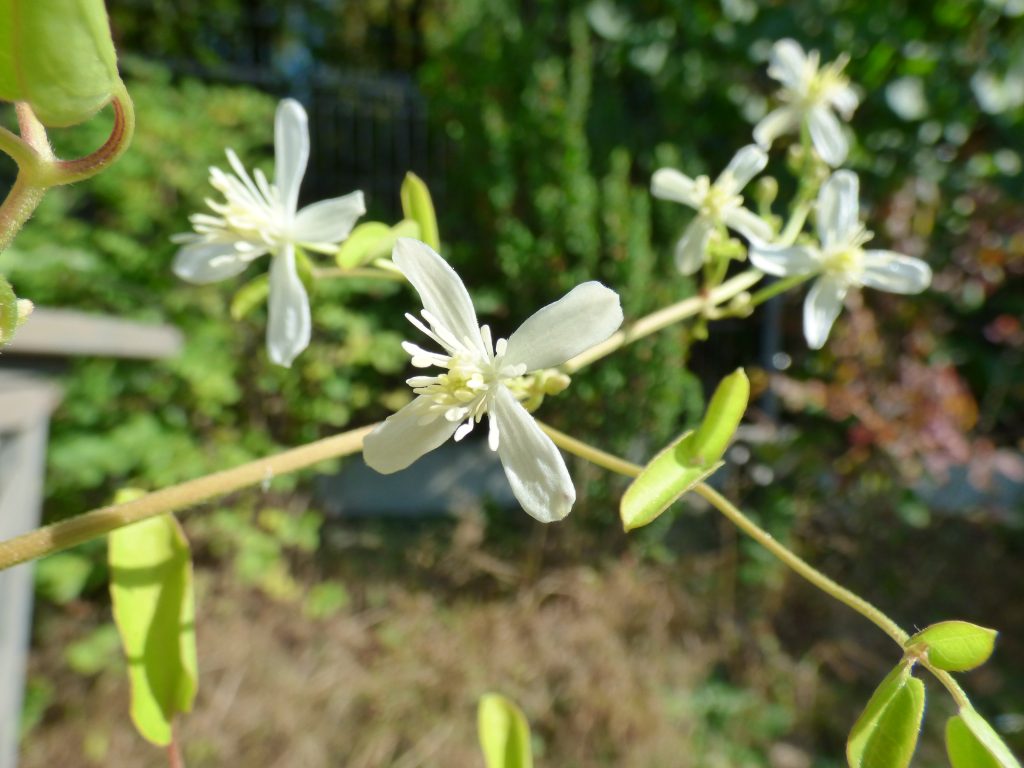
Sweet autumn clematis smells like vanilla and sugar in late summer, then races across fences with a foamy look that hides how quickly it spreads. Extension agencies and invasive plant programs describe it as a nonnative vine reported invasive across multiple eastern states, where it can smother shrubs and young trees and seed into forest edges, rights-of-way, and disturbed ground. Gardeners who keep it do so with strict containment: deadheading before seed set, cutting it back hard after bloom, and replacing it with native clematis where possible, because the fragrance comes with a habit of taking every inch.
Chocolate Vine (Akebia quinata)
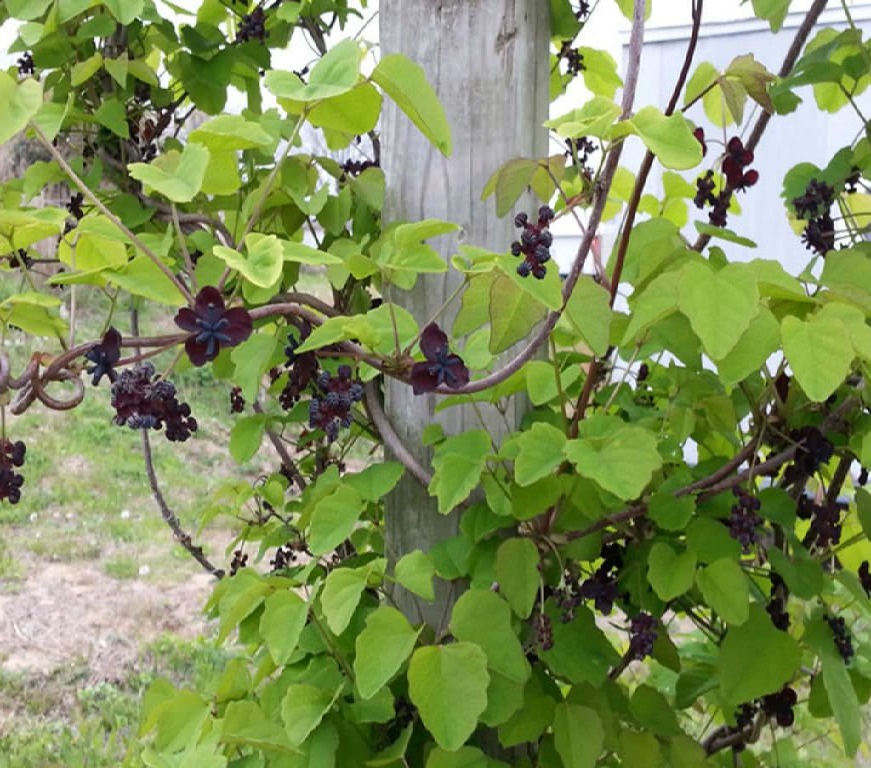
Chocolate vine earns its name when spring flowers release a faint cocoa scent, and the charm can distract from how fast the plant moves. Conservation groups and invasive-plant atlases describe Akebia quinata as a vigorous climber that can form dense mats in forest understories, climb shrubs, and crowd out native plants once it escapes gardens, with rapid spring growth. Keeping it contained takes more than a trellis: stems that touch soil can root, so regular thinning, removing runners, and skipping fruiting varieties help, or a switch to better-behaved natives keeps fragrance from becoming a long cleanup job.
Coral Vine (Antigonon leptopus)
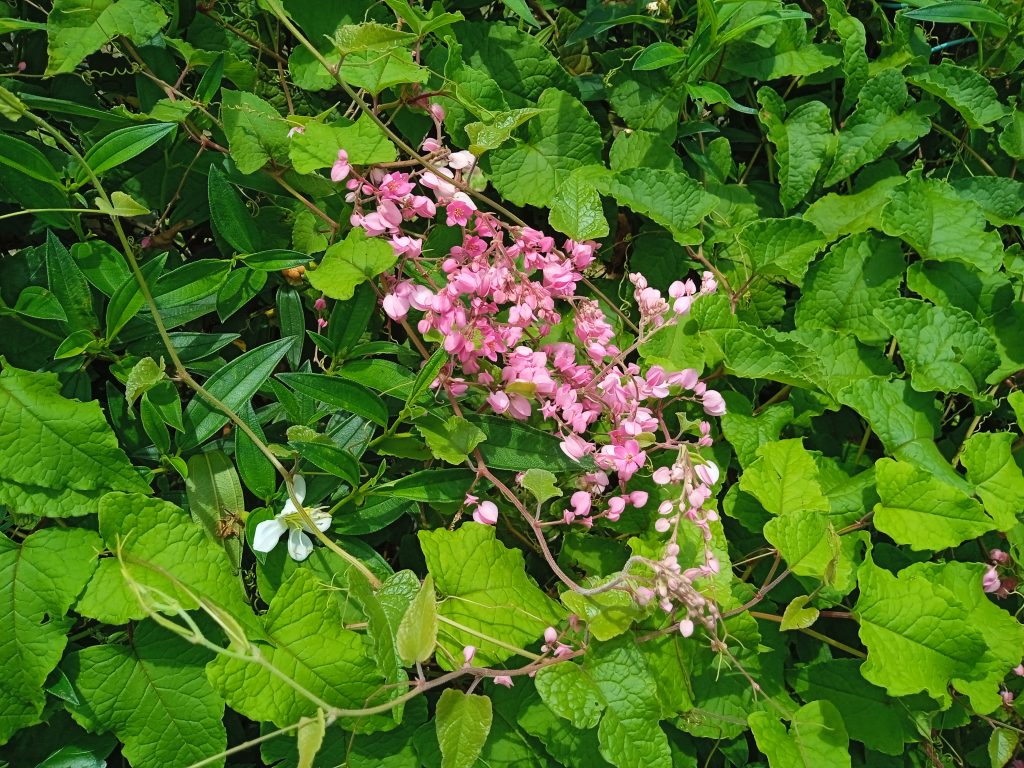
Coral vine drapes fences in pink blooms that can carry a light, sweet scent on warm afternoons and pollinators often arrive in waves. UF/IFAS and other invasive-plant references flag Antigonon leptopus as high invasion risk in Florida and note its tuberous roots and vigorous growth which let it rebound after cutting and spread beyond garden lines. Containment works best with firm boundaries: growing it only where escape cannot happen, cutting flowers before seed, digging out tubers, and choosing native flowering vines in sensitive regions, because once established, it can turn into a repeating removal project.
Multiflora Rose (Rosa multiflora)
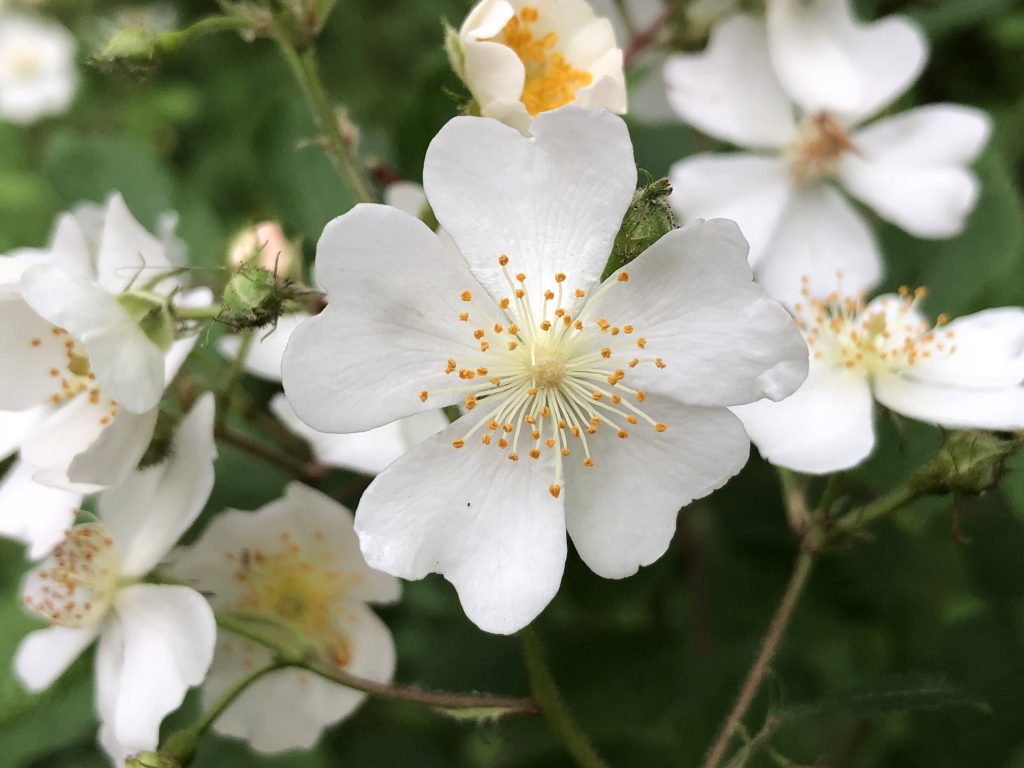
Multiflora rose can smell sweet in spring, with clusters of small white blooms that read as cottage charm until the canes start arching and snagging everything nearby. Invasive-species programs describe it as forming dense thickets that crowd out native plants and note it is regulated or listed as invasive in many states as birds spread the hips far. Gardeners keep it from taking over only with firm control: cutting and digging out roots, bagging hips, mowing resprouts, and wearing gloves, because seeds can stay viable for 10 to 20 years, making replacement with noninvasive climbers the calmer long-term move.
Carolina Jessamine (Gelsemium sempervirens)
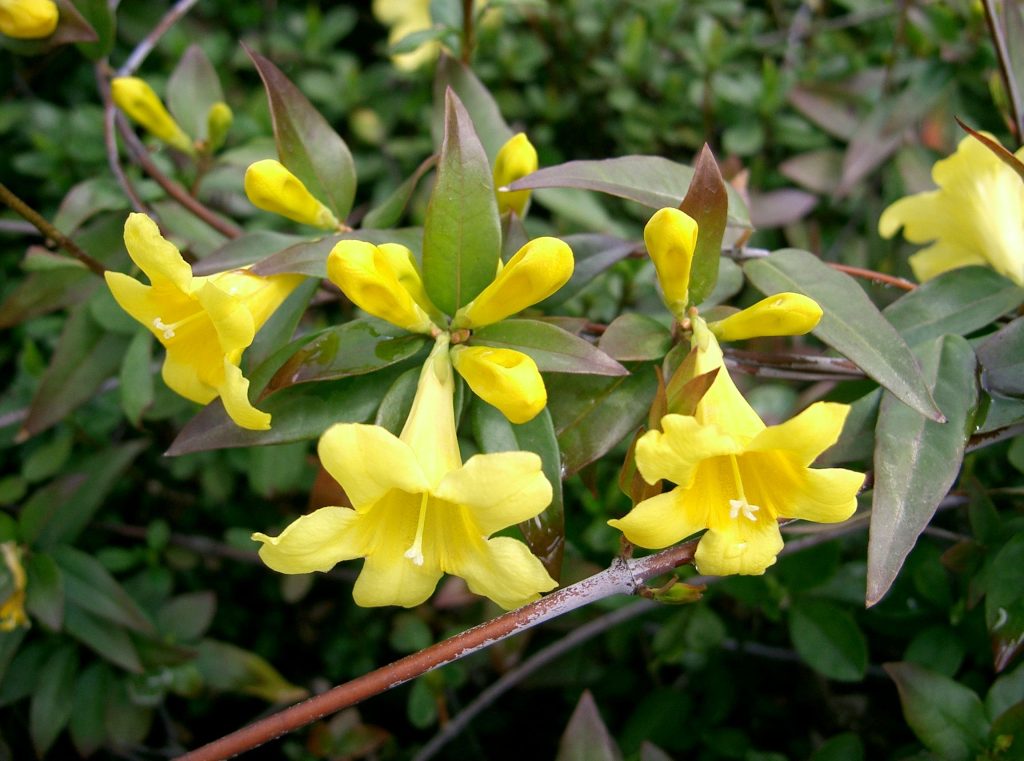
Carolina jessamine brings a sweet scent and canary-yellow trumpets from February to May, then keeps climbing with glossy evergreen foliage that makes fences look finished fast. NC State and other plant references describe it as a vigorous twining vine, and in warm climates it can sprawl into nearby shrubs, climb small trees, or run along rails if it is not guided and cut back. Gardeners keep the beauty without the takeover by training it early, pruning after bloom, and placing it where wandering stems are easy to spot, while remembering all parts are toxic if eaten, which matters around kids and pets. That caution counts.
Star Jasmine (Trachelospermum jasminoides)
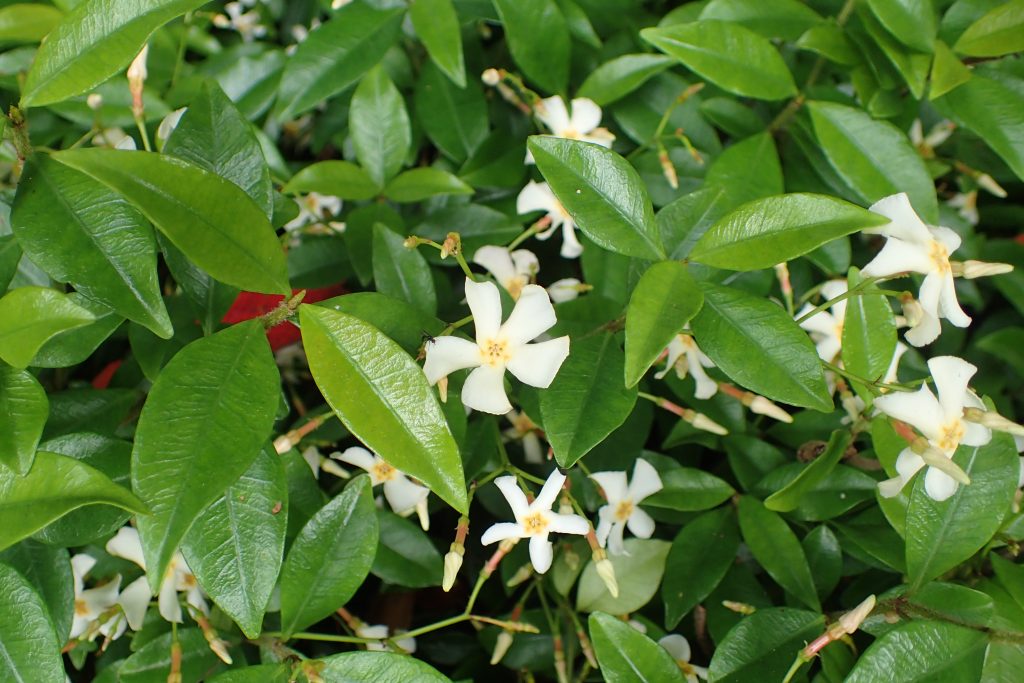
Star jasmine perfumes spring with creamy white pinwheel flowers, and its clean evergreen look makes it easy to plant just a little along a fence or patio. Garden guidance notes that Trachelospermum jasminoides spreads rapidly by runners, which means it can creep under shrubs and across beds when used as groundcover, especially in mild climates where growth barely pauses. Keeping it polite usually takes edging, frequent trimming, pulling stray runners before they root, and choosing a vertical trellis form over a sprawling mat, or using a large container so fragrance stays close and the roots stay boxed. Regular trims help.