

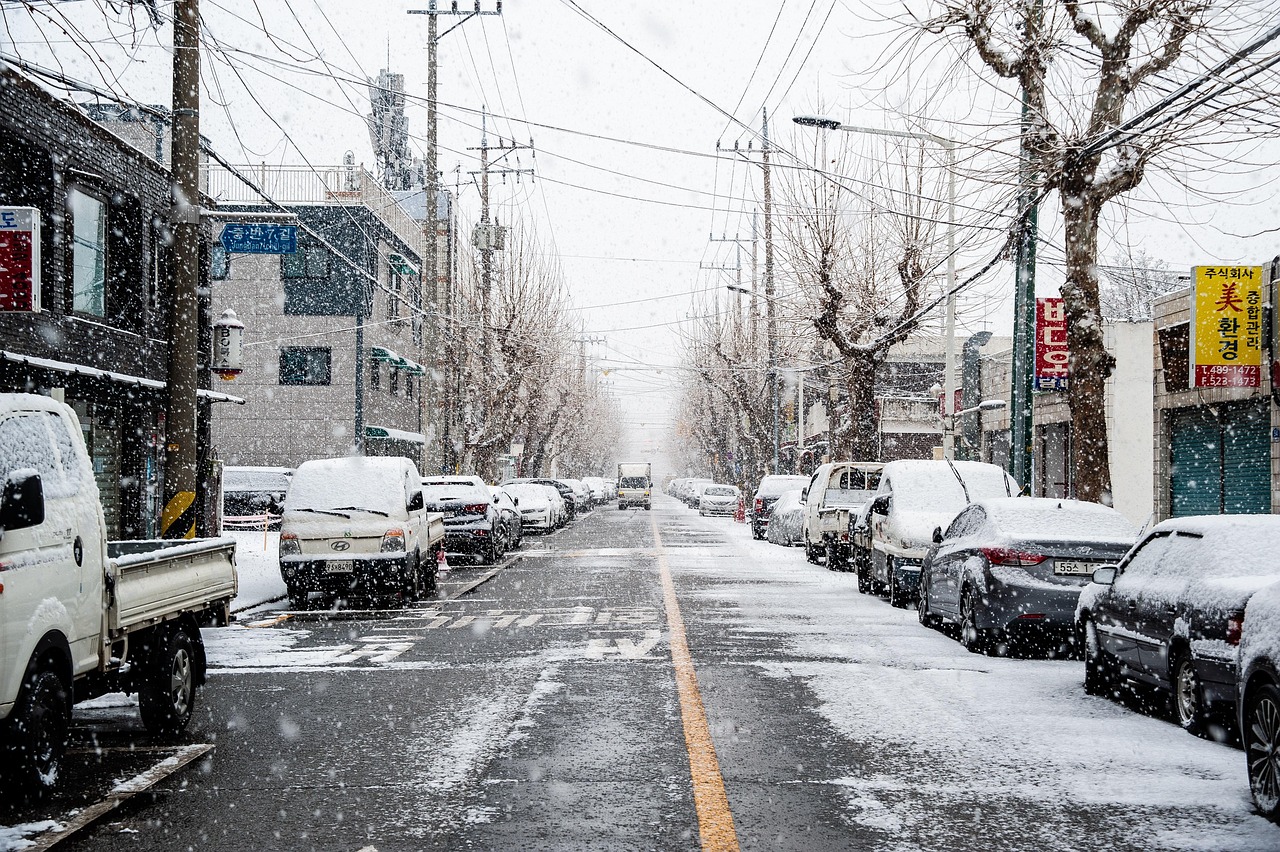
The South is not built for weeklong ice, and this stretch of subfreezing weather has exposed weak links. In northern Mississippi, interstates turned into long lines of stalled cars and semis, while parts of Tennessee sat dark under snapped limbs and downed lines.
Mississippi sent 135 snowplows and National Guard crews with wreckers to pry traffic loose, but tens of thousands stayed without power. Across Tennessee and Mississippi, about 332,000 homes and businesses were still out Wednesday. Officials warned that many households were running low on food, medicine, propane, and other basics as cold persists into February.
Ice-Clogged Interstates
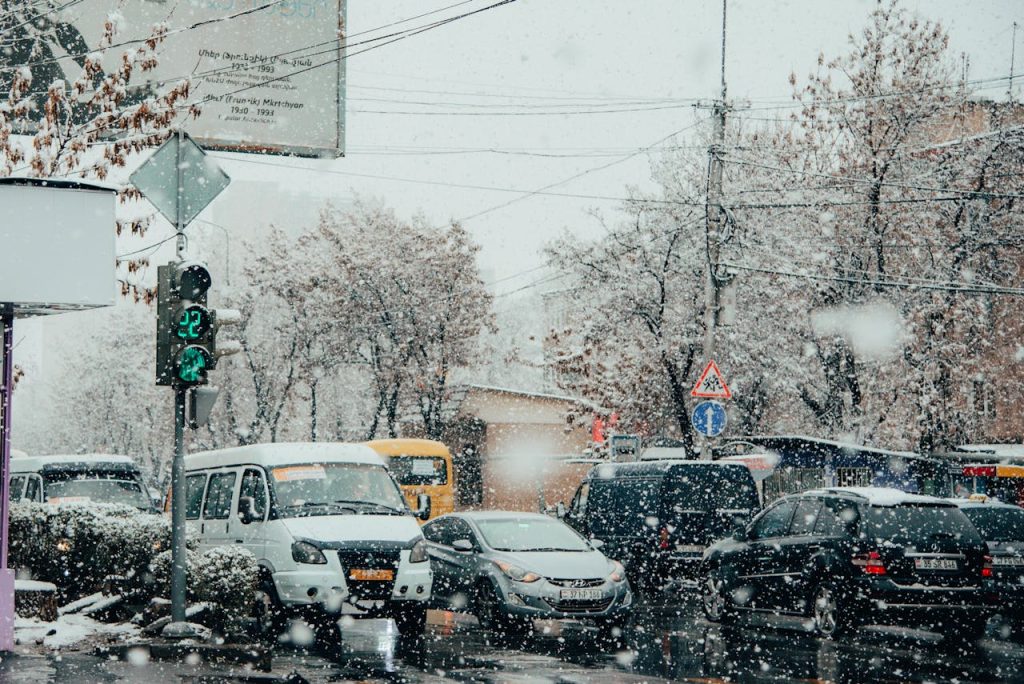
Mississippi’s interstate mess began when drivers compressed into the single lanes crews tried to keep open for emergency vehicles. On I-55 and I-22, cars and semis lost traction, stopped, and then pinned the traffic behind them for hours.
Abandoned vehicles hardened into place, turning ramps into dead ends and forcing responders to thread through narrow gaps. Officials said it was the state’s worst winter storm in more than 30 years, and the roadway started to look like a parking lot. The jam also slowed the delivery of blankets, water, and fuel, because even a short detour meant gambling on untreated side roads at night.
Snowplows And Wreckers On Rotation
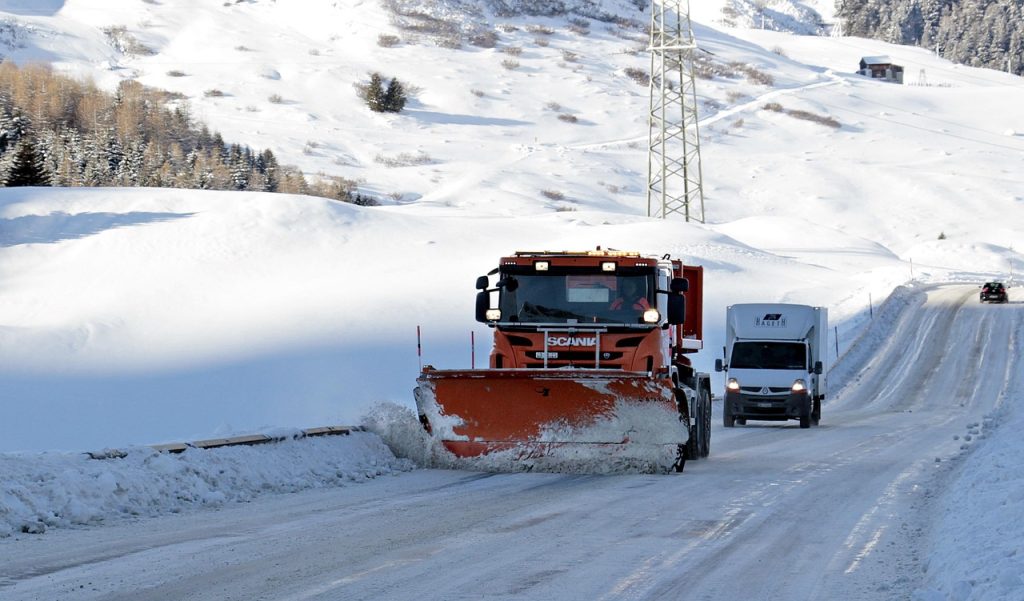
Mississippi dispatched 135 snowplows and National Guard troops equipped with wreckers to the worst stretches of I-55 and I-22. Crews were trying to protect open lanes for ambulances and wreckers, but traffic kept squeezing back in, and the ice kept winning.
The work was slow because every tow happened on a surface that offered almost no grip, and a single spun tire could reset the whole line. Passenger vehicles were cleared by about 3 a.m. Wednesday, yet long lines of commercial trucks still waited to be moved. That delay also forced emergency supply drivers onto longer routes, burning time and fuel when cold homes needed both.
A Night Measured In Minutes Of Heat
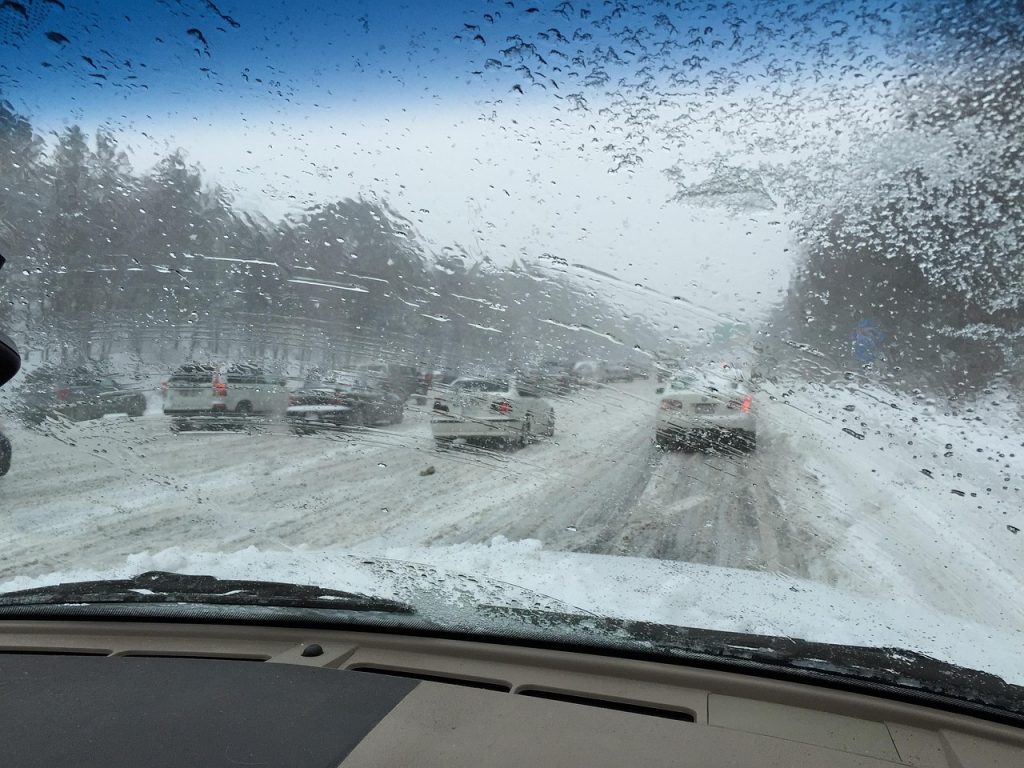
For some travelers, the cold turned into a minute-by-minute plan. One driver stuck on I-22 for more than 14 hours said the fear was not boredom, but the question of whether the car would stay warm enough.
She and a friend were traveling from Florida to Oklahoma when traffic stopped around midday Tuesday and the single lane quit moving. They cycled the engine, warming up for 15 minutes, then shutting it off for 45 minutes to conserve fuel, while phones dimmed and breath fogged windows. Around 3:30 a.m. Wednesday, they followed a pickup down an empty lane and reached a gas station, relieved that blankets and layers held up.
When Preparation Runs Out
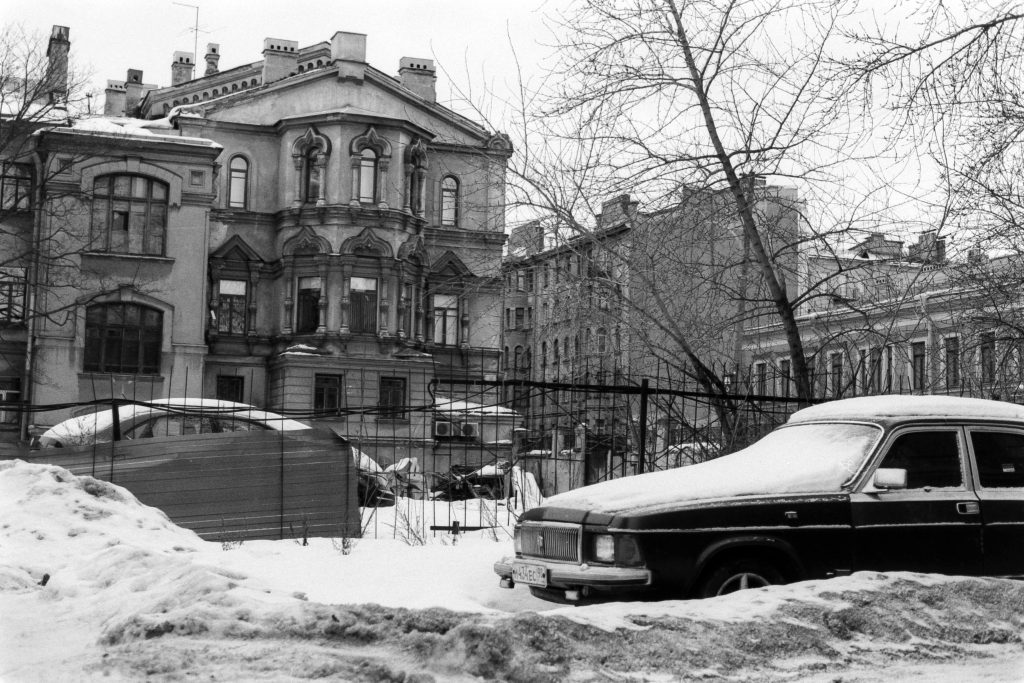
In Hardin County, Tennessee, near the Mississippi line, ice and fallen trees made roads impassable and kept many residents confined at home without electricity. Emergency managers said the problem was no longer short-term discomfort, but the shrinking supply of backup heat.
People who planned for a couple of days were running out of propane, wood, and kerosene, and some heaters sat beside empty cans. With fridges warming and medications harder to refill, the county worried most about older residents and anyone who needed regular care, yet responders could not reach every back road as the freeze lingered day after day.
Desperate Calls In Alcorn County
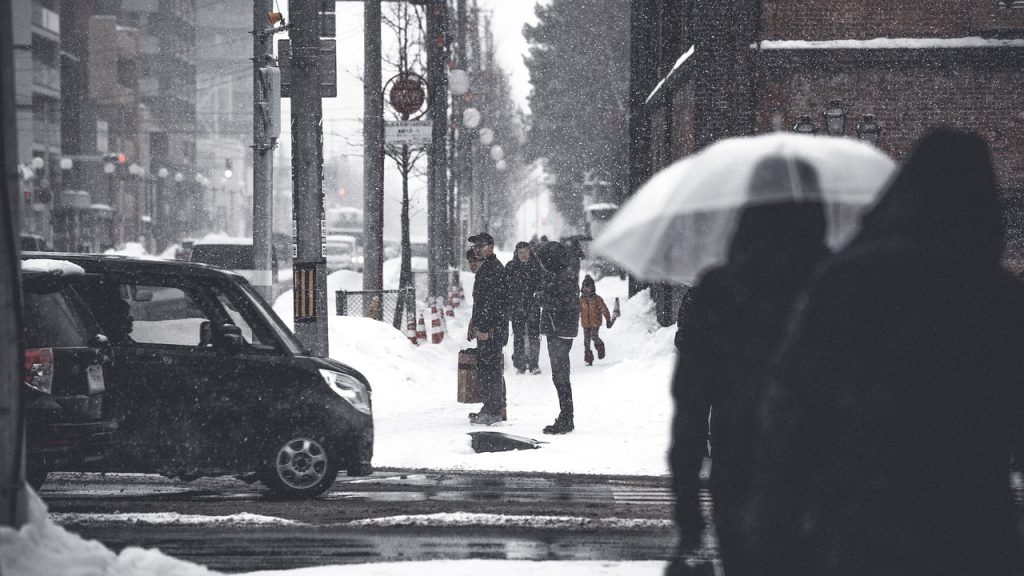
In Alcorn County, Mississippi, dispatchers fielded more than 2,000 calls from people running low on food, water, medication, and other basics. Some staff slept at work since Friday, keeping phones answered as roads stayed slick and the need kept rising.
Emergency managers said many calls sounded desperate, because even short trips were unsafe and some households were isolated by ice and downed trees. A local arena served as a warming shelter for about 200 people. The message stayed the same: the outage hurt, but the real strain was being stuck at home with no reliable way to restock or refill until crews could reach them.
Nashville’s Long Restoration Timeline
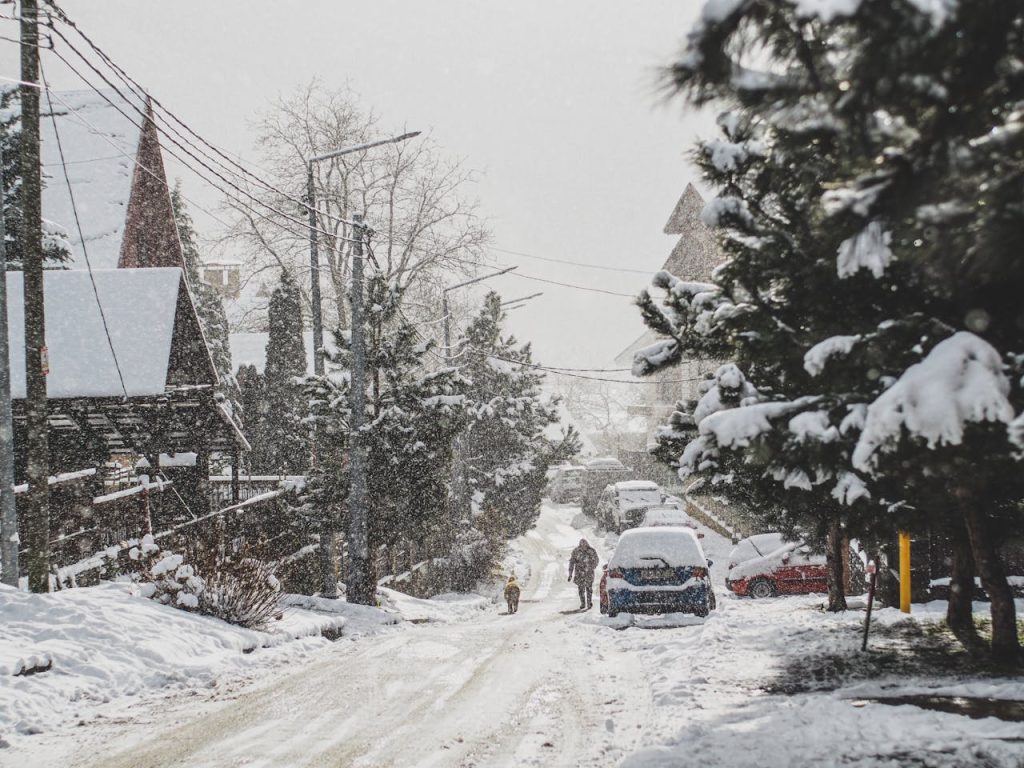
In Nashville, more than 100,000 outages remained as downed trees and snapped power lines blocked access to some neighborhoods. Repair work often started with clearing limbs just to reach the pole or transformer that failed, and crews moved street by street.
A Nashville Electric Service vice president said crews would need at least the weekend, and possibly longer, to restore power. One rebuilt span can stay useless until the next damaged segment is fixed. Each extra night in freezing temperatures pushed more residents toward warming centers, relatives, or businesses where phones could charge and hot drinks were available.
Outage Numbers That Stay Stubborn
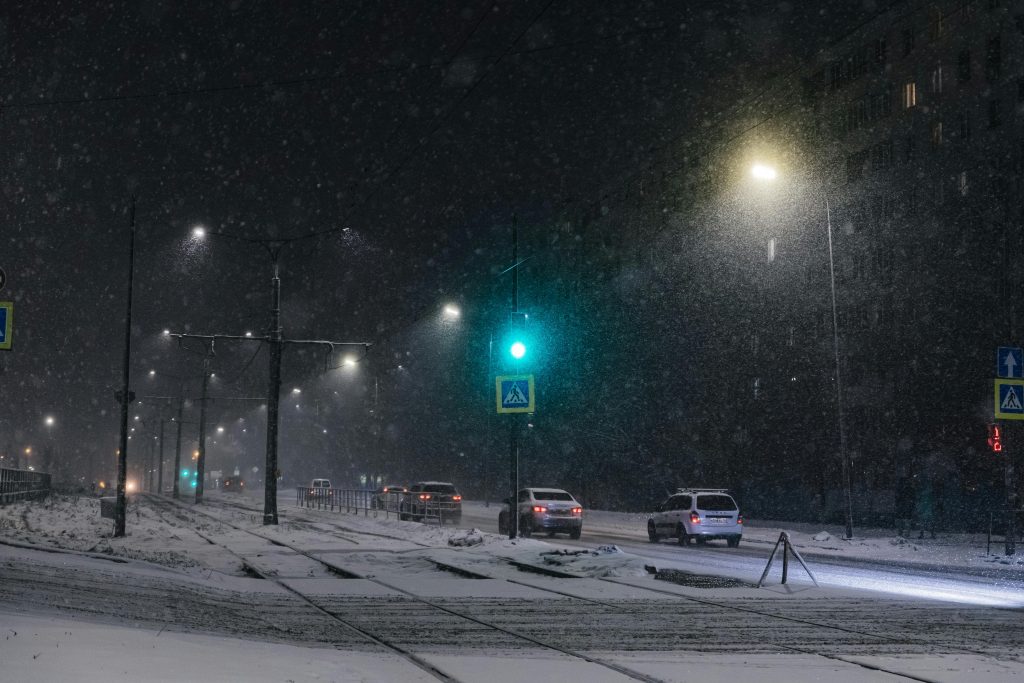
Across Tennessee and Mississippi, about 332,000 homes and businesses were without power Wednesday, and the number refused to fall quickly. Daytime highs stayed below freezing, then dropped again overnight, locking ice onto roads and limbs in counties not designed for it.
Mississippi officials called it the state’s worst winter storm in more than 30 years, a reminder of how rare sustained ice is here. When power is slow to return, small routines break first: cooking, charging, refilling prescriptions, and checking on neighbors a few miles down an untreated road. With stores closed or dark, even a full pantry starts to look thin.
Cold That Refuses To Let Go
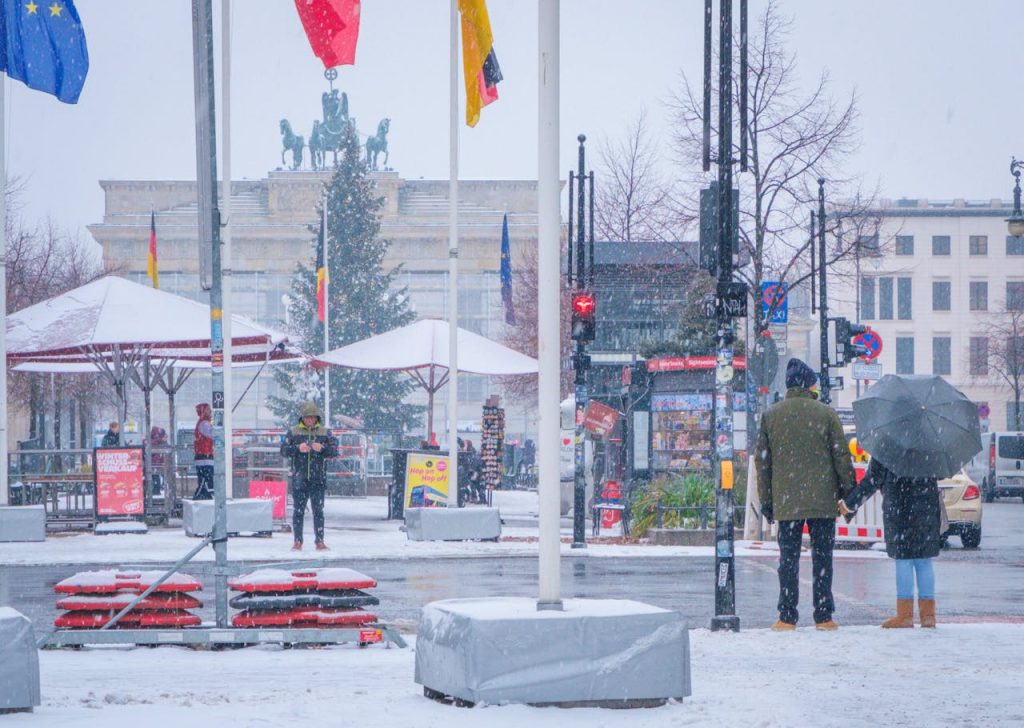
Forecasters said the subfreezing pattern would persist into February, with a new push of arctic air arriving over the weekend. That mattered because crews were still repairing lines, and each re-freeze can snap more limbs onto the same routes.
The National Weather Service said chances of additional significant snowfall were low in places like Nashville, yet temperatures were expected to drop into dangerously low single digits. Wind chills could fall below zero, which slows outdoor repair work and makes quick fixes harder. Meanwhile, the Carolinas and Virginia faced a growing chance of heavy snow, widening the zone of strain.
Supply Runs Forced Onto Detours
The interstate backups did more than trap travelers; they disrupted the routes used to move emergency supplies into towns already running low. Mississippi emergency officials said their drivers had to find alternate paths to avoid the standstill, a detour that sounds simple until every road is glazed.
Each reroute burned fuel and time, and it also narrowed the margin for mistakes when responders drove unfamiliar county roads in the dark. When a delivery arrives late, it is not just inconvenience. It can mean a household waiting another night for water, batteries, or the propane that keeps a room livable through the freeze.
Neighbors Filling The Gaps
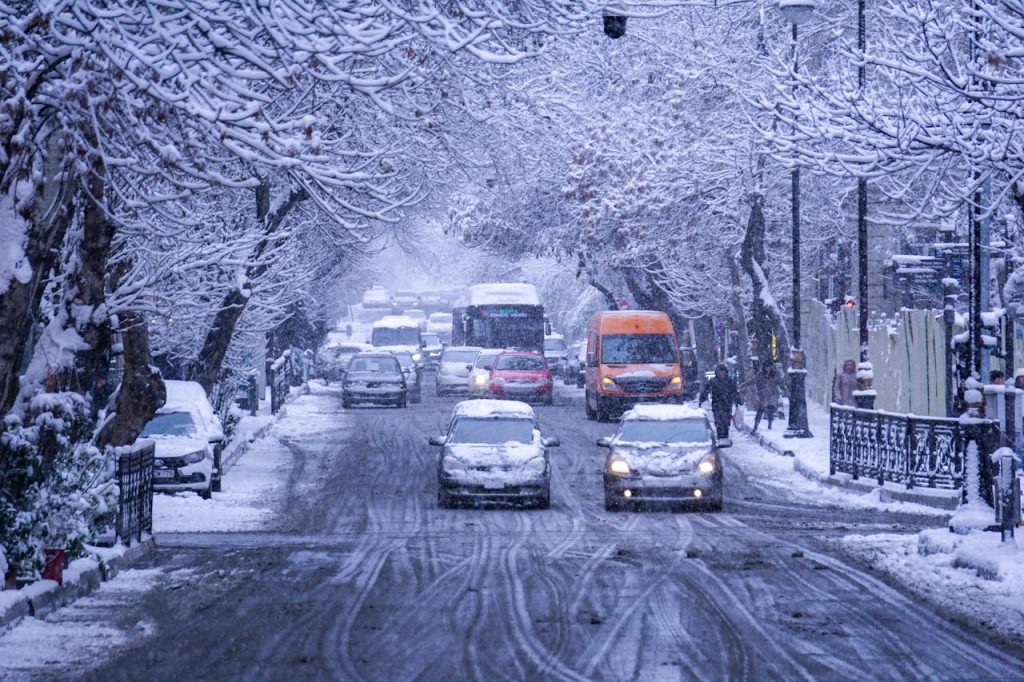
In Red Banks, Mississippi, authorities asked people with all-terrain vehicles to bring water, food, blankets, or gas to stranded motorists near I-22 and Highway 178. The request captured the reality: when ice shuts down the main road, help has to arrive by whatever can still move.
In nearby Holly Springs, residents reported long lines of stalled vehicles along the interstate and city streets, and truck drivers walked to any store or restaurant that still had power. No injuries were reported on the highways, but the mood was survival and patience. Neighbor-to-neighbor support became the quickest form of relief for now.
When the last lane finally opens, the hardest part is still inside the dark homes where routines have been stripped down to heat, light, and medicine. Crews will keep rebuilding line by line, and neighbors will keep checking on neighbors, until thaw and power arrive together.