

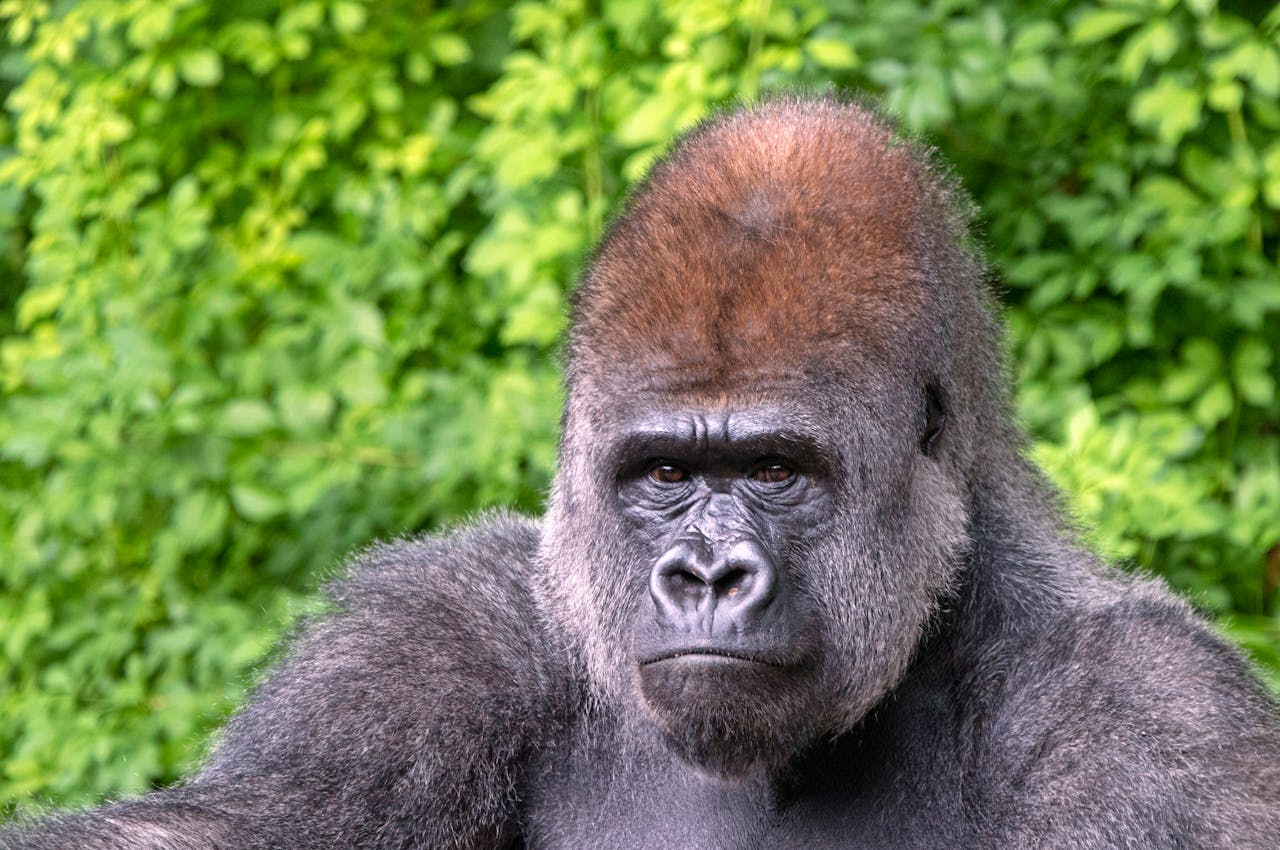
In nature, eye contact is not polite background noise. A steady stare can read as pressure, rivalry, or predatory focus, and animals respond based on their own rules, not human intent. What looks like curiosity to a hiker or photographer can land as a challenge in seconds.
Wildlife biologists and rangers often teach a quieter skill: stay aware without locking into a face-to-face contest. Softening the gaze, slowing the body, and creating space can prevent a bluff charge, a threat display, or a too-close approach. The goal is simple, calm distance that lets the animal choose an exit and lets the moment pass cleanly for both sides.
Mountain Lions
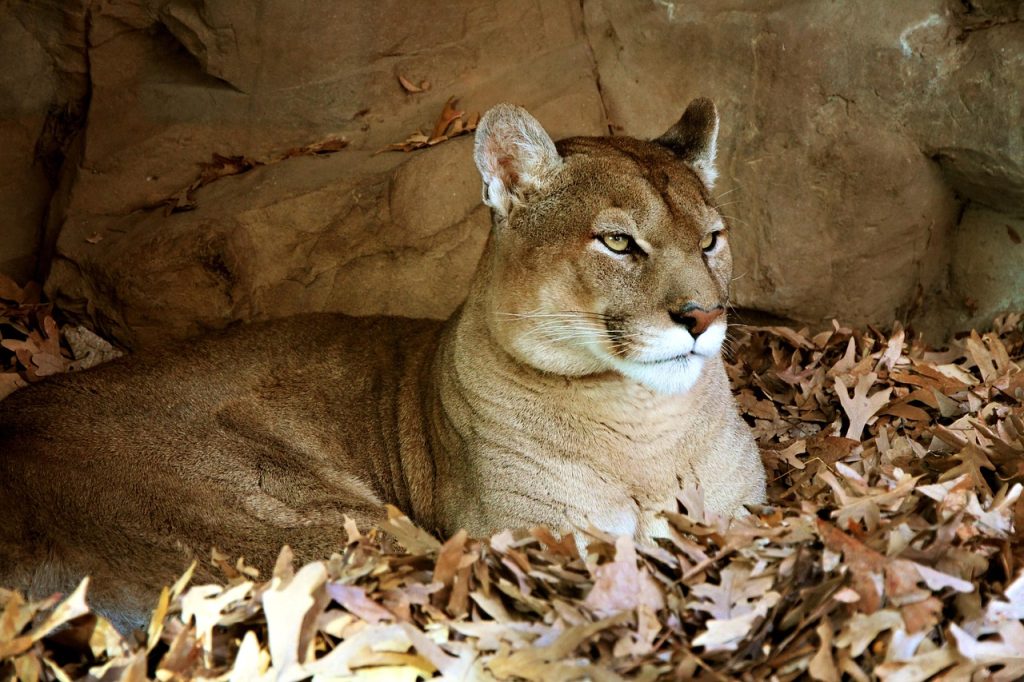
In western North America, mountain lions assess risk quietly, often before a person notices them. Park guidance notes that prolonged eye contact can resemble predatory focus or a direct challenge, which may raise tension on daylight hikes and dusk trail walks.
A steadier pattern is awareness without a stare-down: keep the cat in view, soften the gaze, and back away slowly. Reports from places such as California and British Columbia often end without contact when the gaze breaks and the person appears larger and controlled, not frantic. The point is to reduce pressure while leaving an obvious path for the lion to slip away.
Brown Bears
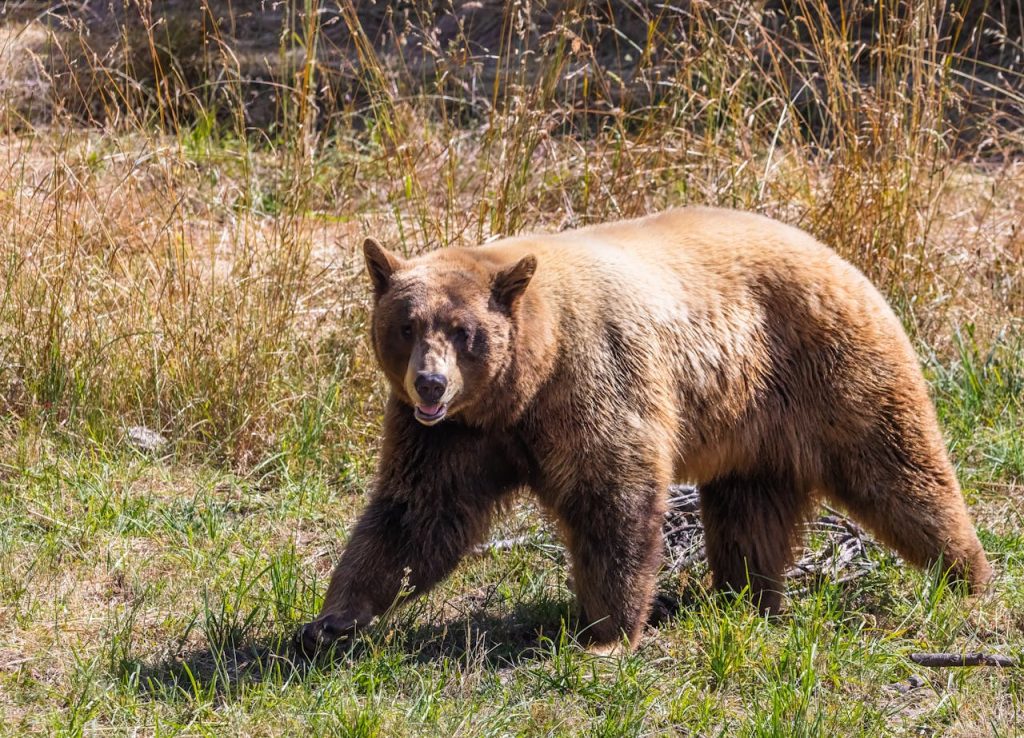
In Alaska and parts of Eastern Europe, brown bears communicate dominance through posture and gaze. Officials warn that sustained eye contact can read as aggression during surprise encounters on rivers, salmon runs, or berry patches.
De-escalation is usually plain: avoid staring, speak calmly, and create distance without sudden movement. A fixed gaze can suggest competition over space or food, so a softer focus and a slow retreat often lower the bear’s urgency. Many injuries are tied to close-range standoffs where people freeze and lock eyes instead of widening the gap early by a few steps. That space can stop a bluff charge.
African Elephants
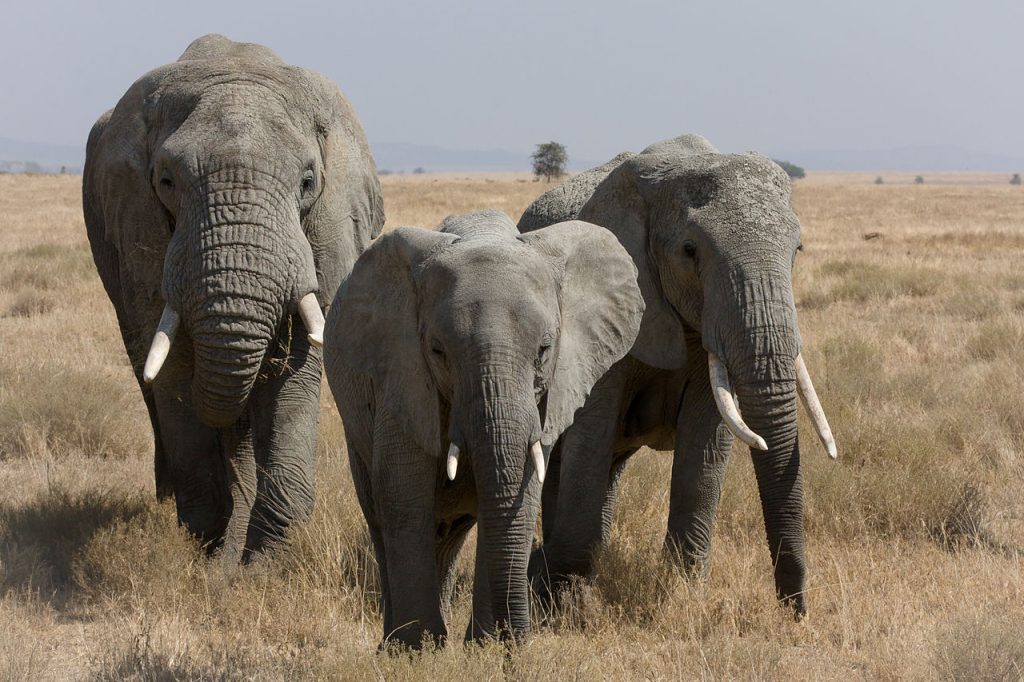
Across African savannas, elephants read visual cues to assess rank and intent. Field researchers report that direct eye contact can feel like dominance testing, especially near calves or waterholes during dry seasons when resources tighten.
That tension can show up as ear flares, trumpeting, or a mock charge meant to create distance. Lowering the gaze and increasing distance can reduce pressure fast. Many documented close-range problems in Kenya and Botswana began when people fixated on a herd for photography and held position too long. When the stare ends and space opens up, elephants often pause, reassess, and move on.
Gorillas
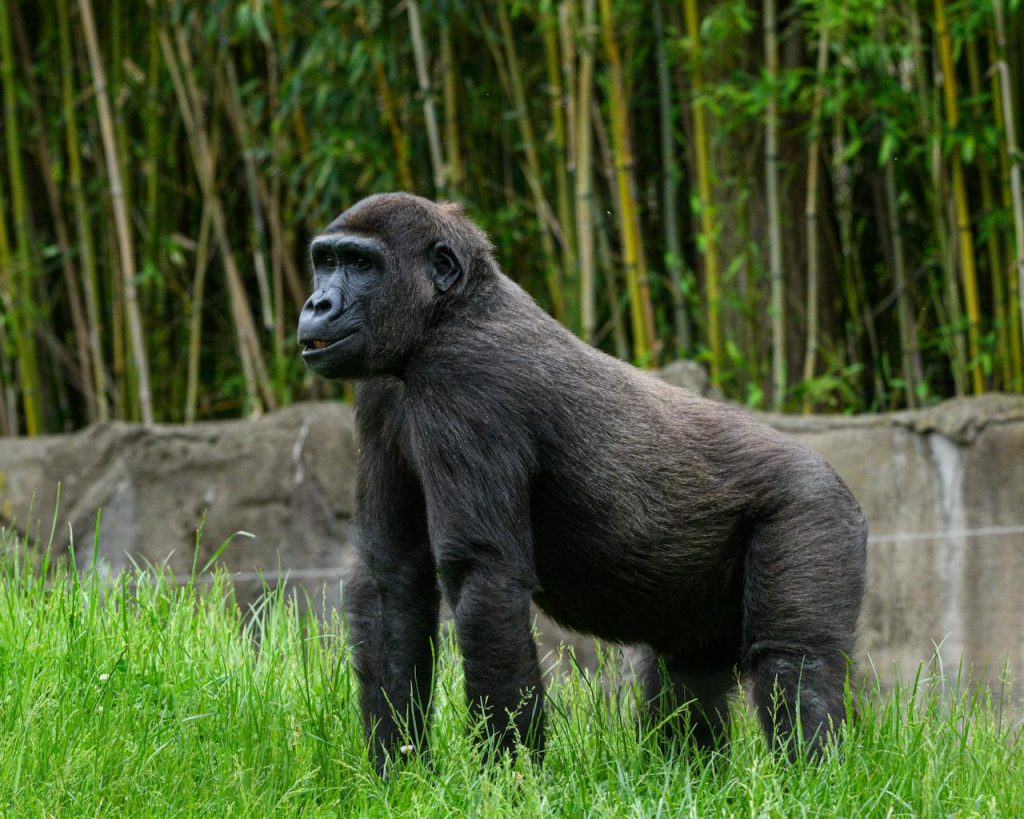
In Central African forests, gorillas use gaze to signal intent, and a long stare can read as an immediate challenge. During guided treks in Rwanda and Uganda, rangers warn that eye contact can trigger chest beating or a short bluff charge from a silverback protecting a group.
The safest posture is neutral and patient: look aside, stay still, and let guides manage spacing on narrow trail segments. Gorillas often disengage when humans break eye contact, because the social temperature drops. Slow movements matter in dense vegetation where quick gestures can feel like a sudden push into their space. It gives the group room to drift away.
Chimpanzees
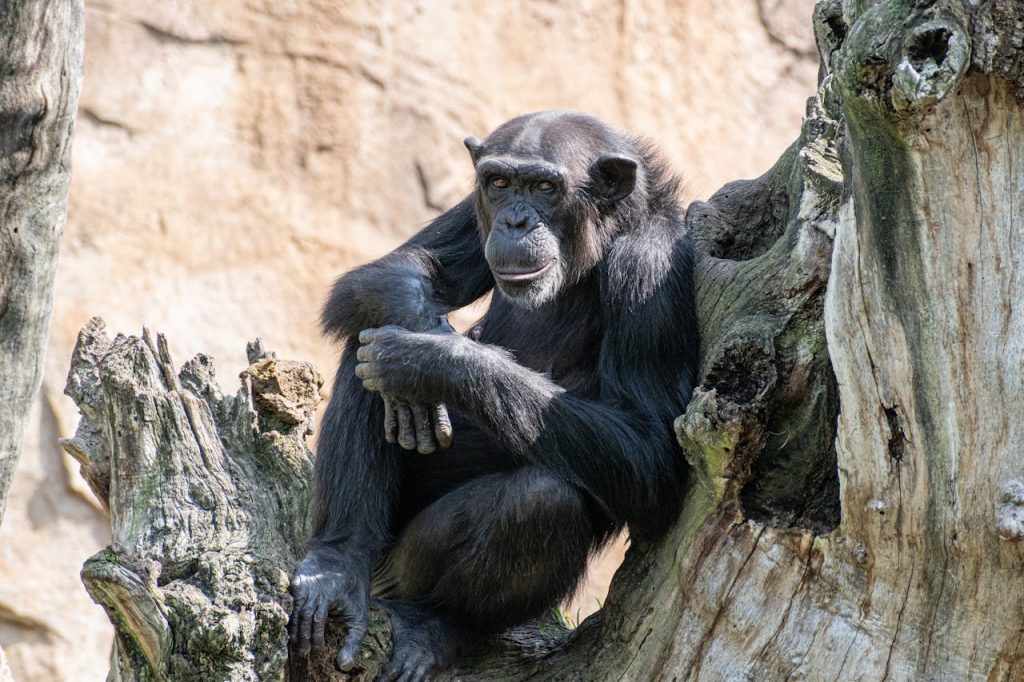
Chimpanzees use intense eye contact to assert hierarchy so a direct human stare can read as a challenge. In forests of Tanzania and West Africa, primatologists note that staring may provoke loud displays or brief charges, especially around food or infants when group dynamics feel unstable.
Averted gaze communicates nonthreat, and many researchers suggest watching indirectly while keeping the body slightly sideways. Several injuries in habituated settings have followed moments when visitors locked eyes during feeding times near forest edges. Reducing visual pressure helps the group settle back into normal spacing and routine behavior.
Wolves
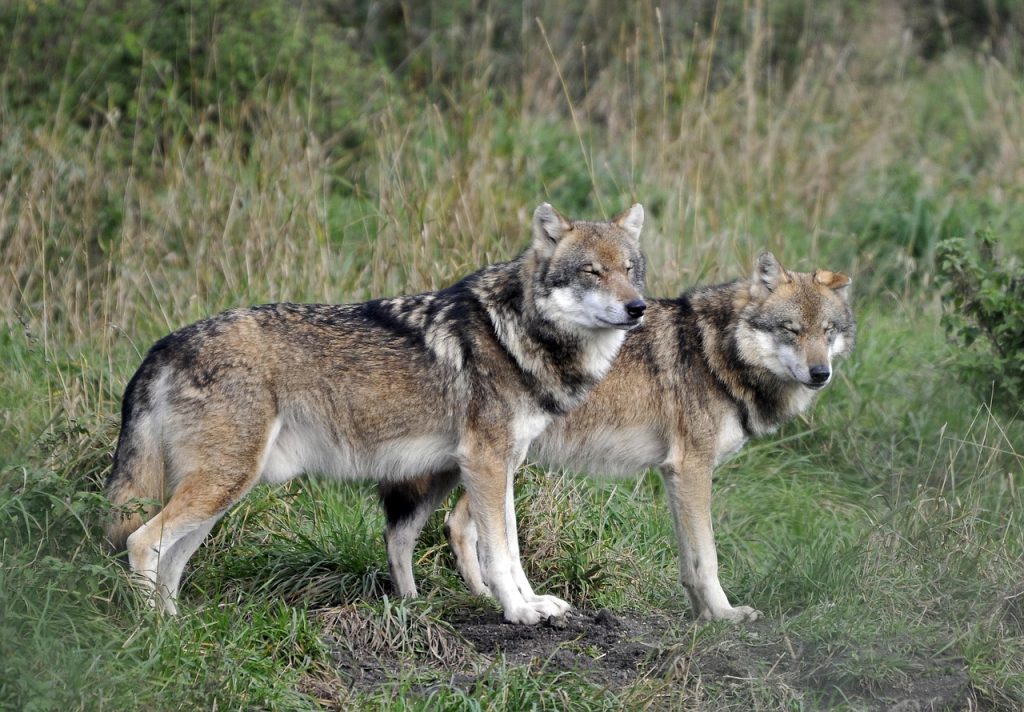
In North American and Eurasian ranges, wolves use eye contact to test rivals and defend territory. Biologists warn that sustained staring can escalate defensiveness if people are near dens or carcasses, especially in winter when packs are stressed by food scarcity and snow, often at dawn or dusk.
Breaking the gaze and increasing distance signals neutrality. Most wolves retreat once threat perception drops, and rare aggressive incidents often involve prolonged close observation for photography or tracking. A calm exit, with awareness held in peripheral view, keeps the exchange from turning into a standoff. Space calms the moment.
Moose

Across boreal forests and suburban edges, moose rely on early visual cues before acting. Wildlife staff note that persistent eye contact can feel provocative during fall rut or spring calving, when bulls and cows are more reactive near roads, yards, and trail corridors.
Looking away while increasing space lowers the odds of a sudden charge. Many injuries are linked to people stopping for roadside photos in Alaska, Canada, and Scandinavia, then lingering as the animal stiffens and fixes back. Steady retreat and a clear escape route for the moose usually defuse the moment. Encounters rise in winter towns when plowed roads narrow space.
Bison
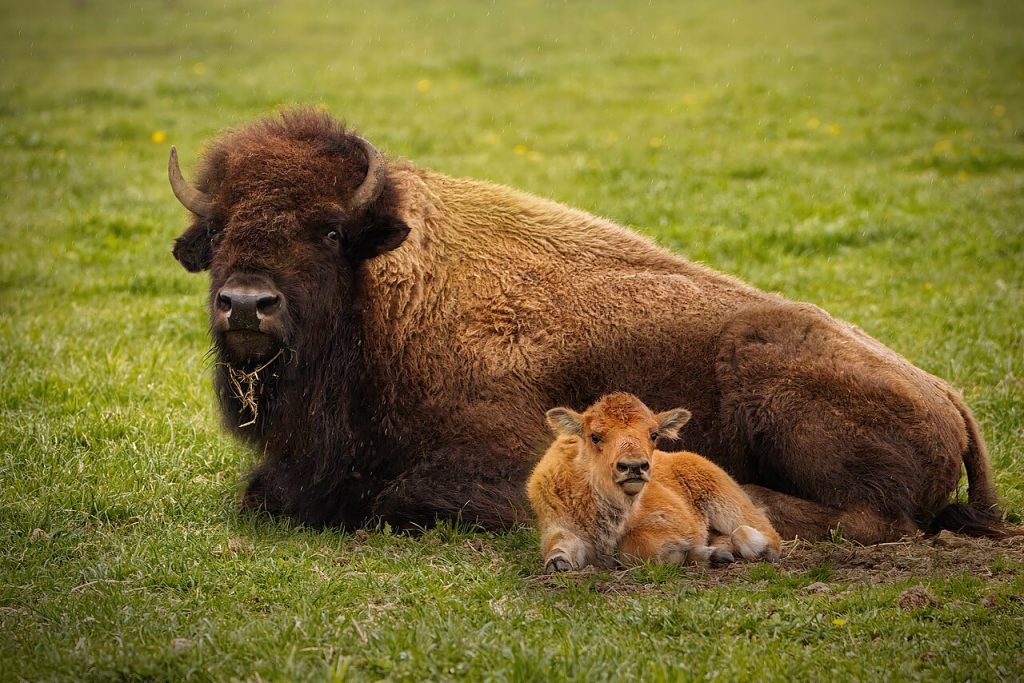
In Yellowstone and other plains parks, bison use distance and body language to judge intent. Rangers warn that sustained eye contact can look like a challenge, especially when visitors drift too close during calving season on trails, boardwalks, and thermal basin paths.
Averted gaze and a slow retreat reduce pressure while keeping the animal in view. Most injuries follow a familiar pattern: people stop, stare, and keep inching closer for a photo, leaving the bison feeling crowded. When space opens up early, the herd usually returns to grazing and keeps moving. Crowds compress space, so stepping back early prevents a sharp response.
Komodo Dragons
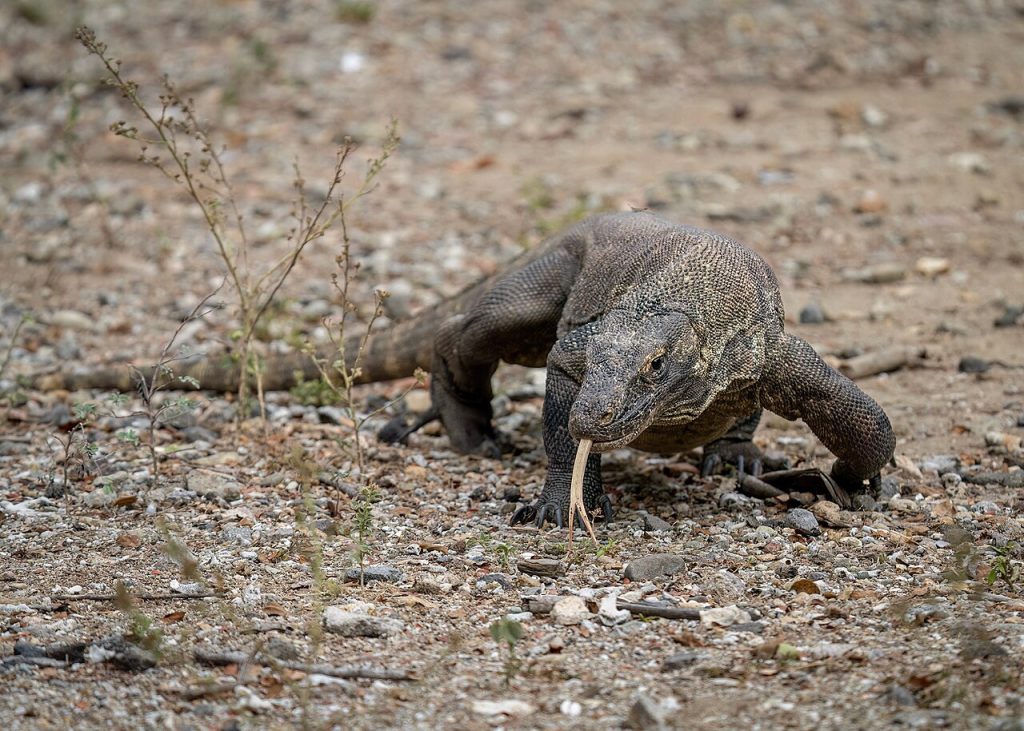
On Indonesian islands, Komodo dragons use gaze to assess prey and opportunity, not social politeness. Rangers note that prolonged eye contact can trigger an investigative approach, especially near food scraps or active foraging zones around paths.
The safest move is to reduce fixation while staying aware: soften the gaze, back away slowly, and keep a steady stance. Several incidents on Komodo and Rinca involved tourists staring during guided walks when dragons were already foraging and drawn to scent. Less visual pressure and more distance usually lowers interest and lets the animal continue on. Guides value calm spacing over bravado.
Saltwater Crocodiles
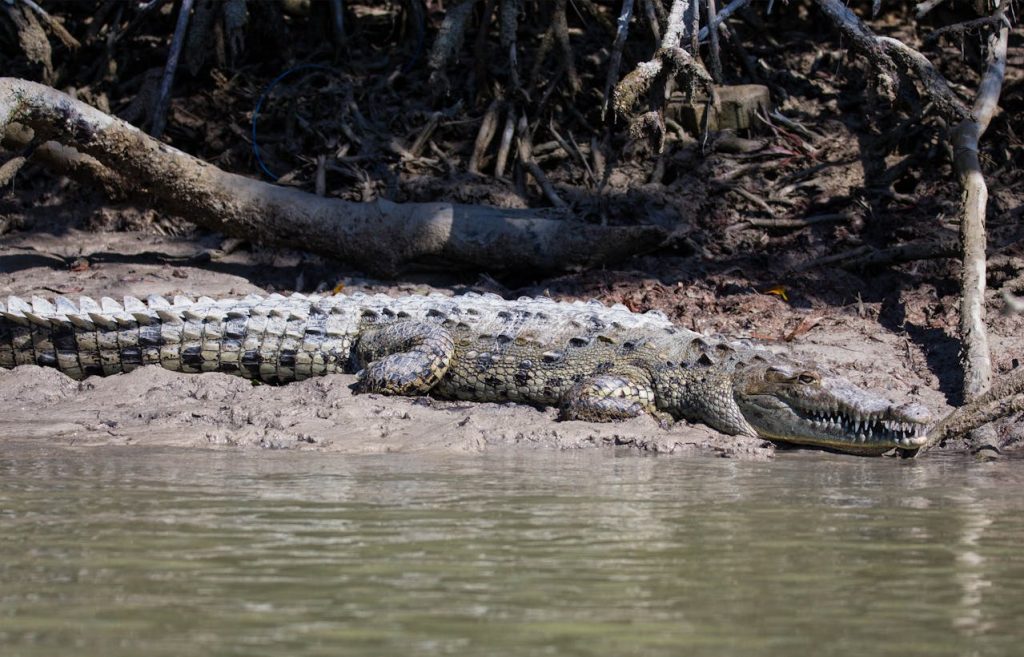
In northern Australia and parts of Southeast Asia, saltwater crocodiles monitor movement and eye direction with eerie patience. Wildlife managers warn that staring from a riverbank can keep a person lingering in the exact zone crocs defend, especially during nesting season or low tide when animals are exposed.
Reducing eye contact and, more importantly, increasing distance lowers the chance of an abrupt lunge. Many serious incidents begin the same way: someone stops to watch too closely from a bank or boat, and the animal reads it as pressure in its territory. Quickly widening the gap is the cleanest safety tool.
Cassowaries
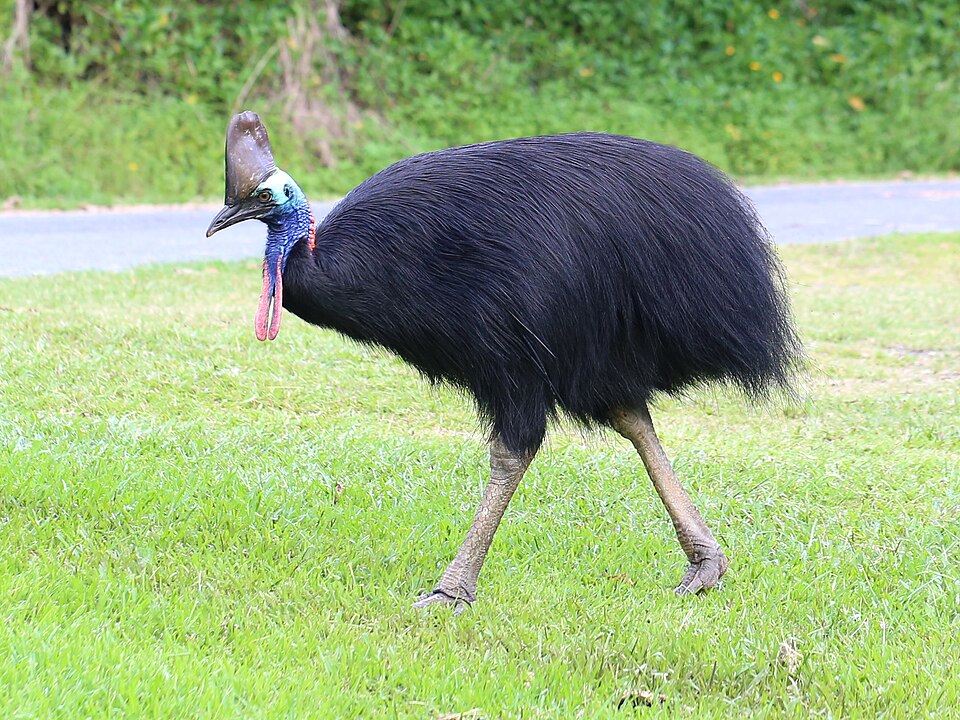
In northeastern Australia, cassowaries rely on vision to judge whether a threat is moving in or backing off. Wildlife officials note that direct staring can be read as territorial aggression, especially near feeding sites or during breeding season where rainforest edges overlap with busy walking tracks.
Looking down, staying calm, and retreating gives the bird a clear path to disengage. Injuries often involve people stopping to photograph at close range, then holding position as the cassowary stiffens and steps forward. When the gaze breaks and space opens, many birds simply turn and slip back into cover. Rangers aim for that.
Cobras
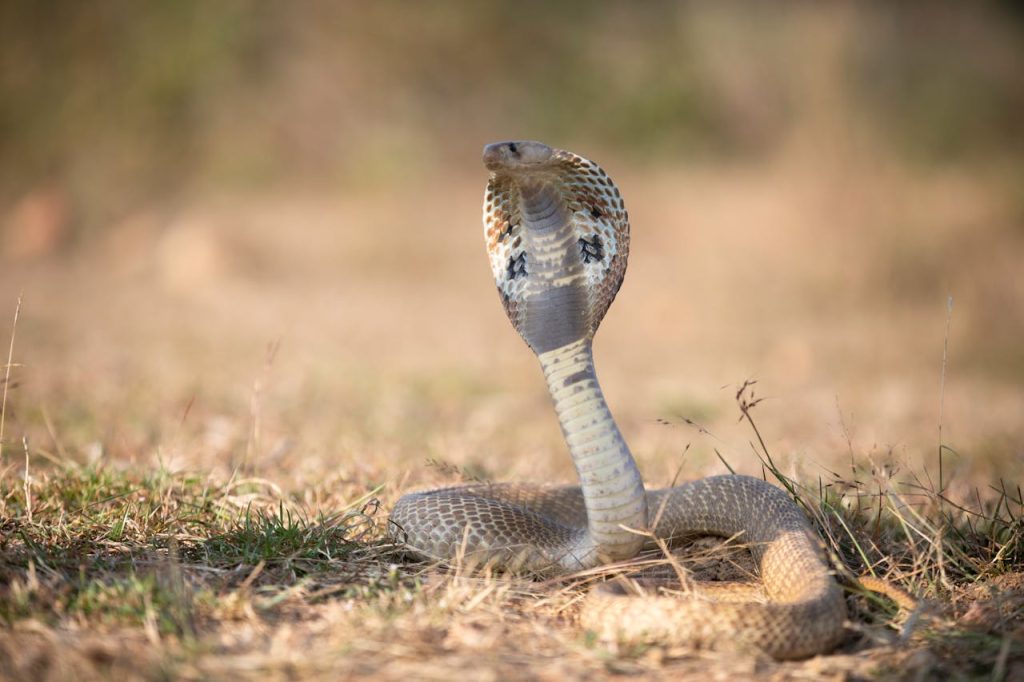
In South Asia and parts of Africa, cobras use visual focus to judge whether something is closing in. Biologists note that sustained direct gaze can keep a cobra in defensive mode, prompting hood displays and, in some cases, a fast attempt to drive the threat away during accidental encounters.
Averted eyes and a slow retreat reduce escalation, especially on village edges and farm paths where people surprise snakes near cover. Many bites follow moments when someone freezes and stares, or tries to handle the animal, instead of creating distance and calling local help. Space and calm movement usually give the snake the option to leave.
Small choices shape most wildlife encounters. A softened gaze, slower steps, and a wider buffer communicate the same message across ecosystems: no contest, no crowding, no pressure. That message protects people, and it protects animals from being pushed into behavior they never wanted to use in the first place.