

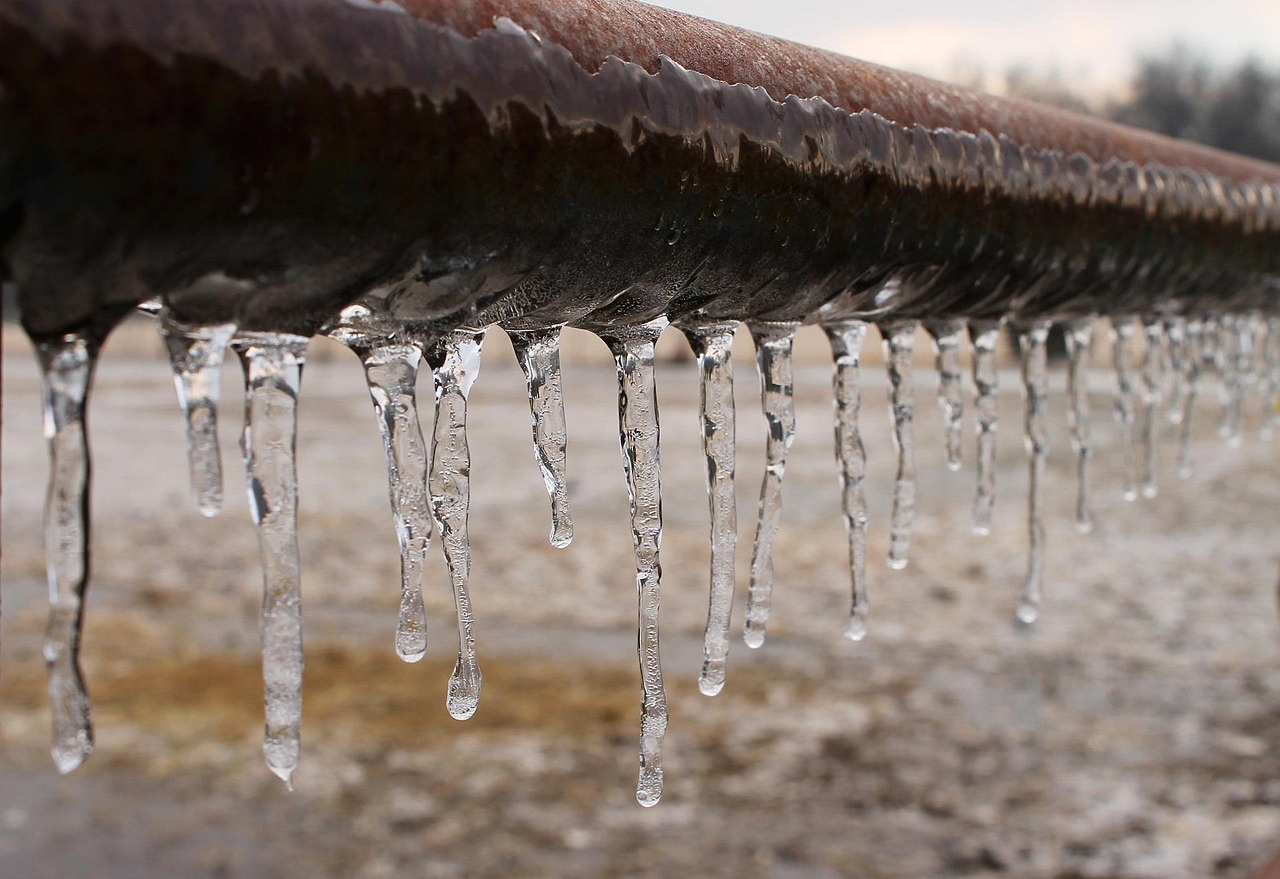
A cold snap can make ordinary plumbing the weak link of a home. The issue is not just ice blocking water; when water freezes, it expands and pressure climbs inside the line. In homes with pipes running through garages, exterior walls, crawl spaces, or quiet under-sink voids, that pressure can open a small split that becomes a costly leak hours later. Cold fronts also tend to arrive when attention is split, with travel plans, school closures, and heavy demand on power. The most useful prep is simple: know the temperatures that raise risk, then use a few moves that keep pipes warmer and water moving before the chill settles in.
The Real Freeze Numbers: 32°F Risk, 20°F Trouble
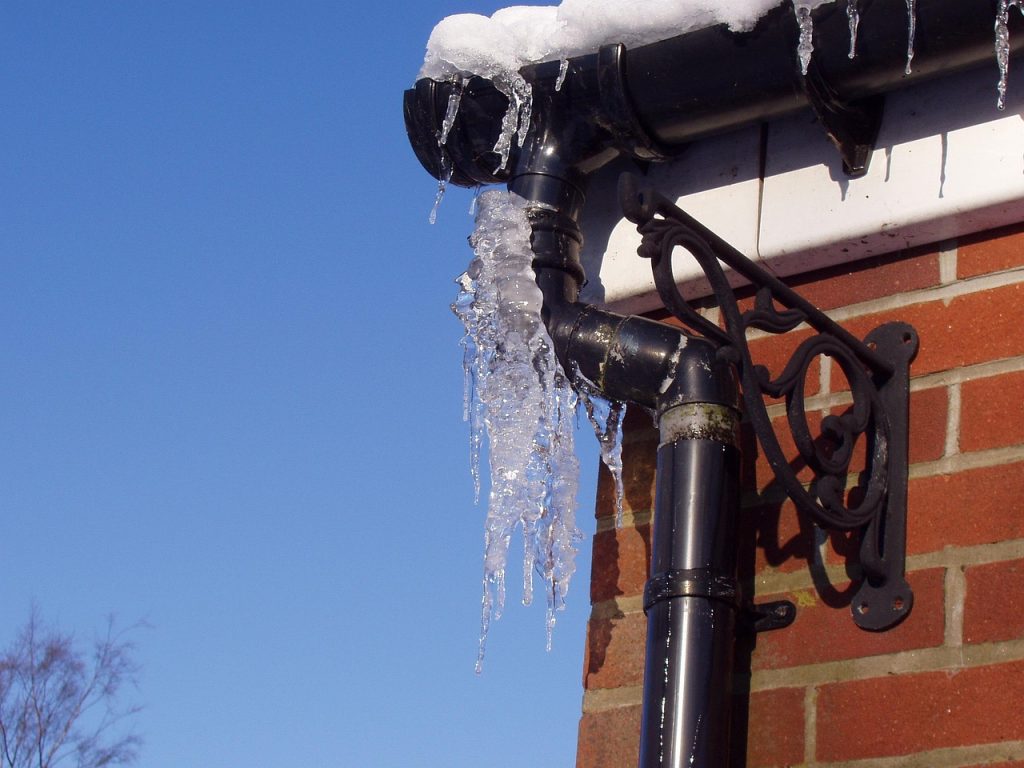
Pipes are considered at risk once outdoor air drops below 32°F, because unheated pockets of a home can chill a line to the freezing point. Plumbers pay special attention when the thermometer nears 20°F. If cold holds there for a while, freezing becomes far more likely, and the ice can drive pressure high enough to crack fittings.
Timing varies by insulation and placement. Water can start to freeze in about six hours in an exposed run, but many homes see problems after one to three days of subfreezing weather. Clues include no flow at a faucet, weak pressure, damp spots on a wall or ceiling, or a visible bulge in a pipe.
Check the Forecast for Duration, Not Drama
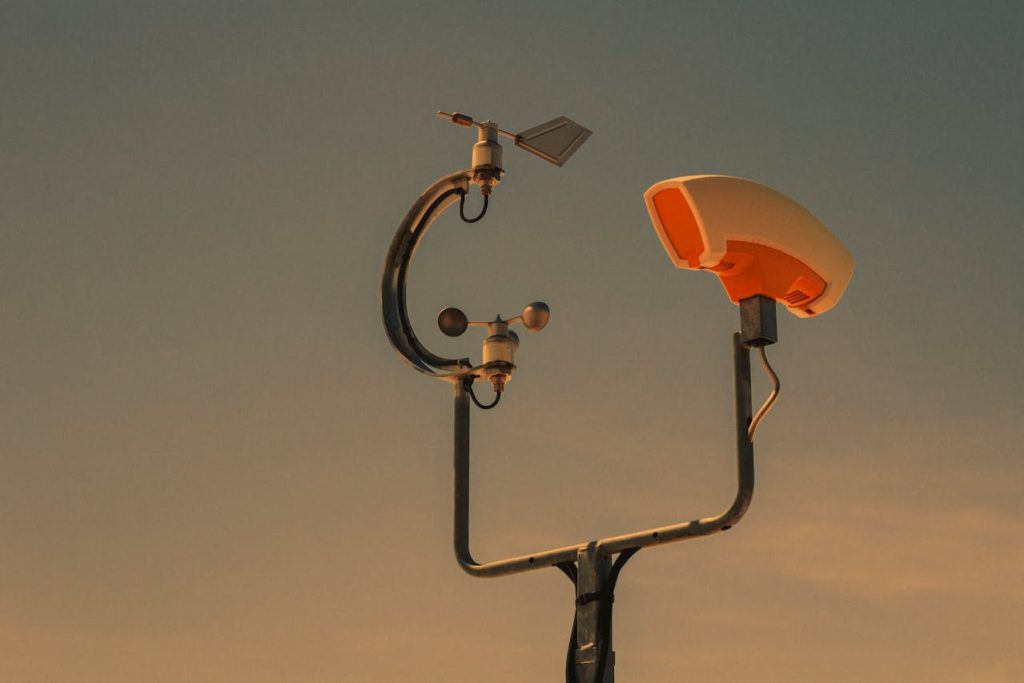
The forecast matters less for the headline low and more for how long cold hangs around. A quick dip below freezing may pass without trouble, but a long stretch gives pipes time to lose heat through exterior walls, crawl spaces, and garages especially in older homes. When nights stack up, the safe margin shrinks.
Checking a long-range forecast is the earliest warning system. It gives time to gather insulation sleeves, locate shutoff valves, and plan small steps before the first hard night. If temperatures are expected to stay below 32°F for multiple hours, or hover near 20°F, prep should start early, not after the first slow faucet.
Keep the Thermostat at 55°F or Higher When Away
When a home sits empty during a freeze, pipes cool down faster than many expect. Turning heat too low can leave water lines in exterior walls and garages sitting in cold air for hours at a time. A deep setback might save a little energy, but it can invite a freeze where plumbing is closest to the outdoors, and repairs get pricey.
The American Red Cross recommends keeping the thermostat set at 55°F or higher when away in cold weather. That baseline heat helps protect hidden runs behind vanities and cabinets. It also buys time if travel delays, or a late-night temperature drop, keeps the building colder for longer than planned.
Hold a Steady Temperature Day and Night
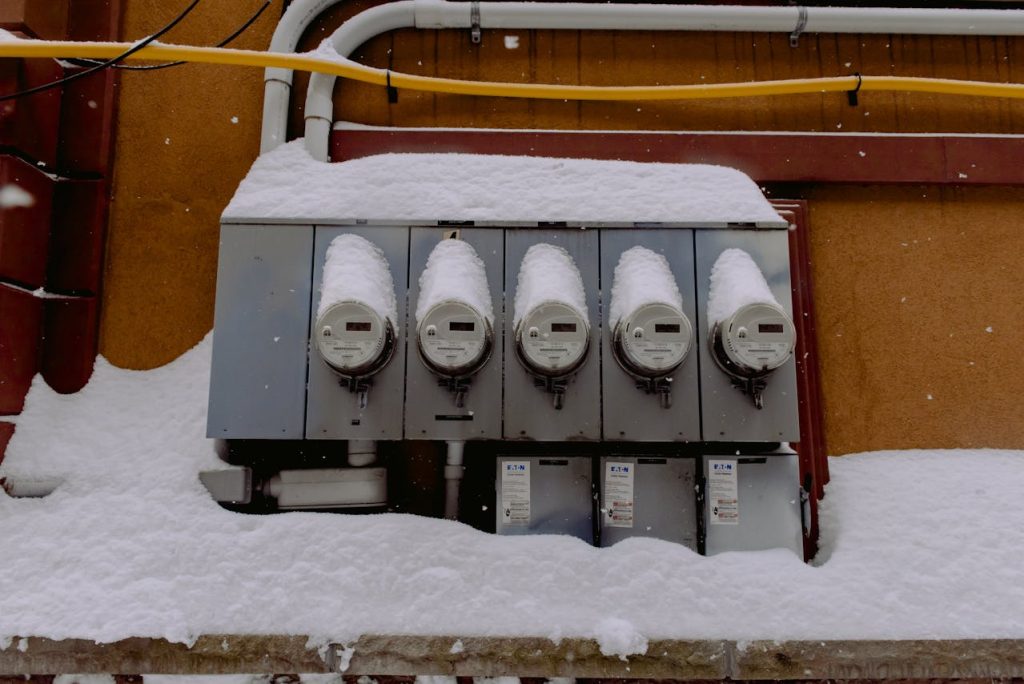
Thermostat swings can feel harmless, but pipes experience them as long cooling cycles. Dropping the temperature at night lets cabinets, wall cavities, and pipe chases drift colder, then reheating in the morning may come too late for a vulnerable run. Consistency is the quiet advantage.
The American Red Cross advises keeping a constant temperature day and night during cold spells. The bill may climb a bit, but steady heat reduces the chance of ice forming in a cold corner and raising pressure inside the line. It is a practical trade when outdoor temperatures sit below 32°F, or threaten 20°F, for long stretches overnight.
Let a Faucet Drip on Outside-Served Lines
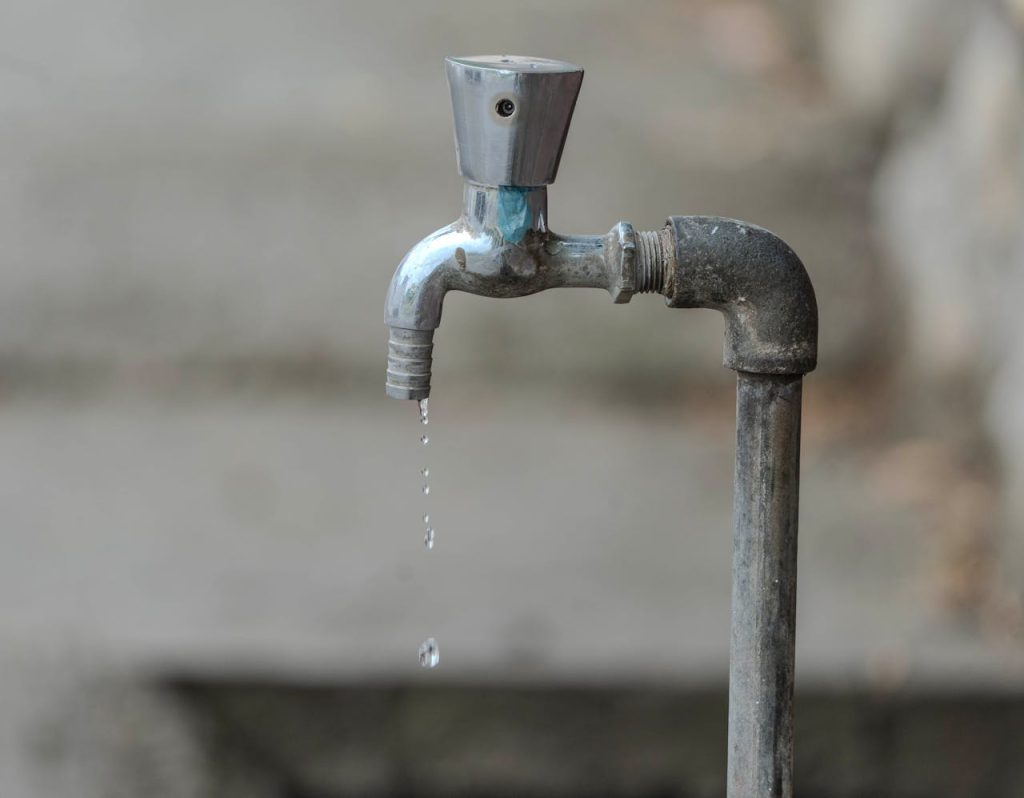
A faucet set to a slow drip looks almost too simple, but it works because moving water is harder to freeze. When temperatures drop, plumbers often focus on lines tied to exterior walls or outdoor runs, where cold air can settle and create an ice plug near a fitting.
During a deep chill, leaving faucets served by outside pipes on to drip can help prevent freezing. Even a small trickle keeps water moving through the line and reduces pressure build-up from forming ice. The drip can be limited to the most exposed fixture, and it matters most overnight, when outdoor air stays below 32°F, or near 20°F, for a long time at once.
Keep the Garage Door Closed as Much as Possible
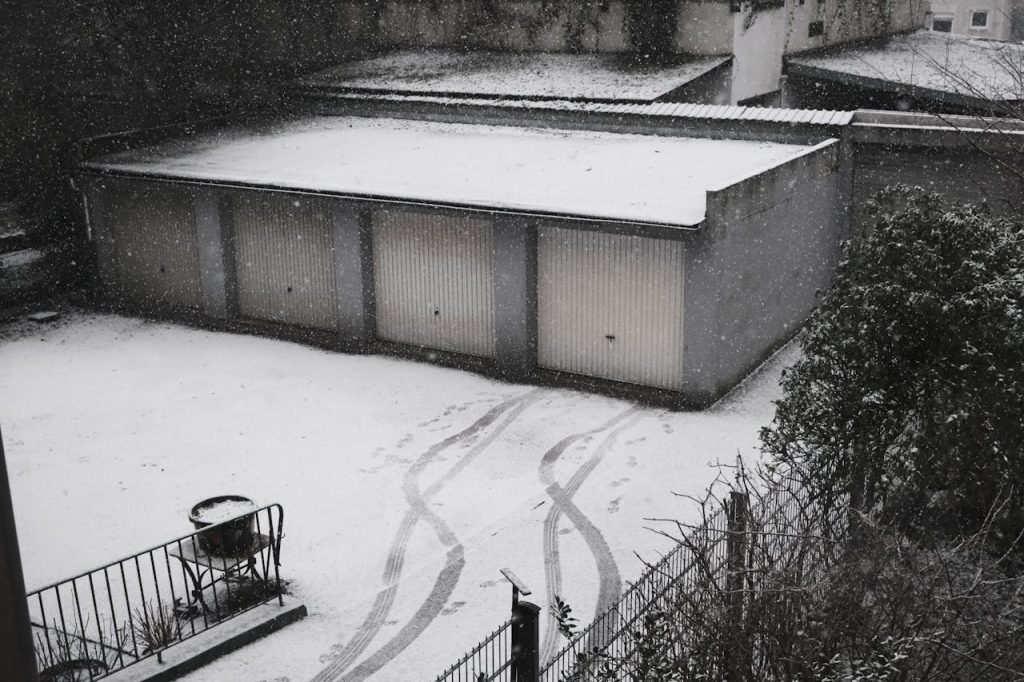
Garages sit outside the home’s heat envelope, and they cool quickly when the door is opened and closed. Even attached garages can drift close to outdoor temperature on a cold night. If plumbing runs through that space, cold air can sit against the pipe for hours, often right where the line enters a wall.
Keeping the garage door closed whenever possible slows heat loss and lowers freeze risk for any lines inside. During a cold front, fewer door cycles means less cold air rushing in and less time for pipes to drop toward 32°F. This becomes more important when the forecast hints at 20°F, since a long chill gives ice time to form.
Open Under-Sink Cabinets to Share Warm Air
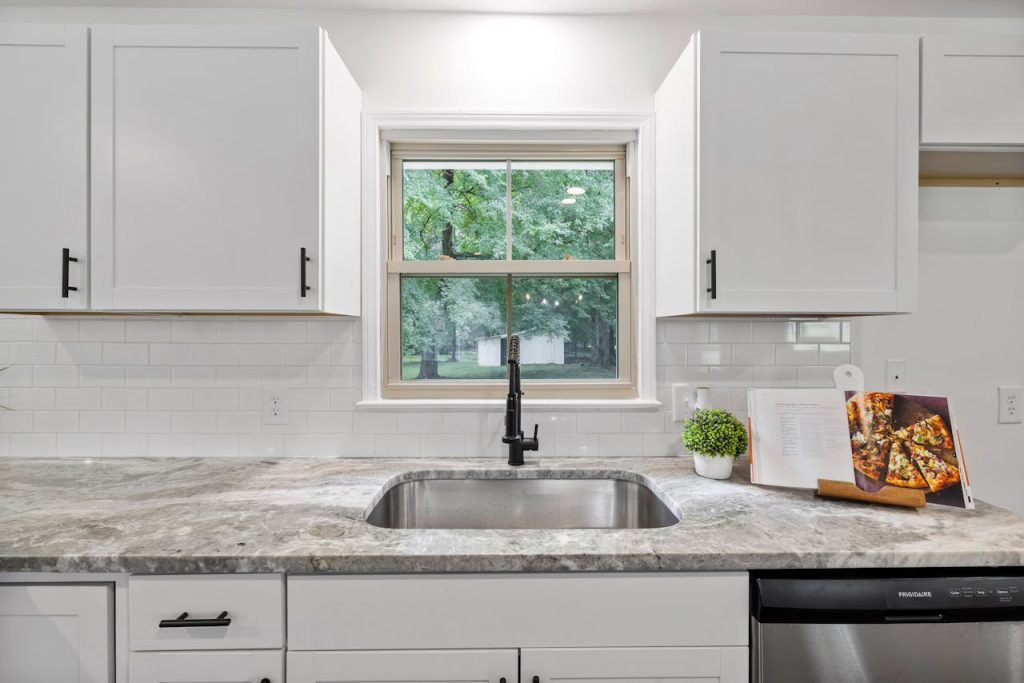
Under-sink cabinets can trap cold air, especially when the sink sits on an exterior wall. The room may feel warm, yet the space behind the cabinet back can stay chilly and still, which is exactly what a supply line does not need during a freeze.
Opening cabinets under kitchen and bathroom sinks lets warmer indoor air circulate around the pipes. That extra warmth can keep a line above freezing during the coldest stretch, and it makes small warnings easier to notice, like a damp spot, a slow drip, or a pipe that looks slightly swollen. Leaving those doors open overnight during a cold front can make the difference in a drafty home.
Insulate Exposed Pipes With Sleeves or UL-Listed Heat Cable
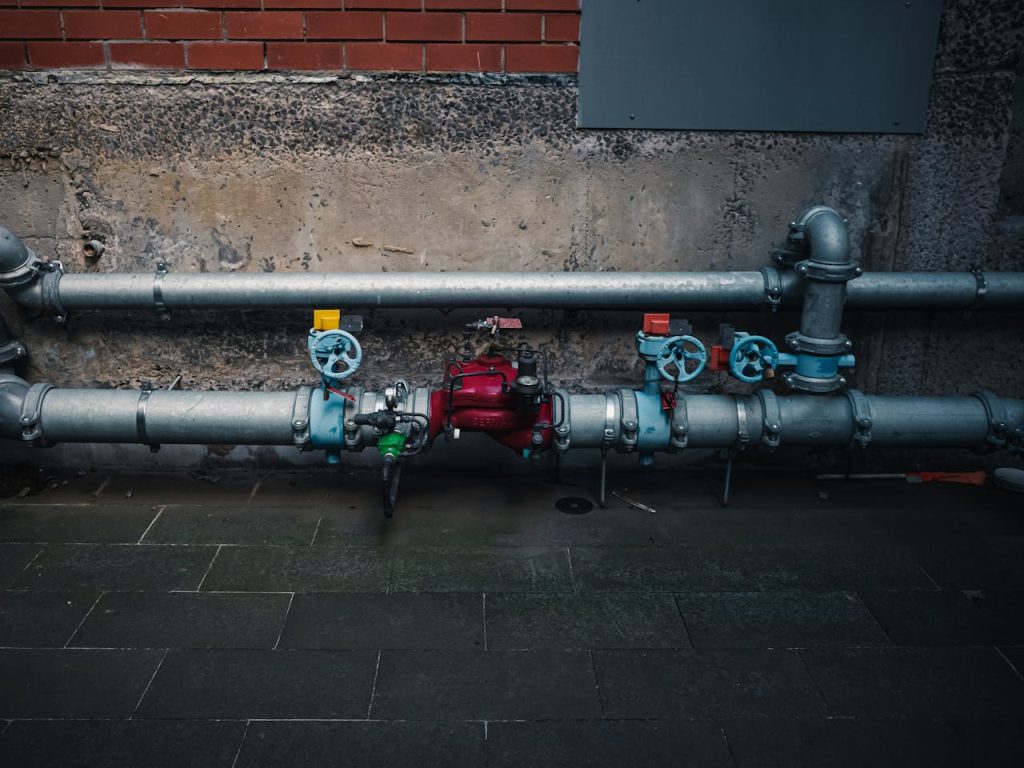
Insulation is the long-game fix for pipes that are simply too close to outside air. Exposed runs in basements, crawl spaces, and garages lose heat quickly when temperatures stay low, and they are often the first to freeze.
Pipe sleeves slow heat loss, and UL-listed heat tape or heat cable can add warmth on the coldest runs. Used correctly, they cut the odds of ice forming and driving up pressure. Installing them before the cold arrives is key. They are most useful on short, exposed sections near an exterior wall, or in an unheated crawl space, where a draft can push a pipe below 32°F even when the house feels comfortable.