

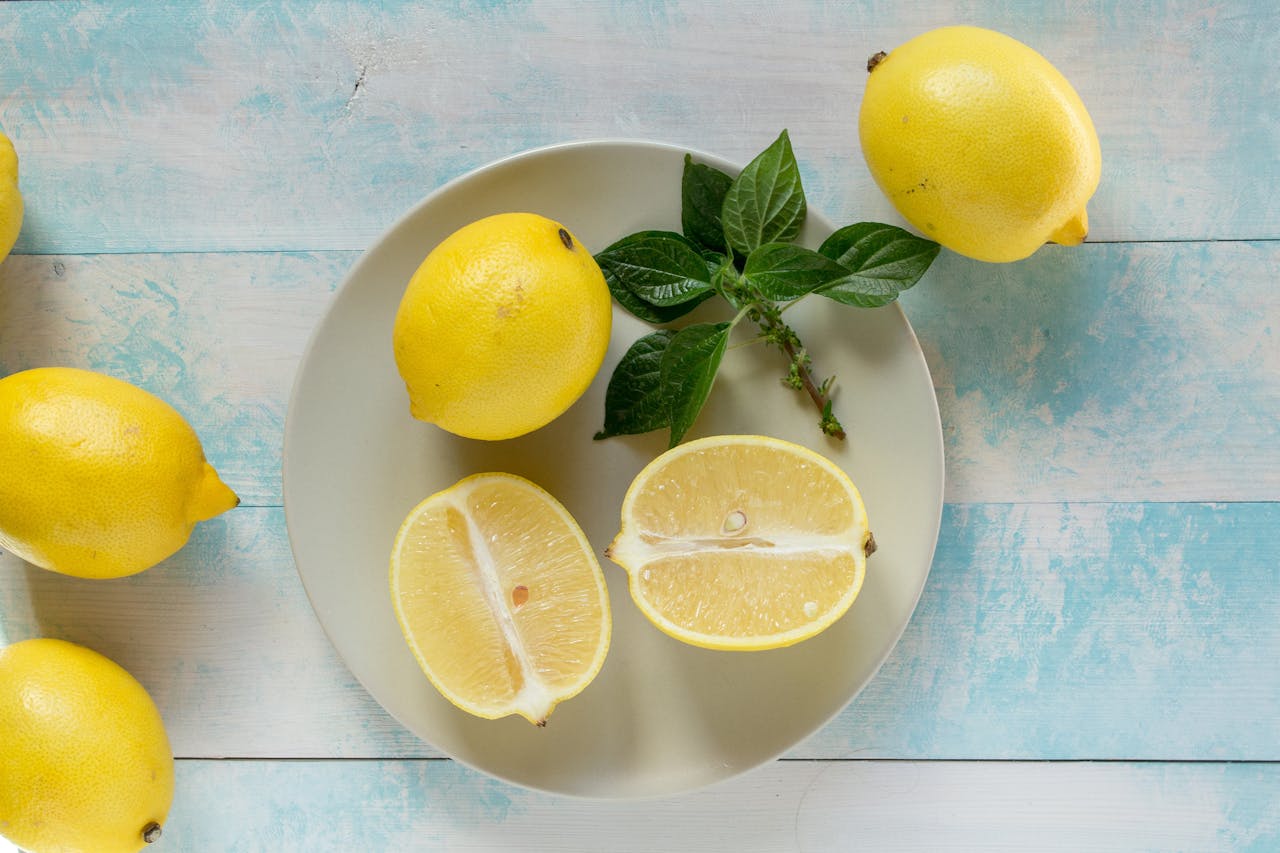
In many farm kitchens, lemons are treated like a small reserve of brightness: part flavor, part preservation, part habit. Yet a bag can still go soft in the crisper, or dry out after one squeeze, and that is where waste quietly starts. Farmers tend to fix the problem upstream by storing whole fruit to protect moisture, capturing zest before the peel dulls, and freezing juice in ready-to-use portions. Nutrition experts note lemons are low in sugar and supply vitamin C, which makes using the whole fruit feel practical. With a few routines, peel and juice keep moving, and almost nothing ends up in the bin. Even on busy weeks.
Store Whole Lemons Like a Farm Stand Does

Farmers start with storage because it decides whether the rest of the lemon gets used. Unripe fruit can sit out until it turns yellow, then whole lemons last longer in the refrigerator when they are sealed in an airtight container or bag.
Keeping them in the crisper protects moisture and slows shriveling, and rotation stays simple: the oldest fruit gets sliced first. Cut halves also stay usable longer when wrapped or sealed, so they do not turn leathery overnight. Many growers avoid storing lemons beside apples or bananas, which can speed ripening and shorten the window. A quick date label helps.
Freeze Lemon Juice in Ice Cube Trays

When a lemon gets cut, farmers try to turn the juice into a measured ingredient, not a leftover. Fresh juice keeps only a few days in the refrigerator, so it gets strained, poured into ice cube trays, and frozen the same day.
Once solid, the cubes move into a labeled container so they do not pick up freezer odors, and a single cube can melt into beans, soups, skillet greens, or quick vinaigrettes. Sources that track home storage note frozen lemon juice holds well for about three to four months, which stretches a bag of lemons across many meals. It also keeps lemon water easy, without daily squeezing.
Zest First, Then Freeze the Brightness
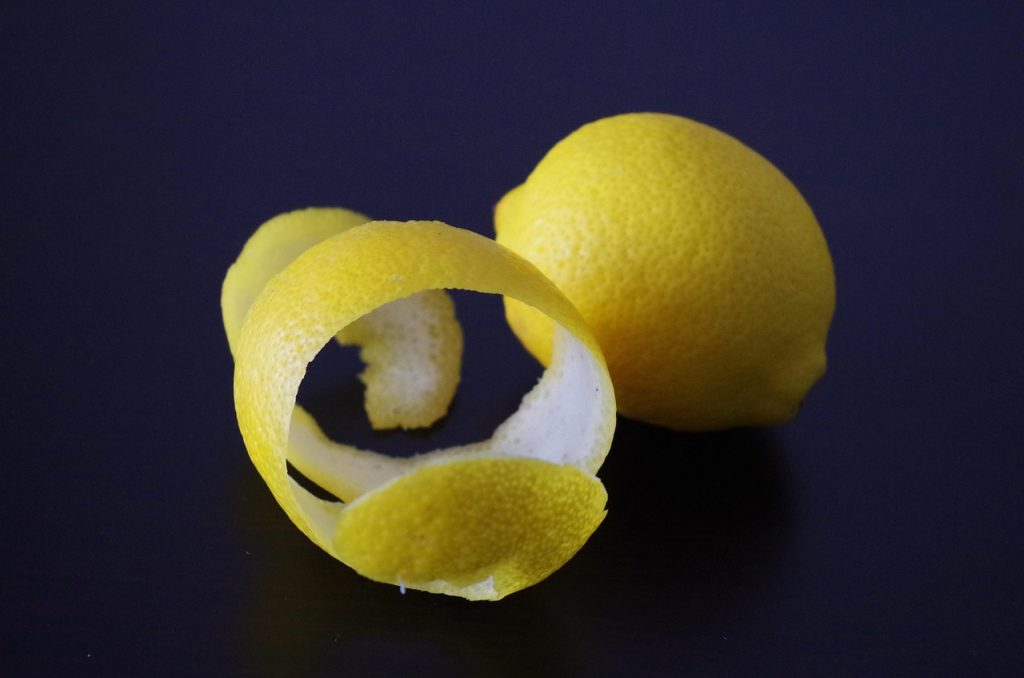
On farms, the peel is treated as the flavor bank, and it gets handled first. Zest comes off easiest before the lemon is cut, and only the yellow layer is taken so the bitter white pith stays behind.
The zest can be pressed flat in a small bag and frozen, which keeps the fragrance from fading and limits freezer smells. Guides on home storage note zest keeps for a few months when sealed well, so a quick scrape can brighten rice, roasted vegetables, yogurt, or baking. It also stops a common waste pattern: a lemon gets juiced, the peel dries out, and the best aroma is gone before it hits a dish.
Turn Extra Lemons Into Salt-Preserved Ones

When a crate of lemons shows up at once, many farmers switch from fresh use to preservation. Salt-preserved lemons are made by packing quartered fruit with salt until the lemons release enough juice to keep everything submerged.
After several weeks, the peel turns tender, and the flavor shifts into a salty, sour, savory accent used across North African and Mediterranean cooking. Small pieces can season stews, lentils, braises, and dressings after a quick rinse. Kitchen guides say the jar keeps for months in the refrigerator, and some place it near a year when the lemons stay covered by salty juice.
Make Oleo-Saccharum From Peels

Farmers who hate tossing peels often turn them into oleo-saccharum, a syrup that captures lemon oil instead of letting it fade. Peels are mixed with sugar, covered, and left to rest until the sugar pulls out a glossy, fragrant liquid.
Food writers describe the typical wait as overnight, roughly 12 to 24 hours, and the result tastes deeper than juice alone because the aroma lives in the peel. A spoonful can sweeten lemonade, tea, sparkling water, or a quick baking glaze, and it can be kept in the refrigerator for about a week. After straining, the peels can be dried for garnish or composted.
Use Peels for a Vinegar Cleaner, Carefully
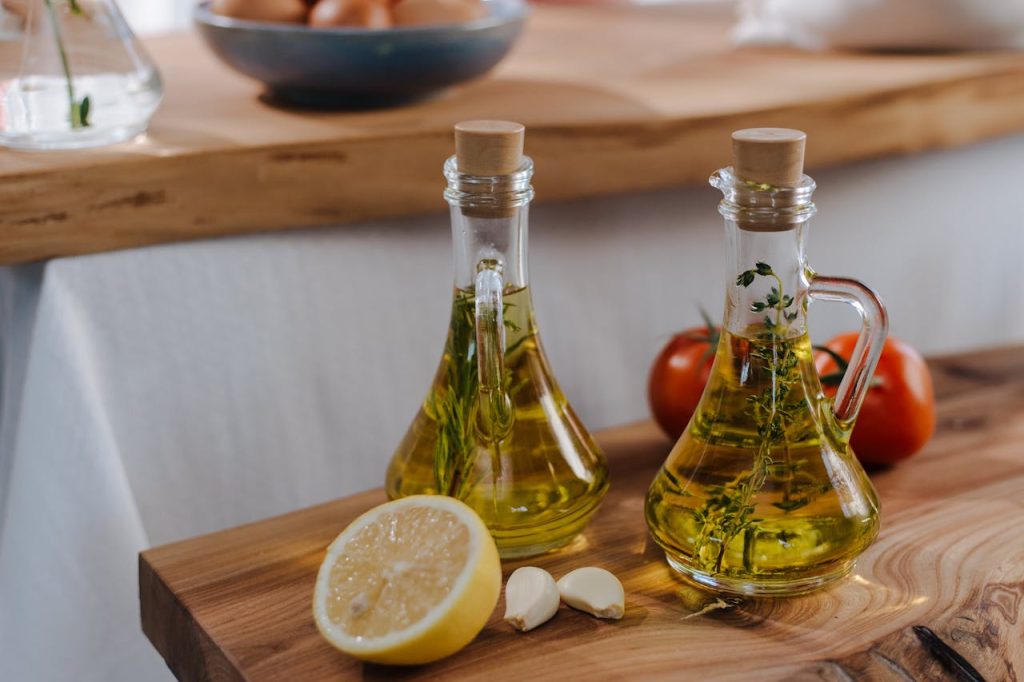
After cooking, many farmers still put peels to work by steeping them in white vinegar for a lemony cleaner. The jar sits until the vinegar smells bright, then the liquid is strained, diluted, and used on sinks, tile, and other non-porous surfaces.
Caution matters. Pros warn vinegar can etch natural stone and dull some finishes, so it stays away from marble, granite, and certain woods, and a small spot test prevents surprises. Vinegar is also never combined with bleach, since that mix can release irritating fumes. Dating the bottle keeps the habit consistent and helps track freshness on a shelf.
Dry Slices and Build Pantry Citrus Seasoning
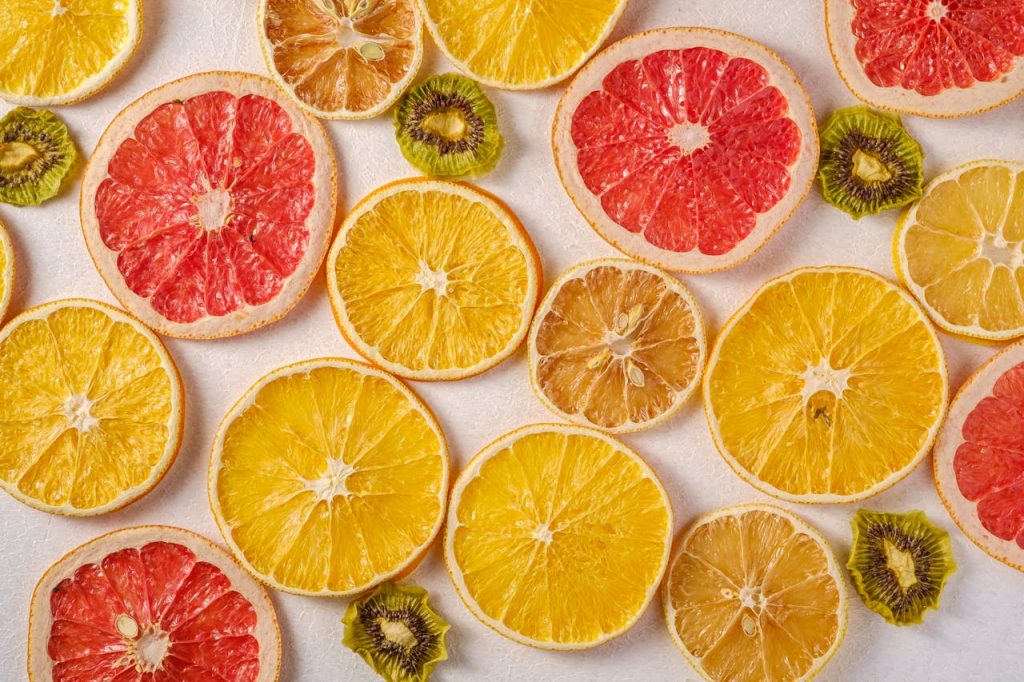
Before lemons get too soft, farmers often dry them to make citrus last through slower weeks. Thin slices are seeded, laid on a rack, and dried at a very low oven temperature until leathery, then cooled fully before storage.
Even drying comes from consistent thickness and tray rotation, and the reward is a garnish that will not mold midweek. It turns one lemon into many uses. Dehydrating guides stress airtight storage in a cool, dry place, where dried citrus can hold quality for many months, often up to about a year. Peels can be dried too, then ground with salt for a bright finishing seasoning.