

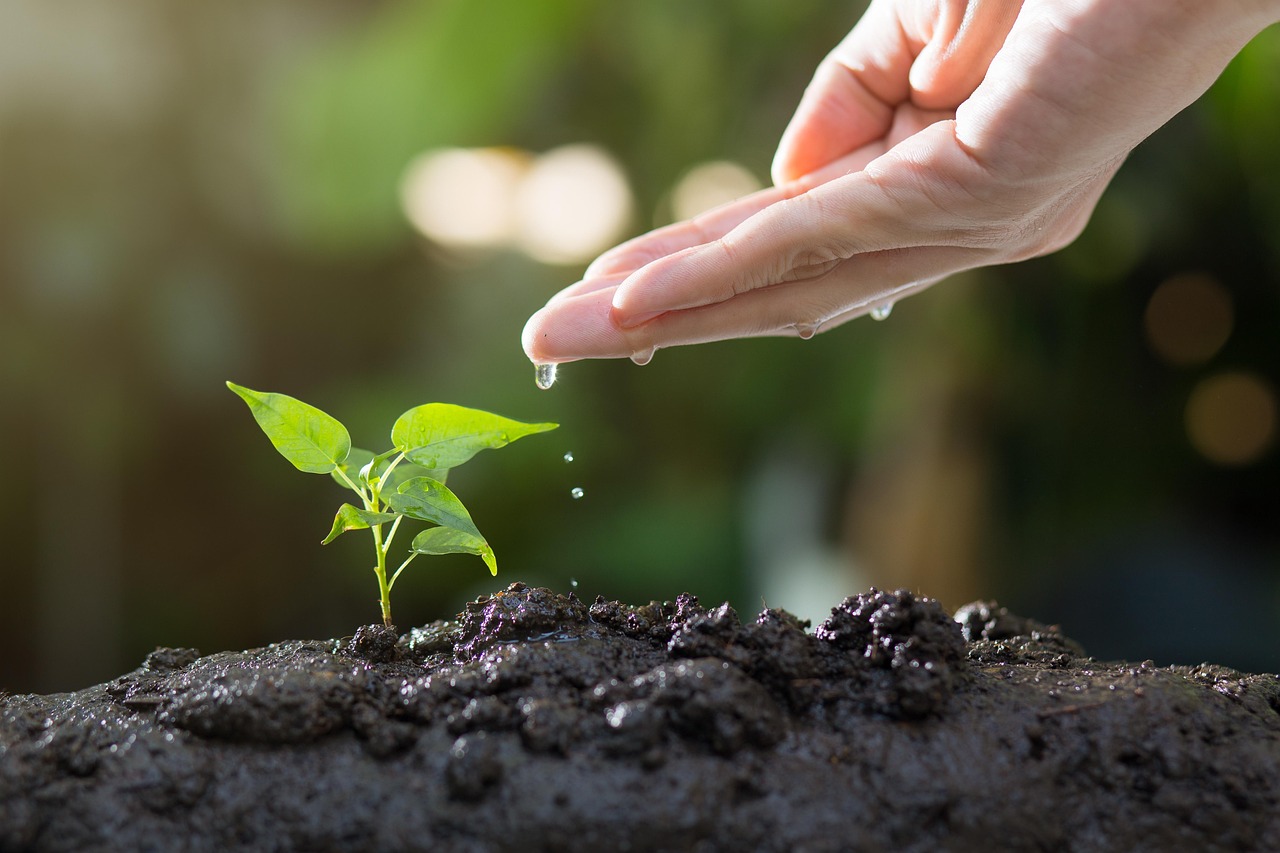
Seedlings can look sturdy under grow lights, in calm air and steady warmth, after weeks of careful watering and feeding. Then an afternoon outside changes everything: leaves blanch, edges dry, and stems droop as if the weather turned in minutes. Hardening off is the bridge between indoor comfort and real spring conditions, giving plants time to strengthen cell walls, thicken stems, and form a protective outer layer. A ten-day ramp often works well, starting with brief shade and shelter, then moving toward morning sun, gentle wind, and longer hours outdoors. Most setbacks trace back to a handful of predictable errors.
Starting With Midday Sun
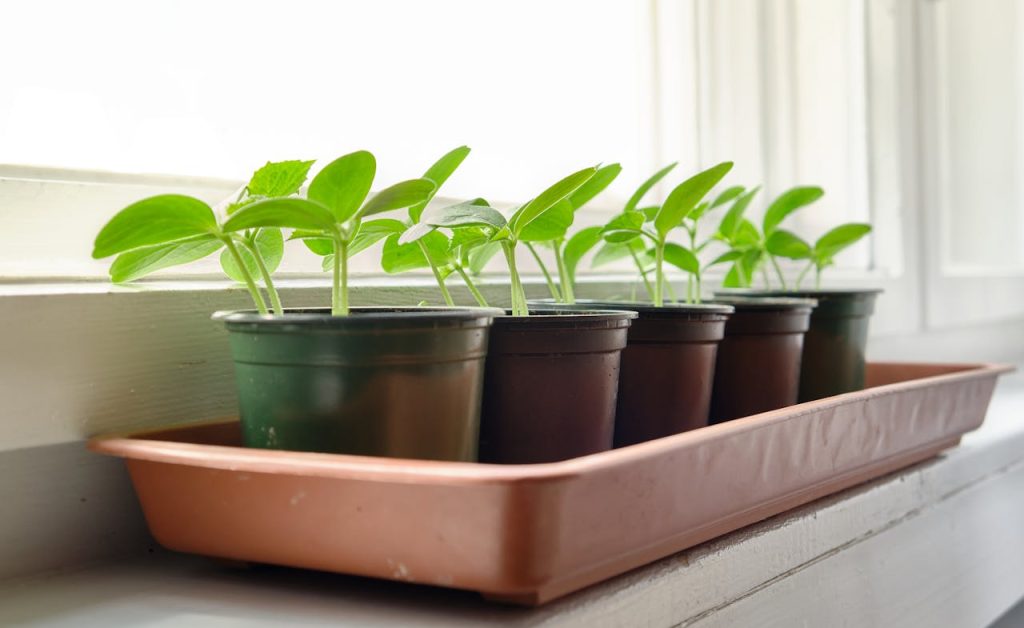
Moving seedlings straight into midday sun is the quickest path to leaf burn and stalled growth. Indoor light, even when strong, does not match outdoor UV, glare, and heat, so leaves can pale, curl, or develop dry patches within an hour, often made worse by hot concrete.
A steadier start in bright shade for one to two hours during the warmest, gentlest part of the day helps plants adjust without panic. Filtered light and morning sun can follow, then brief midday sun in small steps. Cloud cover can break, so early sessions belong in shade even on mild days. Rotation matters, so one face of the tray does not take every harsh angle.
Ignoring Wind Early
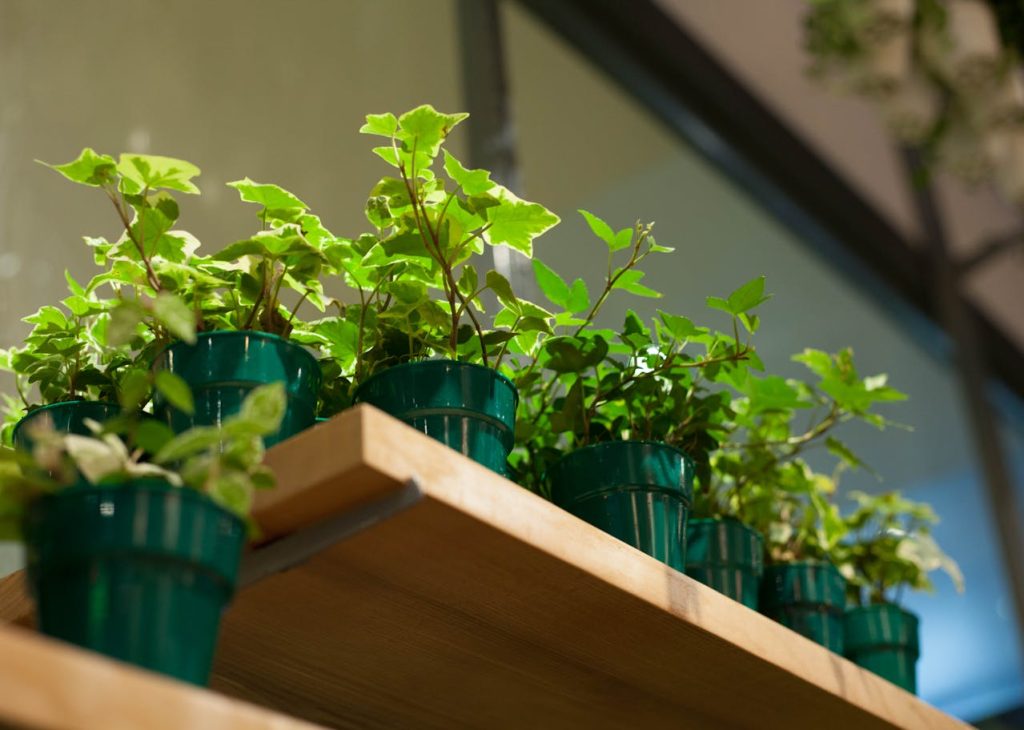
Wind is not background noise; it is stress and training at the same time. Indoor seedlings grow in still air, so a breezy porch can bend stems, crease veins, and dry small cells before anyone notices, leaving trays limp by late afternoon even when the morning looked mild.
Early hardening works best in a sheltered spot near a wall or fence, with trays weighted so they cannot tip. A low crate or box can cut the blast while still letting air move. Gentle, indirect airflow can be added for one to two hours once plants handle longer light exposure. Wind should firm stems and deepen root grip, not flatten new growth in a single gust.
Leaving Them Out Overnight Too Soon
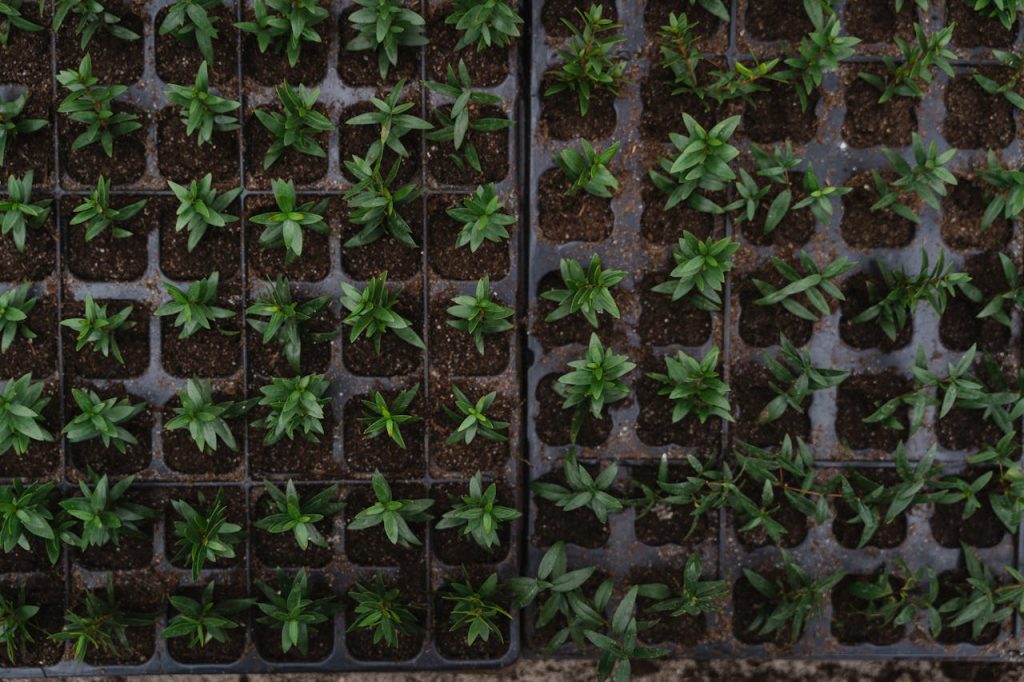
Warm afternoons can hide the problem: nighttime drops that arrive after sunset. Seedlings raised in steady indoor temperatures may stall after one chilly night, with foliage drooping in the morning even when the soil is damp, and growth slowing for days. Heat lovers like peppers and basil show it first.
During the early hardening days, bringing trays back indoors protects tender plants while they learn sun and wind. Cold frames, low tunnels, and small unheated greenhouses can act as a halfway step, but forecasts still matter. Timing the process around a local frost-free date keeps early optimism from turning into a long recovery.
Rushing The Exposure Schedule
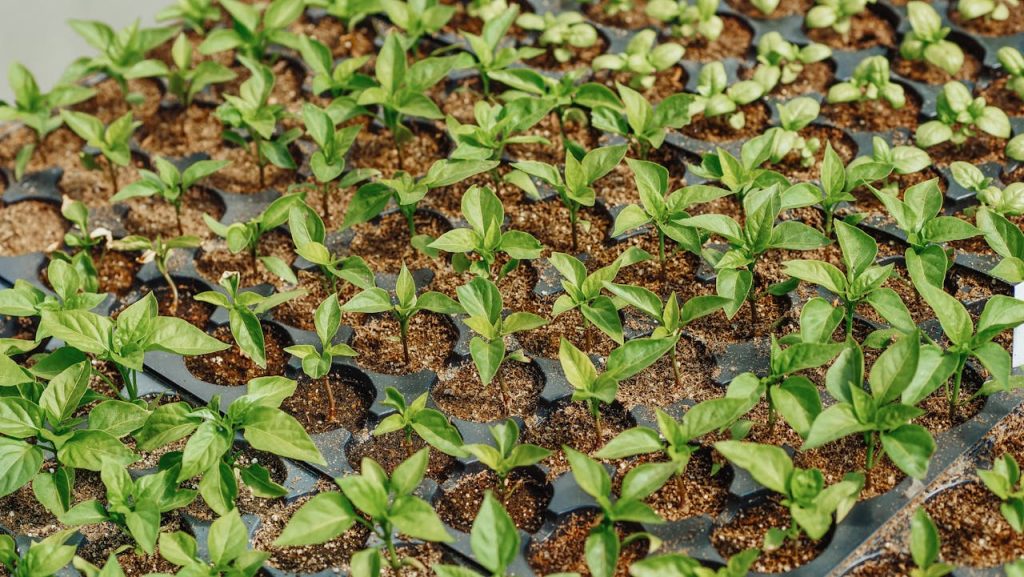
Hardening off falls apart when the transition gets squeezed into a weekend. Tender plants need repeat exposures: one to two hours in sheltered shade for a few days, then three to four hours in filtered light, before morning sun arrives for four to five hours and midday sun is added in short bursts.
When that ramp is skipped, leaves discolor, stems sag, and the next week becomes repair instead of momentum. By days eight and nine, many seedlings can handle six to seven hours outside, but only if earlier days were calm. Stress signals like wilting or yellowing mean the next session should be shorter, not tougher, growth keeps moving.
Hardening Off Without Checking The Forecast
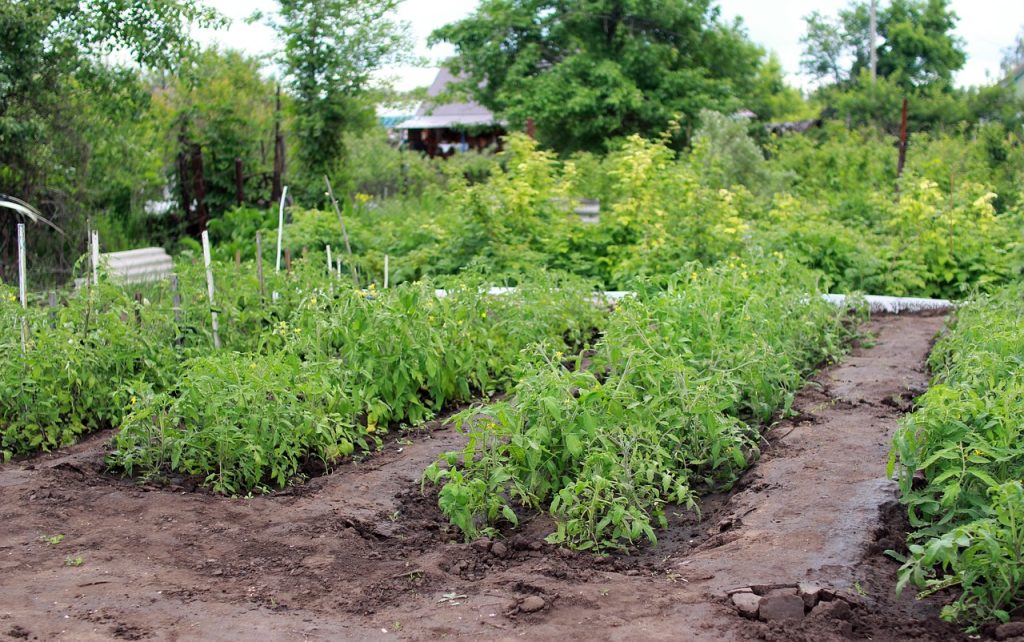
A solid routine can unravel when weather flips mid-process. A cloudy morning can turn bright by noon, or a calm day can bring gusts that strip moisture from tiny pots, pushing seedlings from mild stress into a visible slump. Sudden cold rain can do the same.
Hardening off works because conditions stay controlled, so the forecast deserves a quick check before each outing. Early sessions belong in the warmest part of the day, with shade and shelter ready if clouds break. If nighttime temperatures look low, trays can come back inside or into a cold frame. The next day can repeat the last safe step rather than jumping ahead.
Watering From Above In Bright Sun
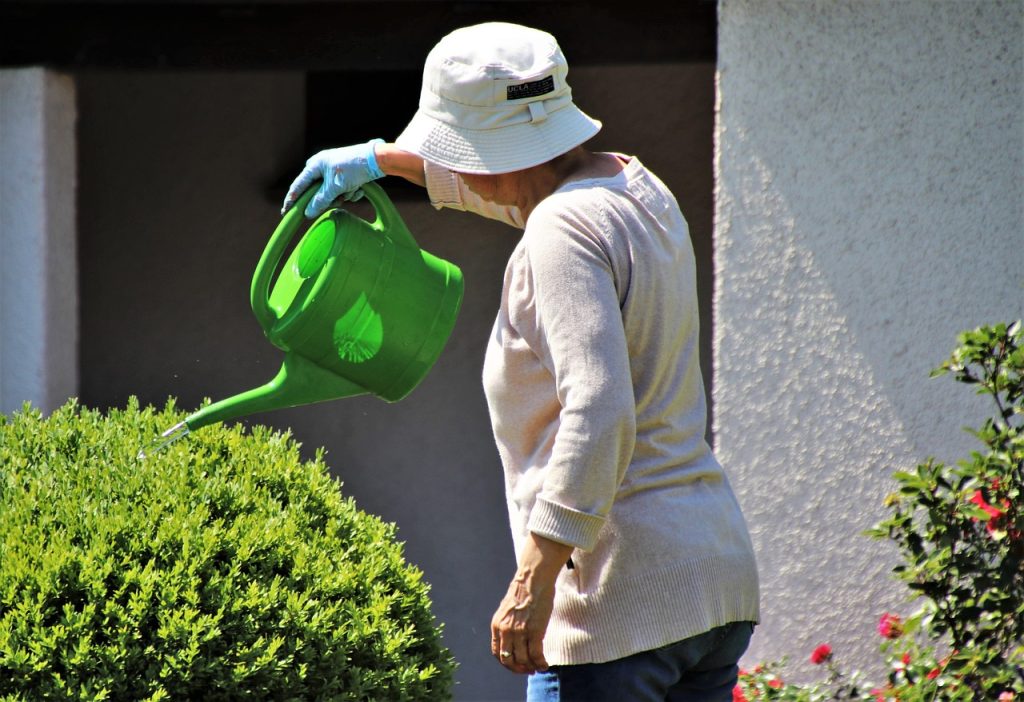
Watering habits that worked indoors can backfire outside, where sun and breeze pull moisture from small cells in hours. Overhead watering in bright light can leave droplets on foliage, and uneven moisture can make seedlings wilt fast even when the day feels mild. Timing matters too.
Bottom watering keeps roots hydrated while leaves stay drier, which helps plants handle longer sessions as exposure climbs. Moistening trays before they go out, then checking halfway through, prevents that afternoon crash that looks like mystery stress. The goal is even dampness, not soggy mix, so roots keep oxygen while stems and leaves toughen up.
Waiting Too Long To Begin
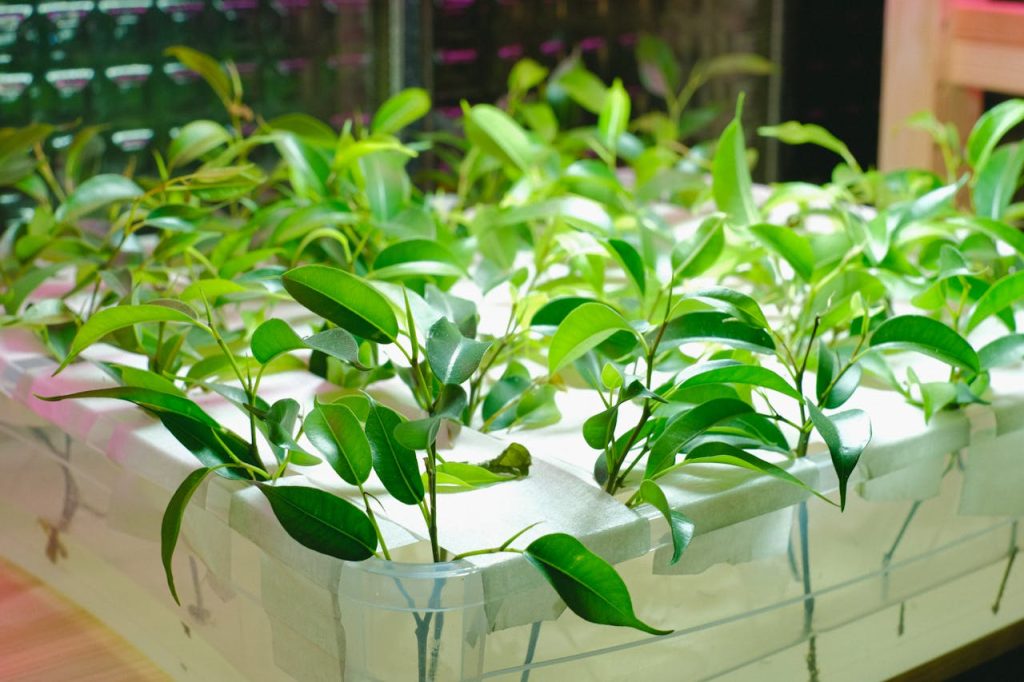
Hardening off gets harder when seedlings linger indoors past their prime. Soft, stretched growth may look fine in trays, but it bends under real wind and struggles with wider temperature swings, so the first outdoor hours feel harsher than they should.
Because the process can take about 10 days and sometimes longer, starting with enough lead time keeps the calendar from forcing bad choices. Leggy stems benefit from repeated, gentle wind and gradual light, which encourages thicker tissue and steadier posture. The reward is fewer setbacks after transplanting, and faster root takeoff once plants move into garden soil this season.
Treating Every Plant The Same
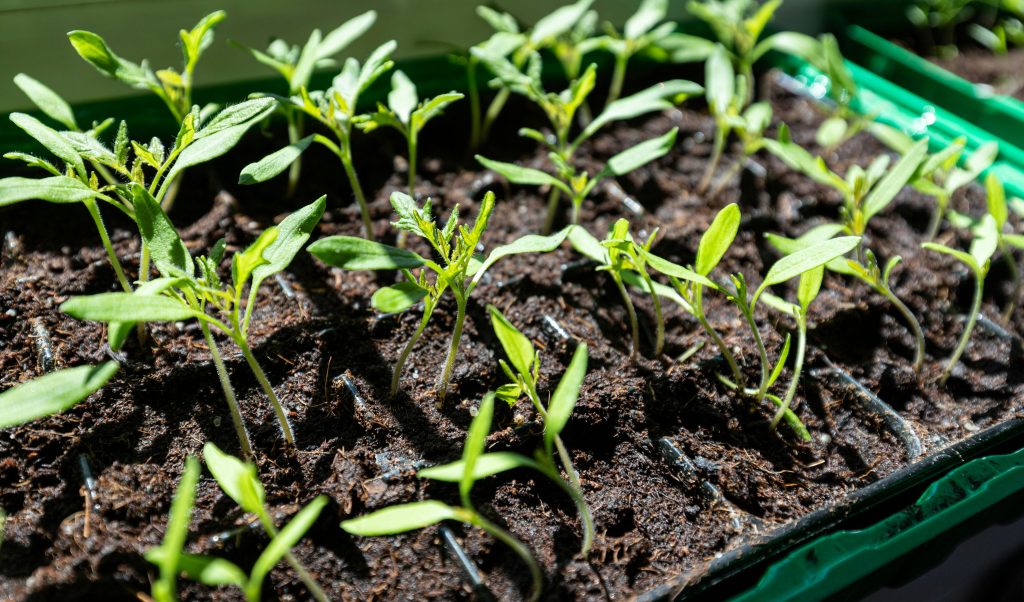
Hardening off is not one-size-fits-all, yet many trays go outside on the same schedule. Cool-season greens often handle brisk air, while heat lovers like peppers, basil, and cucumbers sulk when nights dip, so a shared routine can leave half the flat thriving and half stalled.
Grouping plants by cold tolerance keeps the process gentle and predictable. Tender crops may need a later start, plus a buffer like a cold frame, tunnel, or unheated greenhouse to soften swings. Even within one tray, spacing pots so leaves are not rubbing in the wind reduces damage. Planting dates should follow readiness, not optimism in early spring.
A calm hardening-off rhythm looks almost boring on the surface, but it protects weeks of indoor effort. Small, steady steps let seedlings meet spring on friendly terms, so transplant day feels like a continuation, not a test.