

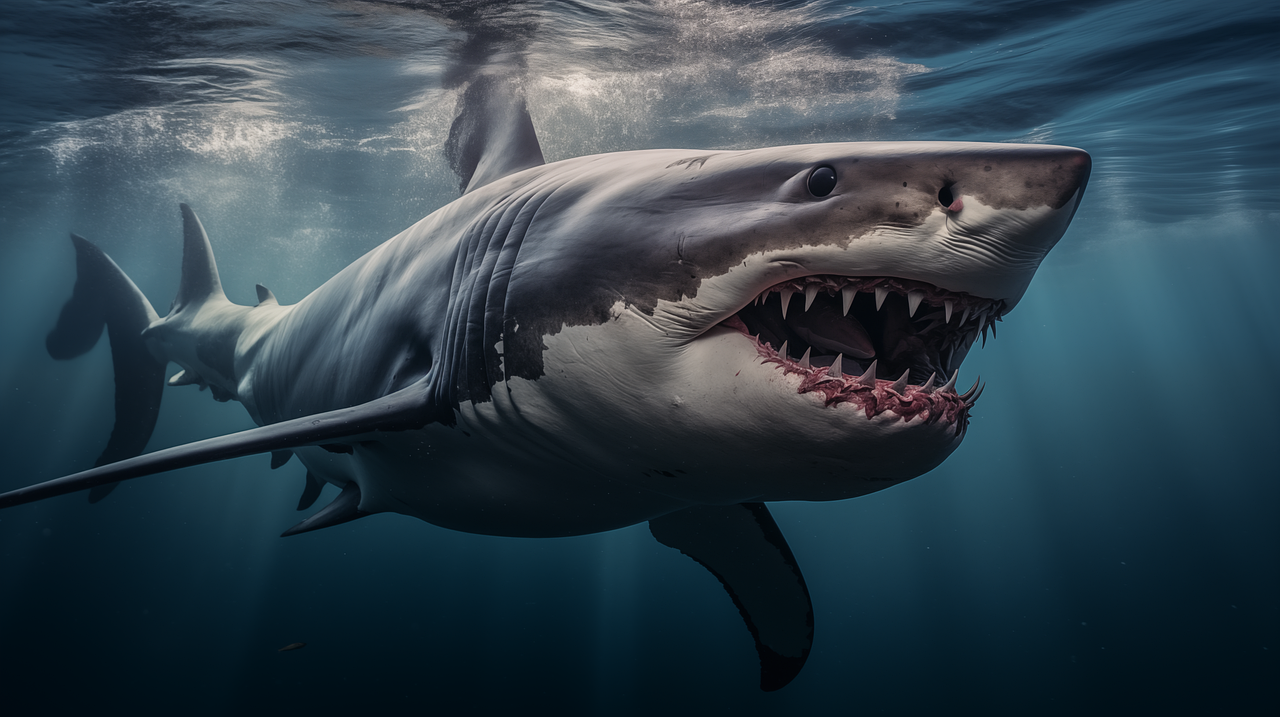
A shadow moves through the internet faster than any shark ever could: the claim that megalodons slipped into the Mariana Trench and stayed there. It sounds tidy, a single hidden place where a prehistoric giant can wait out extinction, far from cameras and curiosity. But the trench is not a secret aquarium, and the science around fossils, temperature, prey, and modern observation keeps pointing the same direction. What keeps the story alive is the thrill of an unknown below the waves, plus the way clips travel without context. Wonder is real down there and it does not require a living megalodon to matter to anyone watching.
Megalodon Was Real, Not Magical
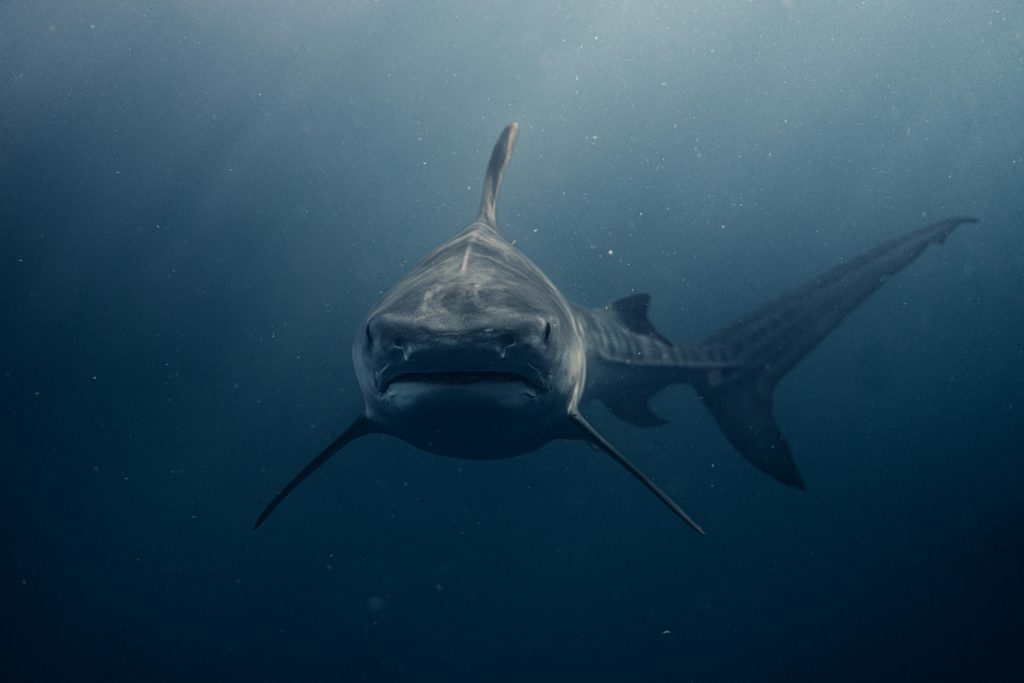
Megalodon was a real shark, known from fossil teeth and other remains found on many coastlines, and its scientific name is Otodus megalodon. Because cartilage rarely fossilizes, researchers estimate body length by rebuilding jaws and comparing tooth measurements with living lamniform sharks, which puts a plausible maximum near 20 m. That makes it one of the largest macropredatory sharks known, big enough to feel mythical, yet still governed by the same rules of metabolism, hunting, and habitat as any other animal, leaving trackable evidence over time when it lived in the Miocene and Pliocene epochs.
Extinction Has a Timestamp
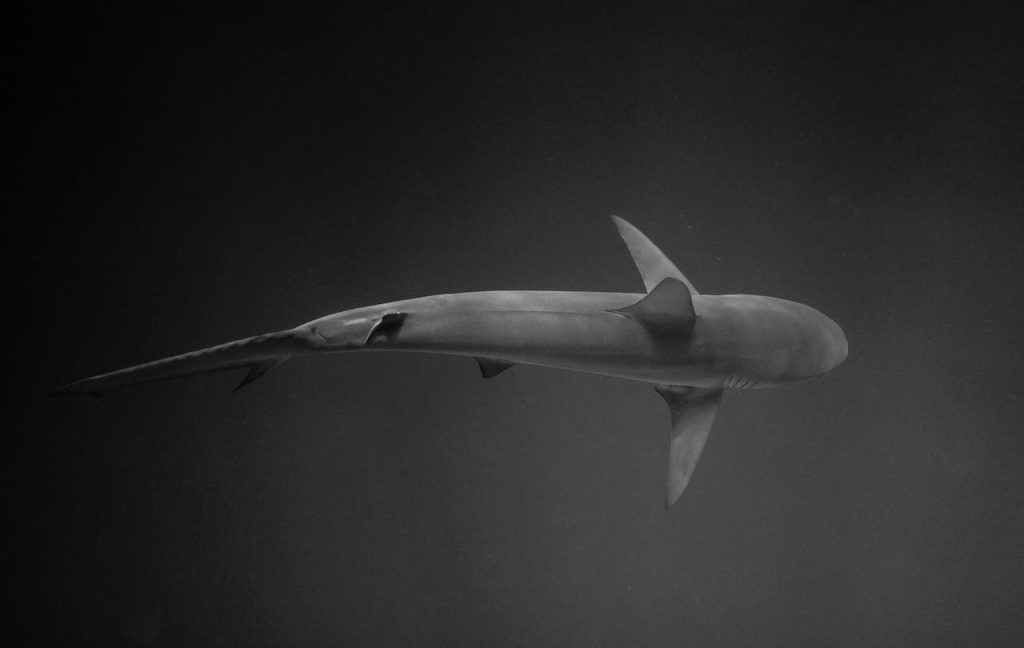
The trench rumor often begins with a true point: the fossil record is patchy. Then it makes a leap that science does not support. In the eastern North Pacific, a detailed review found that later claims are explained by reworked teeth or poor provenance, leaving the youngest reliable megalodon records in the early Pliocene and pointing to extinction around 3.6 million years ago. A living population would have to keep shedding fresh teeth, leaving modern DNA, and interacting with prey in ways that leave signatures, yet nothing verified has appeared anywhere so far in the last century of ocean science.
The Mariana Trench Is Not a Cozy Refuge
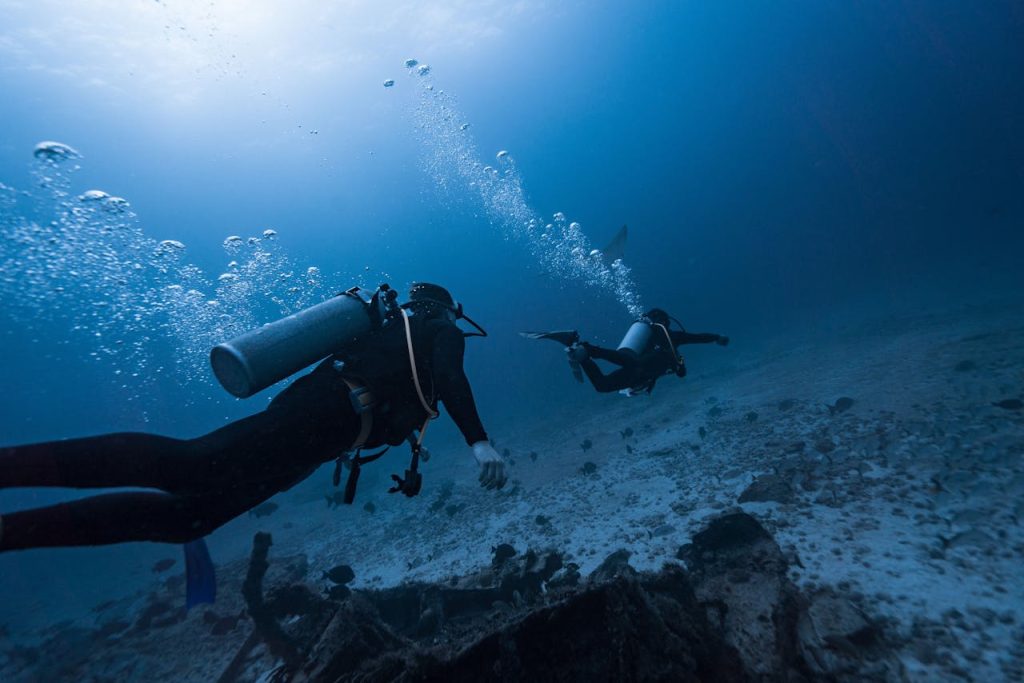
At Challenger Deep in the southern end of the trench, the seafloor drops to roughly 10,935 m beneath the western Pacific, where darkness is permanent and water temperatures hover only a few degrees above freezing. Pressure down there is on the order of a thousand atmospheres, and the trench itself is not an open plain but a complex, steep-sided landscape that limits how big animals move, feed, and reproduce. Life exists, yet it is tuned to scarcity, and that reality still clashes with the idea of a warm-water giant quietly circling below in total silence, unseen, for millions of years.
Warm-Water Life History Does Not Match the Trench
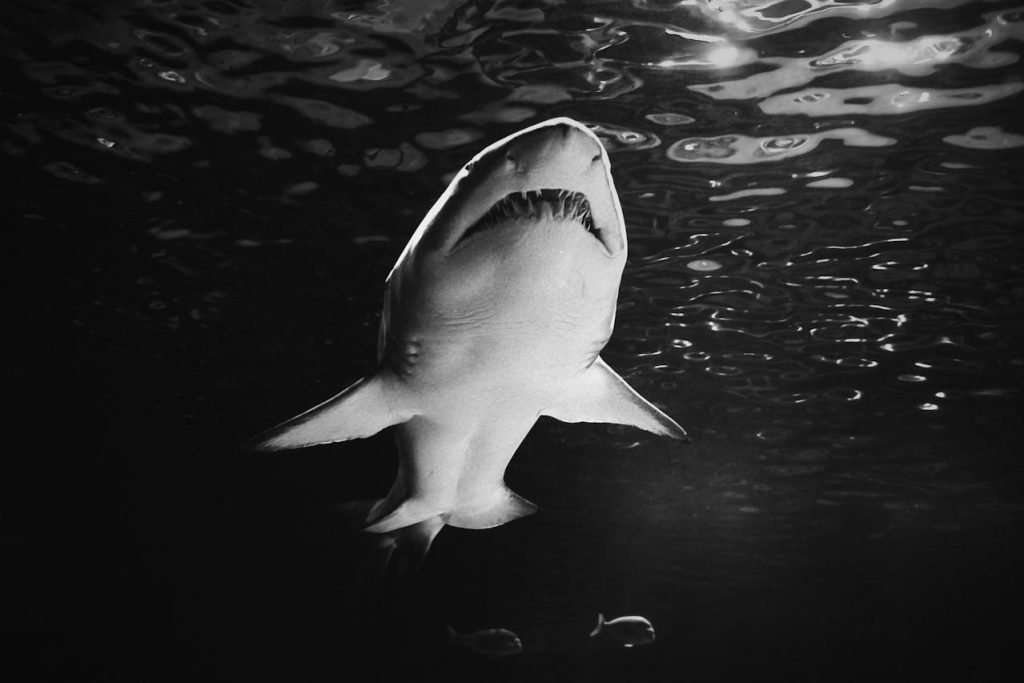
Fossil evidence suggests young megalodons used shallow, food-rich coastal waters as nursery areas, where smaller prey was plentiful and growing bodies could feed efficiently. Research on their physiology also supports a degree of internal heat production, a trait that helps in cool water but still comes with high energy costs and does not turn near-freezing depths into a good habitat. Put together, the life history points toward broad, warm-to-temperate ranges with access to big prey, not a permanent retreat into the coldest trench on Earth where food webs are thin overall.
A Giant Predator Needs a Giant Food Budget
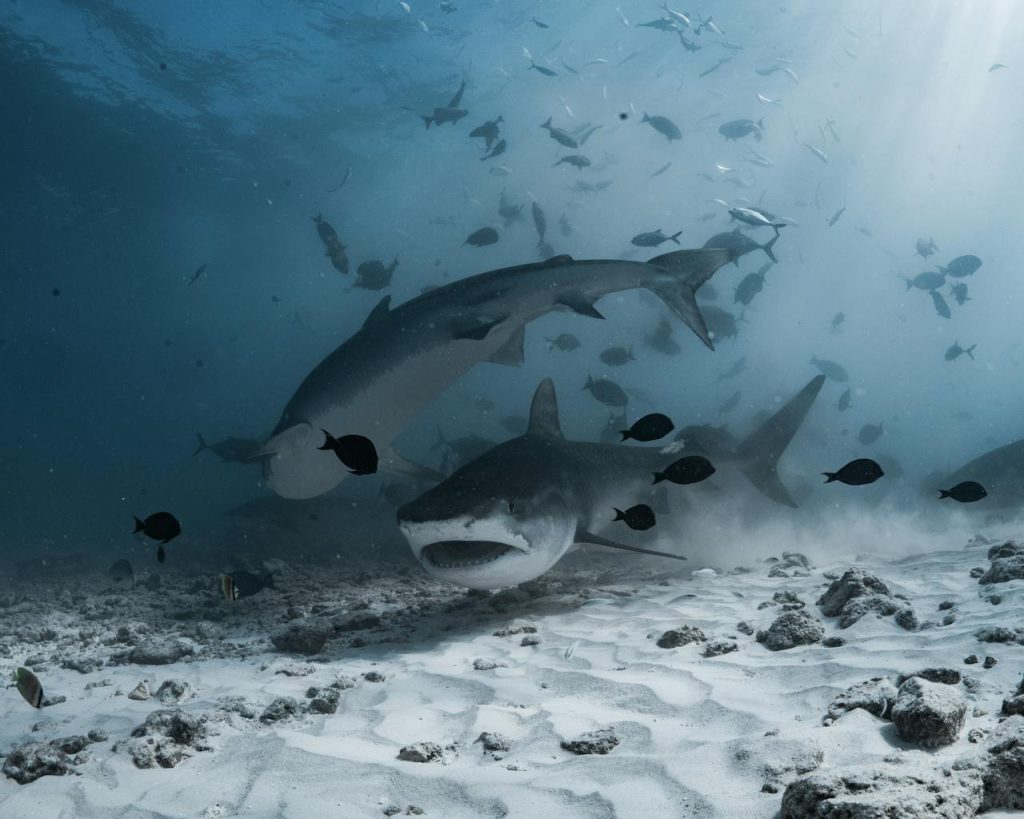
Megalodon was built to eat large animals, and even conservative size estimates imply an enormous daily energy budget that has to be paid in real calories. Adult prey likely included whales and other sizable marine mammals, plus large fish and turtles, which is the opposite of what dominates at trench depths, where food arrives as a slow rain of scraps from above. For a breeding population to persist, it would need many individuals, not one lone legend, and each would require reliable, abundant prey and migration routes that leave traces in carcasses and bite patterns, yet those traces are missing today in modern records.
Pressure Would Shape Every Breath and Movement
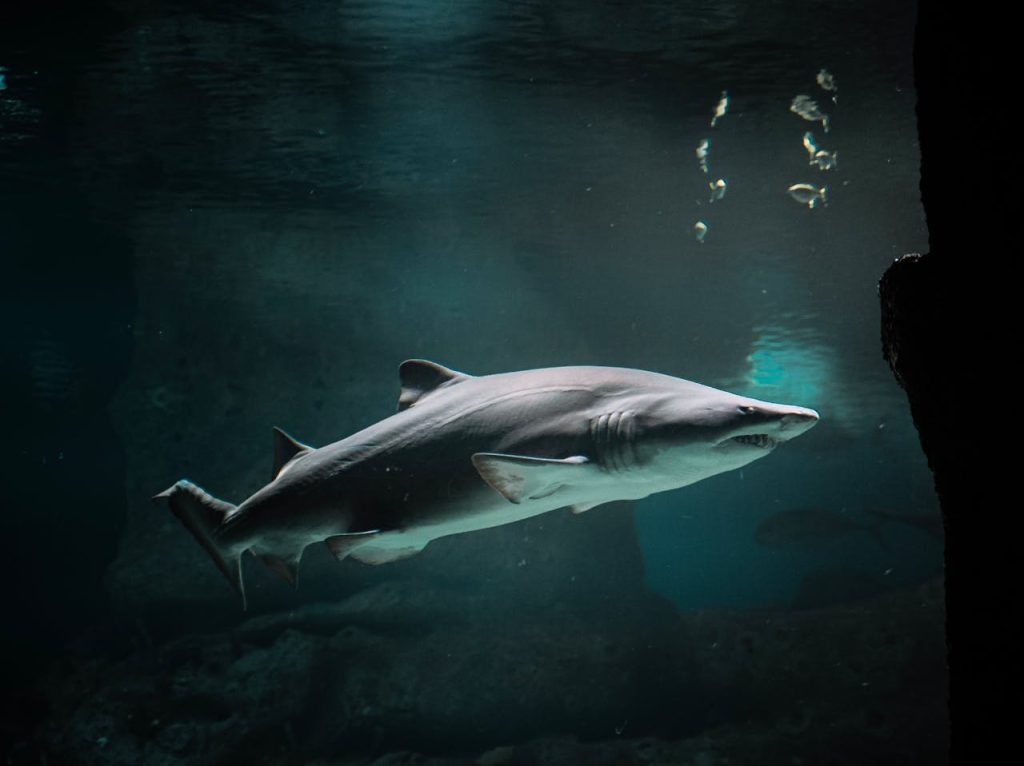
The trench myth treats depth like a door that closes behind a creature, but the real barrier is physics that never relaxes. Near 11,000 m, pressure reaches roughly a thousand atmospheres, and even sharks without swim bladders still must manage buoyancy through liver oils and constant motion while oxygen is scarce and cold slows recovery. The animals confirmed from those depths are adapted for efficiency, not speed, and scaling a predator up to megalodon size would multiply every constraint, from circulation to heat loss, until the dive becomes a punishment, not a long-term refuge at all.
Fresh Teeth Would Be the Loudest Clue
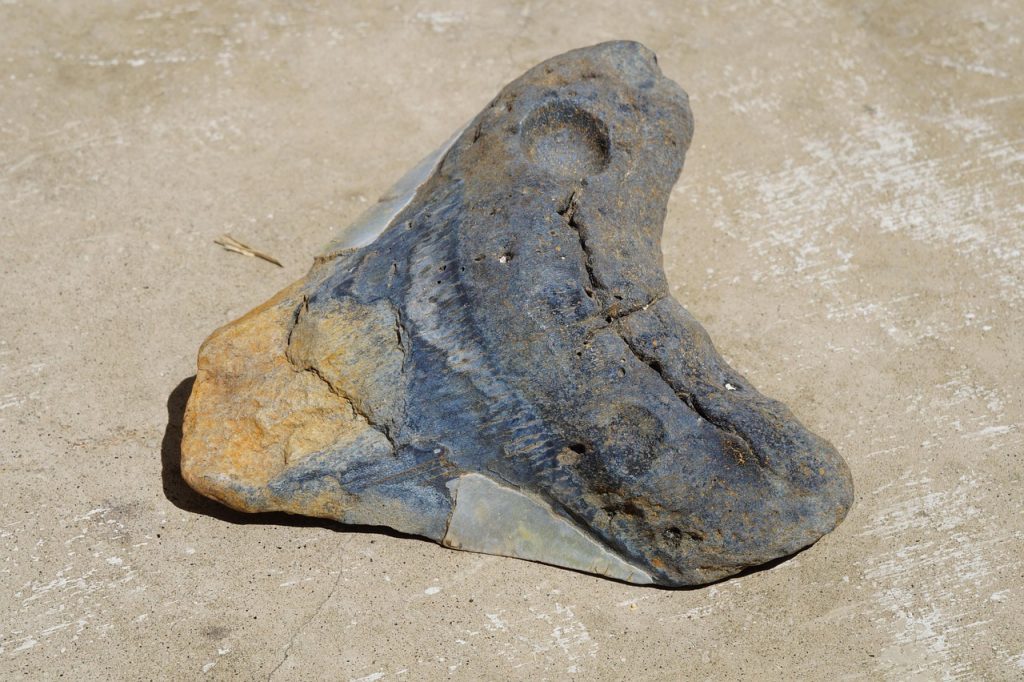
Sharks do not keep their teeth for life; they lose and replace them repeatedly, often by the thousands, which is why beaches and seabeds can be littered with shed teeth from many species. Smithsonian Ocean Portal reporting notes megalodon teeth can reach about 18 cm, and the same replacement system would mean a living population leaves a constant trail, including newly shed teeth with modern chemistry and no mineralized fossil patina. That is the kind of evidence that shows up in trawls, cores, and museum collections, and its continued absence worldwide so far is a straightforward, stubborn fact.
Modern Whales Would Carry Modern Scars
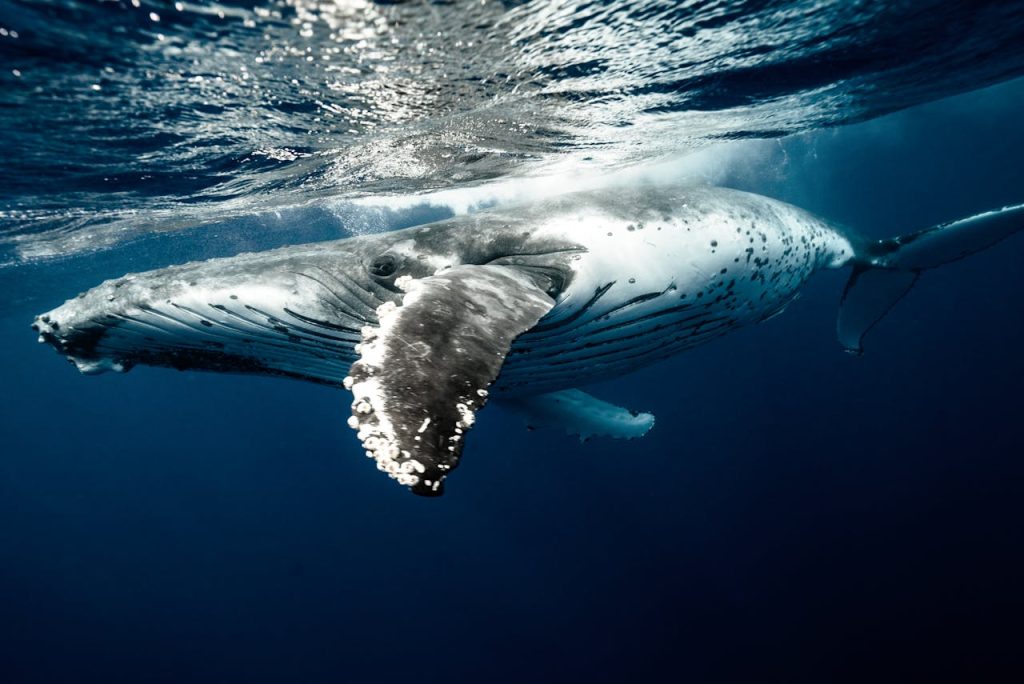
The trench rumor pictures megalodons commuting upward to feed, then dropping back down as if the deep were a locked basement. But whales are surveyed, photographed, and cataloged at scale, and their injuries are studied closely because bite marks can reveal predator size, tooth shape, and feeding style, from research cruises to stranding reports. A reference check is telling: Britannica notes that serious indirect evidence, such as megalodon-sized bites on today’s humpback and blue whales, is lacking, which undercuts the idea of an active hunter returning to the surface year after year in plain sight.
Why the Myth Keeps Winning Clicks
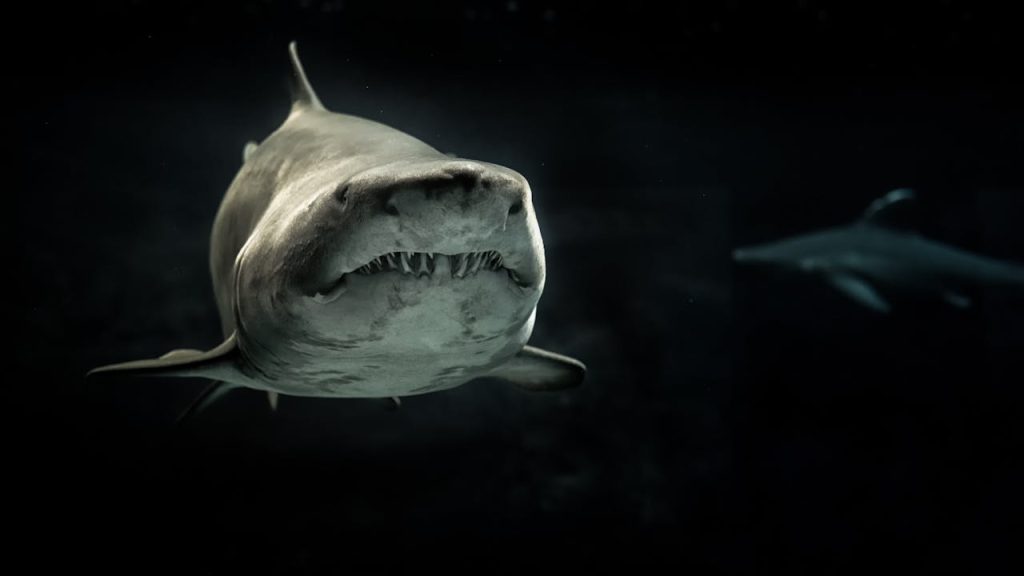
Megalodon lore spreads because it blends two powerful feelings: awe at the deep sea and distrust of what cannot be personally verified. A trench name sounds like a locked vault, old teeth look fresh when they are exposed by currents or dredging, and vague references to classified sonar or missing footage add a thrill of conspiracy without adding evidence. Online platforms reward repetition, so a claim can harden into certainty through sheer volume, and the most effective response is a richer narrative about how fossils are dated, habitats are constrained by physics, and living animals leave signals that experts can test.
The ocean can be mysterious without being misleading. The Mariana Trench holds species that look unreal, landscapes that bend intuition, and reminders that human impact reaches even the deepest places. Treating that depth with respect means letting evidence lead the story, even when the quieter truth is less cinematic than a hidden giant.