

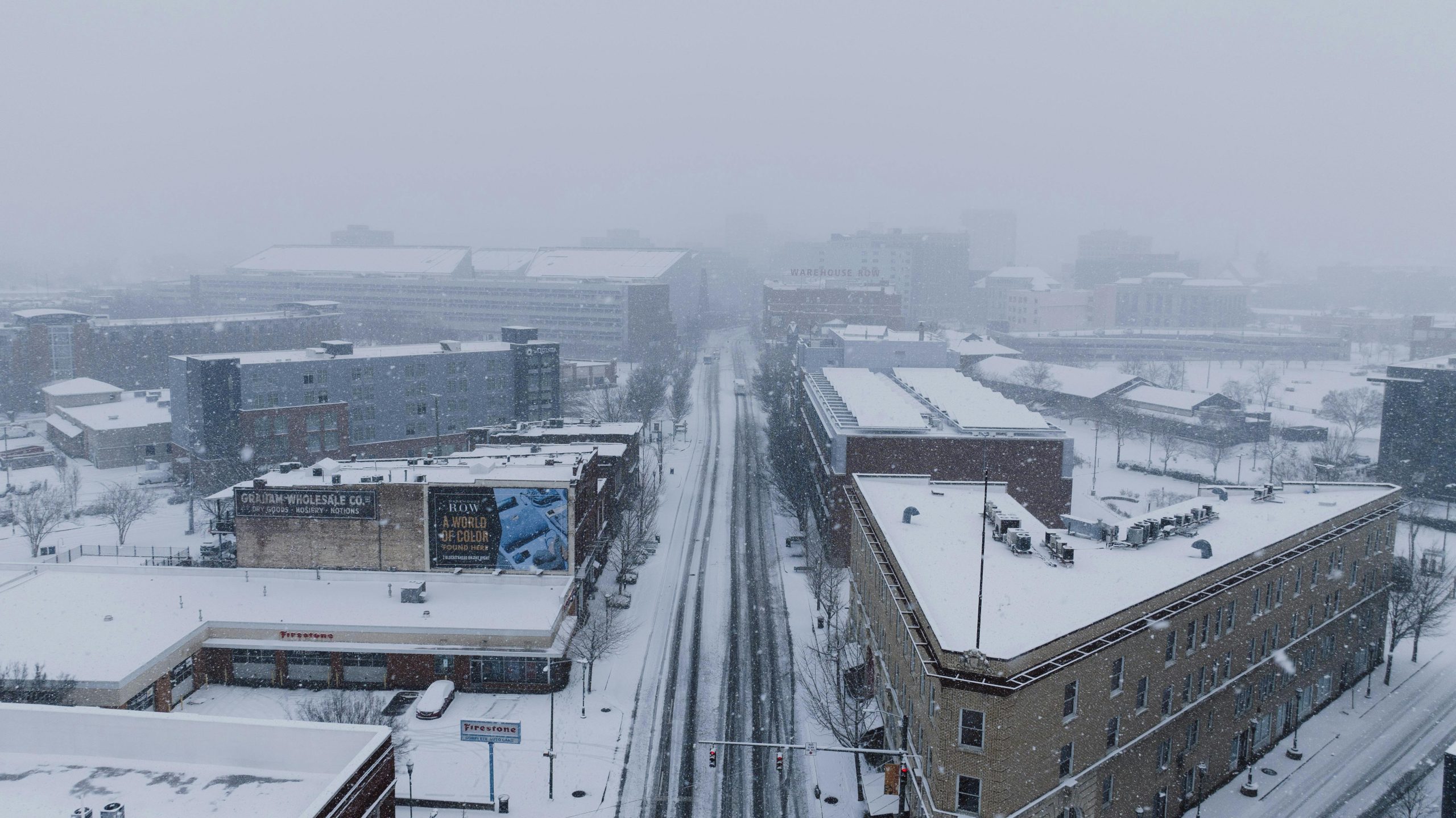
A week after an ice storm ripped through the U.S. South, some neighborhoods are still living by flashlight and extension cords. Fallen trees and iced-over roads have slowed restoration, leaving families juggling warming centers, borrowed rooms, and careful generator use.
Another Arctic push is arriving again before the region has fully reset. The National Weather Service has posted cold weather alerts from Texas to Tennessee and into Florida, warning that prolonged exposure can turn risky fast without proper precautions. With gusty winds, more snow possible, and travel disruptions lingering, the cold feels personal right now.
Power Restoration Still Slow
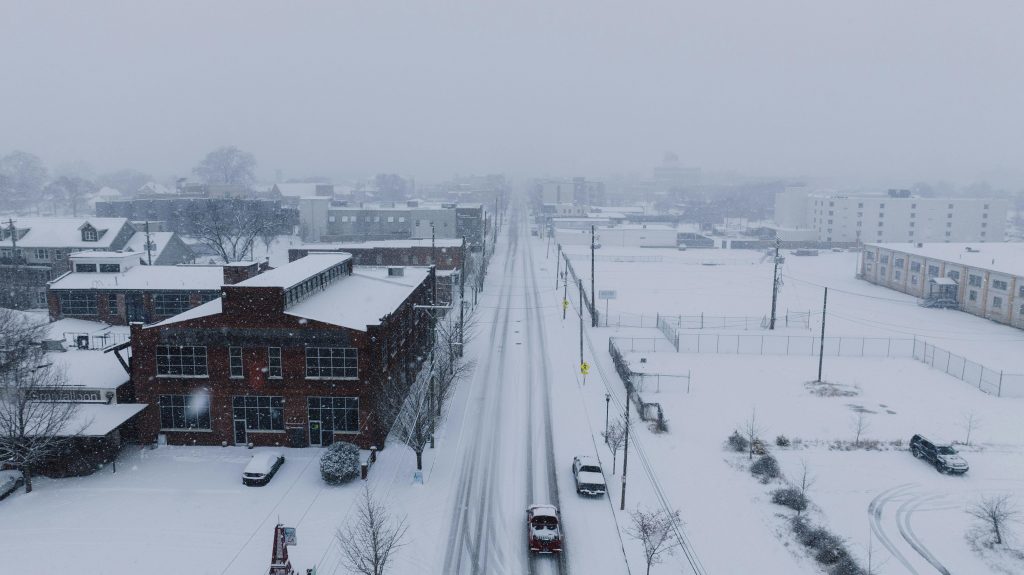
Crews across Tennessee and Mississippi are still rebuilding what ice and falling trees pulled apart. When branches come down, they tend to take multiple lines with them, so restoration becomes a chain of careful fixes, not one quick splice.
That slow pace collides with another cold surge again. Saturday highs are expected around 21 in Nashville and 26 in Oxford, Mississippi, while gusty winds drive wind chills toward or below zero from central Tennessee into northern Mississippi. Thousands have been without power for nearly a week, so every hour without steady heat makes an already stressful outage feel like an emergency.
Cold Alerts Stretch Across The South
Cold weather alerts now span a wide corridor from Texas to Tennessee and down into Florida, a setup that leaves little room to dodge the chill. The National Weather Service has warned that prolonged exposure can lead to hypothermia without proper precautions, especially when wind picks up.
Forecasters expect Friday night lows in the teens across much of Tennessee and northern Mississippi, with lows in the 20s from southern Mississippi into Louisiana. By Saturday morning, wind chills may hover near or a few degrees below zero in parts of Tennessee and northern Mississippi, turning routine errands into high-stress choices.
Fatalities Show How Many Risks Stack Up
State officials have reported weather-related fatalities across the region after last week’s storm, adding a sobering backdrop to the new cold. Tennessee’s health department confirmed 21, Mississippi reported at least 16, and Louisiana confirmed nine, according to officials and The Associated Press.
Not every loss came from cold exposure alone. Reports also cited suspected carbon monoxide exposure and crashes involving cars, sleds, and snowplows, incidents that rise when roads are slick and people improvise heat. As cleanup continues, the message is simple: the danger is not only the weather, but the decisions it forces.
Air Travel Disruptions Keep Spreading
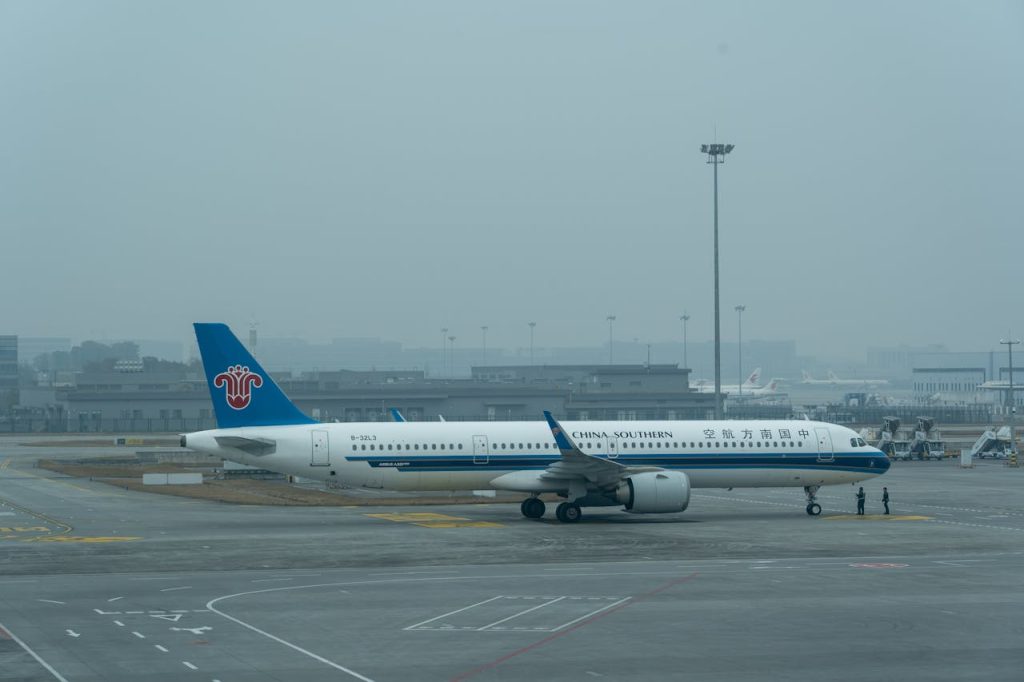
The storm’s footprint is still showing up on departure boards, even as road crews clear the leftover snow and ice. As of Saturday morning, more than 1,500 flights had been canceled, extending the disruption well beyond the neighborhoods where power lines fell.
Airports seeing some of the largest impacts include Atlanta, Charlotte, Raleigh, and Charleston, places tied to the winter storm zone and to states that declared emergencies. When de-icing schedules, staffing, and runway checks collide, delays ripple quickly through hubs. For families trying to reunite, the uncertainty can feel like one more outage, just in a different form.
Snow Returns Before The Region Can Breathe
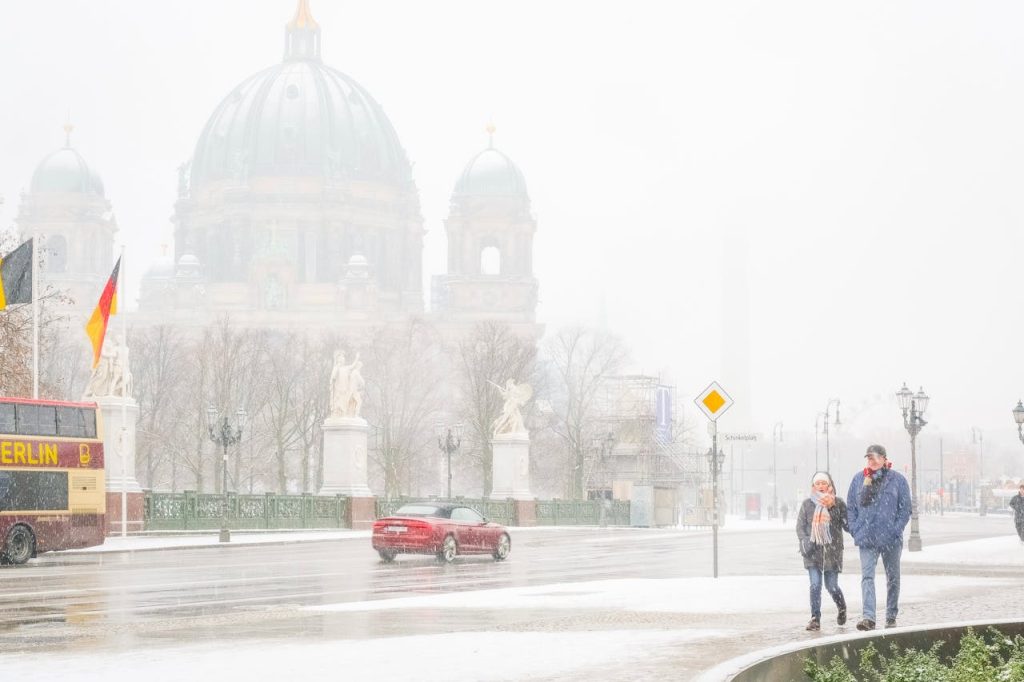
Forecasters expect another round of snow, with heavy bands and possible blizzard conditions in parts of the Southeast this weekend. Snow is expected to become widespread Friday night across eastern Tennessee, southern Virginia, nearly all of North Carolina, northern South Carolina, and northeastern Georgia.
In Georgia, some residents have sounded excited at the idea of snow, but meteorologists keep pointing to who pays the highest price. Older adults and people without stable housing face the longest exposure when sidewalks glaze and transit slows. With strong winds in the mix, even time outside can turn uncomfortable quickly.
Why Ice Hits Southern Grids Differently
Ice is a different stress test for Southern infrastructure. Tennessee and Mississippi tend to build systems for hurricanes and extreme heat, not heavy glaze that loads trees and wires, said Syracuse University engineering professor Sara Eftekharnejad.
Repairs can drag because fallen trees often pull down several lines at once, creating stacked breakpoints that must be rebuilt in sequence. That is why thousands can remain without electricity days later, even when crews are visible on major roads. Marshall Shepherd at the University of Georgia has warned that Arctic air and wind raise the danger while repairs continue.
Relief Arrives, But Nights Stay Hard
Forecasters expect the sharpest cold to ease by early next week, offering a small opening for repairs and recovery. Highs are projected in the 40s and 50s from Texas to Tennessee on Monday, then milder again on Tuesday, with many places reaching the 50s and 60s.
Nashville is expected to be near 50 on Tuesday, with mid-50s in Oxford, Mississippi, but overnight cold still matters for households without electricity. Even when afternoons soften, dark homes lose heat fast after sunset, and the strain does not disappear just because the forecast looks better. The gap between restored power and warmer air is where fatigue tends to build.
Florida Faces A Brief, Unfamiliar Freeze
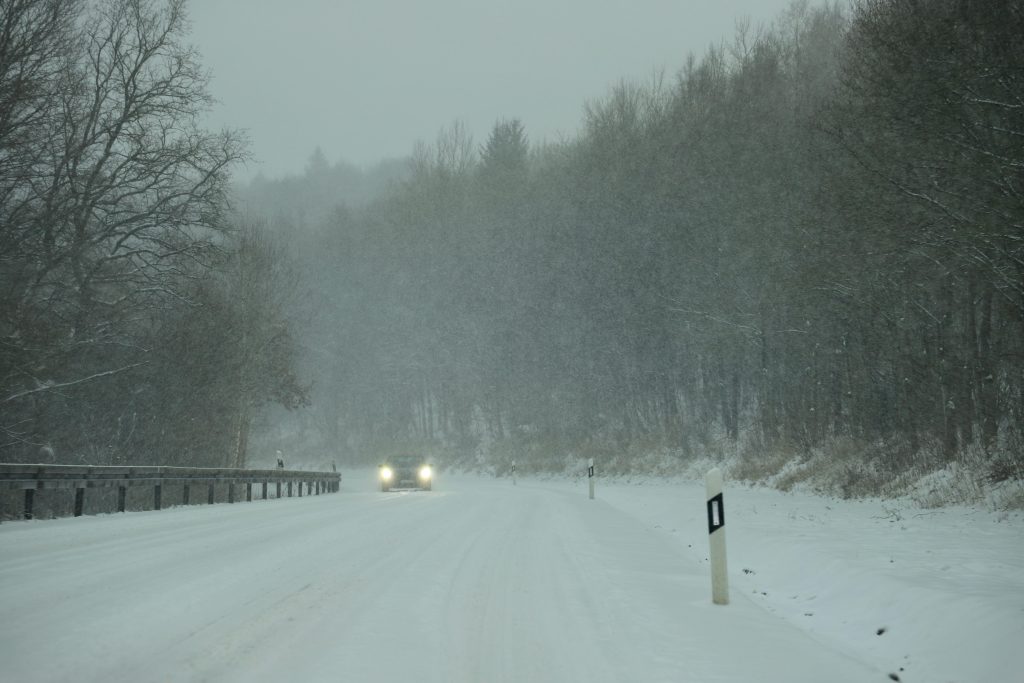
Florida stayed mild while the ice storm hit states to the north, but this round is pushing cold farther south. Forecasts call for 20s across much of the state by Sunday morning, including Tallahassee, Jacksonville, and Orlando, and daily records may be challenged.
Miami is expected to dip into the mid-30s, and forecasters noted that a low in the upper 30s would be the city’s coldest since December 2010. In Orlando, a forecast low of 24 would match its coldest reading since late 2010 as well. The National Weather Service warned that freeze conditions can damage crops, sensitive vegetation, and unprotected outdoor plumbing.
Farms And Groves Brace For Crop Stress
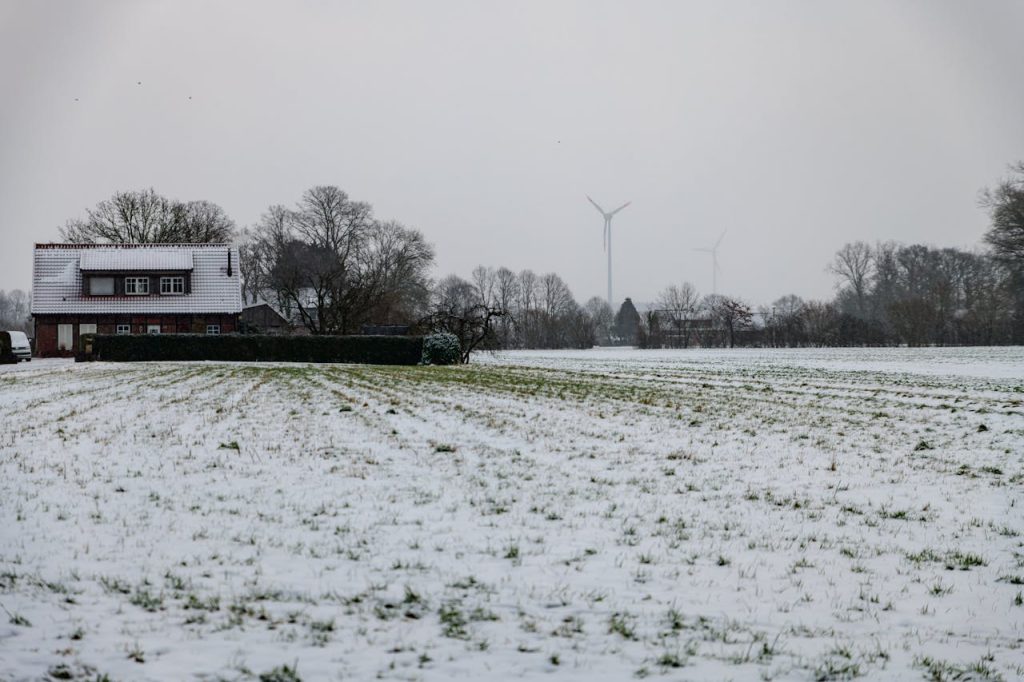
Florida agriculture is bracing for the freeze. Winter exports include leafy greens, strawberries, tomatoes, bell peppers, and blueberries, and even a short cold snap can echo nationwide.
Wind chills may feel like single digits in North Florida, teens in the central peninsula, and 20s farther south, adding stress to tender plants. Farmers have reported frost damage in snap beans, sweet corn, squash, and bell peppers, including leaf burn and flower drop that can cut yields. Citrus leaders say frost protection practices are active, but it is too early to estimate losses because impacts vary by location and duration this weekend.
Winds Can Undo Last Minute Preparations
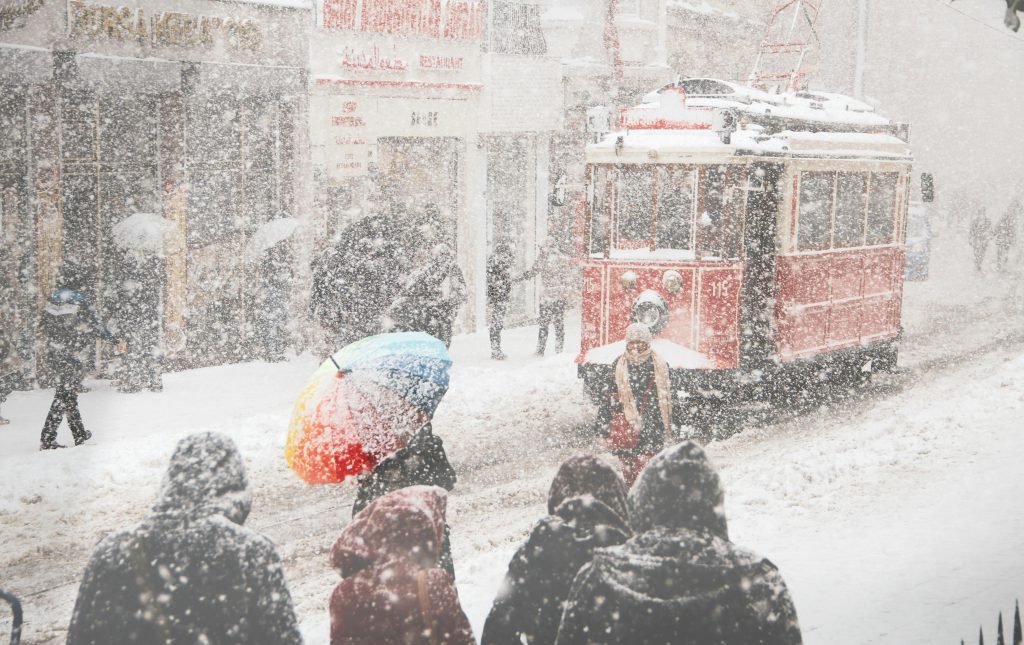
The cold front is not arriving quietly. The National Weather Service warned that strong, gusty winds on Saturday could create added hazards and disrupt final preparations meant to protect pipes and plants. It can also deepen wind chill.
Officials advised that tarps, blankets, or coverings over outdoor plumbing or sensitive vegetation should be secured so they do not peel back at the worst moment. Preparations were urged to be finished by Saturday morning, ahead of the strongest winds. For communities still clearing debris, that deadline adds stress, but it beats trying to repair frozen damage once the wind and cold settle in.
Zoos Prepare For Cold Stunned Wildlife
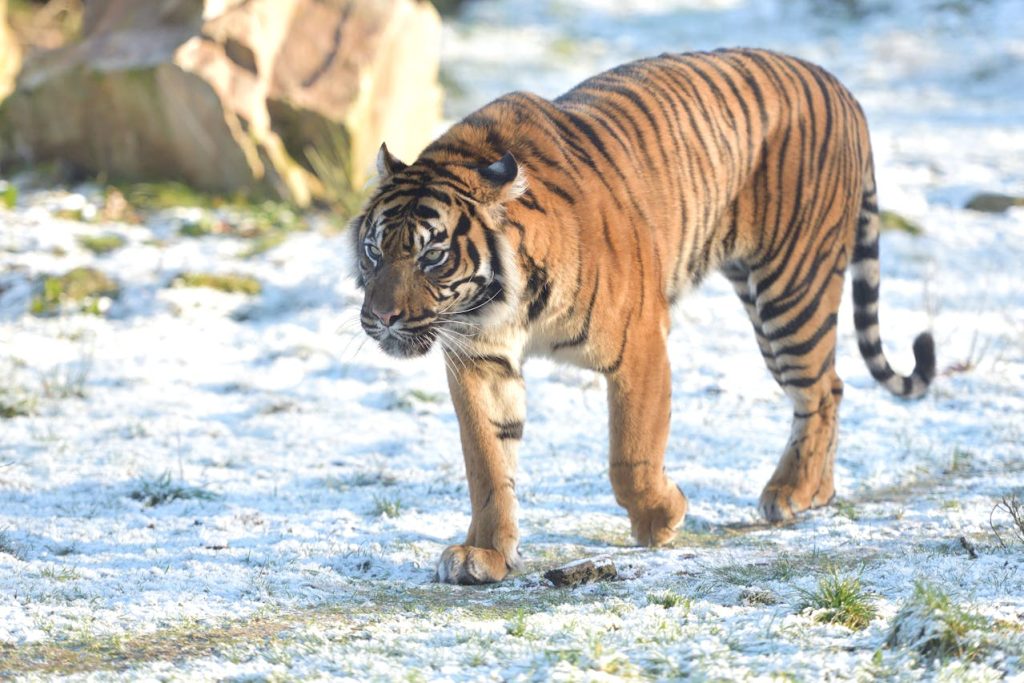
Florida’s cold has ripple effects beyond people and crops. Reptiles are likely to become cold-stunned, and past events have included iguanas falling from trees and alligators appearing motionless in chilled waterways.
ZooMiami spokesperson Ron Magill said keepers are most concerned about reptiles, moving tortoises and large lizards into heated shelter while crocodilians keep access to flowing water. Smaller mammals are brought indoors, and primates get blankets and extra food because cold burns calories. Jungle Island said tropical animals will also be moved inside, even as some big cats can seem more energetic in the cooler air.