

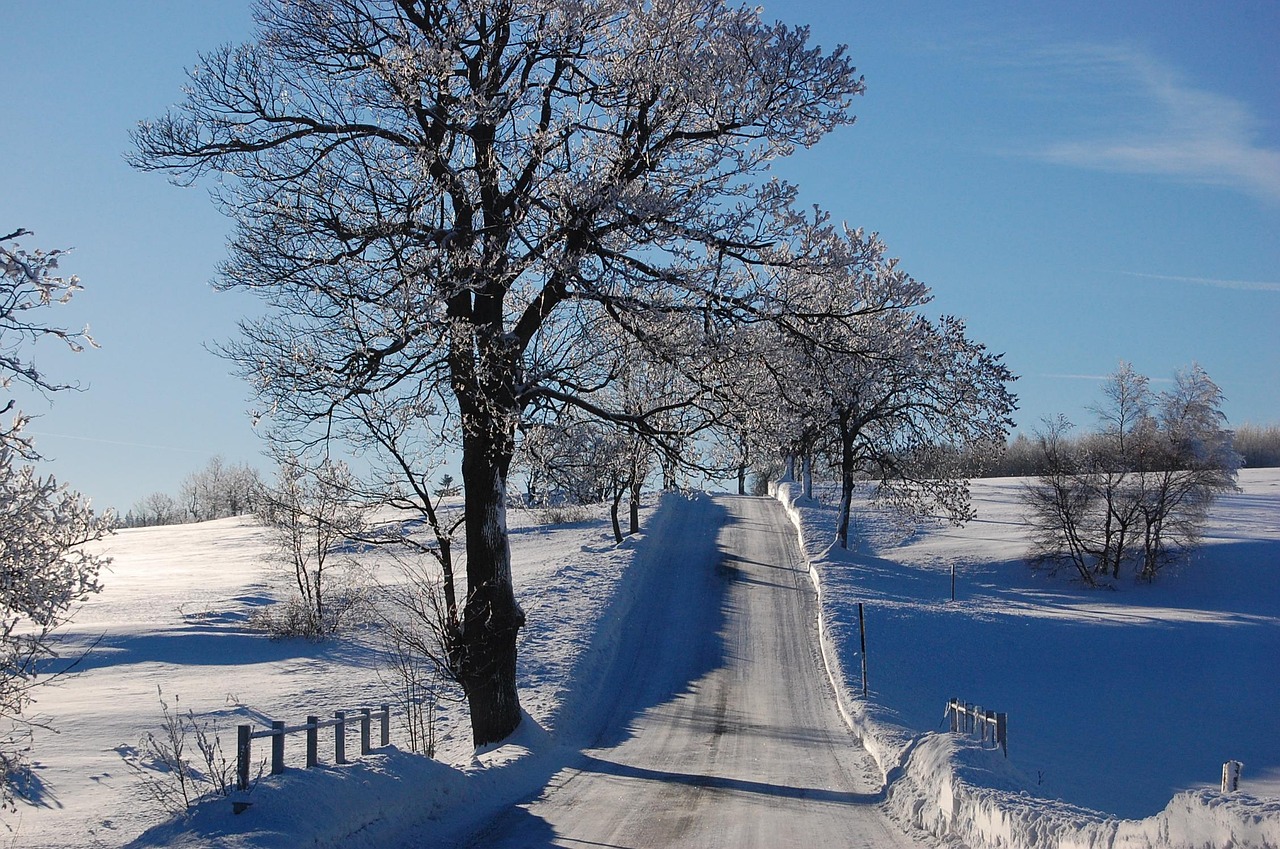
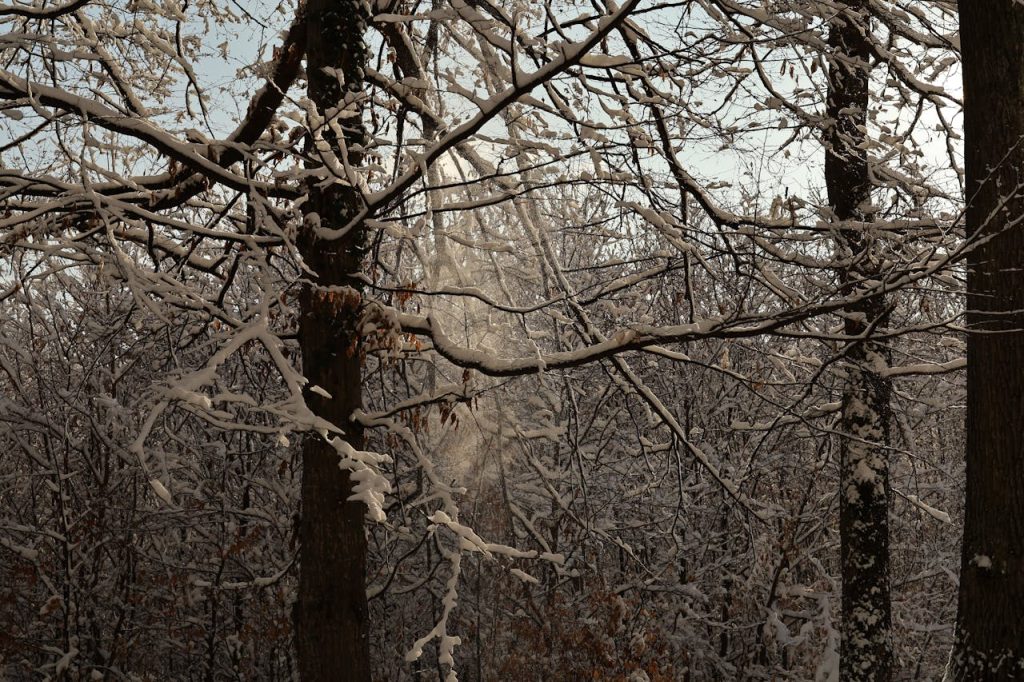
In winter woods, most deciduous trees stand bare, yet some oaks and beeches keep a fringe of dry, coppery leaves. They no longer feed the tree, but they hang on through wind and snow, adding sound and texture to an otherwise quiet canopy.
People have noted this for at least 2,000 years. Botanists call it leaf marcescence, a Latin-rooted term for withering, and it points to a small twist in the usual leaf-drop script. Recent garden surveys suggest the habit is far more common than many field guides imply, which is why scientists still debate what it signals and what it changes on the ground even when spring feels far away.
Marcescence Starts at the Abscission Layer
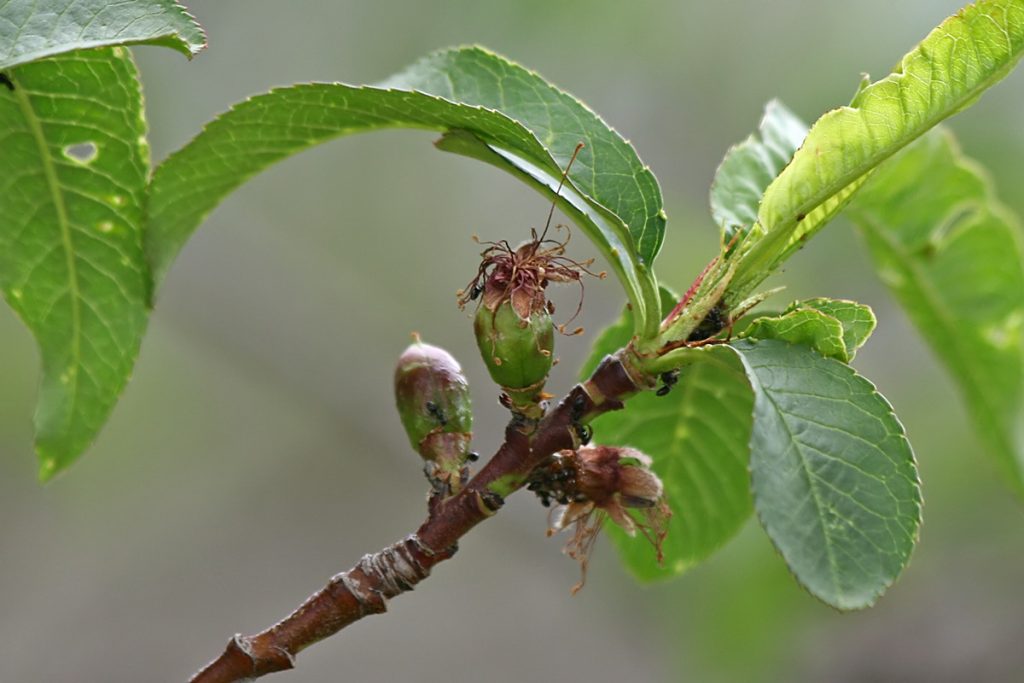
Most deciduous trees prepare for cold by breaking down chlorophyll, then pulling usable nutrients back into trunk and roots. Next, they build an abscission layer at the leaf base, sealing the connection so the leaf can drop cleanly.
In marcescent branches, that layer does not fully form. The leaf still dries and dies, but the stem stays latched, so brown leaves remain into winter and complicate basic leaf-drop tracking for phenology research. Mason Heberling noticed this problem while recording seasonal timing, because the tree looks ready to shed, yet refuses to do it on schedule. Then a mild spell or buds does the last tug.
Young Trees Hold On the Longest
Marcescence often shows up strongest in younger trees, especially on their lower branches. That placement matters, because lower limbs are closest to browsing animals and the colder, calmer air that settles near the ground.
Heberling studied the winter behavior of 10 medium-sized American beech saplings near his area and found the dried leaves tended to linger, often clustered below. Naturalists in the 18th and 19th centuries described similar patterns in North American oaks and beeches, suggesting the same age-and-height story has repeated for generations. Even within one stand, some saplings keep more leaves than their neighbors.
Botanical Gardens Revealed a Bigger Pattern
For years, marcescence was treated as an oak-and-beech quirk, easy to notice but rarely counted. A coordinated project across 18 botanical gardens changed that by measuring winter leaf retention at scale.
In Jan. 2024 and Jan. 2025, researchers tallied 1,061 plant species and found 401 species across 60 families with at least 1% intact dead leaves. Another 152 species across 35 families held 25% or more. Richard Primack called the result far more widespread than expected, and the list included some blueberries, azaleas, and honeysuckles, often with the most leaves lingering on lower branches. It resets expectations, too.
Even Nonwoody Plants Can Keep Leaf Skeletons
Leaf retention is not limited to woody branches. In winter fields, many grasses and wildflowers keep brittle leaf skeletons, creating a thin weave of cover above the soil when most people assume everything has dropped.
A study from the Czech Republic analyzed 127 herbaceous temperate species and found almost all, 97%, showed some level of marcescence. That persistence can shift when plant material reaches the ground and how long it stands upright, which matters for moisture, shelter, and the slow handoff from one growing season to the next. Ferns, sedges, and rushes can do it, too, making marcescence a spectrum, not a quirk.
Genetics Leaves a Signature in Oaks
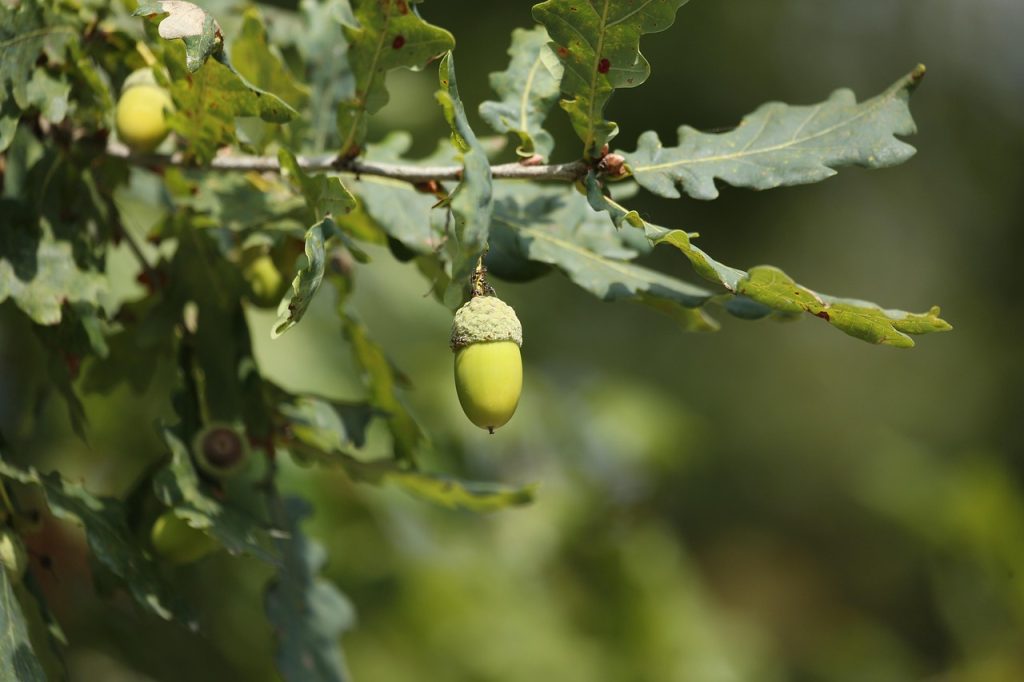
Patterns across species hint at inheritance. Many oak species show strong marcescence, while ash trees show little, suggesting the trait appears more readily in some lineages than others.
Even so, it is not as simple as saying an oak always keeps its leaves. Researchers see wide variation inside the same group, where some red or white oaks show heavy retention and close relatives show almost none. Meg Staton and colleagues linked marcescence in red oaks to a genome region tied to the trait, with roughly 80 genes still to sort through. Staton says the trait is fully or partly genetic, but the specific genes are not yet pinned down.
Dead Leaves Can Discourage Winter Browsing
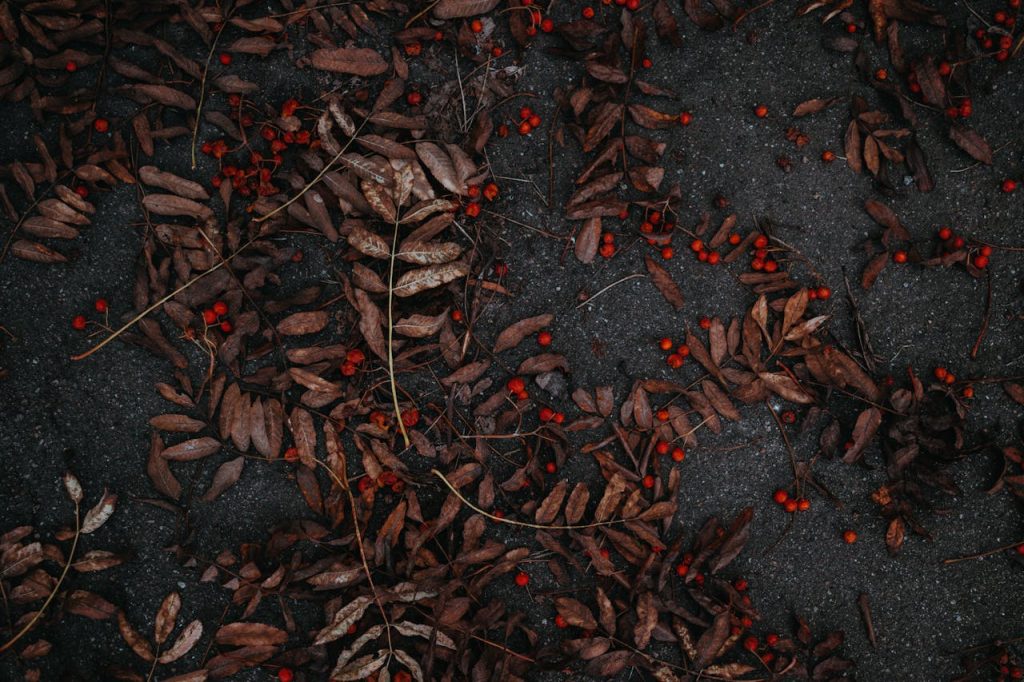
One practical advantage is that dead leaves can make winter browsing less appealing. Hungry deer, moose, and other large mammals target buds and twigs, especially on reachable lower branches where marcescence often concentrates.
Those dry leaves are low in nutrition and can be bitter because of tannins, turning a clean nibble into an unpleasant mouthful. A 1992 experiment found deer avoided branches that still carried dead leaves on beech and hornbeam. Even a small change in browsing can protect buds that will power spring growth. Heberling notes the leaves offer low nutrition, so animals may pass them by in favor of exposed buds.
Leaves May Buffer Buds From Frost
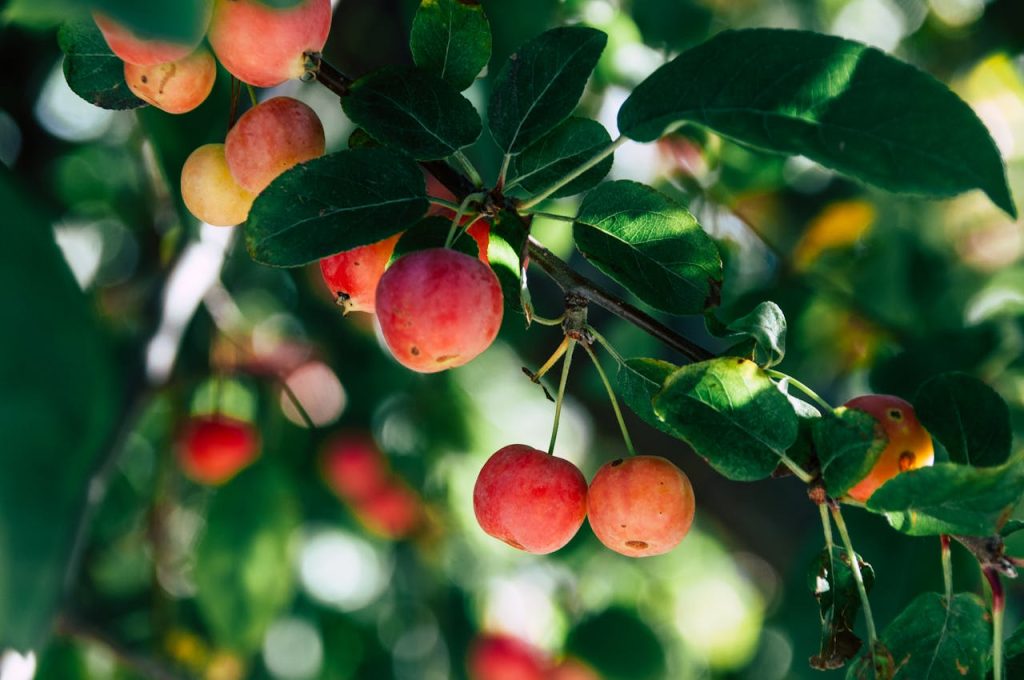
Another hypothesis is physical protection. Buds sit on twigs like sealed packets, and winter can stress them with wind, ice, and sudden temperature swings. Dead leaves that stay nearby may act as a rough screen.
Researchers suggest the hanging foliage could buffer buds from frost by slowing wind and trapping a thin pocket of still air around the twig. It is hard to measure branch by branch, but it fits the repeated observation that marcescent leaves often persist on lower branches and in colder climates, where small protection can matter more. It may not stop cold, but it can soften its edge until spring cues arrive.
Late Leaf Drop Can Speed Nutrient Return
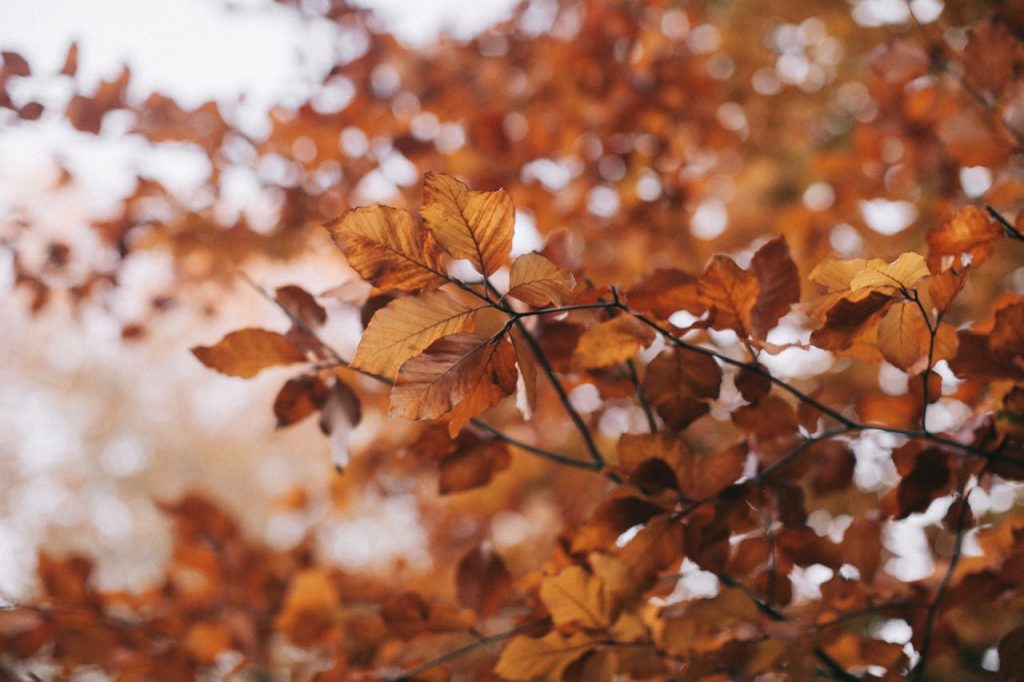
Marcescence may also change when nutrients return to the soil. Trees withdraw most resources before a leaf dies, yet the remaining tissue still holds material that can be recycled. The timing of that drop can shift the whole decomposition calendar.
Scientists have found marcescent leaves can break down faster once they hit the ground than leaves that fell in autumn. Sunlight and winter weather thin the hanging leaves, drying them and sometimes punching small holes. When they finally fall closer to spring, they arrive partly degraded, which can make nutrients available sooner as new growth begins. Angst highlights sunlight.
Colder Places Often Show More Retention
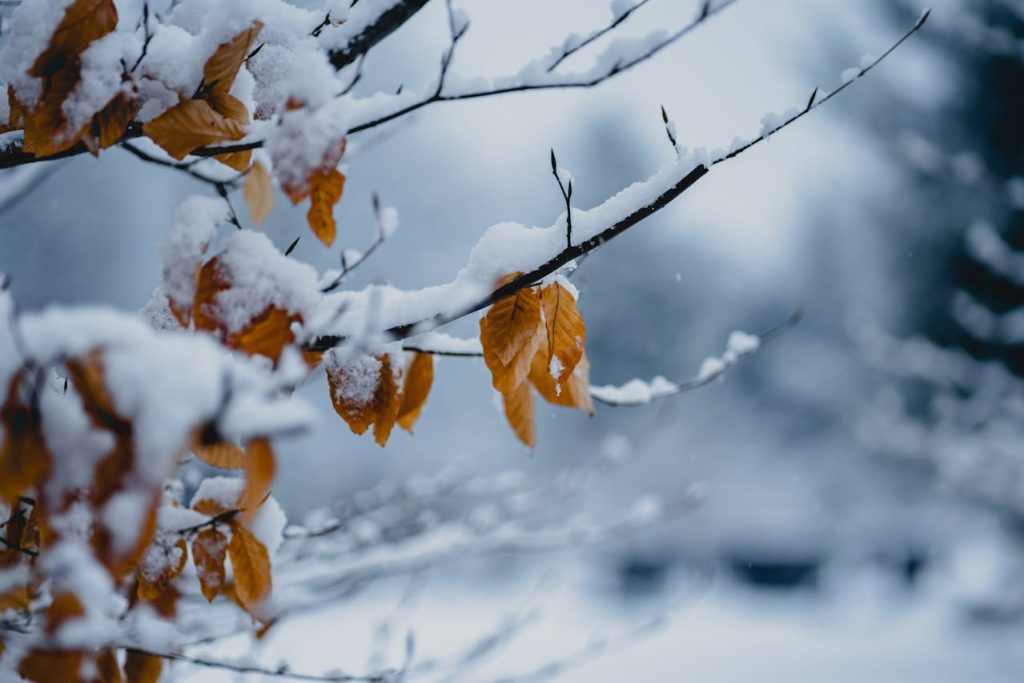
Climate seems to nudge leaf retention. In botanical garden surveys, plants associated with colder climates tended to keep more intact dead leaves through January, which suggests winter severity can amplify the trait.
The same project found notable standouts, including Portuguese oak, American beech, and sycamore maple, with the highest retention often on lower branches. Cold alone does not explain why an abscission layer stays incomplete, but it can raise the stakes. If leaves reduce browsing or help buds endure frost, those small benefits matter most where spring is short and competition is sharp. It can be a winter signature.
Sometimes It Means Nothing at All
It is tempting to treat every trait as a clear advantage, but marcescence may sometimes be neutral. Botanists note that a feature can persist simply because it does not meaningfully affect a tree’s ability to survive, grow, or reproduce.
That view fits the messy reality in forests, where one oak holds many leaves and a close relative holds none. Heberling suggests the best answer may be a blend of causes: partial genetics, local browsing pressure, frost conditions, and nutrient timing. What looks like stubbornness can be a small, flexible strategy, or just a harmless quirk carried along through generations. Nature allows overlap.
Some winter details look like decoration until they are read closely. A dead leaf that stays put can be a sign of imperfect separation, inherited tendency, or a quiet tradeoff between buds, browsers, and soil timing. Marcescence does not offer one tidy meaning, but it does reveal how much of a forest’s story happens after the color has gone.