

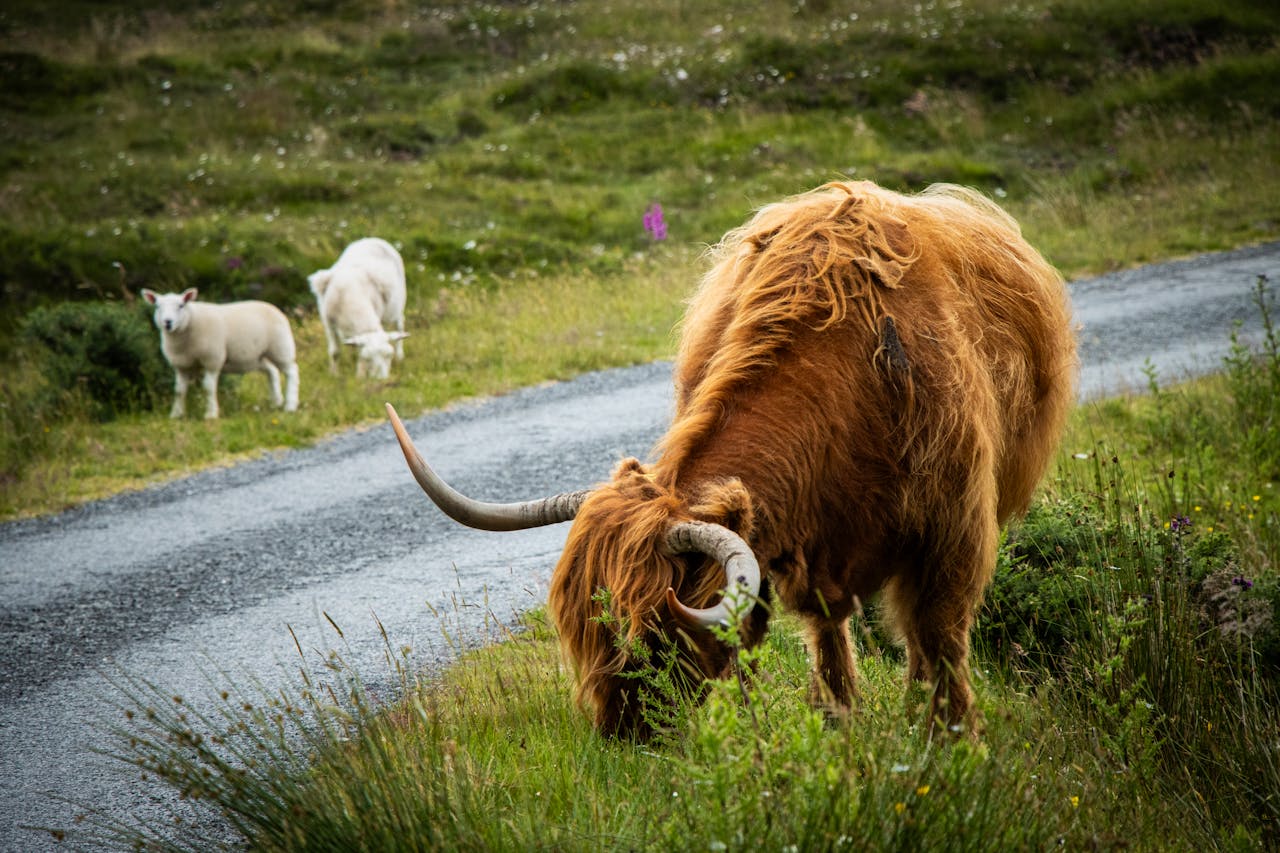
Highland cows have drifted from remote pastures into everyday feeds, turning a Scottish breed into a symbol of calm. Shaggy fringes, horns, and a teddy bear demeanor give them a look that seems mysterious and friendly.
At Butser Hill in Hampshire, hikers plan outings around a glimpse of the cattle, then carry that quiet moment back online. Creator Renata Del Valle filmed them for TikTok and noted how authentic nature clips travel fast. Since as early as 2014, Highland cow posts have reached billions of views, and the fascination keeps widening.
The Fringe That Photographs Like A Character
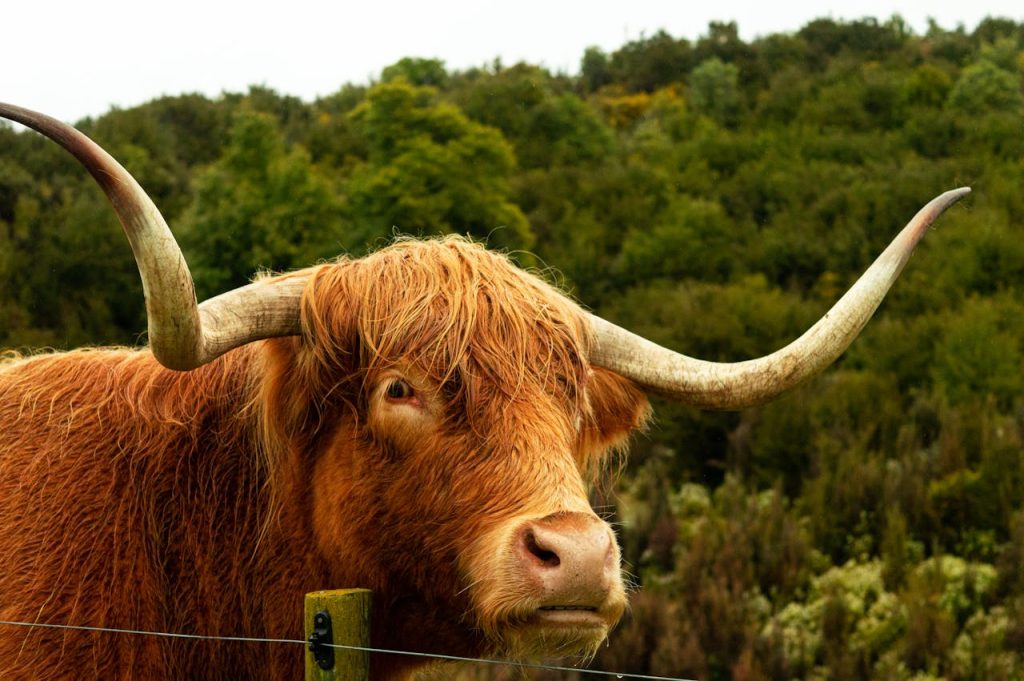
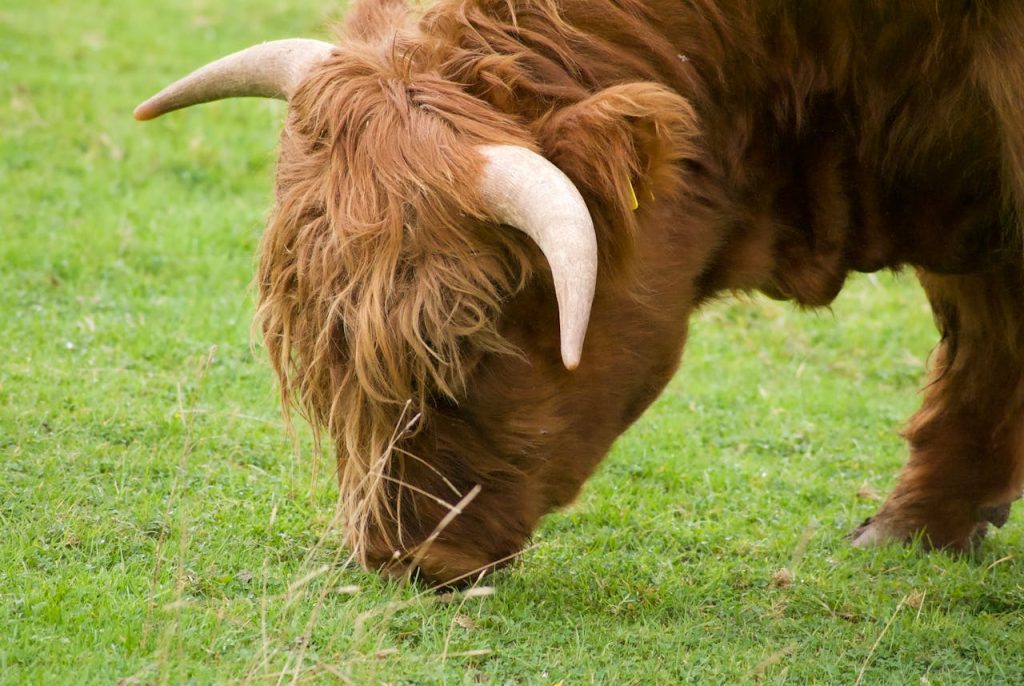
Highland cows are instantly recognizable because the long fringe falls over the eyes, as if the animal is half hiding and half posing. That single detail turns an ordinary grazing moment into a tiny mystery, and cameras love mystery.
Online, the look reads as both soft and dramatic, so even a short clip can feel like a scene with a beginning and an end. Add the sweeping horns and shaggy coat, and the animal lands somewhere between rugged and adorable. It is no surprise they have become an internet favorite among farm animals, because the image does most of the storytelling on its own.
Calm Temperament Makes The Moment Feel Real
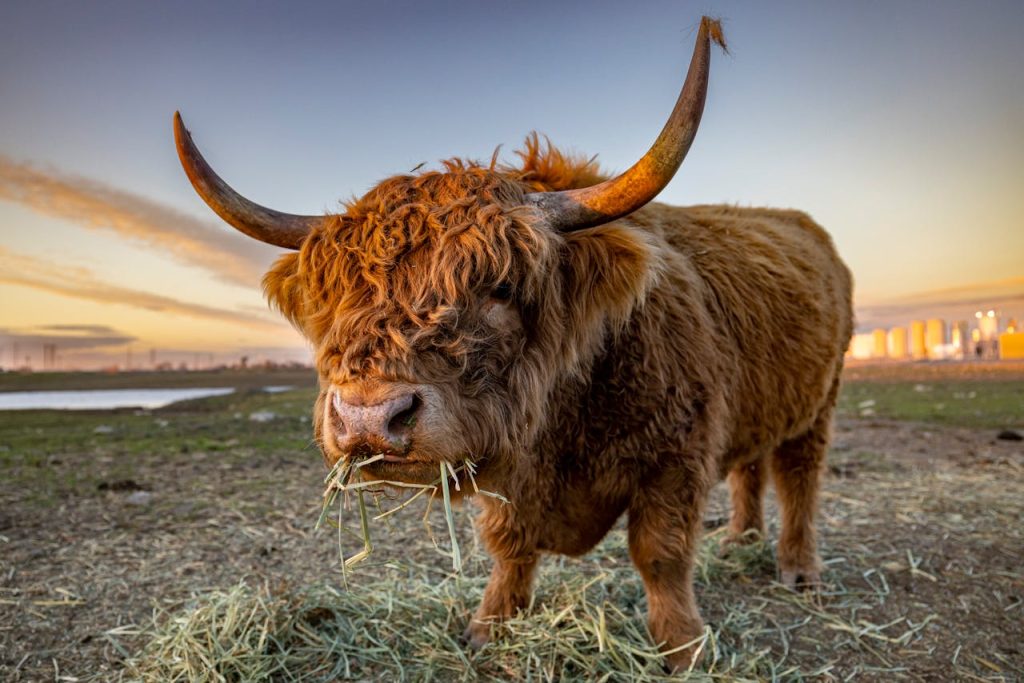
Highland cows are often described as beautiful, calm, and friendly, and that steadiness changes how a video lands. The animal does not perform for the camera, which makes the scene feel unforced.
Renata Del Valle said people respond to authenticity and that simple, peaceful moments in nature resonate widely. Recently, Scottish natives have been filmed strutting around their home in the south of England, as if they own the path. They remain there all winter, so the trend is not tied to a single weekend, and the calm can be revisited again and again. Del Valle also urged visitors to prepare for the hike and to visit responsibly.
The Trend Has A Long Tail Since 2014
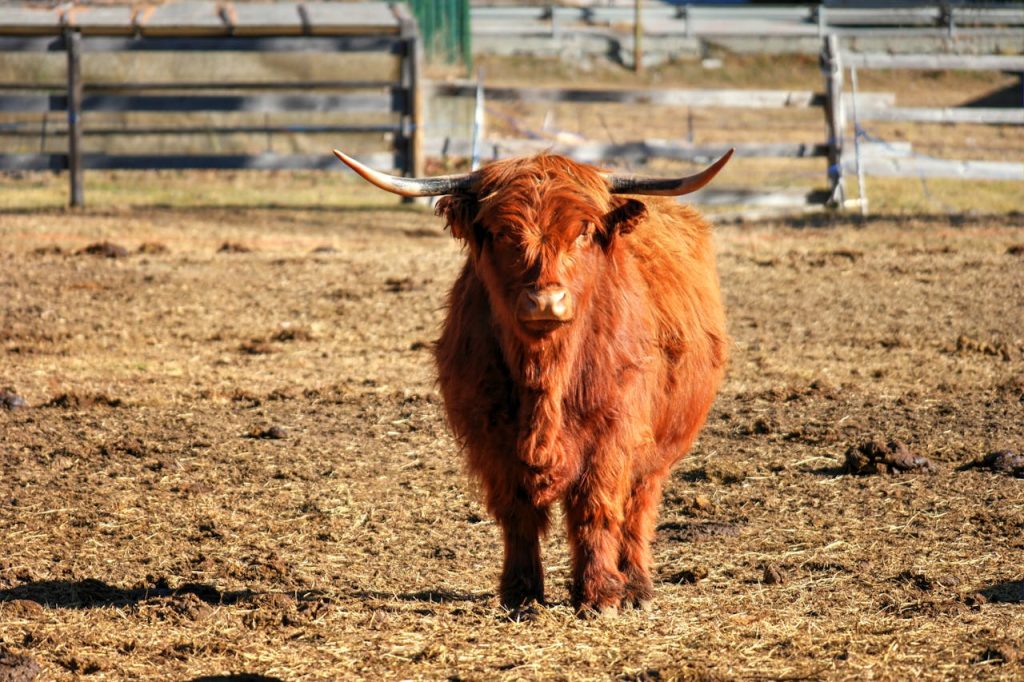
Highland cows did not become popular overnight, even if it feels sudden to late arrivals. Idyllic Highland cow posts have been circulating since as early as 2014, building a visual language that platforms now amplify.
Those posts have reached billions of people, which means each new clip is landing in a crowd already primed to react. Nicknames like hairy coos and floofy keep the tone playful, but the deeper engine is repetition: the same silhouette, the same fringe, the same calm. Over time, that consistency turns a breed into a recognizable symbol, not just an animal in a field. Familiarity makes sharing feel effortless.
Butser Hill Turned A Local Walk Into A Pilgrimage
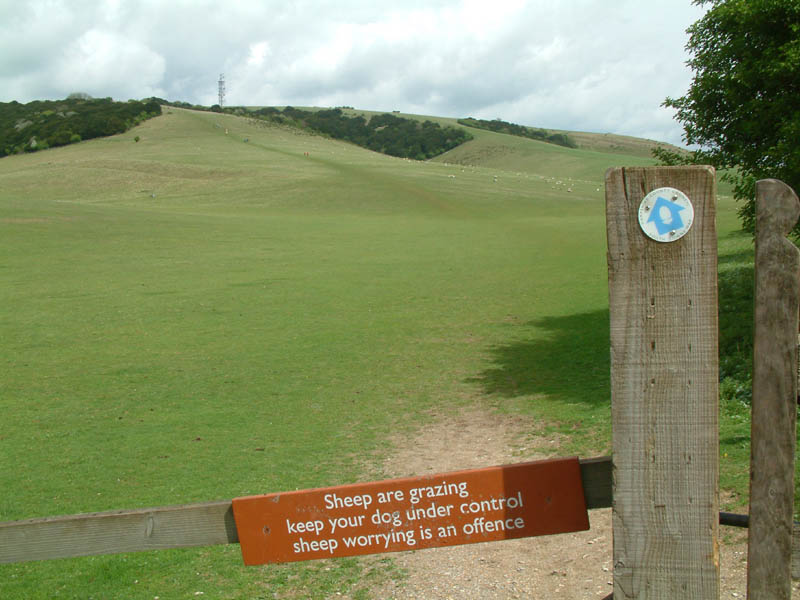
Butser Hill in Hampshire has become a place where visitors go out of their way for a glimpse of Highland cows in a natural setting. The appeal is not a petting zoo moment; it is the idea of meeting an iconic animal on its own terms.
That pull can make people overconfident. The site made headlines when firefighters rescued a group that underestimated the tricky terrain. The story spread because it matched the new reality: a countryside hike can now be driven by what a camera hopes to capture. It is part wildlife watching, part social ritual, and it works best when the landscape sets the pace. Preparation beats a perfect shot.
Winter Visibility Keeps Interest Alive
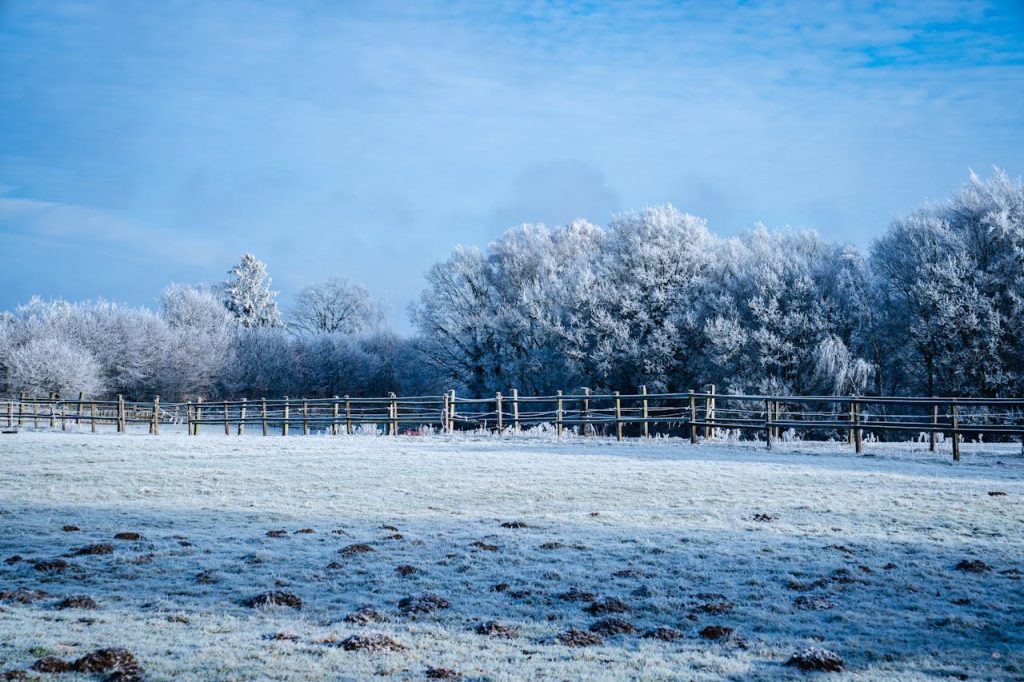
Some animal trends fade when the season shifts, but these cows do not disappear when the weather turns. Del Valle noted the cattle are there all winter, which changes the mood around visiting.
When a sighting is not scarce, the pressure to crowd close drops, and a slower approach becomes possible. That matters at nature reserves, where repeated foot traffic can stress habitats and tempers. The winter setting also suits the breed’s shaggy profile, giving social posts a frosty atmosphere that feels honest instead of staged. The Hampshire and Isle of Wight Wildlife Trust says they are hardy, docile, and suited to busy reserves.
Selective Grazing Makes Them Useful, Not Just Cute
Kristian Thomas/Pexels
Part of the fascination is that Highland cows are not only scenic; they do a job. The Hampshire and Isle of Wight Wildlife Trust points to a picky nibbling habit, with cows choosing different plants and even different parts of the same plant.
That selective grazing plays a vital role in shaping diverse habitat and the overall look of a reserve. In other words, the animals are living landscape managers, and visitors are watching a process, not a prop. The idea that something so photogenic is also quietly maintaining a place helps the story feel richer than a passing internet crush. Their charm just happens to come with benefits.
They Fit Public Nature Reserves Better Than Many Breeds
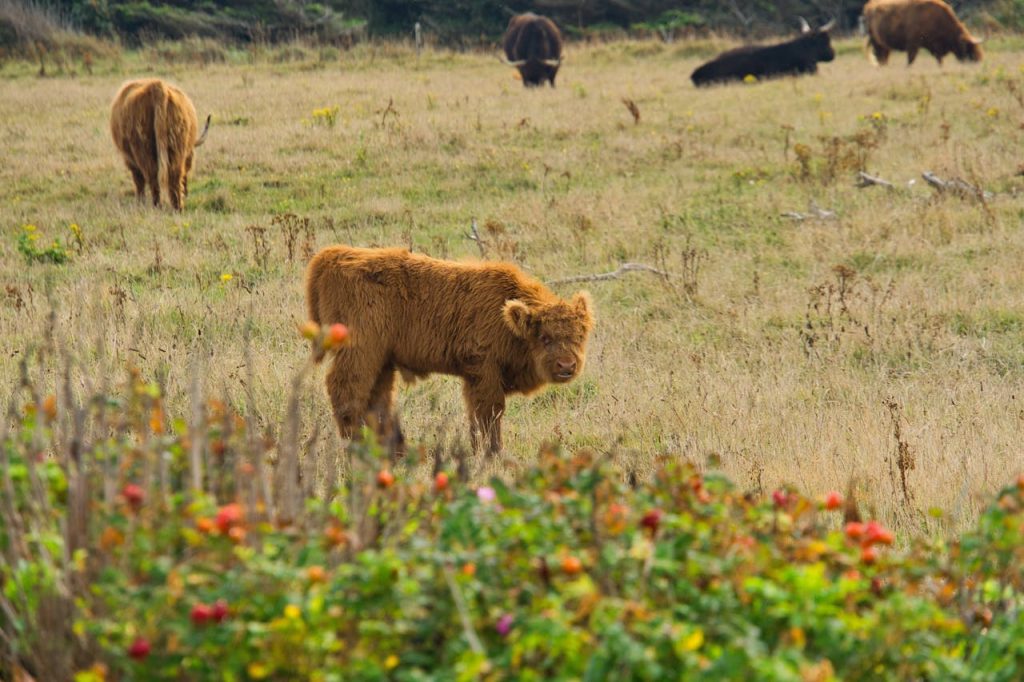
Nature reserves need grazing animals that can handle weather, footpaths, and the steady presence of people. At Butser, the managing trust has called Highland cows hardy but docile, and well suited to reserves that attract lots of visitors.
That combination matters. A tough breed can stay out in winter conditions, while a calmer temperament reduces drama on busy days. It also means the cows can be part of a public landscape without the scene feeling tightly controlled. The result is a rare mix: a wild looking silhouette, a manageable presence, and a setting that invites respectful watching. Recent clips show them strutting.
Cuteness Comes With A Reminder About Respect
The internet reads these cows as cuddly, but the setting matters: they are animals living outdoors, not props for close-up photos. Wildlife groups have stressed that even with a calm temperament, people should show respect and approach with caution.
That warning adds tension to the story in a useful way. The same fringe that looks like a plush toy also hides a powerful animal with horns. When visitors keep a sensible distance, the encounter stays peaceful for everyone. The best clips often come from patience, not proximity, and the landscape looks larger when the camera is not pressing in. Del Valle urged responsible visiting.