

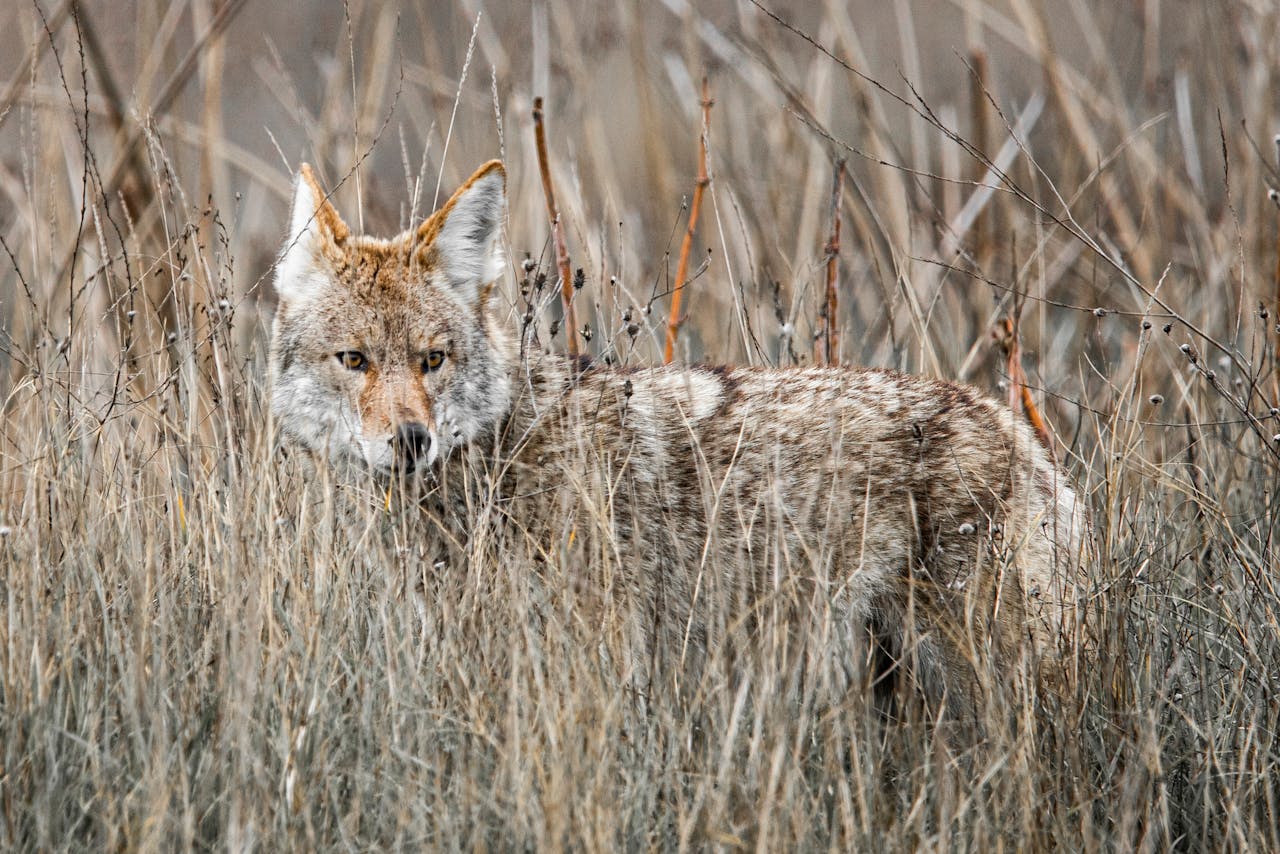
A lone coyote, nicknamed Floyd by locals, stunned San Francisco by swimming to Alcatraz on Jan. 11 and hauling himself onto rock, shaking and thin. The island is famous for cold water, hard currents, and scarce shelter, so early video sparked real worry.
When park staff later saw him again, looking steadier and moving with purpose, the mood shifted from panic to uneasy wonder. It is a striking story, but it also hints at a broader shift: urban wildlife is testing limits, reading human spaces like maps, and getting bolder with every successful risk. Boldness can look charming, but it turns complicated.
A Mile of Cold Water, One Clear Message
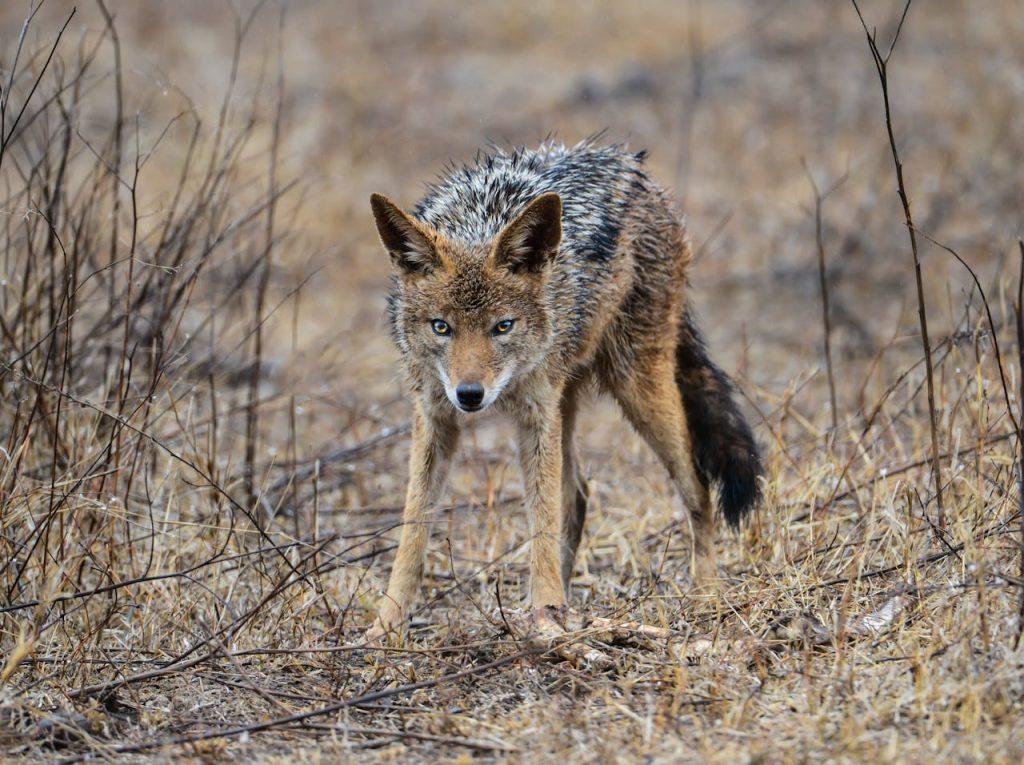
The swim itself is the headline. A coyote in open bay water is not a cute detour, it is a land predator choosing a route most people would never attempt. Footage from Jan. 11 showed Floyd reaching Alcatraz’s rocky edge, panting and shaking, then crouching low as he caught his breath before vanishing into brush.
That mix of strain and intent is the warning sign. If an animal can cross a mile of cold water, then fences, freeways, and ferry routes stop feeling like hard borders. They become obstacles to solve, and the next risky decision gets easier. Cities are seeing that learning curve in real time.
Why Alcatraz Was Not Supposed to Have Coyotes
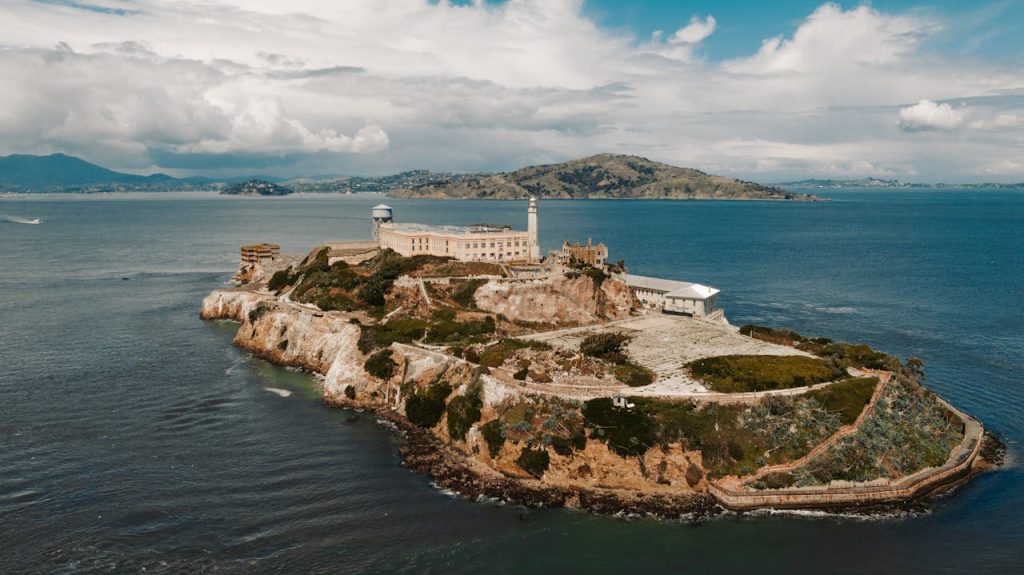
Alcatraz is small and boxed in by water that once made escape legends feel impossible. Since the island became part of Golden Gate National Recreation Area in 1972, wildlife notes there have leaned toward seabirds and shoreline life, not resident predators.
That is why Floyd matters beyond novelty. Reports framed his arrival as the first documented coyote presence on Alcatraz in the park era, which turns the swim into a signal of range and nerve. Urban coyotes already thread through traffic and tight territory, so a bay crossing can become just another problem to solve. The city watched. Alcatraz felt closer.
Rainwater, Rodents, and the Survival Question
The first concern after the video was basic: can a coyote live on Alcatraz, or is it a dead end? Rodents, insects, and nesting birds offer calories, and winter rain can pool in low spots for short sips.
The tougher limits are fresh water over time and the lack of space to avoid people. Alcatraz is a tight loop of paths, rubble, and brush, with boat noise that rarely quits. Floyd looked thin and chilled at first, then appeared healthier weeks later, which only sharpened the mystery. That is why park staff have tracked his condition and movements so closely. A single dry spell could flip the story fast.
Habituation Starts With Small Rewards
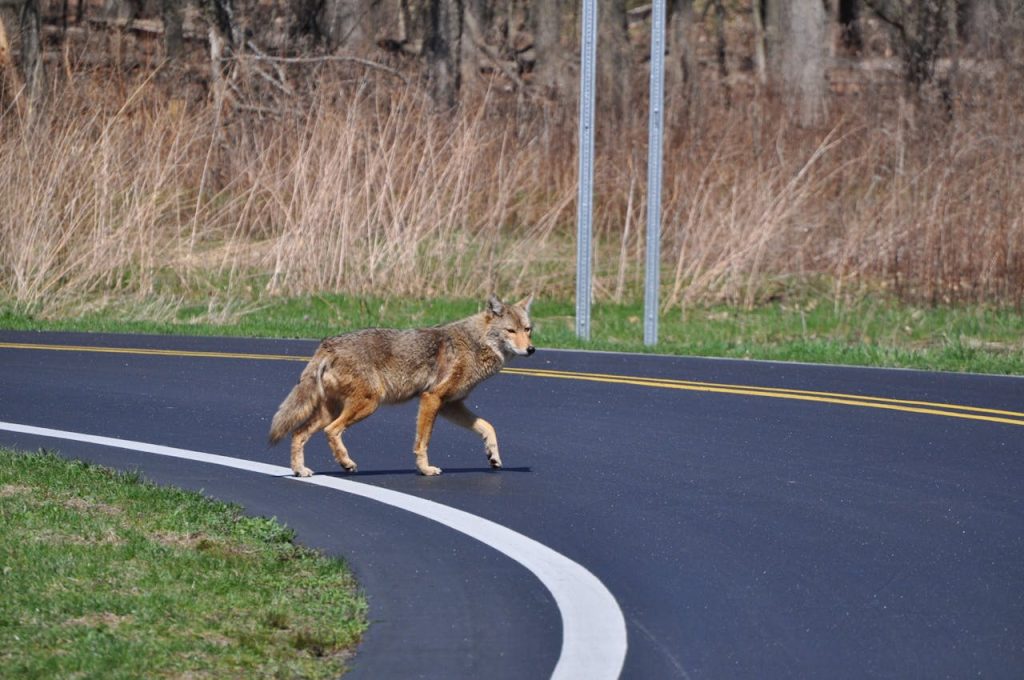
Coyotes do not need hand feeding to learn human patterns. A dropped crust near a pier, a trash lid left ajar, or pet food on a porch teaches the same lesson: people create calories, and calories are worth nerve.
Once that equation forms, the shift can be quick. Sightings move from midnight silhouettes to daytime, daily strolls, and the animal’s comfort zone expands block by block. In a tourist city, attention adds another layer, because crowds gather and the animal learns that being watched is not the same as being driven off. Floyd’s swim is dramatic, but the quiet training happens long before a stunt.
Pets Become the Collision Point

Most urban coyote conflict gets personal when pets enter the frame. A bold animal that ignores people may still see a small dog as prey, or a loose cat as an easy meal, and a single close call can change a neighborhood’s mood.
This is why officials focus on changing routines, not just moving animals. Leashes, enclosed yards, and supervised outings cut surprise encounters and remove the reward that turns one incident into a route. Online clips can make bold behavior look harmless, yet the cost shows up later in anxious owners and repeat visits. When a coyote succeeds once, it often returns with new confidence.
An Island of Birds Is Not a Neutral Stage
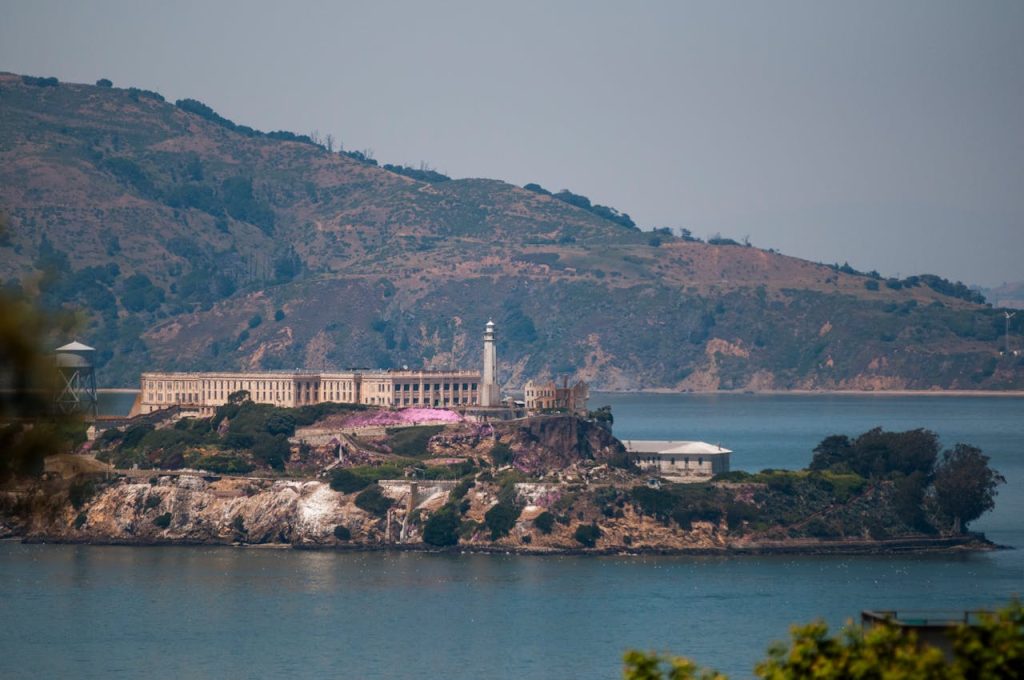
Alcatraz is not just prison lore and ferry lines. It is also a nesting site for seabirds, and that makes one hungry predator a serious variable. Even a single coyote can disrupt colonies by spooking adults off nests, raiding eggs, or forcing takeoffs that burn energy.
That ecological pressure is why managers have debated intervention as nesting season nears. Reports said park officials planned to trap and relocate Floyd to protect sensitive nesting areas, even as fans rooted for him to stay. On a small island, there is nowhere for prey to retreat. In this setting, ripple effects matter as much as the headline.
Relocation Is Not a Simple Reset Button
Moving a coyote sounds tidy, but it rarely works like a clean edit. Coyotes are territorial, and a relocated animal can struggle to find food, clash with resident packs, or travel long distances trying to return.
That is part of why officials approached Floyd’s case cautiously, watching behavior before committing to action. Reports described plans for humane trapping and relocation, paired with monitoring tools like cameras and scat analysis to learn where he has been. Public sympathy is real, but biology is stubborn, fast. The goal is reducing harm in a place where one bold visitor can tip the balance.
Cities Now Offer New Paths and New Risks
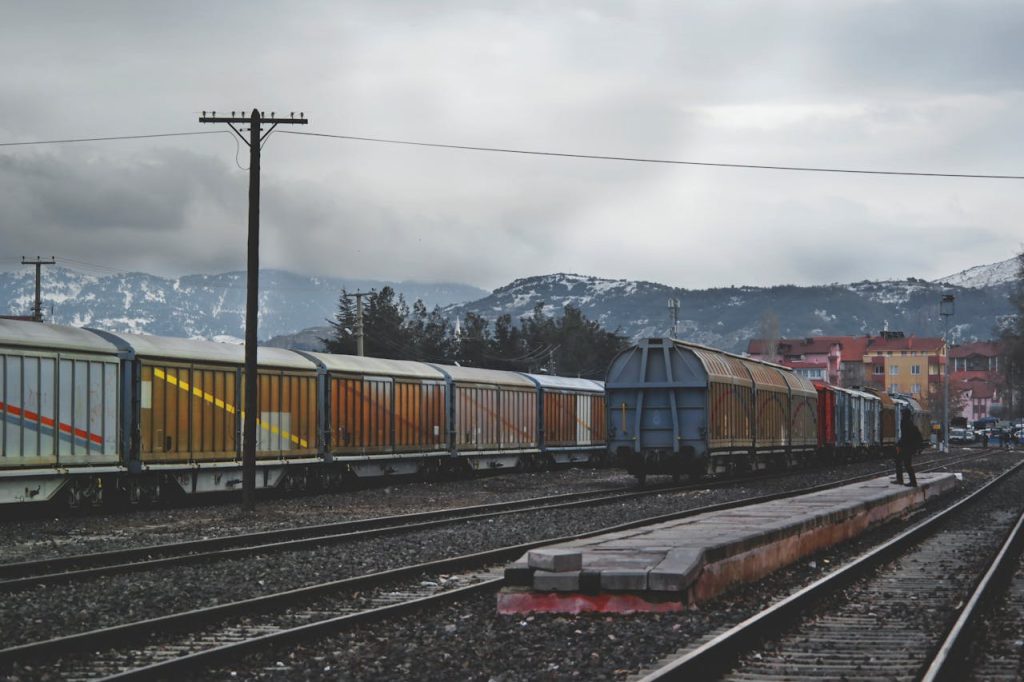
Coyotes thrive in edges and in-betweens, and modern cities are full of both. Park strips, rail corridors, shoreline rocks, and vacant lots connect like seams, letting animals move while dodging the loudest streets.
Those same routes funnel wildlife toward food waste, outdoor dining, and dense pet populations. Strong currents and storm runoff can also turn a risky swim into an unexpected landing. A swim to Alcatraz grabs attention, but the real driver is routine navigation, where one shortcut becomes a habit. Then the habit can spread through a local population. Fragmented habitat rewards the risk-takers.
Coexistence Works When People Stop Making It Easy
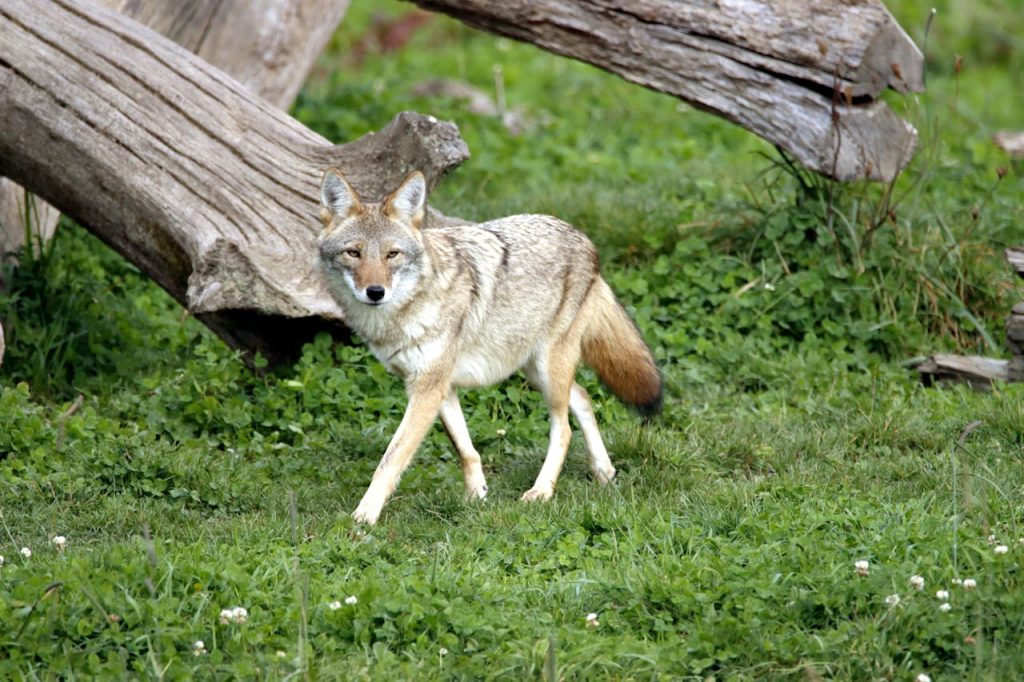
The most effective fix for bold wildlife is boring: remove the rewards. Secured trash, closed compost, and cleaned outdoor dining areas cut the steady drip of calories that teaches coyotes to linger. Feeding is not kindness when it trains an animal to approach people.
Communities that take coyotes seriously also protect pets with leashes and supervised yards, and they treat sightings as data, not entertainment. Reporting aggressive or unusually fearless behavior early helps wildlife staff respond before patterns harden. Floyd’s story feels singular, but the lessons are repeatable in any city park.