

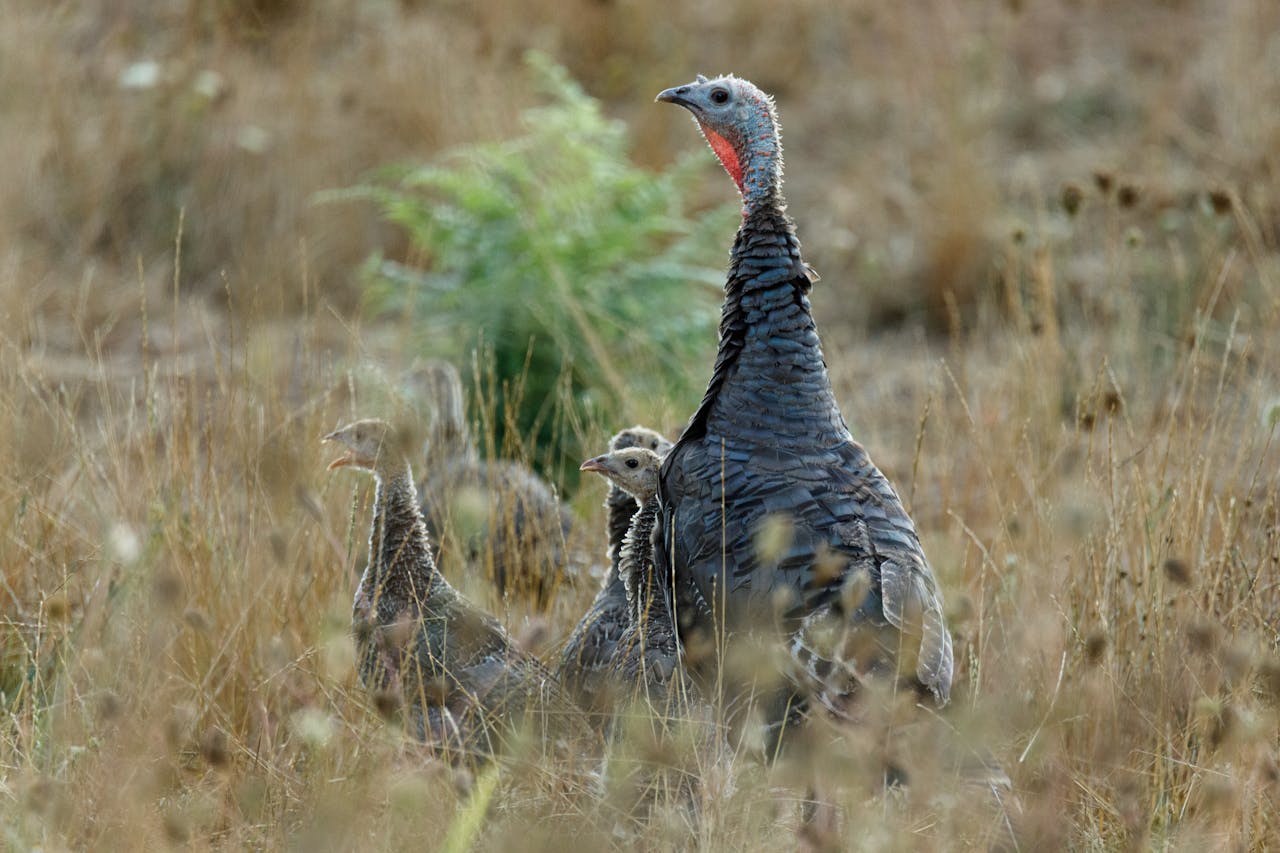
Across turkey country, the summer reports carry a mixed pulse, and that pulse feels familiar to anyone who has tracked these birds for more than a season or two. Some routes show more broods than last year. Others show fewer young birds making it far enough to matter. In one county, field notes read like a quiet rebound. In the next, they read like a reminder that recovery is never evenly distributed across a map just because a statewide average nudges up. That is why the annual brood numbers still spark the same question every July and August: what, exactly, is improving, and what is still fragile beneath the headline.
A Better Headline Than Last Year Is Not the Same as a Stable Trend
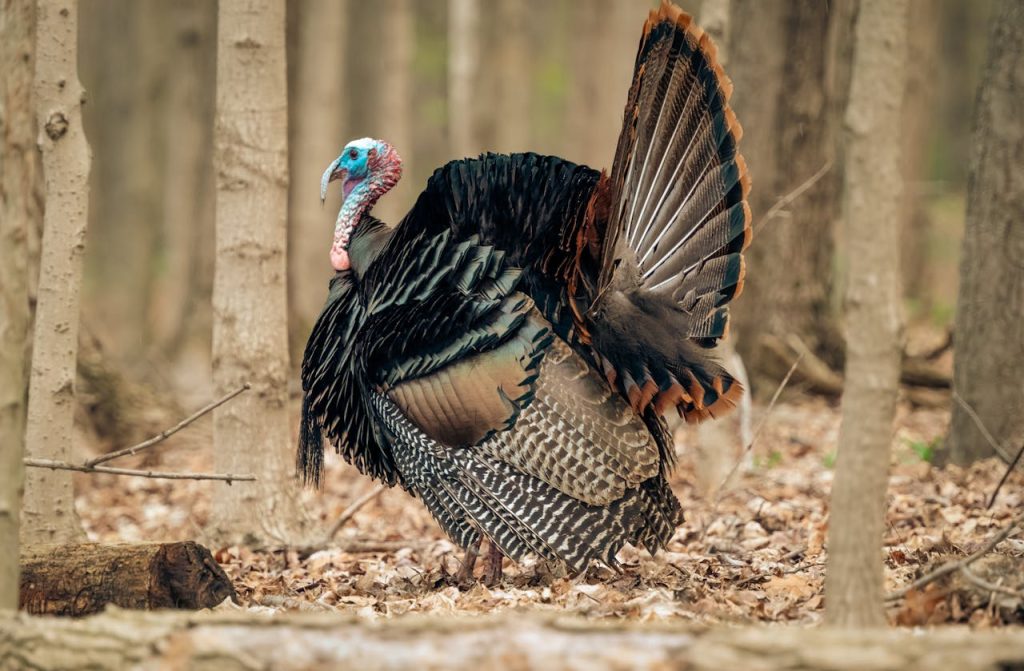
Wild turkey recovery often gets flattened into a single statewide number, but recruitment is a moving target. One year of decent poults per hen can lift mood without repairing weak age structure created by earlier poor hatches. Agencies track these indices because they reveal whether hens are producing young birds consistently enough to replace losses.
The latest agency updates suggest cautious optimism in several places, not a broad reset. Ohio’s 2025 value stayed near long-run norms, while Tennessee slipped modestly below recent averages. Those are workable outcomes, but neither signals uniform strength across all landscapes.
Regional Swings Inside a Single State Are the Real Story
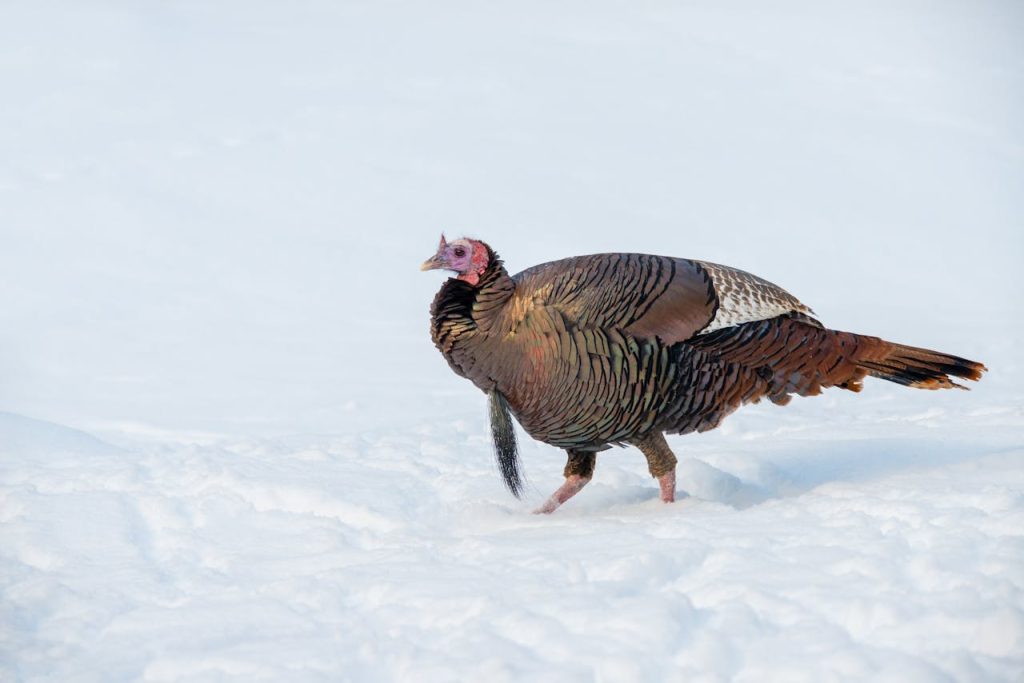
Statewide averages hide sharp local contrasts. In Kansas, 2025 brood metrics varied by region, with some areas rising while others dropped, including large year-over-year declines in parts of the north-central and south-central zones. That unevenness matters because hunting pressure, habitat quality, and poult survival do not move in lockstep.
When one region improves and a neighboring region slides, managers get a clearer signal: broad rules alone cannot fix localized bottlenecks. Brood surveys work best when they trigger place-specific habitat and timing decisions rather than a one-size statewide narrative.
Why More Broods Can Coincide With Lower Productivity
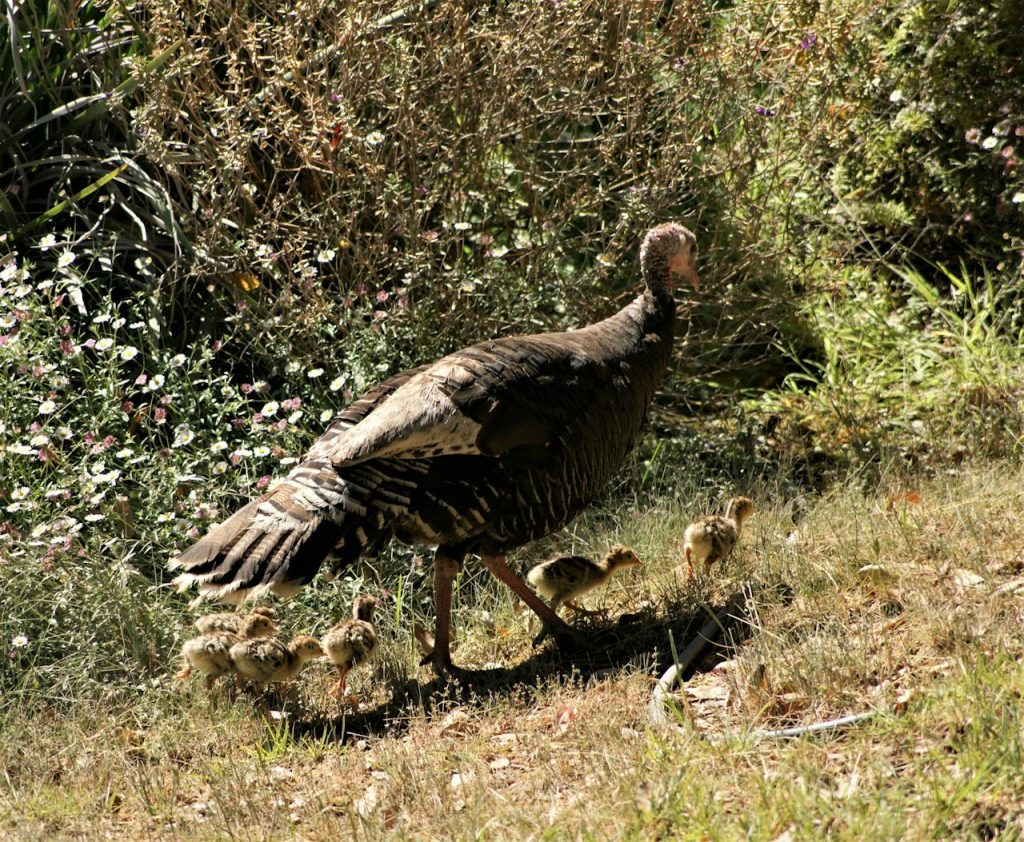
A common point of confusion appears when reports show more broods observed, yet lower poults per hen. West Virginia’s 2025 data reflects that exact tension: brood observations rose above the five-year average, but poults per hen fell to the lowest level in five years. More sightings did not automatically mean stronger recruitment.
What this implies is simple and important: brood presence and brood size are different signals. Hens may nest, hatch, and still lose young birds quickly. That is why agencies use multiple indicators before calling any rebound durable.
Weather Still Decides More Than Most People Want to Admit
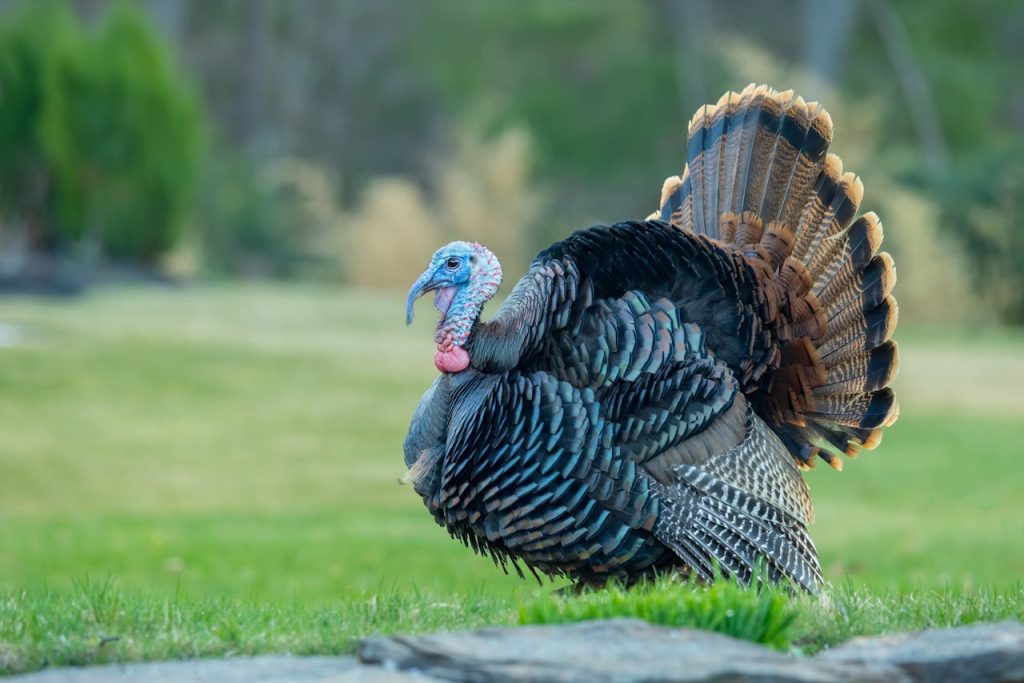
Wet springs can flatten productivity even in places with decent carryover habitat. Tennessee explicitly linked 2025 survey softness to spring conditions, with statewide results under the recent average. Heavy rain during nesting and early poult life can reduce survival through exposure and lower insect availability.
This does not erase habitat or predator effects, but it explains why outcomes can shift fast between years. A landscape can be improving on paper and still underperform if weather hits the wrong weeks of incubation and brood rearing.
Predation Is Real, but the Science Is Shifting Toward Interaction Effects
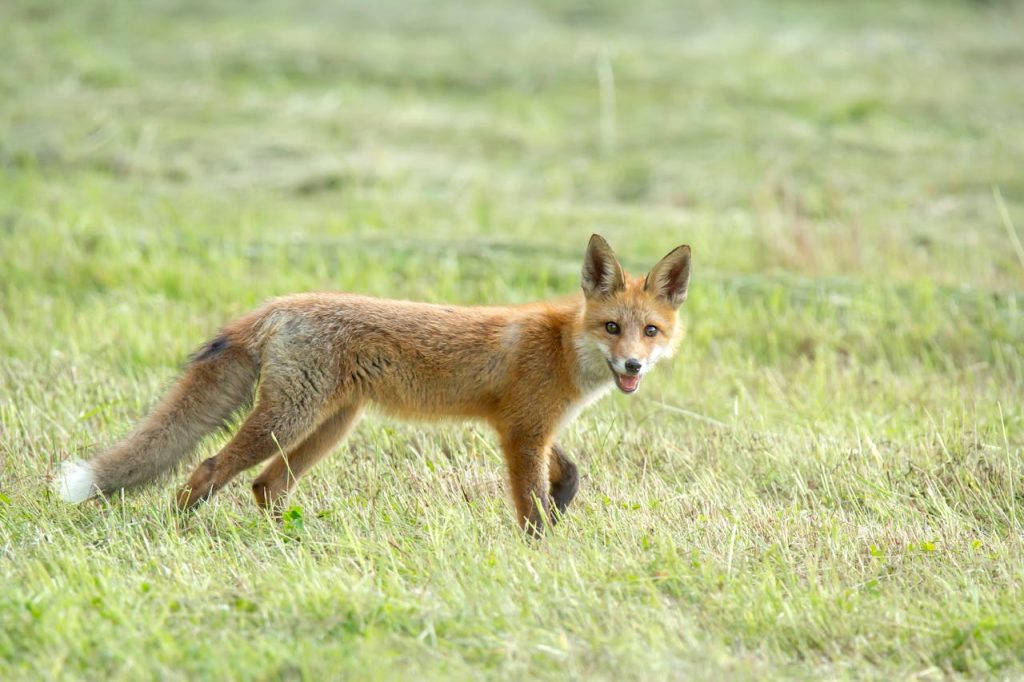
Predator talk around turkeys is often framed as a single-cause answer. Current research directions are more careful: predation interacts with nesting cover, landscape layout, hen condition, and timing. Kansas projects funded to investigate multi-year decline are built around that broader, evidence-first approach rather than folklore.
Recent peer-reviewed and agency-linked work also reinforces that female survival and predator-related mortality can be major constraints in some populations, especially where habitat fragmentation raises risk. The key point is not one villain, but stacked pressures acting together.
Survey Method Upgrades Are Improving Signal Quality

Another quiet shift is methodological. A national standardized brood-survey framework has expanded cross-state comparability, and USGS-supported releases now include clearer analytic tools for long-term trend estimation. Better consistency in how hens, broods, and poults are logged makes year-to-year interpretation less noisy.
That matters for policy. When methods are aligned, agencies can compare neighboring states with more confidence and avoid overreacting to sampling artifacts. Better data will not create poults, but it reduces management guesswork when margins are thin.
Habitat Gaps Keep Creating Winners and Losers
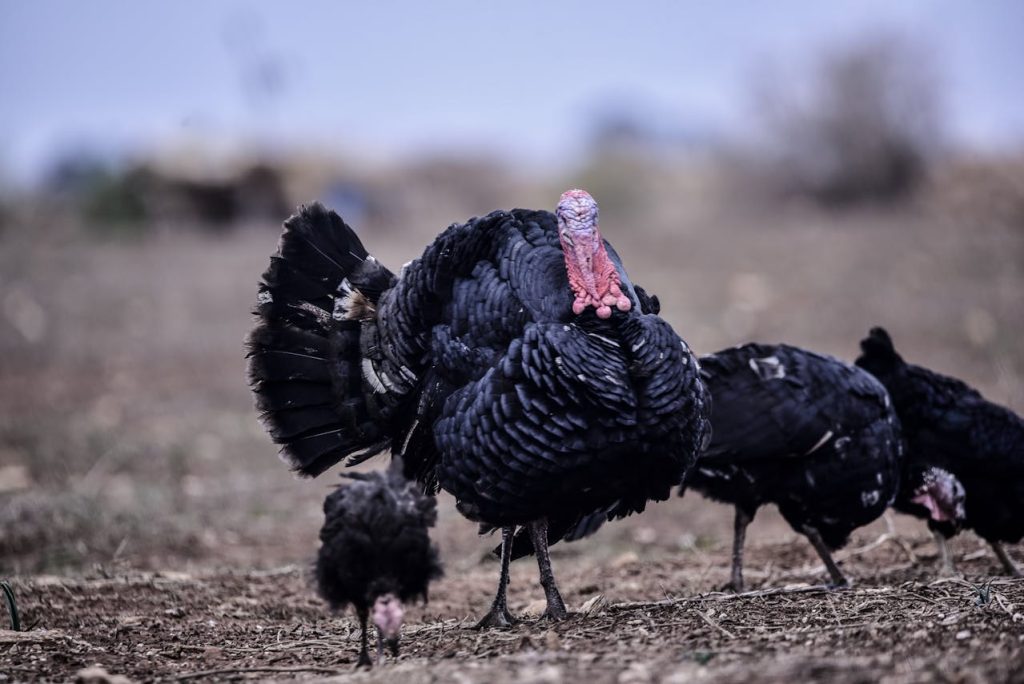
South Carolina’s recent reporting underlines a familiar problem: average brood size can hold, yet too many hens remain broodless by late summer. In practical terms, some birds are still doing fine while many never get young far enough to count. That is exactly how uneven recovery persists year after year.
The strongest takeaway is that nesting and brood-rearing habitat must both function on the same ground at the same time. If one link fails, statewide averages can look acceptable while local recruitment quietly underperforms for multiple seasons.
What a Real Recovery Would Look Like in 2026 and Beyond
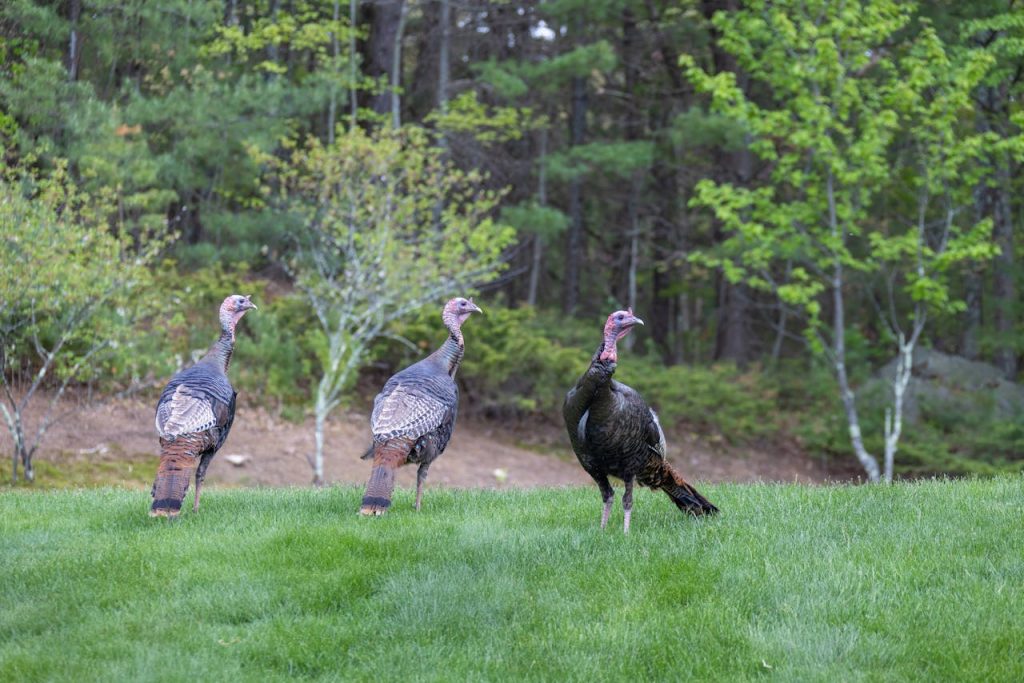
A durable rebound would show up as repeated, above-break-even recruitment across multiple regions, fewer broodless hens, and less volatility after ordinary weather swings. Agencies and partners are increasingly clear that trend durability matters more than one good summer or one high harvest anecdote.
For now, the evidence supports guarded confidence. Some states are holding near average, some regions are climbing, and others remain fragile. The path forward is less about dramatic claims and more about steady habitat work, cleaner data, and patience with how slowly wild systems rebuild.