

Most animal-related ER trips in the U.S. do not start with wilderness adventure. They begin on a porch, near a pond path, inside a garage, or during a routine pet interaction that suddenly shifts. The pattern is familiar: a person misreads distance, timing, or stress signals, and a small moment turns into a cut, puncture, fall, or infection risk that needs urgent care. Wildlife agencies and clinicians keep repeating the same lesson. Familiar animals still deserve space, especially during nesting, feeding, mating, or cold-weather stress periods. One pause often prevents a hard day.
White-Tailed Deer

Deer seldom approach people to cause harm, yet they are strongly tied to severe injuries through road collisions. U.S. crash data show animal-collision deaths still occur every year, and deer are a major share of those incidents, especially in higher-activity seasons.
Off-road encounters matter too. During rut or fawn season, a close approach can trigger defensive movement, and one kick can cause serious soft-tissue injury. The key mistake is assuming calm body language means safe distance. On roads and trails, most bad outcomes follow one rushed decision.
Domestic Cats

Cat injuries are often underestimated because the wound looks small at first. The issue is depth. Narrow teeth can place bacteria deep in fingers or joints, and swelling may escalate quickly in hands, where space is tight and motion is constant. Medical sources consistently note higher infection risk with cat bites than many people expect.
Scratches can also become clinically relevant, including cat-scratch disease in some cases. The recurring mistake is delay: a person cleans lightly, waits, then seeks care after pain, redness, and stiffness rise. Early cleaning and prompt evaluation usually change the outcome.
Squirrels
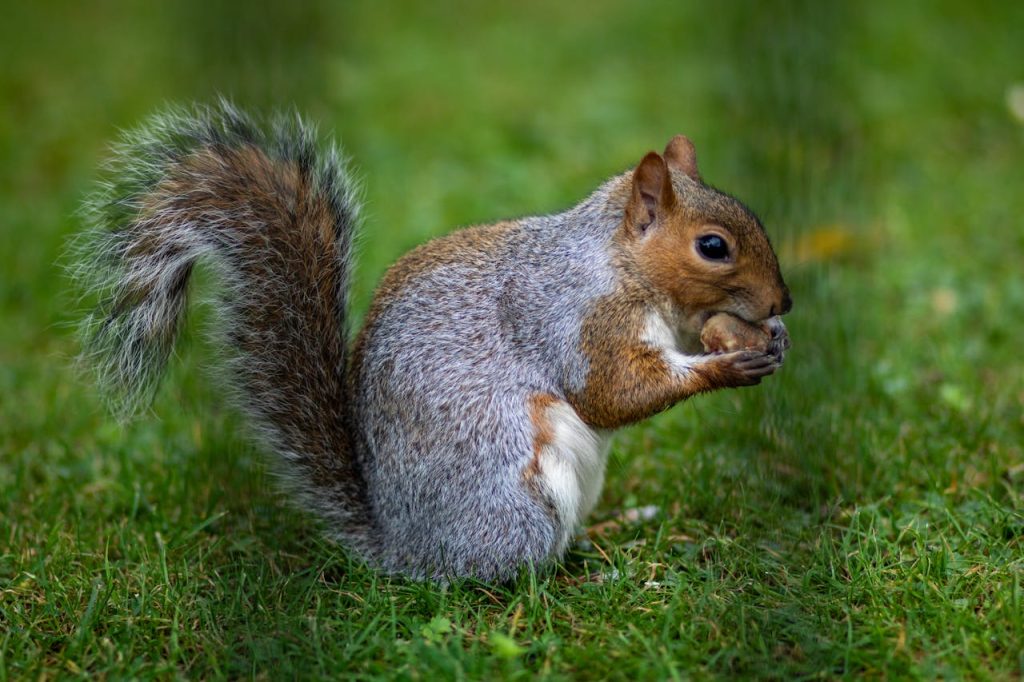
Squirrel-related ER visits usually come from two avoidable situations: close handling and unstable cleanup attempts. A cornered squirrel can bite fast, and hand wounds can become painful and infected when punctures are ignored. Rabies decisions depend on local exposure context and medical assessment, not guesswork.
The second pattern is falls. People climb ladders or roof edges to block entry points, then slip during a sudden movement. So the injury may be a fracture, not a bite. The single mistake is turning wildlife removal into a solo rush job instead of a controlled, safer process.
Rabbits
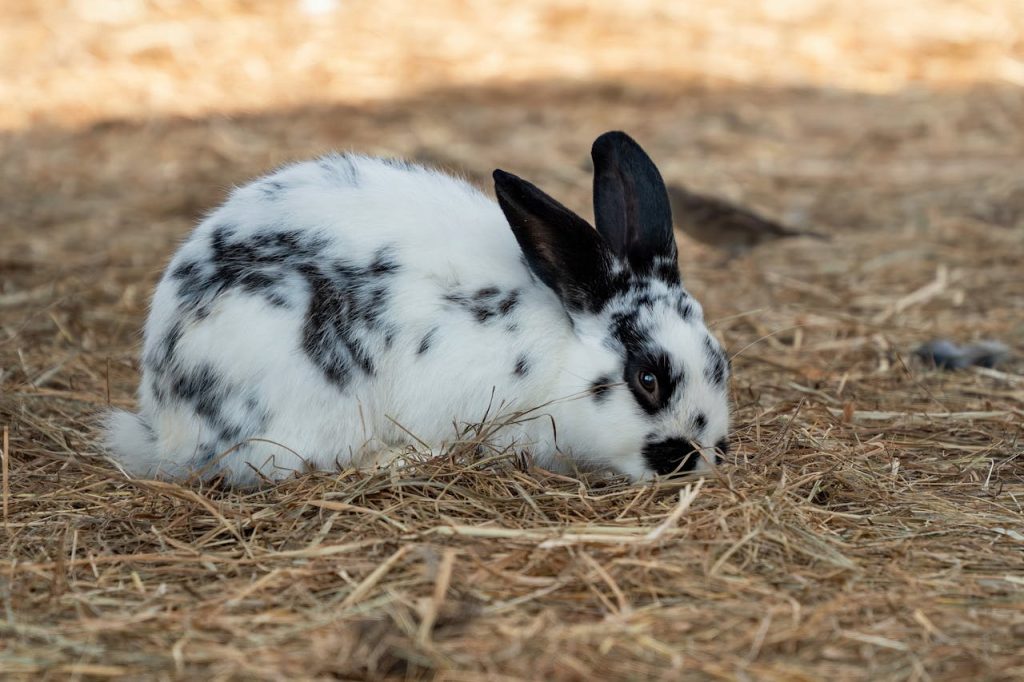
Rabbits are commonly seen as low-risk pets, but frightened rabbits can kick with surprising force. Strong hind legs and sharp claws can leave deep scratches on forearms, chest, or face when someone restrains too tightly or lifts without support. Many injuries happen during routine handling, grooming, or quick transfers.
Bites are less frequent, yet front teeth can cut cleanly and become infected if left untreated. With wild rabbits, disease concerns add another layer after direct handling. The familiar mistake is forcing contact when the animal is already stressed, instead of pausing and resetting calmly.
Chipmunks
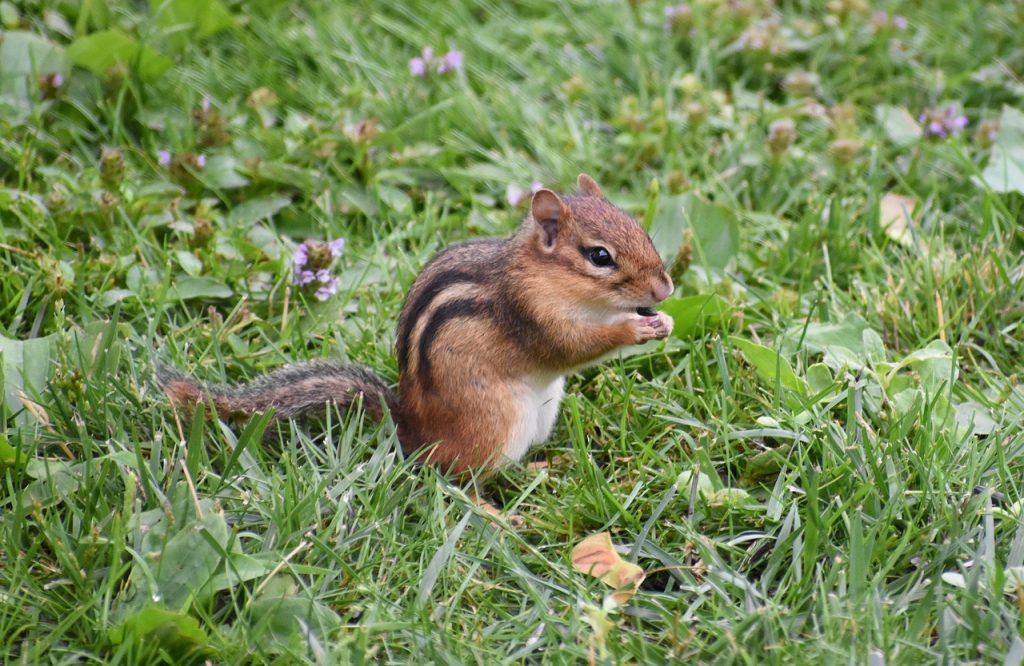
Chipmunks often bite during hand-feeding attempts. Their size encourages overconfidence, but they defend space quickly, and fingertip punctures can hurt more than expected because nerves and tendon sheaths are close to the surface. Small wounds in high-use areas can swell fast and limit hand motion.
Another factor is context. Parks and tourist spots normalize close contact, so people treat wild animals like routine companions. That social cue is misleading. The usual mistake is reading bold behavior as friendliness. In reality, most incidents begin the moment food and fingers move together.
Swans
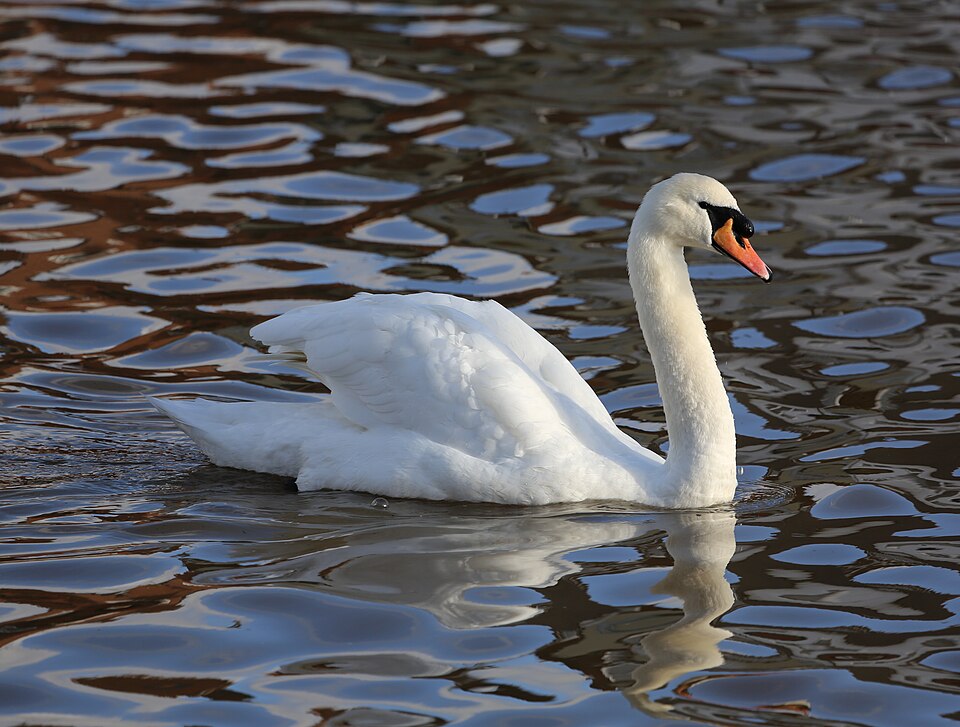
Swans are elegant, but nesting pairs are intensely territorial. At lakes and park edges, a person can drift too close without noticing nest boundaries, then face a rapid charge. Wing strikes and beak contact can cause bruising, lacerations, and loss of balance, especially on wet ground.
Waterline incidents are riskier because surprise plus poor footing compounds impact. Children and older adults are particularly vulnerable to falls during sudden movement. The common mistake is interpreting stillness on the water as passive behavior, when the bird is actually monitoring distance and preparing to defend space.
Raccoons

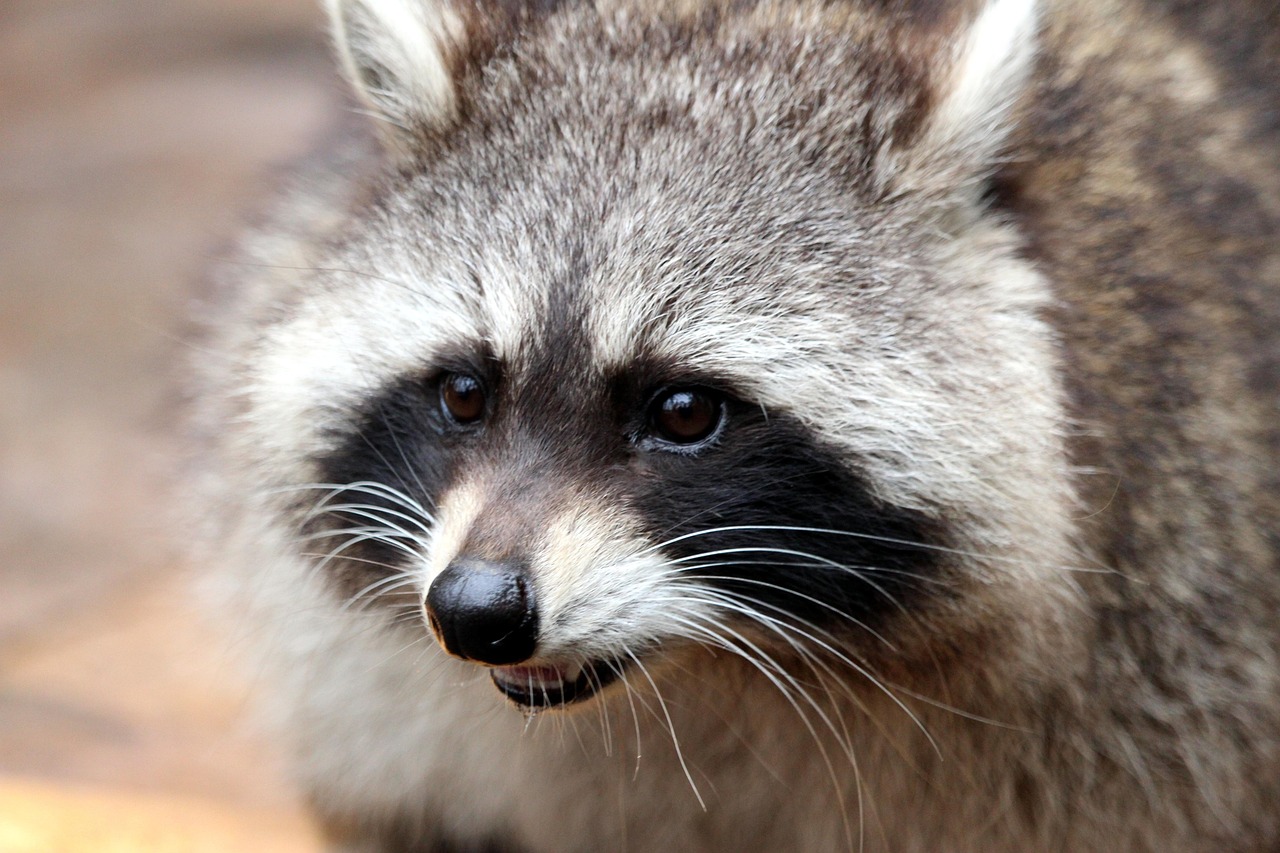
Raccoons adapt well to human spaces, which creates frequent close encounters in trash zones, attics, and crawlspaces. When cornered, they can bite and scratch hard, and wounds require prompt cleaning and medical review. Rabies risk also matters because raccoons are a known reservoir in parts of the U.S.
A second concern is contamination during cleanup, including exposure to raccoon roundworm eggs in contaminated areas. The typical mistake is DIY removal without protection or planning. People focus on getting the animal out quickly and overlook contact risk, surface hygiene, and follow-up care.
Porcupines

Porcupines do not launch quills, but contact can embed many at once. Quills are barbed, which makes removal harder than it looks and increases pain when pulled incorrectly. Incomplete removal can leave fragments that continue to irritate tissue and raise infection risk.
Many ER visits begin when someone tries to remove quills from a pet at home while the animal is distressed. Hands get punctured, quills break, and the situation escalates fast. The repeated mistake is treating extraction like a simple grooming task instead of a controlled medical procedure.
Domestic Dogs

Dog bites remain a major source of U.S. emergency care, with hundreds of thousands of ED visits documented in national analyses. The trigger is often ordinary: interrupting food guarding, separating dogs mid-fight, or assuming a familiar dog will tolerate one more touch.
Injuries can involve punctures, crush damage, and tearing that affect nerves, tendons, and facial tissue, especially in children. The pattern is clear. Most events do not come from random street encounters, but from normal daily settings where stress cues were present and missed for a few seconds.
Iguanas

In warm states, iguanas are now common in neighborhoods, and that visibility creates false comfort. Large iguanas can bite with enough force to break skin deeply, and tail strikes can leave painful welts. Reptile handling also carries Salmonella-related hygiene concerns, especially after direct contact.
Cold snaps create another hazard because chilled iguanas may fall from trees and injure people below. Incidents often start when someone tries to grab, chase, or corner one near a wall or fence line. The central mistake is treating a wild reptile like a slow, predictable yard animal.
Groundhogs

Groundhogs look placid until escape routes close. Near sheds, decks, or garden barriers, a trapped groundhog may lunge and bite, causing punctures that need proper wound care and infection monitoring. Rabies assessment may also be part of care decisions after certain exposures.
Indirect injuries are common too. Burrow openings hidden by grass create ankle-twist and fall hazards for residents, kids, and pets. The recurring mistake is quick eviction attempts without protective gear, stable footing, or a plan. Most injuries happen during improvised removal, not routine observation.
Opossums

Opossums are usually defensive, not confrontational, but close handling changes behavior fast. Hissing, open-mouth postures, and drooling displays are warning signals, not invitation for rescue. When cornered or lifted, they can bite and leave wounds that need careful cleaning and medical follow-up.
People are often injured while intervening in pet encounters or trying to relocate an opossum bare-handed. Rabies is less common in opossums than in many other mammals, yet bite wounds still carry infection concerns. The repeat mistake is stepping in quickly instead of creating distance and calling help.
Most ER visits linked to animals come from ordinary settings and one preventable choice made too quickly. Space, timing, and calm response are practical safety tools, not overreactions. When people slow down, read behavior, and avoid hands-on intervention, the situation usually settles without injury. Respect works better than confidence alone.