

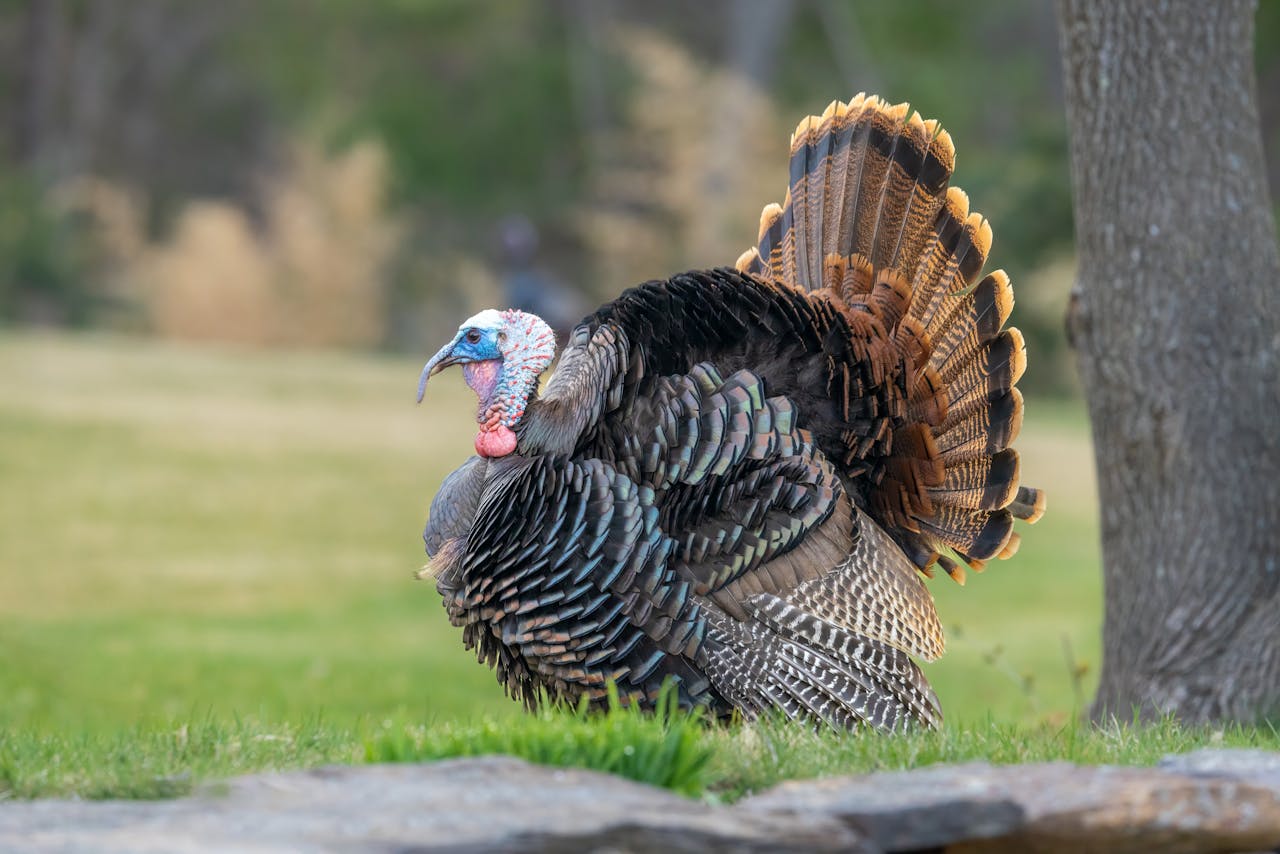
Kansas is not dealing with one dramatic collapse. It is dealing with a steady squeeze. The kind that feels subtle year to year, then obvious when you zoom out and compare eras.
Recent state reporting shows why people are paying closer attention. The spring 2025 estimate was 13,862 harvested birds from 29,155 permits, while the same report’s table shows materially higher harvest totals in several earlier years, including 23,568 in 2019.
Brood data points in the same direction. In the 2025 brood survey table, regional poults-per-hen values were mixed, with declines in places like Northcentral and Southcentral and gains in a few others, which is not the profile of a uniformly strong rebound.
Predator pressure is part of this picture, not a side note. Kansas partners now describe a multi-factor decline since 2008 and are explicitly studying predator communities, habitat, nest success, and survival together rather than treating any one variable as the full answer.
What the Latest Kansas Numbers Actually Say
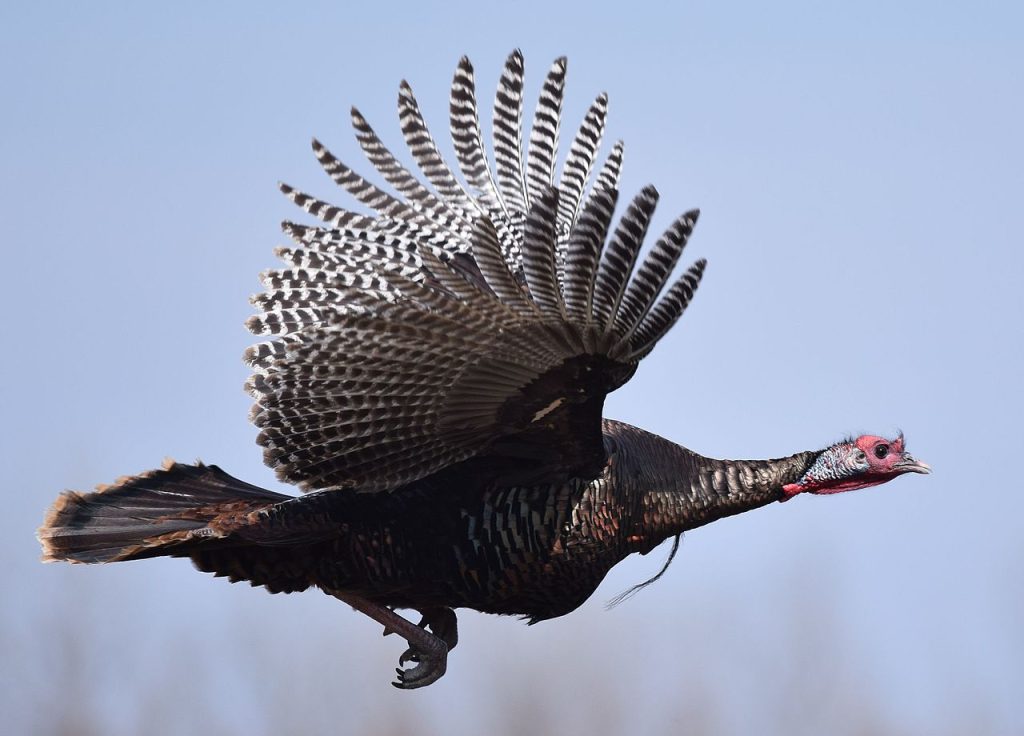
Kansas harvest reporting is not just a headline total. It is a structured survey with sampling and confidence intervals, plus unit-level detail, success rates, and participation trends. That makes it useful for tracking direction, not just volume.
The 2025 estimate of 13,862 birds came with a 53.6% fill rate, which the report notes as the highest since 2015. A higher success rate can coexist with long-run pressure if participation, distribution, and productivity are shifting at the same time.
Unit patterns matter too. The report flags strong concentration of hunters and harvest in some regions and ongoing decreases from prior peaks in others, which suggests localized stress points rather than one statewide story with identical causes.
When you pair harvest metrics with brood metrics, the signal gets clearer. Recruitment volatility and uneven regional performance are exactly what you would expect when habitat quality, weather windows, and predation risk are all moving at once.
Why Predator Pressure Deserves More Attention
Kansas-linked turkey researchers are not guessing from anecdotes. They are using occupancy modeling, marked birds, and large camera deployments to map where predators and turkeys overlap across habitat types.
The named predator set in this project includes coyote, bobcat, fox species, raccoon, and other mesomammals depending on site conditions. That matters because pressure is not one predator in one habitat; it is a community-level pattern.
Project scale also matters. Teams reported hundreds of captured birds across multiple Kansas sites and hundreds of camera locations, then expanded coverage in 2025, which improves the odds of separating signal from noise.
This is why predator pressure is called quiet. It often operates through probability and overlap, not dramatic events, and those probabilities can shift quickly when habitat structure changes around nesting and brood-rearing areas.
Predator Pressure Is Not a Standalone Story
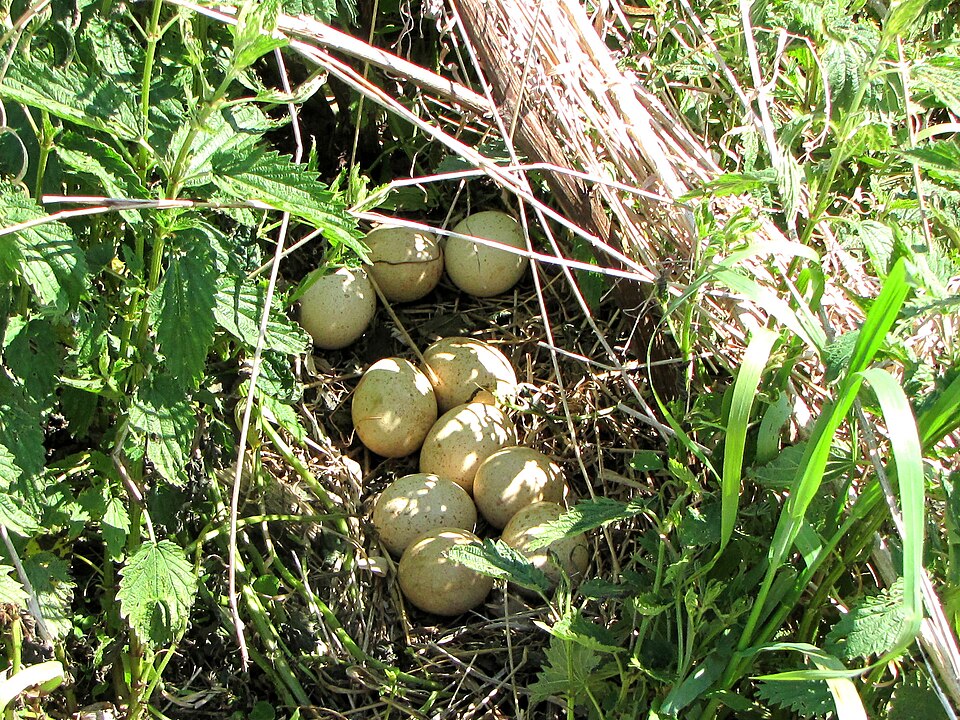
Predation can suppress productivity, but evidence from wildlife management literature consistently ties that effect to habitat condition and access to quality nesting and brood cover. In plain terms, habitat can amplify or buffer risk.
Extension biology guidance makes a similar point from another angle: wet nesting weather can reduce nest success, early poult survival is sensitive to cold and rain, and overly dry periods can reduce insect food for young birds.
That same guidance also emphasizes that nest success and poult survival are central drivers of annual population swings, which means management cannot focus only on adult harvest outcomes and call it complete.
So the useful framing is combined pressure. Predators matter, weather matters, habitat quality matters, and the balance among those factors can change year to year and region to region inside the same state.
Kansas Management Is Already Leaning Cautious
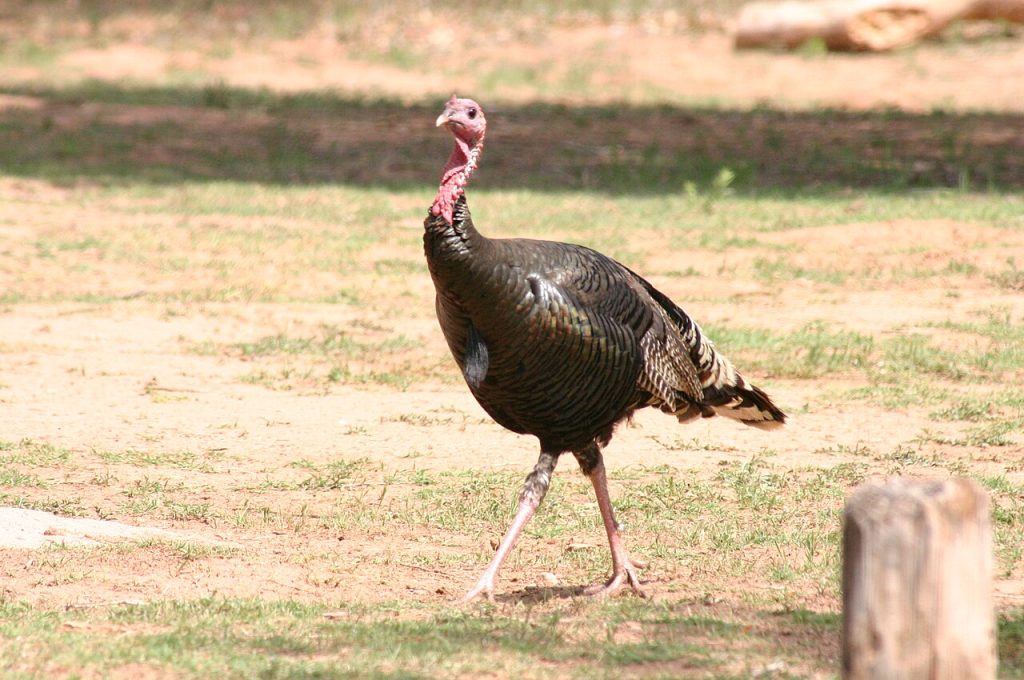
Current Kansas rules reflect restraint. For 2026 spring hunting, the summary states one bearded turkey and no additional game tags for a second bird for resident or nonresident hunters.
Access is also structured by unit. Unit 4 remains draw-only with a limited allocation and specific resident or qualifying tenant pathways, rather than open over-the-counter pressure.
For nonresidents, Kansas set a defined draw pool for units 1, 2, 3, 5, and 6, with application windows and fees clearly spelled out in the 2026 release. Controlled entry is a management lever, not just an administrative detail.
Season timing is explicit as well, with youth/disability, archery, and regular windows separated in April and May. This kind of structure gives managers tools to adjust pressure without rewriting the entire system each year.
The Research Push Could Reshape Policy Decisions
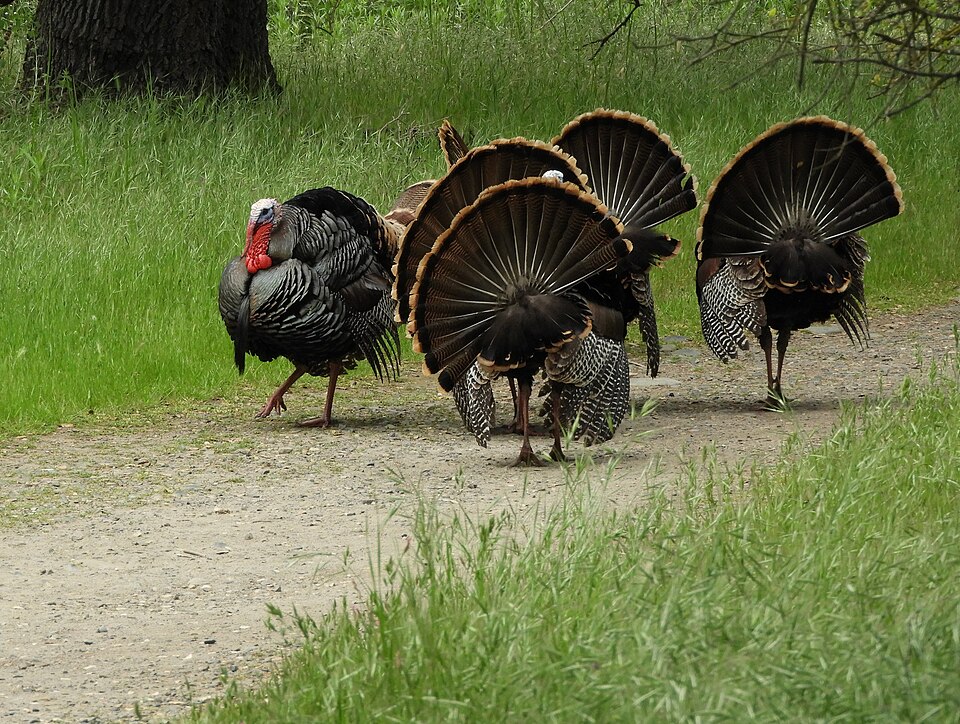
Kansas partners are now investing at a level that can actually resolve uncertainty. K-State announced more than $1.8 million tied to work on why populations are declining and how management should respond.
The design is practical: capture and mark birds, track habitat use, measure reproduction and survival, and build models that can guide harvest and habitat decisions instead of relying on assumptions alone.
NWTF reporting describes this as part of the largest Kansas wild turkey study effort, with ongoing field and analysis work through the end of 2026. That timeline matters because one strong or weak season is not enough for durable conclusions.
What this really means is simple. Kansas is moving from debate by anecdote toward policy by measured risk, where predation is treated as a real driver but interpreted alongside habitat, recruitment, and survival data.
What a Smarter Recovery Path Looks Like
The first priority is recruitment habitat. Better nesting cover and brood-rearing structure can reduce effective predation risk and improve poult survival without pretending predators can be managed out of the system.
The second priority is regional precision. Kansas already manages by unit, and brood-table variation supports keeping that approach data-led rather than assuming one statewide setting fits all landscapes every year.
The third priority is patience with accountability. If the state continues coupling conservative harvest frameworks with high-quality monitoring, it can tighten or relax pressure with clearer confidence over time.
Kansas turkeys do not need a single magic fix. They need consistent habitat work, careful pressure management, and a research loop that turns field evidence into policy before another decade slips by.
Sources
- Kansas Department of Wildlife and Parks: Spring Turkey Harvest Report 2025
- Kansas Department of Wildlife and Parks: Brood Survey 2025
- Kansas Department of Wildlife and Parks: 2026 Spring Turkey Regulations Summary
- KDWP News Release, Jan. 13, 2026: Turkey Draw Applications
- National Wild Turkey Federation: Predator Communities Research in Kansas