

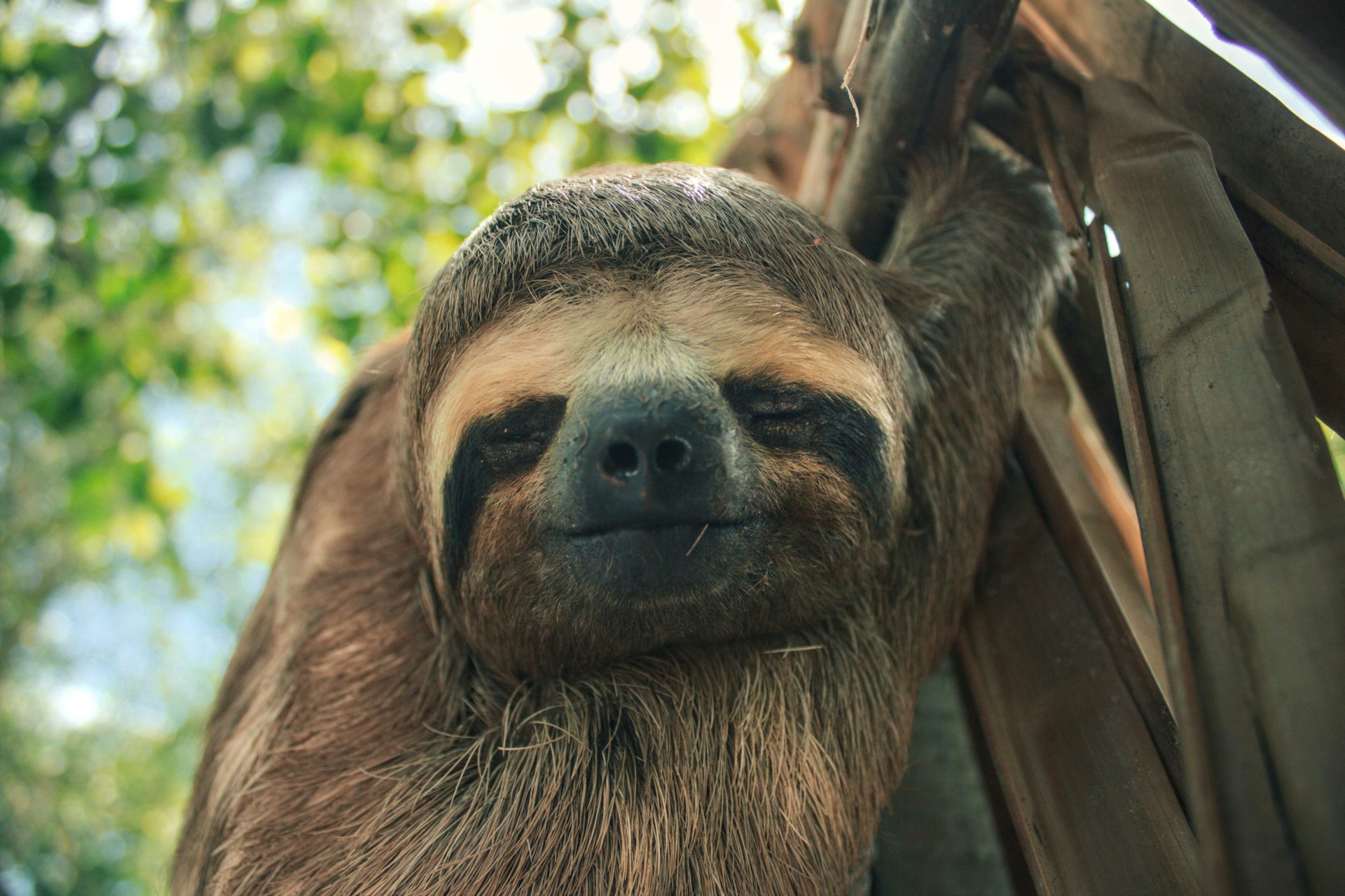
Sloth photos used to be marketed as harmless bucket-list moments. That framing is changing fast. Wildlife agencies and tourism boards are putting clearer limits on handling, and Costa Rica’s own guidance in protected wildlife areas now ties responsible tourism to distance, no-touch behavior, and its Stop Animal Selfies messaging.
This is not a random trend or social media panic. It sits at the intersection of animal welfare research, public health advice, enforcement pressure, and international trade controls. At CITES CoP20, a proposal to place two two-toed sloth species in Appendix II was accepted in Committee I, while travel marketplaces have also tightened rules on direct-contact wildlife experiences.
Why The Ban Wave Is Real
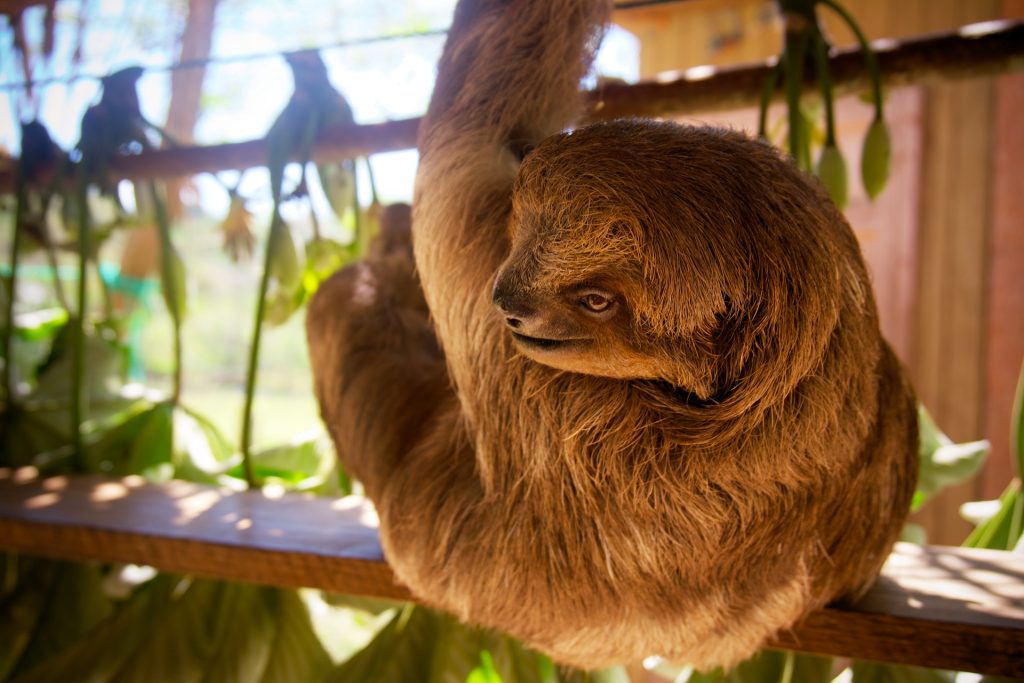
What looks like separate crackdowns is actually one policy arc. International bodies are tightening trade oversight, governments are hardening on-ground tourism guidance, and platforms that sell activities are reducing exposure to direct-contact wildlife offers. The cumulative message is simple: contact photos are no longer treated as neutral entertainment.
The sloth piece is especially visible because the animal is so marketable. At CoP20, Committee I accepted a proposal to include Linnaeus’s two-toed sloth and Hoffmann’s two-toed sloth in Appendix II, reflecting concern about trade pressure. CITES communications around the meeting also flagged sloths among updated appendix items.
What Actually Happens During A Sloth Selfie
The best-known field evidence is not abstract. A peer-reviewed study in Brazil and Peru observed 17 wild-caught brown-throated three-toed sloths across 34 tours where tourists handled them repeatedly. On average, each sloth was held by about five people during an observation period, with frequent limb and head manipulation.
Handlers often held sloths by their claws or in unsupported positions. The paper explicitly flags this as a welfare concern.
Behavioral data in that same study gives the emotional texture. Researchers recorded long periods of surveillance behavior, and noted that some observed patterns may indicate fear, stress, or anxiety during handling. The authors were careful about limits, but their conclusion was still clear enough to challenge the idea that these encounters are harmless.
A smiling tourist photo can hide repeated handling cycles behind the frame. One posted image may represent hours of stress for the same animal.
The Hidden Supply Chain Behind One Tourist Photo
Demand does not stay local. Reporting around recent CITES talks described a fast-growing online exotic pet market and noted that two-toed sloths are increasingly appearing in sloth-themed cafés in Asia, which creates incentives to source animals across borders.
Once demand rises, enforcement gets harder because storefronts, social media, and cross-border shipping blur together. Conservation groups and regulators then respond with tighter listing rules, permit scrutiny, and higher pressure on venues that rely on close-contact displays. That is why this issue keeps surfacing in both tourism policy and trade policy at the same time.
Why Authorities And Travel Platforms Are Tightening Rules
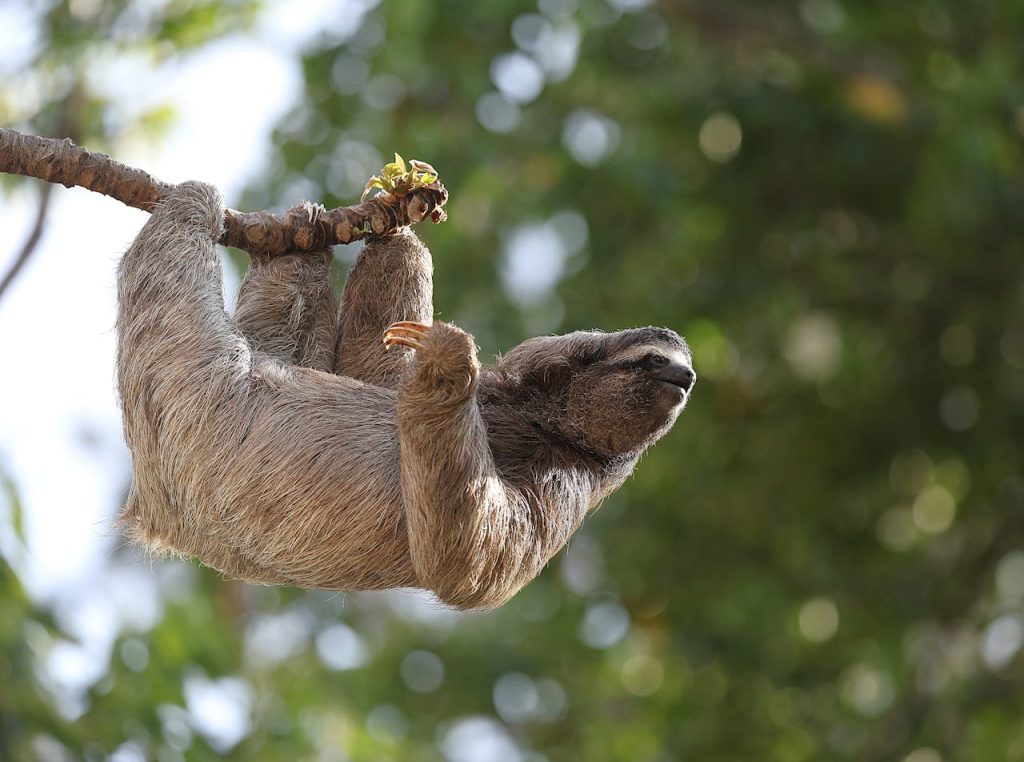
National tourism guidance has become much more explicit. Costa Rica’s official responsible-tourism recommendations in wildlife areas tell visitors to avoid touching, trapping, or feeding wild animals, and to keep safe distance from nests and habitats. That is a direct rejection of hands-on wildlife photo culture.
Policy language matters, but enforcement language matters more. Clearer rules make operators easier to audit and make unsafe behavior easier to penalize.
Marketplaces are also shifting. Tripadvisor states it does not sell experiences where tourists directly contact wild animals in captive settings, and Airbnb’s animal welfare standard bars direct interactions with captive wild animals in experiences. These moves reduce mainstream distribution for contact-based sloth attractions, even when local gray zones still exist.
When distribution channels tighten, supply chains lose oxygen. That is one reason these bans keep spreading.
Public Health Is Part Of The Story Too
Animal welfare is the headline, but health risk is a second pillar. CDC guidance says safer organizations typically do not let visitors touch or feed wild animals, and explains that stressed animals are more likely to become aggressive or sick. It also notes that bites and scratches can spread germs even when injuries look minor.
CDC’s Yellow Book for travelers goes further: avoid petting, handling, or feeding unfamiliar animals, including wild animals in captive settings, because bites, scratches, and body-fluid exposure are real hazards. That guidance lines up closely with no-contact wildlife tourism rules now appearing in destinations and booking platforms.
The Conservation Cost Is Bigger Than One Animal
U.S. Fish and Wildlife Service materials describe how demand for sloth selfies and illegal pet trade can threaten species survival, and also note that close tourist interference can disrupt core behaviors like feeding and resting. So the damage is not only what happens in a single encounter; it can scale into population stress when copied across many venues.
This is why the policy direction feels stricter each year. Conservation outcomes are rarely protected by polite suggestions alone, especially when photo demand, venue economics, and cross-border trade can all pull in the opposite direction. In that setting, tighter rules are less about symbolism and more about reducing predictable harm.
How Travelers Can Tell Ethical Viewing From Exploitation
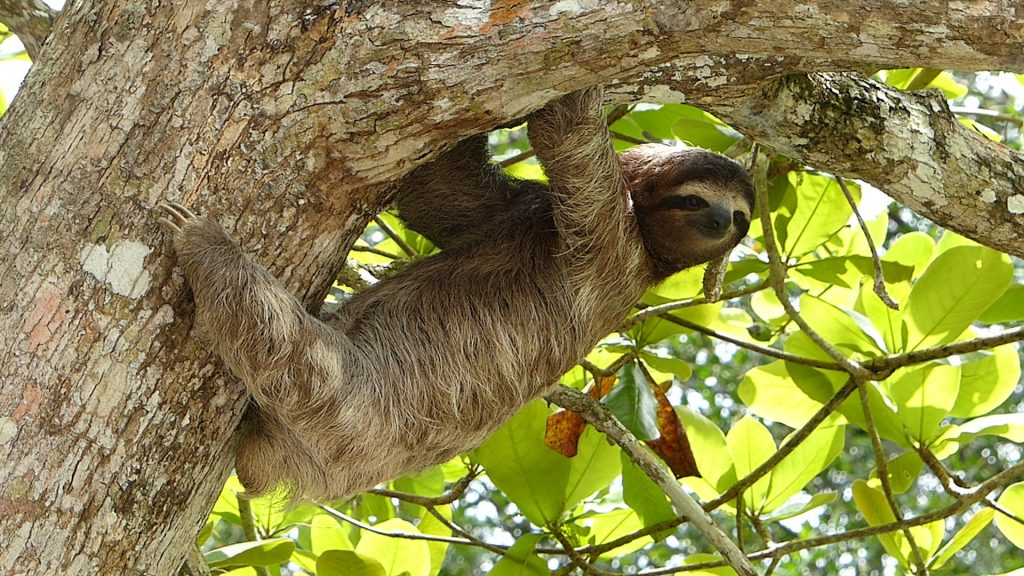
A useful filter is simple: if touch, feeding, holding, or forced posing is part of the package, walk away. Ethical programs keep distance, control crowd behavior, and prioritize habitat over performance. That standard matches both CDC safety advice and national wildlife-tourism guidance from destinations that have dealt with selfie harms directly.
Ask practical questions before booking. Does the operator prohibit direct handling, and is that rule enforced when no cameras are around? Do guides discuss habitat protection, or only promise guaranteed close-up shots? Those details often tell you whether the encounter is conservation-led or demand-led.
If you are unsure, choose observation-only alternatives. Canoe routes, canopy walks, or guided distance viewing usually produce better wildlife behavior, better science, and better local credibility than staged contact photos. They may feel less flashy online, but they are much harder to fake and far less likely to harm the animals people claim to love.
What Better Wildlife Tourism Looks Like
Better wildlife tourism does not remove wonder. It changes where the wonder comes from. Instead of a handoff photo, you get context: movement patterns, habitat signals, feeding cycles, and the patience required to see a sloth behaving like a sloth, not like a prop passed through a line.
That shift is exactly what spreading bans are trying to protect. The point is not to punish travelers, but to reset incentives so businesses earn from protection and interpretation, not from contact and stress. When that model wins, animals stay wilder, risks drop, and the travel experience becomes more honest.