

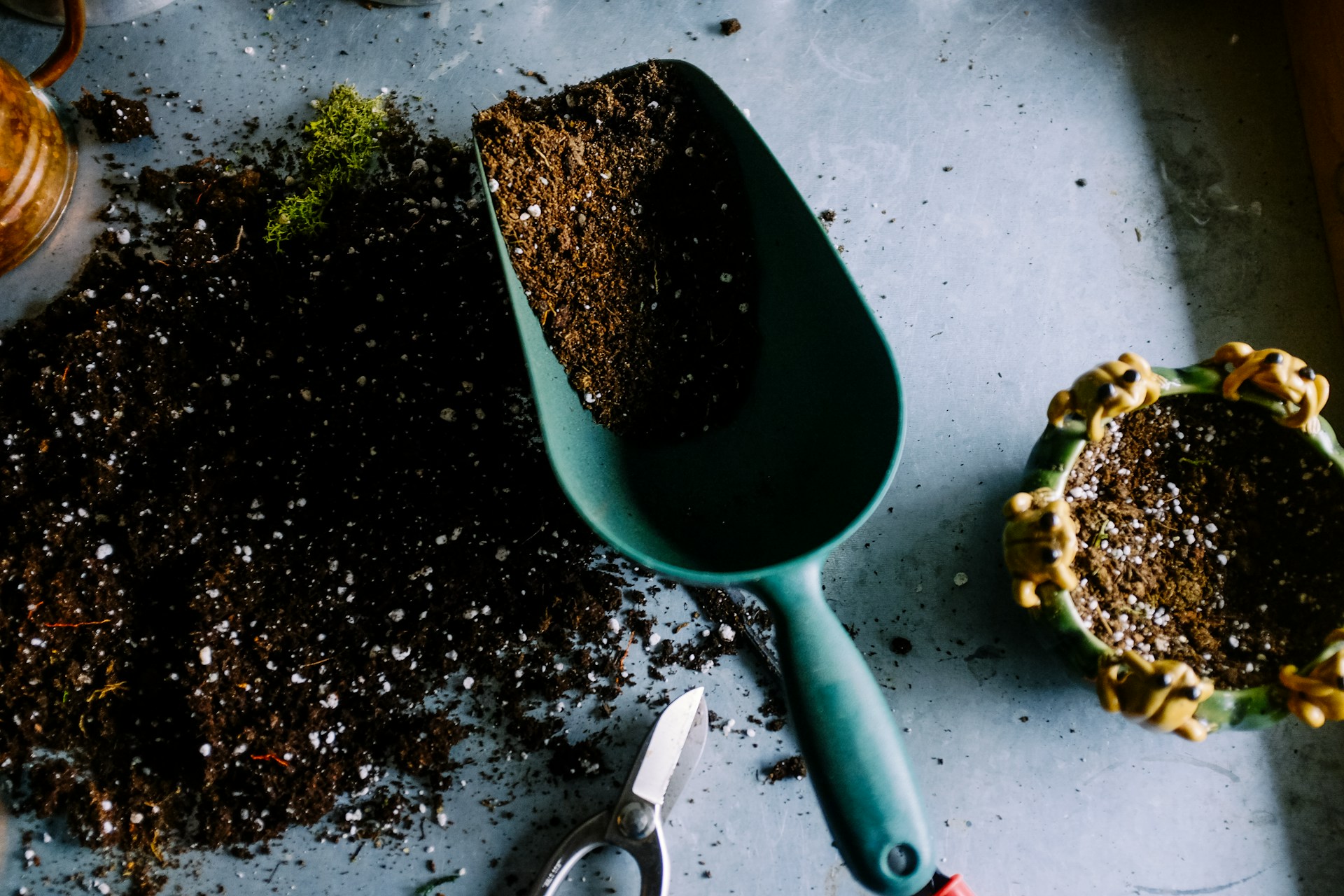
Homemade fertilizer feels like the smartest kind of thrift: weeds become feed, kitchen scraps gain purpose, and a tired bed wakes up greener. That promise is real, but only when ratios stay disciplined. A brew that is too rich can stress roots, scorch leaf edges, and stall growth just as spring momentum begins. In many gardens, the failure point is not the ingredient list. It is concentration, oxygen, dilution, and timing. When those basics are measured, the same natural mix shifts from hopeful improvisation into dependable, repeatable plant care. A notebook and a measuring cup often matter as much as compost itself.
Why Ratios Matter More Than Ingredients

Natural inputs are not automatically gentle. Liquid made from weeds, compost, or manure still carries dissolved salts, acids, and fast-available nutrients, so an overly concentrated brew can trigger osmotic stress at the root zone. Extension guidance for home landscapes notes that over-fertilization can burn foliage and stunt growth instead of helping it.
That is why ratio is the real control knob. A moderate mix applied on a steady schedule usually outperforms a strong batch poured in bursts. When growth dips after feeding, concentration is often the first variable worth correcting in warm spells, not the whole recipe.
Weed Tea Can Turn Too Strong Too Fast
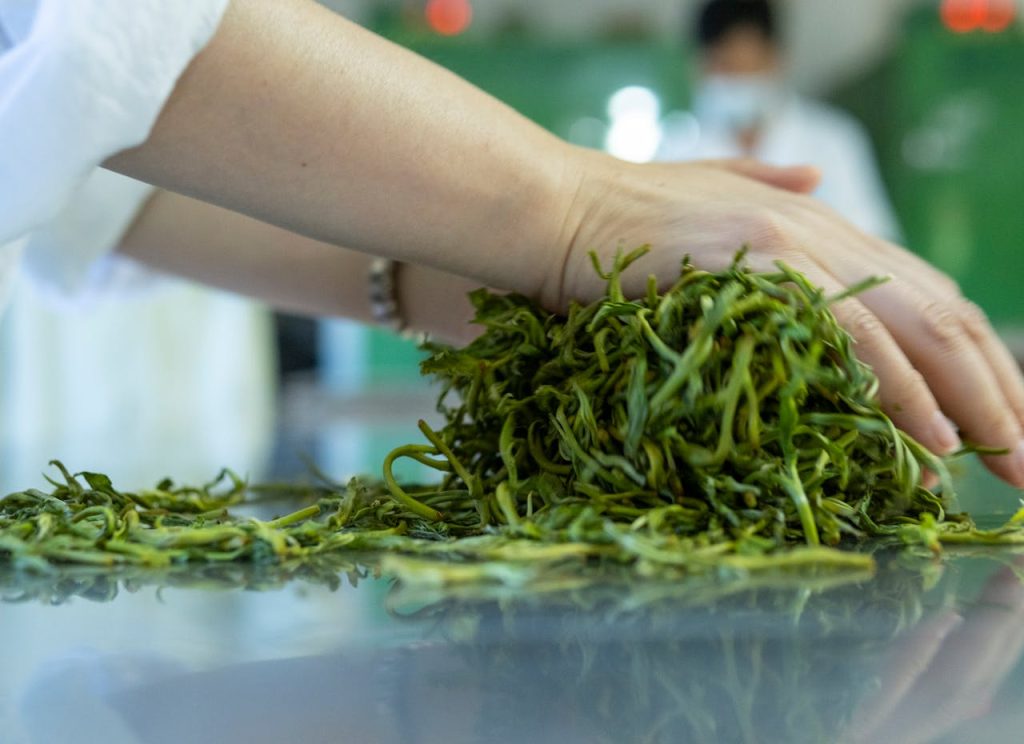
Weeds pull minerals aggressively, which is exactly why fermented weed liquid can be useful in beds that need a mild nutrient lift after growth surges. The same strength becomes a liability when steeping runs too long or when plant material is packed too tightly, producing concentrate that lands too hot on tender roots.
RHS guidance treats homemade feeds as variable products and recommends dilution before use, with many wet plant brews cut to about one part feed and 10 parts water. That target is less about tradition and more about reducing stress while preserving the benefit of recycled nutrients in mixed plantings. Overall.
Charcoal Helps, But Form and Dose Decide the Outcome

Charcoal can support a fertilizer brew when it is true horticultural biochar, because porous carbon can hold nutrients and provide habitat for microbes. USDA guidance also emphasizes that biochar is not one uniform material: feedstock and production method change outcomes, and benefits depend on soil, climate, and cropping system.
In practical terms, small additions are easier to manage than heavy doses. Too much can shift pH and nutrient balance, creating deficiency-like symptoms even when plenty of feed is present. Measured amounts, mixed thoroughly, give the brew buffering power without letting carbon dominate the recipe.
Molasses Can Feed Good Microbes and Bad Ones

Molasses is often added as microbial fuel, and in balanced systems it can accelerate decomposition and wake up useful biology in a brew. The caution is concentration. A USDA ARS study reported that higher molasses levels in manure-based compost teas supported regrowth of E. coli O157:H7 and Salmonella under certain conditions.
That finding does not ban molasses, but it rules out casual pouring. Small doses, clean inputs, and careful sanitation matter more than copied folk ratios. For edible crops, growers often keep brews soil-directed and conservative, especially when temperatures are warm and harvest windows are close.
Compost Quantity Changes Brew Speed and Strength
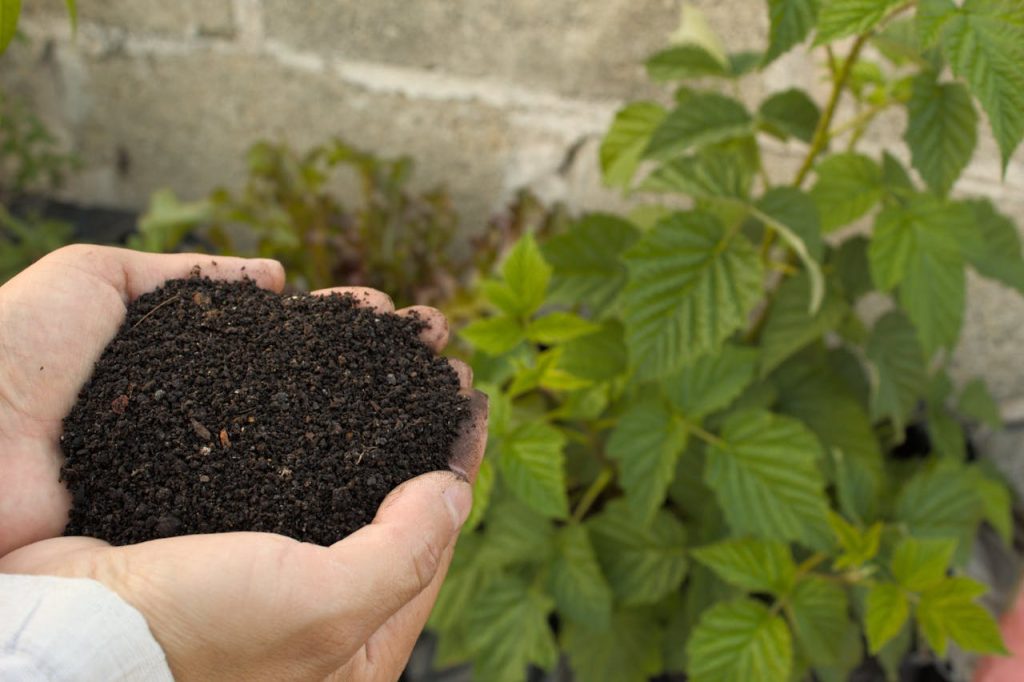
Compost supplies the biology that transforms soaked plant matter into a usable liquid feed, but quantity changes brew behavior quickly. A light handful can yield a mild tea over several days, while a heavy load may ferment faster and demand stricter dilution to avoid root stress. Heat speeds fermentation and tightens the safety margin.
RHS guidance notes that manure- or compost-based liquids are often stronger than many plant-only feeds, so feeding frequency and dilution should be adjusted accordingly. Stable results come from repeating one measured formula, then tuning slowly after observing plant response across several days.
Airflow Is the Line Between Earthy and Sour
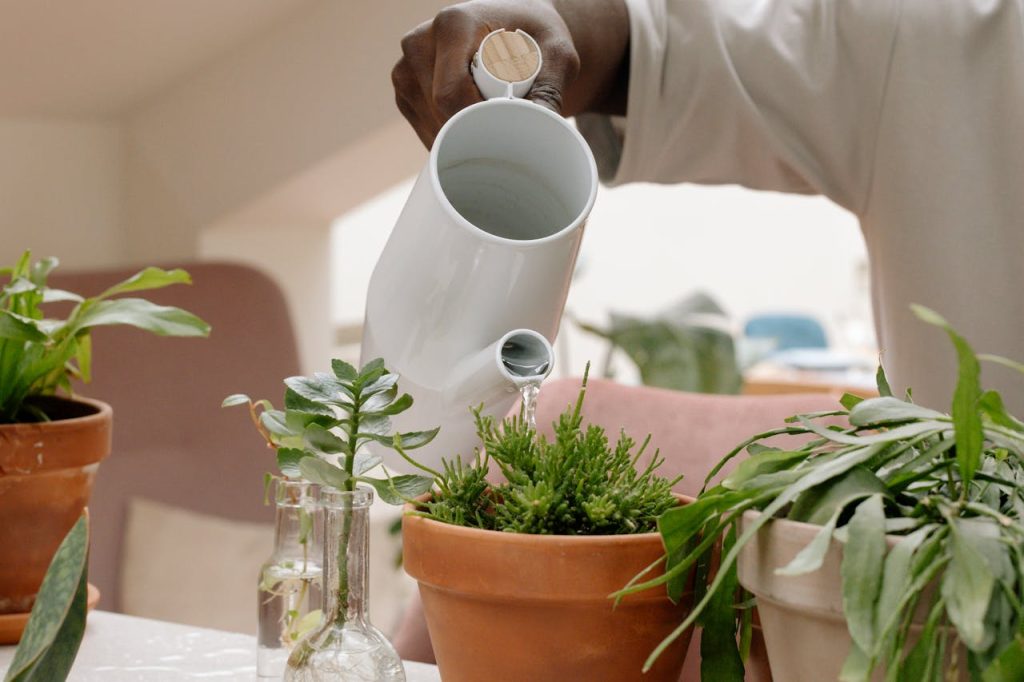
Covered does not mean sealed. A brew that lacks oxygen can drift toward anaerobic conditions, and that is where sharp odors and unstable chemistry begin to show up. Practical watering guidance also flags anaerobic water as smelly and undesirable, which makes odor a useful early warning sign during fermentation.
A loose cover, occasional stirring, and moderate fill levels protect gas exchange during the seven- to 10-day fermentation window many growers use. The target is an earthy, dark liquid, not a stagnant one. Smell is not cosmetic in this process; it is an early quality-control signal. Once sour notes dominate, dilution alone rarely fixes it.
Timing and Weather Can Turn Feeding Into Stress

A correct recipe can still disappoint if timing is wrong. Applying concentrated liquid during hot, dry spells raises the chance of leaf and root stress, especially in containers where salts accumulate faster than in open ground. Extension guidance on home fertilizing and foliar feeding notes greater burn risk under warm, low-humidity conditions.
Feeding after regular watering, and during cooler morning or evening windows, usually gives roots a steadier chance to absorb nutrients. Good timing does not replace good ratios, but it protects plants from preventable setbacks during weather swings when growth is otherwise on track.
Soil Drench Is Usually Safer Than Leaf Spraying
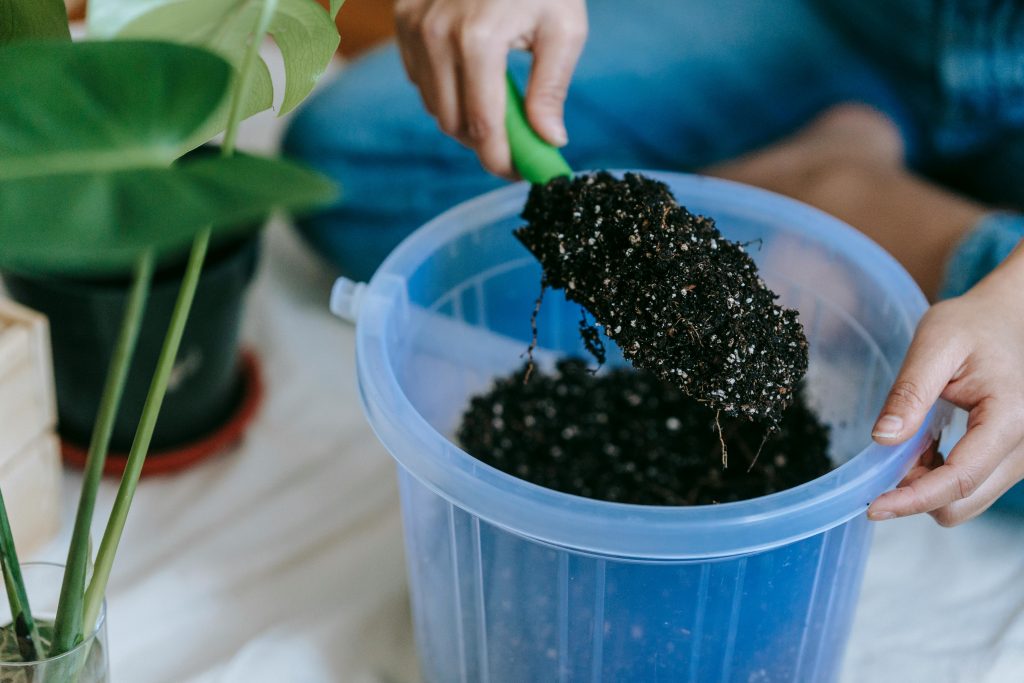
Home brews are often promoted as all-purpose tonics, yet application route matters. RHS guidance advises against spraying homemade feeds on leaves because inhalation risk and microbe exposure are harder to control than soil application through a watering can.
A root-zone drench is also easier to standardize: volume can be measured, runoff can be seen, and repeat intervals can be logged. Foliar sprays may look efficient, but for most home gardens, soil-first use is the steadier path for both plant health and practical safety. It is especially useful in edible beds, where splash and residue concerns are harder to manage on foliage.
Test Patches Prevent Season-Long Regret
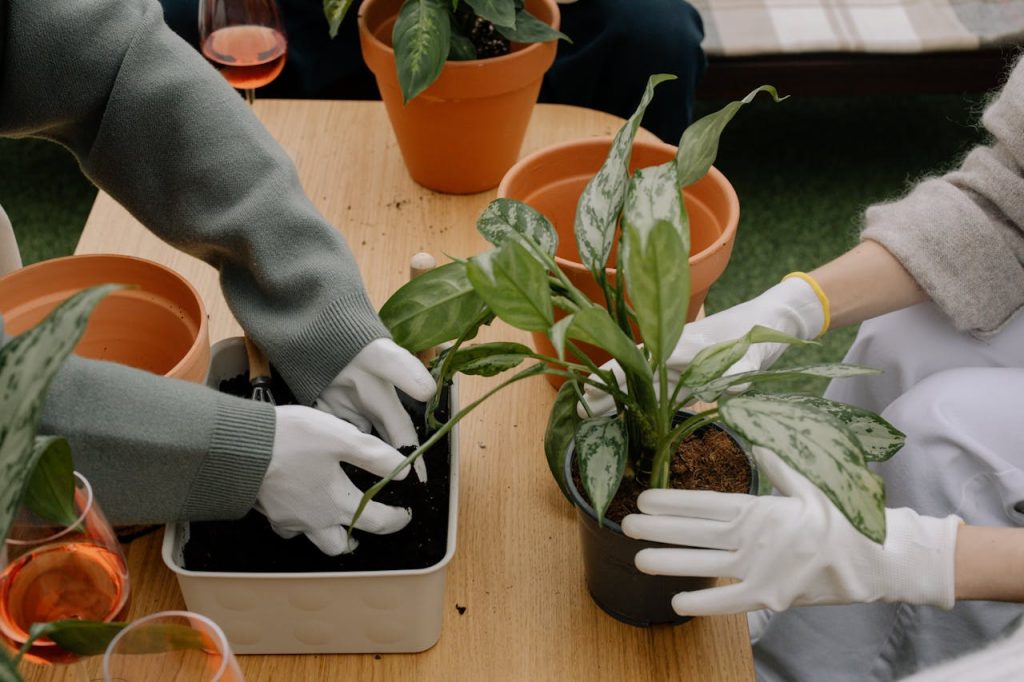
The fastest way to protect an entire bed is to test new batches on a small patch first. Watch leaf color, turgor, and tip margins for several days, then scale only if the response stays stable. This checkpoint catches ratio errors before they spread through seedlings, herbs, and fruiting plants.
Homemade fertilizer works best when treated like a recipe with version control: measured inputs, written ratios, dated batches, and consistent dilution notes. Small discipline keeps natural gardening practical, predictable, and calm across a full season. It also helps separate feed errors from pest pressure or weather stress.