


A first garden rarely fails from lack of effort. It usually fails when the plants demand perfect timing, perfect soil, and perfect memory, then punish a missed watering or a cool night with decline. The easiest wins come from flowers and bulbs that bend with the weather, tolerate basic soil, and keep blooming even when care is uneven. Fast rewards build momentum, and sturdy roots lower the stakes. Many of these plants also pull in bees and butterflies, so the space feels alive, not staged. From sunny beds to shady porch pots, these picks keep growth forgiving, colorful, and steady from early spring into late summer.
Pansies

Pansies look delicate, but they handle a surprising range of temperatures and keep their petals presentable when weather swings from warm afternoons to chilly nights. They bloom best in direct sun, yet they still grow with light shade, which helps in yards where trees or buildings steal a few hours of light, especially in early spring and fall. In borders and containers, their low habit fills gaps, hides bare soil, and makes edges look finished; a bit of compost and regular deadheading keeps the plants pushing new buds, and their steady bloom cycle forgives occasional lapses in watering without turning ragged overnight.
Snapdragons

Snapdragons bring personality without demanding constant attention, which is why they often feel like a first true win for beginners who want flowers that look deliberate, not accidental. They grow well in sun, need less water than many annuals once roots settle, and their upright spikes add height that makes even a slim bed look layered, with color packed into a small footprint. Set behind lower flowers or in a pot, they hold their posture through warm days and light wind; quick deadheading and occasional pinching keep new stems coming, and a few cut blooms indoors still leaves enough buds outside to keep the planting working.
Marigolds

Marigolds have a reputation for thriving under imperfect care, and that toughness shows up fast once they settle in and start branching. They cope with average soil, prefer sun, keep going through heat, and forgive the occasional missed watering, which makes them dependable when a schedule slips or a bed is not fully amended. Planted along borders, near vegetables, or in porch pots, their warm gold and orange blooms keep arriving for weeks; the foliage has a bold scent that suits entryways and patios, and snipping faded heads takes seconds and pushes more buds, so color stays strong in midsummer when other flowers slow down.
Zinnias

Zinnias make new gardeners feel capable because they respond quickly and keep the reward visible, with strong stems and blooms that look fresh for days, even after hot afternoons. Planted in spring and given sun, they flower through summer, and the bright, layered faces come in many colors, so even a small bed reads as planned, not improvised, while butterflies often treat the patch like a landing zone. A little spacing for airflow and watering at the base is usually enough; deadheading, or cutting a few stems for a simple vase, signals more buds, so the planting stays lively through long heat without complicated routines.
Sunflowers

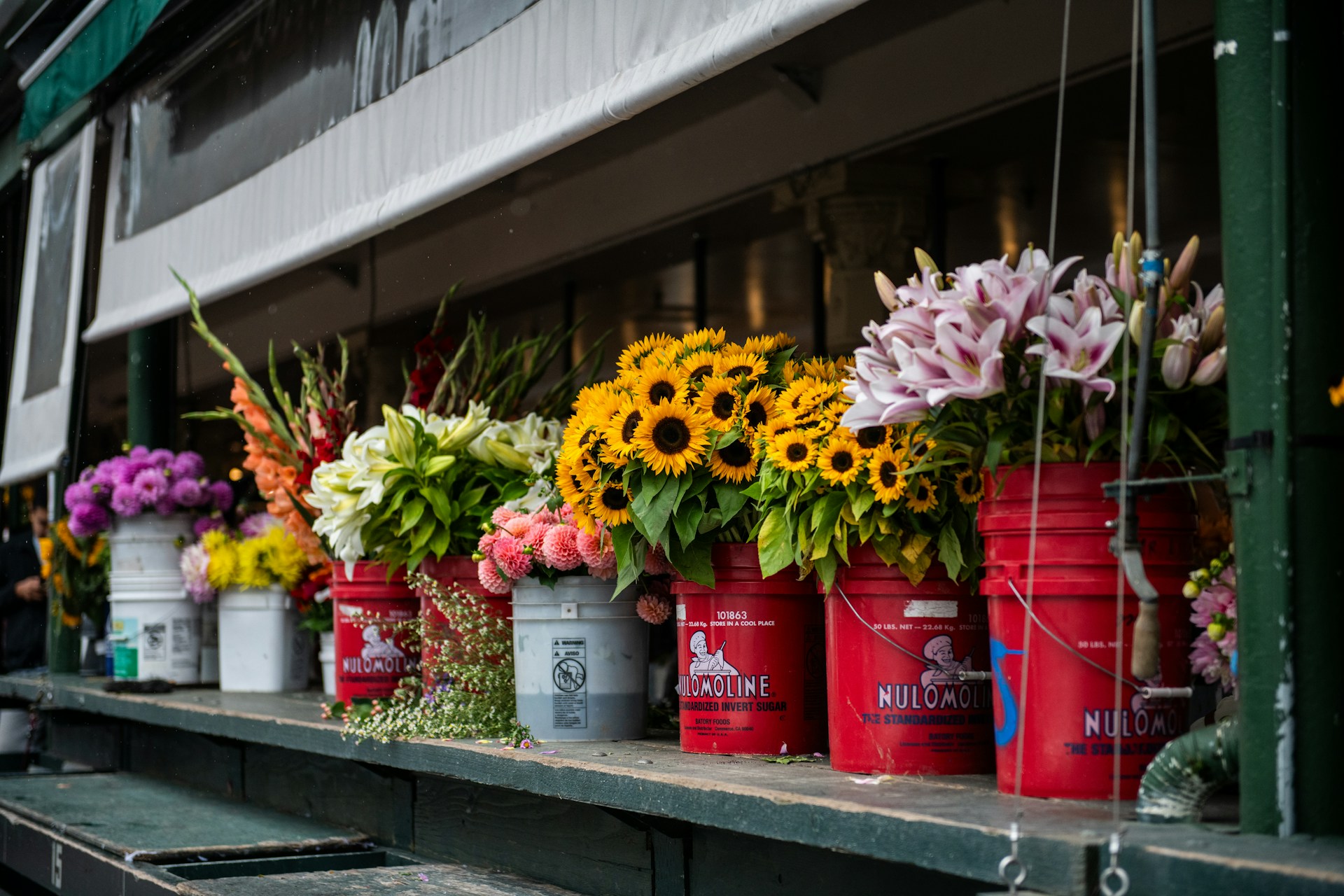
Sunflowers are uncomplicated, dramatic, and motivating because their progress is easy to see day by day, even in a first-season bed that is still finding its rhythm. Given sun and routine watering early on, they rise into sturdy stalks and create a bold focal point at the back of a border, along a fence, or in a wide container, with leaves that quickly shade the soil below. Some varieties stay compact while others stretch tall, but most share the same payoff: bright blooms that track the light, busy pollinator traffic, and seed heads that can be dried for birds or saved as a small treat, all from straightforward care.
Coneflowers

Coneflowers earn their reputation as survivors, especially in summers when rain comes late and schedules get busy, because they are built to handle stress without collapsing. They tolerate drought, so a missed watering rarely becomes a problem, and their sturdy stems hold the daisy-like blooms without staking, while average soil is usually enough once roots establish. As the season rolls on, the raised cone centers deepen in color, pollinators keep returning, and deadheading extends bloom into fall for weeks; later, left-behind seedheads add texture and can feed birds, so the planting stays useful even as the border tires.
Impatiens

Impatiens add quick color where other flowers hesitate, which is why they become a common starter plant for porches, side yards, and tree-lined beds. They prefer moist soil, so they teach the habit of checking dryness before leaves droop, yet they rebound well after an occasional late watering as long as roots are not sitting in soggy mix. In beds or pots, they form tidy mounds and keep producing blossoms in clear, bright shades; a thin mulch layer helps hold moisture, light pinching encourages fuller growth, and the steady bloom turns shaded corners into intentional, welcoming spaces instead of dark gaps in the landscape.
Morning Glories

Morning glories grow with enthusiasm and can turn a plain fence, trellis, or railing into a living screen in short order, making them a fast visual upgrade for simple outdoor spaces. They do well in sun, do not demand heavy watering once established, and their quick climb delivers visible progress, which helps beginners stay invested through the early weeks. Placement matters because they can spread and self-seed, showing up in spots that were never part of the plan, but with a clear boundary, a basic support, and occasional untangling, the vines climb neatly and open fresh trumpet blooms in the morning for daily color.
Lavender

Lavender rewards beginners who learn one rule: drainage matters more than frequent watering, and wet feet cause more trouble than dry soil. It requires well-drained soil, tolerates drought, and handles strong sun, making it a natural fit for bright beds, gravel borders, and pots that dry out faster than expected, where fussier flowers fail. As stems fill with fragrant blooms, bees and butterflies arrive, and the silvery foliage stays attractive even between flowering bursts; once established, lavender asks for little beyond a light trim and spacing, while still offering scent, color, and a calm, structured look through heat.
Sweet Peas

Sweet peas are a friendly way to learn training and support, because the vines naturally reach upward and only need guidance to look polished rather than tangled. They like well-drained soil and cooler air, so they often shine early in the season, and they need a place to climb; even a simple trellis, bamboo grid, or taut twine creates order and keeps blooms off the ground. Once flowering begins, blossoms arrive in scented clusters and soften hard edges like fences and balcony rails; regular picking and light tying keep the vines productive, and the small daily check-in builds confidence in timing, observation, and steady care.
Nasturtium

Nasturtiums feel playful, yet they behave reliably, which makes them a low-pressure choice for first-time gardeners who want quick, cheerful color. They do not need much water, tolerate soil that is not rich, and grow into a generous spread of round leaves and bright blooms that spill from pots, weave through borders, and cover awkward bare patches without constant supervision. The bonus is edible foliage: peppery leaves and flowers can be added to salads or used as a garnish, green seed pods can be pickled, and the open blooms draw pollinators, so the plant delivers beauty and usefulness even when maintenance stays simple.
California Poppies

California poppies bring bold, sunlit color with very little effort, and they look best when planted in loose drifts that mimic a natural meadow, with silky cups that often close at dusk. They are easy to grow, prefer sun and well-drained ground, tolerate lean soil, and self-seed, so a successful patch often returns the next year and slowly expands along paths, fences, and open beds. The blooms feed pollinators and add motion to the garden, and the low-water habit stays forgiving during hot stretches; deadheading can extend flowering, but even neglected plants tend to keep the show going, then drop seed for the next season.
Wax Begonias

Wax begonias stay neat and bloom steadily, which helps a bed look cared for even when time is limited and other annuals are sulking. They like consistent moisture, but too much water can cause trouble, so they quietly teach a useful skill: checking the soil and letting the surface dry slightly before watering again. They also prefer shade or bright, filtered light, including morning sun and afternoon protection, turning dim porches and tree-lined beds into reliable color; the glossy foliage stays attractive between bloom cycles, deadheading is minimal, and the compact form keeps edges clean in containers, window boxes, and borders.
Lupines

Lupines add height and drama without requiring advanced skills, thanks to their tall, conic flower spikes that read like living sculpture in the back of a border. They come in many colors, can reach several feet tall, and bring a strong vertical accent that makes a first garden feel designed, especially when planted in small groups with simpler flowers at their feet. Butterflies are drawn to the blooms, and the bold shape photographs well; with decent drainage, steady watering while establishing, and a spot that does not bake all day, lupines deliver a bold burst of late-spring color that lasts for weeks and feels earned, not lucky.
Daffodils

Daffodils prove that gardening can start before most flowers wake up, which helps beginners avoid a long wait and gives the yard an early sign of life. Planted in winter, they are simple to maintain and bloom in late winter and early spring, bringing clean yellow or white color near walkways and doors, even in ordinary soil, and they often naturalize into bigger drifts over time. Once the bulbs settle, they return on schedule and thicken into reliable clumps; letting the foliage fade naturally after flowering helps recharge the bulbs, and many gardens find daffodils are left alone by deer, making the payoff feel even more secure.