

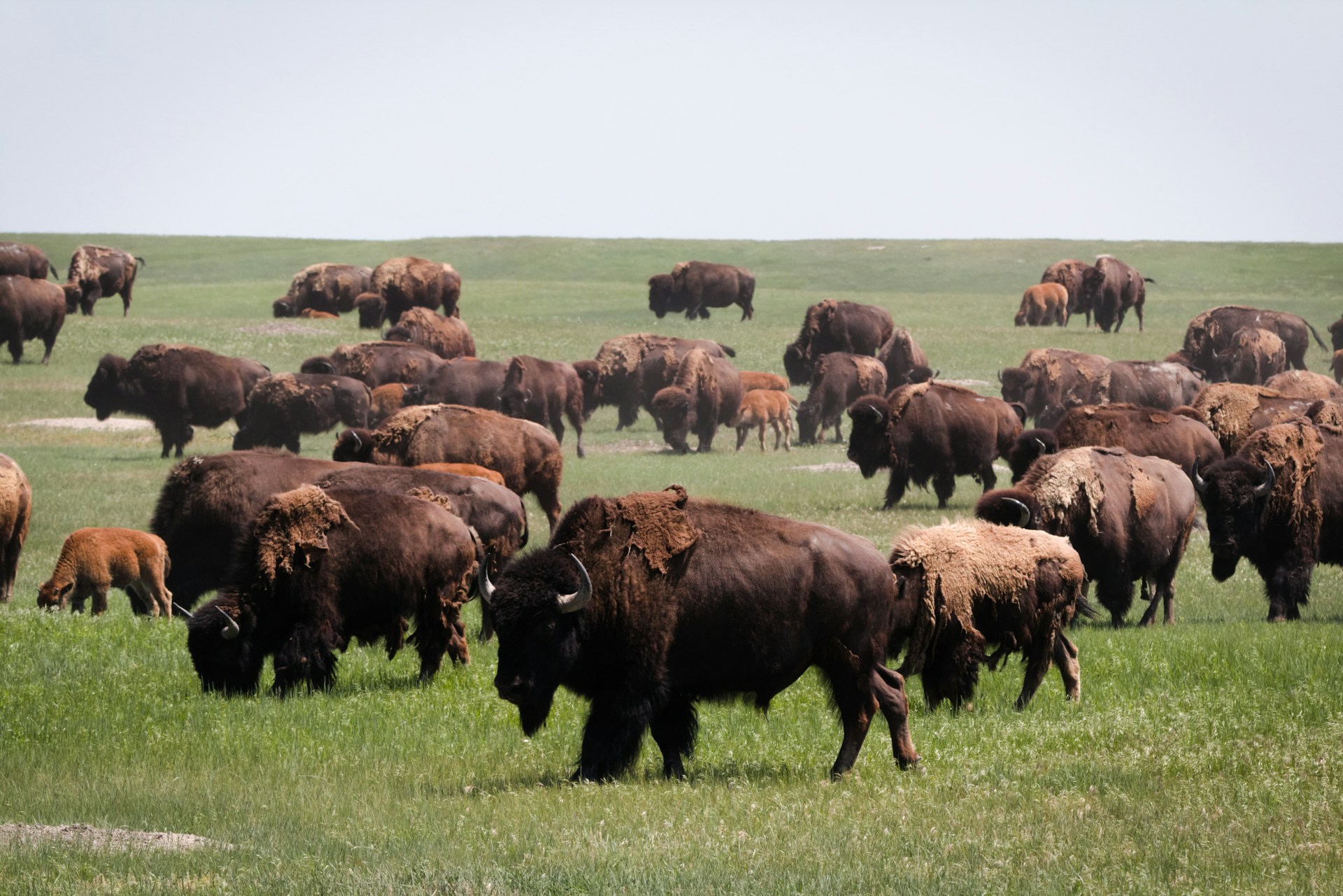
Bison rewilding carries a promise that feels almost cinematic: living prairies, stronger wildlife webs, and climate relief rooted in the land itself. Yet carbon claims around rewilding are often smoother than the evidence. Soil storage changes slowly, methane runs on a different clock than carbon dioxide, and outcomes swing with drought, fire, grazing pressure, and governance. Recent science keeps repeating one theme in different forms: place and management decide results. The strongest restoration plans measure tradeoffs early and discuss them plainly. That shift from slogan to evidence is where durable progress starts.
Native Means Climate Neutral
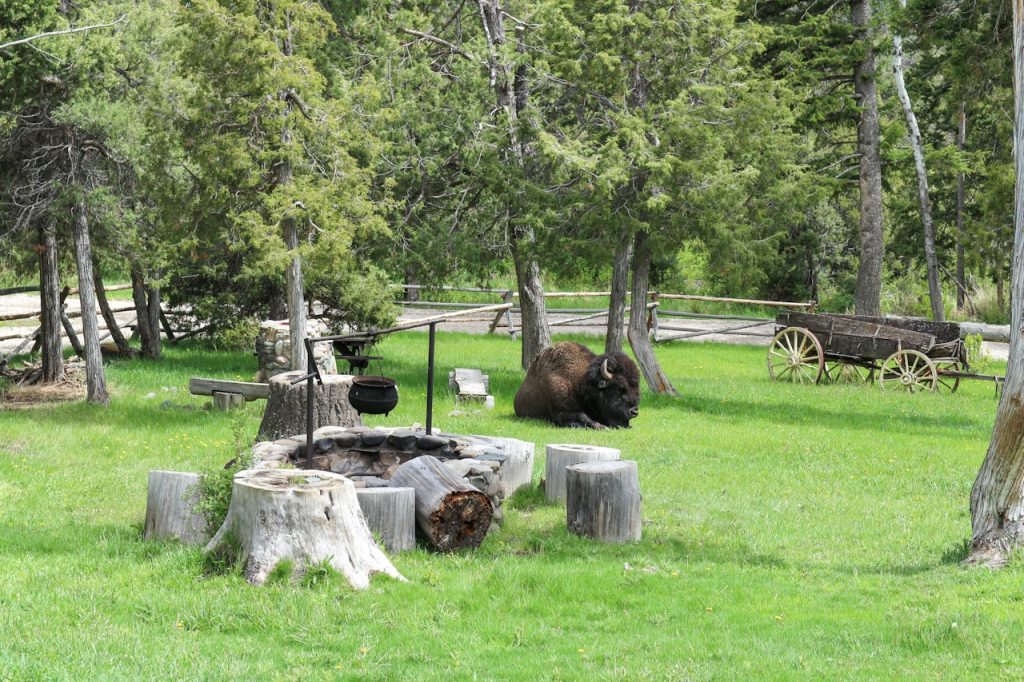
A common claim says bison are native, so their methane should be climate-neutral. Native status matters for ecology, but atmospheric chemistry still counts molecules. Methane remains a high-impact greenhouse gas, and U.S. inventories still track livestock-related methane as a real warming source.
What changes with rewilding is the full system, not the gas itself. Prairie restoration can strengthen soils, water cycles, and habitat quality, yet those gains do not erase methane by default. Strong assessments compare net fluxes over time instead of assuming native herbivores automatically cancel their climate footprint.
Any Grazing Builds Soil Carbon

Another popular claim says any return of large grazers will lock more carbon into grassland soils. Evidence is more mixed. Long-term Great Plains work found that removing grazing did not automatically increase soil organic carbon, which means simple more grazing versus less grazing framing misses the mechanisms that matter most.
A large 2024 synthesis reached a similar nuance at global scale: grazing has reduced soil carbon in many places, yet optimized intensity could recover substantial stocks in others. In practice, timing, pressure, plant communities, and climate variability decide outcomes, not a universal rule.
More Bison Always Means More Carbon
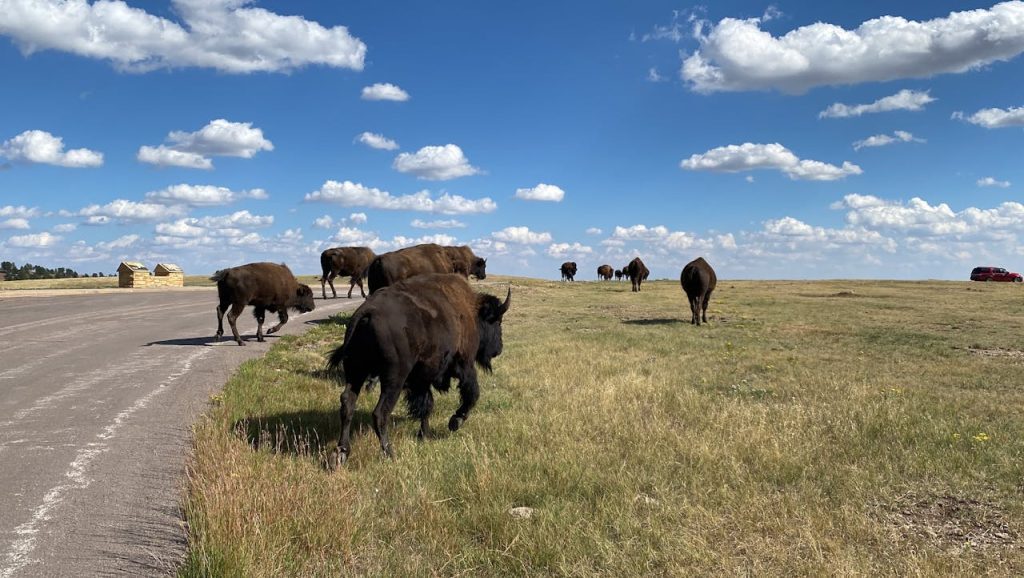
Bigger herd numbers are often presented as a straight climate win. That sounds clean in a headline, but grasslands have carrying limits, and carbon responses can flatten or reverse when pressure rises beyond local resilience. The same species can aid recovery in one landscape while stressing another under drought, fragmentation, or weaker forage years.
Better projects set adaptive density targets instead of fixed symbolic numbers. They monitor vegetation cover, bare ground, soil trends, and seasonal forage conditions, then adjust herd size accordingly. Carbon gains depend on this feedback discipline, not on herd growth alone.
Carbon Gains Are Permanent Once Stored

Carbon messaging often treats soil storage as durable once a project begins. Real landscapes are less stable. Drought, fire shifts, and management changes can reverse gains, and major assessments flag permanence as uncertainty in land-sector mitigation. Carbon in fast-cycling pools is especially vulnerable.
Recent grassland findings underline that risk profile. In cold-region rangelands, some climate-driven soil carbon increases were concentrated in more labile fractions that grazing pressure could offset. That does not cancel restoration value, but it demands risk buffers, conservative baselines, and long monitoring windows.
Credits Are Easy to Verify in Rewilding

Some carbon narratives imply bison projects are easy to credit and audit. Soil systems are harder than that. U.S. and international guidance on offsets emphasizes additionality, leakage, permanence, and uncertainty because each can distort climate value if handled weakly. Quantification is possible, not frictionless.
Field sampling density, counterfactual design, and model assumptions shape reported tons. If grazing pressure shifts to nearby land, leakage can dilute net benefits. High-integrity accounting uses conservative methods, periodic remeasurement, and transparent uncertainty ranges rather than single marketing numbers.
Replacing Cattle With Bison Is One-to-One

A frequent pitch frames bison as a simple one-to-one substitute for cattle emissions. In reality, climate outcomes depend on what land-use changes actually occur. If cropland, feed inputs, transport, fencing, or fire management patterns shift, net emissions can move in directions different from what animal identity alone suggests.
Rewilding can still deliver gains when design aligns ecology with local economies, but substitution math must include whole-system effects. Methane, soil carbon, land conversion pressure, and management energy all belong in the ledger. Species labels alone are not a complete carbon accounting method.
Carbon Is the Only Metric That Matters

When carbon becomes the only score, projects can miss the reasons bison restoration exists. Federal and tribal restoration frameworks highlight genetic integrity, disease management, cultural renewal, and shared stewardship alongside ecological function. Those goals shape durability, legitimacy.
Treating biodiversity and community outcomes as optional can backfire on climate goals. Systems with weak governance or low local trust rarely hold long enough to deliver stable sequestration. A stronger path evaluates climate, habitat, and cultural outcomes together, then accepts tradeoffs openly rather than hiding them behind one metric.
Large Herds Can Expand Anywhere Quickly

It is easy to picture rewilding as an open-range return to pre-colonial scale. Modern landscapes are partitioned by roads, fences, property lines, and multiuse mandates. Even agencies committed to bison recovery describe many herds as spatially constrained, with disease and livestock concerns shaping expansion decisions.
That reality does not block progress, but it changes timelines and carbon projections. Expansion often requires corridor planning, tribal and state agreements, veterinary safeguards, and local financing. Claims that promise rapid continental returns can understate these governance and infrastructure constraints.
One Carbon Number Fits Every Prairie
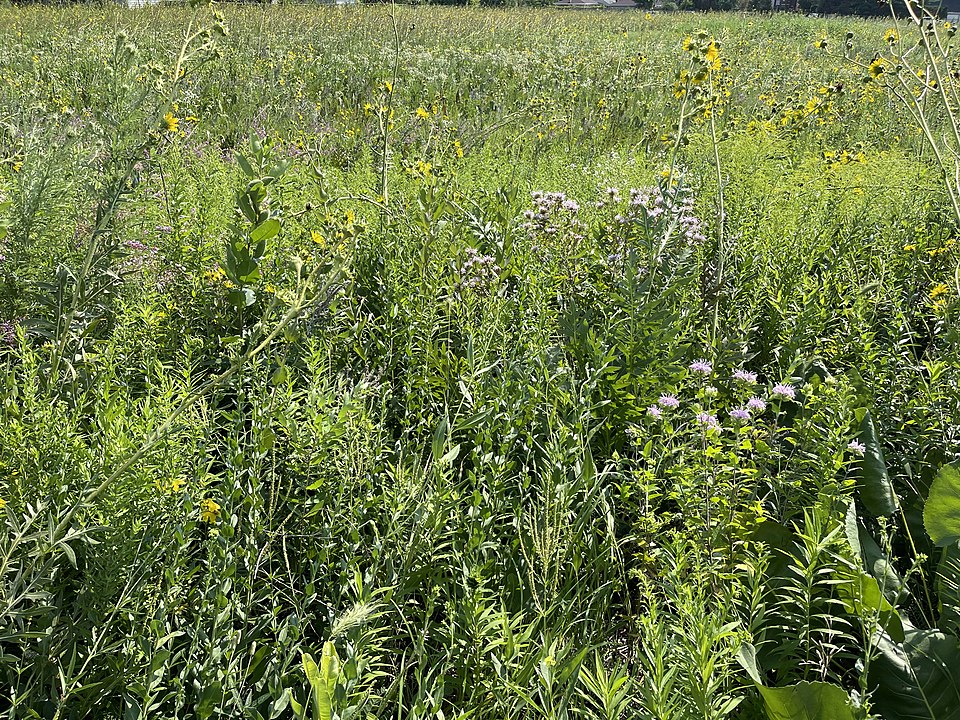
Media claims often rely on a single tonnage figure and apply it to every grassland where bison return. Spatial variation makes that risky. Soil texture, rainfall timing, legacy land use, fire regime, and forage composition all alter both sequestration potential and methane balance, sometimes sharply across short distances.
Research across rangelands keeps finding heterogeneous responses, not one transferable coefficient. Strong communication therefore publishes ranges, confidence levels, and scenario assumptions. A smaller but defensible number builds more trust than a bigger estimate that collapses under regional validation.
Rewilding Ends the Need for Emission Cuts
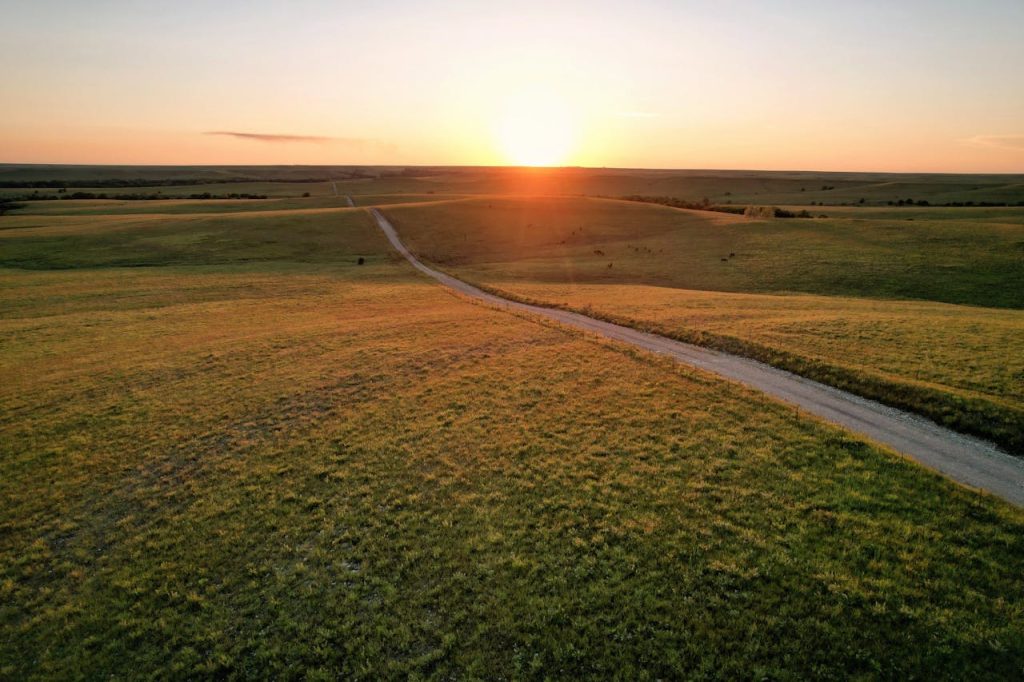
The most tempting claim says rewilding can offset enough carbon to relax pressure on emissions cuts. Major climate frameworks reject that shortcut. Land-based removals can help, but they are finite, uncertain over long horizons, and sensitive to policy and climate shocks, so they complement, not replace industrial cuts.
Bison restoration deserves support for many reasons, including co-benefits. Its best role is strategic: protect prairies, rebuild ecological function, strengthen community stewardship, and deliver verified mitigation where evidence is strongest. The climate case improves when it stays honest about limits.