

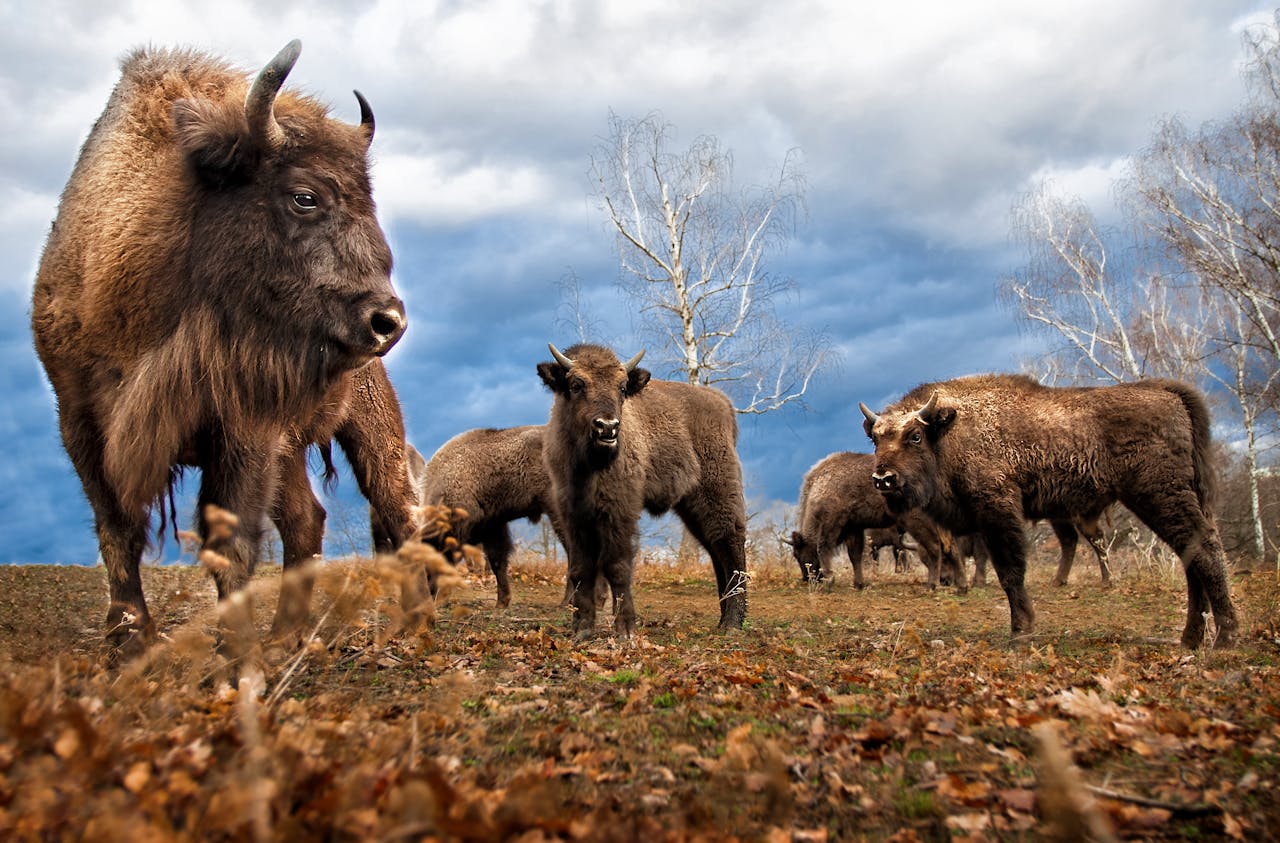
The American bison is a comeback icon, but the victory story is less tidy than it looks. Congress named it the U.S. national mammal in 2016, recognizing both survival and national memory. Still, symbols can hide hard math. A species can return in headlines while losing ecological freedom, genetic resilience, and truly wild range.
That is why bison facts matter beyond trivia. Size, speed, diet, calving, and migration history explain how these animals shape grassland systems, and why policy choices matter so much. People hear that bison are back, yet less attention goes to where they are back, who controls those herds, and how many are managed for production rather than long-term conservation. The real problem is not survival alone, but the terms of survival.
A National Symbol With a Naming Problem
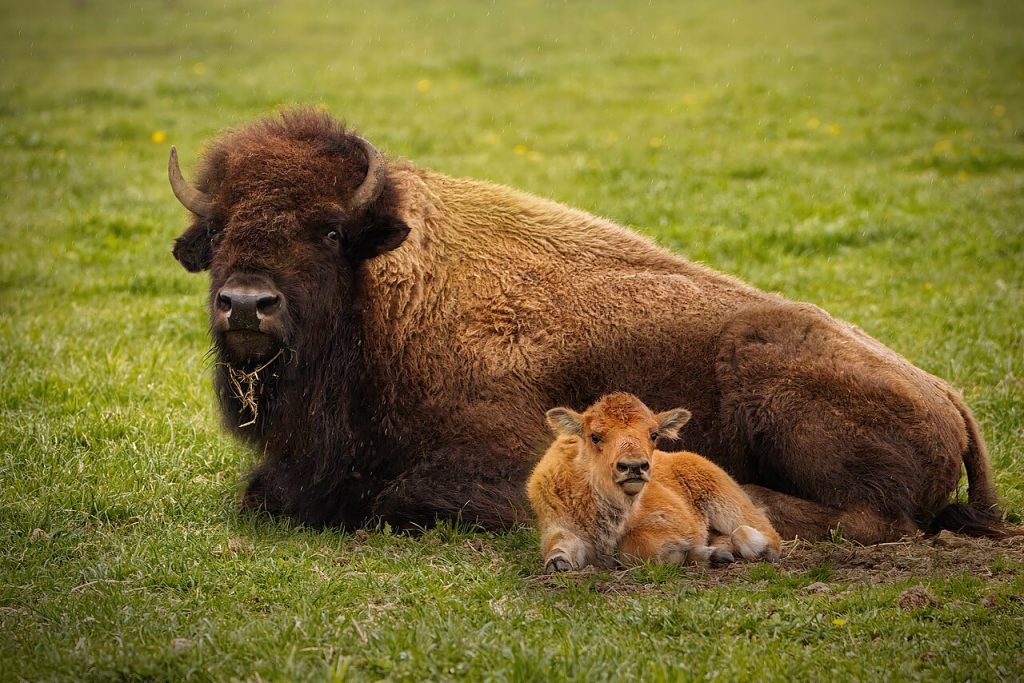
First, the name issue. Americans say buffalo all the time, but the North American species is bison, specifically Bison bison. Using the right name is not pedantry; it separates this animal from true buffalo in Africa and Asia and keeps science, law, and conservation records clear. When species management crosses state, federal, and tribal systems, precise language prevents sloppy policy.
Status matters too. The bison is North America’s largest land mammal and now carries formal national-mammal status in U.S. law. That legal symbolism helped raise public attention, yet it also created a comforting narrative that the crisis ended. In reality, designation did not erase habitat limits, fragmented herds, or genetic pressures in small, isolated conservation populations.
Big Body, Fast Burst, and Signals People Misread
Bison are built like moving fortresses. Adult bulls can exceed 2,000 pounds, cows are smaller, and both carry powerful front-end muscle that helps with defense and winter foraging.
Despite that mass, they are fast. National Park Service and National Geographic references describe speeds around 35 mph, with some accounts noting bursts near 40 mph.
They also jump, swim, and turn quickly, which is why people who judge risk by body size often misread the animal in front of them. Another common mistake is reading calm posture as permanent safety. Federal bison fact pages and park guidance note that body language, including tail position, can shift quickly, and that rapid escalation is possible when people get too close.
The rule is simple and often ignored. Keep distance, because a bison does not need much time or space to close a gap and injure a visitor.
The Grass Engine Behind the Icon
At ground level, bison are grassland engines. They spend long stretches feeding on grasses and other plants, then ruminate, chewing cud to pull more value from rough forage. This rhythm is central to how they function as large grazers across open landscapes and seasonal conditions.
That ecological role is one reason their return is celebrated. But function depends on scale and movement, not just head counts. DOI restoration guidance emphasizes large, wide-ranging herds, which implies that fenced or tightly bounded populations cannot fully replace historical ecological effects. So when discussions focus only on total animals, they can miss what those animals are able to do on the land.
Calves, Wallowing, and Herd Life
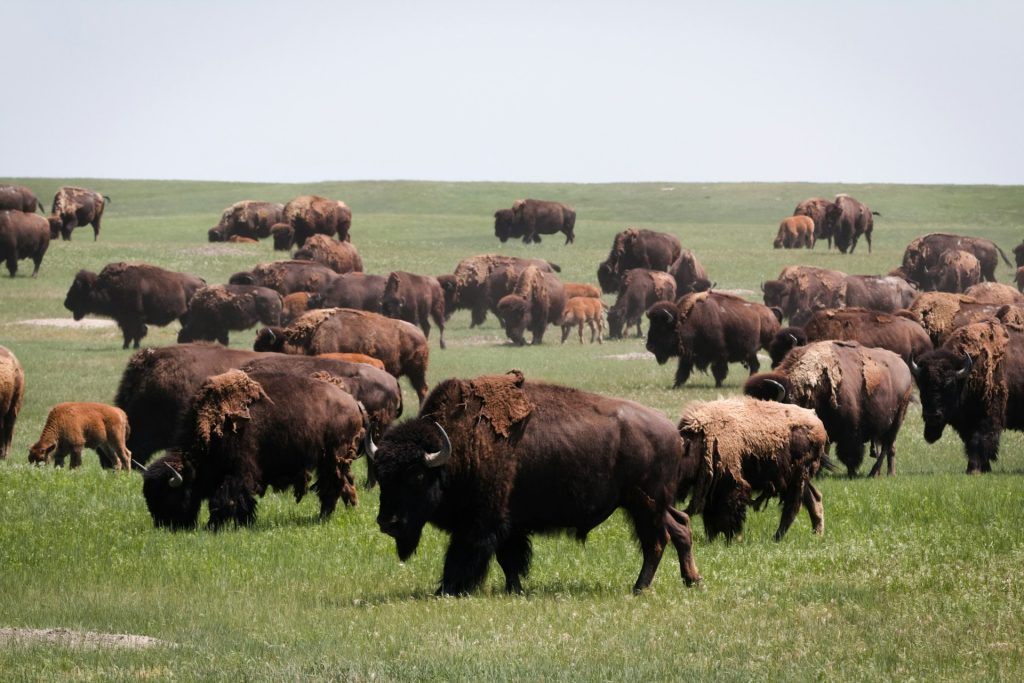
Reproduction is steady but not explosive. Females usually carry one calf after roughly nine months of gestation, which means recovery can stall quickly when adult survival drops or habitat quality declines.
Calves are born into social systems, not chaos. National Geographic reporting describes sex-separated group patterns for much of the year, with larger seasonal mixing tied to breeding behavior.
Wallowing adds another layer. Bison roll in dust, mud, or shallow water to cool down and deter insects, and these behavior patterns are part of normal herd ecology rather than random motion.
These details matter for management. A herd can look healthy in a census and still lose resilience if isolation increases inbreeding risk or land design strips away normal social and ecological routines.
From Deep Time to Nineteenth-Century Collapse
The long history is as important as the biology. Reference works describe bison ancestors moving from Asia into North America through Beringia, then spreading widely over time. By the early nineteenth century, estimates placed continental numbers in the tens of millions, and bison were integral to Plains Indigenous food systems, tools, shelter materials, and cultural life.
Then came collapse. NPS summaries describe commercial hide hunting, livestock pressures, disease, and military directives aimed at controlling Native nations as key drivers of the slaughter era. At the lowest point, estimates dropped to only a few hundred wild survivors. Early conservation networks, including the American Bison Society formed in 1905, and the 1913 transfer of 14 bison to Wind Cave, helped prevent disappearance.
The Hidden Problem in the Return Story
Here is the hidden problem behind the return headline. North America now has roughly 500,000 bison, but most are in private or commercial production herds rather than conservation herds managed for restoration goals. Even widely cited conservation analyses describe the conservation share as a small fraction of total animals.
Even within conservation programs, herds are often small and isolated, raising long-term concerns about gene flow, adaptive capacity, and edge conflicts with livestock jurisdictions. So yes, bison returned numerically. But numerically recovered is not the same as ecologically recovered, culturally restored, or securely wild at continental scale.
Why Tribal Restoration Changes the Equation

Any honest recovery account has to center tribal leadership. For Plains Indigenous nations, bison were never just wildlife units; they were providers and ceremonial anchors tied to identity, subsistence, and land relationships.
The InterTribal Buffalo Council has built a major restoration framework, with member tribes managing more than 20,000 buffalo across multiple states. These herds support food sovereignty, youth education, and stewardship models that treat ecology and culture as one system instead of separate policy boxes.
This shifts the debate from raw counts to governance quality. Federal policy now explicitly supports tribal co-stewardship and larger restoration partnerships, which means the strongest future gains may come from who governs herds, where herds can move, and what those herds are managed to do.
Where Americans See Bison and What Still Has to Change
People can still see impressive bison in places like Yellowstone, Wind Cave, Custer State Park, and Wichita Mountains. Yellowstone is especially significant because bison have persisted there continuously since prehistoric time, and modern counts typically fluctuate in the low thousands rather than in remnant numbers.
But visibility is not security. Human crowding, roadside behavior, boundary disputes, and limited connected habitat continue to create preventable conflict, including injuries when visitors approach too closely. The next chapter is clear: protect larger connected ranges, maintain genetic diversity, expand tribal restoration, and stop confusing managed presence with full ecological return.