

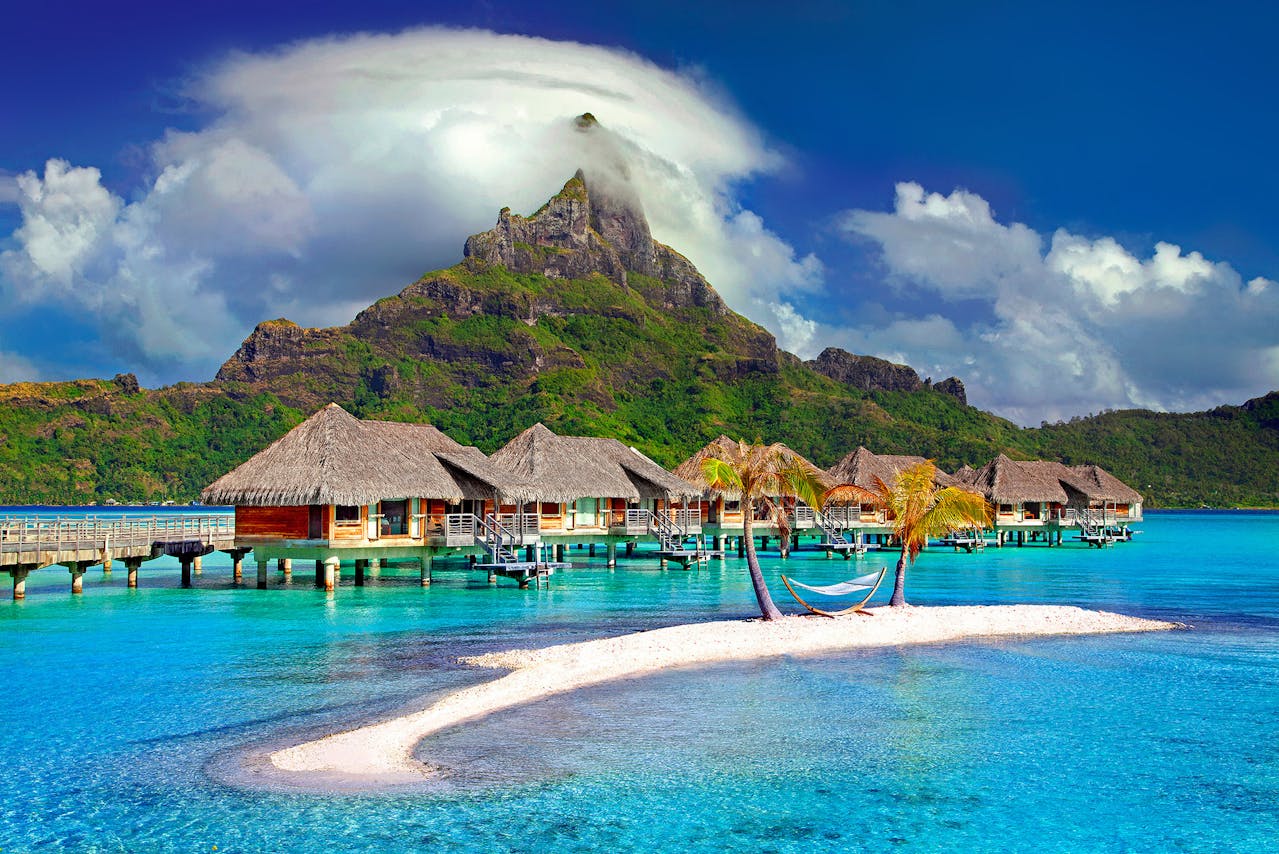
Rainfall rankings look simple on paper, but they reveal hard limits that shape food, housing, infrastructure, and political choices. Some countries receive so little rain that daily water security depends on engineered supply and strict planning. Others receive so much that flooding, erosion, and drainage failures become constant pressure points. Either way, the challenge is not abstract weather data. It is the cost of staying functional when water arrives too little, too late, or all at once.
This comparison tracks both ends of that spectrum through countries named in the reference list, from Libya and Saudi Arabia to Costa Rica and Samoa. The numbers are striking, but the deeper story is human adaptation under stress. Dry nations prove that survival can be built through policy discipline. Wet nations prove that abundance can still create risk. The common thread is clear: water extremes punish weak systems and reward long-term planning.
Desert Countries and the Cost of Scarcity
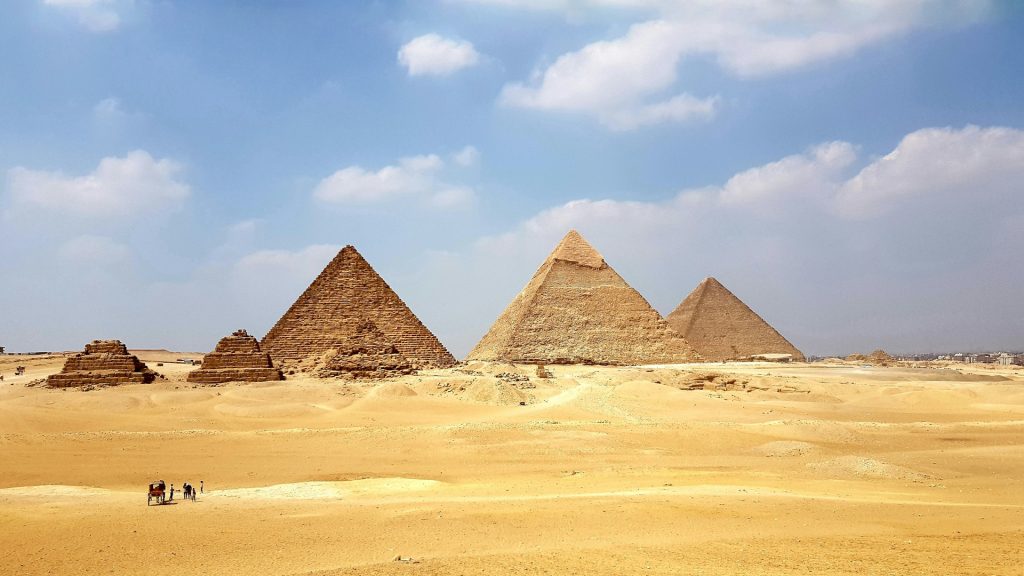
At the dry end of global rainfall rankings, numbers are brutally small. Libya averages about 56 mm of rain each year, Saudi Arabia 59 mm, Qatar 74 mm, the United Arab Emirates 78 mm, Bahrain 83 mm, Algeria 89 mm, and Mauritania 92 mm. Those totals shape food systems, housing design, and how expensive basic water access becomes for households and industry.
The deeper reality is that low rainfall multiplies the cost of mistakes. Weak planning can empty aquifers, raise utility pressure, and lock countries into fragile supply chains. Strong planning can still sustain modern life, but only through constant management, storage discipline, and infrastructure that works in heat, dust, and long dry spells.
Libya and Saudi Arabia in Harsh Climate Bands
Libya sits near the bottom of rainfall tables at roughly 56 mm a year. Yet it also holds Leptis Magna, one of the Mediterranean’s best-preserved Roman cities, which shows how cultural depth can endure in severe climates. A country can be climatically hard and historically central at the same time, and that dual reality deserves honest discussion in climate narratives.
Saudi Arabia, near 59 mm annually, faces similar limits. Climate remains a quiet force behind settlement patterns, infrastructure costs, urban expansion choices, and long-term water policy.
Low rain does not block growth, It forces growth to depend on engineered supply, careful storage, and high reliability under stress every day.
Qatar, UAE, and Bahrain Build Through Dryness
Qatar receives about 74 mm of rainfall per year and remains one of the driest countries on Earth. Major development projects, including Pearl Island, are often discussed through finance and architecture, but climate is the hidden variable. In arid zones, every expansion plan also has to answer water demand, cooling load, and maintenance pressure that never fully disappears.
The UAE, at about 78 mm, reflects the same pattern, while Bahrain, around 83 mm, adds a deep civilizational timeline with settlement stretching back thousands of years. Together, these states show that desert modernity is possible, but it stays stable only when water systems, energy policy, urban growth, and emergency planning move in lockstep.
Algeria and Mauritania Under Sahara Pressure
Algeria averages roughly 89 mm of rainfall each year and carries a climate profile heavily shaped by the Sahara. It is also Africa’s largest country by area, so water conditions vary across distance, but the national pattern remains dry enough to shape agriculture, migration, infrastructure choices, and the economic geography of entire regions.
Mauritania, near 92 mm annually, faces similar limits and is home to the Eye of the Sahara, a major geological landmark visible from above and often cited as one of the continent’s most striking natural formations.
Even in harsh zones, biodiversity persists.
Protected habitats and bird-rich regions prove that ecological value can survive where outsiders see only emptiness and heat.
Sierra Leone and Fiji on the Rain-Heavy Side
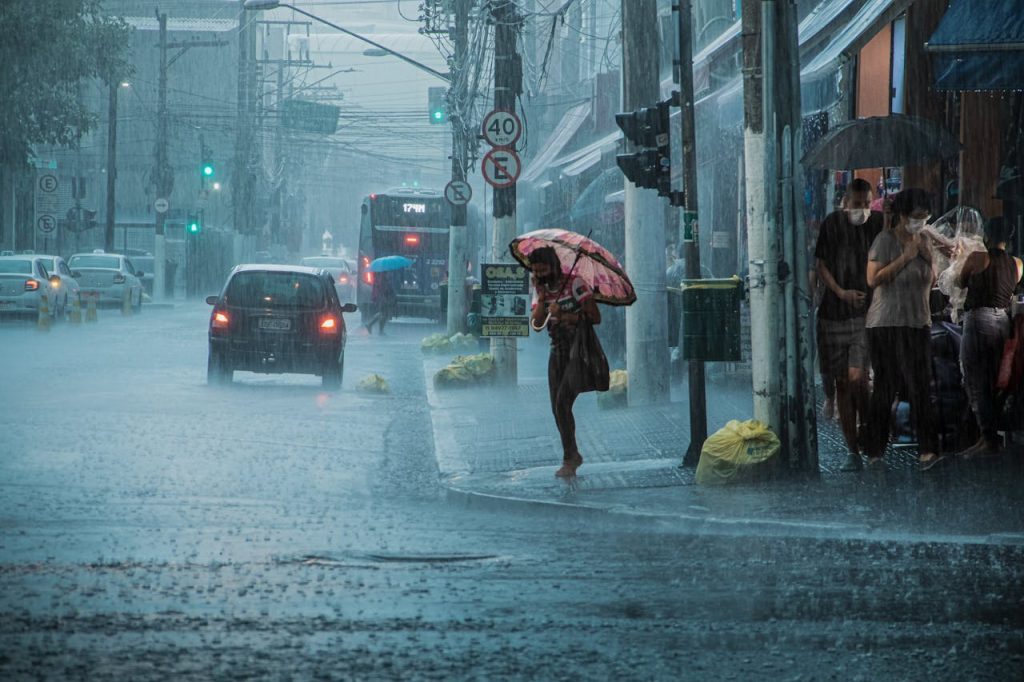
Sierra Leone sits on the wet end of the scale with about 2,526 mm of annual precipitation. That level of rainfall supports rainforest systems and lush landscapes, yet heavy water flow can also strain roads, housing, and drainage in rapidly growing urban areas. Abundance helps ecosystems, but it can punish infrastructure when storms cluster and maintenance cannot keep pace.
Fiji, around 2,592 mm each year, adds an island perspective. The country includes more than 330 islands, and only a small share of its total area is land. In that setting, rain, ocean exposure, transport, and resilience planning are tightly linked, making water management a daily governance issue rather than a seasonal concern or technical side note.
Bangladesh and Indonesia Where Water Rules
Bangladesh receives about 2,666 mm of rain annually and shares the Sundarbans with India, the largest mangrove forest in the world. Rainfall supports farming and freshwater recharge, but the same systems increase flood risk across low-lying river terrain where large populations depend on fragile infrastructure, embankments, and predictable seasonal cycles.
Indonesia, near 2,702 mm yearly, combines heavy precipitation with extraordinary scale across more than 17,000 islands. It includes Bali and species such as the Komodo dragon, plus vast forests shaped by tropical water cycles. In both countries, water is not a backdrop. It drives economy, transport, safety planning, food production, and daily life at national scale.
Brunei, Malaysia, and Samoa in Tropical Rain Belts
Brunei records roughly 2,722 mm of rainfall a year and is known for an enormous royal residence often cited as the world’s largest inhabited palace. Wet conditions support dense greenery, river-linked settlements, and humid ecosystems, but they also demand drainage systems that can handle intense downpours without repeated disruption.
Malaysia, at about 2,875 mm annually, is famous for Rafflesia, widely described as the world’s largest flower. Samoa, around 2,880 mm, adds a Pacific case where land identity, rain, and cultural continuity remain deeply linked through everyday life and inherited traditions.
Across all three, high rainfall brings biological richness and recurring infrastructure pressure at the same time.
Costa Rica and the Biodiversity Tradeoff
Costa Rica averages about 2,926 mm of rain per year and is often highlighted for holding around five percent of global biodiversity despite its modest size. Persistent moisture across multiple elevations helps sustain forests, river corridors, and dense habitat networks that attract research, conservation work, and ecotourism investment.
But rain-rich identity has a harder edge. Heavy moisture can accelerate erosion, damage roads, and increase landslide or flood disruptions in exposed communities. Costa Rica therefore illustrates a wider point for wet countries: ecological abundance stays durable only when conservation, infrastructure, and local preparedness are treated as one connected system, not separate agendas.
The Hard Truth Behind Both Extremes
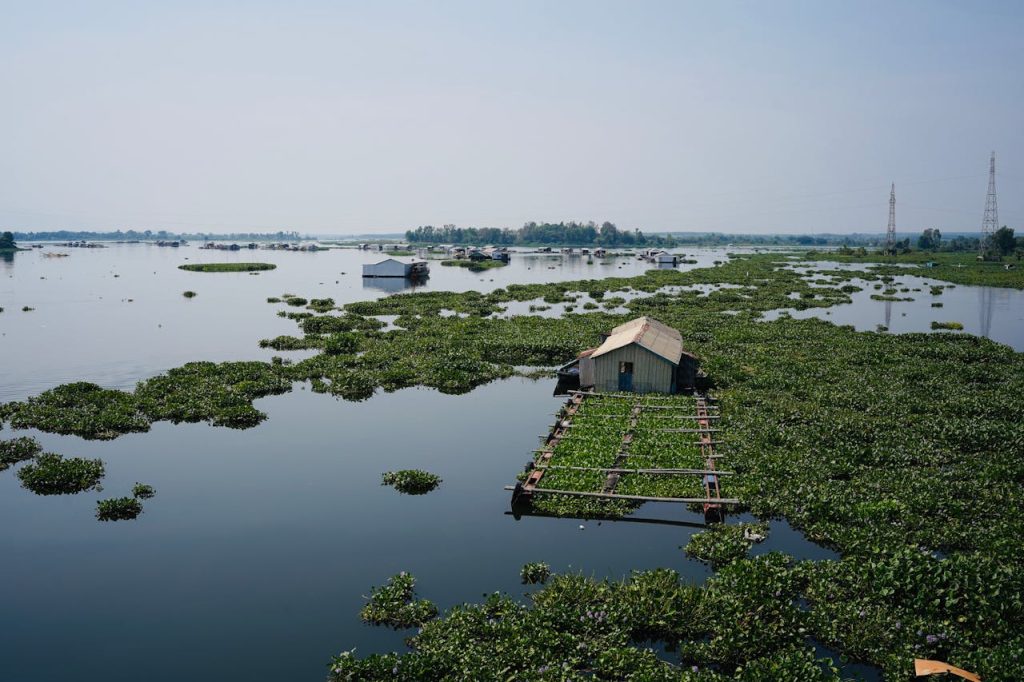
Dry countries and wet countries face different hazards, but the policy burden is equally heavy. Very dry states wrestle with scarcity, costly supply engineering, and dependence on strict allocation. Very wet states deal with recurrent flooding, drainage overload, and expensive post-storm recovery that can strain public budgets year after year and slow long-term development goals.
So the real split is not rainfall amount. It is institutional readiness. Where governments invest early in storage, forecasting, land-use discipline, and reliable public works, climate volatility becomes manageable. Where planning lags, both drought and deluge turn into repeated social shocks that erode confidence, mobility, and economic resilience across generations.
What These Countries Teach the Rest of the World
From Libya’s near-rainless profile to Costa Rica’s heavy tropical totals, one lesson keeps repeating. Rainfall data is only the starting point. Survival depends on whether systems are built for reliability, whether policy is consistent, and whether leaders treat water as a long game rather than a short-term headline or a seasonal political argument.
These countries also challenge lazy assumptions. Dry places are not empty, and wet places are not automatically secure. Each carries deep history, cultural strength, and hard-earned adaptation. The decisive factor is capacity: the ability to store, distribute, drain, protect, and recover when weather shifts faster than old planning models expected.