


A small pothos can look healthy for years yet never become the dramatic, broad-leafed vine people picture. The difference is rarely luck. It comes down to whether the plant is treated as a hanging accent or trained like the climber it is. Once that distinction clicks, growth decisions become more intentional, from which vine gets propagated to where the plant sits in the room.
The transcript’s core idea is directionally right: select strong growth, clone it, and build better conditions. But the practical version is less mystical and more repeatable. Mature growth, adequate light, and vertical support do the heavy lifting. Get those three right, then layer in good watering and clean propagation habits, and giant indoor pothos growth becomes realistic, not rare.
The Hanging Habit That Caps Leaf Size
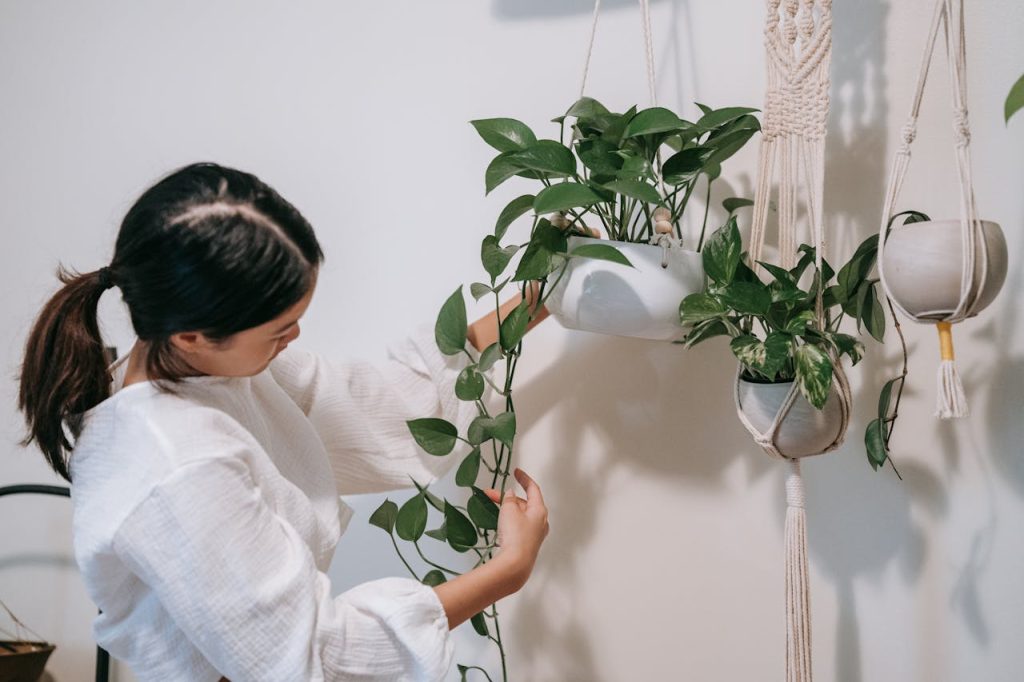
Most pothos owners make one quiet mistake: every vine trails, none climbs. Yet Epipremnum is a climber with clear juvenile and mature phases. When it has support and enough indirect light, leaf size increases as the plant matures, which is the giant look most people want indoors. That growth pattern is normal biology, not a social media trick.
Without support, the plant often stays juvenile, pushing smaller leaves on long, flexible stems. Low light adds stretch, wider spacing, and thinner growth. The plant may stay alive, but it rarely becomes full and architectural. If large foliage is the goal, the first correction is structural: create a vertical route and train the vine upward. Start early.
Why Propagating the Biggest Vine Usually Works Better
Using a cutting from the vine with the largest healthy leaves is practical, not mystical. You are selecting tissue from a stem already performing well in your home. The cultivar stays the same, but vigorous donor growth often gives faster establishment and stronger early leaves than weak, shaded tips.
Think of it as cloning your best performer, not gambling on random pieces.
Choose a firm section with clean nodes, no yellowing, and active growth near the tip. Avoid tired, leafless stretches even if they are long. This selection step will not replace good care, but it improves the odds that your new plant starts with momentum.
Large leaves still depend on light, moisture balance, and vertical support after rooting.
How to Take a Cutting That Roots Fast
Take a stem piece with one to two nodes and cut just below a node with a clean, sharp blade. Nodes are where roots and shoots form, so leaf-only pieces fail. Extension guidance for pothos propagation repeats this method across water and moist media setups. Keep at least one leaf above the cut so the cutting can keep making energy while roots develop now.
Blade hygiene matters. Plant pathology guidance notes that dirty tools can transfer disease between plants. A quick wipe with 70 percent isopropyl alcohol before cutting reduces that risk and protects both donor and clone. It is a small habit that prevents avoidable losses when propagating several stems in one session.
Water Propagation Rules That Prevent Setbacks

Water propagation works because you can monitor root development directly. Keep a node underwater, leaves above water, and place the cutting in bright indirect light. Refresh water often so oxygen stays available and microbial buildup stays low. Under steady conditions, pothos roots reliably and gives a clear signal for the next step.
Do not submerge leaves or leave the jar in harsh direct sun.
Warmth helps. Cold windowsills can stall rooting, while stable room temperatures keep growth moving. If stem tissue softens, recut above damage and restart in clean water. Many failures blamed on bad cuttings are handling issues such as stale water, low light, or temperature swings.
Use root health as the trigger to proceed, not a calendar date.
The Right Moment to Move From Water to Soil
Transplant when roots are established, not when they first appear. A useful benchmark is a few inches of root length with side branching, which helps the cutting adapt to potting mix. Move too early and growth often stalls. Move too late and water roots can struggle in denser media. Use a small pot with drainage and an airy mix to ease the transition.
After potting, keep the mix lightly moist at first, then return to a dry-down cycle. Houseplant guidance consistently warns against permanently wet compost because root decline follows chronic saturation. Steady care beats overcare here. A careful two to three week transition usually determines whether the plant resumes climbing growth quickly and well.
Build Conditions That Signal Tropical Growth
Big foliage needs a stable growth environment, not occasional rescue care. Give pothos bright, indirect light, warm temperatures, and protection from strong afternoon sun. These basics balance energy capture with leaf safety and show up across major care guides. In dim rooms, pothos survives but typically grows slower, thinner, and smaller over time.
Humidity can improve leaf quality, but it cannot replace light or root health. Water when the upper mix approaches dryness, then drain fully and never leave the pot sitting in runoff. Feed lightly during active growth instead of pushing heavy fertilizer in weak light. When these inputs stay consistent, new leaves are more likely to size up daily.
Train the Vine Upward to Unlock Mature Form

If one change drives giant pothos growth, it is vertical training. Use a moss pole, coir pole, plank, or sturdy stake, then tie each vine so nodes sit close to the surface. As aerial roots attach, the plant shifts into climbing behavior, which supports larger, more mature foliage when light is adequate.
Do not wait for the stem to find the pole on its own. Place each node near support from the start.
Keep moss poles slightly moist, rotate the pot for balanced light, and extend support as the plant rises. Prune only to shape or reset legginess, then root strong top sections and replant for density. This approach turns one plant into a full vertical specimen that reads as intentional design, not loose strings from a shelf.
A Practical Reset Plan for Small, Stringy Pothos
When a pothos has years of thin trailing growth, reset the system instead of chasing instant giant leaves. Select one vigorous vine and make several two-node cuttings. Root them, then establish the new plants in brighter indirect light with vertical support from day one. At the same time, trim weak leafless stretches on the original plant to redirect energy into healthier growth.
Improvement comes in stages. First you see tighter spacing and stronger color, then thicker stems, then larger leaves as climbing continues. The core method is straightforward: choose strong material, root it cleanly, and give it a structure to climb. That is the line between keeping pothos alive and growing one that truly fills a room.