

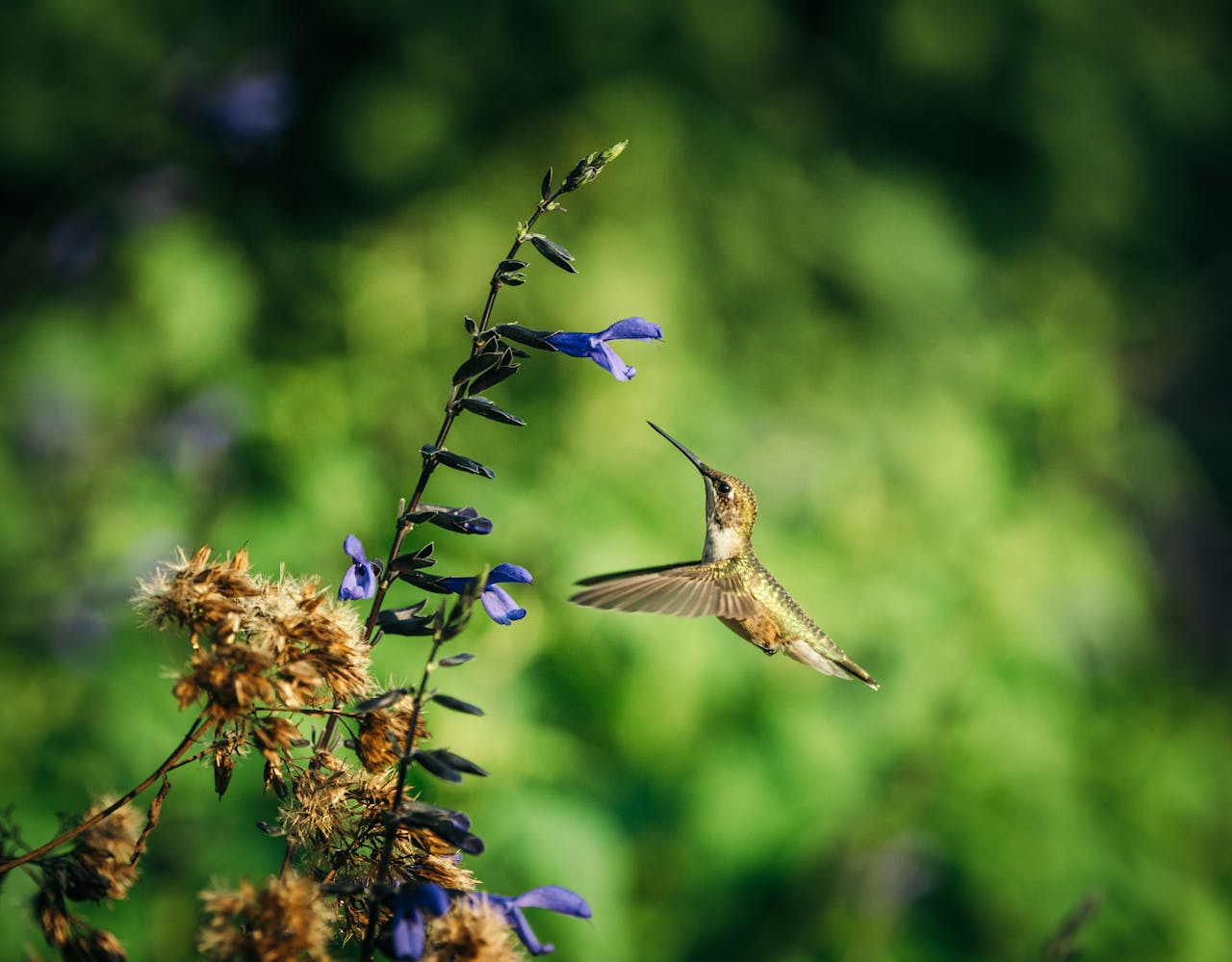
Shade gardens can look lush in spring, then stall when summer heat thickens the canopy and light drops below what nectar plants need to bloom well. Deep shade often means less than 3 hours of direct sun, and in many yards it is closer to filtered gloom than bright shade. For hummingbird habitat, that shift matters. Several beloved woodland flowers still survive there, but flower spikes shrink, color fades, and nectar flow slows. The following picks stay useful plants, yet each tends to underperform in deep summer shade unless moisture, spacing, and light are managed with care through the hottest late weeks of summer.
Columbia Lily
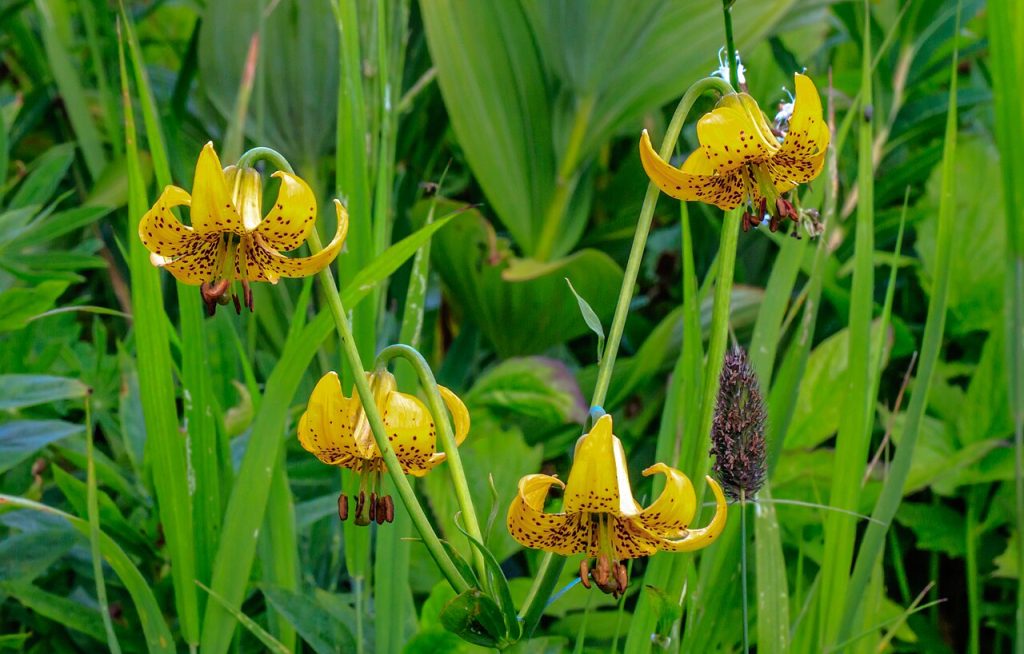
Columbia lily carries brilliant orange, maroon-spotted blooms, but in deep summer shade its tall stems often stretch toward light and set fewer showy flowers. It naturally appears in openings and meadow edges, not dense canopy interiors, so performance drops when overhead foliage closes in.
The plant can still persist in partial shade with well-drained soil that stays moist in growth and drier in summer dormancy, yet bloom impact usually depends on brighter windows of light. For hummingbird-focused beds, the flower show is strongest where morning sun reaches plants before midday heat, and where nearby shrubs are thinned seasonally.
Cardinal Flower
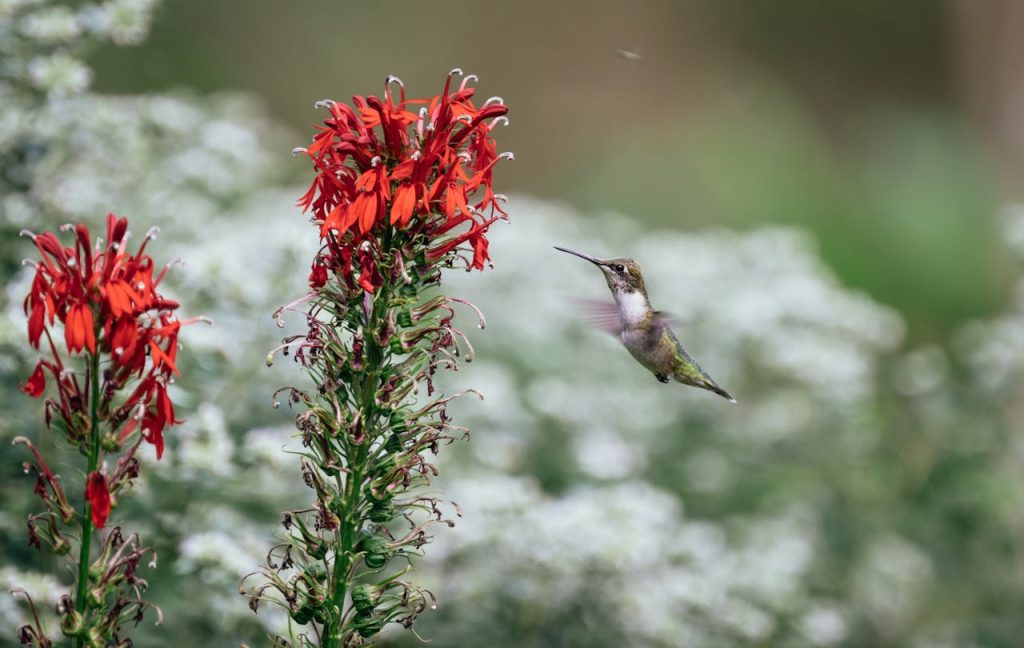
Cardinal flower is famous for scarlet tubes that hummingbirds track from a distance, yet deep summer shade can blunt that spectacle. The plant tolerates part shade and even hot-climate afternoon shade, but heavy canopy plus dry spells usually reduces stem strength, bloom count, and nectar availability.
In nature it favors moist streambanks, wet meadows, and woodland edges where soil never fully dries. When planted in dark corners that heat up and lose moisture, foliage can hold on while flowers disappoint. Gardeners often mistake survival for success, but hummingbird value depends on consistent moisture and some direct light.
Bleeding Heart
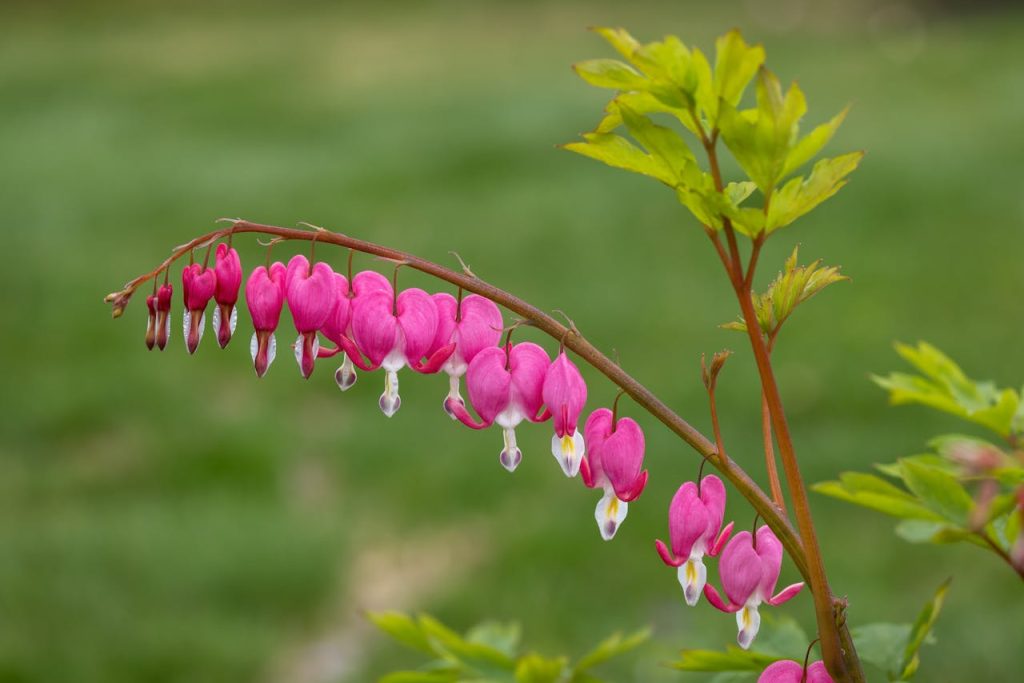
Bleeding heart earns spring devotion with pendant pink flowers, then often fades as summer arrives, even in good sites. In deep shade, that seasonal retreat can come with weaker regrowth and fewer late flushes, especially where humid air and crowded roots keep conditions stagnant.
This perennial prefers cool, moist, well-drained soil and light shade, with morning sun in cooler regions. When summer shade turns dense and damp, foliage decline can look abrupt and untidy, leaving gaps just as hummingbird gardens need steady nectar. Companion planting helps, but bloom reliability still depends on balanced light and airflow.
Ginger Lily
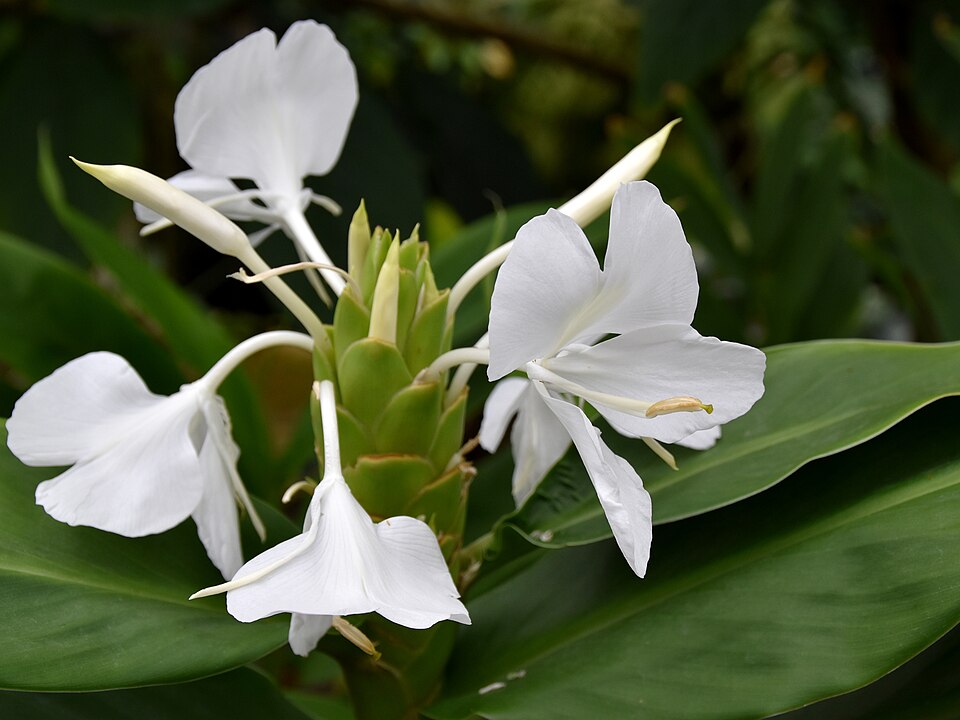
Ginger lily brings tropical foliage and fragrant flowers, but deep summer shade can trade lush leaves for sparse blooming. Most Hedychium types grow in full sun to part shade, and flowering improves when plants receive brighter exposure plus rich, evenly moist soil.
In very shaded beds, stems can rise tall yet produce fewer flower clusters, especially where roots compete with thirsty trees. In Zones 8 to 11, it can be dramatic when heat, humidity, and moisture align, but dark canopy corners often mute both scent and color display. For hummingbird gardens, fragrance alone is not enough if nectar-bearing blooms arrive thinly.
Red Buckeye
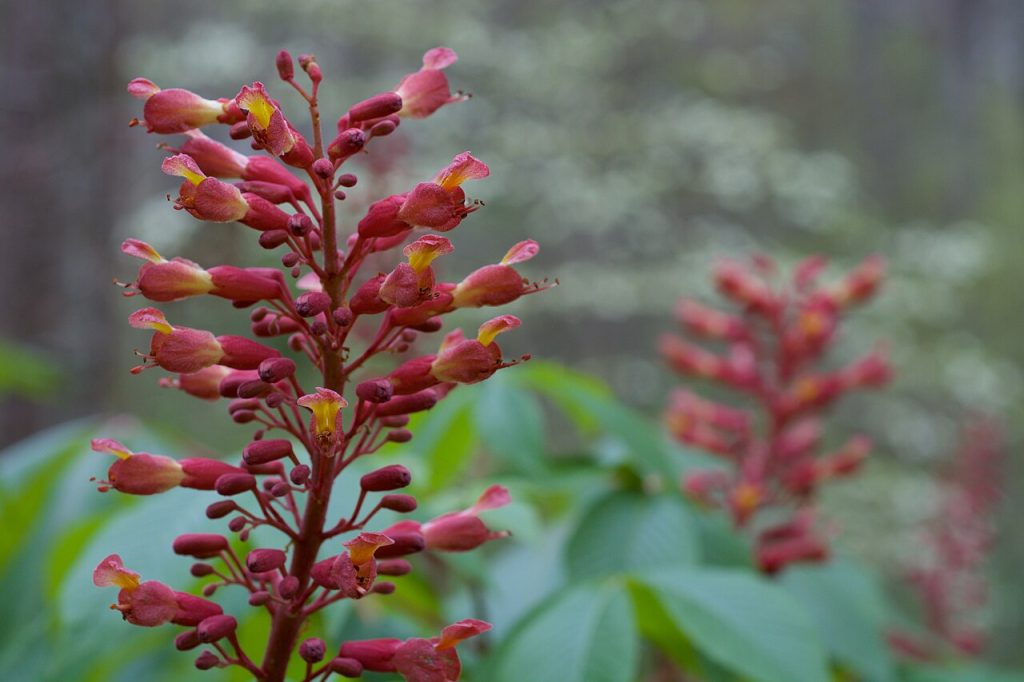
Red buckeye is a woodland standout in spring, with tubular red flowers that hummingbirds eagerly visit, yet it is not a cure-all for deep summer shade. It prefers partial shade and moist, well-drained soil, and it can scorch in harsh sun, but dark sites still limit vigor and impact.
This shrub also tends to drop leaves early by late summer, a normal trait that can read as decline in shaded gardens. If the goal is season-long nectar structure, a buckeye-only strategy leaves a gap after bloom. It performs best as an early-season anchor paired with later flowering perennials that handle filtered light without losing flower production.
Weigela
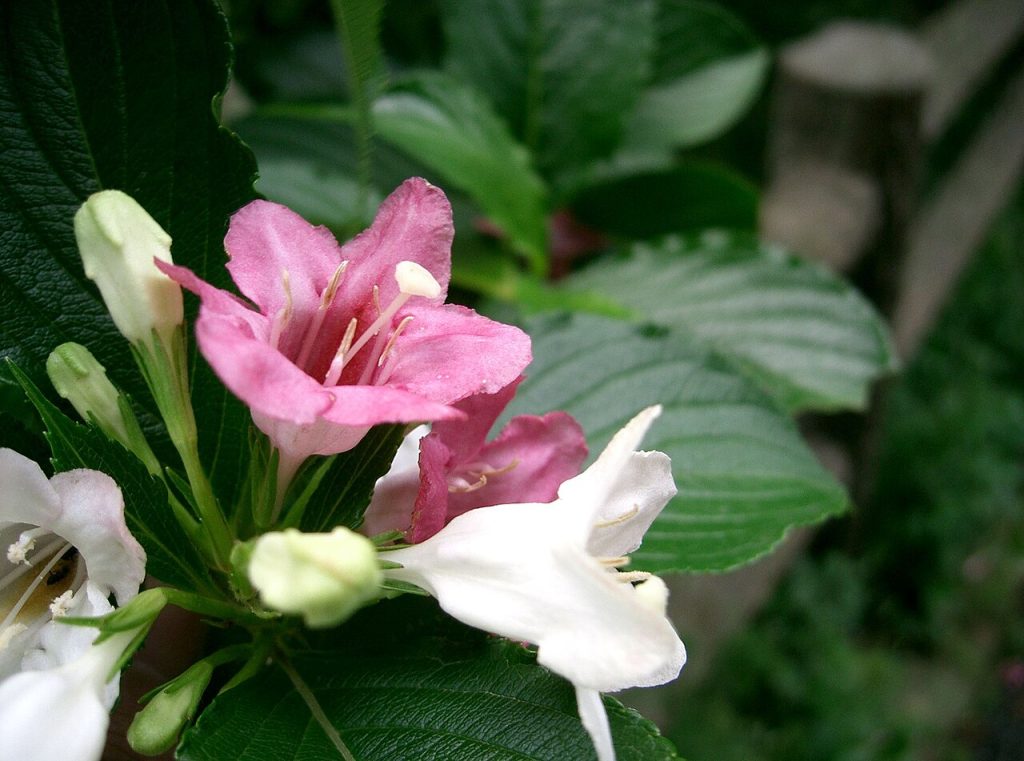
Weigela often gets labeled shade-tolerant, but that label hides a key tradeoff for hummingbird planting. The shrub survives from full sun to light shade, yet extension guides consistently note the best flowering and foliage color in fuller sun.
In deep summer shade, bloom cycles can thin out after the spring flush, which means less nectar exactly when heat raises pollinator demand. Reblooming cultivars help, but they still need usable light to deliver repeat flowers. When planted under dense trees, weigela may remain leafy and healthy while failing to provide the sustained hummingbird traffic expected from brighter sites.
Coral Bells
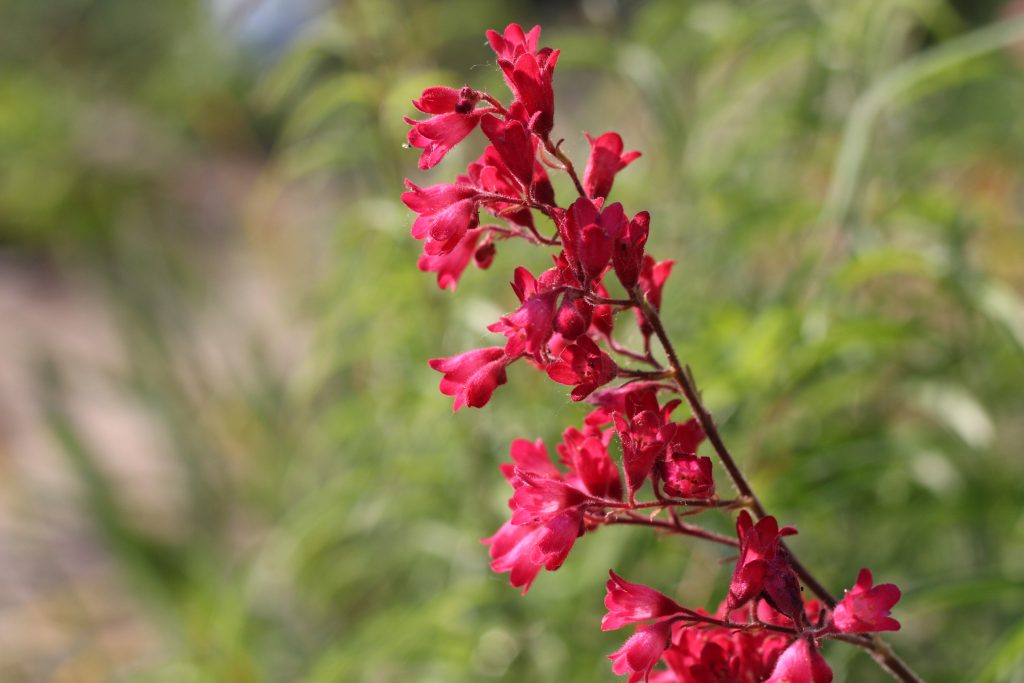
Coral bells are dependable shade performers for foliage, but hummingbird gardeners often overestimate their flower output in deep shade. Many varieties tolerate low light, yet stronger bloom and color expression usually improve with part sun, often around four to 6 hours depending on cultivar.
In dark summer corners, plants may stay attractive at leaf level while sending fewer airy flower wands. That makes them excellent texture plants but weaker nectar engines unless nearby companions carry the flowering load. Good drainage, organic soil, and cultivar selection still matter, but light remains the deciding factor for bloom volume.
Columbine
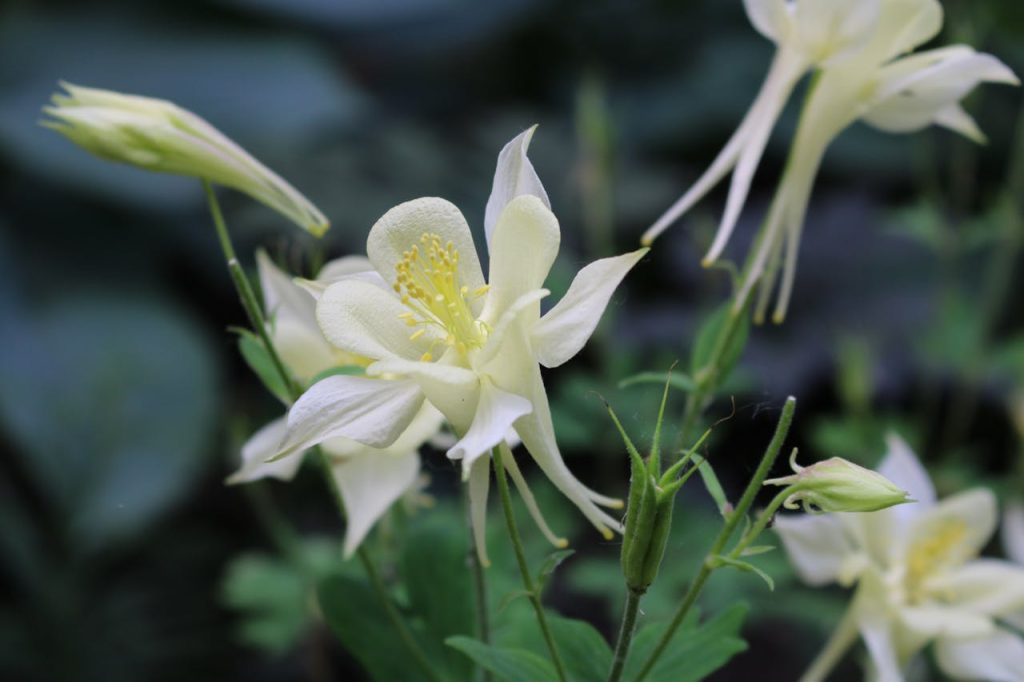
Columbine is a classic hummingbird flower because its spurred blooms hold nectar in narrow tubes, yet deep summer shade can still undercut performance. Most forms prefer part shade and cool conditions, and dense shade tends to reduce flowering and shorten the season.
After spring bloom, many plants pause or thin out, especially where tree roots steal water and airflow stays low. Natural reseeding can maintain colony presence, but nectar density may stay modest if light never opens. For stronger hummingbird activity, columbine works best as a spring bridge in a layered plan, not the only shade-season nectar source for birds.
Toad Lily
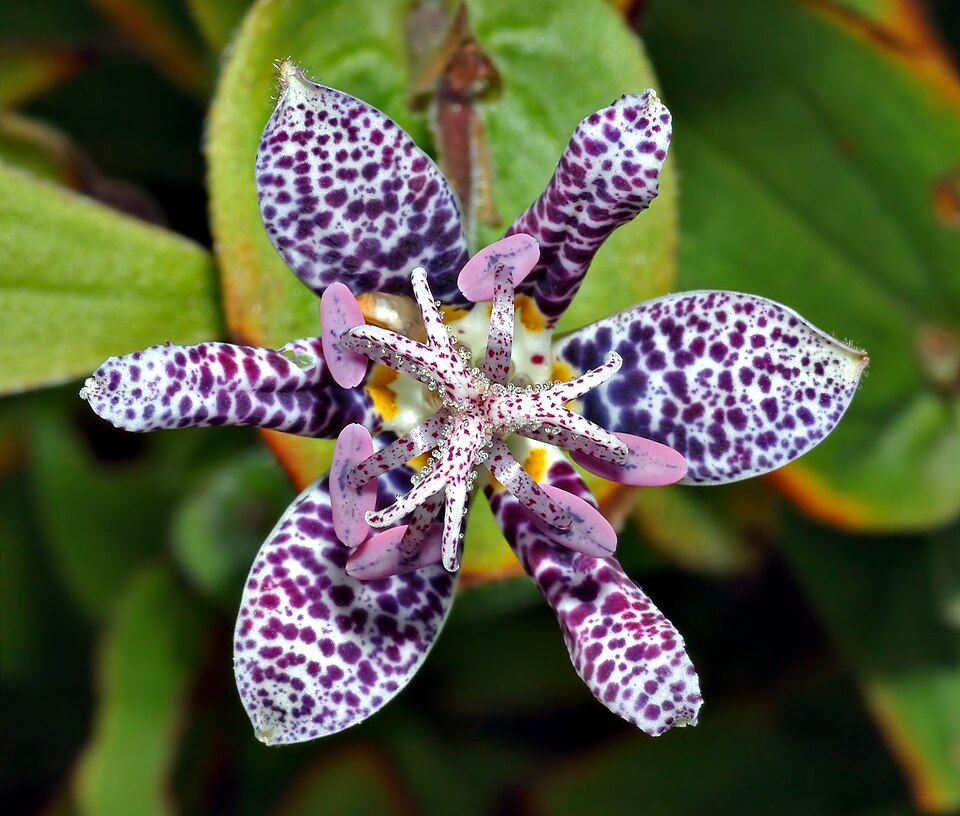
Toad lily is one of the few plants on this roster that truly handles shade, even part to full shade, with late-season orchid-like flowers. Still, deep summer shade can cause a different kind of failure in hummingbird beds: timing and nectar mismatch rather than collapse.
Blooms arrive in late summer to fall, but stems need consistently moist, humus-rich soil and should not dry out. In very dark, dry sites, flowering becomes sparse and small, and the plant turns into a foliage placeholder. It remains a smart component for extending seasonal bloom, just not a stand-alone answer where midsummer nectar is the central goal.
Turtlehead
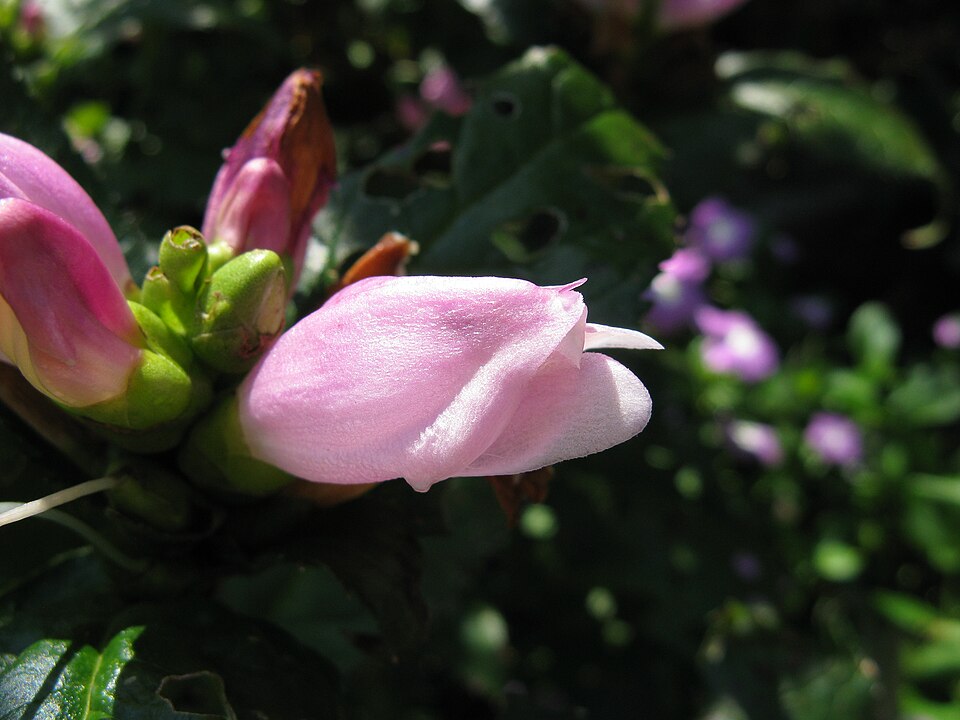
Turtlehead is a late-season native workhorse, and its snapdragon-like blooms can support hummingbirds when other flowers fade. But in deep summer shade, stems often grow taller and looser, and flower density can fall unless soil stays richly moist and roots stay cool.
Extension guidance notes strong performance in sun to part shade where moisture is steady, especially near ponds, streams, or rain gardens. In dark sites with dry competition, plants may survive yet offer fewer spikes and less nectar payoff. As with many shade-border staples, turtlehead excels when moisture and light are balanced, not pushed to an extreme.