

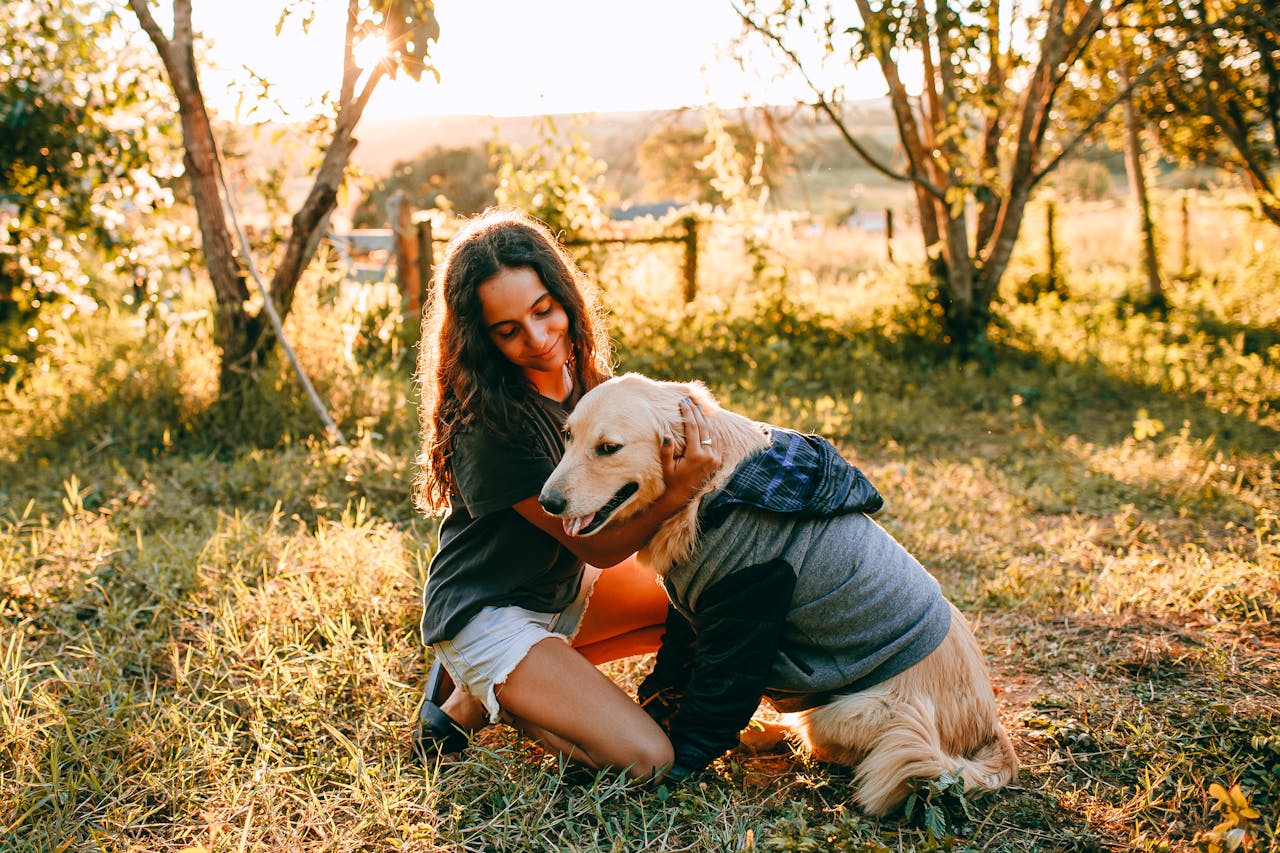
Some dogs seem to turn strangers into familiar faces within seconds, and that social ease can reshape the mood of home life. Warm greetings at the door, patient interactions with children, and steady behavior around visitors are traits many families value in a companion. Yet friendliness is not luck alone; it is temperament meeting daily structure.
Major breed groups and behavior experts stress the same reality: training, early socialization, and respectful handling shape how any dog expresses natural sociability. These eight breeds are often praised for welcoming temperaments when those foundations stay in place.
Cocker Spaniel

Homes with frequent visitors often settle quickly around a Cocker Spaniel because the breed combines energy with a soft social style. The Royal Kennel Club describes the Cocker as the merry Cocker, known for an ever-wagging tail and a happy temperament that feels welcoming rather than overwhelming.
That balance matters in daily family life. With regular walks, play, and clear routines, Cockers usually greet new people warmly, then shift into affectionate companionship once the house quiets down. Their emotional availability is a major reason they remain a long-standing favorite in families with children and steady guest traffic.
Bichon Frise
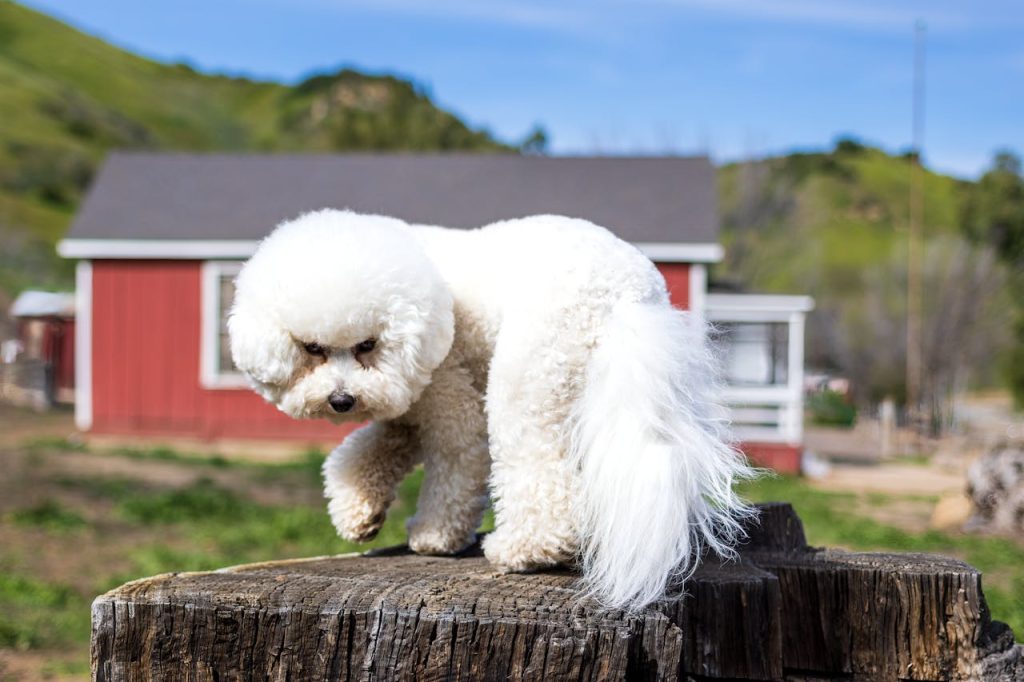
The Bichon Frise brings the kind of social energy that makes a busy household feel lighter. The Royal Kennel Club describes the breed as friendly and outgoing, while its breed standard also highlights a gay, happy, lively character that supports easy social interaction in daily life.
Size helps in smaller spaces, but temperament is the real strength. Bichons often approach new people with curiosity instead of caution, and their playful rhythm encourages gentle interaction. With grooming, short training sessions, and predictable rest, they become reliable companions in homes where relatives, neighbors, and friends pass through.
English Setter
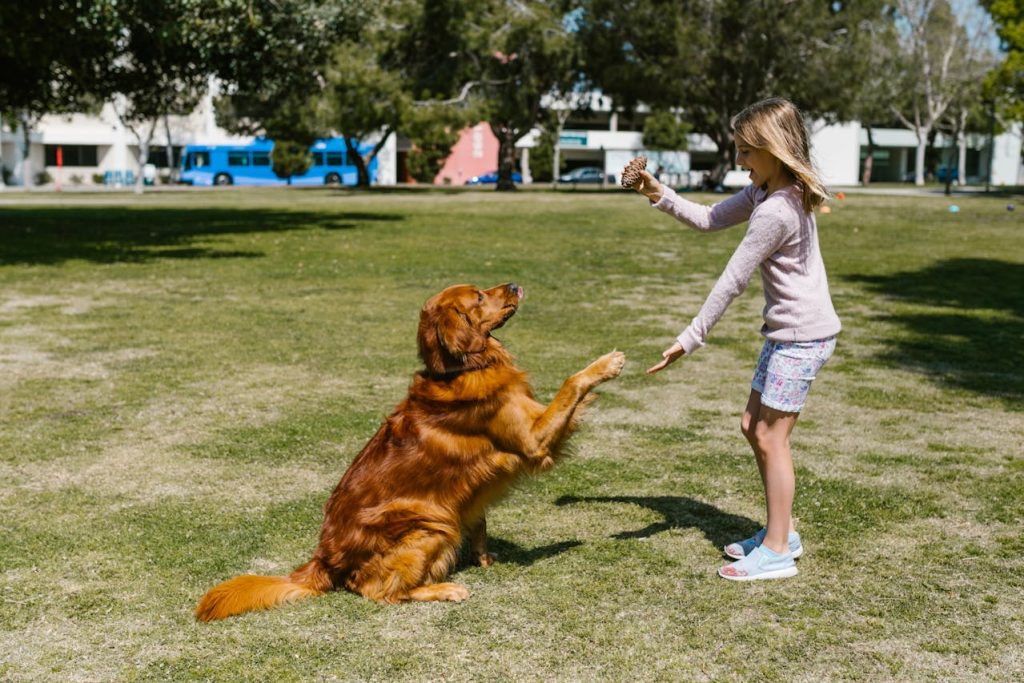
English Setters are often described as gentle extroverts in large-dog form, and that fits how they move through social spaces. The Royal Kennel Club lists the breed as vulnerable native and highlights high exercise needs, which helps explain why active homes see their best manners and warmest greetings.
When energy is managed well, Setters show real social polish. They meet unfamiliar people with bright interest, then settle into affectionate behavior around children and relatives. Their friendliness is less about constant excitement and more about open temperament paired with steady human connection across ordinary days.
Australian Terrier
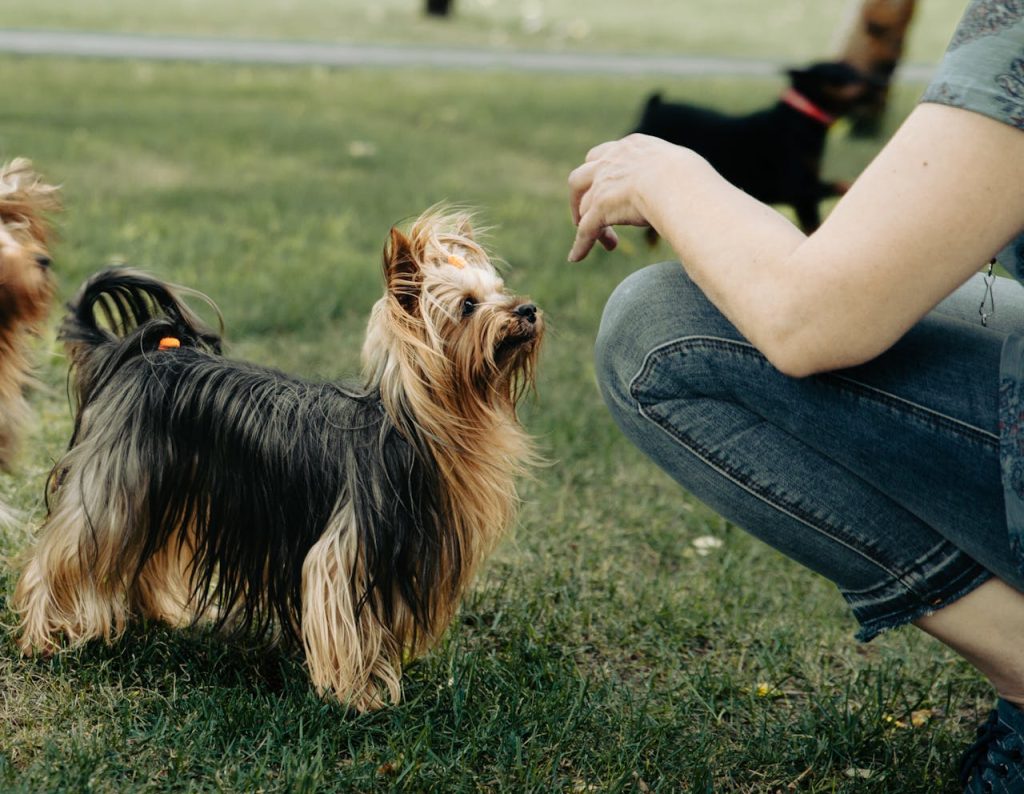
Australian Terriers carry classic terrier confidence, yet their social profile is more welcoming than many expect. The Royal Kennel Club breed standard describes a temperament that is friendly, extrovert, obedient, and anxious to please, which explains their strength as compact companion dogs.
In family settings, that mindset often means quick bonding and steady engagement with daily routines. They notice everything and respond well to consistent cues from adults and older children. When homes combine play with boundaries, Australian Terriers become upbeat greeters while keeping the steadiness families need in close quarters.
Havanese
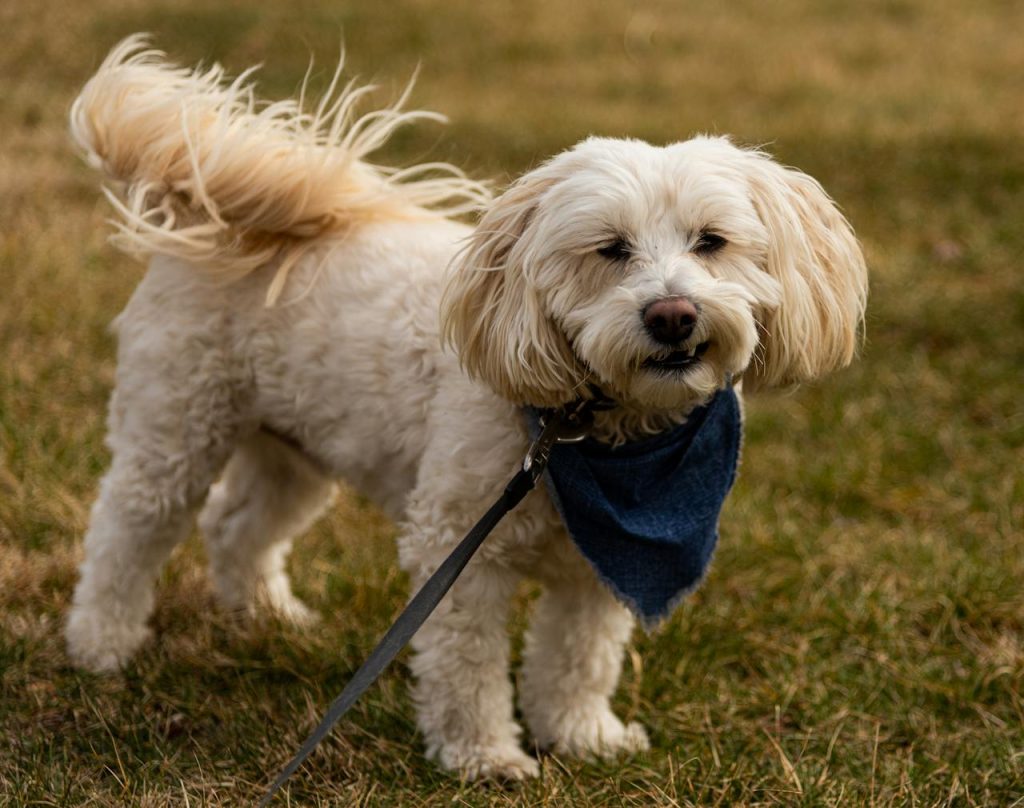
The Havanese is widely known as a people-first companion, and the reputation is deserved. The Royal Kennel Club breed standard describes the breed as lively, affectionate, and intelligent, with a friendly, outgoing temperament that suits homes where human contact and closeness are central.
Their friendliness appears in small moments as much as big ones: shadowing family members from room to room, offering calm attention to guests, and staying socially present without chaos. With early manners training, coat care, and predictable routines, Havanese dogs often become gentle social anchors in homes built on warmth and patience.
Smooth Collie
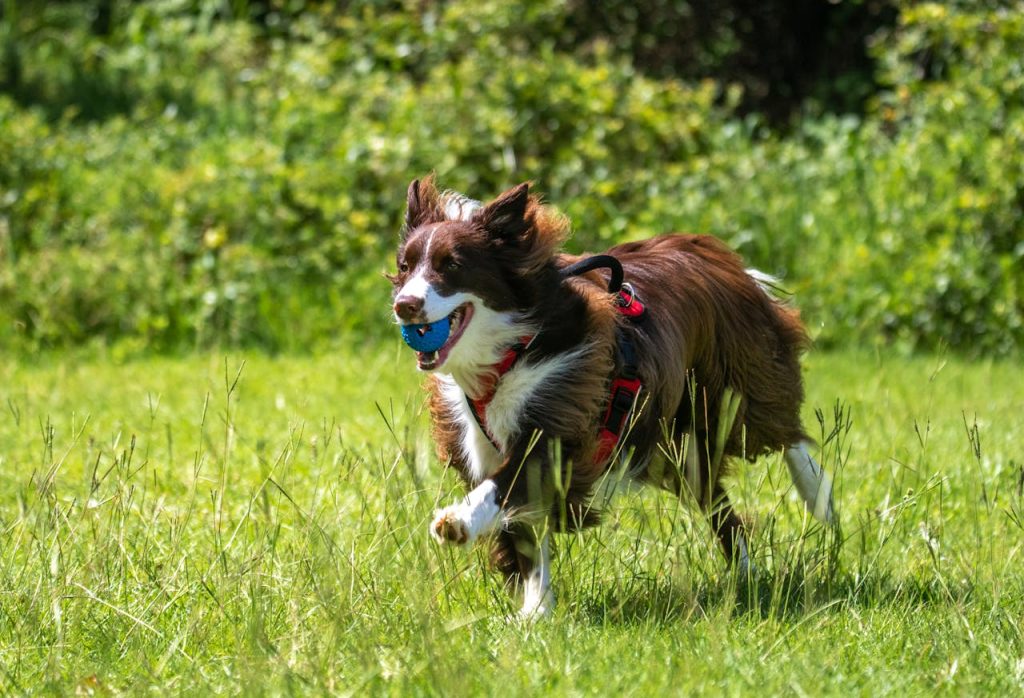
Smooth Collies are often overshadowed by rough-coated relatives, yet social temperament is one of their strongest traits. The Royal Kennel Club describes the breed as friendly, happy, and active, and classifies it as vulnerable native, adding urgency to preserving this balanced disposition.
In family life, Smooth Collies bring courtesy and stamina. They meet strangers with composed curiosity, then settle into loyal companionship once trust forms. With regular exercise and mental work, they stay steady around children, guests, and neighborhood activity, offering sociable behavior without the intensity some active breeds show.
Labrador Retriever
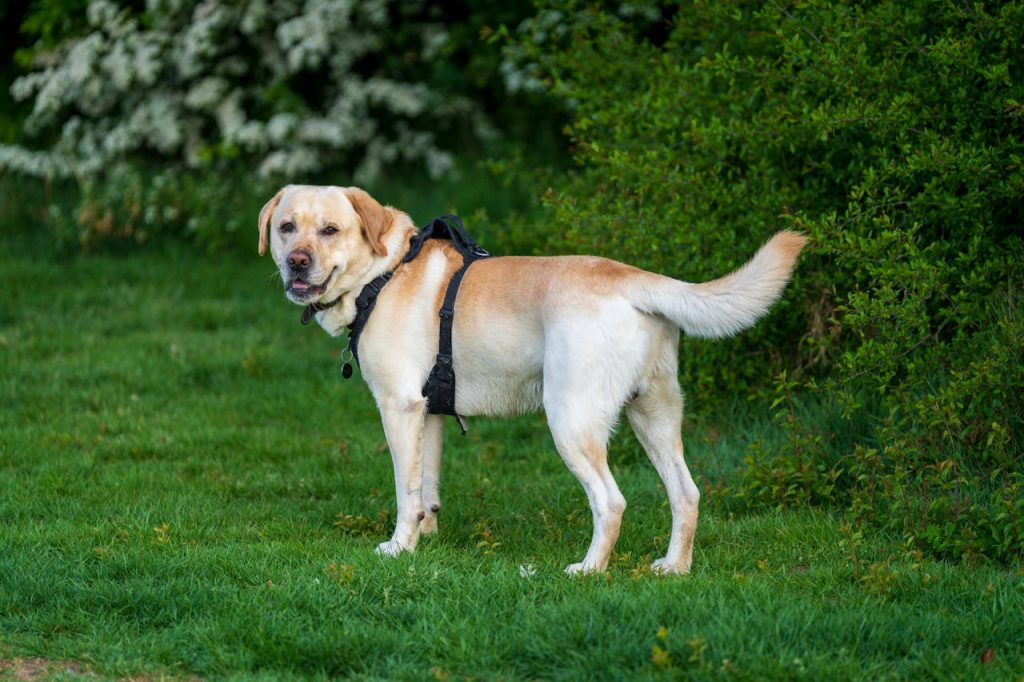
Labrador Retrievers remain a benchmark for approachable family temperament because their social style is easy to read. AKC describes Labs as highly affectionate, outgoing, friendly, and energetic, while the official standard emphasizes a kindly, outgoing, tractable, eager-to-please disposition.
Reputation alone is never enough. Labs need exercise, boundaries, and reward-based training so enthusiasm does not become unruly behavior. When those basics are consistent, they offer greetings, confidence with strangers, and dependable emotional steadiness across active weekends and evenings at home, even in high-traffic family settings.
Golden Retriever
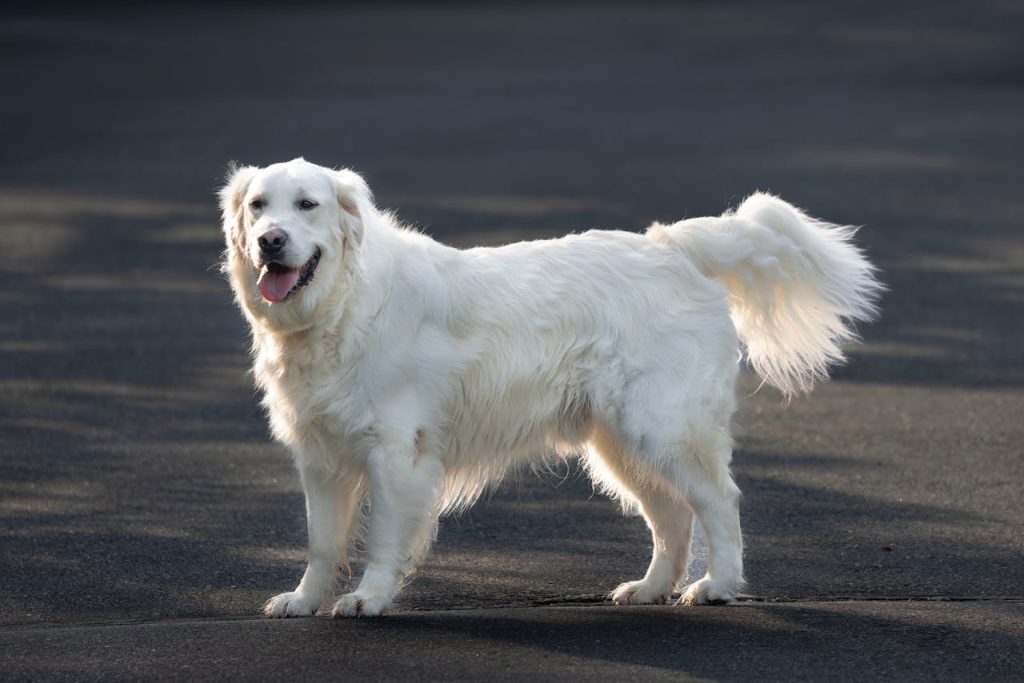
Golden Retrievers are widely trusted in family homes because their temperament often combines social ease with emotional restraint. AKC describes Goldens as very social and friendly, and says they tend to get along well with strangers and other pets when socialization remains consistent.
Their friendliness shows clearly in mixed-age households, where patience matters as much as playfulness. The breed standard describes Golden temperament as friendly, reliable, and trustworthy, which supports their reputation for calm, cooperative behavior around guests, children, and family routines, especially when daily structure is steady.
Warmth with people is never just a breed label. It grows where good temperament meets patient guidance, healthy routines, and homes that respect a dog’s need for rest, play, and trust. In that environment, sociability becomes more than polite behavior; it becomes a steady emotional presence that can soften tense days, welcome new faces, and make ordinary family moments feel deeply connected.