

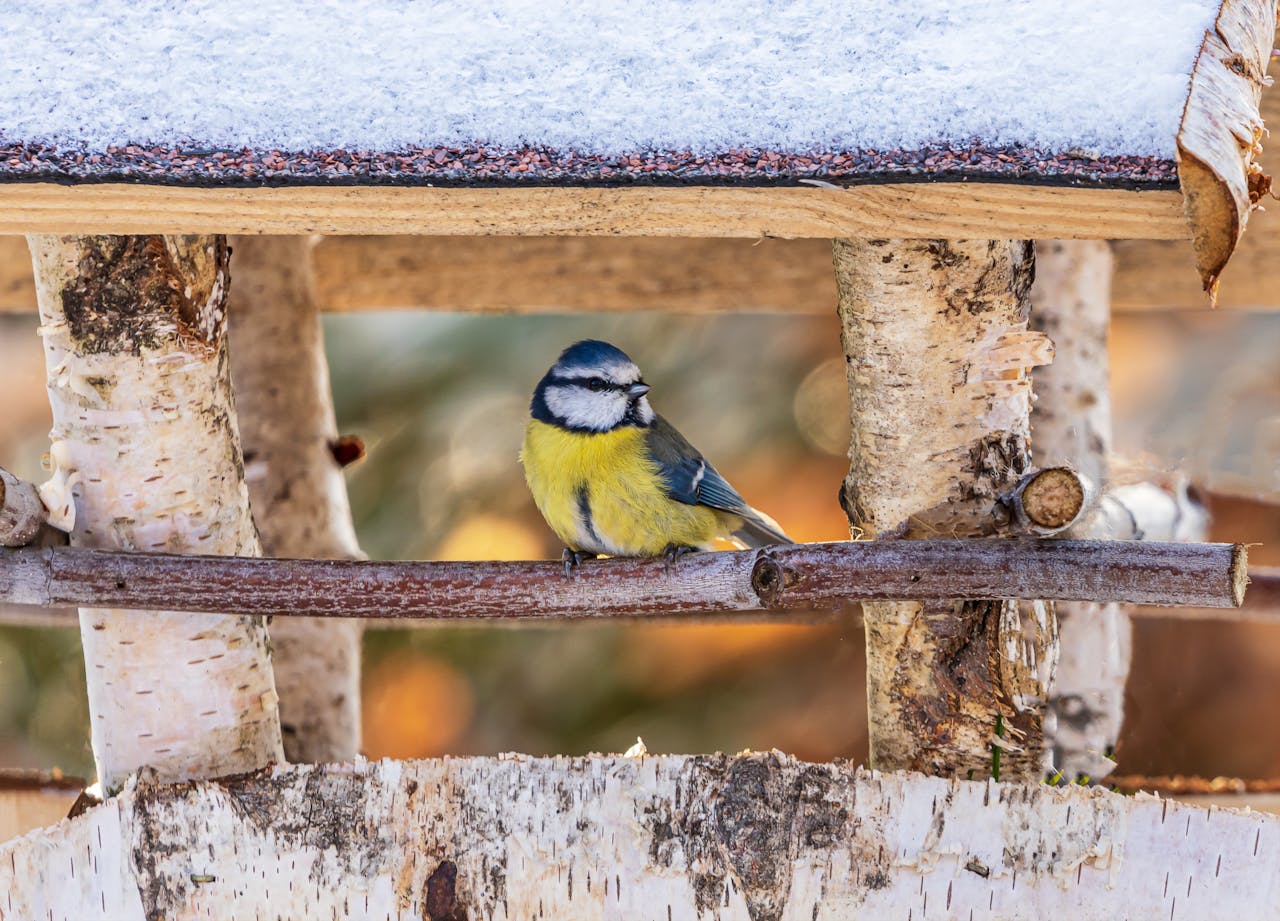
Every Feb., the Great Backyard Bird Count turns quiet yards into temporary research stations, where a simple 15-minute observation helps scientists track bird distribution and migration. During Feb. 13–16, 2026, feeder activity rises sharply, and that burst of life can be both inspiring and demanding. More birds, more seed, and tighter crowding increase the value of careful care. When hygiene slips, even well-meant feeding can add stress instead of support. The strongest count stations are those that pair generosity with discipline, keeping food, water, and surfaces consistently clean. Clean habits make counts reliable.
Traffic Surges During Count Weekend
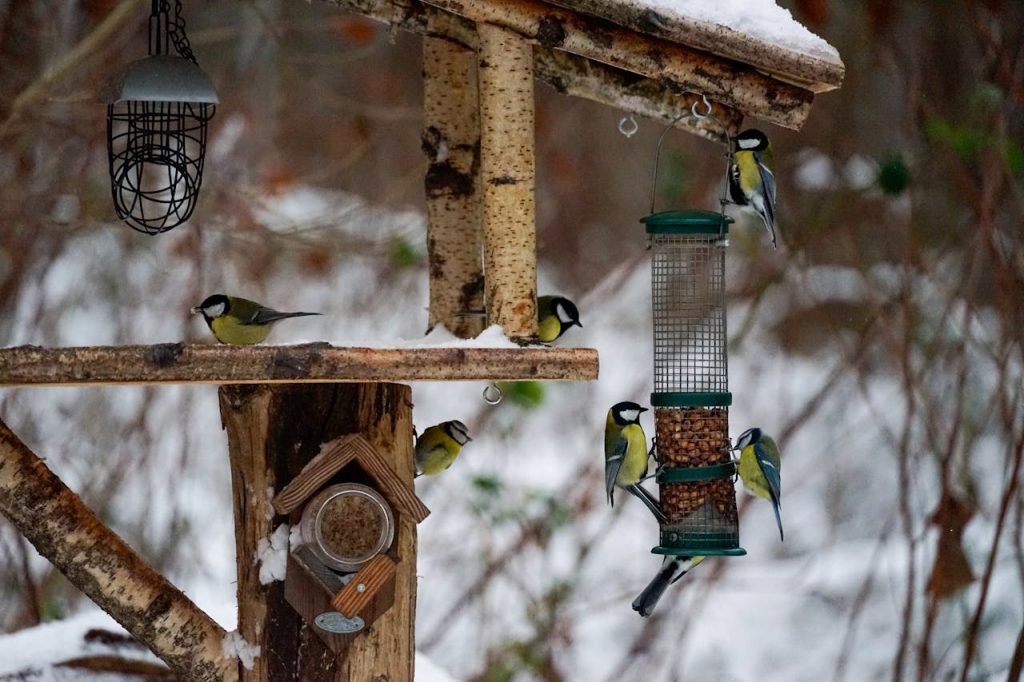
Count weekend changes feeder behavior fast. When many households refill at once, birds cluster around predictable food points, especially after cold mornings. Higher traffic improves sightings, yet repeated contact on the same rims and ports raises exposure to droppings, saliva, and wet hulls that accumulate through the day.
Without a cleaning rhythm, the station shifts from a feeding aid to a shared surface. Mixed flocks that would normally spread across wider habitat now overlap at close range, and that concentration can push avoidable stress into a weekend designed to support science. Good data begins with clean contact points.
Moisture Turns Seed Into a Hidden Hazard
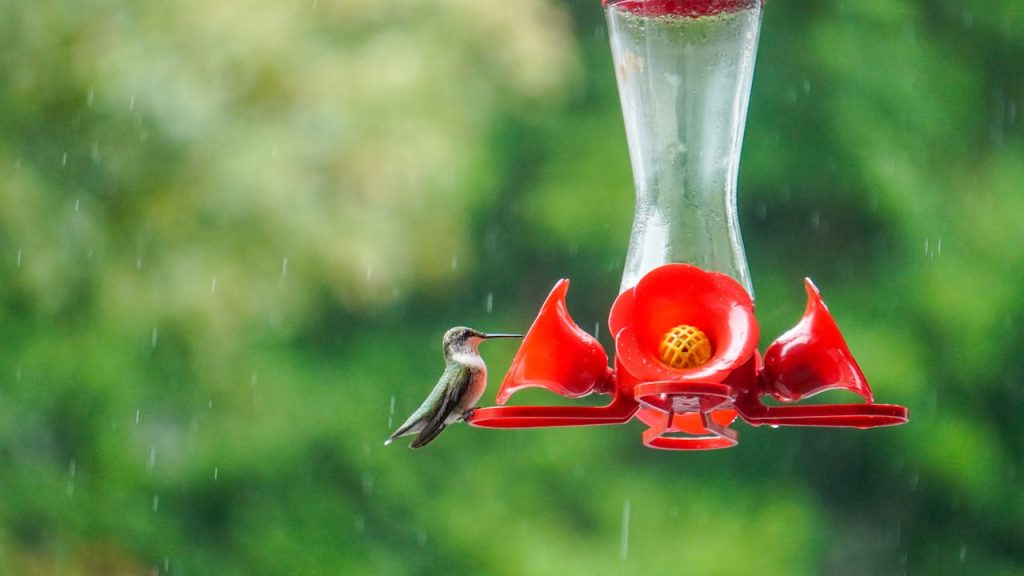
Wet seed is often the first thing to go wrong. Rain, frost melt, and overnight condensation seep into trays and tubes, then mold and bacteria gain ground before spoilage is obvious. Birds may peck around clumps, scattering damp fragments into corners and onto soil where contamination can linger, especially during freeze-thaw swings.
Feeders with drainage gaps and protective roofs reduce that cycle, but only when soaked seed is discarded promptly. Topping off damp seed with fresh seed saves time in the moment and creates bigger problems later, including lower visitation and greater health pressure on ground feeders over time.
Dirty Ports Spread More Than Crumbs
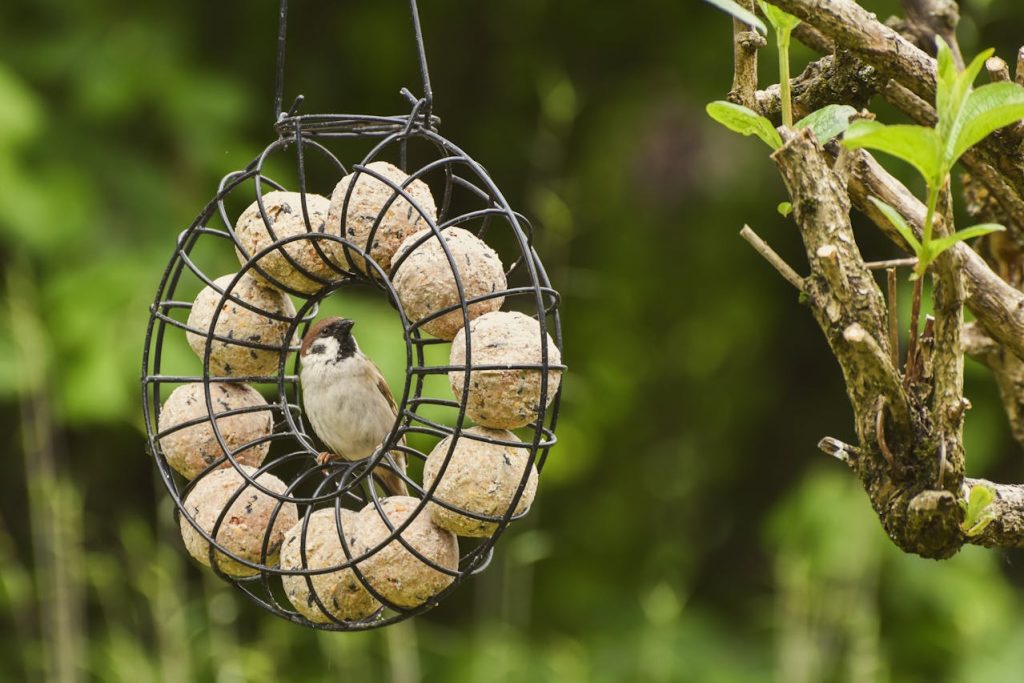
Feeder grime is not cosmetic. Droppings and saliva on perches, mesh, and feeding ports can carry infectious material from one visitor to the next, especially when birds queue at the same favorite spots through the afternoon and return repeatedly across several days. Count weekend density makes that risk easier to overlook.
Cornell Lab guidance recommends cleaning feeders about every two weeks, and more often during wet weather, heavy traffic, or local disease concerns. A complete rinse and dry before refill breaks transmission pathways and protects weaker birds during late-winter energy stress, when reserves are already low.
The Ground Zone Needs Weekly Attention
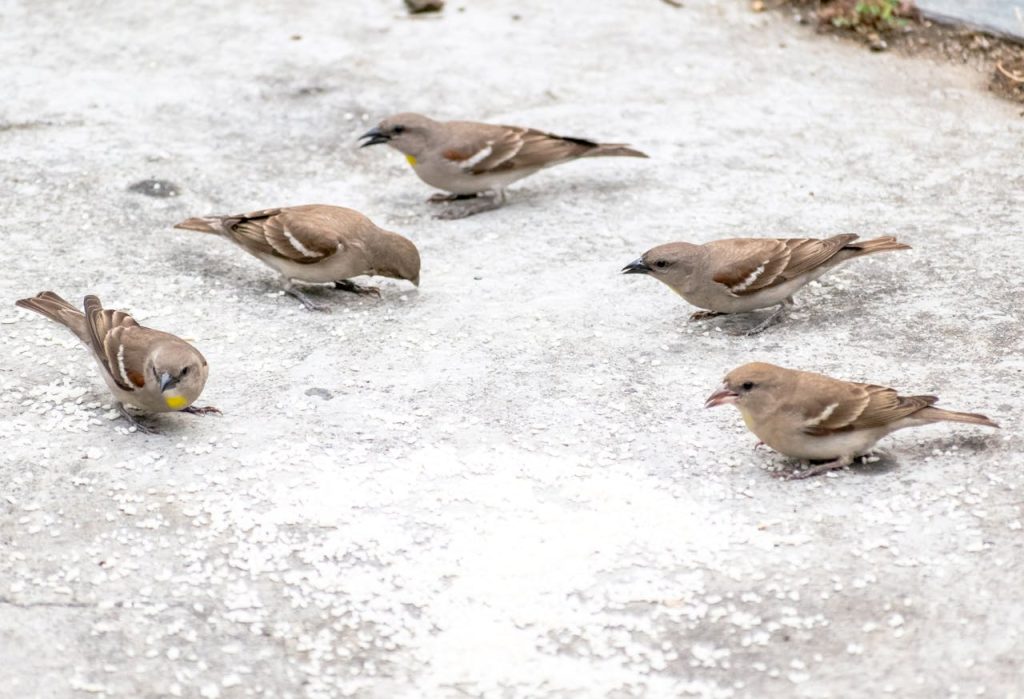
Many setups look clean at eye level and fail below. Husks, rejected mix, and damp crumbs collect under active feeders, then remain wet in shade where microbes persist longer than expected. Ground-feeding species revisit that layer repeatedly, so exposure continues even after a quick top-side wipe.
Weekly raking and waste removal cut repeat contact and help keep rodents away from high-traffic spots. Rotating feeder locations when possible also reduces buildup in one patch of soil, which supports healthier feeding patterns and more stable observations across the full count window. This is where routine wins quietly for all.
Water Helps Counts, but Clean Water Matters
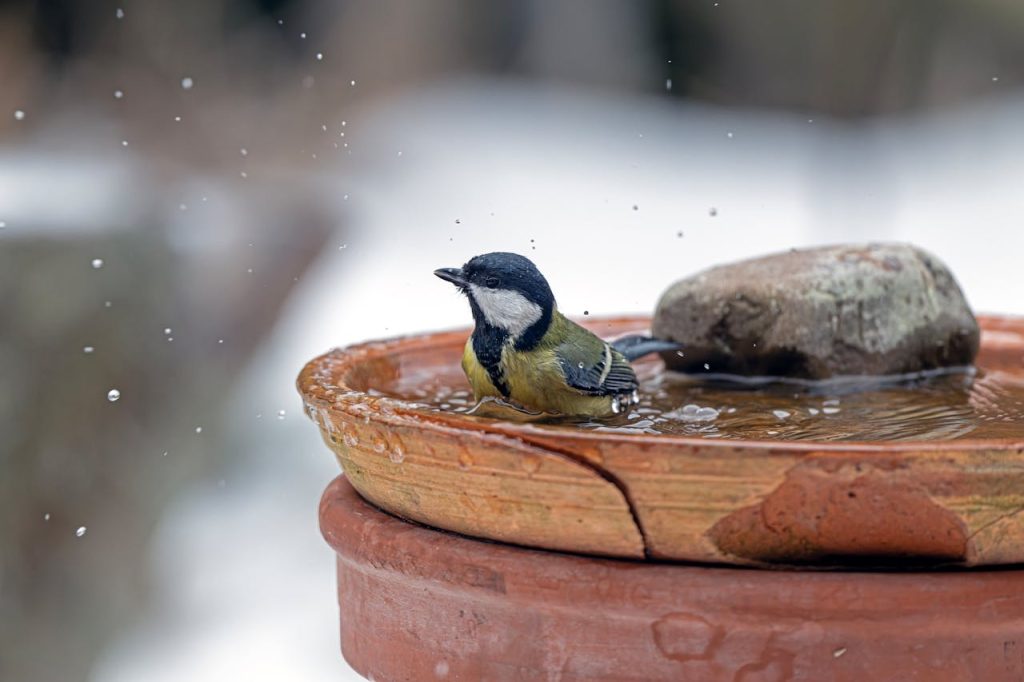
Fresh water can attract species that rarely visit seed feeders, which is why winter baths often boost observation diversity in a single yard. The same basin, however, can become a shared contamination point when algae film, droppings, and seed debris accumulate along rims and shallow shelves.
Shallow design helps, and regular refreshes matter just as much. Audubon advises rinsing and scrubbing with a nine-to-one water and vinegar mix, then refilling every other day so buildup does not return quickly. Clean water supports both welfare and cleaner count behavior, even in prolonged cold snaps. That simple cadence keeps use steady.
Food Choice Shapes Crowding and Cleanliness
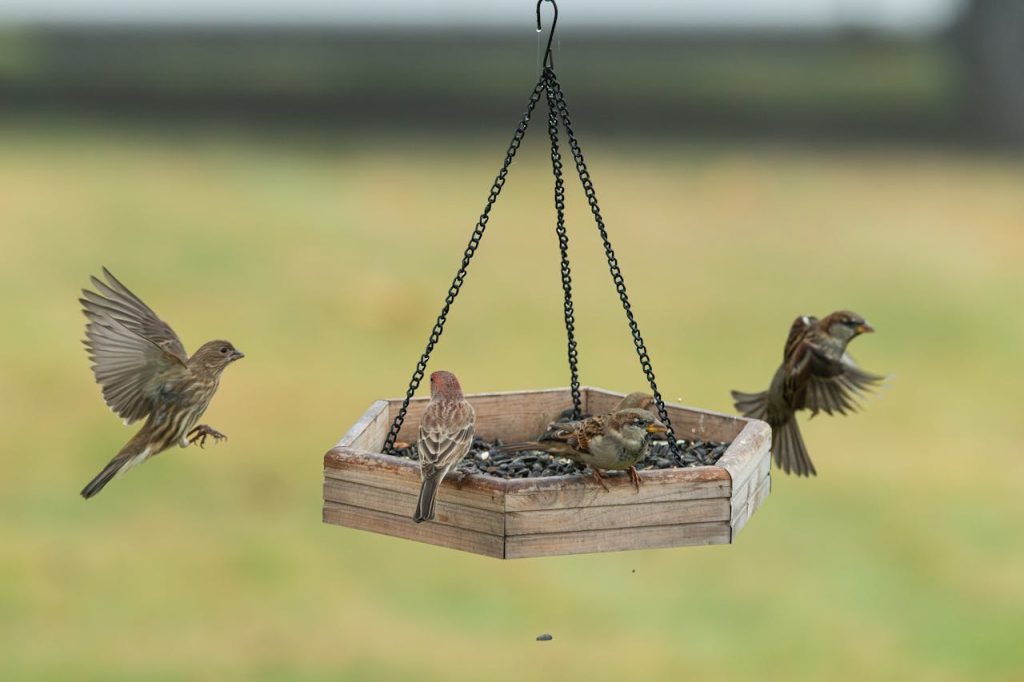
Seed choice changes behavior at the feeder. Black-oil sunflower draws a broad mix of winter birds, while nyjer and suet tend to pull more specialized groups, which can spread activity across different stations and reduce pressure at a single perch line.
Low-value mixes often leave behind cracked corn and filler on the ground, creating damp waste and attracting scavengers that disrupt regular bird traffic. Using appropriate food in dedicated feeder types keeps feeding calmer, limits conflict, and makes sanitation easier to maintain during the busiest weekend of the season. It also supports more accurate species counts.
Early Setup Prevents Last-Minute Mistakes
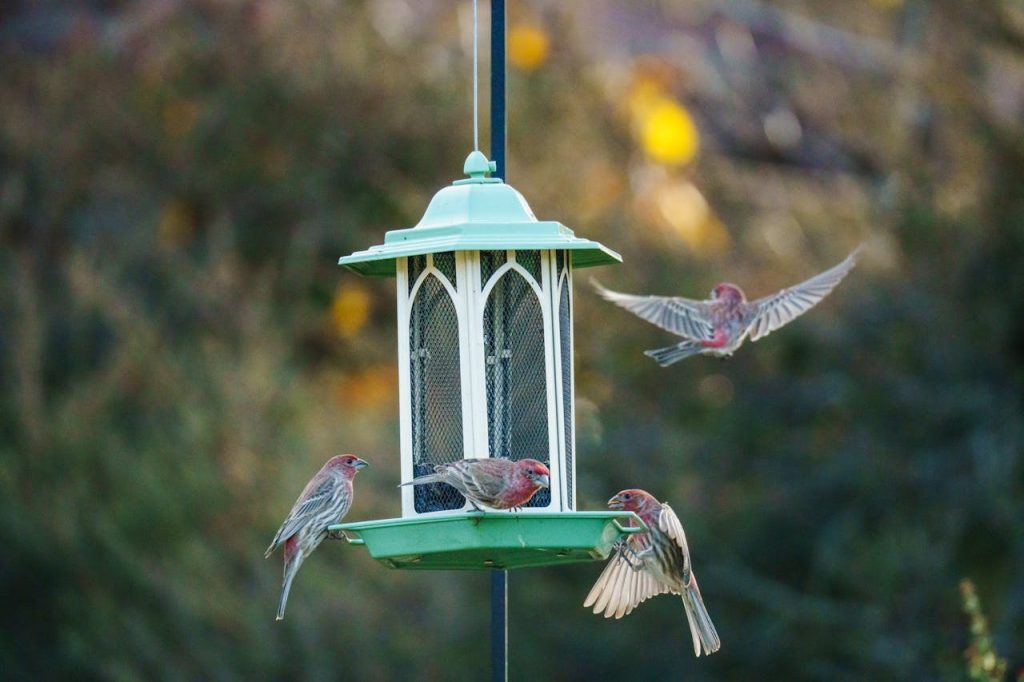
Feeders installed at the last minute rarely perform well. Birds need time to discover new food points, test safety around them, and establish repeat routes through the day. When setup is rushed, overfilling and skipped cleaning become more likely, and hidden residue gets buried under fresh seed.
Cornell and count organizers consistently emphasize regular, reliable feeding before observation windows. Setting stations early reveals drainage flaws, food mismatches, and squirrel pressure while there is still time to correct them. That preparation leads to steadier bird traffic and cleaner data once counting begins each day.
Squirrel Control Is Also a Hygiene Strategy
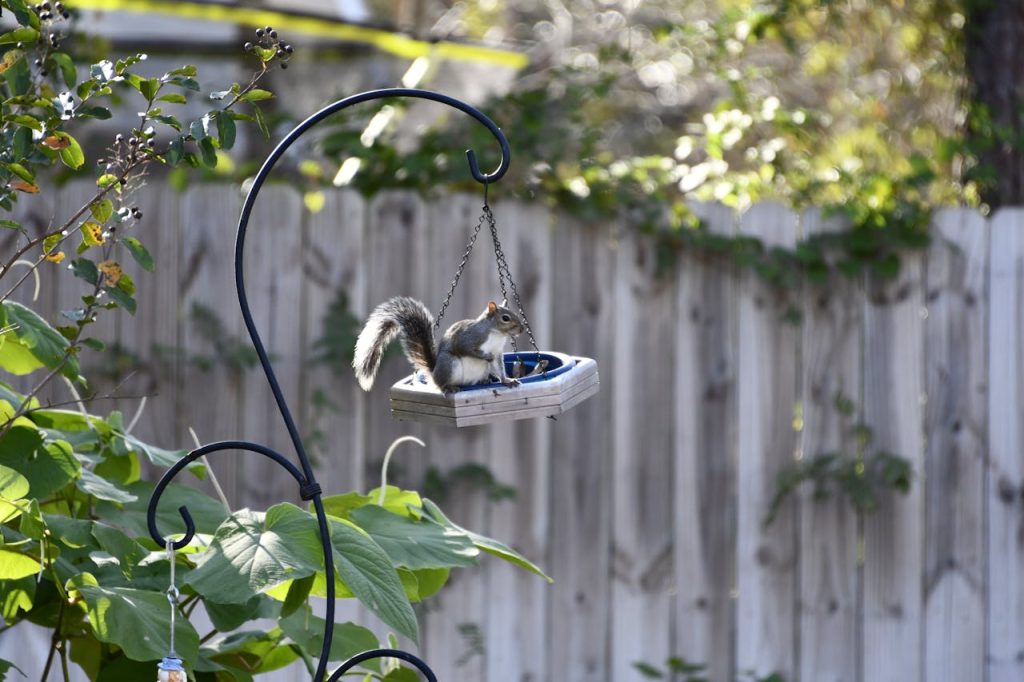
Squirrel pressure is often treated as a seed-budget problem, but sanitation is the bigger issue in many yards. Raids dump feed onto damp soil, crack housings, and force repeated refills that crowd out washing and drying time. That cycle increases spoilage risk right where morning bird traffic is highest.
Baffles, distance from launch points, and weight-activated designs reduce spillage and keep food in cleaner channels. With less chaos at the station, birds show steadier patterns, observers spend less time reacting, and maintenance shifts from emergency refills to consistent hygiene that protects both birds and data quality.
Outbreak Signals Should Change the Routine
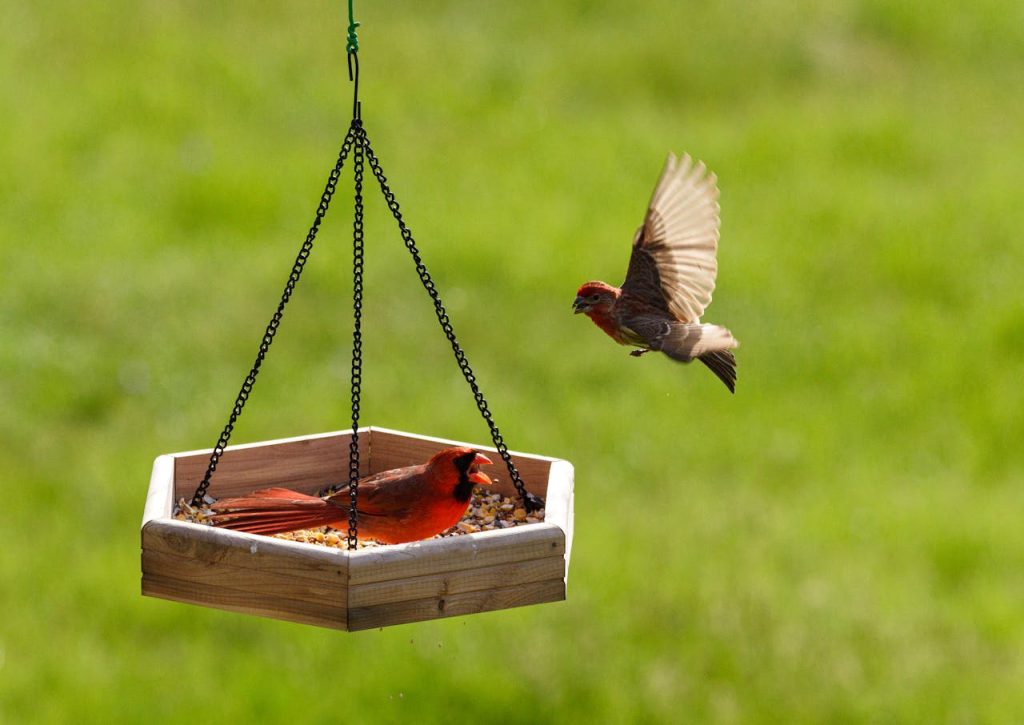
When local reports show sick or dead songbirds, normal feeding habits may need a temporary reset. Public health and wildlife agencies have linked some salmonella outbreaks to contaminated bird feeding areas, including dirty feeders and baths where birds cluster in large numbers.
CDC guidance supports regular cleaning and disinfection of feeders and water sources, plus handwashing after handling equipment or debris. During active concerns, brief feeder pauses followed by deep cleaning can reduce spread pressure and protect birds, pets, and households. Restarting after conditions improve keeps the yard supportive instead of risky.
A Simple Rotation Keeps the Yard Reliable
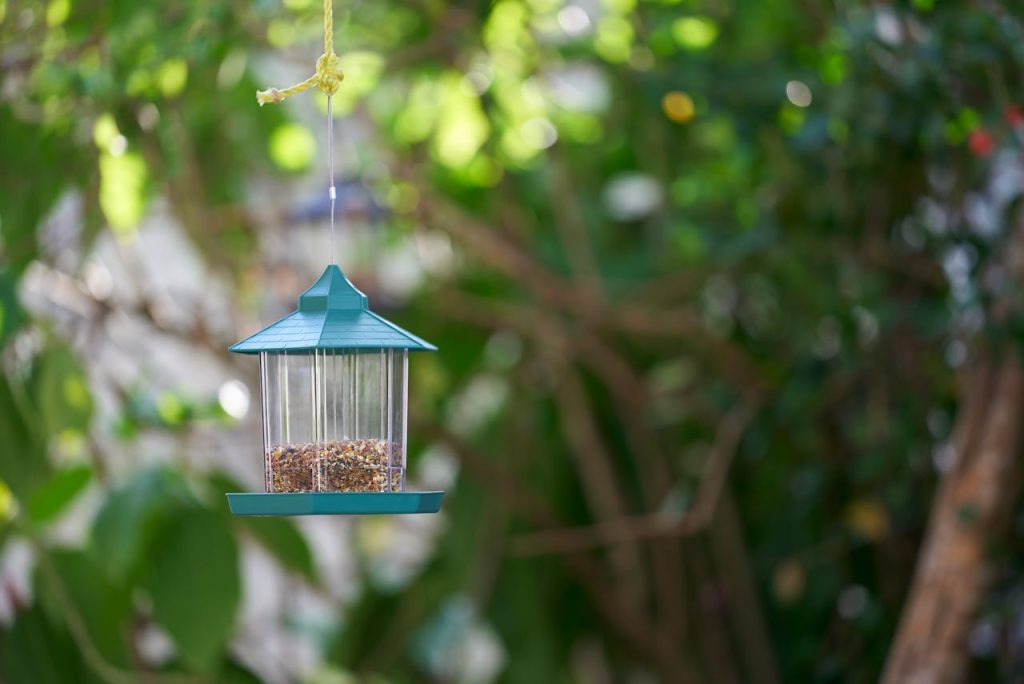
A practical routine works better than occasional deep effort. Empty, scrub, disinfect when needed, rinse thoroughly, and dry before refill, then repeat on schedule rather than waiting for visible grime. Buy seed in smaller batches during damp spells, and discard any stock that smells musty or clumps easily.
Treat baths and ground zones as part of the same system, not separate chores. When food stays dry, surfaces stay clean, and water is refreshed consistently, birds behave more naturally and counts reflect real movement patterns. That steadiness keeps backyard science trustworthy across seasons. It also lowers avoidable stress.
By late winter, a clean feeder yard becomes more than a viewing spot. It becomes a quiet agreement between people and wild birds sharing the same cold spell. Fresh seed, clean surfaces, and clear water support calmer behavior, steadier visits, and more honest observations. In that steadiness, citizen science keeps its meaning, and everyday care becomes part of something larger than a single weekend.