

America’s conservation story is often told as a clean arc from crisis to recovery, but the lived reality is messier and more human. Species once thought nearly gone now move again through rivers, coasts, grasslands, and mountain corridors because of bans, protected status, research, and relentless on-the-ground work. Their return repaired ecosystems and local pride, yet it also rewrote daily rules for ranches, marinas, parks, suburbs, and state agencies. The same wins that restored wildlife also sparked disputes over access, property, safety, budgets, and who carries the burden of coexistence when success arrives fast.
Bald Eagle
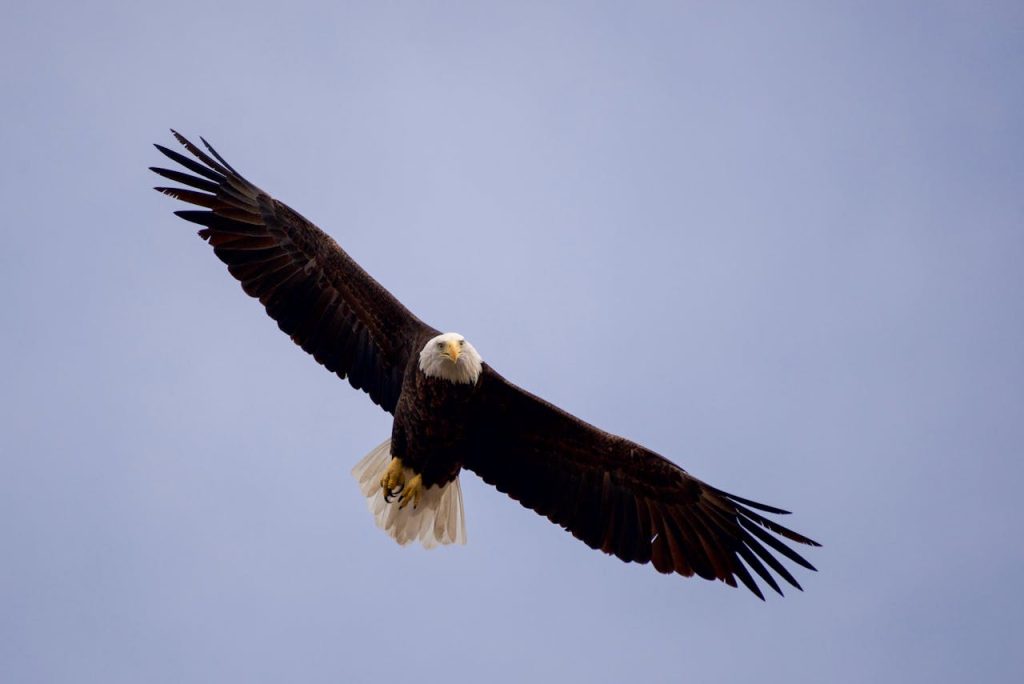
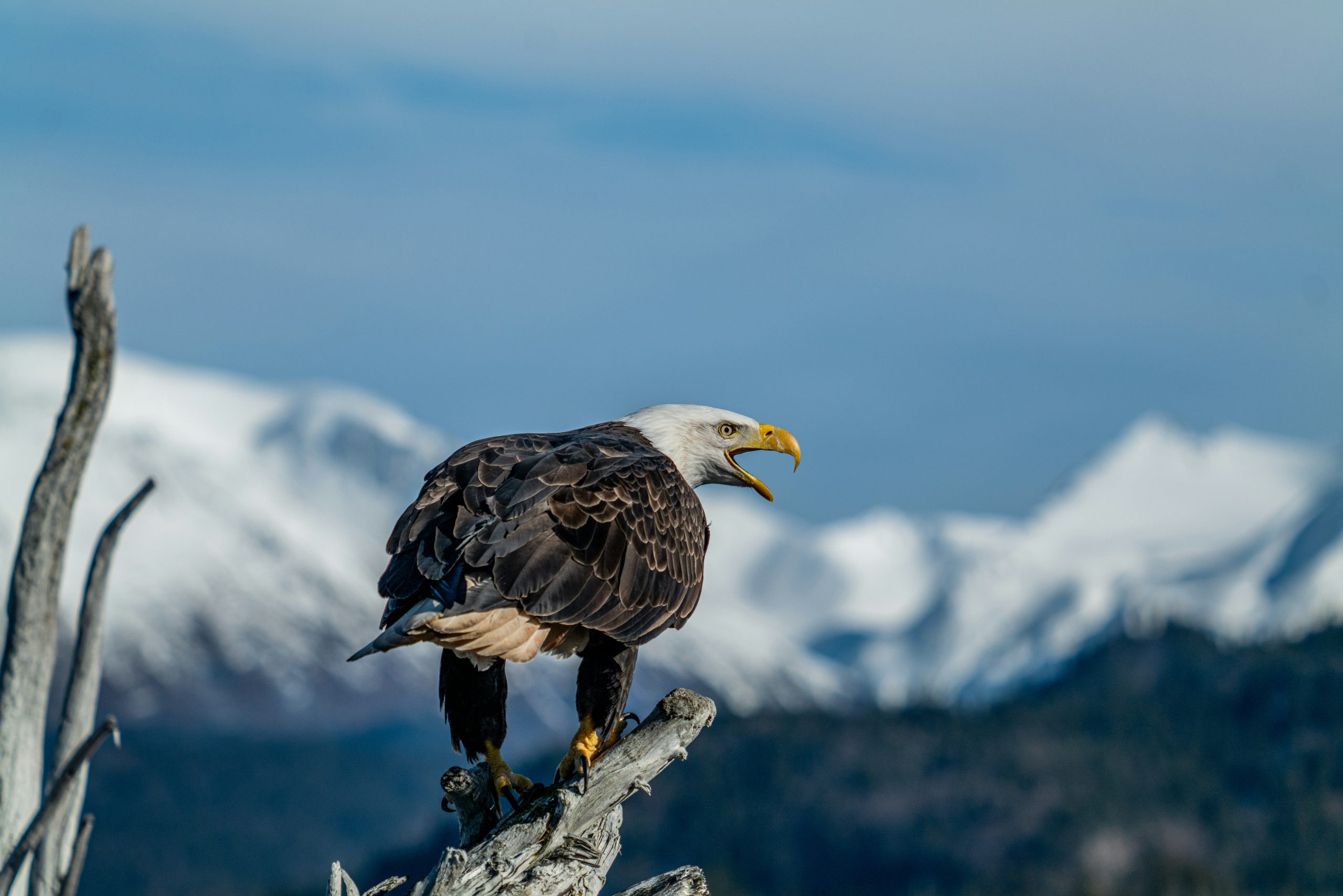
By 1963, only 417 known nesting pairs remained in the lower 48 after DDT contamination and habitat loss pushed bald eagles toward collapse. Federal bans on DDT, ESA protection, nest monitoring, and habitat safeguards reversed that arc over decades, and recent estimates show a much larger breeding population across the contiguous states.
Recovery also created management friction that early plans barely anticipated. Construction timelines, utility work, and shoreline projects now operate around nest protections, while agencies balance eagle safeguards with development pressure, aviation safety needs, and public demand for access.
American Alligator
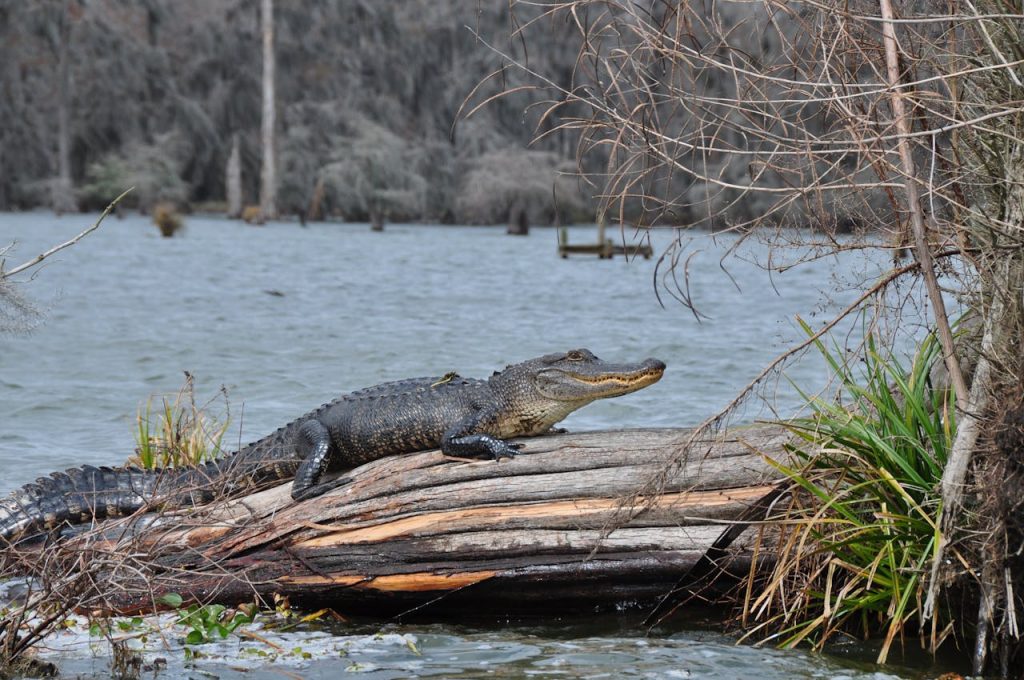
Heavy hunting and wetland loss pushed American alligators into severe decline across much of the Southeast, forcing federal protection in the twentieth century. Their rebound under habitat protections, harvest controls, and enforcement became one of the country’s clearest conservation wins, and many states now manage stable or abundant populations.
The surprise came after recovery, not before it. As alligators returned to canals, golf ponds, and subdivision lakes, states built nuisance-trapper systems, emergency hotlines, and public safety protocols to handle animals that crossed from wild success into daily civic management.
Gray Wolf In The Northern Rockies
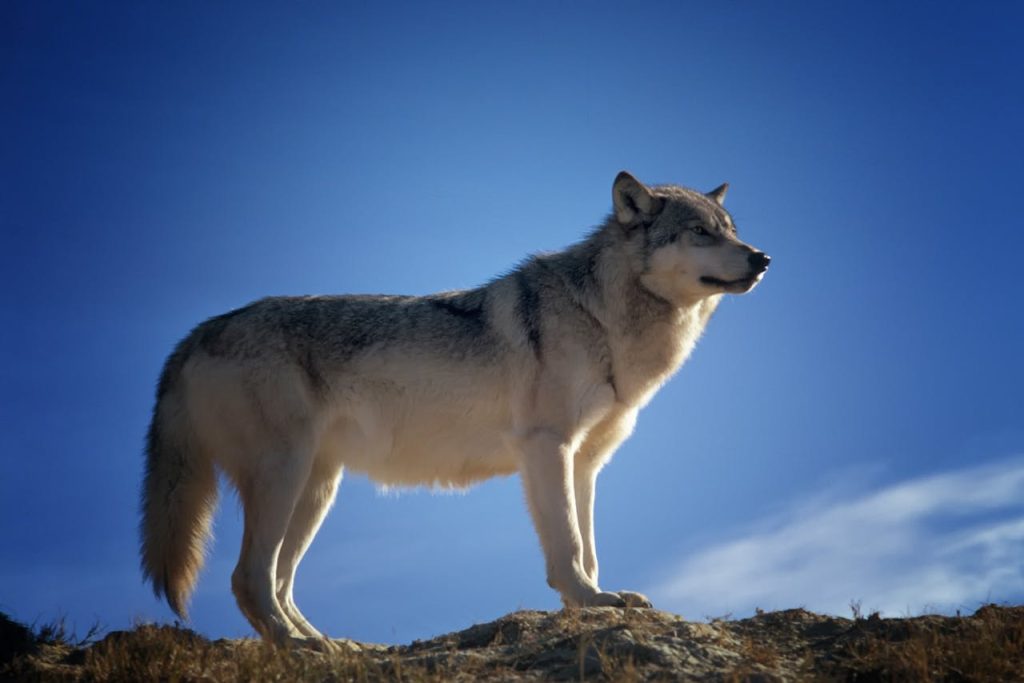
Wolves were wiped out across most of the American West by predator control campaigns, then reintroduced to Yellowstone and central Idaho in the mid-1990s. Packs expanded, prey behavior shifted, and the species reestablished a visible foothold in the Northern Rockies, ending decades of presumed absence across ecosystems.
Conflict rose alongside that comeback. Ranch losses, compensation debates, hunting quotas, and lawsuits over state versus federal authority now shape wolf policy almost as much as biology does. The species recovered ecologically, but governance around it remains among the sharpest wildlife disputes in the region.
Humpback Whale
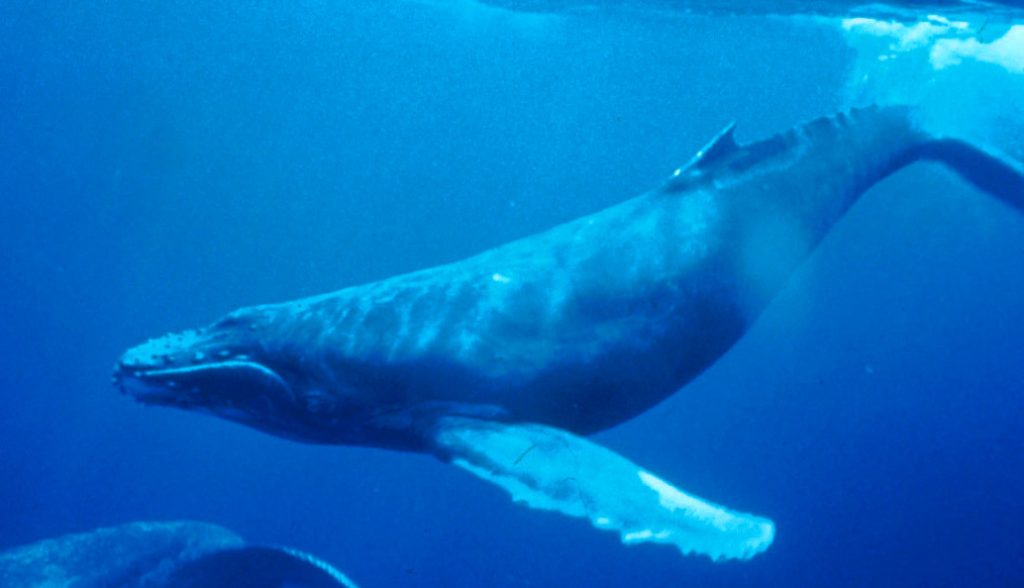
Commercial whaling crushed humpback populations for generations, and recovery once looked painfully slow because these whales reproduce gradually. After international protections and U.S. conservation measures, several distinct population segments improved enough to be removed from endangered status, while others stayed listed.
That rebound came with a management bind in coastal waters. Shipping lanes, fishing gear, and tourism traffic now require adjustments to reduce strikes, noise, and entanglement risk. The comeback proved possible, but it also turned ocean use into a negotiated space between commerce and conservation.
California Sea Otter
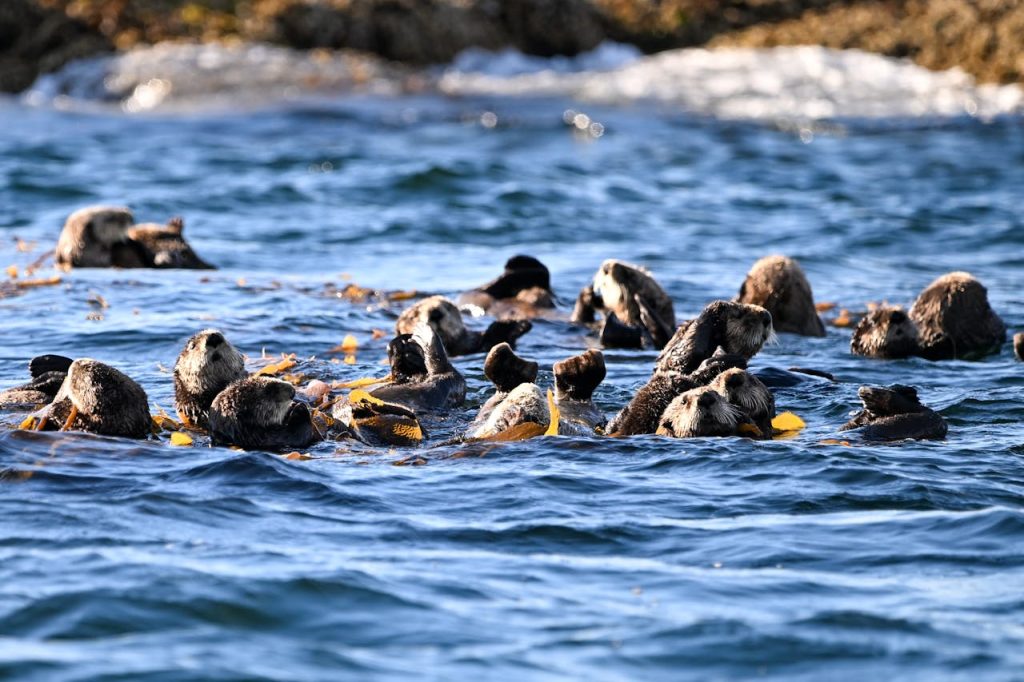
California sea otters were hunted so intensely that the population was long assumed gone, until a small remnant was rediscovered near Big Sur. Legal protections allowed slow expansion, and otters resumed their ecological role in kelp systems while remaining listed as threatened under federal law.
Success introduced hard choices that early recovery plans could not dodge. Managers still treat oil spill risk as a major concern because range remains narrow, and local policy often weighs otter protection against fishing interests, shoreline activity, and broader coastal use decisions that now carry higher ecological stakes.
American Bison

American bison fell from continent-wide abundance to only a few hundred by the late nineteenth century, one of the starkest wildlife collapses on record. Public, tribal, and federal restoration efforts rebuilt herds, and Interior now manages thousands of conservation bison across multiple states and public landscapes.
Recovery never erased management tension. Agencies still debate herd size, grazing capacity, disease risk near livestock, fencing, and where bison can move beyond park lines. Tribal restoration partnerships have expanded opportunity, yet they also expose how policy must reconcile ecology, culture, and working lands.
Brown Pelican
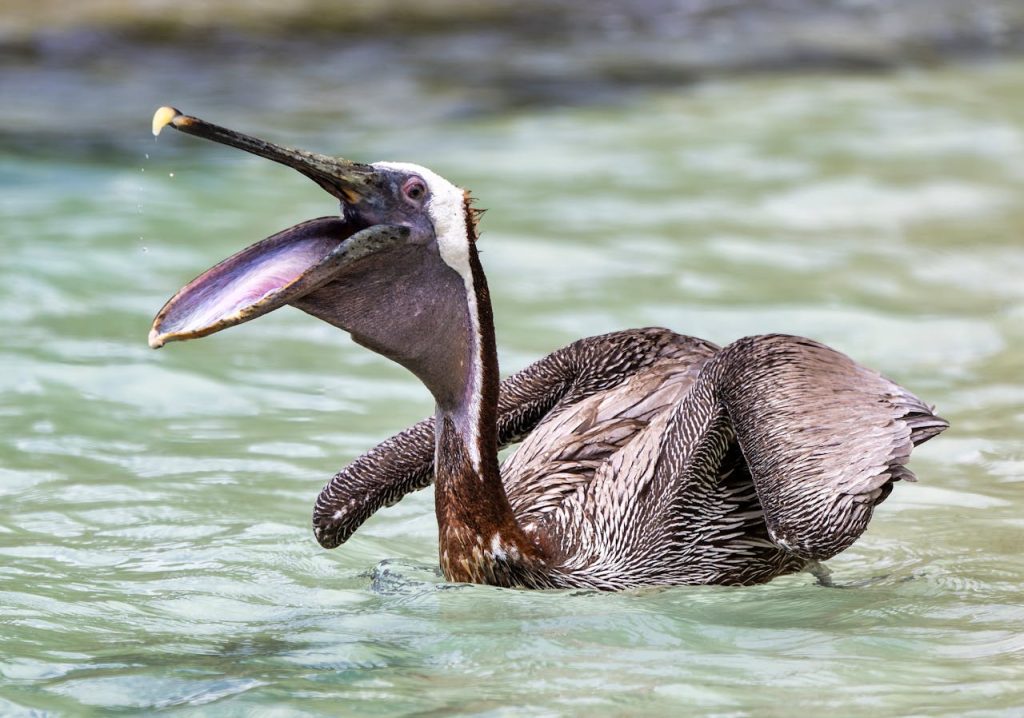
Brown pelicans crashed in the DDT era and disappeared from nesting strongholds that once defined Gulf and Pacific coastlines. Federal action, including pesticide bans and long-term habitat protection, drove a striking recovery, and the species was removed from the endangered list in 2009 after decades of coordinated work.
The modern challenge is less about survival than recurring disruption. Managers still track colony disturbance, fishery interactions, storms, and spill risk across coastal zones where human activity is constant. Pelicans returned to the skyline, but the coast they depend on remains a management arena.
Rocky Mountain Elk
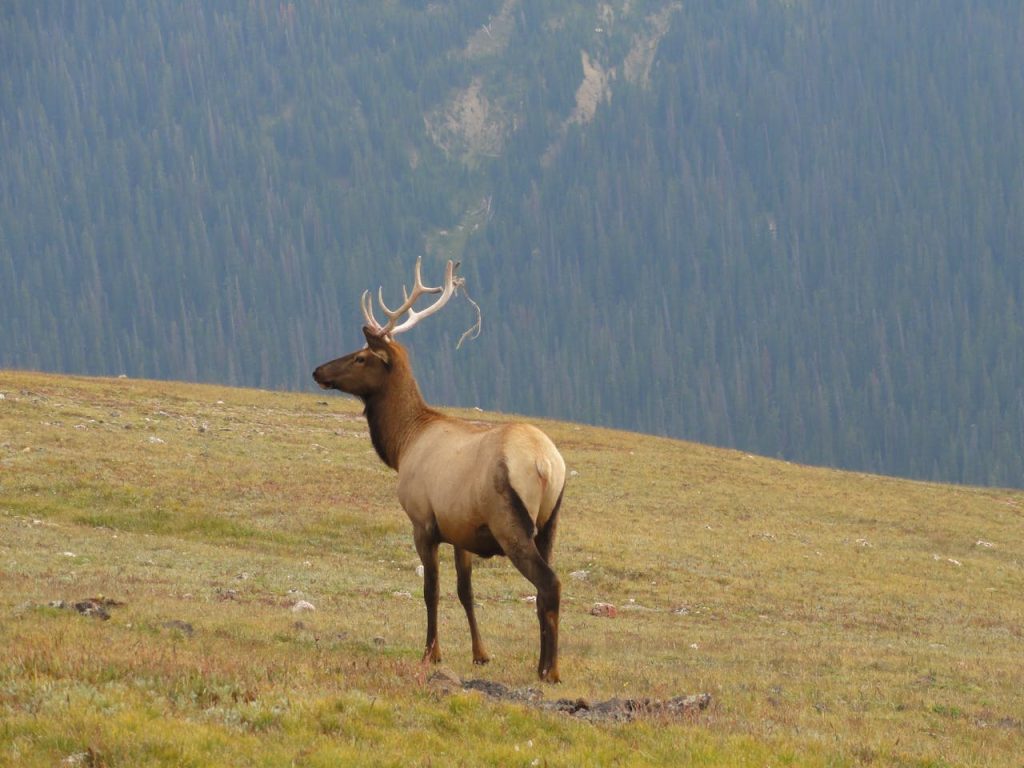
Elk were heavily reduced by unregulated hunting and habitat conversion, then rebuilt through state restoration, translocations, and protected range. In places like Pennsylvania, agencies moved animals to ease local pressure and broaden distribution, showing how active management can redraw a species map within one generation.
The comeback created a puzzle: more animals, more conflict points. Crop damage, winter range bottlenecks, migration corridor pressure, and roadway collisions now demand mitigation and policy. Recovery succeeded biologically, but coexistence became a permanent planning job rather than an endpoint.
Verification: State wildlife records document restoration transfers, expanding ranges, and ongoing wildlife-vehicle collision concerns.
Eastern Black Bear
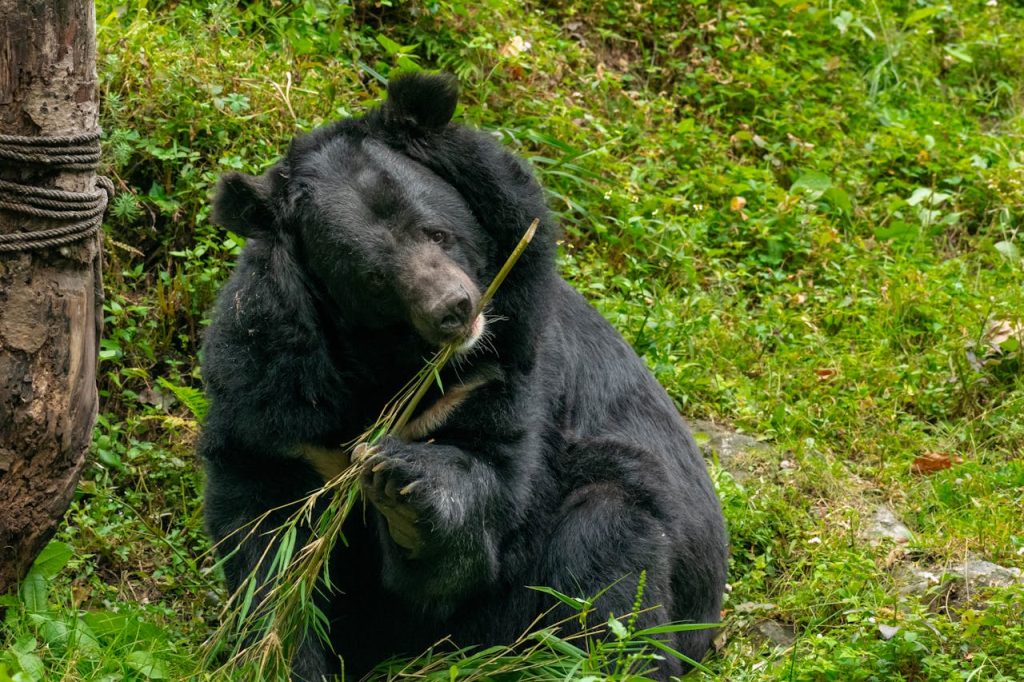
Black bears declined across parts of the East as forests were cleared and hunting pressure ran high, then returned as woodlands regrew and regulations tightened. In several states, populations expanded from isolated pockets into broader regions where bears had been rare for decades.
The rebound shifted policy from rescue to risk management. Wildlife agencies now emphasize garbage control, attractant enforcement, and public safety messaging because most serious conflicts begin around human food sources. Bears recovered, but so did daily friction in suburbs and exurbs that were never designed for large omnivores moving back in.
Wood Duck

Wood ducks once crashed under heavy harvest and loss of nesting habitat, becoming scarce in places where they had been common wetland birds. Protective laws, habitat work, and large-scale nest-box programs helped restore populations across much of their range, turning a historic decline into durable recovery.
The post-recovery challenge is practical, not symbolic. Nest boxes require maintenance, predator guards, and placement decisions across private and public land, and wetland management must balance flood control, recreation, and habitat quality. The species returned, but the labor of keeping that comeback stable never ended.
Verification: U.S. Fish and Wildlife Service species records describe the original decline and broad recovery trajectory.
Mountain Lion Expansion
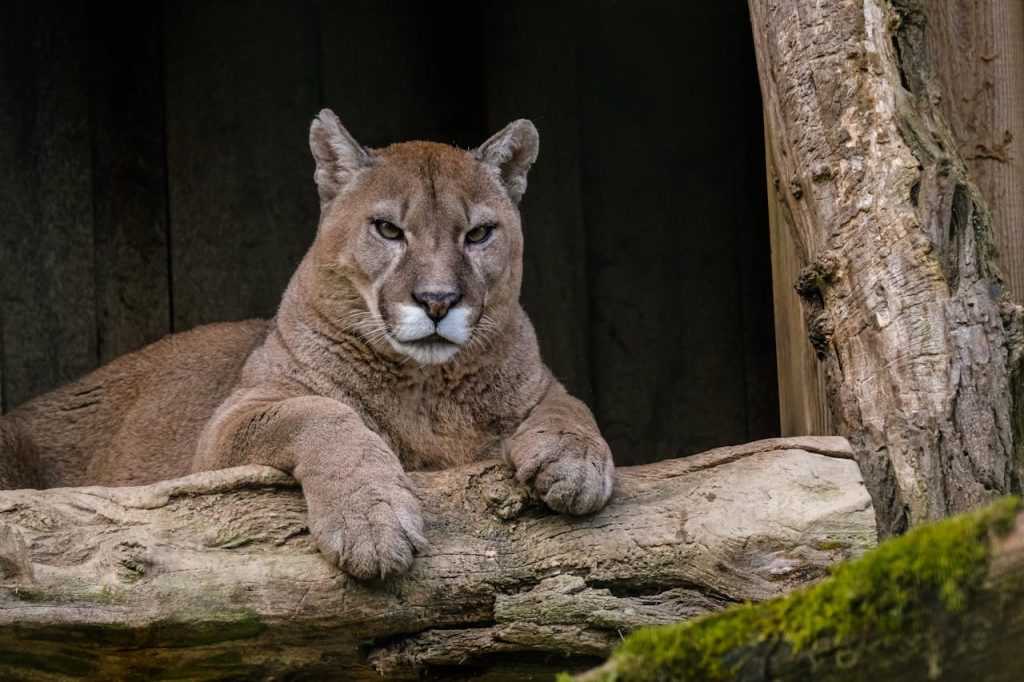
Mountain lions were eliminated from much of their former eastern range and compressed into western strongholds, then slowly began reappearing farther east through dispersal. Confirmed records in parts of the Great Plains and Midwest changed assumptions about where large cats could persist across landscapes.
As sightings spread, management pressure rose quickly. Agencies field reports of livestock and pet losses, evaluate depredation permits, and warn communities against practices that attract prey near homes. Expansion signaled resilience, yet it exposed how unprepared jurisdictions were for predators returning to mixed terrain.
Wild Turkey
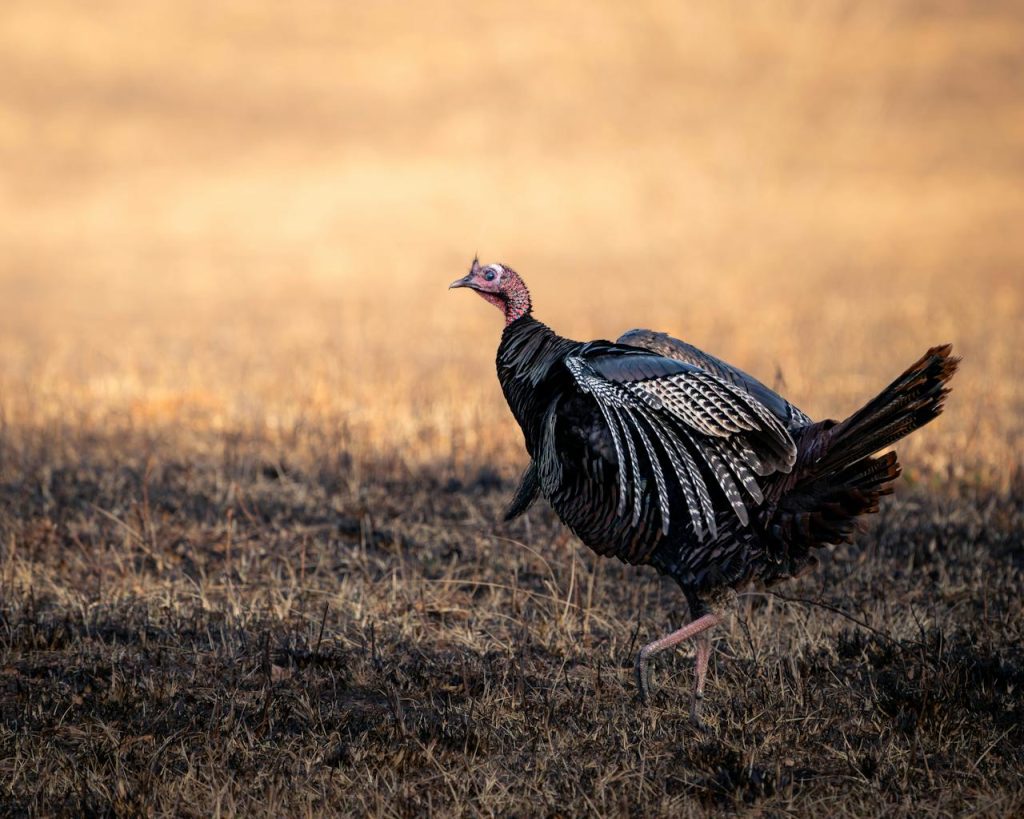
Wild turkeys were restored across the country through decades of state and federal wildlife work, including translocations and habitat-focused management. Their range now covers many regions where they had vanished, turning a once-fragile game bird into a familiar presence in farms, woodlots, and suburbs.
Recovery brought governance headaches. Agencies now address crop damage complaints, roadway incidents, and aggressive behavior in residential areas where turkeys lost fear of people. The species proved restoration can scale nationally, but it also showed coexistence still needs local adaptation, not just success stories.
Peregrine Falcon
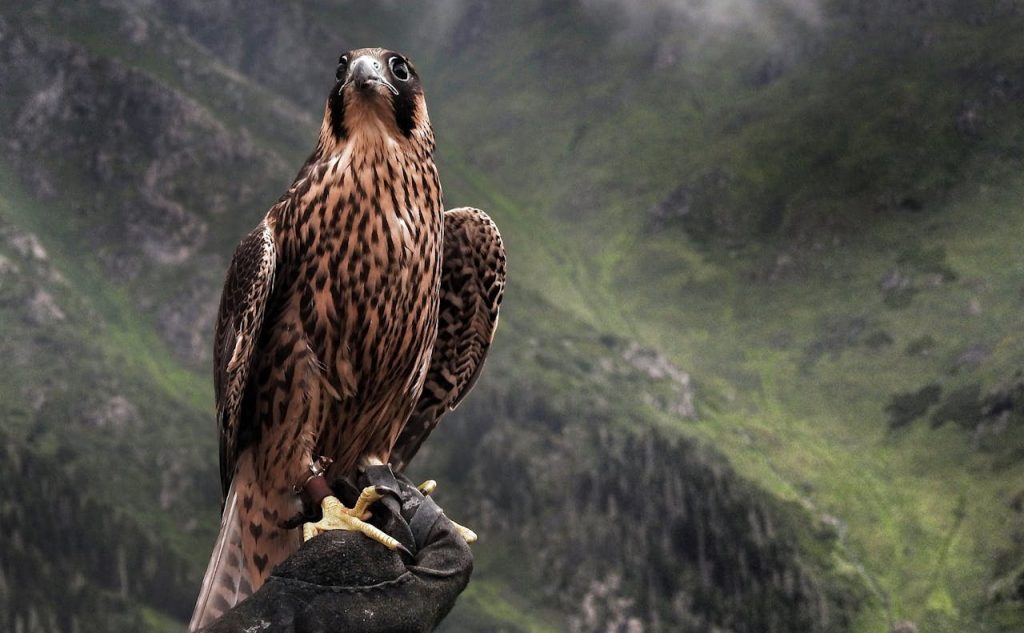
Peregrine falcons collapsed under DDT-era eggshell thinning, then rebounded through pesticide controls, captive breeding, nest protection, and long-term monitoring. Federal delisting marked a landmark recovery, and peregrines now nest on cliffs, bridges, and urban towers across much of their former U.S. range.
Recovery introduced conflict in public recreation spaces. Park systems impose seasonal trail and climbing closures around active nest sites because disturbance can cause nesting failure. The birds came back fast, but management now requires access limits that many visitors discover after plans are already in motion.