

At first glance, blade-like head weapons look like clear evolutionary wins. Extra reach can stop a rival before contact, and a sharp frontal edge can secure food or status in seconds. The deeper pattern is harsher. Horns, antlers, tusks, and saw-like snouts often improve mating success or hunting efficiency, then demand payment through high energy costs, seasonal rebuilding, injury exposure, or pressure from human hunting and trade. Across habitats and eras, survival has depended less on spectacle and more on balance, because the trait that creates an advantage can also raise the odds of loss when conditions shift.
Red Deer
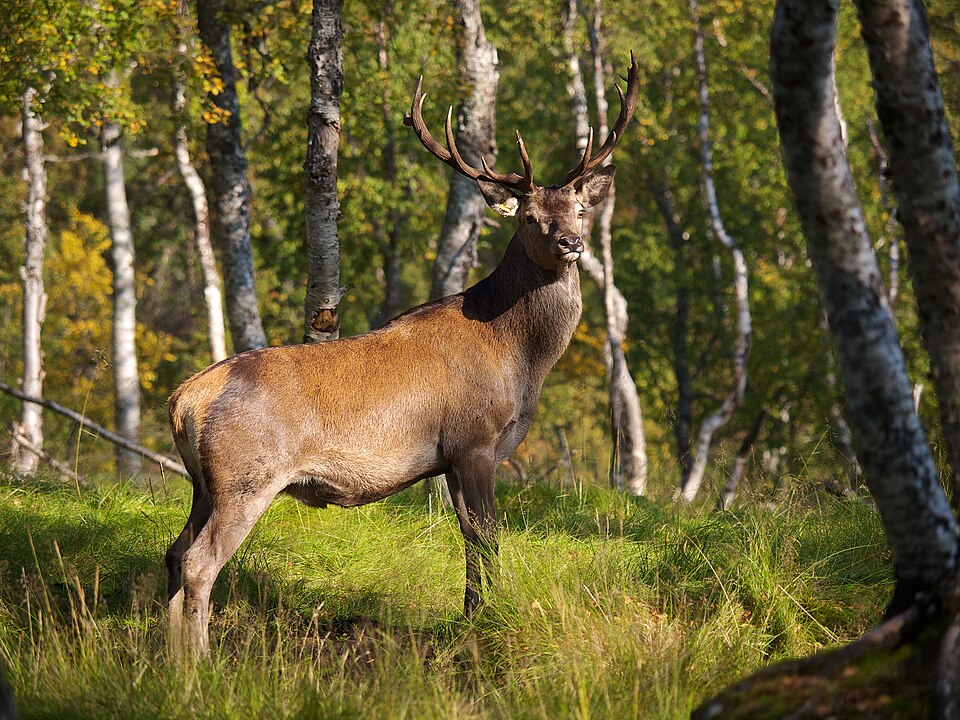
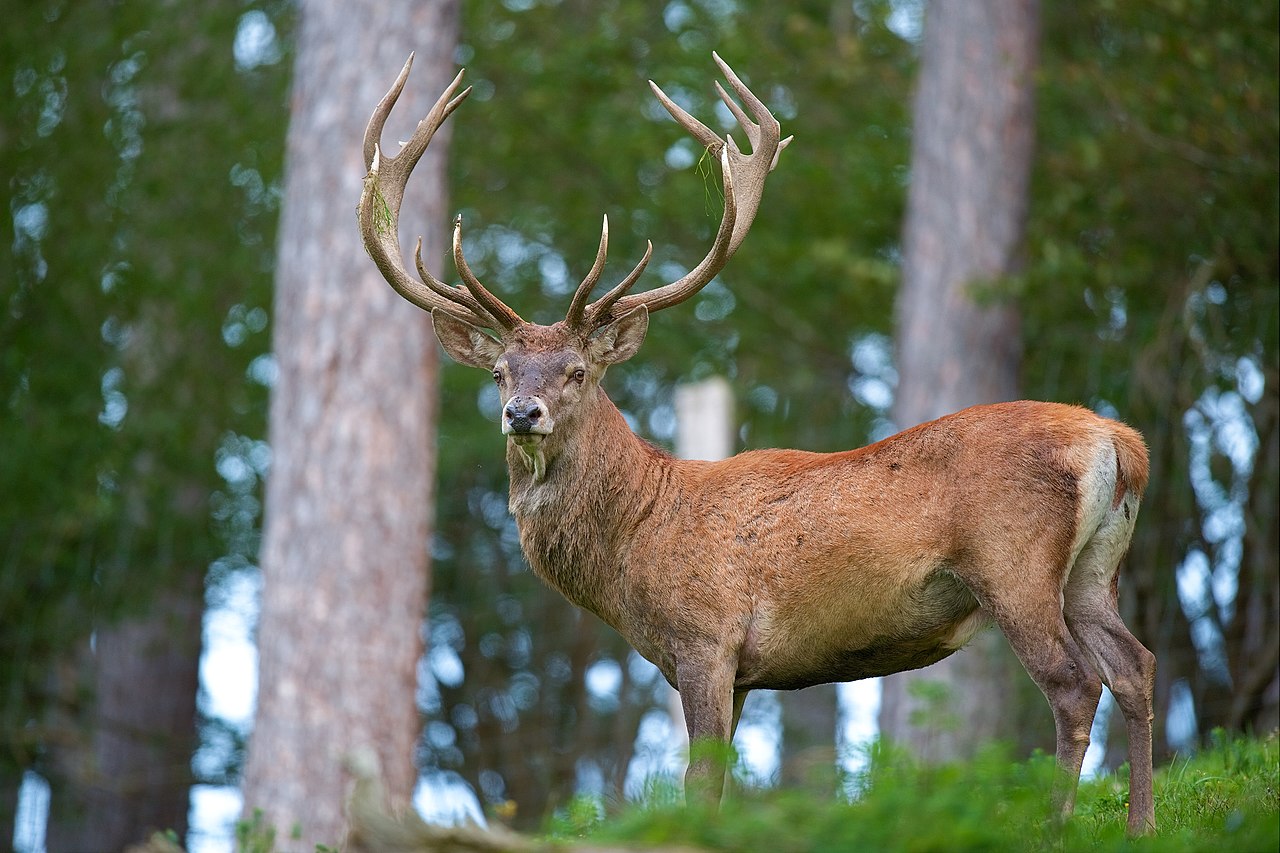
Male red deer grow and shed antlers every year, which makes each rack a seasonal investment instead of a permanent tool overall. During the rut, large antlers can help with status contests and mate access, but building them demands substantial minerals and energy that could support other tissues.
Long-term deer studies show a clear trade-off: heavier allocation to antlers can carry costs in growth, body condition, and later-life performance. The same structure that can improve breeding success in one season may quietly increase physiological strain across the rest of the animal’s life, especially when winters are lean.
Moose
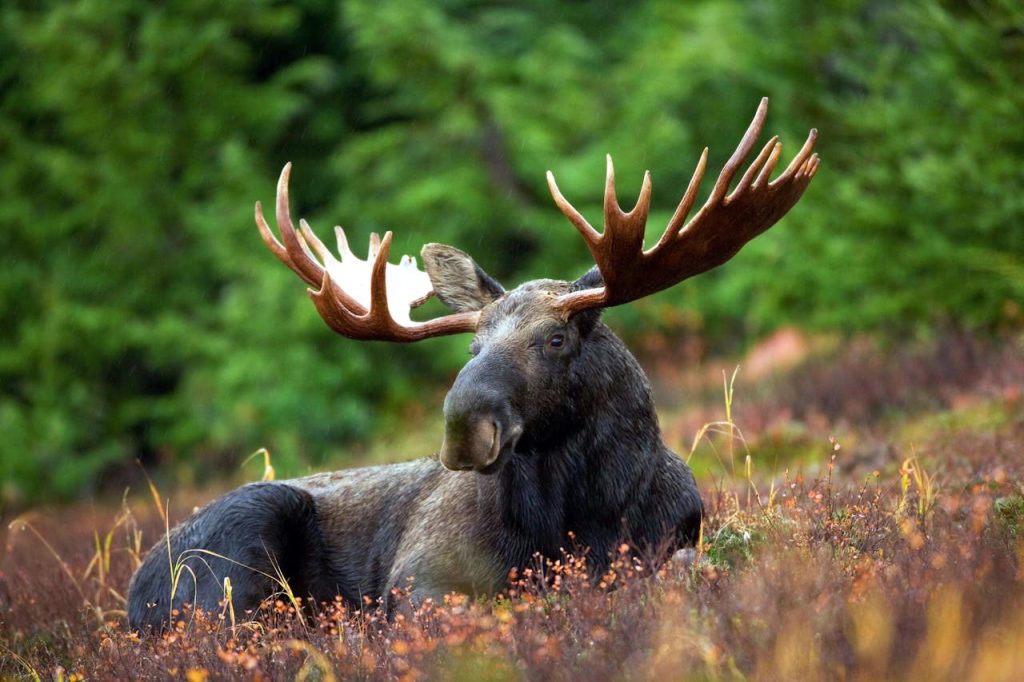
Moose carry some of the broadest antlers in the deer family, and those impressive palms do real work in visual intimidation before physical clashes even begin. Yet antlers are not free armor. They are grown, mineralized, and eventually dropped, then rebuilt again on a seasonal clock that taxes nutrition and recovery.
That cycle matters most when forage is limited or winters run harsh. A male that invests heavily in display and combat can enter the cold season with less reserve than expected. In evolutionary terms, antlers can elevate mating opportunity, but they do not erase the survival bill that comes due afterward.
Bighorn Sheep
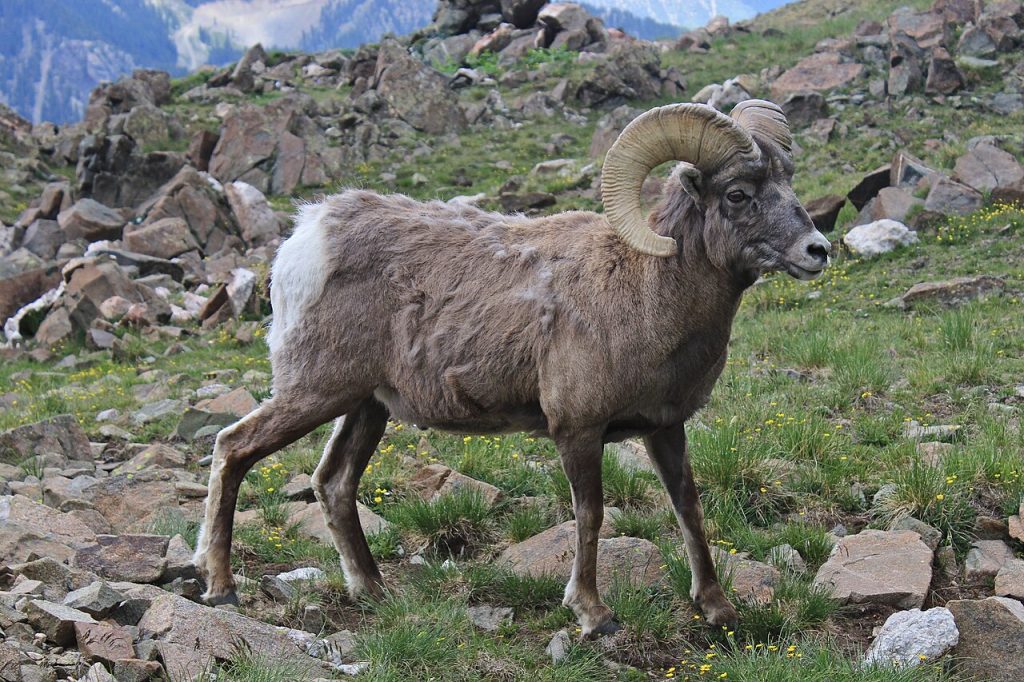
In bighorn sheep, massive curved horns shape social rank and mating outcomes, so bigger head weapons can translate into real reproductive advantage. But horns also tie males to risk-heavy competition and, in hunted systems, can become a liability when harvest pressure removes the largest rams first.
A landmark multidecade analysis found that intense selective harvest pressure was associated with evolutionary declines in horn length. The lesson is uncomfortable and clear: a trait favored in one arena can be punished in another, and the population can carry that cost for years after management pressure changes direction.
Sawfish
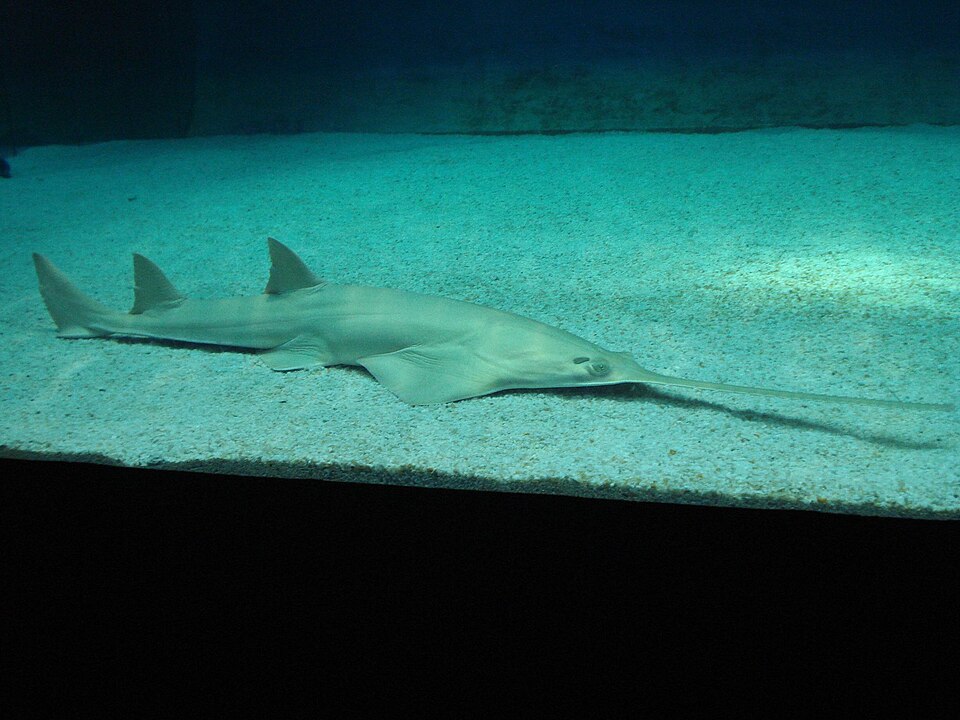
Sawfish evolved one of the most striking blade-like head weapons in nature: a long toothed rostrum that can slash, stun, and detect prey through electroreception. It is an elegant offensive tool in shallow coastal habitats, and it also helps juveniles find food before speed and size are fully developed.
The same design creates serious vulnerability around human gear. NOAA notes that sawfish are highly prone to entanglement in nets, lines, and trawls, a major driver of decline. What evolved as a precision hunting instrument became, in modern fisheries, a structure that too easily catches on the wrong thing at the wrong time.
Sailfish
Michael Worden/Pexels
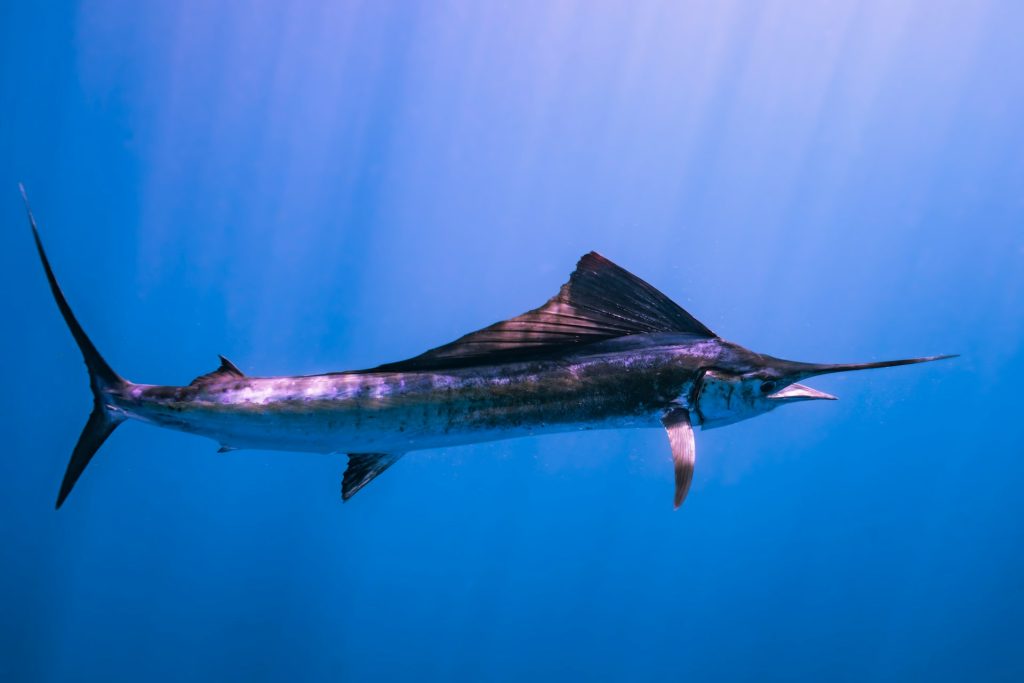
Sailfish and other billfishes use elongated bills as rapid striking tools, with high-speed observations showing slashing movements that injure or disorient schooling prey. In open water, that reach creates a feeding edge, especially when quick turns and repeated strikes break prey formation.
But this strategy depends on speed, timing, and precision rather than brute force. Missed attacks waste energy, and close contact still exposes vulnerable surfaces. The bill opens opportunity, yet survival stays tied to stamina, maneuverability, and context. Even a sharp head weapon remains one piece of a complete predator toolkit.
Narwhal
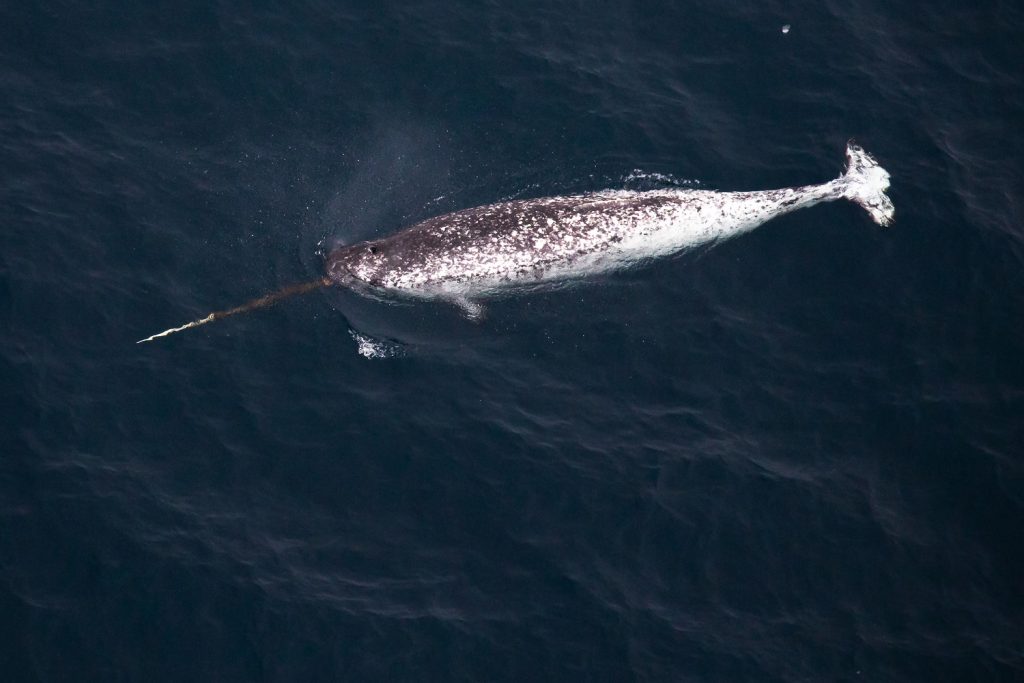
The narwhal tusk, an elongated tooth projecting forward like a narrow spear, is one of evolution’s recognizable head weapons. Studies suggest it also has sensory function, while population analyses support strong sexual selection pressure on tusk length in males.
That combination carries hidden costs. Producing and maintaining an extreme structure demands resources, and major damage to a specialized tooth is serious in ice-edge habitats where feeding windows can be narrow. The narwhal story captures a core paradox: a dramatic weapon may improve reproductive signaling while still increasing vulnerability as Arctic conditions shift.
Rhinoceros
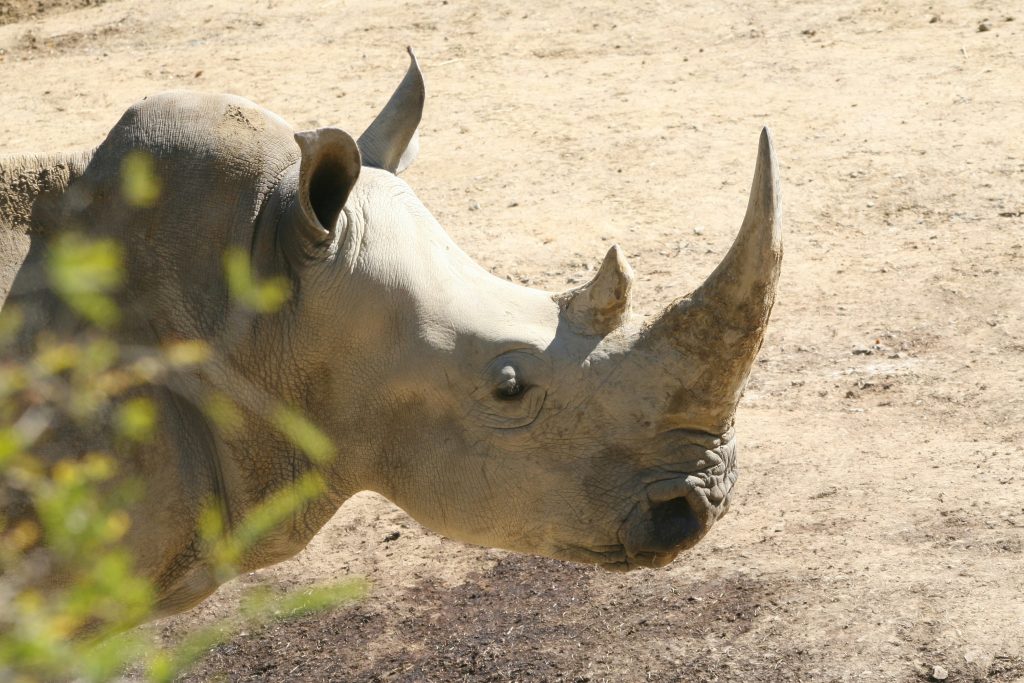
Rhino horn is made of keratin, but in ecological terms it works as a formidable frontal weapon used in defense, spacing, and contests. In many encounters, horn size and posture can settle conflict before impact. That deterrent effect can conserve energy and reduce repeated clashes.
In human systems, the same trait has brought severe pressure. South African updates report hundreds of rhinos still poached each year despite recent declines and stronger enforcement, because horn remains valuable in illegal trade. A feature shaped by evolution for survival has become, under modern demand, a dangerous signal that attracts lethal risk.
Triceratops
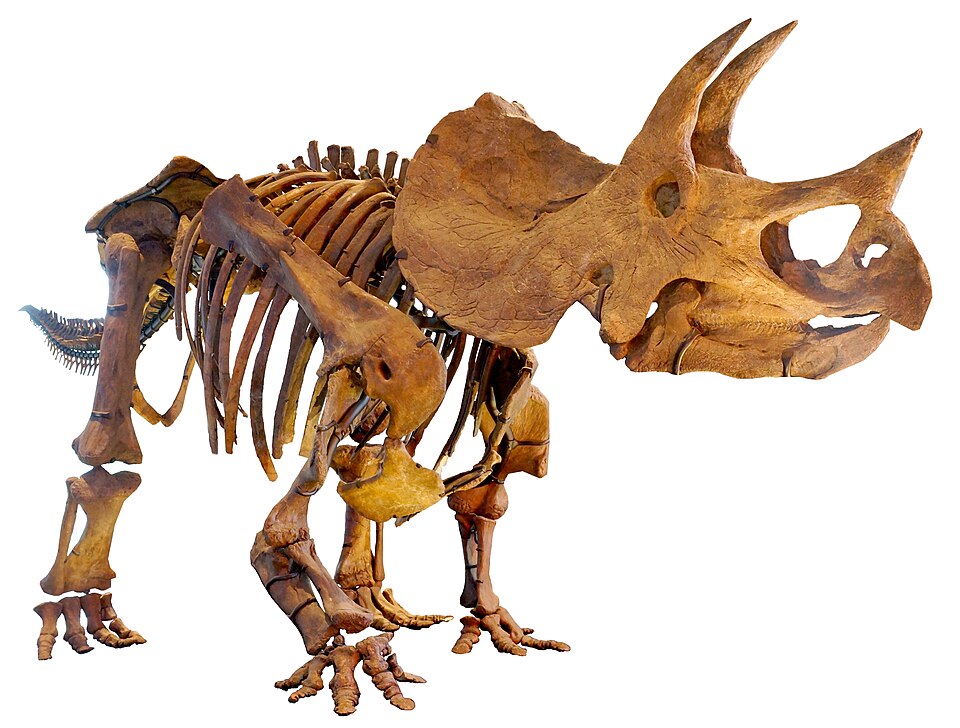
Among extinct giants, Triceratops pushed cranial weaponry to an extreme, with long facial horns and a broad frill that likely mixed display with combat utility. Fossil lesion comparisons suggest these structures were not decorative ornaments alone; they probably absorbed and delivered force in contests.
That did not make them free. Massive headgear carries developmental and mechanical costs when growth, mobility, and energy budgets must coexist in one body plan. Triceratops shows how evolution can favor dramatic weapons when they solve social problems, even while imposing heavy structural commitments on the rest of life.
Head weapons can look like pure dominance from a distance, but evolution rarely hands out easy victories. Again and again, nature pairs advantage with obligation: more reach, more cost; more status, more strain. That tension is what makes these animals unforgettable. Their survival stories were not built on a single sharp edge, but on how well each species carried the weight that came with it.