

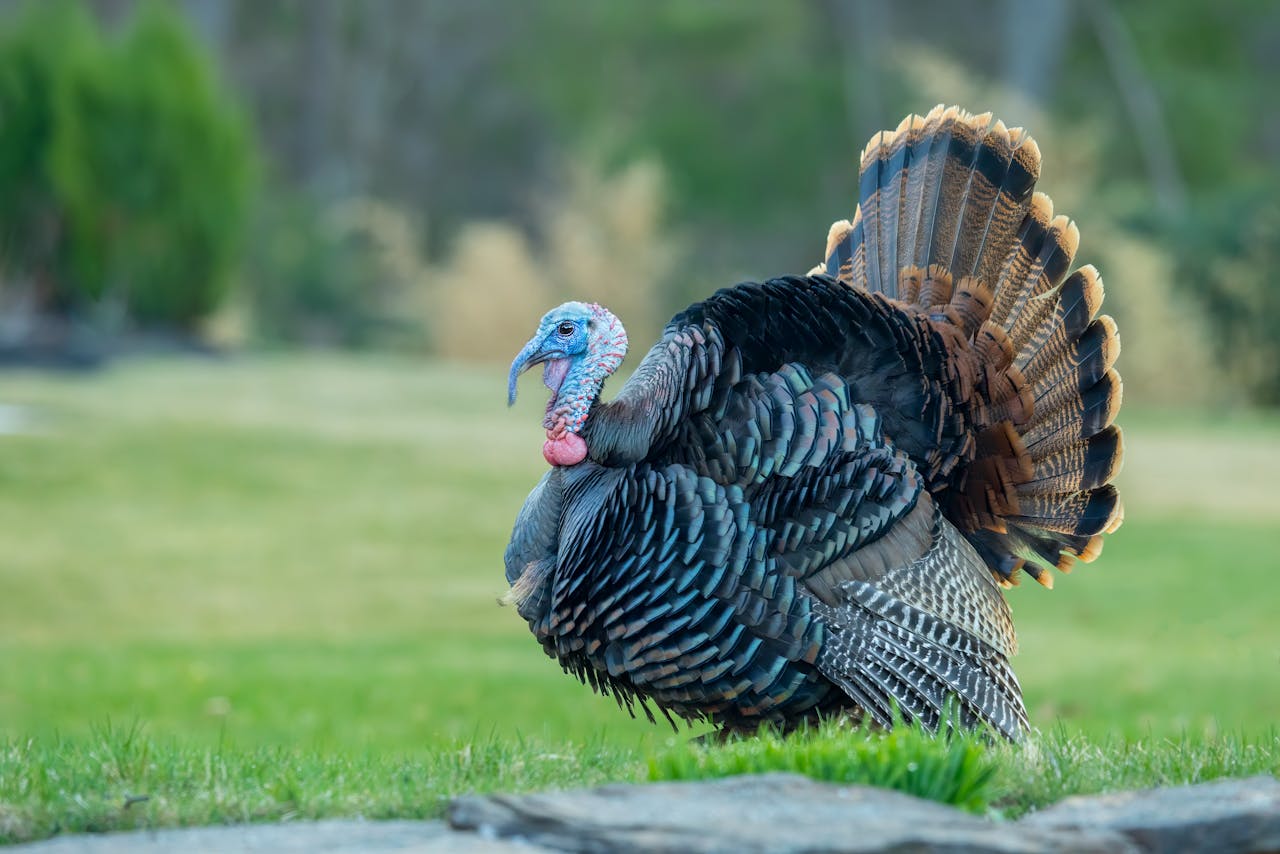
A strong poult year can feel like a turning point, especially after several uneven springs. Field notes fill with broods, optimism rises, and early chatter starts projecting louder dawns by the next season. Yet turkey populations move through a tighter biological funnel than most headlines admit. Recruitment depends on far more than one summer snapshot, and several signals can mute carryover before those young males become mature gobblers. When managers look closely at survival, weather timing, and survey design, the outlook often becomes more cautious than celebratory. That tension is where 2026 projections become tricky.
Poult-To-Hen Index Rose, But Adult Hen Survival Stayed Weak
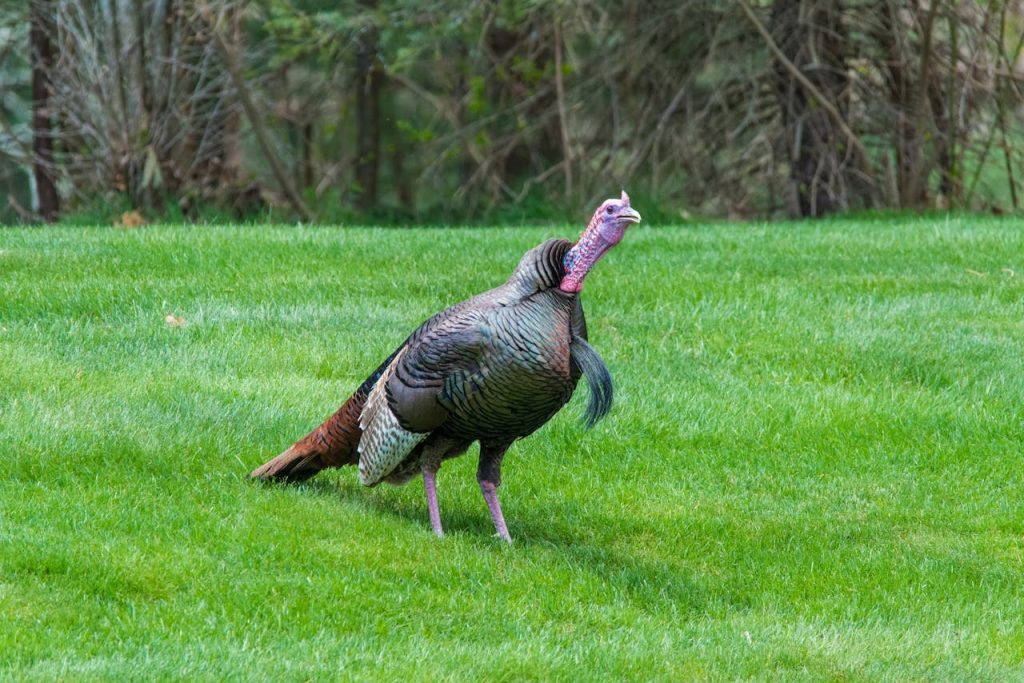
A higher poult-to-hen number can look like momentum, but population models keep pointing to the same bottleneck: adult females. A large eastern turkey review estimated mean population growth at λ=0.91, with after-second-year female survival showing the strongest elasticity. That means a single bright hatch can be dampened quickly when hen survival remains soft across seasons.
Missouri and federal guidance also stress that brood ratios are indices, not direct head counts, and they are most useful as trends through time. When those trend lines are read without the hen-survival context, optimism can run ahead of reality.
Jakes Appeared In Summer, Yet Two-Year-Old Carryover Looks Thin
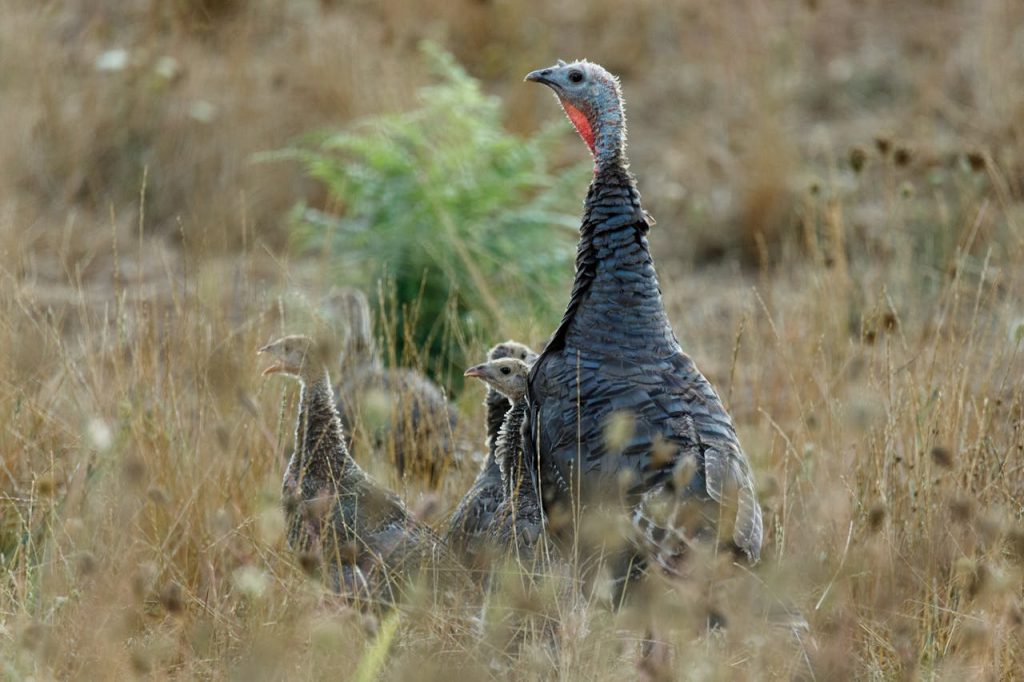
Summer reports full of jakes are encouraging, but the next spring depends on how many survive into the two-year-old class. Indiana’s brood report notes that males born in 2021 appeared as two-year-old gobblers during 2023, when harvest spiked, and it frames two-year-olds as highly active and vulnerable in spring. So the lag is real, and it can break if winter stress or hunting pressure trims carryover.
Biology adds another filter. A variable share of one-year-old males breeds, while essentially all males at two years and older can breed. If that older class stays thin, woods can hold birds yet still sound quieter than expected.
Brood Counts Improved, But Rain Windows Turned During Nesting
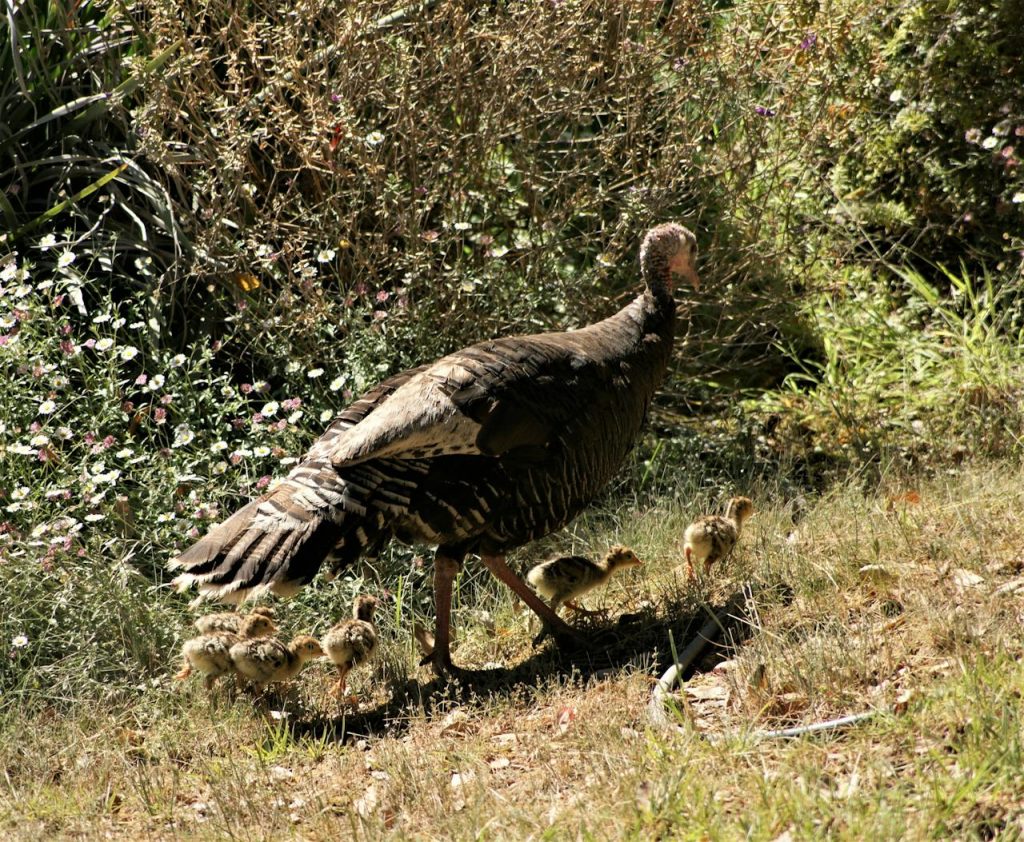
A solid hatch headline can hide how narrow the weather window really was. Maryland’s 2025 observations credited generally good nesting and brood-rearing weather, but the same report warns that severe rainfall during that period can sharply reduce annual production. That warning matters because one favorable stretch does not erase future volatility.
Climate work in the Southeast adds another concern: projected nest initiation change is under 0.1 day by 2040–2060, while nesting timing did not track spring green-up. When food timing and brood needs drift apart, apparent gains can fade before they reach spring gobbler age.
Regional Data Split Hard Instead Of Moving Together
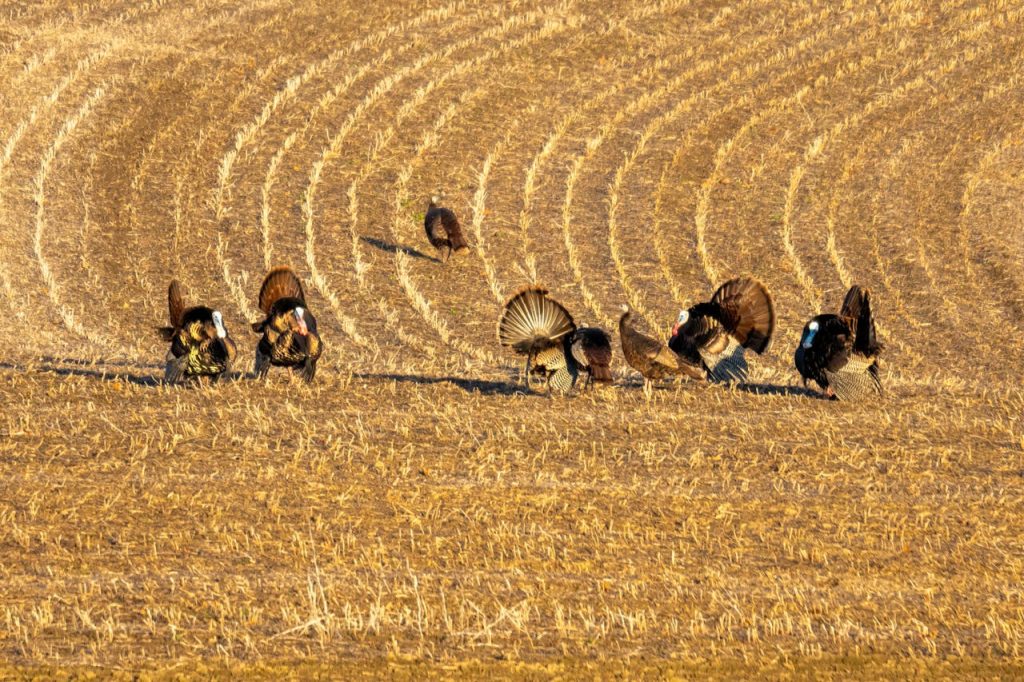
Statewide averages can look steady even when counties diverge in opposite directions. A Tennessee analysis found that annual reproduction varied among subpopulations, and statewide summaries could mask important differences in productivity. Maryland’s survey similarly cautions that local weather and habitat can shape outcomes very differently across regions.
That is a major sign for 2026 forecasting. If one cluster of counties posts strong broods while another stalls, a statewide mean can hide thin future age classes in places that usually carry spring opportunity. Regional spread matters as much as statewide direction.
Male-To-Female Ratios Looked Better, But Observer Effort Fell
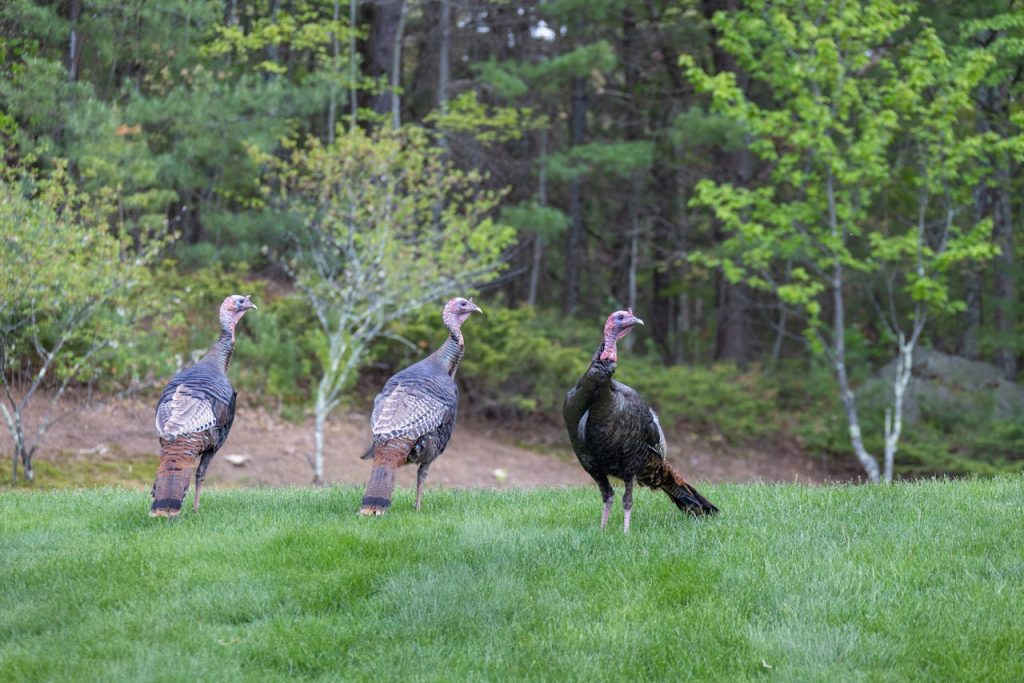
A stronger gobbler-to-hen ratio can look reassuring, but survey mechanics can bend that signal. Maryland reported a jump in statewide gobbler-to-hen ratio while also showing participant counts dropped from 7,930 in 2024 to 4,512 in 2025. Fewer observers, changed routes, and uneven effort can shift what gets recorded, even under careful protocols.
Missouri and federal guidance both emphasize that brood and sighting measures are relative indices. They are useful for comparing trends, not for treating a single ratio as direct population estimate. When effort moves, confidence intervals should move with it before conclusions are made.
Poult Survival Stayed Fragile In The First Month
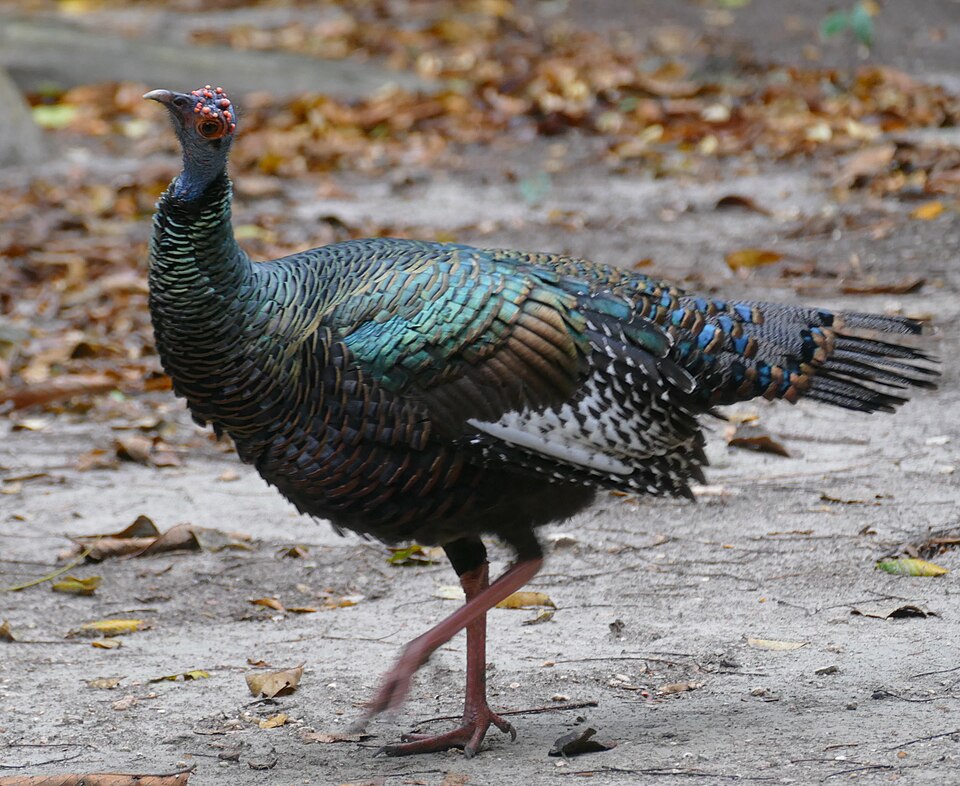
A good hatch count can still shrink quickly because early-life losses are steep. Federal turkey management guidance reports poult mortality is highest in the first 2 weeks post-hatch, with study means at 4 weeks ranging from about 40.4% to 76% across eastern datasets. It also notes predation as the largest mortality source in most studies.
That first month is the demographic choke point. Even when broods are visible in summer, only a portion persists through fall and winter, and that thinning can quietly reduce the number of males available to enter the spring gobbler pool in 2026. That is why summer sighting spikes can mislead.
Nest Timing Did Not Keep Pace With Spring Green-Up
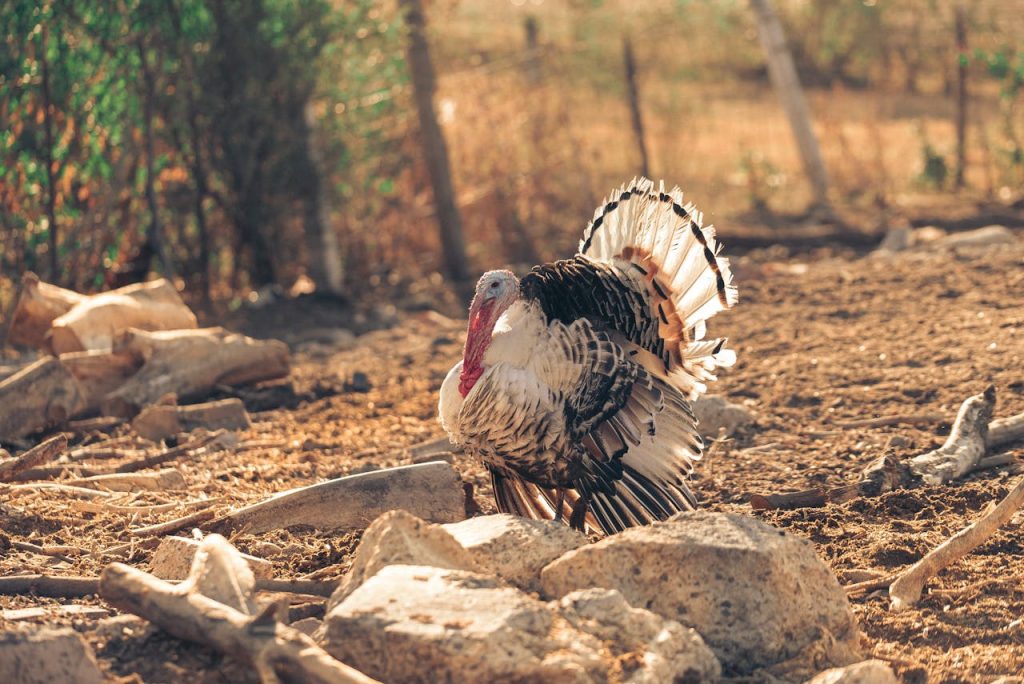
One strong brood year does not remove timing risk in future springs. Climate Change Ecology research found eastern turkey nest initiation was projected to shift by less than 0.1 day by 2040–2060, and nesting phenology did not track spring green-up. The same study flagged mismatch risk between nesting timing and resource availability.
When hatch timing and peak food conditions drift apart, broods can face tighter foraging windows and weaker early development. Even with decent nest initiation, that mismatch can lower carryover into the age classes that drive audible spring gobbling the following year, especially after weather swings.
Management Tweaks Did Not Shift Productivity At Scale
Management changes can help in some contexts, but a single policy shift rarely guarantees more gobblers the next spring. A Tennessee study reported that delaying spring hunting season opening dates did not improve productivity, and it also found annual reproduction varied among populations. That combination points to limits in one-size-fits-all expectations.
In practical terms, a good poult year followed by policy confidence can still disappoint if local habitat, weather exposure, and survival pressures remain unchanged. Forecasts for 2026 are stronger when they treat regulation as one lever inside a bigger system of change.
Habitat Quality Still Limits What A Good Hatch Can Do
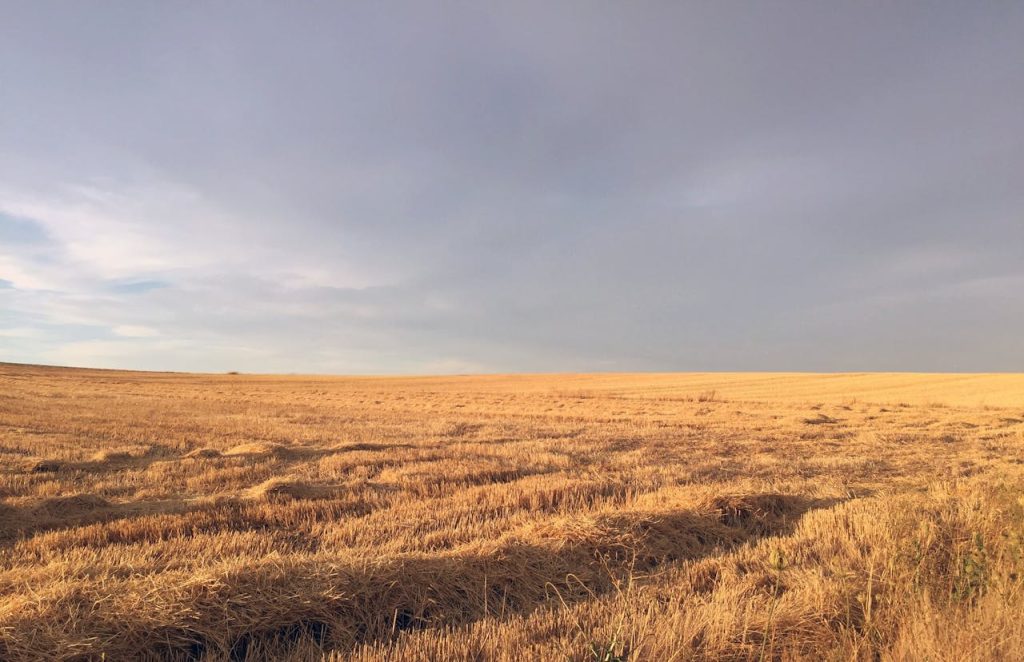
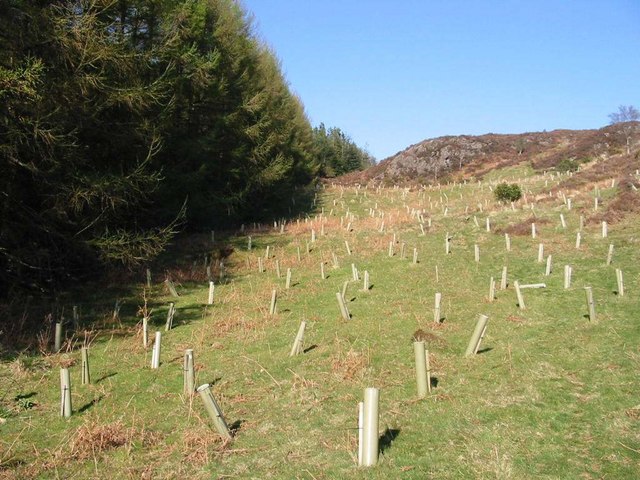
A single productive summer cannot fully offset structural habitat strain. Maryland’s survey notes long-term reproductive decline and warns that local habitat conditions can alter outcomes even when statewide numbers look better. Range-wide research also highlights that weather, predators, habitat, and harvest interact, which makes simple cause-and-effect stories risky.
That is why a good poult year may still underdeliver in 2026 if brood cover, nesting security, and food structure are patchy. Where habitat work stays fragmented, recruitment gains can flatten before they show up as consistent spring gobbling across the landscape.
Good brood years still matter, and they should. They carry hope, field energy, and real biological upside. But the quieter truth is that durable spring abundance is built by compounding survival across seasons, not by one summer peak. Where managers and hunters keep reading the full signal, from hens to habitat to regional variance, expectations stay grounded and decisions stay smarter. That steady approach does not reduce optimism. It protects it.