

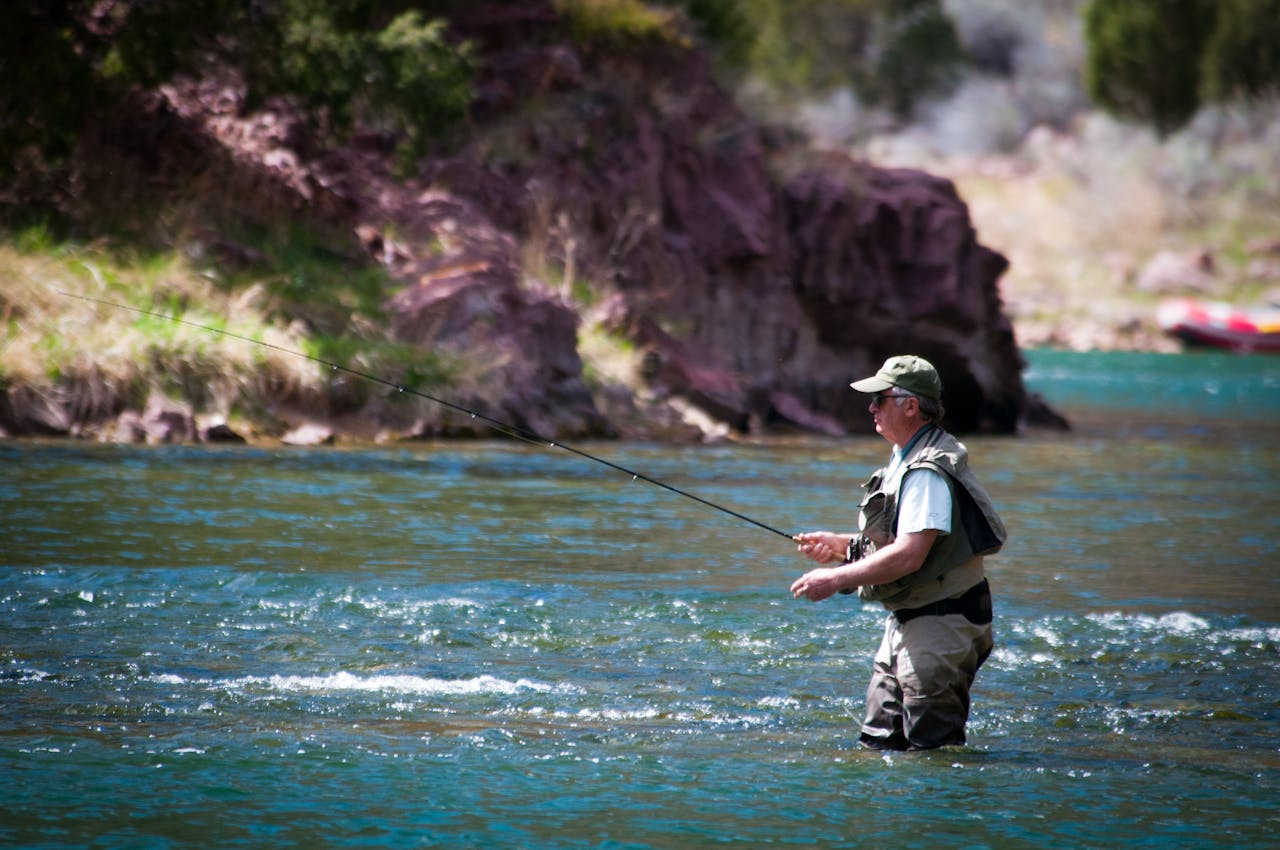
Oregon may soon face one of its most emotional ballot fights in years. Initiative Petition 28, promoted as the PEACE Act, is nearing the verified signatures needed by July 2 to reach the Nov. ballot. Supporters say it would remove cruelty exemptions so protections reach wild animals, livestock, and research animals, not only pets. Opponents warn the wording could effectively end hunting and fishing statewide and unsettle rural economies. In a state where salmon runs and rangelands shape family routines, the question lands close to home, too. If it qualifies, voters decide in November, and the fallout could last for years.
Signature Count And July 2 Deadline
Organizers say supporters have gathered about 105,000 signatures toward the 117,713 verified signatures required by July 2 to reach the fall ballot. That verified word matters, since campaigns usually lose some signatures during checks, and every page has to be tracked.
Michelson has said the goal is to make Oregon the first state to vote on something like this. The push has turned farmers markets and street corners into a referendum before the referendum. People are not only signing or refusing. They are arguing about what Oregon should protect, and what it should permit. Either way, the deadline is now the story in many towns.
What The PEACE Act Says
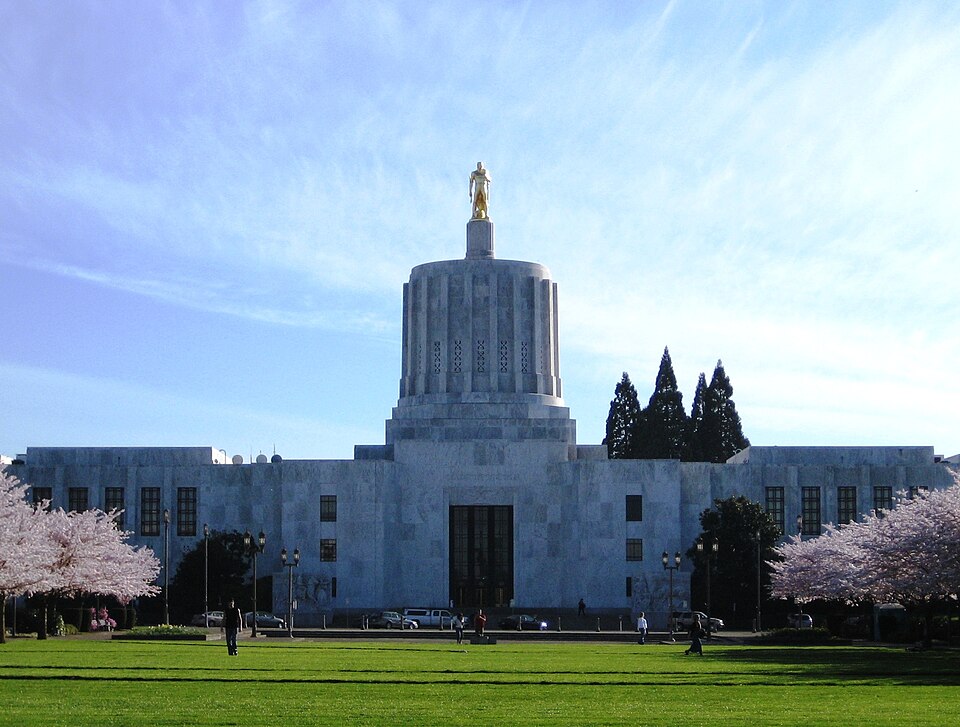
Supporters call the proposal the PEACE Act, short for People for the Elimination of Animal Cruelty Exemptions. Coverage says it would extend protections that now focus on pets to wild animals, livestock, and animals used in research. The petition is aimed at exemptions linked to hunting, fishing, and ranching.
Backers frame it as closing loopholes that allow abuse, neglect, and routine harm under legal cover. Critics see a sweeping rewrite that could turn hunting, fishing, and standard ranch work into criminal risk, even when permits and existing rules are followed. If it reaches November, voters decide which reading wins.
The Measure Leaves Only Narrow Exceptions
Even supporters describe narrow exceptions. Reports say the proposal would still allow veterinarians to treat animals, and it would allow people to kill an animal in self-defense. Outside those lanes, the measure is built to remove familiar legal cover.
Those carve-outs sound simple, but they leave a big middle. What counts as humane dispatch of an injured animal, or necessary protection of livestock, can be messy in real life. Opponents argue that turning the issue into a criminal question, not a management one, invites confusion, uneven enforcement, and costly legal fights. Supporters say clear limits are the point.
Hunters Warn The Impact Spreads Beyond Seasons
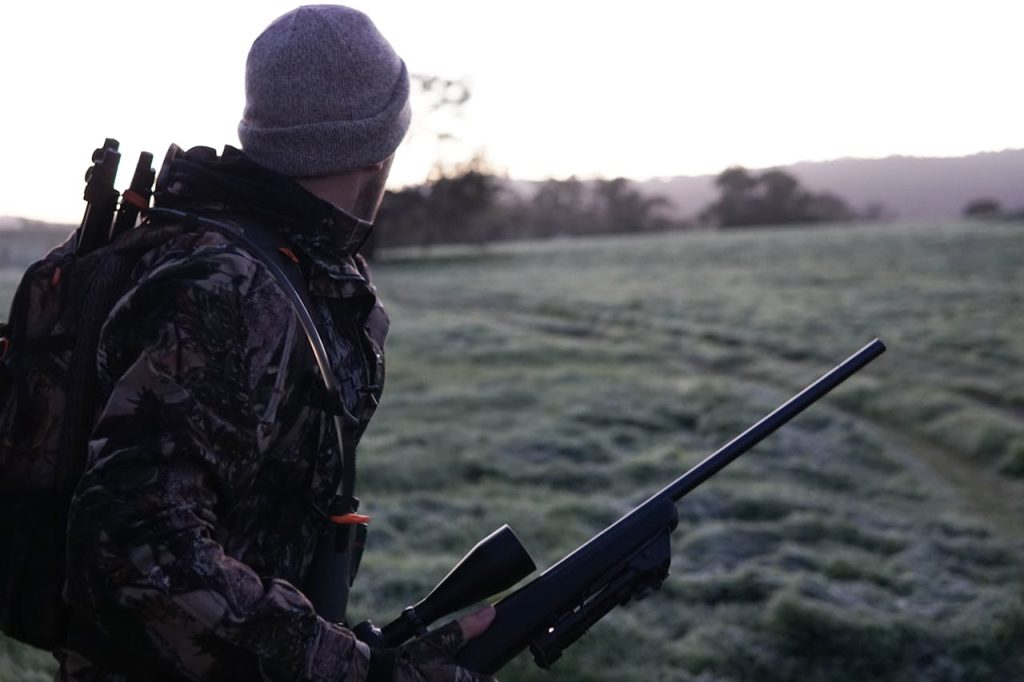
The Oregon Hunters Association has been blunt about what it thinks the proposal does. Amy Patrick told local TV she hopes Oregonians vote no, and she urged both urban and rural voters to read the measure closely. She said the debate reaches into what makes Oregon great, not only personal choices.
Her argument is that Oregon’s wildlife and working lands are tied to more than recreation. She points to jobs, local spending, and the way some families stock food each year. The warning is simple: even people who never buy a tag or cast a line could feel the effects in prices, services, and how wildlife is managed near towns and farms.
Ranching Numbers Put Real Weight On The Debate
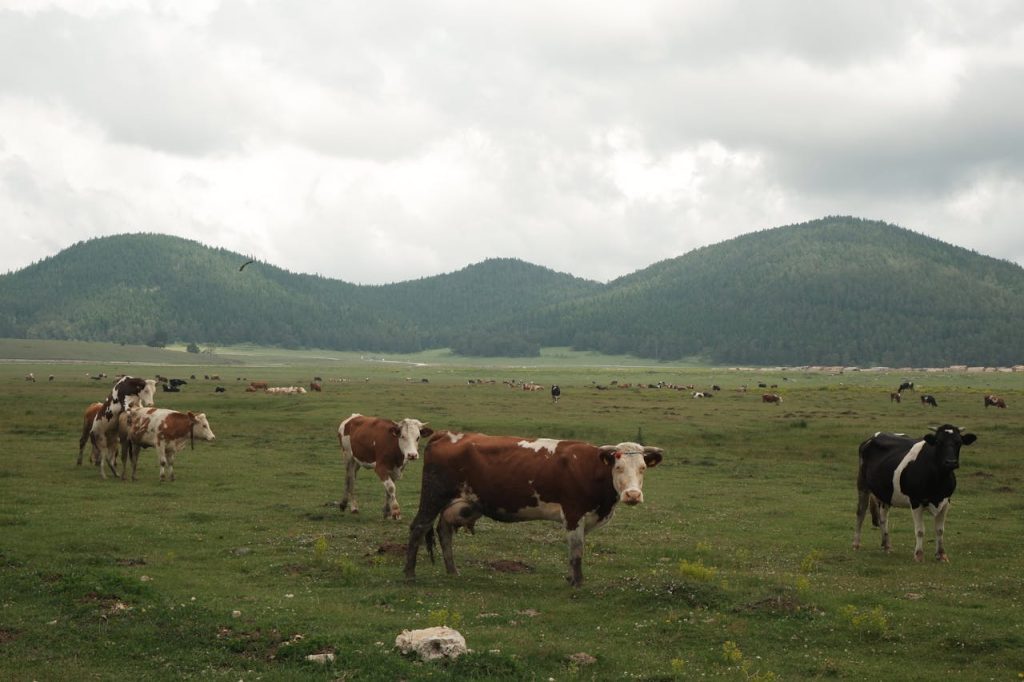
Ranching sits at the center of the opposition argument because it is not a niche industry in Oregon. An Oregon State University report issued in Feb. 2025 said cattle ranching contributes more than $900 million annually to the state’s economy.
OSU also noted that about 15 million acres of rangeland and pastureland are used for grazing, and the state has roughly 11,000 cattle ranches, many in Southern and Eastern Oregon. Critics say a legal shift that treats routine livestock practices as cruelty could destabilize ranch towns already dealing with drought, costs, and long distances to markets. For them, this is not theoretical.
Coastal Towns Fear A Sudden Economic Jolt
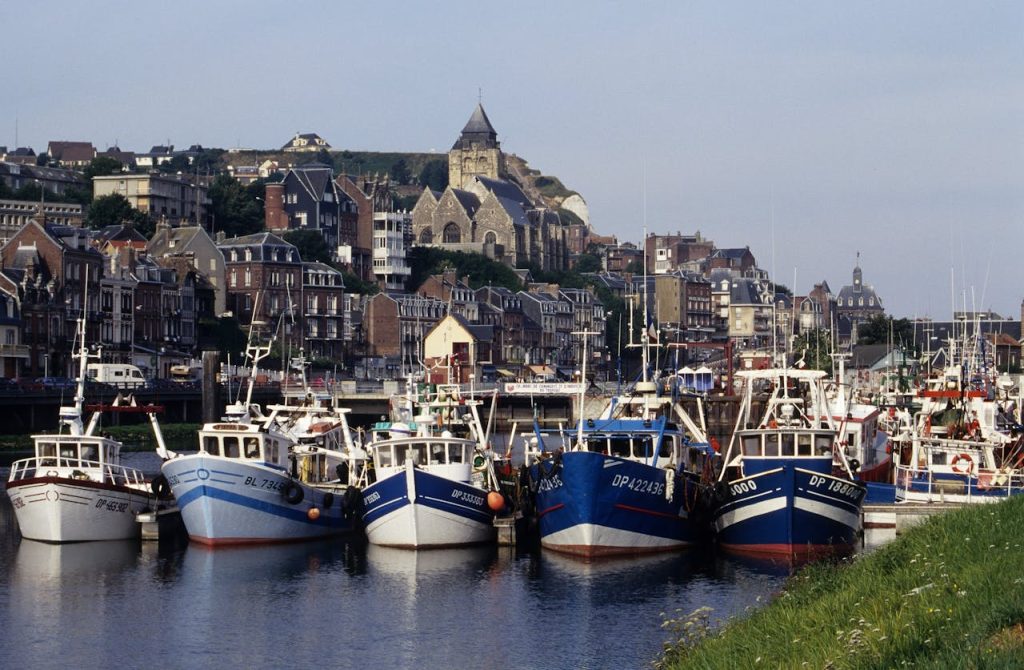
The fishing language is drawing special attention along the coast, where seasonal income can decide whether a small business survives. Opponents say towns that depend on sport and commercial work tied to salmon runs would be hit first, and families plan budgets around openings.
Levi Barrera, a hunters association chapter president, told TV outlets that coastal communities rely heavily on fishing and that the ripple reaches restaurants, lodging, and processors. Supporters argue the state can transition away from current practices, but critics ask what fills the gap when a season disappears and paychecks do, too at once.
Non-Lethal Management Sounds Simple Until It Scales
One of the sharpest questions is what replaces hunting as a population tool if the measure passes. Barrera warned that removing hunting could create an out-of-control effect on animal numbers, with more conflict and more pressure on habitat.
Michelson counters that the proposal would require non-lethal wildlife management. He has pointed to options like introducing sterile males into a population, a method meant to reduce numbers without lethal take. Critics say that kind of program can be slow and expensive across huge landscapes, and they doubt it can scale to Oregon’s real conditions. Who pays and oversees it is unclear.
The Transition Fund Is Meant To Soften The Shock
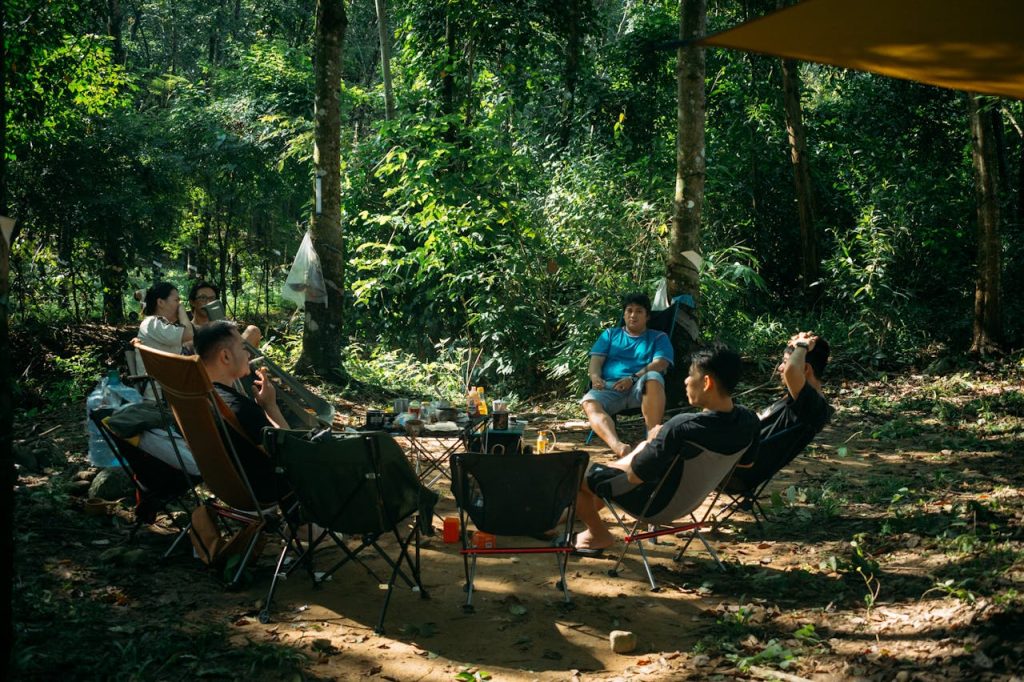
Supporters say the PEACE Act is not blind to the people who rely on hunting to fill a freezer. Michelson told TV outlets the plan includes a transition fund with financial assistance for those who depend on hunting to feed their families.
The promise is a bridge, not a sudden cliff. Still, critics argue a fund cannot replace a way of life or the local networks built around seasons, from gear shops to community fundraisers. Even some voters who want stronger animal welfare laws worry that a statewide ban, paired with a check, could land as both disruptive and temporary. Details on size and eligibility are still hazy for now.
High Beef Prices Turn The Debate Into A Kitchen-Table Issue
The timing also collides with sticker shock at the grocery store. A White House fact sheet cited in reports said the U.S. cattle herd fell to 86.2 million head as of Jan. 2026, with beef cow inventory down 8.6% since 2020.
It also said average ground beef hit $6.69 per pound in Dec. 2025, the highest since tracking began in the 1980s. The same fact sheet described an order allowing an additional 80,000 tons of beef imports from Argentina tariff-free to ease prices. In Oregon, rising costs make arguments about food, ranching, and policy feel immediate, not abstract. That backdrop adds heat to every local claim, on both sides.
If It Reaches November, The Campaign Will Redraw Lines
Michelson has been candid that supporters may not have 50% of Oregonians ready to move away from killing animals right now, but he says the campaign is meant to push the conversation into the open. Opponents hear that and see a test run for a bigger national strategy.
If the petition qualifies, the months before November will be loud, local, and personal. Yard signs will sit beside barns and coffee shops, and neighbors will argue about compassion, tradition, and livelihoods in the same breath. No matter which side wins, Oregon may spend years in court and in policy meetings figuring out what the vote truly changed afterward.
Oregon’s landscape has always held more than one truth at once: wilderness that feels sacred, and working ground that keeps communities standing. This vote would not settle that tension. It would bring it to the surface, and force the state to decide what kind of rules match the Oregon it wants to be.
Leave a Reply