

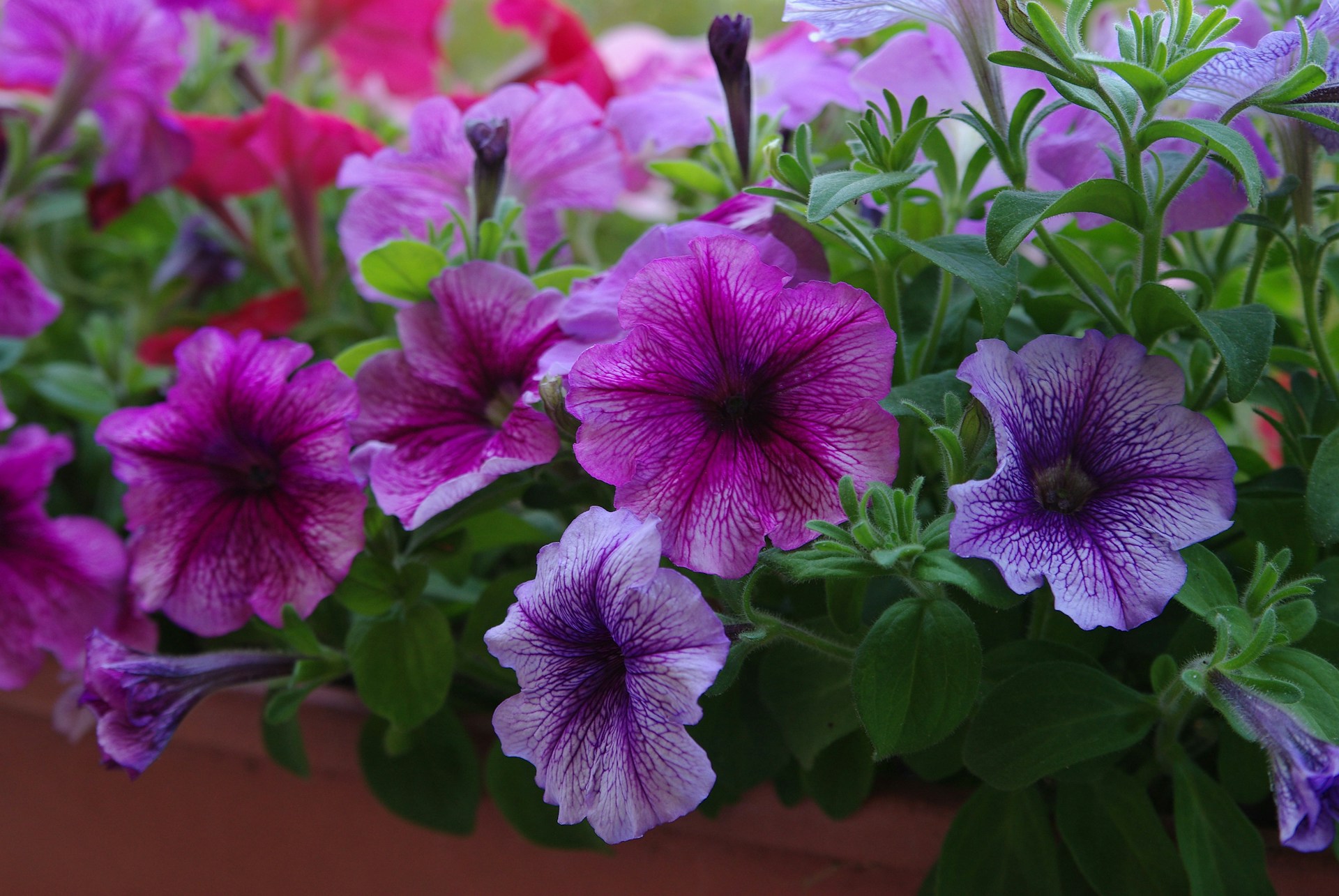
Daylight edges longer even while many yards still feel locked in winter. Seed racks show up early, and February planning keeps spring beds from starting late and staying small all season. Gardeners can call a local extension office to pin down the area’s last frost date, then count back roughly eight weeks for many indoor starts. Under bright lights, steady moisture, and a bit of bottom warmth, seedlings build roots and thicker stems while outdoor soil is still cold. When the first truly workable stretch arrives, plants can step outside with momentum, not hesitation, and early harvests and blooms often follow. Soon.
Snapdragons

Snapdragons reward patience, and February is when that patience starts paying off. They enjoy cool spring weather, yet they take time to germinate and size up, so an indoor start eight to 10 weeks before the last frost date helps blooms arrive before heat shortens the show. Early seedlings also form firmer stems that handle transplanting and light frosts without flopping.
Seeds need light to wake up. They are best pressed gently onto the surface instead of buried, then kept evenly moist under about 16 hours of strong light each day. A heat mat set near 65°F supports steady germination and keeps growth compact rather than lanky.
Petunias
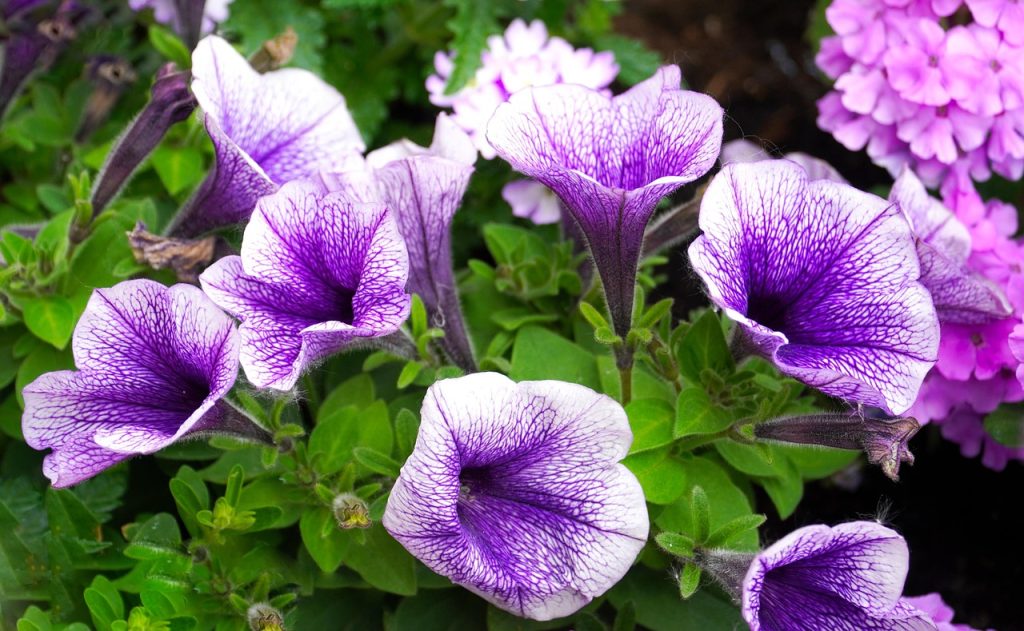
Petunias look effortless spilling from baskets and pots, but they are slow starters. They shine in hanging baskets and window boxes. Because they can take about 10 weeks to reach planting size, sowing indoors in February prevents a late start that can delay spring displays.
The tiny seeds germinate best with light, so they should be pressed onto the mix and left uncovered. Warmth matters, too, with ideal germination around 70 to 85°F, plus steady moisture that never turns soggy. Seedlings should wait to move outdoors until frost risk passes, then harden off by adding a little more outside time each day to ease the transition.
Herbs
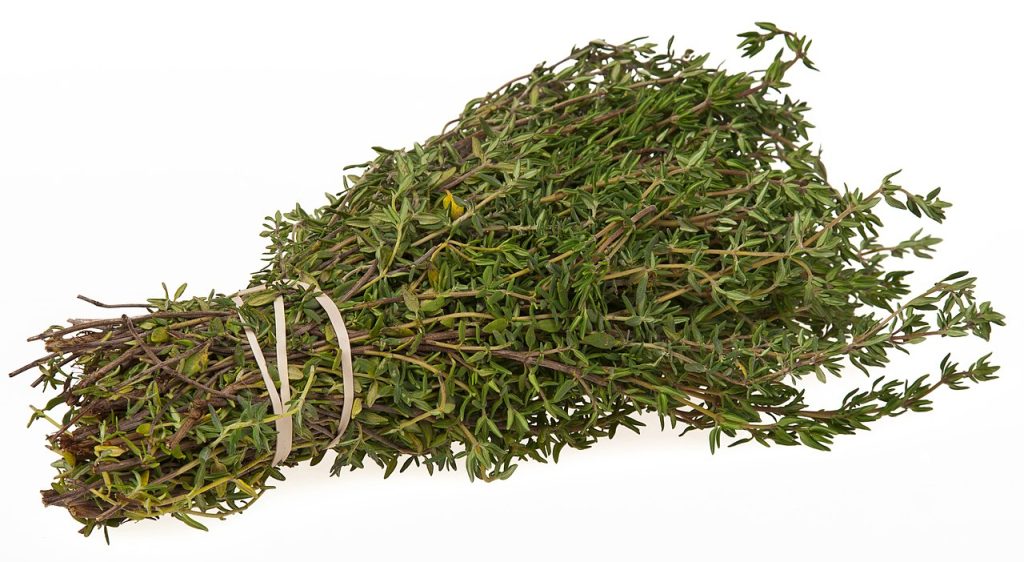
Herbs started in February tend to settle in faster once spring finally softens. Dill, chives, cilantro, rosemary, sage, parsley, oregano, and thyme all benefit from extra indoor time to build roots, which often translates to earlier, steadier cuttings once outdoors.
Short days are the main obstacle, so supplemental light matters. Grow lights can provide 12 to 14 hours daily during early growth, while a gentle heat mat speeds germination on chilly windowsills. Instead of splashing from above, mist the surface to avoid shifting seeds, then switch to bottom watering after sprouts appear. Good air flow helps keep stems sturdy.
Peppers
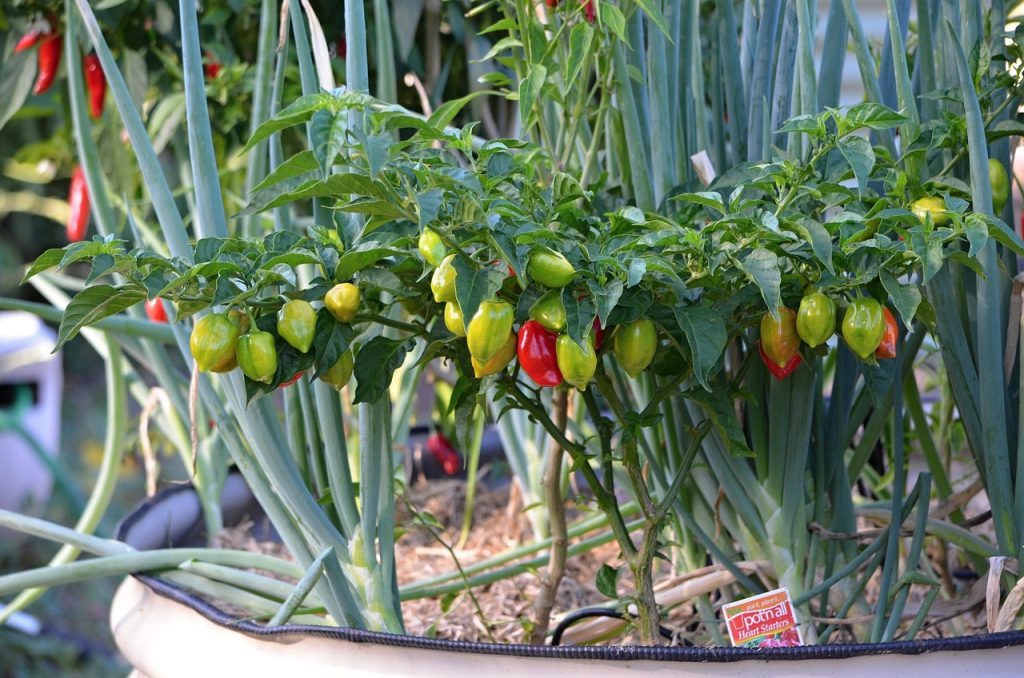
Peppers are a classic February start because many kinds move slowly at the beginning. Some hot types can take up to six weeks just to germinate, and cool indoor conditions can stretch that even longer, wasting prime growing time. An early start also supports earlier flowering once heat arrives.
Starting seeds eight to 10 weeks before the last frost date keeps plants warm and consistent. Keep the mix lightly moist, not drenched, and use a heat mat and grow lights to prevent weak growth. Jalapeño, habanero, pepperoncini, and poblano often benefit from the extra runway, as do sweet options such as California Wonder and Lunchbox.
Brassicas
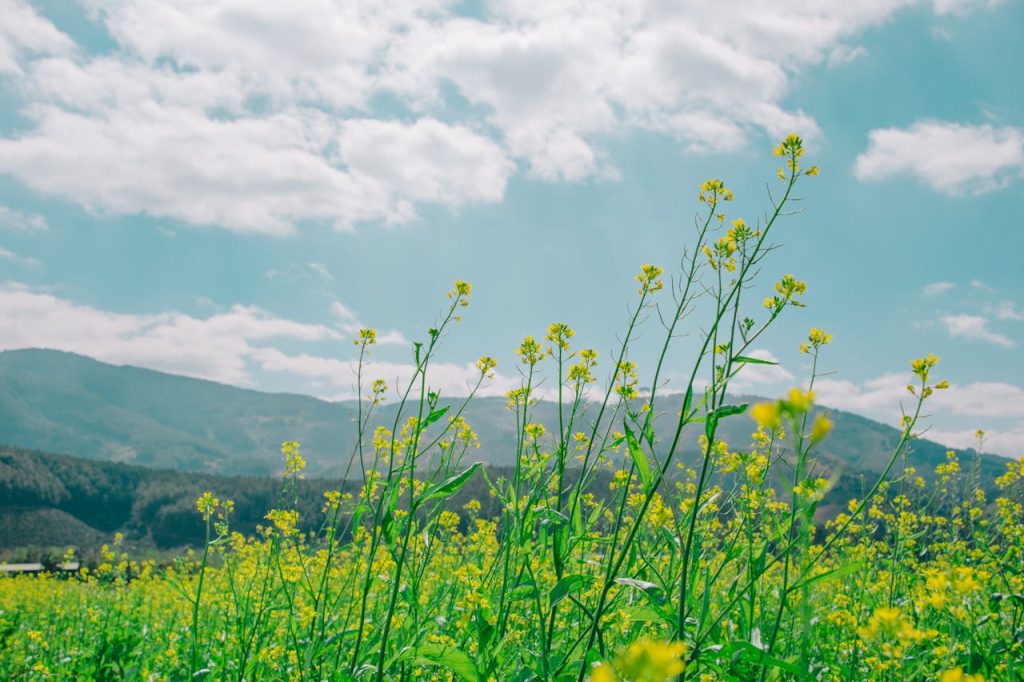
Brassicas thrive in cool weather, so February seed starting lines up with their best season. Broccoli, cauliflower, kale, Brussels sprouts, and cabbage can all be underway indoors while outdoor beds still look bare. That timing often leads to earlier harvests and less stress once summer heat builds.
Because these crops take time to mature, the indoor head start helps plants establish before warmth turns leaves bitter or slows head formation. Strong light is essential to keep stems from stretching, and gentle warmth keeps growth steady. When transplant time comes, compact seedlings usually adapt faster and hold their shape.
Hollyhocks
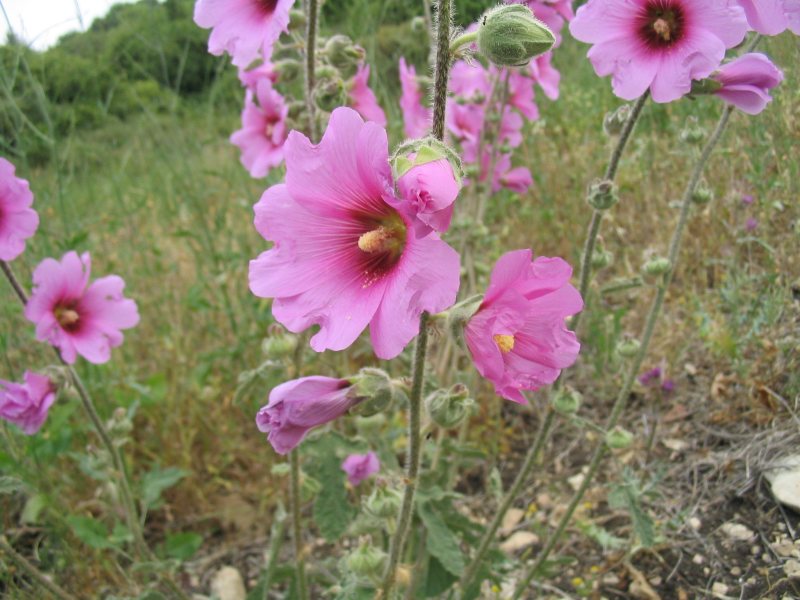
Hollyhocks bring old-fashioned height, with stalks that can reach nearly eight feet and carry wide, saucer-shaped blooms. Starting seeds indoors in February gives the plants more runway to build the roots and crown strength that support that vertical growth once the garden warms.
They prefer plenty of sun later, but the early indoor phase is about careful handling. Biodegradable pots help protect the fragile taproot, reducing disturbance when seedlings move outside. With steady light and even moisture, young plants settle in faster and are less likely to stall after transplanting. That smoother transition can mean more bloom time.