

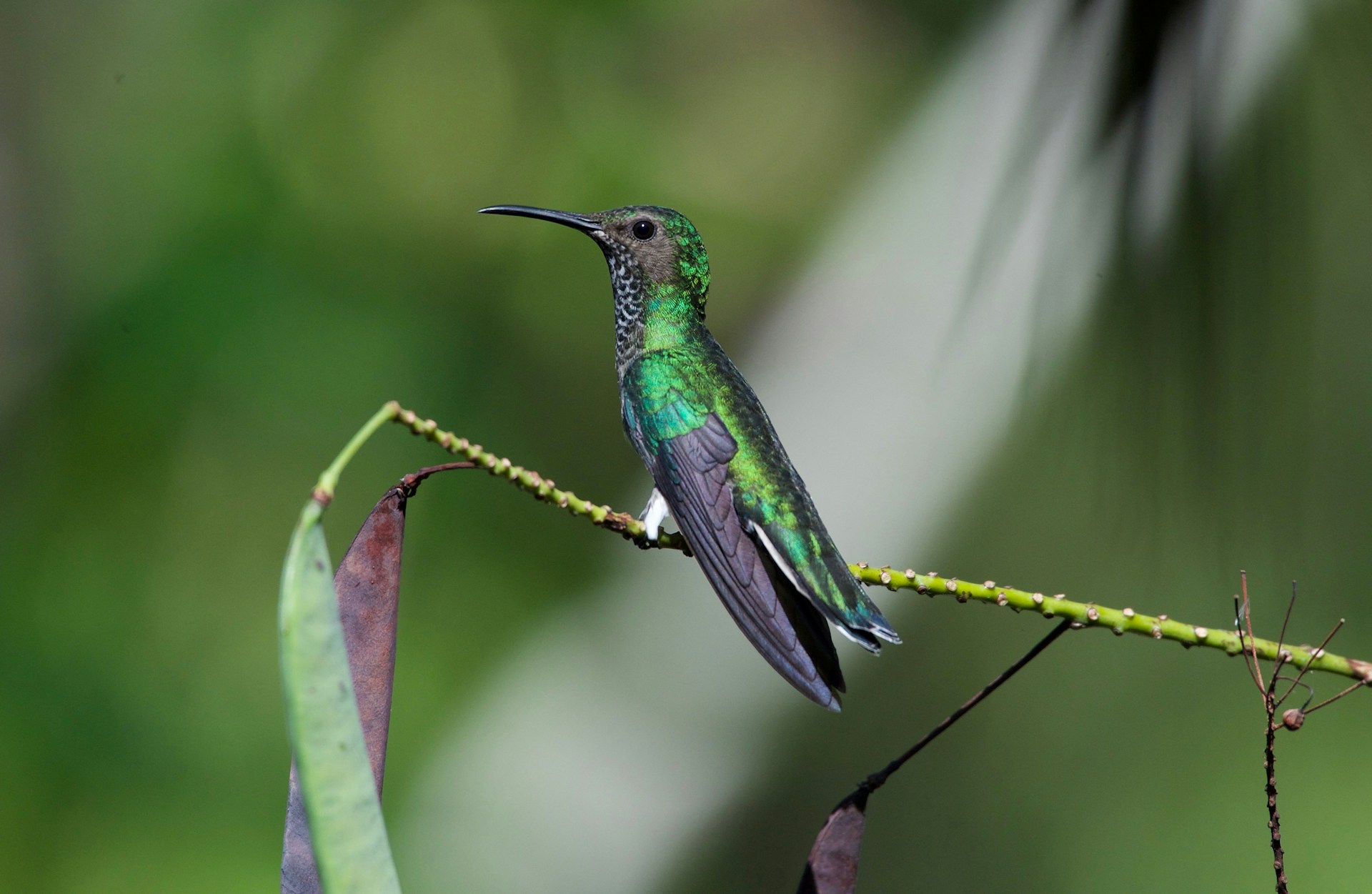
Green birds have a way of stopping a day in its tracks. Their color can flash in full sun, or sit quietly in shade until a turn of the head reveals emerald, olive, or lime. Even a familiar yard can feel alive again when that color appears among leaves.
Across backyards, creeks, brush country, and migration routes, these species carry green in very different ways. Some wear it like camouflage, some like jewelry, and some only reveal it when the light lands right. The appeal is not only color, but how light and habitat change it moment to moment. That range of color and behavior keeps birders watching longer than planned.
Green Jay
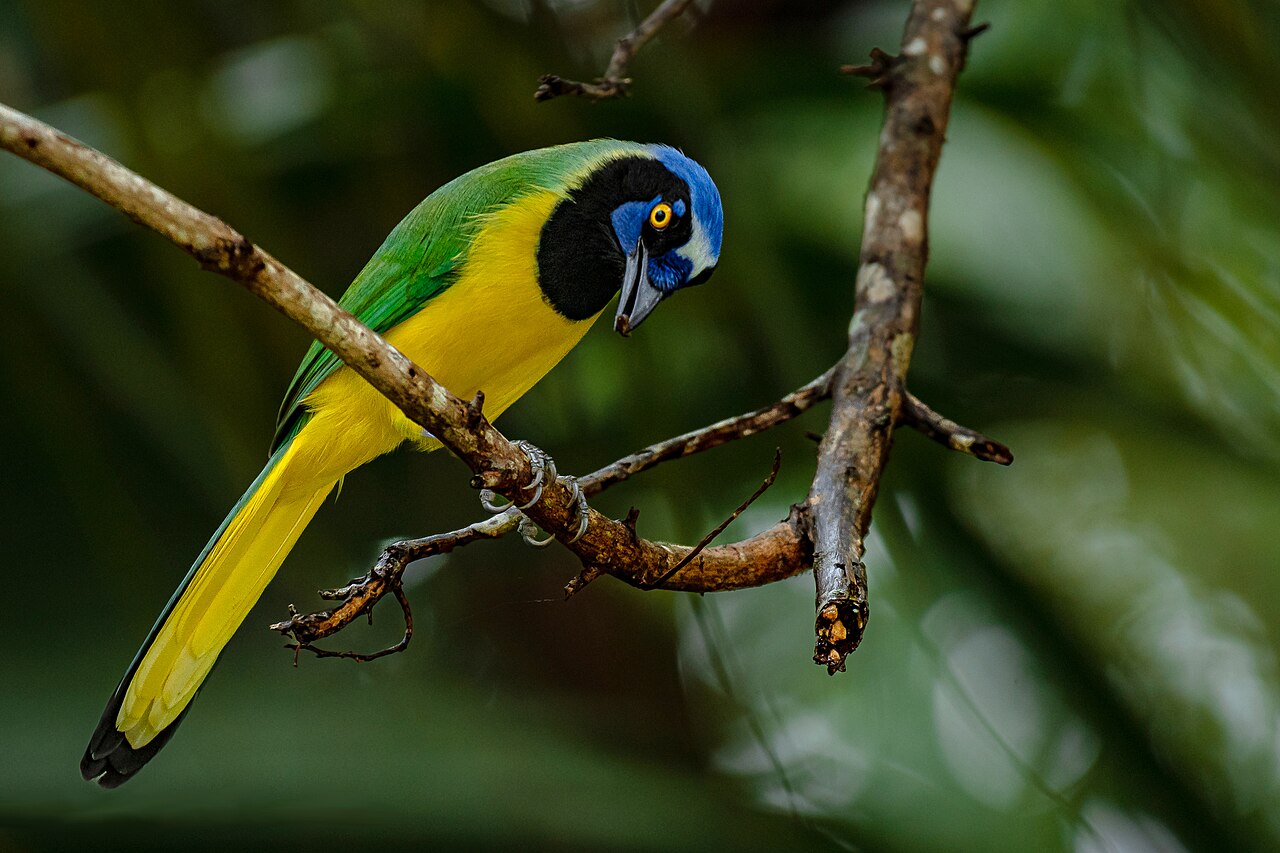
A Green Jay rarely blends in for long. In southern Texas brushlands, its green body, blue crown, and yellow accents give it a tropical look, and its calls can sound loud and varied as family groups move together through cover. Cornell also describes it as a versatile forager, which helps explain the constant motion around a flock.
In the reference photos, one bird was captured mid-catch with a seed near its bill during the Rio Grande birding festival, which fits the species’ busy, opportunistic style. It is the kind of bird that turns a quick sighting into a long watch, because something colorful or noisy is always happening nearby.
Green Heron
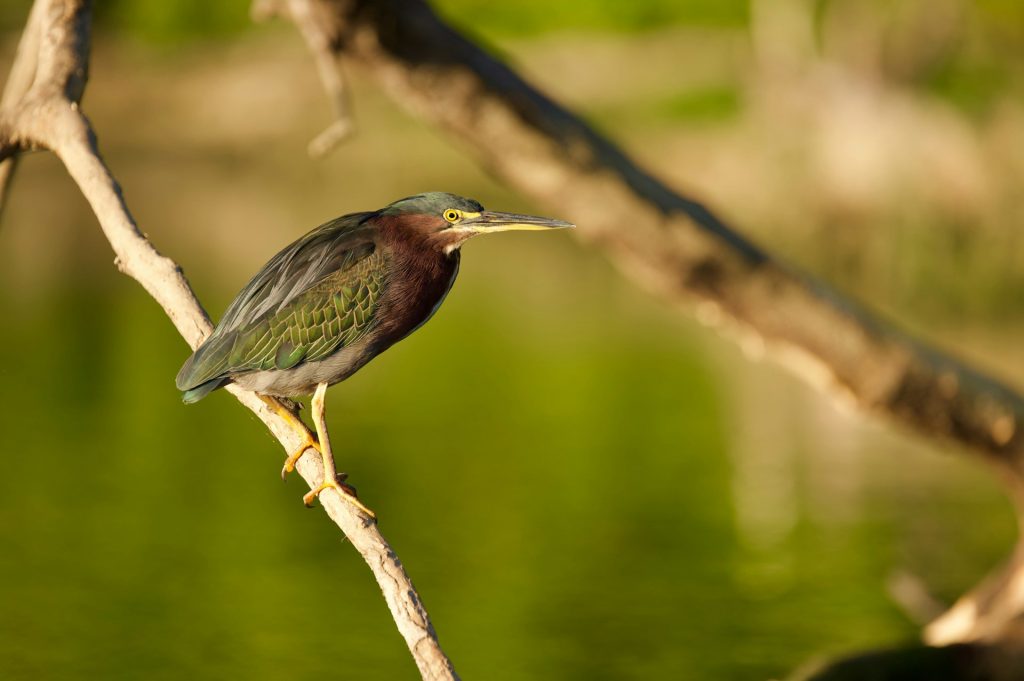
Green Herons often look almost hidden even when they are in plain view. They stay low along pond edges, marshy banks, and brushy waterlines, where their compact shape helps them disappear until they shift position. Cornell describes a small heron with a velvet-green back and chestnut body, a look that becomes richer up close.
Up close, the green on the back and the chestnut tones on the body stand out beautifully, especially when the bird pauses with its neck tucked. The backyard nesting story in the reference text also fits the species well, since green herons use wetlands and nearby tree cover, even in surprisingly local settings.
Anna’s Hummingbird
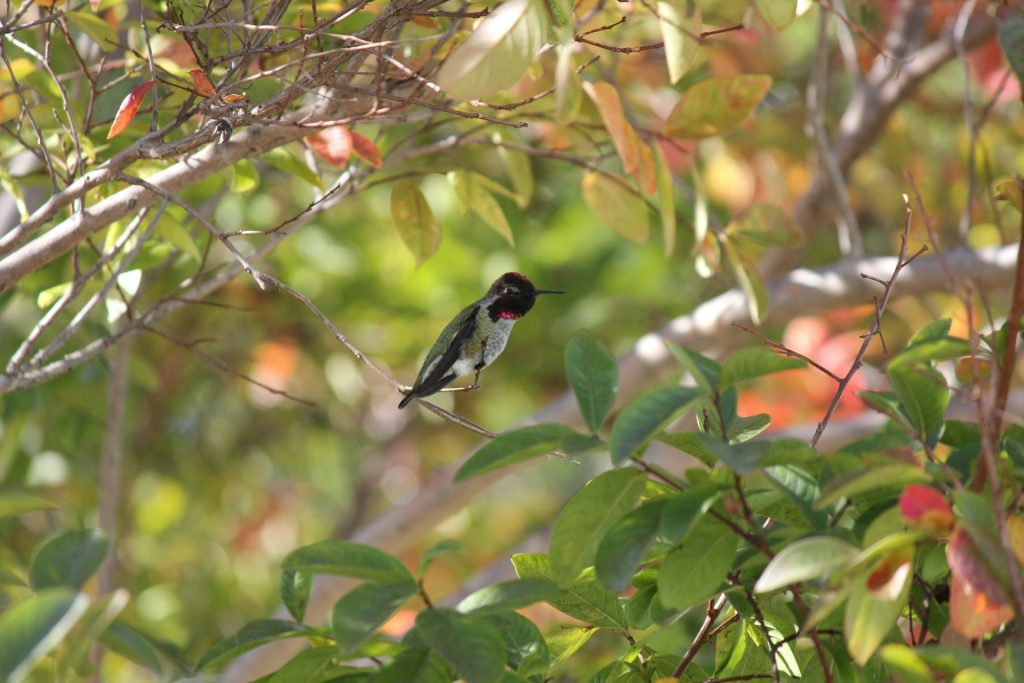
Anna’s Hummingbird seems made for bright afternoon light. Along the Pacific Coast and in parts of the Southwest, it can look plain in shade, then suddenly flash emerald and rose-pink when it turns. Cornell notes the species’ iridescent emerald plumage, which is often the first color noticed before the throat flares.
The reference image of a female on an aloe spike in Arizona fits that shifting look perfectly. Even perched, Anna’s can feel electric, and the green often reads first, especially before the throat catches the sun. A quiet garden moment can turn vivid in a second with this species, especially in dry winter light.
Tennessee Warbler
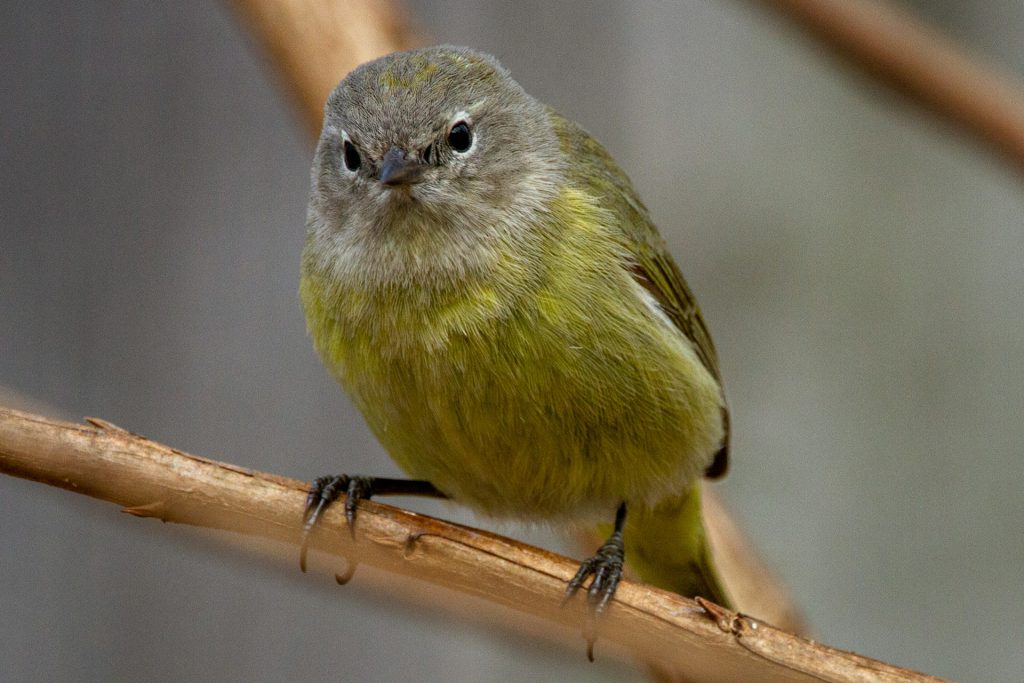
Tennessee Warblers do not have the bold color blocks of many spring favorites, but their green tones are elegant and sharp. Cornell describes breeding males as yellow-green above with a gray cap and pale eyebrow, giving them a neat, crisp look in the canopy. They are small and quick, yet the green shows clearly when one pauses.
They also earn their welcome in gardens and trees by feeding on insects. The reference caption describing one picking sawfly larvae from a river birch matches the species’ active foraging habits during migration and on breeding grounds. It is a useful kind of beauty, with a soft green back and steady motion.
Broad-billed Hummingbird
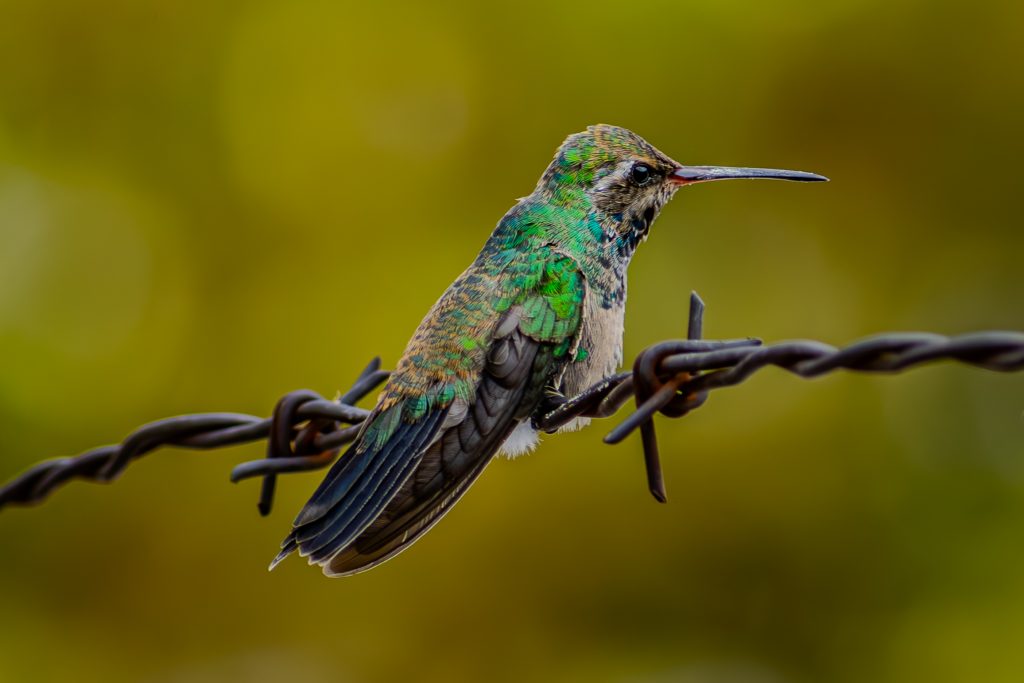
The Broad-billed Hummingbird carries green with extra drama. Males show an emerald body with a vivid blue throat and a bright red bill tipped in black, a combination Cornell highlights because it stands apart from other U.S. hummingbirds. Even a short feeder visit can feel theatrical when bill and throat catch the light together.
Most of the species’ range is in Mexico, but it reaches the southwestern United States during breeding season, especially in canyons and flower-rich gardens. The Arizona yard note in the reference text matches where many people first notice them. The green body can look smooth and jewel-like, even at rest.
Violet-green Swallow
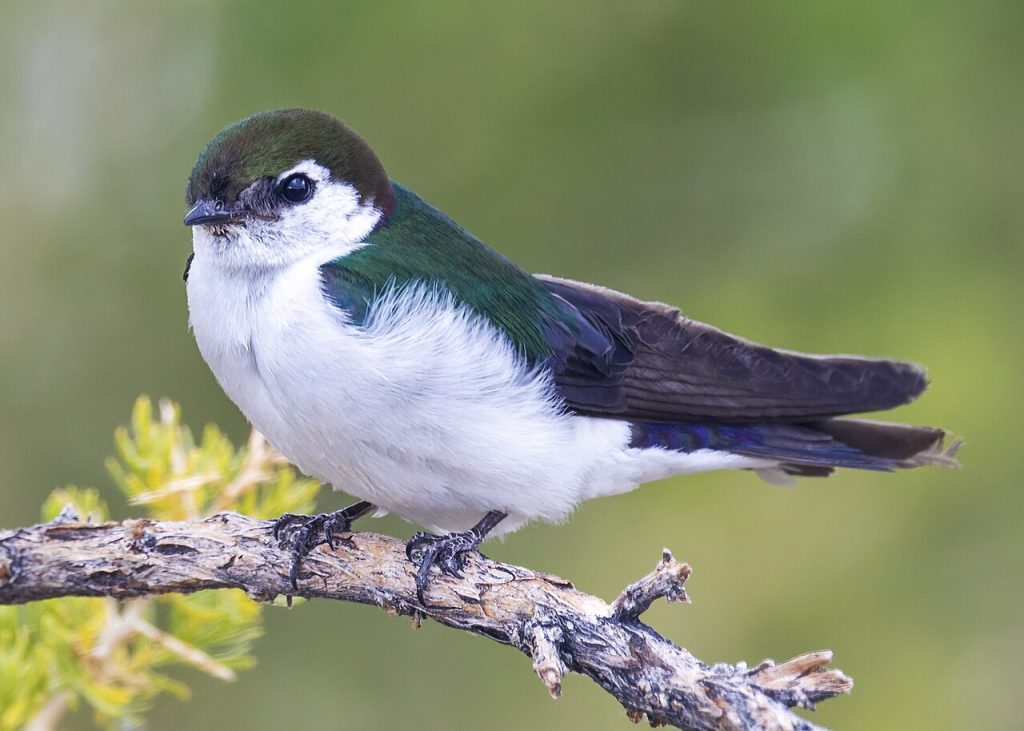
Violet-green Swallows can look dark while they twist through the sky, then suddenly light up when the angle changes. Cornell notes that sunlight brings out their metallic green backs and violet tones, which is why their color often feels like a surprise. In motion they read as speed first, color second, until the sun catches them.
They are common in the West in spring and summer and often forage over open water and fields, taking insects on the wing. The Colorado sighting in the reference text captures the species well: same tree, right light, unforgettable color. A perched swallow in morning sun can feel like a small reward.
Mallard
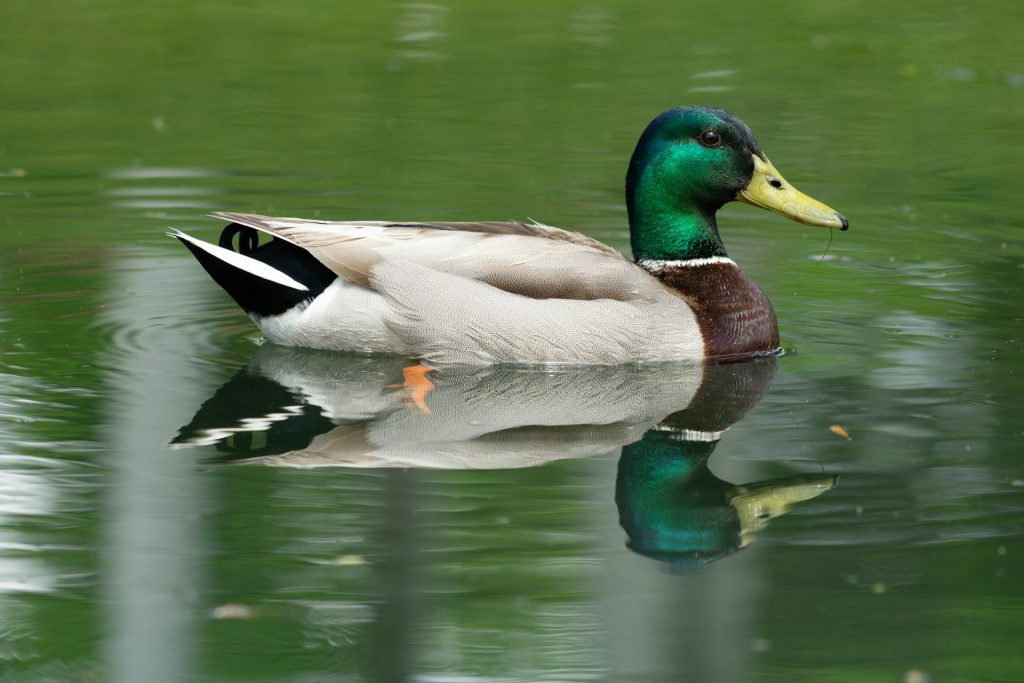
Mallards are so familiar that their color can get overlooked. Yet a male in clean light shows one of the most recognizable green heads in North America, with a polished sheen that looks metallic. Cornell calls the species one of the most familiar ducks, and that everyday presence makes the color easy to miss.
Cornell also notes how widespread mallards are in ponds, parks, wetlands, and estuaries, which explains why these green flashes show up in ordinary places. The reference creek-and-waterfall scene feels true to form for a bird that thrives around people and water. Even common birds can still deliver a perfect color moment.
Painted Bunting
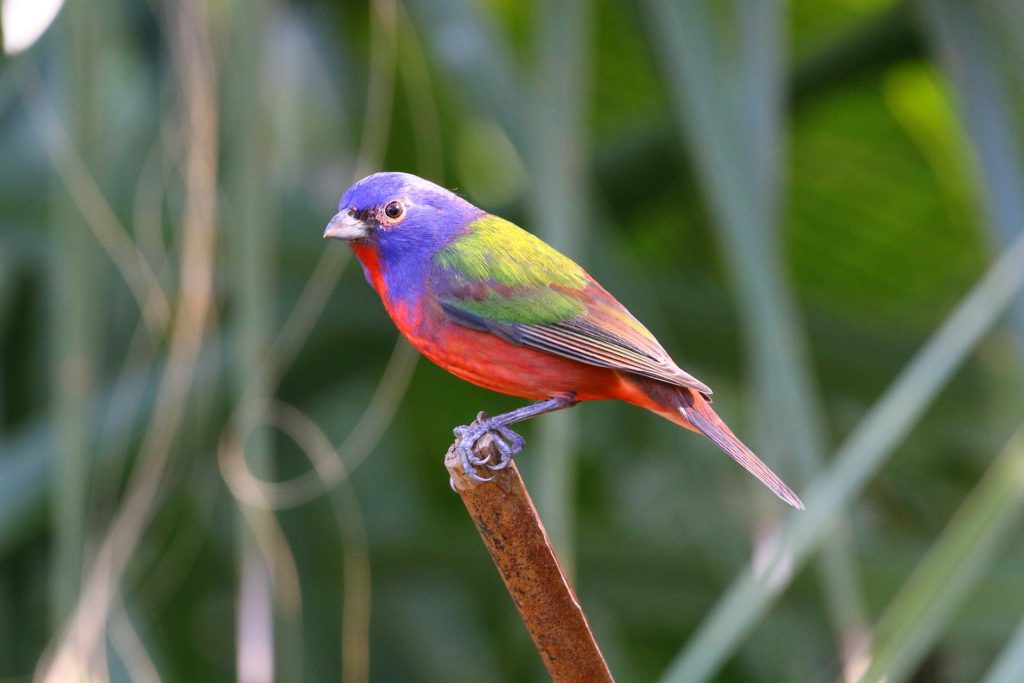
Painted Buntings bring a different kind of green, and sometimes a brighter one than expected. Adult males wear a green back alongside blue and red, while females and immature birds are vivid yellow-green, as Cornell notes. The body is compact, and the color does all the talking once a bird steps into view.
They breed in the coastal Southeast and the south-central United States, and they often appear in yards with seed and cover. The Orangeburg workplace feeder story in the reference text fits the species well, with regular visits and instant attention from anyone nearby. Few birds make a small courtyard feel as alive as this one.
Ruby-crowned Kinglet
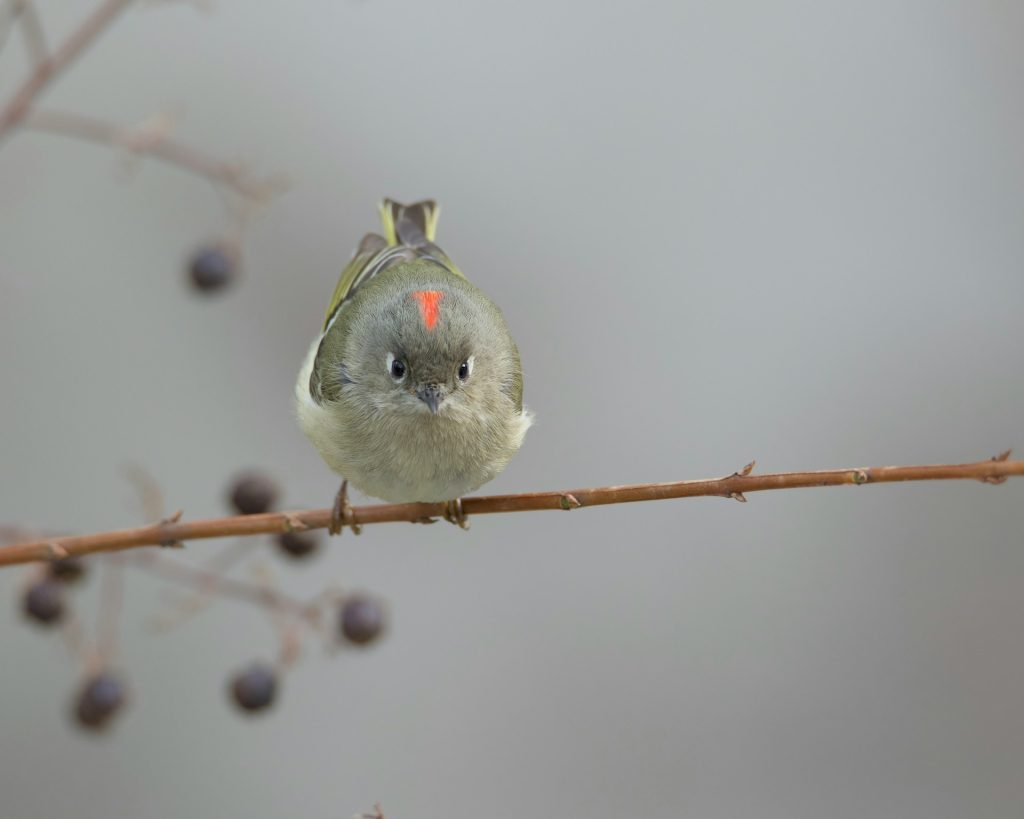
Ruby-crowned Kinglets are tiny, restless birds, and their green can be easy to miss at first. Cornell describes them as olive-green with a strong white eyering and wingbars, and that contrast often gives them away before the crown does. They flick through branches with nervous energy, then pause just long enough for a look.
The red crown patch on males is usually hidden, which makes the green body and constant motion the real field marks in many sightings. The reference caption describing a rare pause in autumn light captures how fleeting a clean photo can be. A kinglet’s green is subtle, but it lingers after the bird is gone.
Red-eyed Vireo
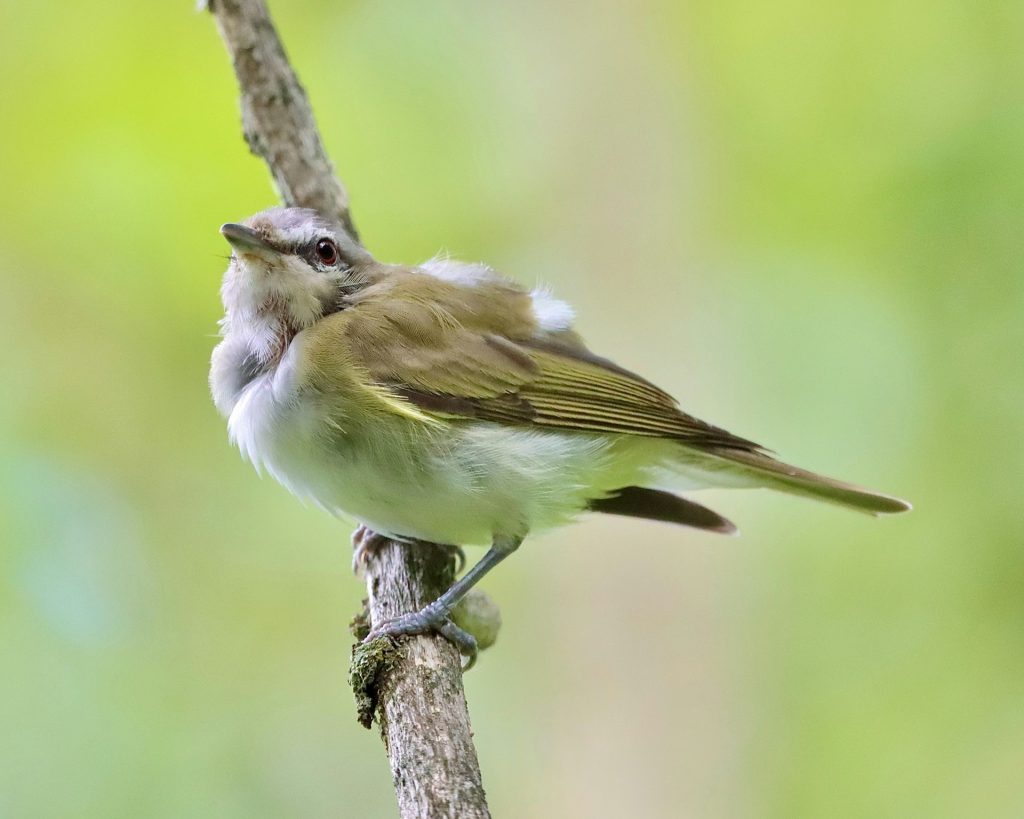
Red-eyed Vireos are not flashy birds, but they are excellent green birds to learn by sound and patience. Cornell describes them as olive-green and white with a crisp head pattern, and also calls them tireless songsters of eastern summer woods. That steady voice often reveals the bird long before the leaves part for a view.
The reference note about searching for weeks before getting a few quick shots feels true to the species. Red-eyed vireos stay active high in the canopy, often feeding on insects while singing between moves. When one finally steps into open light, the soft green back and clean lines look remarkably calm.
Green Kingfisher
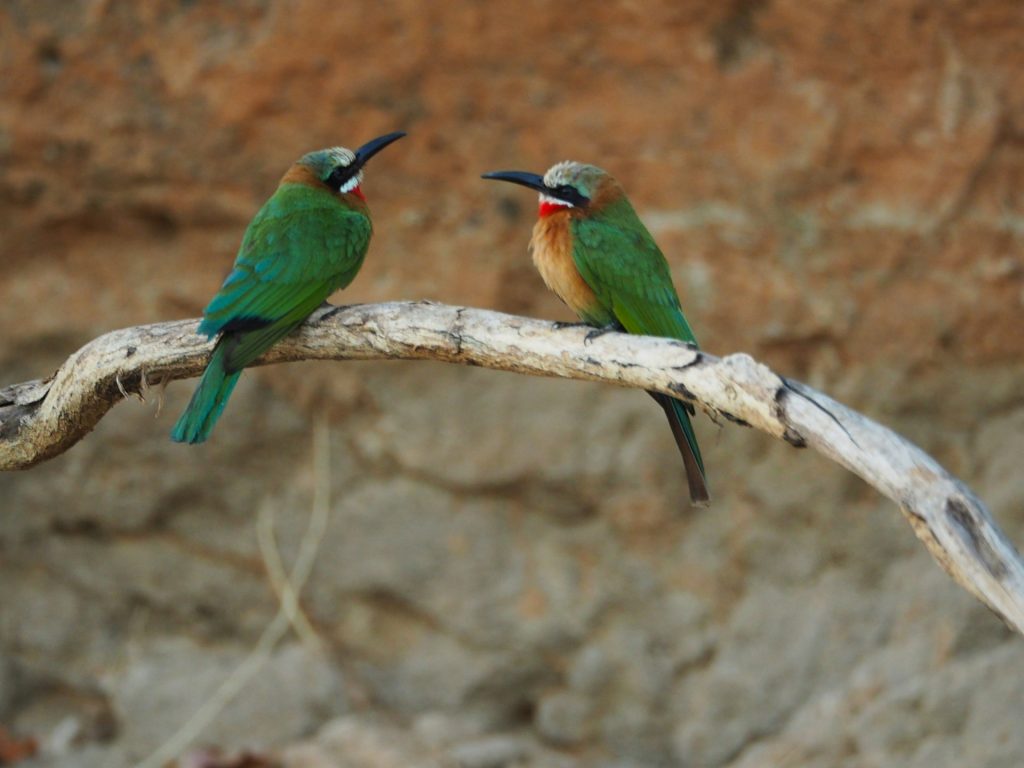
The Green Kingfisher looks almost unreal when sunlight reaches it. Cornell describes a small green-and-white kingfisher that sparkles like an emerald, but it is easy to overlook along shaded streams where it hunts for fish. Its large bill, low perches, and quick flights make it feel compact and fast, more dart than display.
Cornell notes that it barely reaches the United States in southern Arizona and Texas, then ranges south through Central and South America. That borderland range helps explain why each sighting feels special for many U.S. birders. It is a green bird that appears suddenly, then vanishes downstream just as quickly.