

Elephants are often described as unstoppable, and the reputation makes sense. They are massive, intelligent, deeply social animals that protect calves, remember routes, and move through forests, grasslands, and dry country with a kind of steady authority that feels almost untouchable.
But the wild is never built around one winner. Predators, rival bulls, parasites, and human pressure all reveal the same truth at different scales: even the largest land mammal can be brought to the edge when timing, weakness, and circumstance line up against it. That tension is still part of what makes elephant survival so remarkable.
Lions
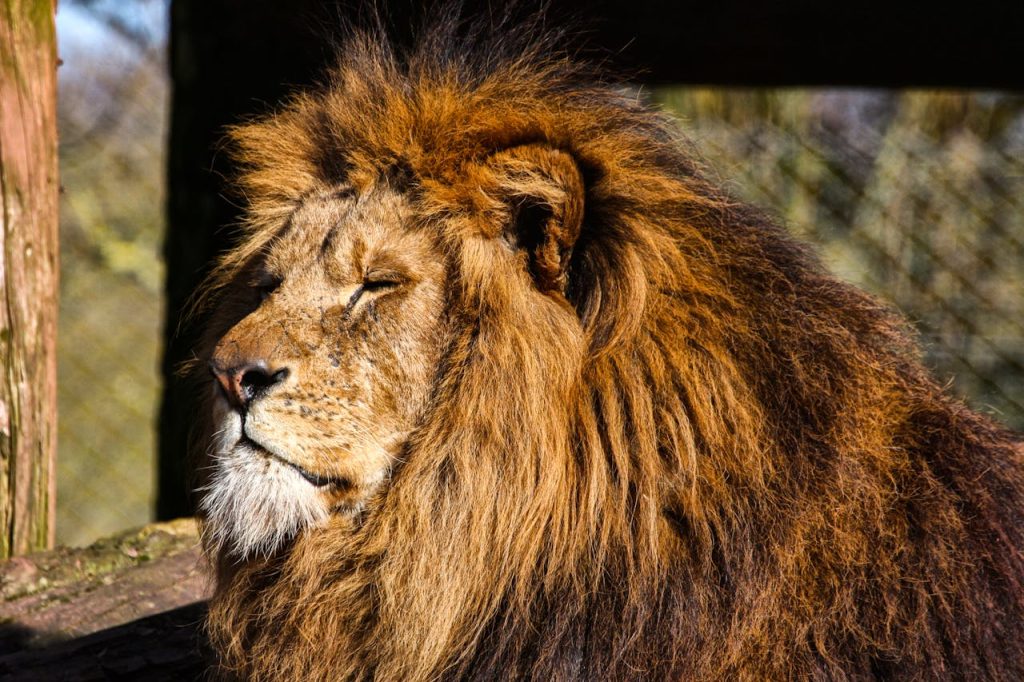
Lions are the best known natural predators capable of bringing down elephants, but they usually do it under specific conditions. They tend to target calves, juveniles, or weakened animals, and success depends on teamwork, timing, and a herd moment that briefly breaks apart.
In Botswana’s Savuti system, researchers documented prides switching to elephant hunting in the dry season when usual prey thinned out. It was not routine everywhere, but it showed how quickly a coordinated pride can become a serious threat when conditions shift. When drought, darkness, and herd stress overlap, even a giant can be pressured by numbers.
Tigers
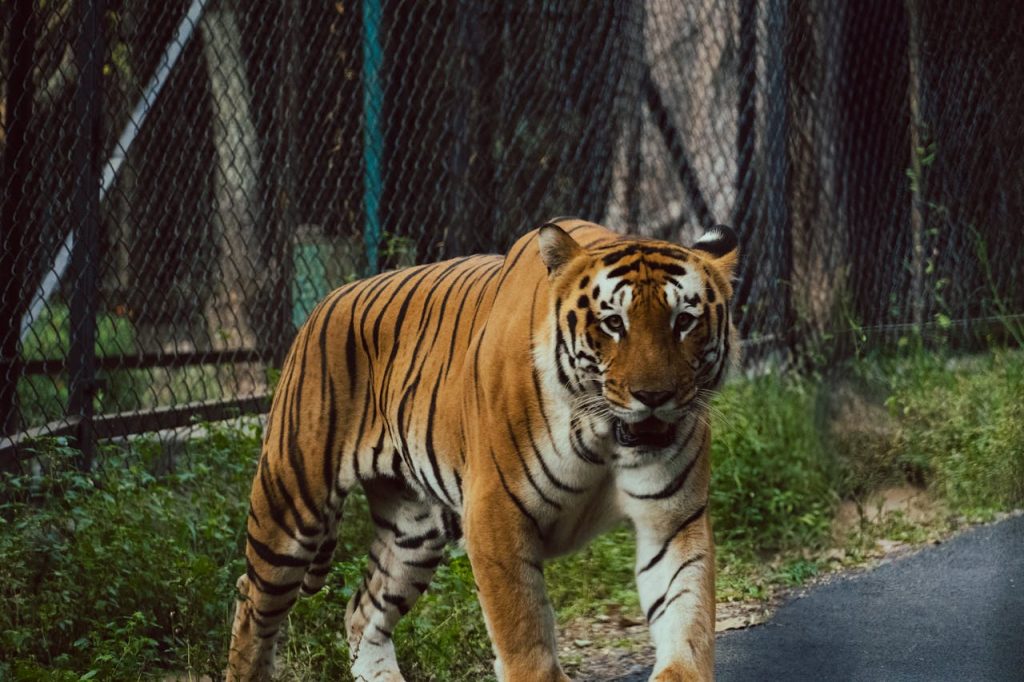
Tigers do not hunt in groups, so any clash with an elephant depends on stealth and a clear advantage. In Asian forests, they are known to target calves and other vulnerable individuals, using cover, patience, and a sudden burst of force rather than prolonged pursuit.
That matters because elephants share habitat with a predator built for ambush. Even when elephants remain the larger animal by far, a separated calf in dense vegetation can become exposed in seconds, especially where visibility is low and the herd is stretched out. A tiger does not need a fair fight, only one clean opening. In thick cover, that is often enough.
Nile Crocodiles
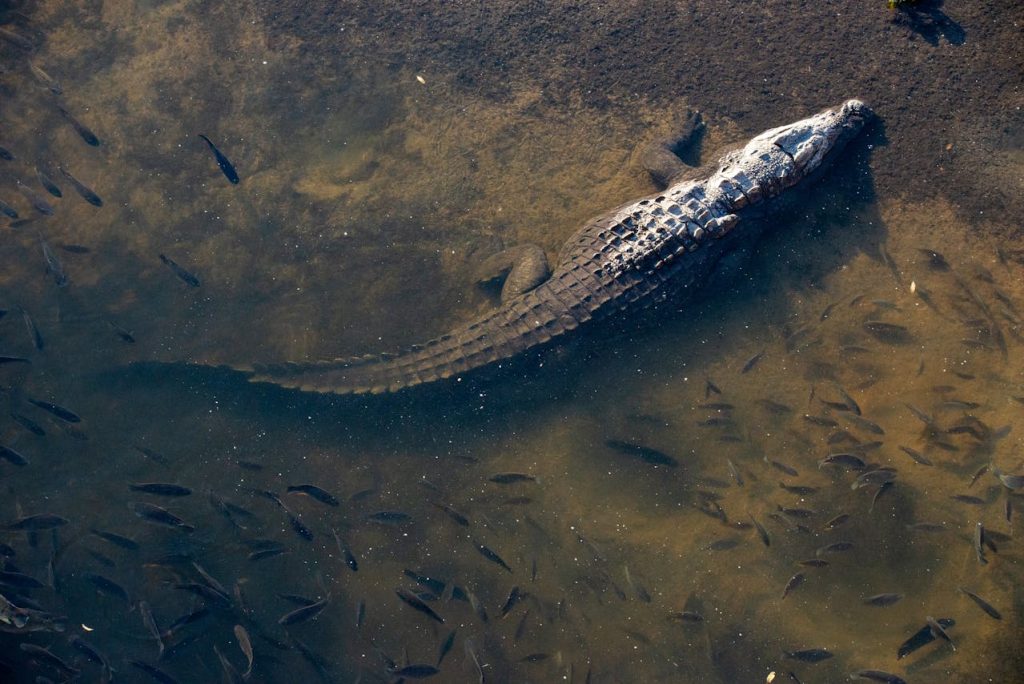
At riverbanks, size stops being the whole story. Nile crocodiles are ambush specialists, and they can create real danger when elephants cross, drink, or help calves through muddy edges where footing is poor and a quick grab can trigger panic.
Adults often pull free, but calves are far more vulnerable near water. Wildlife footage and field reporting have shown crocodiles latching onto soft tissue and trying to drag or destabilize young elephants, which can turn a routine crossing into a fatal encounter if the herd cannot respond quickly. The waterline changes the odds. Mud, depth, and panic matter as much as teeth in those seconds.
Spotted Hyenas
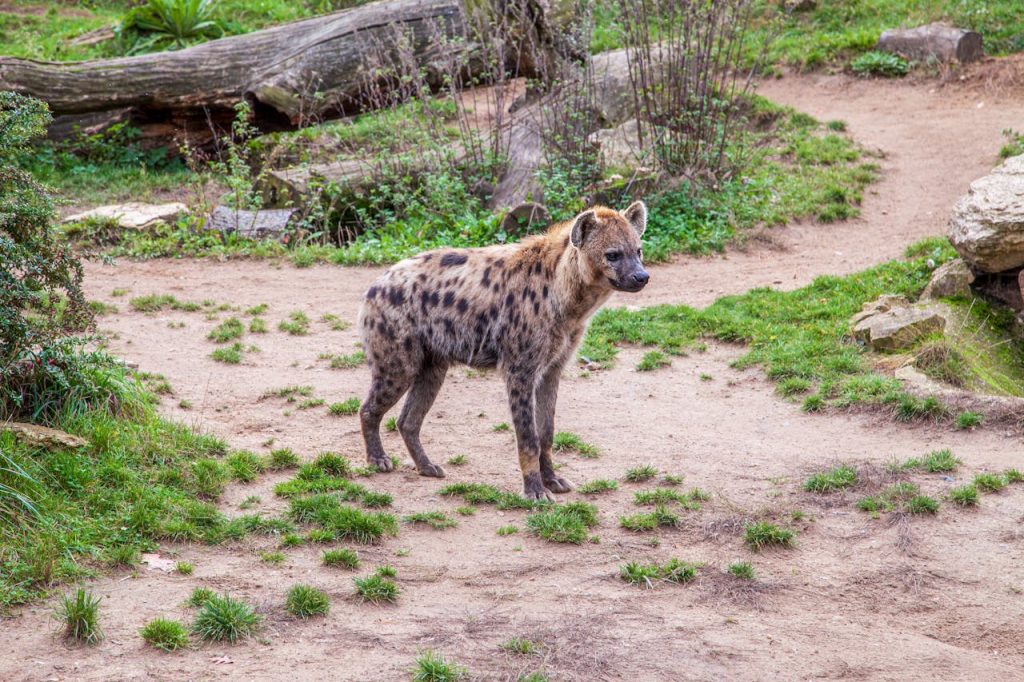
Spotted hyenas are usually described as opportunists, and that is exactly why they can be dangerous to elephants. They are far more likely to target calves, newborns, or compromised animals than a strong adult in open ground, but they are skilled at reading weakness and testing the edges of a group.
In areas where elephants bunch at water or move at night, hyenas may pressure the herd and wait for a mistake. Studies and field observations note their attacks on elephant calves, especially when confusion, darkness, or separation gives them a narrow opening. They do not need brute size if timing and numbers do the work for them.
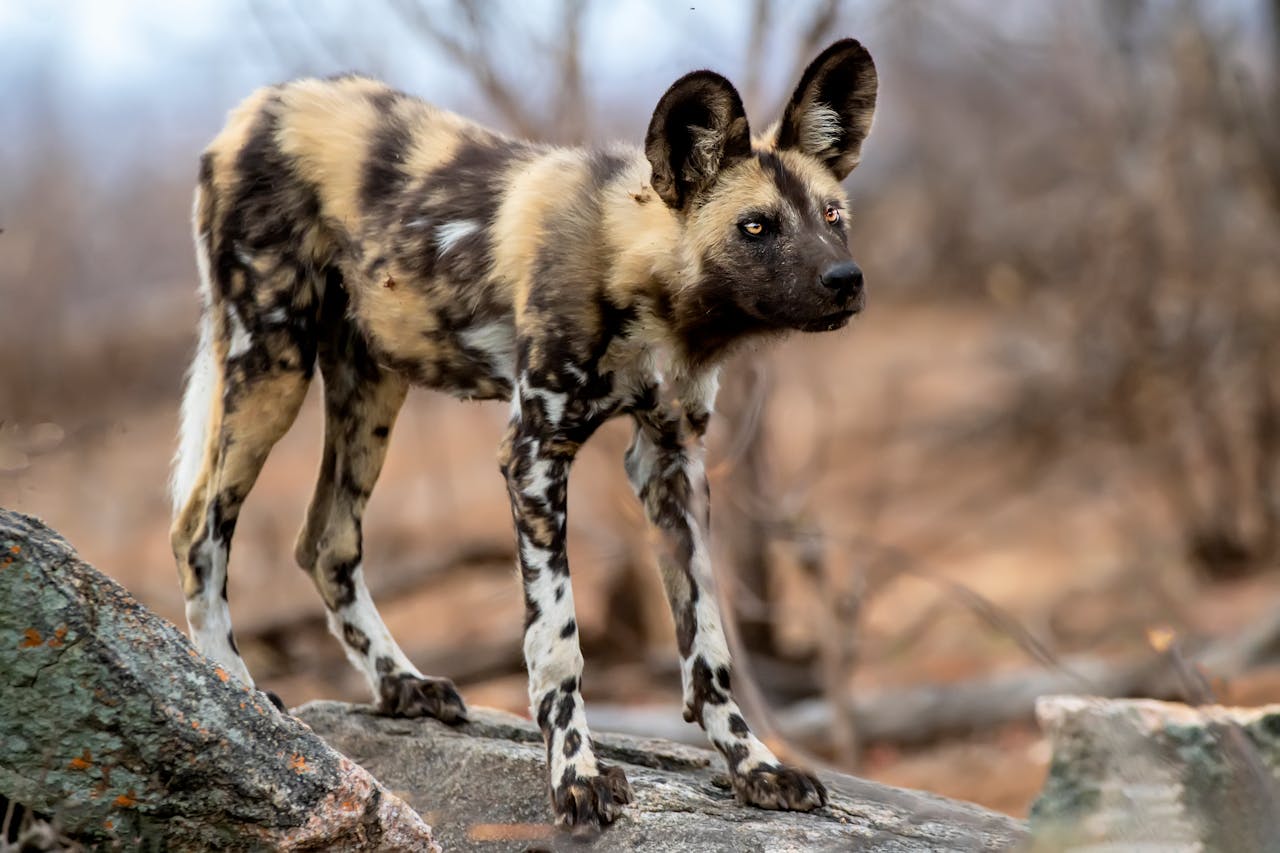
African Wild Dogs
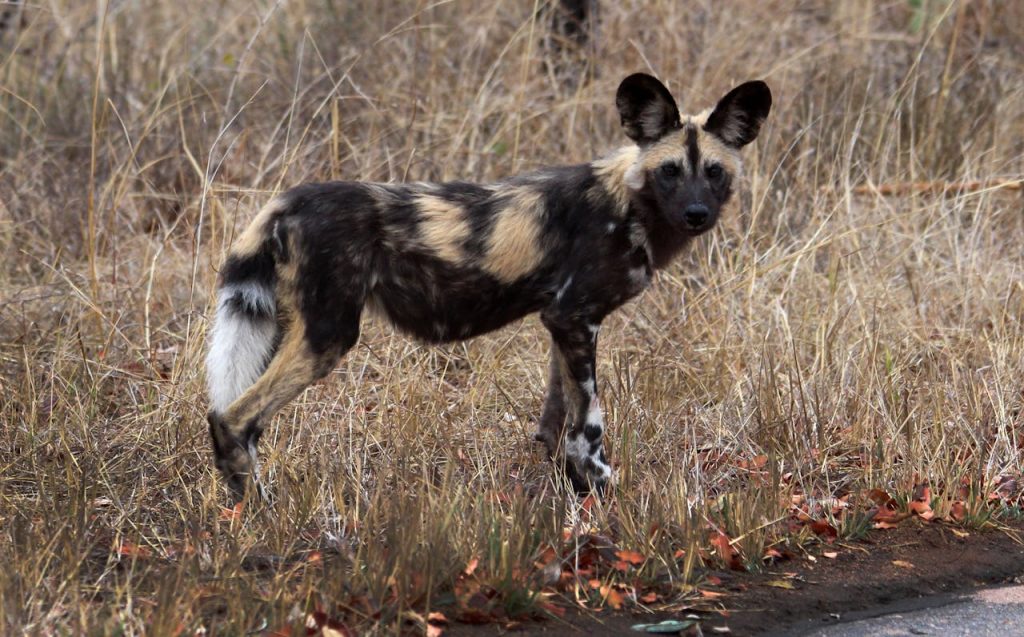
African wild dogs rarely challenge elephants head-on, but rare is not the same as impossible. Their strength is coordination, speed, and relentless pressure, and packs will test vulnerable young animals when a herd’s formation breaks or a calf falls behind.
Reports from safari guides and wildlife observers describe packs harrying elephant calves and trying to isolate them in chaotic moments. Successful takedowns are unusual, yet the pattern is consistent: if a calf is separated, wild dogs can turn a brief gap into real danger. They exploit confusion faster than most predators around them. The herd only needs one mistake.
Other Elephants
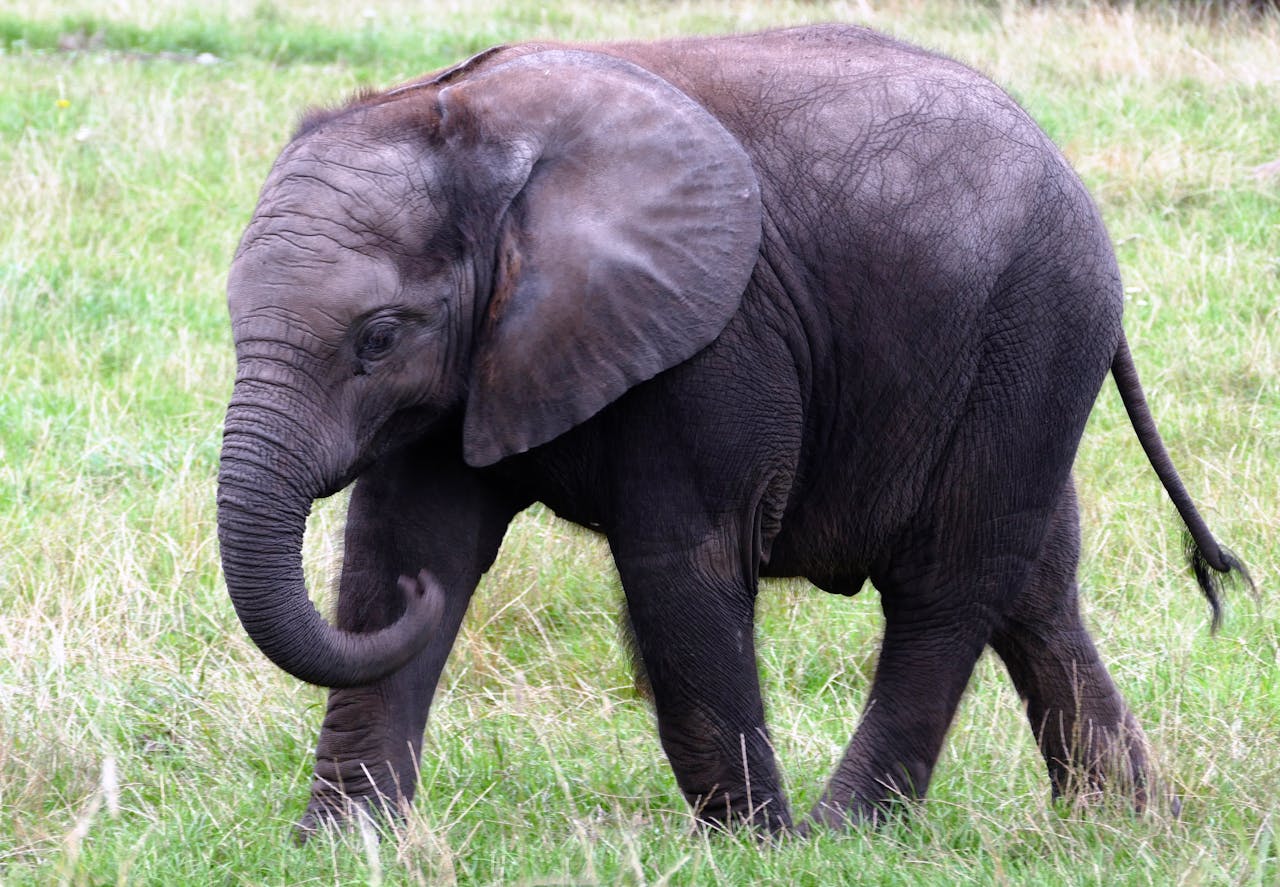
Some of the most serious elephant injuries come from other elephants. Adult bulls compete intensely, and when space is limited or social structure is disrupted, those contests can escalate into fatal fights documented in managed and fenced populations under heavy breeding pressure.
There is also a quieter risk inside elephant society itself. Researchers have reported intraspecific killings and even infanticide in rare cases, which undercuts the myth that size and intelligence remove violence from the species’ own social world. The same power that protects a herd can also injure it when stress and hormones spike fast.
Parasitic Worms
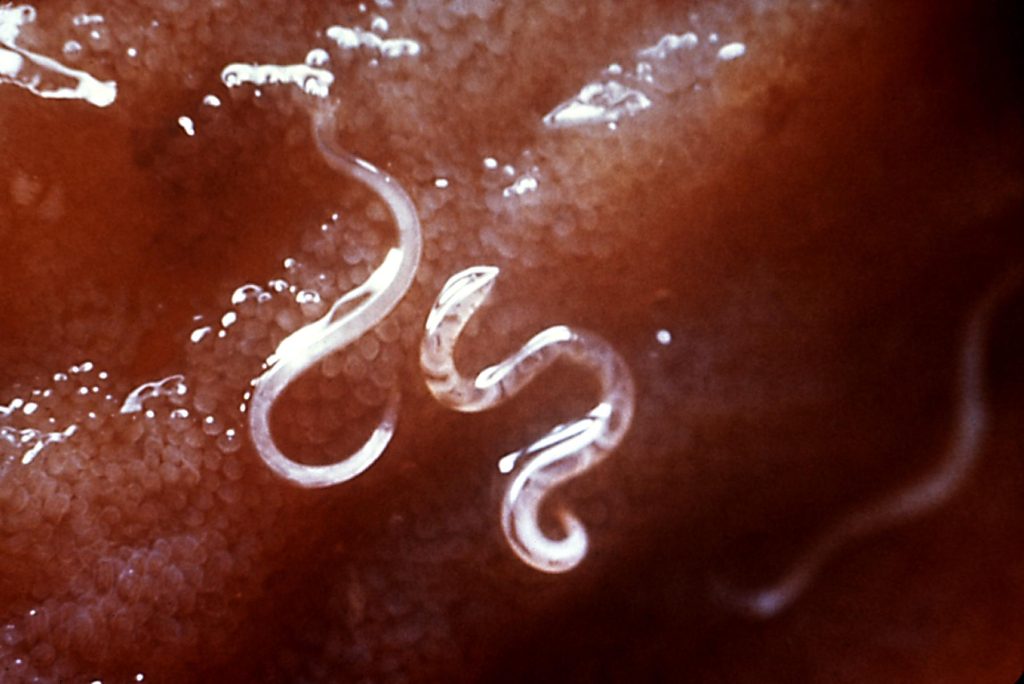
Not every threat arrives with claws. Gastrointestinal parasites such as strongyles and other worms can steadily weaken elephants, especially calves or stressed individuals, and veterinary research has linked heavy parasite burdens to serious illness and, at times, mortality in captive populations.
These cases do not look dramatic from a distance, which is why they are easy to underestimate. But when nutrition drops, immunity falters, and dehydration follows intestinal disease, even a giant herbivore can be worn down by organisms almost too small to notice. Slow damage can be every bit as dangerous as a sudden attack.
Fly Larvae
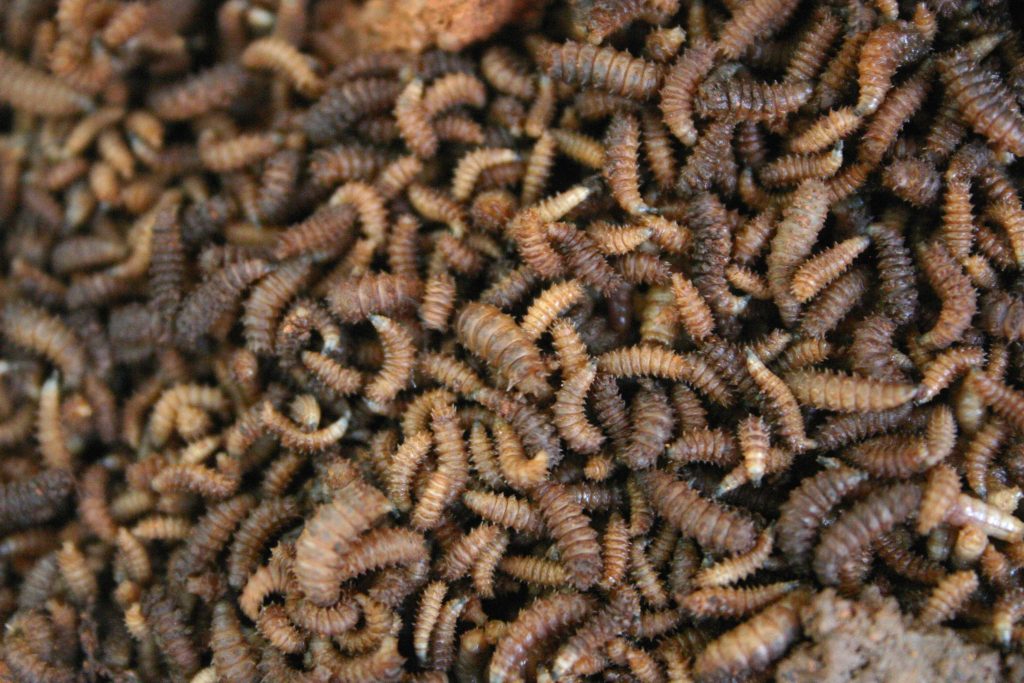
Large flies can pose another overlooked danger through myiasis, a condition where larvae infest wounds or vulnerable tissue. Veterinary reports from captive elephants have documented severe cases, including deaths, when fly larvae infestations spread before treatment can control them.
It is a stark reminder of how elephant survival depends on more than strength. A small injury, warm weather, and a missed intervention can create a chain reaction, turning an insect problem into a life-threatening crisis for an animal built like a tank. In the wrong conditions, tiny bodies can do real harm. The damage can build quietly, then surge.