

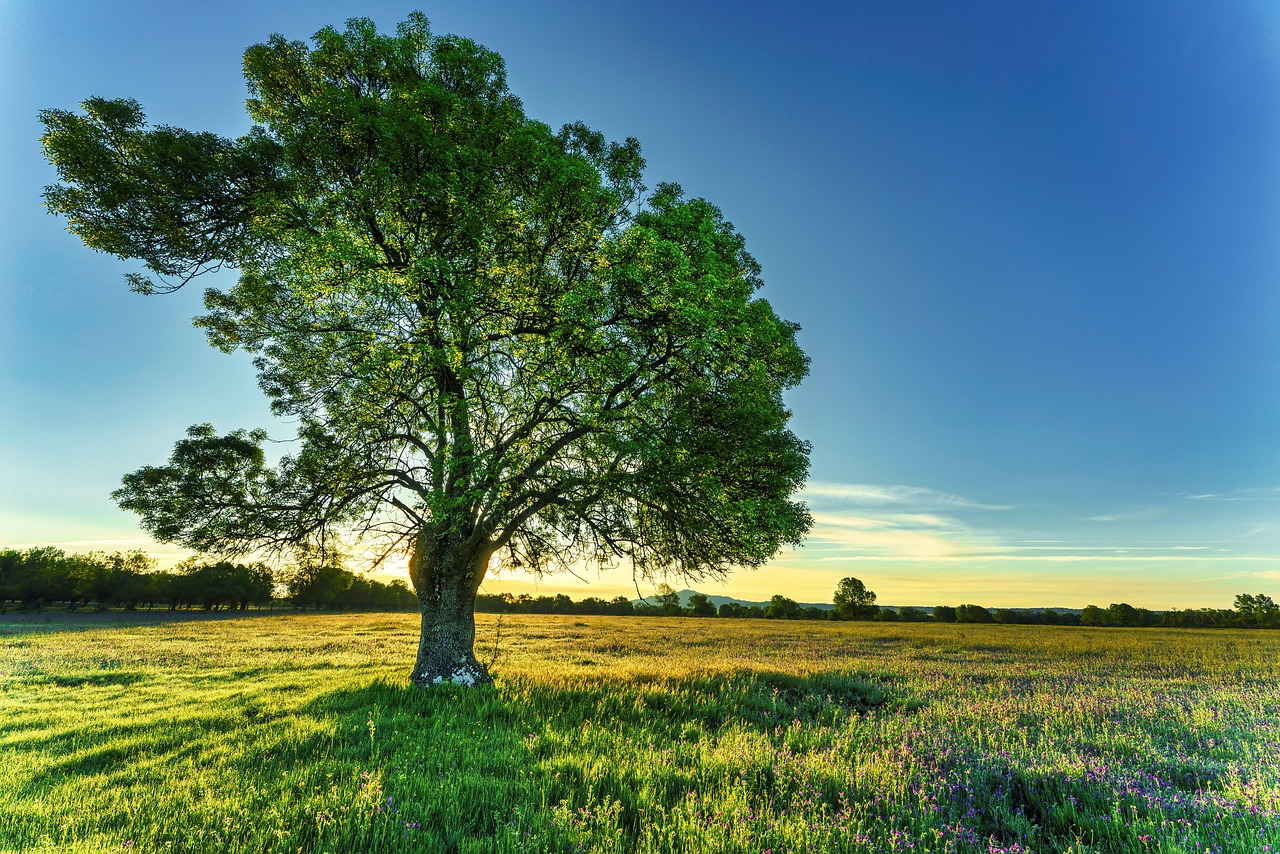
Ash trees almost never decline in a dramatic way at first, and that slow change is exactly why emerald ash borer damage gets missed. County crews often see a canopy that looks a little thin, a trunk with a few odd shoots, or bird pecking that seems easy to shrug off, while the real feeding damage is already spreading under the bark. USDA APHIS notes that early infestations are hard to detect because the injury is hidden and the decline is gradual, and that same delay gives moved firewood time to spread the problem farther. The pattern looks obvious in hindsight. Small clues usually appear well before a clear diagnosis.
Canopy Thinning Starts High
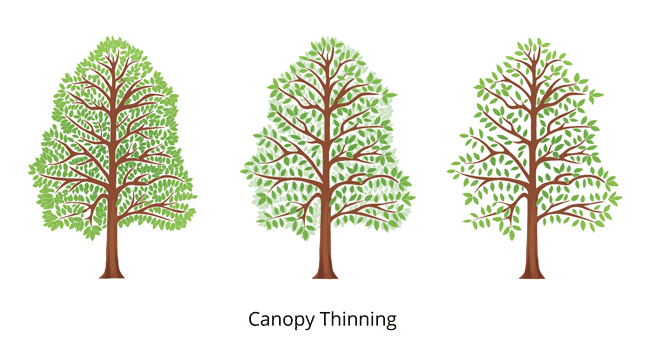
The first clue often shows up in the top of the ash canopy, where leaves thin and small branches begin to fade. From the ground, the lower canopy can still look green enough to pass as heat stress, so the tree may not draw concern.
Wisconsin DNR and extension guidance describe this top first thinning as a common pattern because larval feeding disrupts water and nutrient flow. NC State also notes infestations often begin high and move downward, which helps explain why early decline is easy to underestimate from eye level.
That uneven crown is not a final diagnosis on its own, but it is a strong reason to inspect the tree closely.
Trunk Sprouts That Look Like Recovery
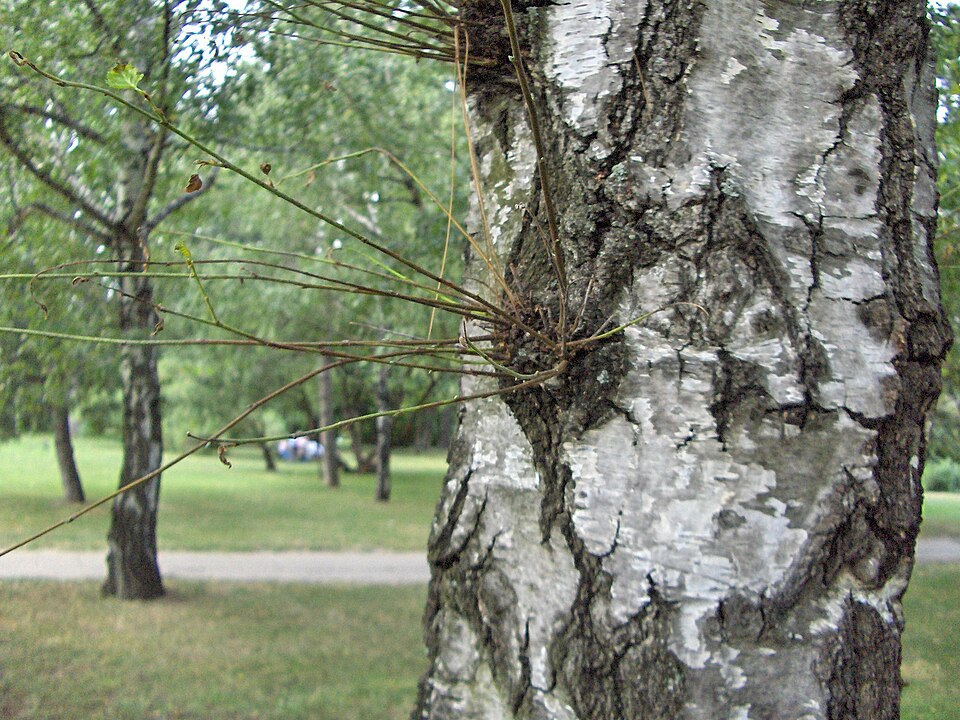
When ash trees are under pressure, they often push out fresh shoots from the trunk or near the base as a survival response. Those leafy sprouts can look like recovery, but on mature ash they usually signal stress, especially when the upper crown is thinning.
Wisconsin DNR describes epicormic sprouting on the trunk and base, often below where larvae are feeding. Minnesota Extension adds a useful caution, these shoots can happen with emerald ash borer tunneling, but sprouts by themselves do not confirm an infestation.
County crews treat this sign as part of a pattern, not a verdict, which helps keep field checks accurate.
Vertical Bark Splits With Hidden Damage
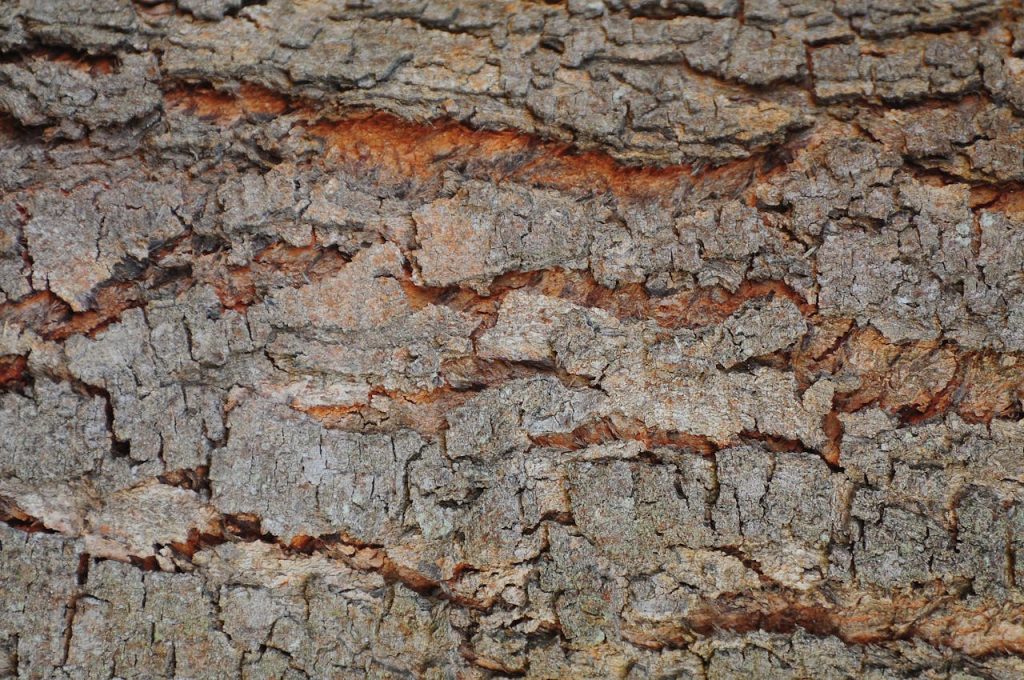
Vertical bark cracks are another sign people dismiss as ordinary tree wear, but they can reveal a lot on ash. As the tree tries to heal around larval galleries, callus tissue forms, and that repair process can create long splits that expose hidden damage.
Wisconsin DNR explains that these bark splits form around larval galleries, and Minnesota Extension notes that splits are not always caused by emerald ash borer. That warning matters because it keeps attention on the full set of clues instead of one dramatic crack.
When a split appears with canopy thinning or trunk sprouts, foresters take it much more seriously in practice.
D Shaped Exit Holes and S Shaped Galleries
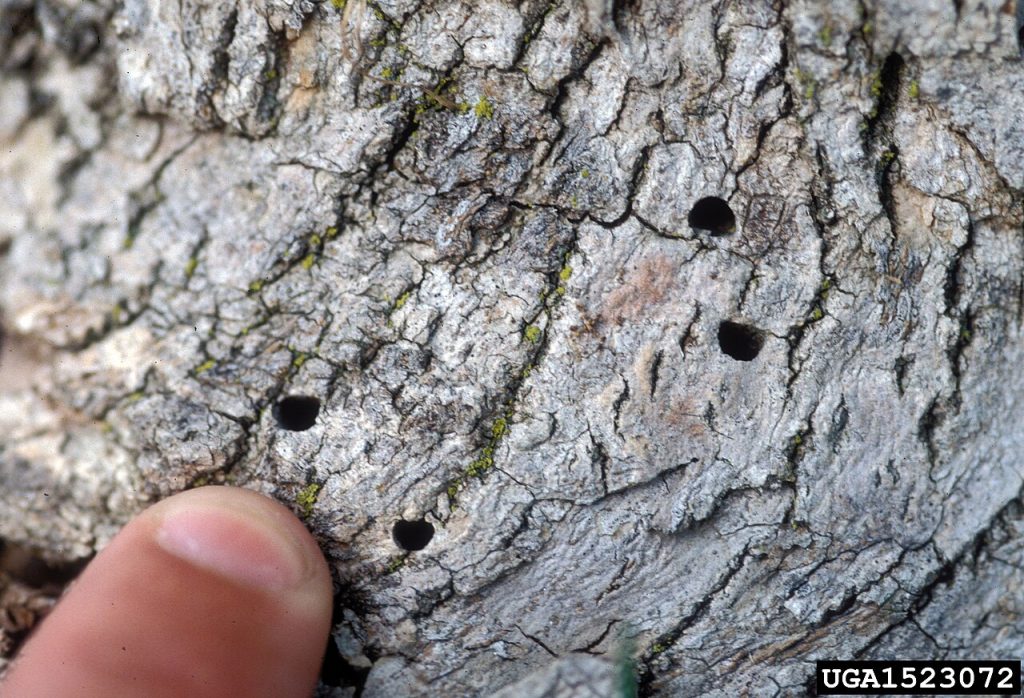
One of the clearest physical signs is the D shaped exit hole left when an adult beetle emerges. APHIS also points to S shaped galleries made by larvae under the bark, which is the feeding damage that interrupts the tree’s internal transport system.
Minnesota Extension describes those winding galleries in the phloem and outer sapwood and notes they become visible when bark is removed. NC State adds that exit holes are typically one eighth inch and often start high in the tree, so holes at eye level may not show for several years.
That delay is why a tree can look only mildly stressed while the best evidence stays out of reach.
Woodpecker Flecking and Blonding
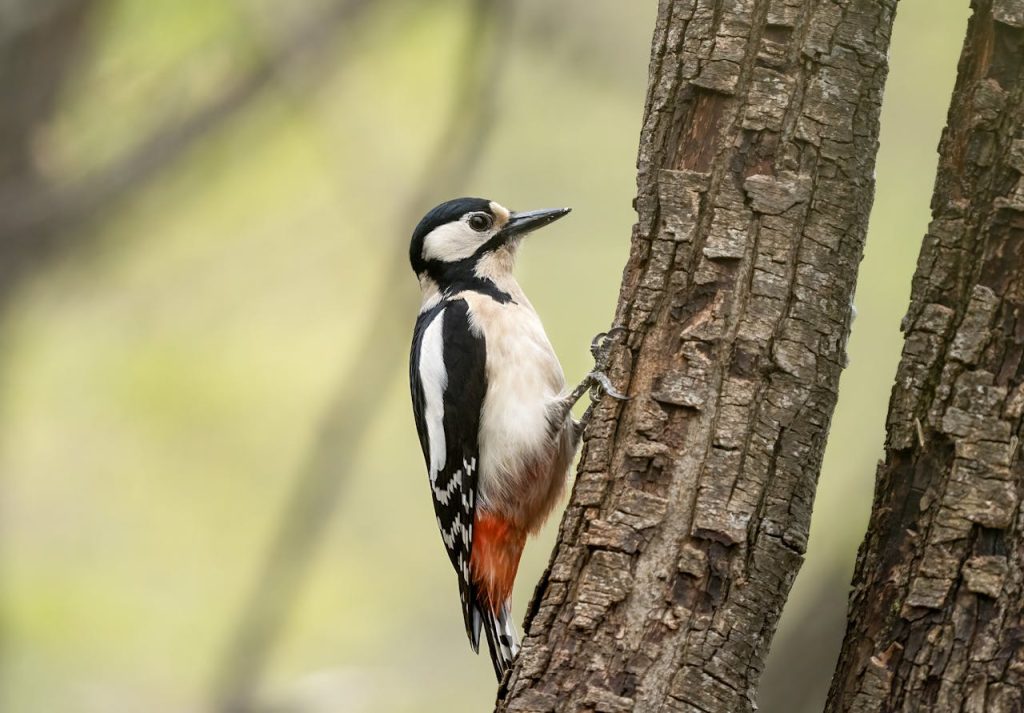
Woodpeckers often flag an infested ash before the tree looks fully spent. They peel and chip at bark while hunting larvae, leaving pale patches and rough flecking that stand out after a stretch of active feeding.
APHIS notes that increased woodpecker activity can indicate emerald ash borer, and Wisconsin DNR explains that flecking usually begins higher in the tree where attacks often start. Minnesota Extension also describes the pale surface look, called blonding, and notes that it may spread down the trunk as pressure increases.
Bird damage alone does not prove the cause, but it is one of the most useful field clues.
The Firewood Mistake That Moves the Problem
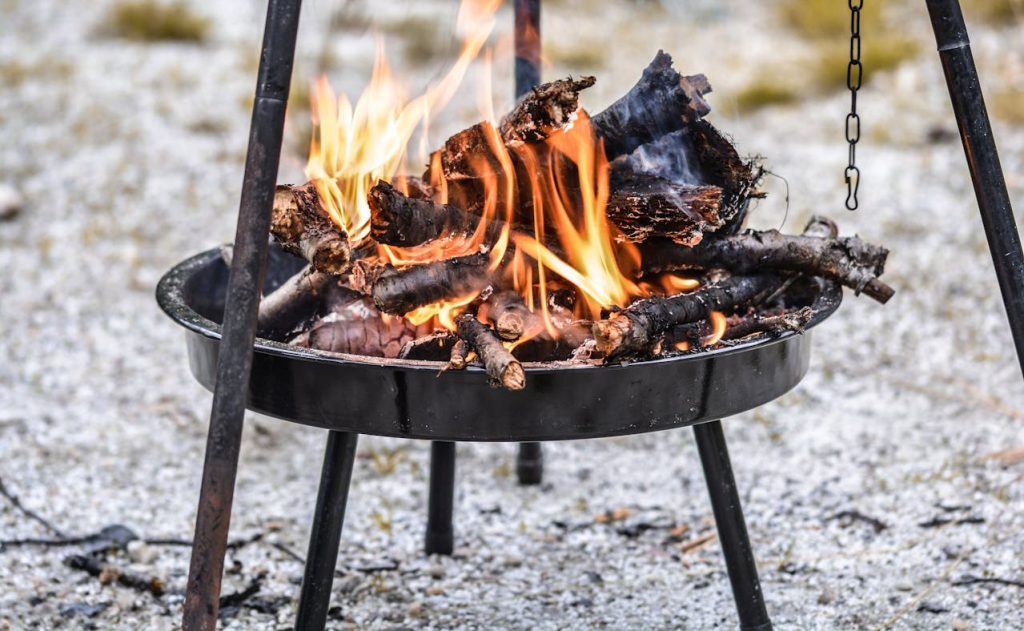
The biggest spread mistake is moving firewood because it looks clean, dry, or harmless. APHIS warns that people help the beetle spread long distances when they move infested ash firewood, and the National Invasive Species Information Center notes that pests can hide in firewood and survive for years.
Forest Service guidance is direct, leave firewood at home and use local sources. The National Park Service adds rules crews repeat, buy it where it will be burned, choose certified heat treated wood, and do not take leftover wood back home.
That habit sounds small, but it is one of the fastest ways to slow new infestations.
Ash trees shape the feel of a street long before anyone talks about forest pests, and that is exactly why these early signs matter. When local crews, neighborhoods, and campgrounds treat firewood as part of tree health, more shade stays standing, and fewer communities have to learn the pattern after the canopy is already gone.