

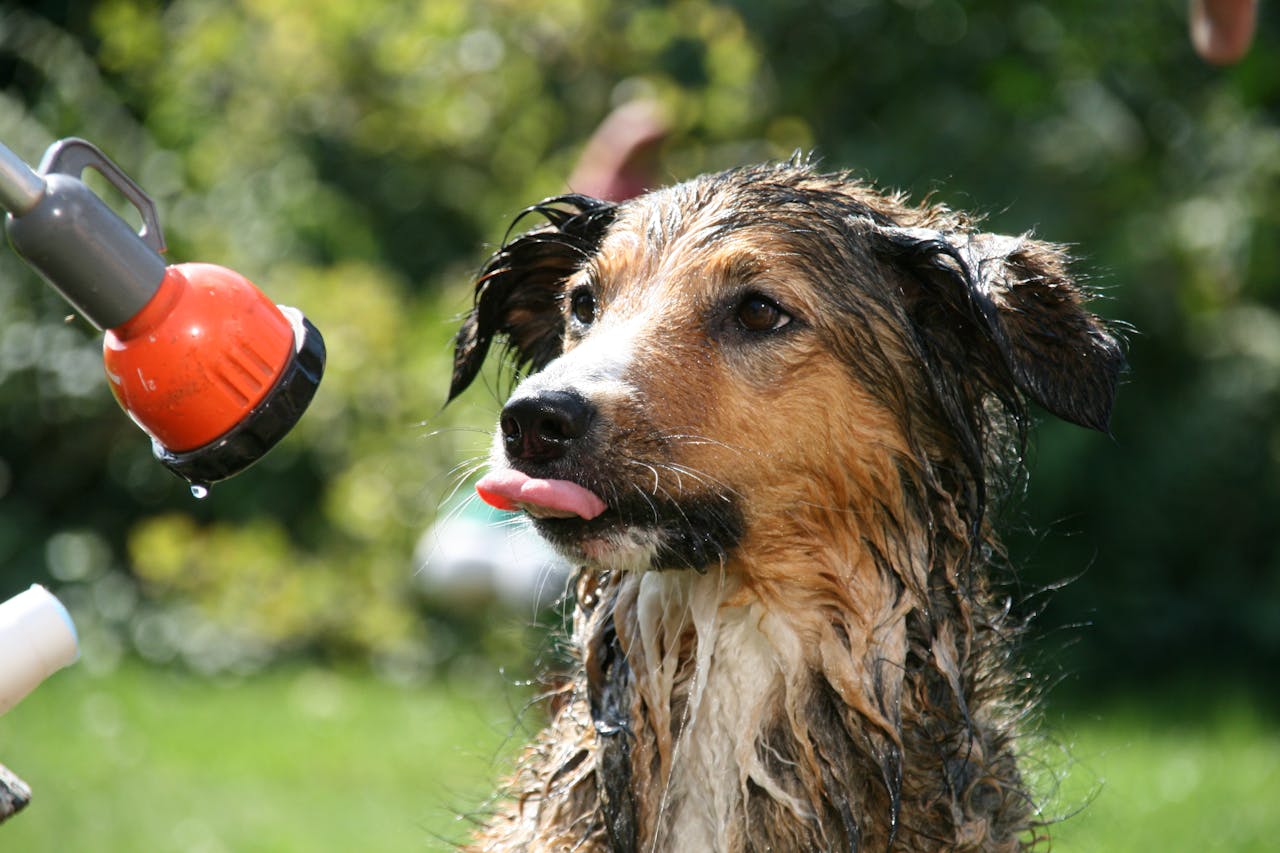
A skunk encounter can turn a quiet yard into a chaotic scene in seconds. Dogs often rush in before the warning stomp and tail lift make sense, and the aftermath is more than an awful smell. Veterinary guidance treats skunk spray as a real exposure because it can irritate the eyes, nose, mouth, and skin, and heavier cases can trigger delayed problems after the odor panic fades. A steady response matters because the first steps protect the face, limit how far the oily spray spreads, and keep a miserable moment from becoming an overnight disaster indoors. The right sequence saves time, stress, and avoidable damage indoors.
Stay Calm And Keep The Cleanup Outside
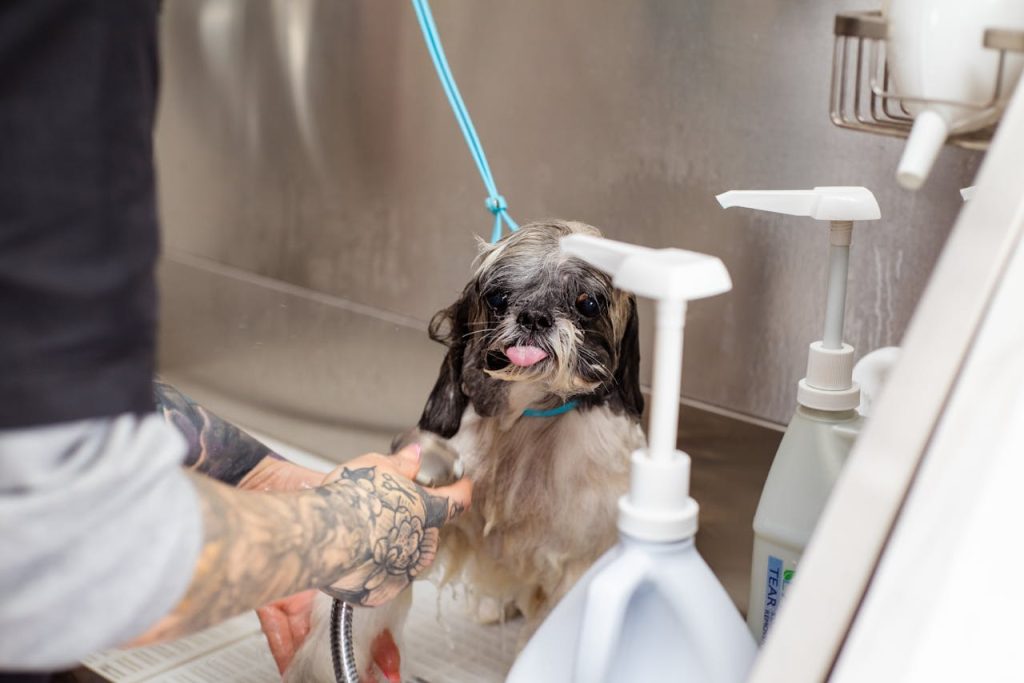
The first priority is control, not scrubbing. Cornell advises keeping the dog outdoors during cleanup because skunk oils cling to fabric and can linger on furniture, rugs, blankets, and car upholstery long after the fur smells better. That one choice protects the home as much as the dog.
A calm response also prevents the dog from rolling, face-rubbing, or sprinting through the house while the spray is still fresh. Those first few minutes often decide whether the problem stays on the coat or becomes a full-home odor problem that lasts for days and keeps reappearing when fabrics get damp. Fresh air also helps everyone think clearly.
Check The Face First Before The Smell
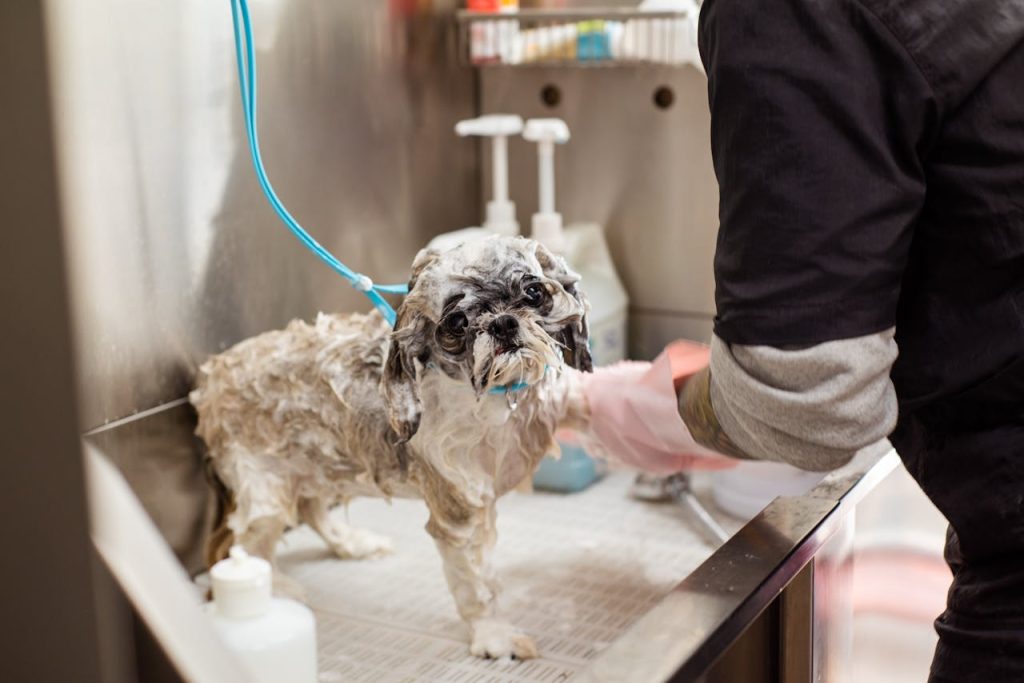
Veterinarians focus on the face first because many dogs are sprayed on or around the head. VCA notes that skunk spray can irritate the eyes like tear gas, causing burning, redness, heavy tearing, and even temporary blindness, while mouth exposure can become more serious if spray is swallowed. That is why smell alone is not the triage guide.
ASPCA also lists drooling, sneezing, vomiting, swollen eyes, rolling, and face rubbing as common early signs after spraying. The smell announces the problem immediately, but the condition of the eyes and mouth usually shows how urgent the next step needs to be and whether home cleanup can wait.
Rinse Eyes And Seek Urgent Care For Eye Or Mouth Exposure
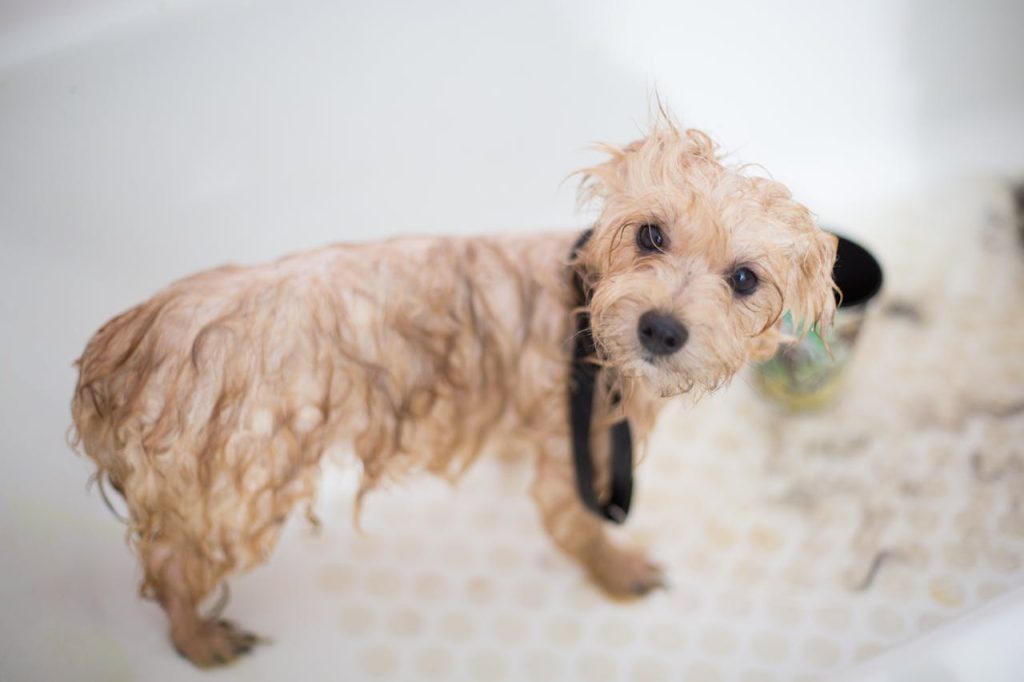
If spray hits the face, eye comfort comes before deodorizing. ASPCA recommends flushing affected eyes with plenty of tepid water for about 20 minutes, and Cornell also advises rinsing the eyes promptly when the face has been sprayed. Early flushing helps dilute the irritating oils before rubbing makes things worse.
Cornell notes that direct spray to the eyes or mouth calls for immediate veterinary care. Corneal irritation can worsen quickly, and exposure around the mouth raises concern that irritating compounds were swallowed during the confusion of the encounter and could trigger more serious effects. Speed matters here.
Use The Formula That Actually Neutralizes Odor
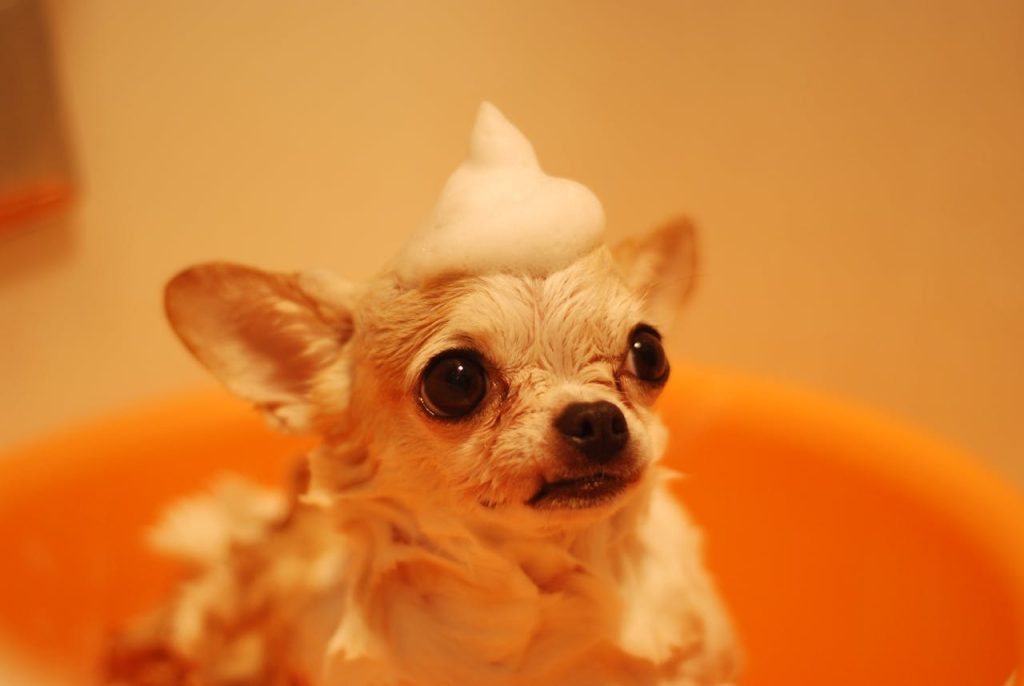
Regular shampoo alone usually fails because skunk spray chemistry is stubborn. Cornell explains that thiol compounds in skunk spray are not water-soluble, so basic washing does not fully remove them, even when the coat gets a long soap-and-water bath. A scented shampoo may leave fur cleaner but still pungent.
The usual peroxide, baking soda, and dish soap mixture works because it changes the chemistry, not just the scent. Cornell and VCA describe an oxidation process that turns foul thiols into less odorous compounds while dish soap helps break down the oily residue so it can rinse away more completely. That step matters.
Mix Fresh And Never Store The Solution
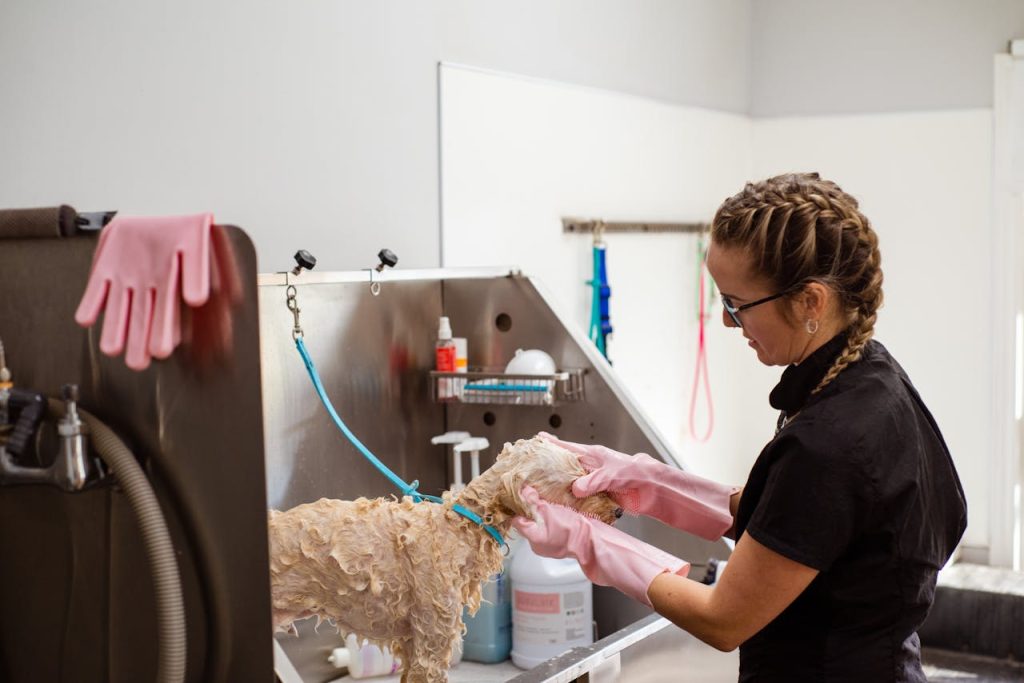
Veterinary sources are very clear on timing: the mixture should be made fresh and used right away. Cornell notes that the peroxide, baking soda, and dish soap solution works best while it is still bubbling and actively reacting on the sprayed fur. Waiting weakens the chemistry that does the real work.
Cornell and ASPCA also warn against storing leftovers or sealing the mixture in a container. The reaction keeps producing pressure, and a closed bottle can burst, which adds an avoidable safety problem to an already stressful cleanup and can damage skin, eyes, or nearby surfaces. Pre-mixing defeats the point and adds risk.
Use Safe Ratios And Protect The Sensitive Areas
Cornell shares a standard home recipe: 1 quart of 3% hydrogen peroxide, 1/4 cup baking soda, and 1 to 2 teaspoons of dish soap. Cornell recommends mixing in a bowl, applying it immediately, and keeping the solution out of the eyes. Gloves and old towels make the process much easier.
VCA adds a useful heads-up before cleanup starts: peroxide can lighten dark fur and bleach towels, clothes, or nearby fabrics. That is inconvenient, but it is still a safer tradeoff than using random household products near an already irritated face or trying harsh cleaners not meant for skin. Careful measuring matters. Precise ratios help.
Skip Tomato Juice And Watch For Delayed Illness
Old home remedies still circulate, but VCA is blunt that tomato juice does not neutralize skunk odor and vinegar is not an effective fix either. Time spent on weak remedies can delay proper cleanup while the dog keeps licking or inhaling residue, which can worsen irritation around the face and mouth.
ASPCA says some warning signs can show up later, including lethargy, weakness, urine color changes, and pale or brown gums. Those delayed signs are less common, but they need prompt veterinary care because skunk compounds can damage red blood cells and may lead to anemia. Vets treat this as chemistry, not a kitchen myth.
Reduce The Chances Of Another Midnight Encounter
Prevention usually starts with timing and food. Cornell notes that skunks are more active around dawn and dusk and recommends removing easy food sources such as outdoor pet food, loose garbage, and accessible compost, while ASPCA also flags bird seed as a common attractant. A clean yard is often the first deterrent.
Den access is the other big fix. Cornell advises closing openings under decks and sheds and clearing brush or wood piles, while ASPCA also suggests motion-activated lights or sprinklers to make a yard less inviting without harming wildlife or creating a nightly battle. Small changes usually solve the pattern. Early.